
Tunnel Boring Equipment in China: How to Compare Suppliers, Lead Times, and Support





Tunnel Boring Equipment in China: How to Compare Suppliers, Lead Times, and Support
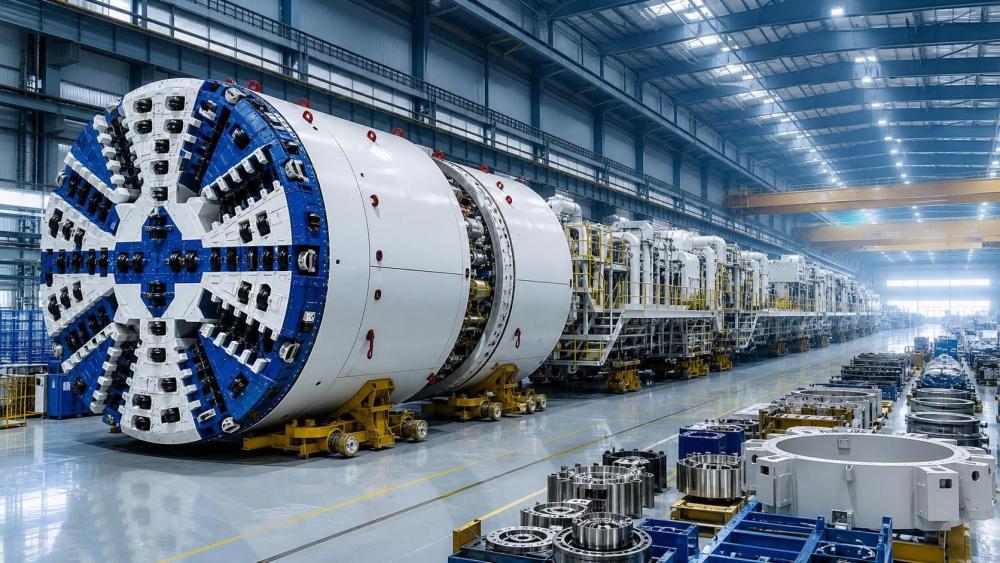
Evaluating Tunnel Boring Equipment in China requires more than comparing quoted prices.
The real decision usually comes down to engineering depth, delivery realism, and service reliability.
That is especially true when procurement teams assess custom systems for long tunnel drives, mixed geology, or strict project schedules.
China has become a major source of Tunnel Boring Equipment in China for metro, railway, utility, and mining projects.
But supplier capability varies widely.
Some manufacturers offer deep design integration, while others mainly assemble around outsourced subsystems.
In practical terms, that difference affects lead time control, spare parts continuity, and problem-solving speed on site.
This guide provides a structured way to compare Tunnel Boring Equipment in China and reduce sourcing risk before contract award.
Start with supplier engineering capability
The first filter should be technical capability, not brochure size.
For Tunnel Boring Equipment in China, engineering strength often predicts project performance better than headline factory capacity.
A strong supplier should explain how its cutterhead, main drive, thrust system, screw conveyor, and backup design match your geology.
If answers stay generic, that is an early warning sign.
Ask for project references with similar diameter, rock strength, water pressure, alignment length, and segment lining requirements.
Also check whether the supplier has handled mixed-face conditions or abrasive strata before.
- Review in-house design, not only final assembly.
- Confirm experience with EPB, slurry, hard rock, or hybrid configurations.
- Check subsystem sourcing for drives, bearings, seals, and control systems.
- Ask who owns integration responsibility when failures cross vendor boundaries.
This stage should end with a technical shortlist.
Without that, price comparisons on Tunnel Boring Equipment in China can become misleading very quickly.
Compare lead times with a realistic lens
Lead time is rarely a single number.
For Tunnel Boring Equipment in China, it should be broken into design freeze, long-lead procurement, fabrication, factory assembly, testing, shipping, and site support.
Some quotations look attractive because they compress engineering review or external component delivery.
That may help a bid stage, but it creates execution risk later.
A useful comparison method is to request milestone-based schedules with assumptions clearly stated.
Then test those assumptions during supplier meetings.
- When are imported components released for order?
- Which parts are make-to-order versus standard stock?
- How many active machines share the same production line?
- What is the contingency for design changes after geology updates?
From recent market changes, longer waits often come from bearings, reducers, electronics, and hydraulic components.
A supplier with transparent schedule logic is usually safer than one offering the shortest unexplained promise.
Look beyond base price to total project value
The lowest upfront quote does not always mean the best procurement result.
When reviewing Tunnel Boring Equipment in China, total value should include uptime, cutter consumption, energy use, spare packages, and field engineering access.
This matters even more for long drives where a few days of stoppage can erase any purchasing savings.
Try using a weighted evaluation sheet instead of a simple price ranking.
This approach makes comparisons between suppliers of Tunnel Boring Equipment in China far more objective.
Assess support after delivery, not just before signing
After-sales support is where many sourcing decisions are truly tested.
In actual projects, Tunnel Boring Equipment in China may perform well on paper but still struggle if support response is slow.
Ask suppliers to define their service model in operational terms.
Who arrives during commissioning.
How quickly can they dispatch specialists.
Which spare parts are stocked locally.
What remote diagnostics tools are available.
- Request service level commitments with response windows.
- Review recommended critical spares for the first operating year.
- Check training coverage for operators, mechanics, and electricians.
- Confirm bilingual manuals, drawings, and troubleshooting documents.
The stronger signal is whether support capability is already built, not promised after award.
That also means reviewing local partners, regional warehouses, and digital maintenance systems.
Check manufacturing discipline and quality control
For Tunnel Boring Equipment in China, factory visits still matter.
Even a short audit can reveal whether a supplier runs a controlled production system or a rushed project workshop.
Focus on traceability, welding control, machining precision, assembly sequence, testing records, and nonconformance handling.
It is also worth checking how change orders are documented.
Suppliers that manage deviations well usually handle field issues better too.
- Review quality plans and inspection hold points.
- Verify major component certificates and acceptance standards.
- Observe assembly areas for organization and safety discipline.
- Ask for FAT procedures and sample reports from previous machines.
A disciplined manufacturer reduces uncertainty across the full sourcing cycle.
Watch for localization, compliance, and interface risks
Not every risk sits inside the machine itself.
Tunnel Boring Equipment in China often enters projects with specific local power standards, safety rules, logistics constraints, and documentation expectations.
If these interfaces are ignored, delays appear during shipment, assembly, or commissioning.
That is why procurement reviews should include commercial and technical interface mapping together.
- Confirm export packing, port dimensions, and inland transport planning.
- Check electrical standards, software access rights, and cybersecurity expectations.
- Review segment system interfaces, slurry treatment links, and conveyor compatibility.
- Clarify warranty boundaries for third-party equipment integration.
The best suppliers of Tunnel Boring Equipment in China treat these points as part of delivery, not as buyer-side extras.
Build a practical decision framework
A solid procurement decision usually combines technical scoring, commercial review, and risk ranking.
For Tunnel Boring Equipment in China, a practical framework can stay simple.
- Define project conditions and non-negotiable performance needs.
- Shortlist suppliers by proven machine type and reference quality.
- Compare milestone schedules, not only final delivery dates.
- Score lifecycle cost, service depth, and spares readiness.
- Audit manufacturing quality and interface management capability.
- Negotiate measurable support commitments before purchase order release.
This keeps the buying process grounded in operational reality.
It also helps separate polished sales positioning from execution strength.
When evaluated this way, Tunnel Boring Equipment in China can offer strong value, capable engineering, and competitive delivery options.
The key is to compare suppliers as long-term project partners, not just equipment vendors.
If the final decision balances supplier capability, credible lead times, and dependable support, the procurement outcome is far more likely to hold up once excavation begins.
Related News

How to Evaluate European Drill-and-Blast Tunnelling Contractors for Complex Projects
Drill and blast tunnelling contractors Europe: learn how to assess geology expertise, blast control, equipment reliability, safety, and programme resilience for complex projects.

Which Trenchless Construction Technique Fits Your Utility Crossing Conditions?
Trenchless construction techniques compared for utility crossings: choose HDD, microtunnelling, pipe jacking, or auger boring based on ground, accuracy, access, and risk.

What Is Driving Metro Tunnelling Demand Across Southeast Asia’s Major Cities?
Metro tunnelling Southeast Asia is accelerating as major cities tackle congestion, flooding, and connectivity. Explore the market forces, technical risks, and opportunities shaping demand.

Hard Rock Tunnelling in Australia: Selecting Methods for Variable Ground Conditions
Hard rock tunnelling in Australia: compare TBM, drill-and-blast and hybrid methods to manage variable ground, reduce risk and protect project costs.

Hydropower Tunnel Excavation: Selecting Methods for Variable Rock Conditions
Hydropower tunnel excavation methods for variable rock conditions: compare TBM, drill-and-blast, and hybrid strategies to improve safety, progress, and project control.

How to Select Underground Safety Equipment for Tunnelling by Hazard and Work Zone
Underground Safety Equipment for tunnelling: match protection to hazards, work zones, compliance, and emergency needs with this practical selection guide.

EPB or Slurry Shield? Selecting Soft-Ground Tunnelling Equipment by Soil Conditions
Tunnel Excavation Equipment for soft ground: compare EPB and slurry shields by soil, groundwater, settlement risk, and project logistics to choose confidently.
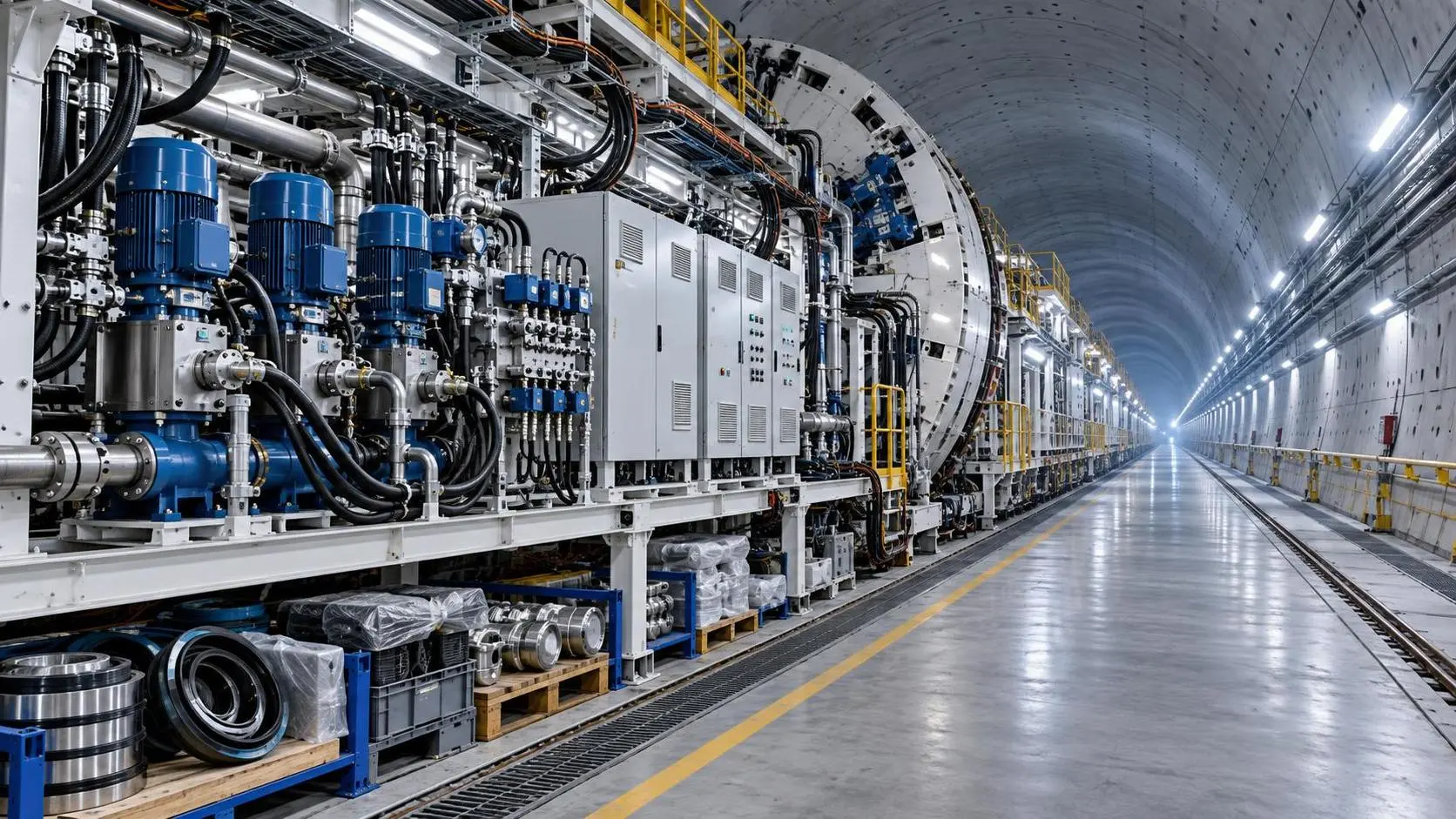
How to Specify TBM Backup System Parts for Reliable Long-Distance Tunnelling
TBM backup system parts: learn how to specify reliable spares for long-distance tunnelling, reduce downtime, ensure compatibility, and speed underground recovery.
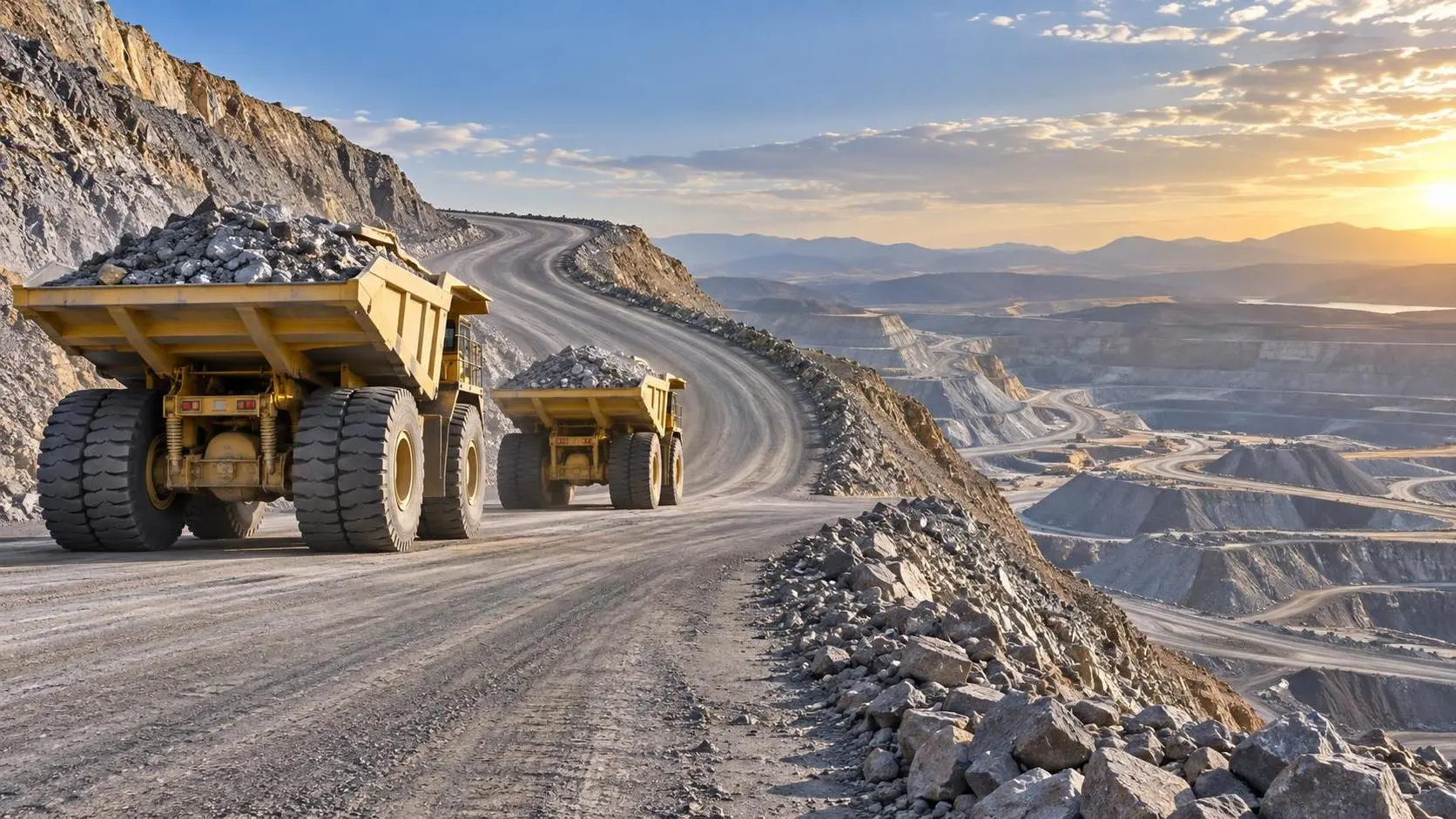
How to Size Open Pit Mining Trucks for Haul Distance, Grade, and Payload?
Open Pit Mining Trucks: learn how to match payload, haul distance, grade, road resistance, and loading capacity for safer, lower-cost mine operations.
Related News
- 00
0000-00
How to Evaluate European Drill-and-Blast Tunnelling Contractors for Complex Projects - 00
0000-00
Which Trenchless Construction Technique Fits Your Utility Crossing Conditions? - 00
0000-00
What Is Driving Metro Tunnelling Demand Across Southeast Asia’s Major Cities? - 00
0000-00
Hard Rock Tunnelling in Australia: Selecting Methods for Variable Ground Conditions - 00
0000-00
Hydropower Tunnel Excavation: Selecting Methods for Variable Rock Conditions
Weekly Insights
Stay ahead with our curated technology reports delivered every Monday.