
Underground Excavation Safety Checklist: Common Risks, Controls, and Site Practices





Why does underground excavation safety need a checklist, not just experience?
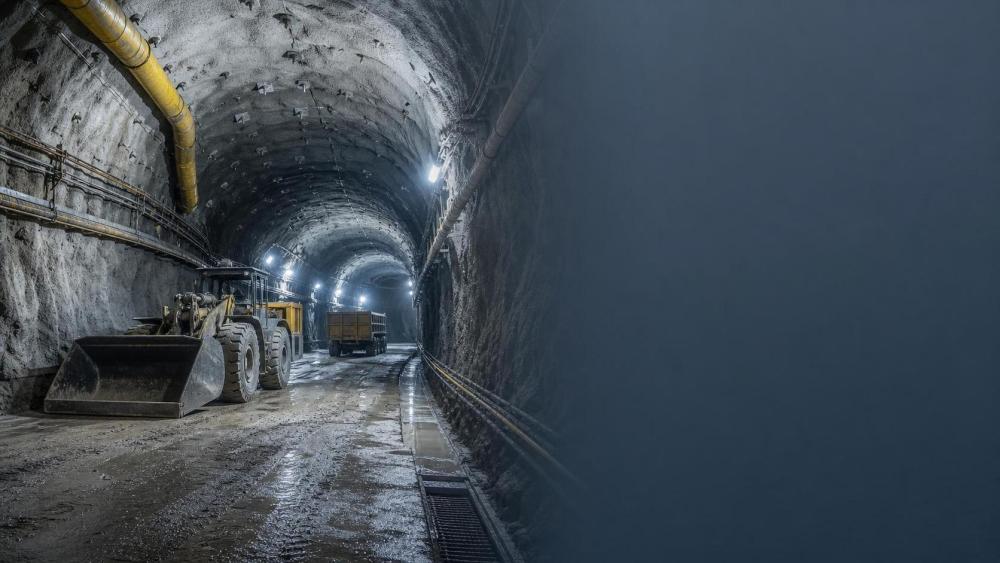
Underground excavation safety breaks down when crews rely on habit alone.
Conditions shift by the hour in tunnels, shafts, decline ramps, and trenchless drives.
Groundwater enters unexpectedly. Ventilation changes after blasting. Equipment routes overlap with pedestrian access.
A checklist turns those moving parts into visible controls.
That matters across TBM excavation, pipe jacking, jumbo drilling zones, and underground loading areas.
In practice, the strongest checklist does not sit in a folder.
It guides pre-start inspections, shift handovers, permit reviews, and stop-work decisions.
UTMD often tracks how advanced underground projects combine rock mechanics, electrified equipment, and digital monitoring.
The same lesson appears repeatedly.
Reliable production comes from disciplined underground excavation safety, not from output pressure.
A useful checklist should answer one basic question before work starts:
What can fail here today, and what control proves it is managed?
Which risks show up most often underground?
Most underground excavation safety failures come from predictable hazards that were not checked early enough.
The issue is rarely one dramatic event.
More often, it is a chain of small misses.
The table below helps separate common risks from the control that should be visible on site.
This is why underground excavation safety must be reviewed as a system.
Ground support, air quality, machine interaction, and water control affect one another.
A good checklist captures that overlap before it becomes an incident pattern.
What should be on a daily underground excavation safety checklist?
Daily checks work best when they stay short, specific, and tied to actual field conditions.
If a point cannot be verified, it should not appear as a vague tick box.
A practical underground excavation safety checklist usually covers these areas:
- Face condition, crown condition, and any change since the last shift.
- Support installation status, damaged mesh, cracked shotcrete, or delayed bolting.
- Ventilation availability, gas test results, and dust control at active headings.
- Equipment condition, braking response, alarms, cameras, lights, and fire suppression.
- Travelways, escape routes, refuge chambers, and emergency communication readiness.
- Water inflow, pumping capacity, sump level, and floor slip hazards.
- Power, battery charging, trailing cables, and isolation controls.
- Permit status for blasting, hot work, confined access, and maintenance intervention.
For TBM and pipe jacking operations, cutterhead access and pressurized work need separate checks.
For drill-and-blast headings, blast clearance and post-blast re-entry matter more.
For battery or electric loaders, charging areas and thermal event response need attention.
The checklist should reflect the method, not just the contract title.
Where do site teams usually get underground excavation safety wrong?
The biggest mistake is treating underground excavation safety as a paperwork exercise.
A signed form does not prove control.
Visible evidence does.
Another frequent problem is delayed response to changing geology.
Crews may continue using yesterday’s support pattern in a zone with different fracture behavior.
That gap can be critical in deep excavations and high-stress headings.
There is also a common blind spot around mixed fleets.
Diesel vehicles, battery machines, drilling jumbos, and service units create different exposure profiles.
One traffic plan rarely fits all conditions.
In UTMD-covered projects, electrification and automation improve safety potential, but only when procedures evolve too.
Zero-exhaust equipment reduces fumes, yet visibility, charging, battery isolation, and remote intervention risks remain.
The usual warning signs are easy to spot:
- Repeated housekeeping issues near active headings.
- Support installed late because production is prioritized.
- Gas testing done, but not linked to work permits.
- Near misses discussed informally, not converted into revised controls.
- Emergency drills planned on paper, but not tested underground.
When those signs appear together, underground excavation safety is already weakening.
How should controls change for TBMs, jumbos, trenchless work, and underground loaders?
The core principles stay the same, but the controls should follow the machine and the work method.
That is where many generic checklists lose value.
TBM and large tunnel drives
Focus on cutterhead intervention, segment handling, grout systems, and conveyor isolation.
Check pressurized access procedures and rescue readiness before intervention work begins.
Pipe jacking and trenchless installations
Watch launch shafts, slurry management, jacking force trends, and confined access routes.
Surface disruption may be lower, but shaft risk can be high.
Drilling jumbos and drill-and-blast headings
Prioritize face scaling, pattern accuracy, unsupported exposure time, and blast clearance discipline.
A stable heading after charging cannot be assumed.
Underground LHDs and haulage systems
Focus on line-of-sight loss, turning radii, remote operation zones, and interaction with pedestrians.
Battery-swapping and charging areas need clear thermal and isolation procedures.
The lesson is straightforward.
Underground excavation safety improves when controls are tailored to the excavation system, not copied across all headings.
How can site practices make underground excavation safety more consistent?
Consistency usually comes from routines that survive schedule pressure.
That means simple field habits, clear escalation rules, and measurable verification.
The most effective site practices are often operational rather than theoretical.
- Tie every critical checklist point to one named verifier on each shift.
- Record changes in geology and water behavior at the heading, not later in the office.
- Use short handover notes on support status, ventilation condition, and restricted zones.
- Review near misses weekly and update controls where patterns repeat.
- Check emergency access with the same seriousness as production access.
- Audit whether field evidence matches the checklist, especially after shift changes.
Digital monitoring can strengthen underground excavation safety, but it should support field judgment.
Gas sensors, equipment telemetry, and geotechnical alerts are useful only when someone acts on them quickly.
That is also where sector intelligence becomes practical.
UTMD’s focus on smart mines, automated transport, and heavy underground equipment shows how safety, reliability, and utilization now move together.
A modern checklist should reflect that shift.
What is the best next step if the checklist exists but incidents still happen?
Start by checking whether the checklist measures presence or performance.
For example, noting that ventilation fans are running is not enough.
The real question is whether airflow and gas readings are acceptable at the work face.
Then review recurring events by location, activity, and equipment type.
Patterns usually appear around unsupported ground, poor interaction control, or weak shift transitions.
If underground excavation safety is still inconsistent, refine the checklist around these actions:
- Remove generic items that no one truly verifies.
- Add trigger points for stop-work decisions.
- Separate controls by method, heading type, and machine class.
- Link defects to closure dates and accountable follow-up.
- Recheck emergency readiness after any layout or fleet change.
Underground excavation safety improves when checklist findings change behavior on the same shift.
That is the practical benchmark.
If the checklist cannot influence today’s work, it is already too far from the risk.
A strong next step is to review site conditions, compare controls by excavation method, and rebuild the checklist around verifiable field evidence.
That approach protects people, stabilizes production, and keeps underground excavation safety aligned with modern tunnelling and mining practice.
Related News
How to Evaluate European Drill-and-Blast Tunnelling Contractors for Complex Projects
Drill and blast tunnelling contractors Europe: learn how to assess geology expertise, blast control, equipment reliability, safety, and programme resilience for complex projects.
Which Trenchless Construction Technique Fits Your Utility Crossing Conditions?
Trenchless construction techniques compared for utility crossings: choose HDD, microtunnelling, pipe jacking, or auger boring based on ground, accuracy, access, and risk.
What Is Driving Metro Tunnelling Demand Across Southeast Asia’s Major Cities?
Metro tunnelling Southeast Asia is accelerating as major cities tackle congestion, flooding, and connectivity. Explore the market forces, technical risks, and opportunities shaping demand.
Hard Rock Tunnelling in Australia: Selecting Methods for Variable Ground Conditions
Hard rock tunnelling in Australia: compare TBM, drill-and-blast and hybrid methods to manage variable ground, reduce risk and protect project costs.
Hydropower Tunnel Excavation: Selecting Methods for Variable Rock Conditions
Hydropower tunnel excavation methods for variable rock conditions: compare TBM, drill-and-blast, and hybrid strategies to improve safety, progress, and project control.
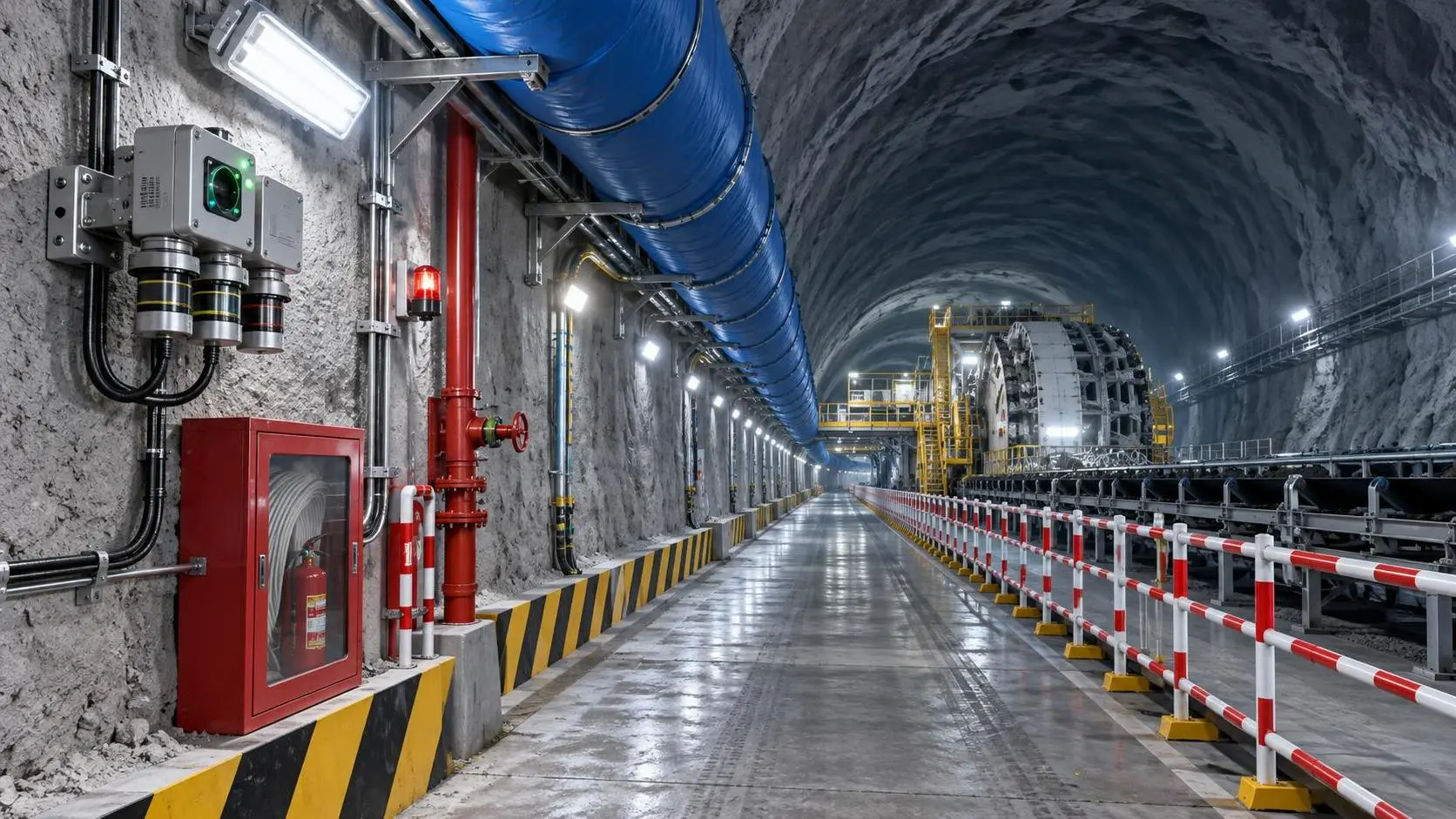
How to Select Underground Safety Equipment for Tunnelling by Hazard and Work Zone
Underground Safety Equipment for tunnelling: match protection to hazards, work zones, compliance, and emergency needs with this practical selection guide.
EPB or Slurry Shield? Selecting Soft-Ground Tunnelling Equipment by Soil Conditions
Tunnel Excavation Equipment for soft ground: compare EPB and slurry shields by soil, groundwater, settlement risk, and project logistics to choose confidently.
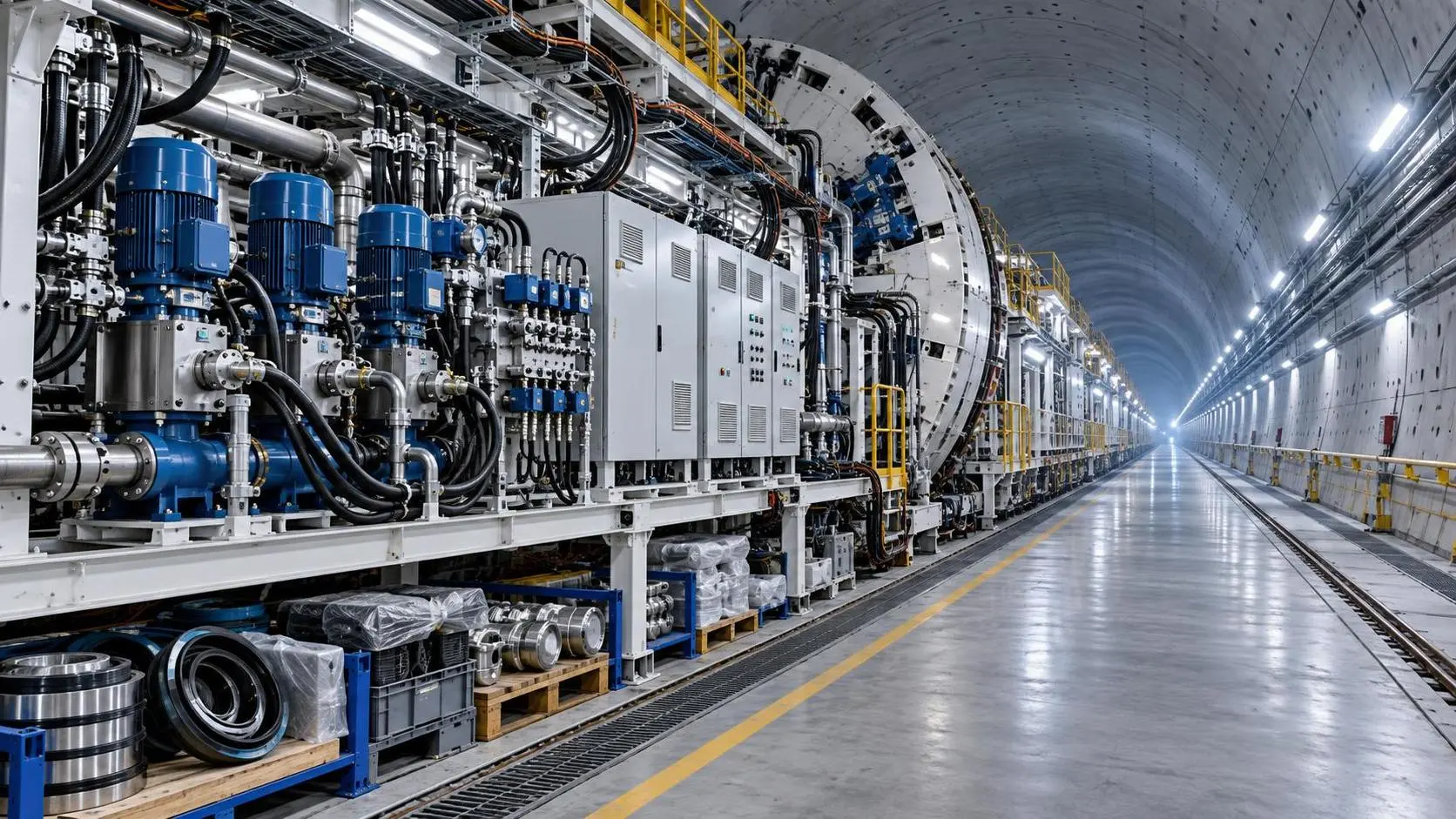
How to Specify TBM Backup System Parts for Reliable Long-Distance Tunnelling
TBM backup system parts: learn how to specify reliable spares for long-distance tunnelling, reduce downtime, ensure compatibility, and speed underground recovery.
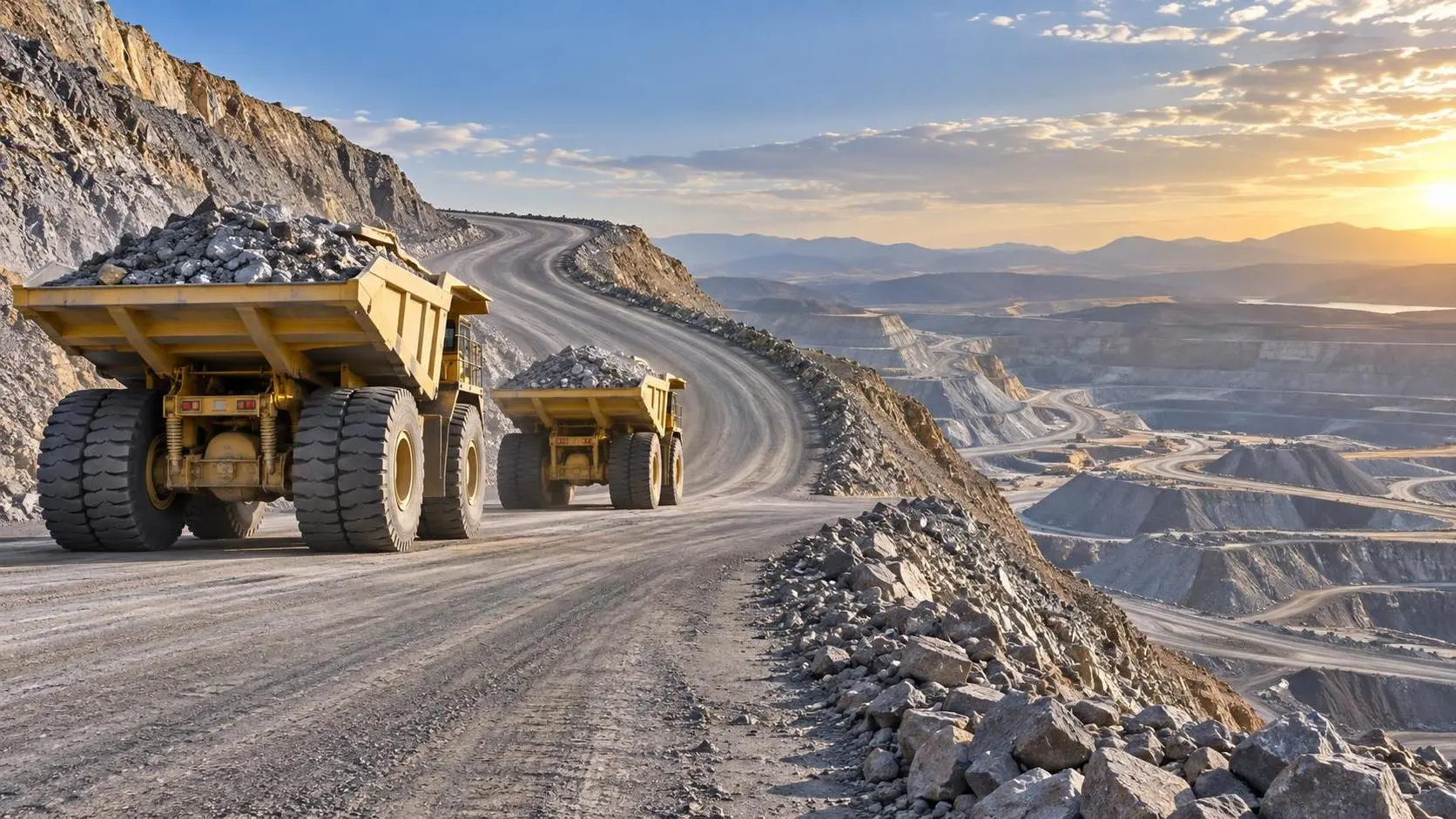
How to Size Open Pit Mining Trucks for Haul Distance, Grade, and Payload?
Open Pit Mining Trucks: learn how to match payload, haul distance, grade, road resistance, and loading capacity for safer, lower-cost mine operations.
Related News
- 00
0000-00
How to Evaluate European Drill-and-Blast Tunnelling Contractors for Complex Projects - 00
0000-00
Which Trenchless Construction Technique Fits Your Utility Crossing Conditions? - 00
0000-00
What Is Driving Metro Tunnelling Demand Across Southeast Asia’s Major Cities? - 00
0000-00
Hard Rock Tunnelling in Australia: Selecting Methods for Variable Ground Conditions - 00
0000-00
Hydropower Tunnel Excavation: Selecting Methods for Variable Rock Conditions
Weekly Insights
Stay ahead with our curated technology reports delivered every Monday.