
Mine Logistics Optimization: Where to Cut Haulage Delays and Idle Time First





Where mine logistics optimization should start underground
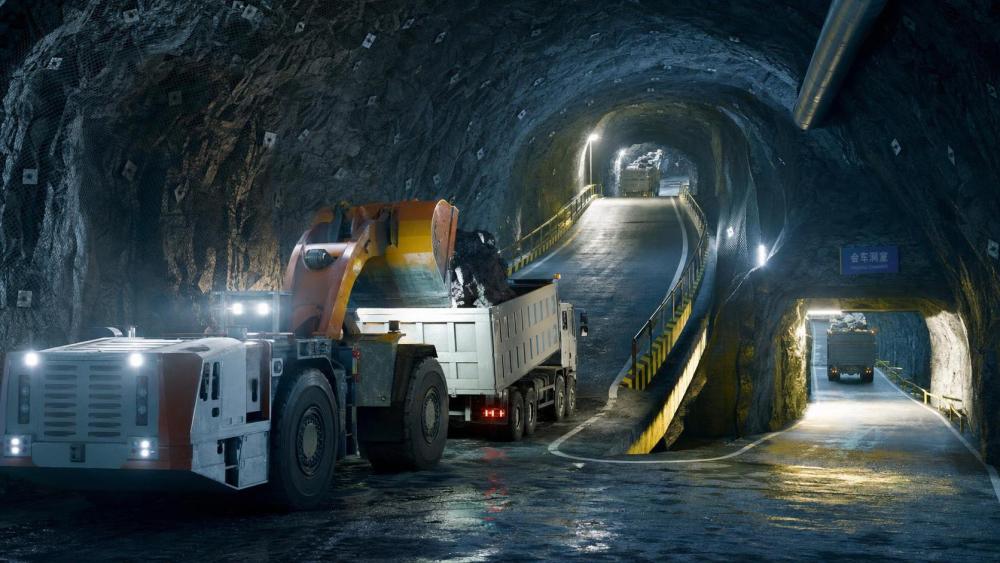
Mine logistics optimization rarely begins with a fleet expansion. It usually begins with a sharper look at where time disappears between loading, hauling, waiting, dumping, and returning.
In underground operations, those losses are often small per cycle. Across a full shift, they become the difference between stable output and constant recovery work.
The first bottlenecks are not always mechanical failures. More often, they are queueing at drawpoints, poor route discipline, battery swap timing, or dispatch decisions made with incomplete visibility.
That is why mine logistics optimization needs to be treated as an operating system issue, not only a vehicle issue. Haulage performance depends on how the whole underground chain behaves.
UTMD follows this wider view across smart underground mining transport, TBM support logistics, drilling jumbo cycles, and electrified heavy equipment. The common lesson is practical: first gains come from removing friction between linked activities.
In real mine logistics optimization work, the fastest improvements often appear where idle time looks routine and therefore escapes attention. Those are the places worth ranking first.
Why bottlenecks look different from one mine layout to another
Not every delay has the same root cause. A deep battery-electric LHD circuit behaves differently from a diesel fleet on wider ramps, even when reported cycle time looks similar.
Geometry matters first. Narrow headings, passing bay spacing, gradients, ventilation limits, and dump pocket access all change what mine logistics optimization should prioritize.
The operating mode matters too. Remote loading, autonomous haulage, or mixed manual and automated traffic create different waiting patterns and different risks of hidden idle time.
Orebody conditions also shape the problem. Variable fragmentation changes bucket fill time, truck loading consistency, and crusher feed rhythm, which can make a logistics issue look like an equipment issue.
This is where mine logistics optimization becomes a judgment exercise. The useful question is not only where delay happens, but which delay propagates into the rest of the shift.
When loading points create the biggest hidden loss
Many underground sites start with haul routes, yet the first true bottleneck is often at the loading face. A fast truck or LHD cannot recover time lost before the bucket is filled.
This usually happens when draw control, blast fragmentation, ground support work, and loading windows are not aligned. The loader then alternates between rushing and waiting.
In this situation, mine logistics optimization should focus on face readiness. Measure hang-ups, rehandle time, fill factor variation, and the delay between access clearance and first load.
A common misread is to blame the hauling fleet because tonnage falls at the end of the shift. In practice, the hauling fleet may simply be amplifying an unstable loading pattern.
Operations using drilling jumbos and short-cycle development headings see this often. If drilling, charging, scaling, and loading are too tightly compressed, queueing becomes structural rather than accidental.
What to check first at the loading side
- Difference between planned and actual first-load time after heading release.
- Average waiting minutes per unit at active drawpoints.
- Bucket fill consistency under varying fragmentation and moisture conditions.
- Interference from scaling, bolting, or ventilation clearance work.
Long ramps and dump pockets need a different mine logistics optimization lens
Where haul distances are longer, the first cuts often come from route discipline and dump coordination. Small pauses on gradients create large hourly losses.
This becomes even more important with electrified fleets. Battery state, regenerative braking windows, and charging or swapping logic change how each route should be scheduled.
Mine logistics optimization in these zones is less about average speed alone. It is about preserving flow, reducing conflicting meets, and protecting dump access from bunching.
UTMD has tracked similar logic in smart transport systems and zero-emission underground equipment. Electrification improves safety and air quality, but it also makes timing discipline more valuable.
If several units arrive at a dump pocket together, the queue can erase any gain created by higher travel speed. Mine logistics optimization should therefore rank queue pattern before speed claims.
Battery swapping and charging often become the new idle-time trap
Zero-exhaust underground transport changes the economics of delay. A battery-electric fleet can reduce ventilation burden and improve operating conditions, yet poor energy logistics can quietly reduce utilization.
In this setting, mine logistics optimization should track energy events as part of haulage, not as a separate maintenance topic. Swapping, charging, and queueing are cycle-time events.
The weak point is often concentration. If too many units reach low state-of-charge during the same hour, productive capacity drops sharply even when mechanical availability stays high.
A better approach is staggered dispatch, route assignment based on energy demand, and clear rules for whether a unit should finish one more cycle or exit early.
This matters in deep mines where ramp profiles affect regenerative braking recovery. Energy performance depends on route reality, not brochure averages.
Mixed fleets and automated zones require more careful priority rules
Mine logistics optimization becomes harder when autonomous trucks, tele-remote LHDs, and manual support vehicles share the same underground network. The issue is usually coordination, not headline technology.
Autonomous systems prefer predictable movement and protected zones. Manual support tasks often follow interruptions, urgent access needs, or changing ground conditions.
Without clear movement hierarchy, every exception slows the system. One unplanned intervention vehicle can trigger serial pauses across several production units.
Mine logistics optimization should therefore define priority by production impact and safety consequence. Ore haulage, service access, explosives movement, and maintenance response should not compete under one generic rule.
This is also relevant around major underground infrastructure projects. TBM support logistics and mining transport share the same lesson: automation works best when interfaces are engineered, not assumed.
Frequent misjudgments that slow improvement
- Using average cycle time without separating queue time from travel time.
- Treating similar headings as identical despite different gradients and support constraints.
- Focusing on fleet size before fixing dispatch discipline.
- Comparing equipment specifications without checking turning radius, visibility, and bay compatibility.
- Looking at purchase cost while ignoring battery logistics, maintenance windows, and software integration.
How to rank mine logistics optimization actions before making larger changes
The practical order is simple. Start where delay repeats, spreads, and blocks downstream activity. That usually gives better results than starting where the delay looks most dramatic.
A useful ranking method is to score each issue against four questions: how often it happens, how many units it affects, how long recovery takes, and whether the cause is controllable within current infrastructure.
In many mines, the first wave of mine logistics optimization does not require new equipment. It requires cleaner timestamp data, route segmentation, and event coding that separates wait causes.
After that, targeted interventions become clearer. Some sites need drawpoint release discipline. Others need dump scheduling, better battery swap spacing, or revised passing-bay rules.
The next step should be grounded in observed operating conditions:
- Map one full shift by actual event sequence, not by planned workflow.
- Separate loading delay, travel delay, energy delay, and dump delay.
- Compare high-output and low-output headings to find structural differences.
- Test one dispatch or access rule change before expanding the fleet.
- Review whether electrification, autonomy, or digital tracking changes old assumptions.
Strong mine logistics optimization is usually incremental at first. Once the earliest bottlenecks are exposed, larger capital decisions become easier to justify and far less speculative.
That is the most reliable path for underground operations aiming for higher asset utilization, lower idle time, and steadier output under demanding rock, energy, and safety constraints.
Related News
How to Evaluate European Drill-and-Blast Tunnelling Contractors for Complex Projects
Drill and blast tunnelling contractors Europe: learn how to assess geology expertise, blast control, equipment reliability, safety, and programme resilience for complex projects.
Which Trenchless Construction Technique Fits Your Utility Crossing Conditions?
Trenchless construction techniques compared for utility crossings: choose HDD, microtunnelling, pipe jacking, or auger boring based on ground, accuracy, access, and risk.
What Is Driving Metro Tunnelling Demand Across Southeast Asia’s Major Cities?
Metro tunnelling Southeast Asia is accelerating as major cities tackle congestion, flooding, and connectivity. Explore the market forces, technical risks, and opportunities shaping demand.
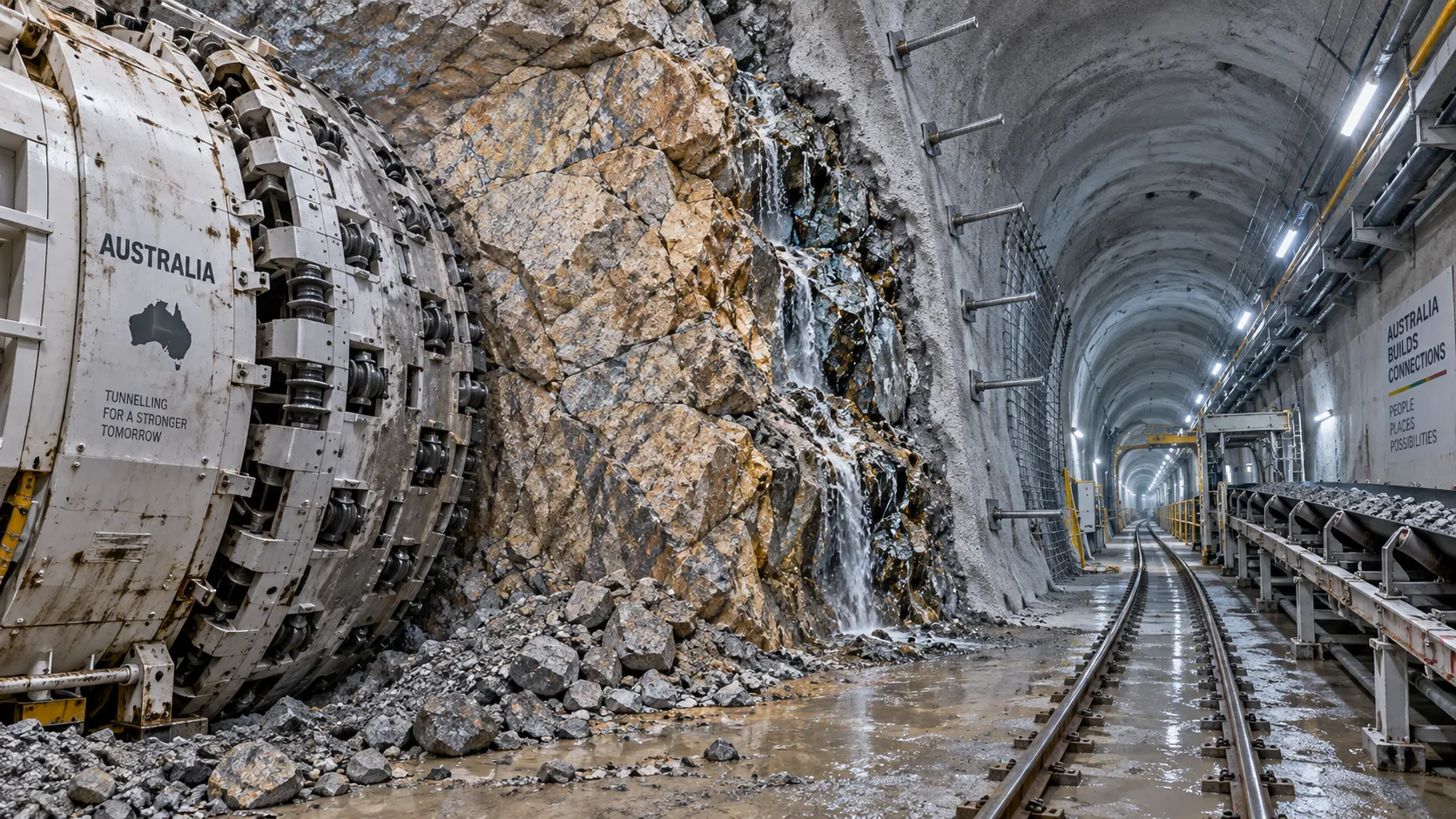
Hard Rock Tunnelling in Australia: Selecting Methods for Variable Ground Conditions
Hard rock tunnelling in Australia: compare TBM, drill-and-blast and hybrid methods to manage variable ground, reduce risk and protect project costs.
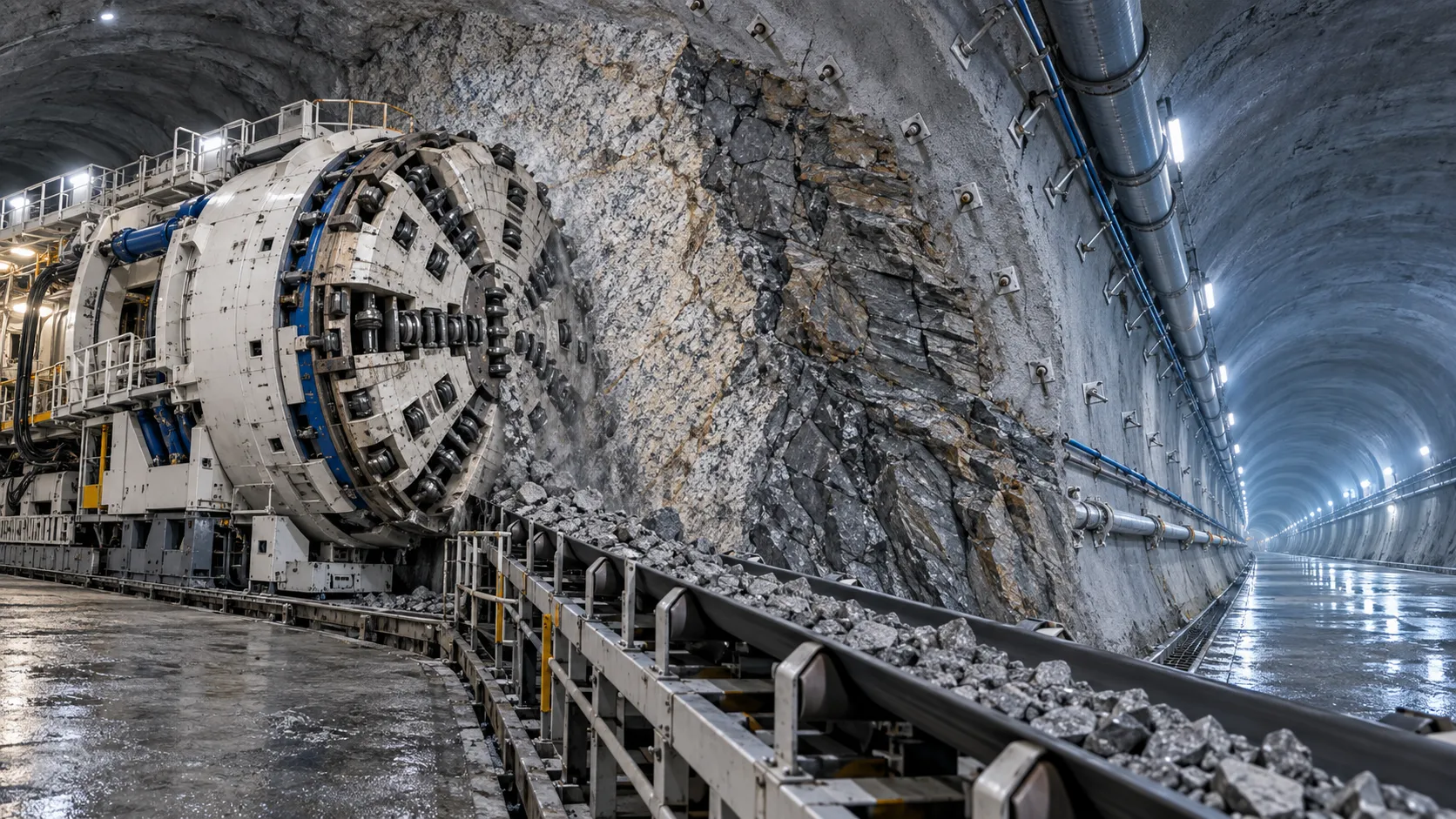
Hydropower Tunnel Excavation: Selecting Methods for Variable Rock Conditions
Hydropower tunnel excavation methods for variable rock conditions: compare TBM, drill-and-blast, and hybrid strategies to improve safety, progress, and project control.
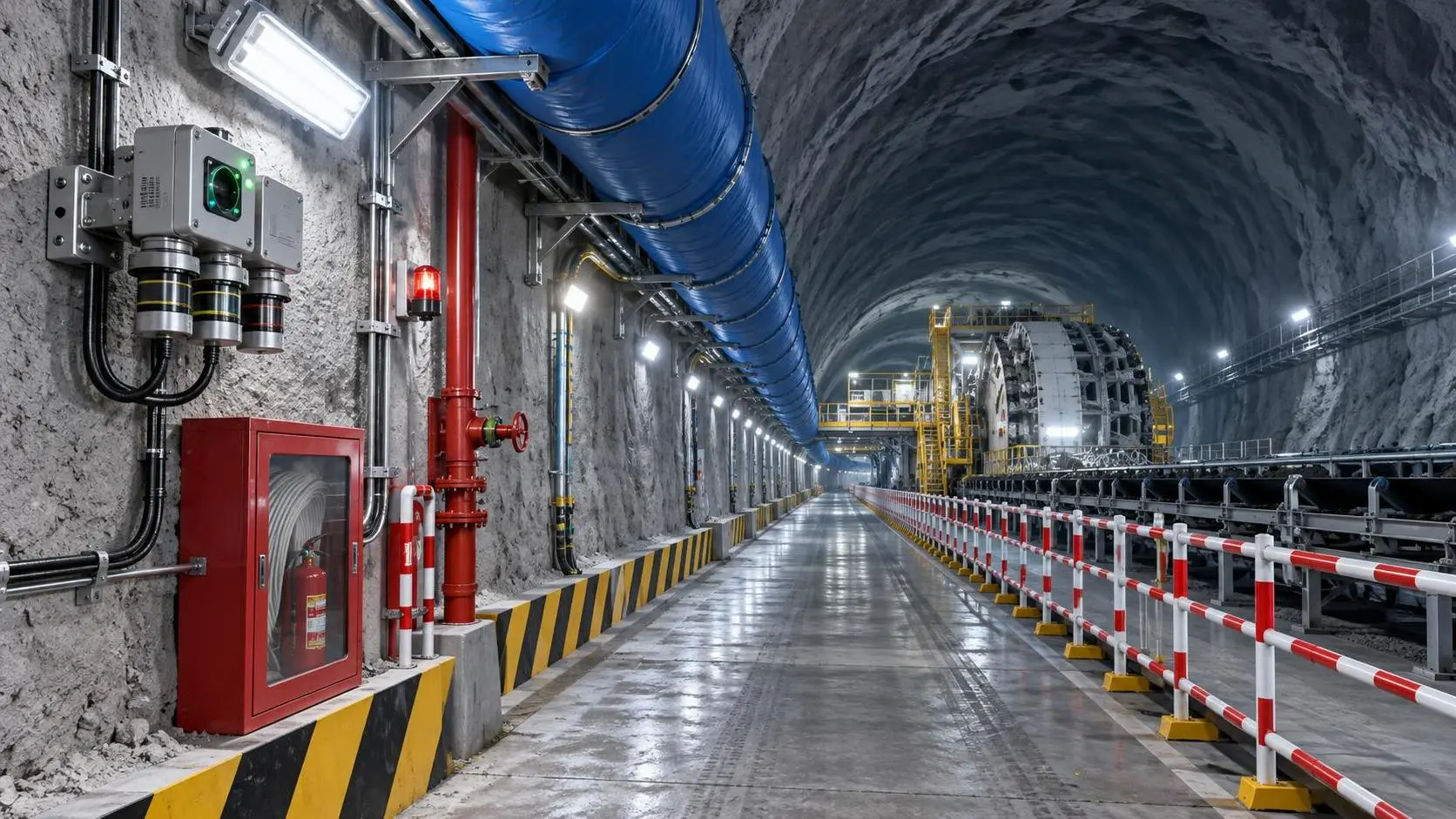
How to Select Underground Safety Equipment for Tunnelling by Hazard and Work Zone
Underground Safety Equipment for tunnelling: match protection to hazards, work zones, compliance, and emergency needs with this practical selection guide.
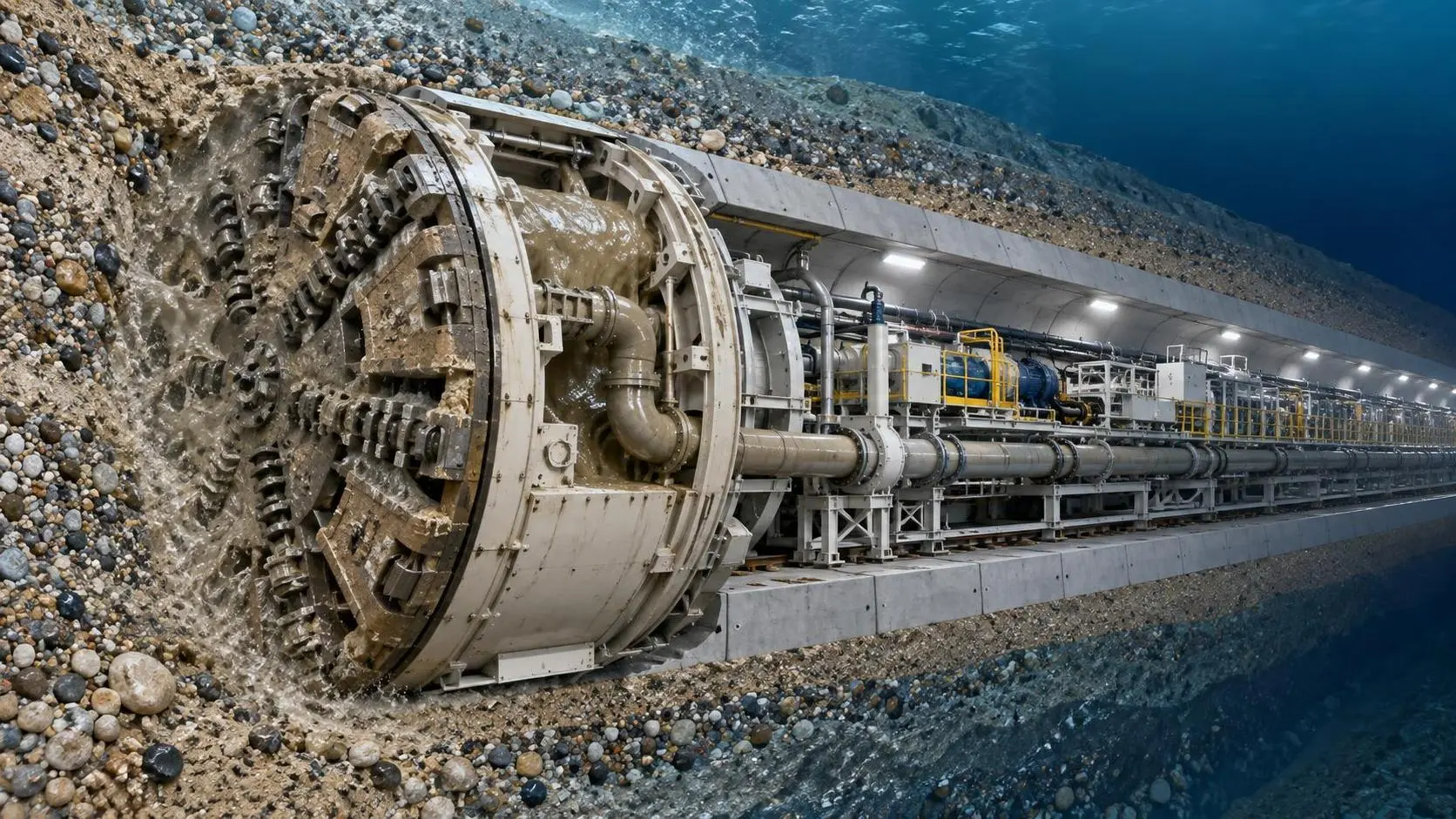
EPB or Slurry Shield? Selecting Soft-Ground Tunnelling Equipment by Soil Conditions
Tunnel Excavation Equipment for soft ground: compare EPB and slurry shields by soil, groundwater, settlement risk, and project logistics to choose confidently.
How to Specify TBM Backup System Parts for Reliable Long-Distance Tunnelling
TBM backup system parts: learn how to specify reliable spares for long-distance tunnelling, reduce downtime, ensure compatibility, and speed underground recovery.
How to Size Open Pit Mining Trucks for Haul Distance, Grade, and Payload?
Open Pit Mining Trucks: learn how to match payload, haul distance, grade, road resistance, and loading capacity for safer, lower-cost mine operations.
Related News
- 00
0000-00
How to Evaluate European Drill-and-Blast Tunnelling Contractors for Complex Projects - 00
0000-00
Which Trenchless Construction Technique Fits Your Utility Crossing Conditions? - 00
0000-00
What Is Driving Metro Tunnelling Demand Across Southeast Asia’s Major Cities? - 00
0000-00
Hard Rock Tunnelling in Australia: Selecting Methods for Variable Ground Conditions - 00
0000-00
Hydropower Tunnel Excavation: Selecting Methods for Variable Rock Conditions
Weekly Insights
Stay ahead with our curated technology reports delivered every Monday.