
Tunnel Excavation Automation Costs: What to Include in Your Budget





Tunnel Excavation Automation Costs: What to Include in Your Budget
A tunnel automation cost estimate that covers only equipment and software can leave significant gaps in the project budget. Control upgrades and machine guidance are visible purchases. Underground connectivity, integration engineering, commissioning downtime, and ongoing technical support are easier to miss—and harder to negotiate once excavation is underway.
The useful question is not simply “What does automation cost?” It is “What must this project spend to make the specified automated functions work reliably, under its actual operating conditions?” A guidance upgrade on a supported TBM is a different proposition from retrofitting an older machine or coordinating automated excavation with underground haulage.
A defensible budget starts with those boundaries, then follows the system through installation, operation, and eventual redeployment.
Define the operating scope before asking for prices
“Automation-ready” is not a usable procurement specification. It may describe anything from data collection and operator recommendations to closed-loop control of selected machine functions. Remote operation is another distinct scope: moving the operator does not necessarily automate the excavation process.
Specify the functions being purchased, the operating envelope, and the actions that remain with people. For a TBM, that could mean guidance, thrust and cutterhead control assistance, condition monitoring, or selected segment-handling functions. For a drilling jumbo, it could include drill-plan transfer, positioning, and automated drilling sequences. These packages have different sensors, interfaces, and acceptance requirements.
Also identify the production constraint. Faster excavation has limited financial value if muck removal, segment supply, ground support, or maintenance already controls the cycle. UTMD’s coverage across TBMs, trenchless equipment, and underground transport provides a useful perspective here: assess the excavation system together with its supporting logistics, rather than treating the machine as an isolated asset.
Build the estimate around installed capability, not the hardware list
The base quotation should distinguish supplied equipment from the work required to put it into service. A controller, positioning sensor, and software license do not constitute an operational system until interfaces, calibration, protection, and testing are complete.
For a retrofit, request a machine survey before accepting a firm scope. Existing programmable logic controllers, undocumented modifications, restricted software access, and unsupported communication protocols can change the engineering effort substantially. Confirm whether the original equipment manufacturer must approve changes and how the retrofit affects existing warranties.
Do not assume an existing sensor is suitable simply because its signal appears on the operator’s screen. Its accuracy, sampling rate, diagnostic coverage, or reliability may be insufficient for the proposed control function.
Underground infrastructure is a moving cost
A network that works near the launch shaft may not deliver the required service after the heading advances. Budget for extending communications, protecting cables, relocating equipment, providing power, and verifying coverage throughout the planned excavation—not just at initial installation.
Network design should follow the application. Transmitting production reports is not the same task as supporting remote operation with video and time-sensitive commands. Ask suppliers to specify required bandwidth, latency, availability, and behavior during communication loss. Those requirements should determine whether fiber, industrial wireless, private cellular connectivity, or a combination is appropriate.
Critical protective functions and safe-state behavior must be addressed through the machine’s safety design; they should not be assumed to depend safely on a general-purpose site network. Applicable requirements need confirmation against the machine, operating mode, and local rules.
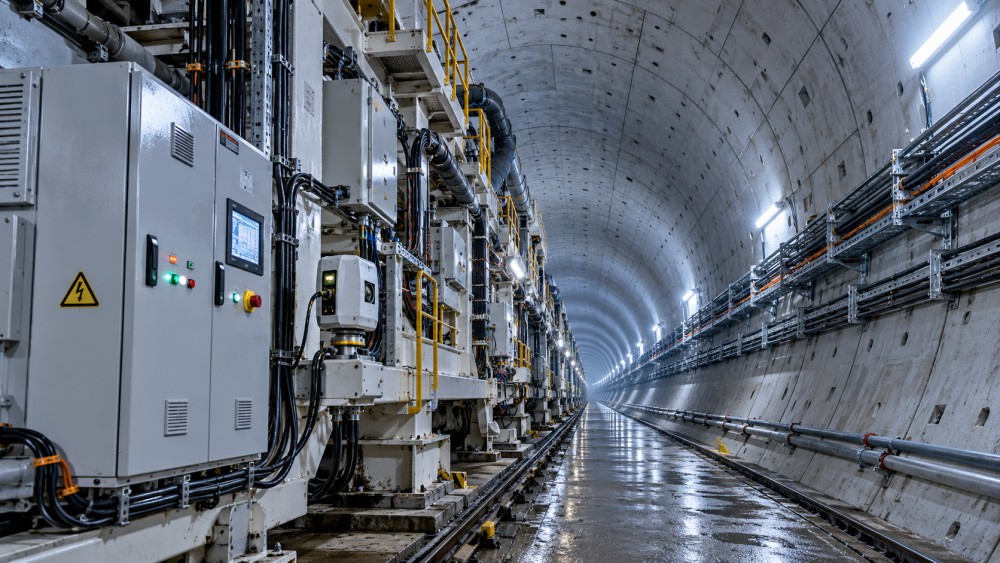
Keep electrification costs separate unless they are genuinely part of the automation scope. Battery charging, electrical distribution, and ventilation assessment may belong in a wider underground modernization budget, but combining them indiscriminately makes supplier comparisons misleading. Shared infrastructure still needs a named budget owner.
Integration and commissioning deserve their own allowance
The most awkward failures often occur between packages. A guidance system may provide valid position data while the machine controller interprets its coordinate reference incorrectly. A monitoring platform may receive machine data but lack the context needed to distinguish excavation, maintenance, and stoppage periods.
Assign ownership of these interfaces before contract award. The controls supplier, machine manufacturer, survey team, communications contractor, and site IT team should not each be allowed to assume another party owns end-to-end performance.
Commissioning costs should cover factory testing where practical, installation verification, site acceptance, and controlled production trials. Include the project’s own costs too: operators attending tests, survey support, engineering supervision, and machine time unavailable for production. Supplier attendance is only one part of the bill.
Acceptance criteria should test observable behavior, including:
- Performance of the specified functions within agreed ground and operating conditions.
- Handling of sensor faults, communication interruptions, and invalid inputs.
- Transfer between automated and manual modes, with clear operator indications.
- Delivery of usable records, backups, manuals, and maintenance access.
Ground conditions complicate performance guarantees. A supplier cannot reasonably guarantee advance rates irrespective of geology, cutter condition, or downstream delays. However, this does not justify vague acceptance language. Separate control-system performance from whole-project production outcomes and agree how each will be measured.
Allow for the people who keep the system working
Automation changes the work rather than simply removing it. Operators need to understand when recommendations are trustworthy, when intervention is required, and how to recognize sensor drift or an unsuitable operating mode. Maintenance staff need fault-finding skills beyond replacing a failed component.
A single handover session rarely covers shift rotation, staff turnover, and unusual operating conditions. Price initial training, supervised operation, refresher sessions, and training materials separately. Check whether troubleshooting requires proprietary service tools or a supplier technician.
Support terms should distinguish response from resolution. An acknowledgment from a remote help desk is not equivalent to restoring a stopped machine. Establish service hours, escalation routes, remote-access prerequisites, site attendance arrangements, and responsibility for travel or standby charges.
Cybersecurity also has a cost: controlled remote access, account management, backups, patch testing, and recovery exercises. Confirm who maintains these arrangements after commissioning. An update should not reach production equipment without a defined approval and rollback process.
Compare lifecycle value without overstating the savings
There is no reliable universal price for tunnel automation. Machine condition, functional scope, project duration, integration complexity, and local service access are too influential. A useful comparison uses the same operating period and scope for every bid:
Evaluated lifecycle cost = equipment and licenses + installation and integration + infrastructure + commissioning and training + recurring operation and support + risk allowances + closeout costs − supportable residual value.
Use discounted cash flows where the evaluation period warrants it, applying the organization’s agreed financial assumptions. Residual value should be conservative: transferable hardware may have value, while project-specific engineering or nontransferable licenses may not.
Model benefits against an actual baseline. Separate productive excavation hours from total shift hours, and distinguish faster cutting from reduced stoppages or improved consistency. Do not count a labor saving unless staffing can genuinely change without compromising supervision, maintenance, or emergency arrangements.
Avoid counting the same benefit twice. Additional production and earlier completion may describe overlapping value. Likewise, smoother operation does not automatically mean lower cutter consumption; that depends on geology, operating parameters, and wear mechanisms. Use conservative and downside cases alongside the expected case.
Make exclusions visible before committing the budget
Ask each bidder to return an inclusion-and-exclusion schedule against the same scope. Check freight, duties, local taxes, site access, installation labor, lifting equipment, travel, accommodation, and currency exposure. Also examine annual price adjustments, minimum subscription periods, and charges triggered by schedule delays.
Contingency should reflect identified uncertainty rather than an unexplained percentage. An unresolved legacy interface, untested radio coverage, or limited commissioning access each deserves a specific allowance and a plan to reduce it. Keep discretionary future features separate from the funds needed to deliver the contracted functions.
Finally, price the exit. Confirm rights to historical data, usable export formats, software access after subscription expiry, and the cost of moving equipment to another project. Before approving the tunnel automation cost budget, ask one practical question: if the system underperforms or the supplier relationship ends, can the project continue operating safely and recover its information without an unpriced dependency?
Related News
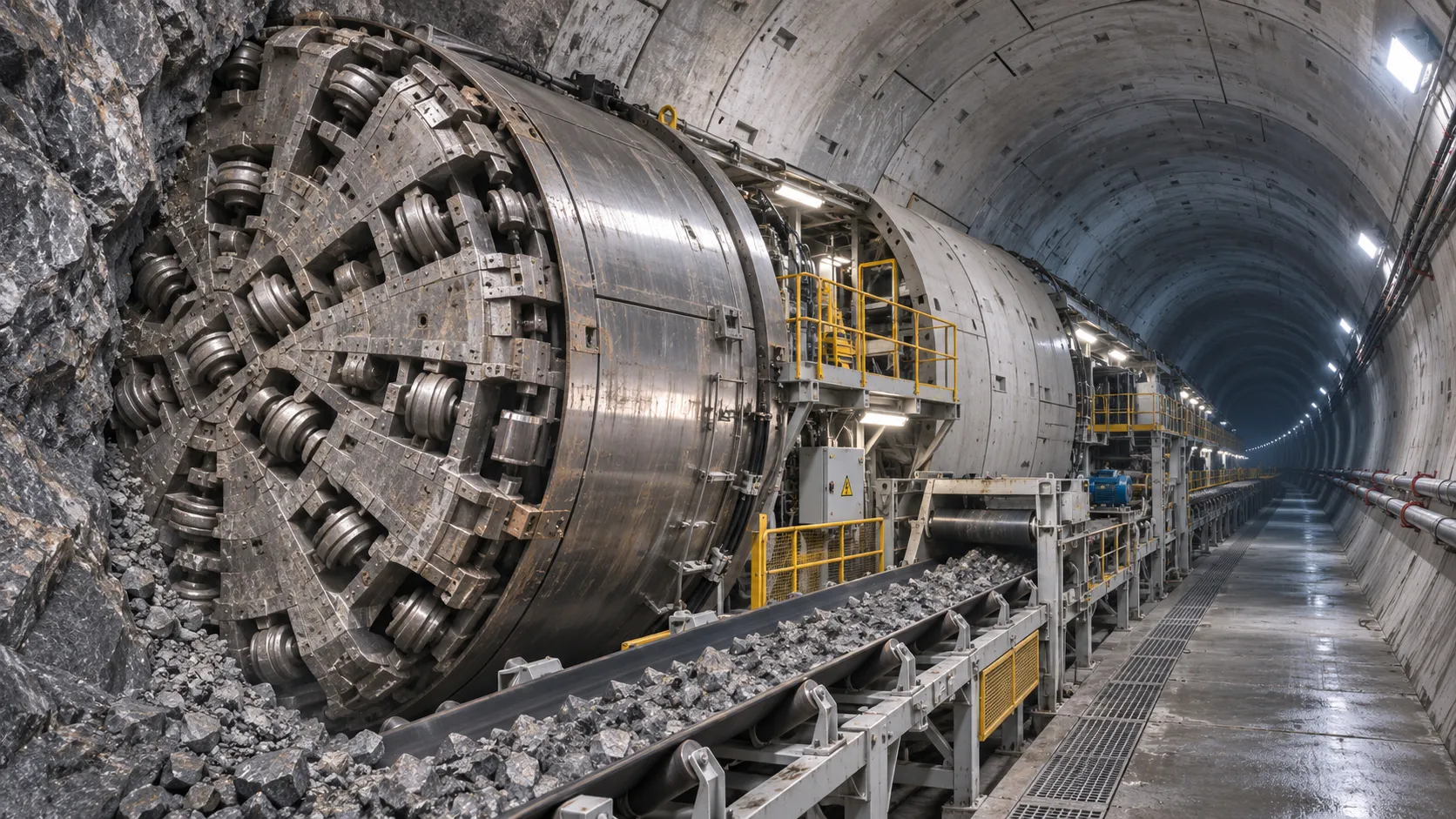
How TBM Excavation Works in Rock and Soft Ground: A Practical Guide
TBM Excavation in rock and soft ground explained: compare machine types, ground support, spoil removal, and the factors that guide smarter project planning.
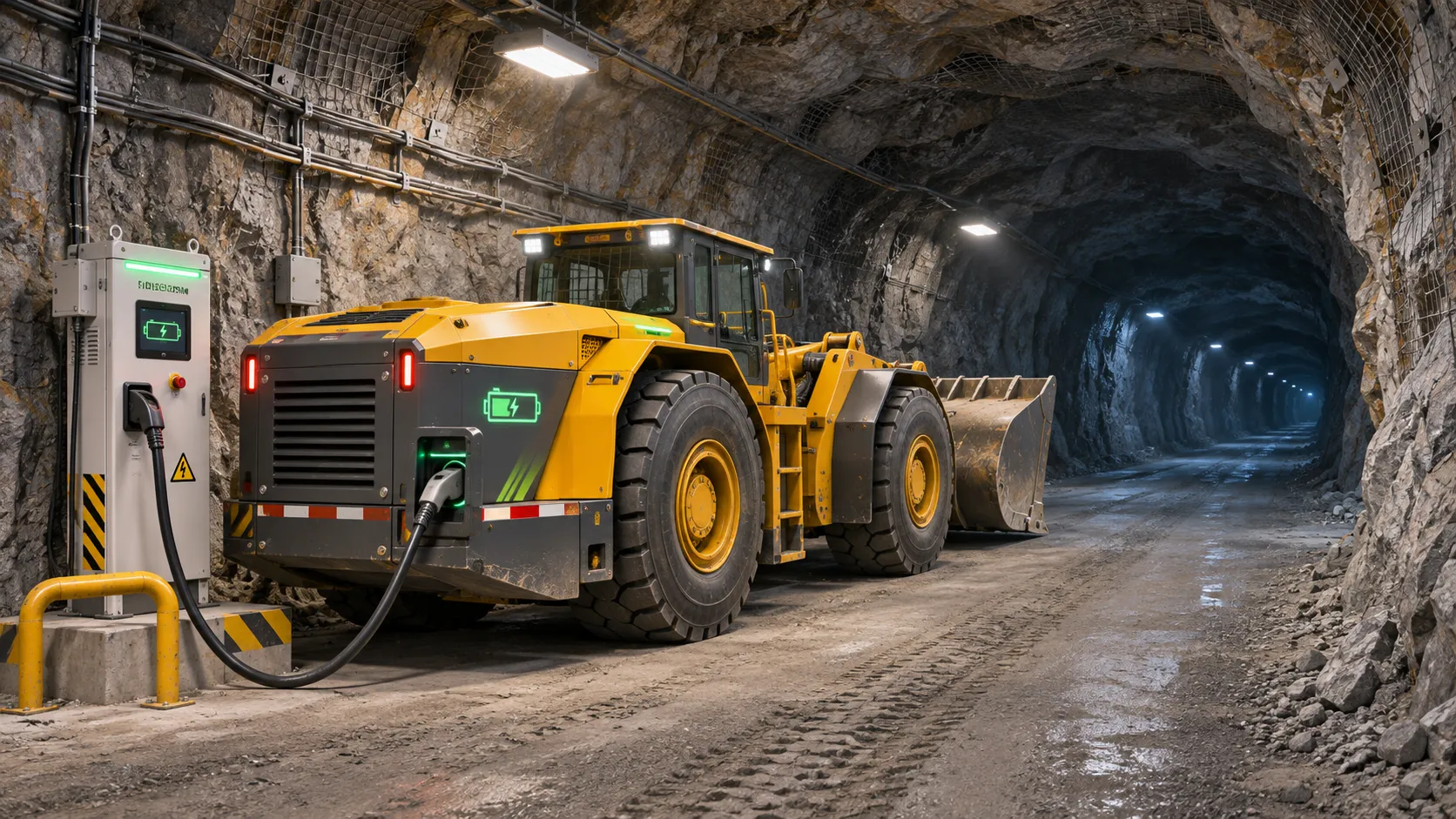
Choosing a Zero-Emission Underground Equipment Supplier: What to Check
Choosing a zero emission underground equipment supplier? Compare duty-cycle performance, charging, safety, total costs and support before you commit.
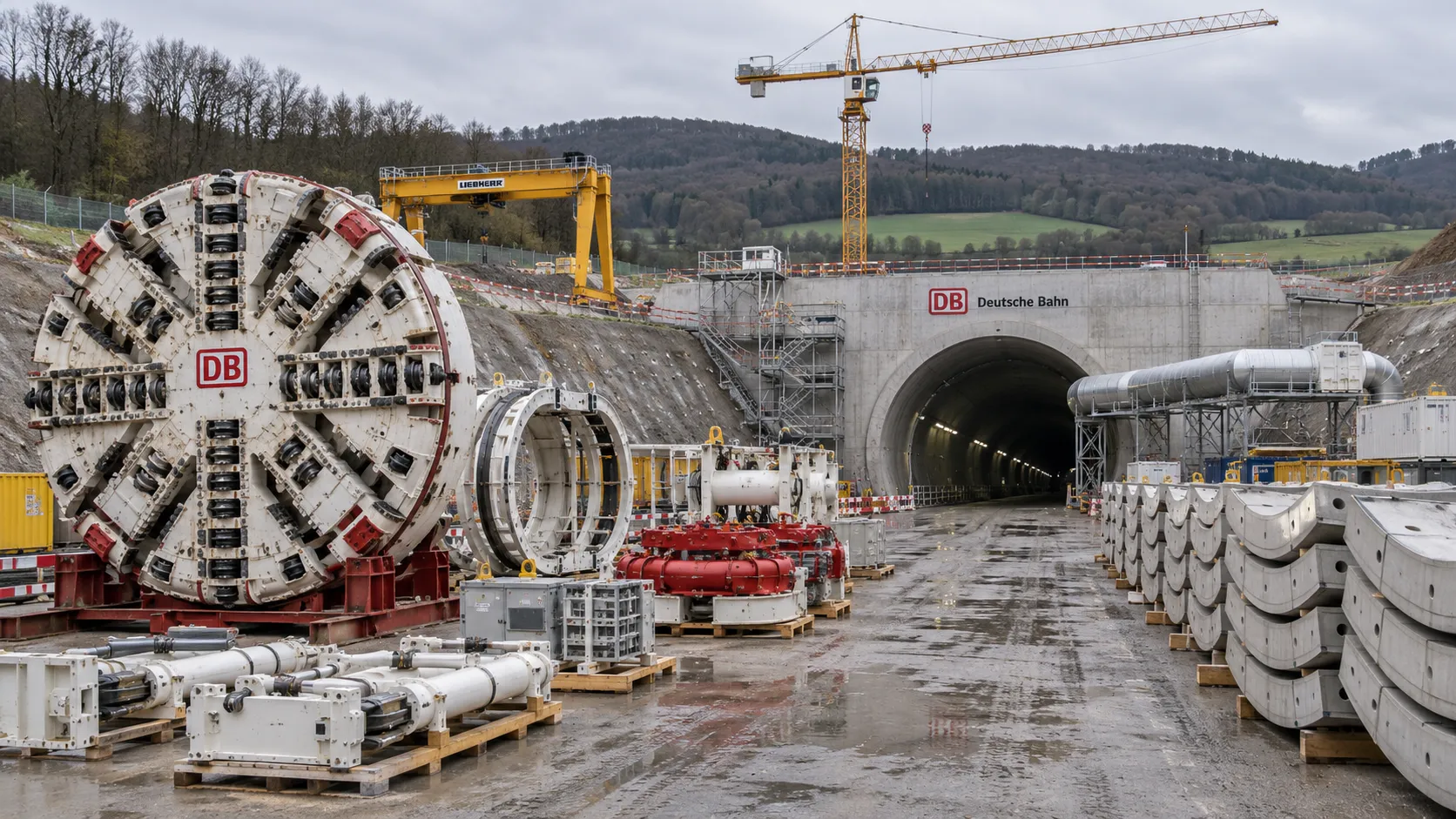
Construction Starts on Germany's Pfaffensteig Rail Tunnel, With Two TBMs Planned
Pfaffensteig rail tunnel construction is underway in Germany. Discover how two planned TBMs will support the 11-kilometre project near Stuttgart.
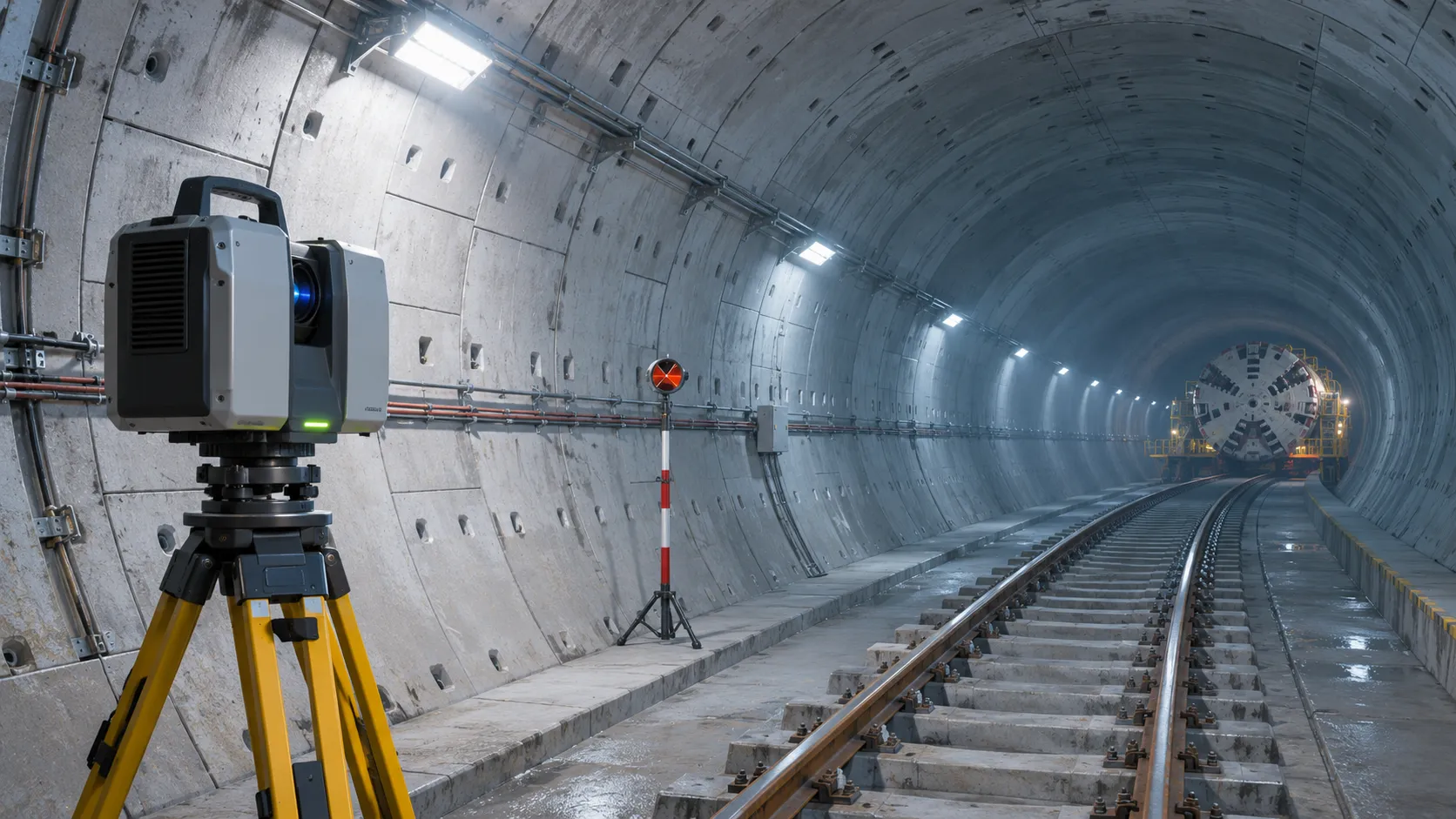
How Real-Time Underground Mapping Systems Work in Tunneling
Discover how real-time underground mapping systems guide tunneling teams, integrate sensor data, and support confident decisions with verified accuracy.
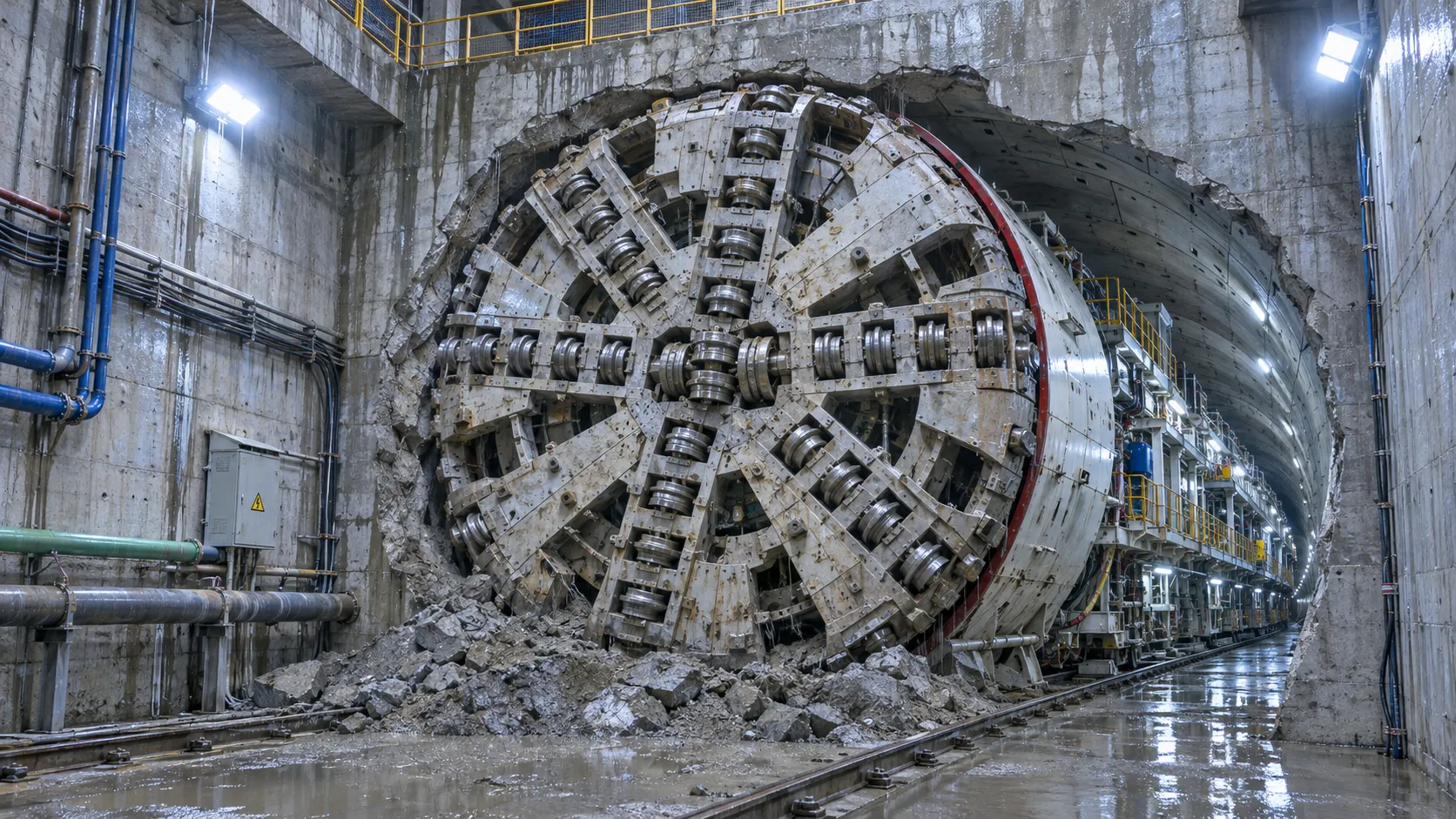
First Mechanized Tunnel Crossing Beneath the Panama Canal Completed
Panama Canal tunnel crossing: Explore the reported Metro Line 3 milestone and what it could mean for future underwater tunneling projects.
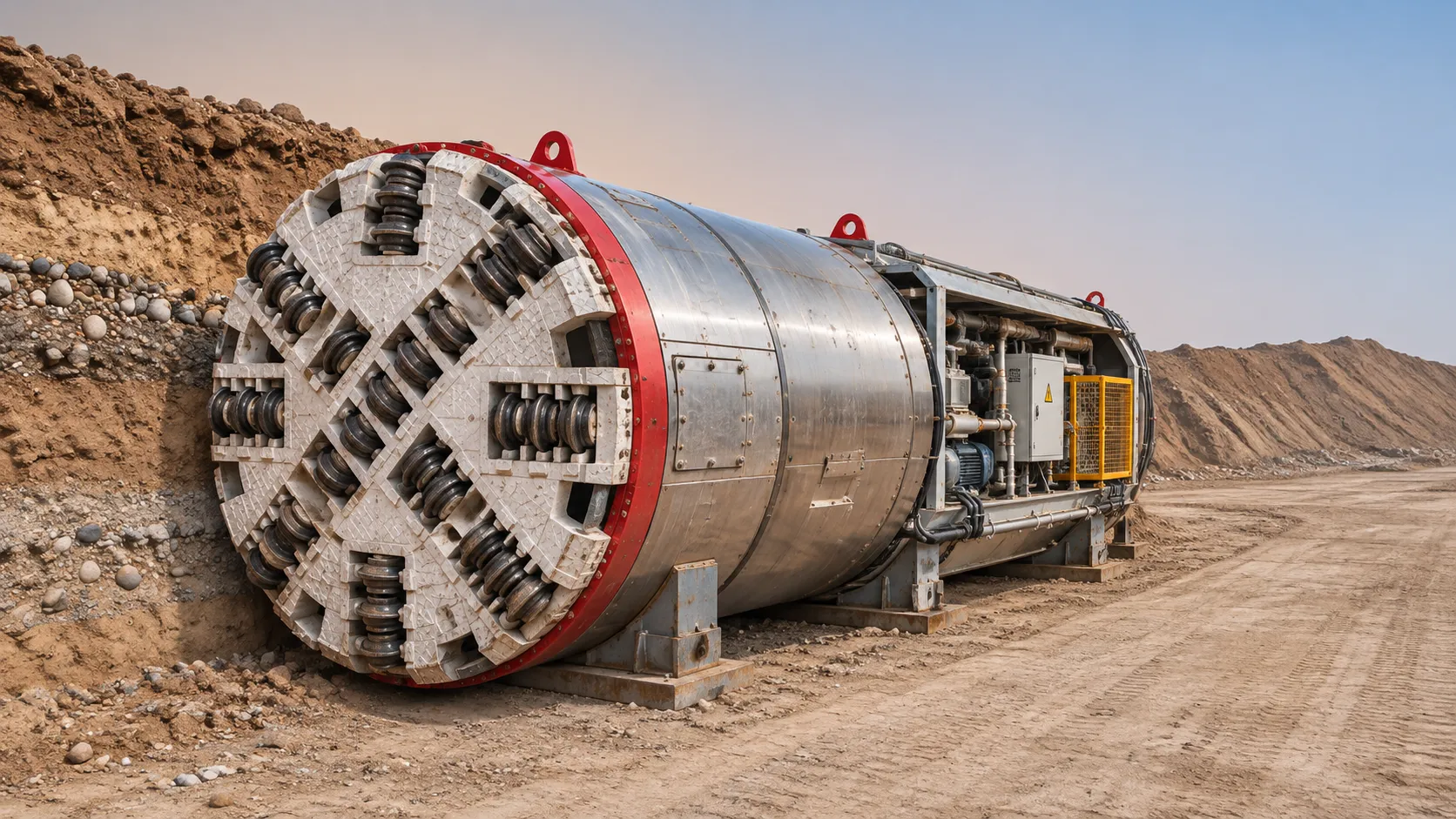
Underground Utility Construction Equipment: Choosing by Ground Conditions
Choose underground utility construction equipment with confidence. Compare trenching, HDD, microtunnelling and TBMs by ground conditions, risk and cost.
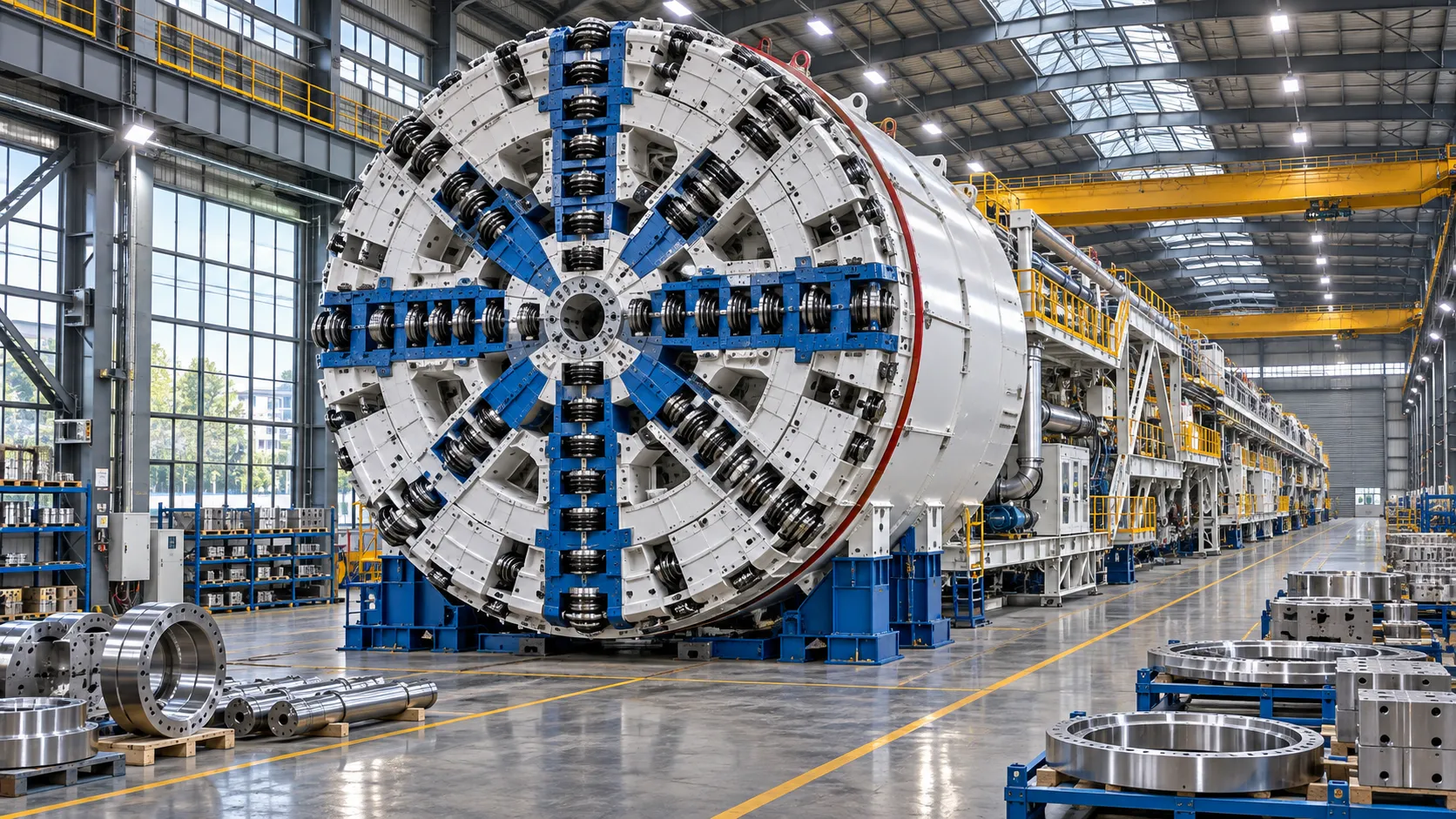
China Sets Tunnel Boring Machine Export Controls as India Pushes Local Production
China tunnel boring machine export controls could reshape procurement as India pushes local production. Explore potential supply and project impacts.
Choosing a Trenchless Pipeline Installation Contractor: Key Qualifications
Choose a trenchless pipeline installation contractor with confidence. Learn how to assess experience, equipment, safety, costs, and project risks before you hire.
China's 70% TBM Share and Export Controls Challenge India's Local Production
China's TBM export controls could challenge India's local production and infrastructure sourcing. Explore the potential risks and procurement options.
Related News
- 00
0000-00
How TBM Excavation Works in Rock and Soft Ground: A Practical Guide - 00
0000-00
Choosing a Zero-Emission Underground Equipment Supplier: What to Check - 00
0000-00
Construction Starts on Germany's Pfaffensteig Rail Tunnel, With Two TBMs Planned - 00
0000-00
How Real-Time Underground Mapping Systems Work in Tunneling - 00
0000-00
First Mechanized Tunnel Crossing Beneath the Panama Canal Completed
Weekly Insights
Stay ahead with our curated technology reports delivered every Monday.