
Slurry Dredger Procurement: Specification Gaps to Check Before Ordering





A quotation for a 26-inch dredger can look complete while leaving the buyer’s main operational risks unresolved. Pipe diameter, engine power and maximum dredging depth do not, by themselves, establish how much material the machine will move through the intended pipeline. The expensive gaps usually sit between those headline specifications: sediment assumptions, hydraulic duty, equipment interfaces and acceptance conditions.
Before ordering, procurement teams should turn the supplier’s equipment list into a defined operating envelope. What material must be excavated? Over what discharge route? At what measured production rate? With which equipment included? Those questions matter more than comparing nominal sizes across wholesale quotations.
Clarify what “26-inch” actually describes
Treat “26-inch” as a designation requiring clarification, not a complete machine specification. Ask whether it refers to the pump discharge connection, suction connection, pipeline nominal diameter or another component. Require the supplier to identify actual internal diameters, connection standards and the corresponding dimensions on an approved drawing.
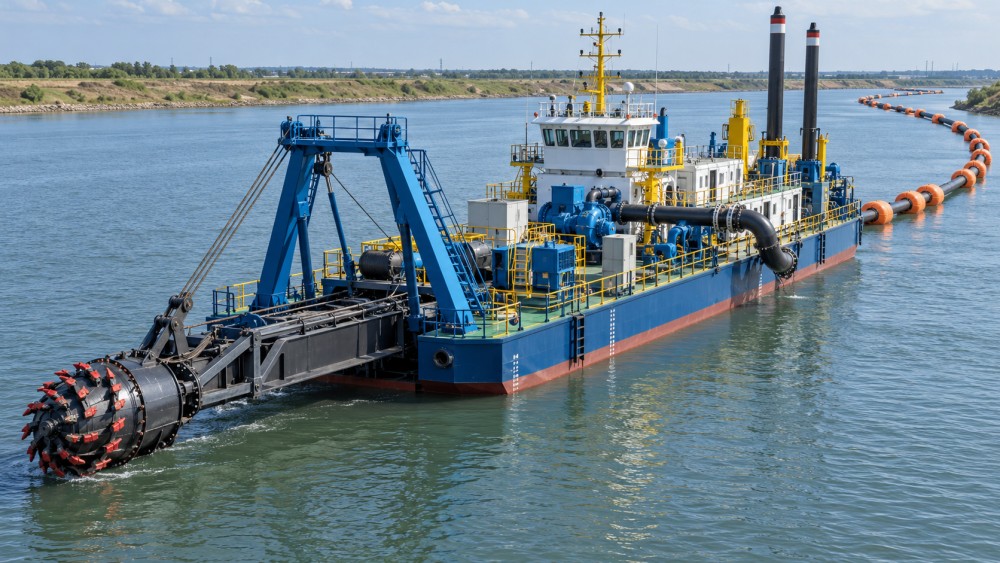
The same discipline applies when reviewing a cutter-suction slurry dredging dredger listing. A product page can provide a starting point for identifying the equipment category, but the purchase specification must independently establish the proposed configuration. A model name or page description should not be treated as evidence that the offered machine has a 26-inch discharge or meets a particular production duty.
Prepare a quotation comparison sheet that separates three categories: guaranteed values, indicative values and information not supplied. A blank field is not a minor administrative omission if it concerns pump duty, cutter capability or delivery scope. It is an unresolved commercial risk.
Specify the material before judging production claims
A cutter-suction dredger’s suitability depends on both excavation and hydraulic transport. Loose sand, cohesive clay and mixed sediment containing debris present different difficulties. A pump capable of conveying a particular mixture does not establish that the cutter can continuously release that material from the bed. USACE’s Dredging and Dredged Material Management, Engineer Manual EM 1110-2-5025, discusses equipment selection in relation to material characteristics and project conditions.
The buyer’s enquiry should include available sediment investigation results, not merely a description such as “river sludge.” Useful inputs include particle-size distribution, solids density, cohesive behavior, likely debris and changes across the dredging area. Where investigation is incomplete, state that limitation and request conditional proposals rather than an unconditional production promise.
Require the supplier to distinguish among these measures:
- Mixture flow: the volume of water and solids passing through the system.
- Solids throughput: the quantity of solids transported, with the measurement basis stated.
- In-situ production: the volume removed from the bed, assessed using an agreed survey method.
These figures should not be compared as though they were interchangeable. A large mixture-flow figure may include substantial water, while an in-situ volume estimate depends on how the excavated deposit is measured. Ask for concentration to be identified as mass-based or volume-based, with its sampling location and calculation method. The Warman Slurry Pumping Handbook, published by Weir Minerals, explains slurry concentration terminology and its role in pumping calculations.
Replace “maximum discharge distance” with a hydraulic duty
A discharge-distance claim without a pipeline profile leaves too much open to interpretation. The route may include changes in elevation, bends, floating sections, shore connections and restrictions at the discharge point. Procurement needs the proposed pump assessed against the actual system, not against a distance figure alone.
Request a hydraulic calculation identifying the proposed mixture properties, pipeline internal diameter, route length, elevation profile and fittings. The supplier should state the predicted operating point, pump speed, absorbed power and assumptions used to account for slurry behavior. Slurry pump selection must consider system resistance and the effects of solids on performance; the Warman Slurry Pumping Handbook provides the technical basis for these checks.
Ask whether the quoted performance requires a booster station. If it does, establish whether the price includes its power supply, controls, connections and operating provisions. A proposal that achieves the duty only with excluded equipment is not directly comparable with a complete package.
Check the cutter, ladder and positioning system as one package
The excavation system deserves its own review. Request cutter torque and speed information, the cutter drive arrangement, tooth or pick selection and the supplier’s explanation of suitability for the identified material. A motor power figure alone does not describe the available cutting behavior across the operating range.
Maximum dredging depth also needs a defined reference. Ask how it relates to the waterline, ladder geometry, operating draft and minimum working depth. Require a drawing showing the proposed working envelope, including any restrictions near banks, structures or shallow areas.
Positioning arrangements should match the intended work pattern. Clarify spud configuration, swing anchors, winches and any carriage system included in the quotation. Confirm who supplies anchor-handling equipment and how the dredger will advance through the cut. USACE EM 1110-2-5025 describes cutterhead dredging arrangements and the relationship between excavation methods and site conditions; it does not replace a project-specific operating plan.
Make wear protection and maintenance access verifiable
“Wear-resistant construction” is too broad to support a purchasing decision. Ask for a component schedule covering the pump casing, impeller, liners, cutter consumables and relevant pipeline sections. For each item, request the material designation, replacement arrangement and documentation the supplier will provide.
Avoid specifying a material solely because it sounds more durable. Abrasion, impact, corrosion and repair practicality can lead to different choices. Require the supplier to explain the proposed selection against the sediment and water conditions, including any operating restrictions. Weir Minerals’ Warman Slurry Pumping Handbook discusses material selection in relation to slurry service and wear mechanisms.
Maintenance access should be reviewed on drawings before fabrication approval. Ask how the pump is opened, how major components are lifted and whether removal requires dismantling adjacent equipment. Request component weights, lifting provisions and recommended special tools. A spare impeller has limited immediate value if the site lacks a workable removal arrangement.
For the spare-parts quotation, separate commissioning items, operating consumables and major replacement components. Require part numbers, interchangeability details and quoted lead times rather than relying on a general promise of parts availability.
Close supply boundaries before comparing prices
Wholesale quotations can differ substantially in what they include. One may cover the dredger only; another may include floating pipe, shore pipe, anchors and commissioning attendance. Normalize those boundaries before comparing totals.
Use an interface schedule to allocate responsibility for pipeline floats, couplings, electrical connections, shore facilities, assembly equipment and launch arrangements. Identify transport dimensions and shipping splits. Ask which connections are completed at the factory and which must be finished at the destination.
Delivery terms should distinguish readiness for inspection, shipment, arrival and operational handover. Those milestones are not equivalent. A machine delivered in sections may still require assembly, fluids, testing and site support before work can begin.
Documentation belongs in the supply scope. Specify the required language and delivery dates for operating manuals, hydraulic and electrical schematics, parts lists, maintenance instructions and as-built drawings. Procurement should also identify the destination’s applicable legal and contractual requirements with qualified local advisers. A generic claim of “international compliance” is not a substitute for an agreed list of applicable requirements and supporting records.
Design acceptance around what can actually be demonstrated
Factory inspection and site acceptance should serve different purposes. Factory checks can address construction, component identification, assembly, controls and agreed functional tests. A test conducted without representative sediment and the intended discharge system cannot, by itself, demonstrate project production.
For pump performance testing, the contract should identify the procedure, instrumentation, test conditions, tolerances and required report. ISO 9906, Rotodynamic pumps—Hydraulic performance acceptance tests—Grades 1, 2 and 3, provides a framework for hydraulic acceptance testing. Its scope concerns liquids behaving as clean, cold water; a test under that framework should not be represented as proof of abrasive-slurry performance or complete dredging-system output.
Site acceptance needs a separate protocol. Define the sediment conditions, pipeline configuration, dredging depth and operating period under which the performance assessment will occur. State how production will be measured and which interruptions are included or excluded. If survey volumes are used, agree the survey boundaries, timing, reference system and treatment of uncertainty before testing starts.
The contract should also explain what happens when site conditions differ from the agreed basis. Possible routes include an engineering review, a revised test or an agreed equipment modification. Leaving this unresolved can turn a technical disagreement into a payment dispute.
Turn unresolved assumptions into purchase-order decisions
Before award, maintain a short exceptions register rather than burying qualifications in email. Each unresolved item should have an owner, required evidence and a closure date. Material uncertainty, unverified hydraulic duty and undefined acceptance methods deserve explicit approval from both procurement and the technical team.
Commercial remedies should match the obligation involved. Missing documentation, delayed delivery and failure to demonstrate agreed performance are different events and need different contractual treatment. Warranty terms should distinguish manufacturing defects from consumable wear, while stating the responsibilities for investigation, replacement freight and field assistance.
The strongest purchasing decision is not necessarily the largest nominal dredger or the lowest quoted price. It is the offer whose working conditions, equipment boundaries and verification obligations are sufficiently defined to compare fairly and enforce later. Before releasing the order, procurement should be able to trace every major performance promise to a stated assumption, a supplied component and an agreed acceptance method.
Related News
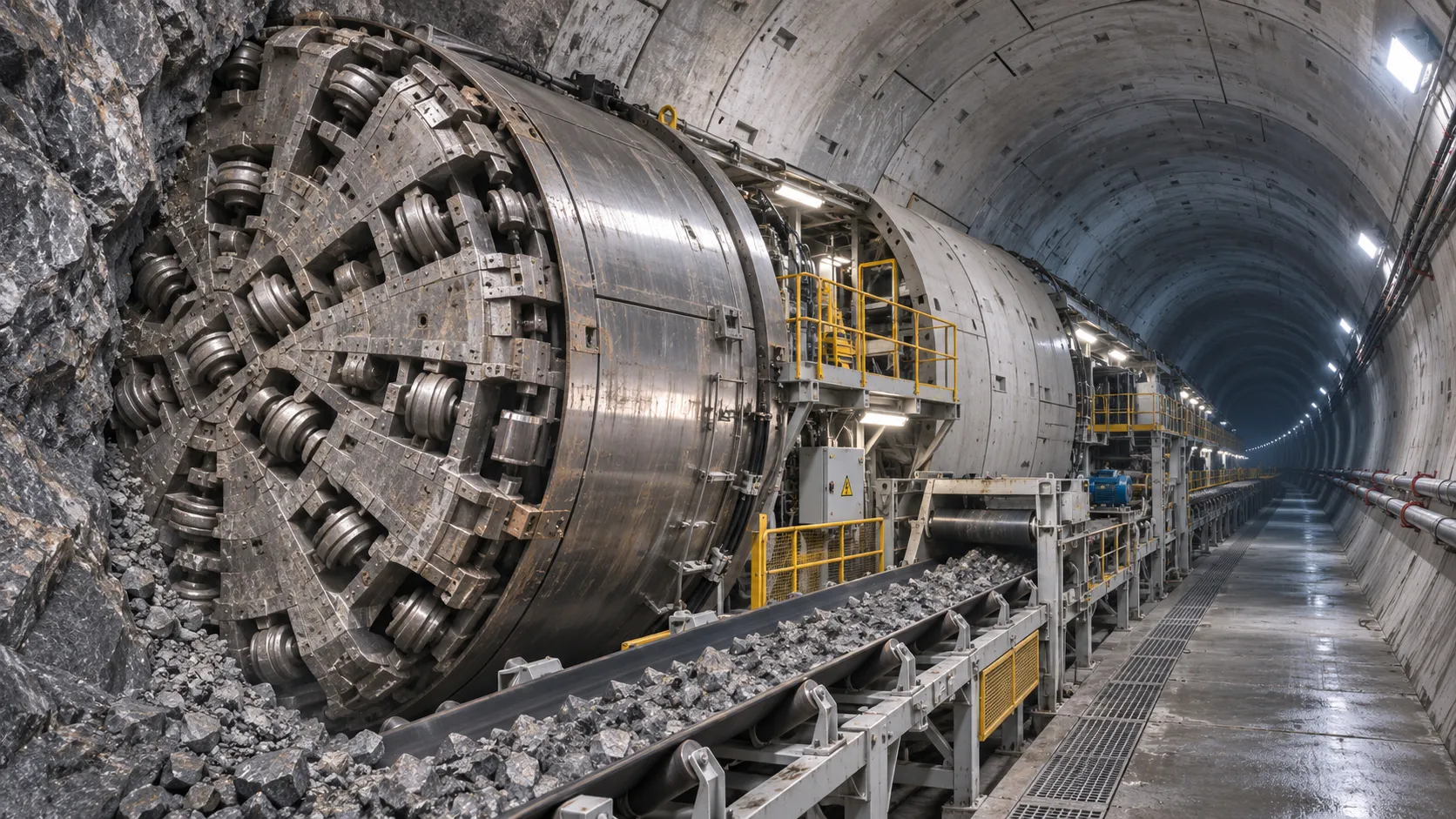
How TBM Excavation Works in Rock and Soft Ground: A Practical Guide
TBM Excavation in rock and soft ground explained: compare machine types, ground support, spoil removal, and the factors that guide smarter project planning.
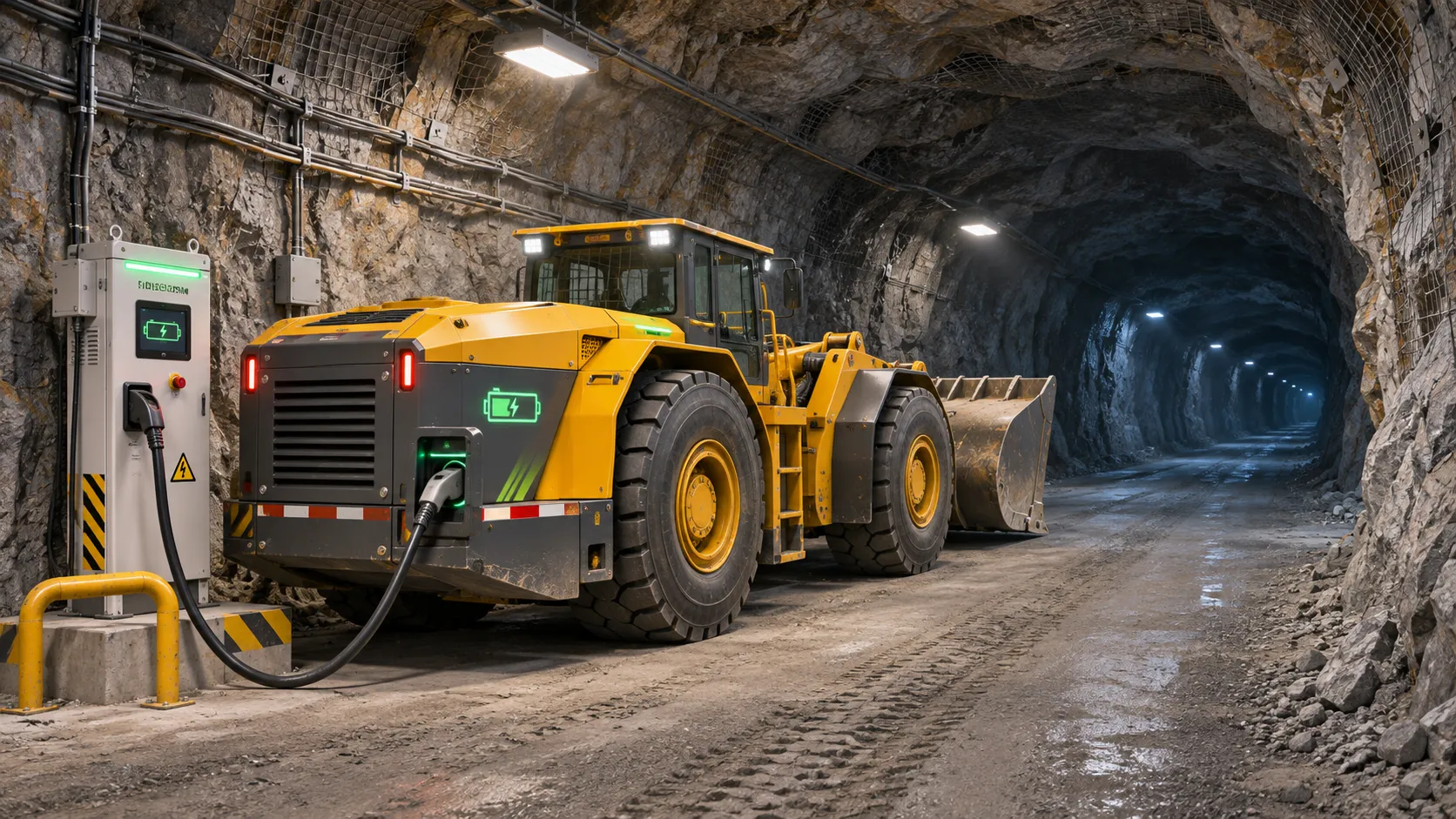
Choosing a Zero-Emission Underground Equipment Supplier: What to Check
Choosing a zero emission underground equipment supplier? Compare duty-cycle performance, charging, safety, total costs and support before you commit.
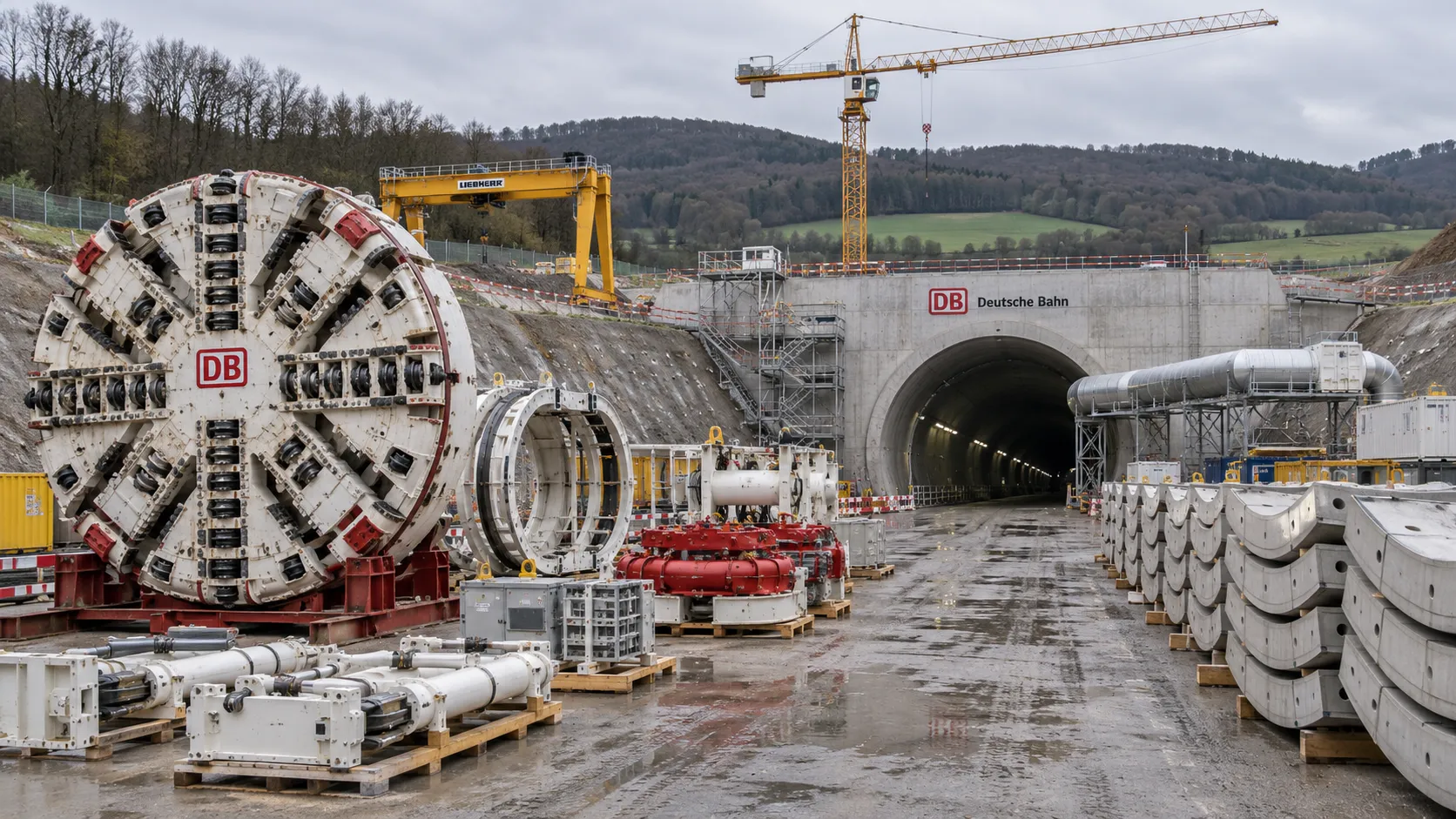
Construction Starts on Germany's Pfaffensteig Rail Tunnel, With Two TBMs Planned
Pfaffensteig rail tunnel construction is underway in Germany. Discover how two planned TBMs will support the 11-kilometre project near Stuttgart.
How Real-Time Underground Mapping Systems Work in Tunneling
Discover how real-time underground mapping systems guide tunneling teams, integrate sensor data, and support confident decisions with verified accuracy.
First Mechanized Tunnel Crossing Beneath the Panama Canal Completed
Panama Canal tunnel crossing: Explore the reported Metro Line 3 milestone and what it could mean for future underwater tunneling projects.
Underground Utility Construction Equipment: Choosing by Ground Conditions
Choose underground utility construction equipment with confidence. Compare trenching, HDD, microtunnelling and TBMs by ground conditions, risk and cost.
China Sets Tunnel Boring Machine Export Controls as India Pushes Local Production
China tunnel boring machine export controls could reshape procurement as India pushes local production. Explore potential supply and project impacts.
Choosing a Trenchless Pipeline Installation Contractor: Key Qualifications
Choose a trenchless pipeline installation contractor with confidence. Learn how to assess experience, equipment, safety, costs, and project risks before you hire.
China's 70% TBM Share and Export Controls Challenge India's Local Production
China's TBM export controls could challenge India's local production and infrastructure sourcing. Explore the potential risks and procurement options.
Related News
- 00
0000-00
How TBM Excavation Works in Rock and Soft Ground: A Practical Guide - 00
0000-00
Choosing a Zero-Emission Underground Equipment Supplier: What to Check - 00
0000-00
Construction Starts on Germany's Pfaffensteig Rail Tunnel, With Two TBMs Planned - 00
0000-00
How Real-Time Underground Mapping Systems Work in Tunneling - 00
0000-00
First Mechanized Tunnel Crossing Beneath the Panama Canal Completed
Weekly Insights
Stay ahead with our curated technology reports delivered every Monday.