
What Is Tunnel Boring? Methods, Ground Conditions, and When It Beats Drill and Blast





Tunnel Boring is more than a way to dig underground. It is a project strategy shaped by ground behavior, tunnel length, logistics, safety targets, emissions limits, and long-term cost control.
For anyone studying underground engineering, Tunnel Boring matters because it connects mechanics, geology, and infrastructure economics in one decision. A TBM is not always the answer, but in the right setting it changes the whole project equation.
At UTMD, this topic sits at the center of a wider underground systems view. Tunnel boring links directly with trenchless engineering, smart mining transport, electrification, automation, and equipment reliability in harsh subsurface environments.
What Tunnel Boring Really Means in Practice
In simple terms, Tunnel Boring uses a machine to excavate the full tunnel face continuously. Instead of repeated drilling, charging, blasting, and mucking cycles, the excavation process becomes more integrated and predictable.
That does not mean every Tunnel Boring job looks the same. Method selection depends heavily on rock strength, groundwater, overburden, settlement tolerance, tunnel diameter, and how stable the face remains during advance.
Below is a simple visual placeholder for a typical decision path between TBM-based Tunnel Boring and drill and blast.
[Image 01: Tunnel Boring method selection by ground condition, tunnel length, and risk profile]
One point is often missed early: Tunnel Boring is not just a machine choice. It is also a supply chain choice, a maintenance choice, and often a digital operations choice.
The main Tunnel Boring methods worth separating
- Hard rock TBMs work best in competent rock with manageable groundwater. They can deliver steady advance, but cutter wear, squeezing ground, and faulted zones still need close planning.
- Earth pressure balance machines suit soft ground where face support is critical. They help control settlement in cities, especially when utilities, roads, and structures leave little room for error.
- Slurry machines are often chosen for water-bearing soils and unstable faces. Separation systems add complexity, but they can greatly improve control under rivers, ports, and dense urban corridors.
- Shielded TBMs add support in weaker formations. They are useful when rock quality varies and the tunnel must keep moving through fractured or mixed conditions without losing face stability.
- Open TBMs fit long drives in stable hard rock. They can be highly productive, though they become less attractive once heavy inflows, severe faults, or major deformation begin disrupting progress.
Ground Conditions That Shape Tunnel Boring Performance
Ground conditions decide far more than advance rate. They affect cutter consumption, thrust demand, face pressure control, support design, muck handling, machine availability, and intervention risk.
This is why UTMD tracks not only TBM launches and awards, but also wear models, sensing systems, and field performance trends. The machine is only one part of the underground operating system.
Five practical checks before favoring Tunnel Boring
- Check geological continuity, not just average strength. A tunnel with short fault intervals, mixed faces, or abrupt transitions can slow Tunnel Boring more than headline rock hardness suggests.
- Review groundwater behavior carefully. High inflow pressure, abrasive slurry, or sudden water-bearing zones can turn a productive drive into a sealing, intervention, and maintenance problem.
- Study rock abrasivity alongside compressive strength. Very hard rock matters, but abrasive rock often drives disc cutter cost, downtime, and logistics more than strength alone.
- Assess deformation risk early. Squeezing or swelling ground can trap shields, overload support systems, and erase expected Tunnel Boring efficiency if margins are too optimistic.
- Look at spoil handling from face to surface. If conveyors, rail, slurry treatment, or shaft lifting are weak, the TBM becomes faster than the rest of the project can support.
In deep tunnels, stress matters as much as lithology. High stress can trigger spalling or rockburst conditions, which change crew safety procedures and may reduce the practical advantage of Tunnel Boring.
In soft urban ground, settlement limits often become the main driver. Here, a well-matched shield machine may outperform drill and blast simply because the surface cannot tolerate vibration or movement.
When Tunnel Boring Beats Drill and Blast
This is the question most people really care about. Tunnel Boring beats drill and blast when continuity, control, and scale outweigh the flexibility advantage of cyclic excavation.
The answer is rarely just technical. It also depends on permitting constraints, labor setup, environmental targets, surface disruption, power supply, and how repeatable the tunnel section is.
Situations where Tunnel Boring often has the edge
- Long metro, rail, water, or utility tunnels usually favor Tunnel Boring because repetition improves productivity, lining integration, and schedule stability over many kilometers.
- Urban corridors with strict vibration and settlement limits often push projects toward Tunnel Boring, especially where roads, buildings, or buried networks cannot tolerate open disruption.
- Projects with strong ESG pressure may prefer Tunnel Boring due to better dust control, enclosed operations, and stronger alignment with automation and electrified underground systems.
- Mega-infrastructure programs benefit when Tunnel Boring data can be standardized across multiple drives, improving maintenance planning, spare parts strategy, and performance benchmarking.
- Where safety and schedule certainty matter more than maximum flexibility, Tunnel Boring can outperform drill and blast by reducing repeated blast-related interruptions and exposure points.
A common example is a long transport tunnel through generally competent rock. Even if some difficult zones exist, Tunnel Boring may still win because the machine spends most of its life in favorable ground.
Another example is a city utility tunnel under sensitive streets. Here, Tunnel Boring is not only about speed. It is about keeping the city above functioning while excavation continues below.
When Drill and Blast Still Makes More Sense
Tunnel Boring is powerful, but it is not universal. Drill and blast remains competitive when geometry changes frequently, access is limited, or geology is too irregular for efficient full-face mechanized advance.
Very short tunnels are another obvious case. The capital cost and setup time of a TBM may simply be too high to recover, even if ground conditions are technically suitable.
Mining-related development can also lean toward drill and blast, especially where headings, junctions, and variable profiles demand flexibility. In such settings, drilling jumbos and support cycles may fit better operationally.
Common warning signs before overcommitting to Tunnel Boring
- If the geological baseline is thin or contradictory, early Tunnel Boring assumptions may be too optimistic. Poor subsurface knowledge often becomes expensive once the cutterhead reaches trouble.
- If the alignment includes many caverns, adits, or cross-section changes, mechanized continuity drops. That weakens one of the strongest reasons for selecting Tunnel Boring in the first place.
- If spare parts, skilled maintenance, or power reliability are uncertain, Tunnel Boring availability can fall quickly. A machine only wins when the support system around it is mature.
What Often Gets Overlooked During Method Selection
Many comparisons stop at excavation rate. That is too narrow. Real project outcomes depend on downtime, interventions, lining pace, transport efficiency, cutter changes, and interface management.
UTMD’s broader underground perspective is useful here. Tunnel Boring increasingly sits inside a connected equipment ecosystem that includes sensing, zero-emission haulage, digital monitoring, and intelligent asset utilization.
For example, a high-performance TBM still needs reliable muck transport. In mining or large underground works, links to battery-electric loaders, smart haulage, and underground traffic logic can materially affect total efficiency.
Execution points that improve real Tunnel Boring outcomes
- Build the geotechnical model around variability bands, not average values. Tunnel Boring performs best when uncertainty is mapped clearly into machine setup and contingency plans.
- Plan cutter wear and intervention access early. In abrasive or high-pressure conditions, maintenance strategy can influence schedule more than the nominal penetration rate.
- Match the tunnel method with downstream logistics. Continuous excavation only helps when segment supply, spoil removal, ventilation, and utility support remain equally continuous.
- Use performance data dynamically during the drive. Thrust, torque, vibration, wear, and inflow trends often reveal changing ground before visible instability develops.
- Treat sustainability as an operating variable, not a slogan. Tunnel Boring gains value when ventilation load, dust, energy use, and emissions are measured alongside production.
A Simple Way to Judge the Better Option
If the tunnel is long, the profile is consistent, the surface is sensitive, and the ground is reasonably predictable, Tunnel Boring often becomes the stronger option.
If the tunnel is short, irregular, highly variable, or tied to many enlargements and branch connections, drill and blast may keep more practical advantages.
The smartest decision is usually not made by asking which method is more advanced. It is made by asking which method stays robust when geology, logistics, and risk are tested together.
That is also where UTMD’s intelligence model fits. By following TBMs, pipe jacking systems, drilling jumbos, electric haulage, and underground automation as one linked field, it becomes easier to see why Tunnel Boring wins in some projects and not in others.
A practical next step is simple: compare ground variability, tunnel length, settlement limits, and logistics readiness side by side. Once those four are clear, the Tunnel Boring decision usually becomes much easier to defend.
Related News
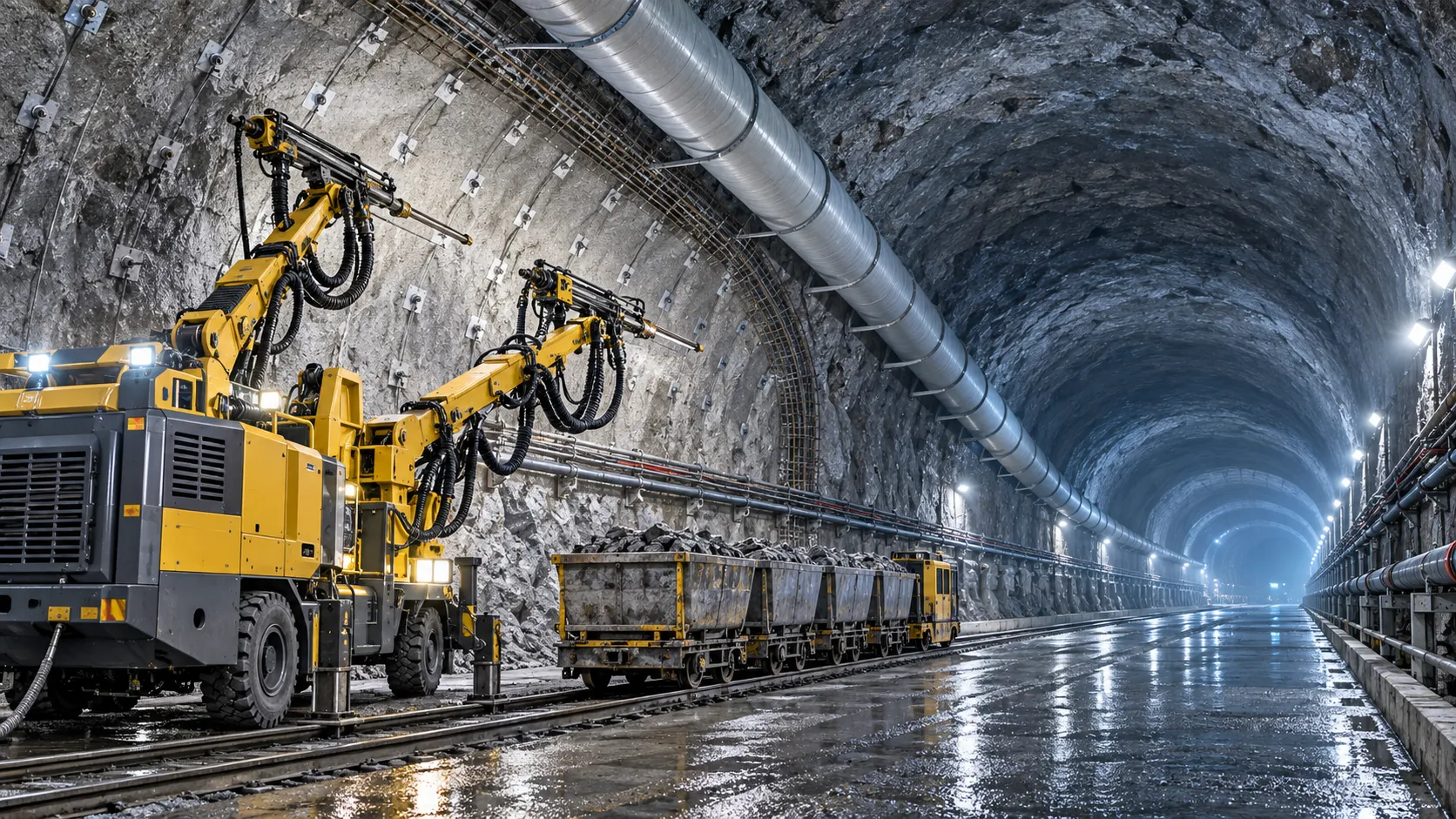
How to Evaluate European Drill-and-Blast Tunnelling Contractors for Complex Projects
Drill and blast tunnelling contractors Europe: learn how to assess geology expertise, blast control, equipment reliability, safety, and programme resilience for complex projects.
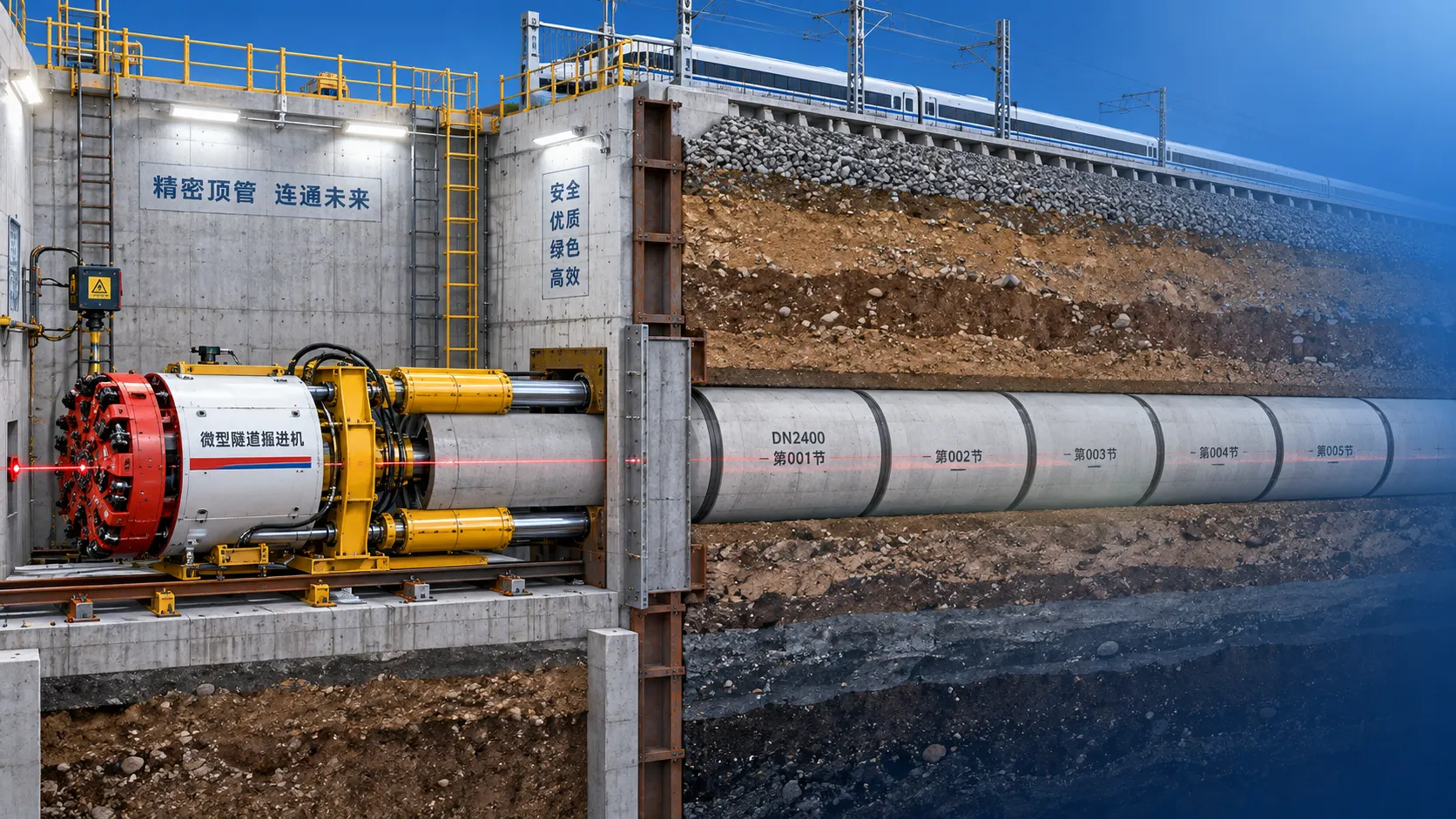
Which Trenchless Construction Technique Fits Your Utility Crossing Conditions?
Trenchless construction techniques compared for utility crossings: choose HDD, microtunnelling, pipe jacking, or auger boring based on ground, accuracy, access, and risk.
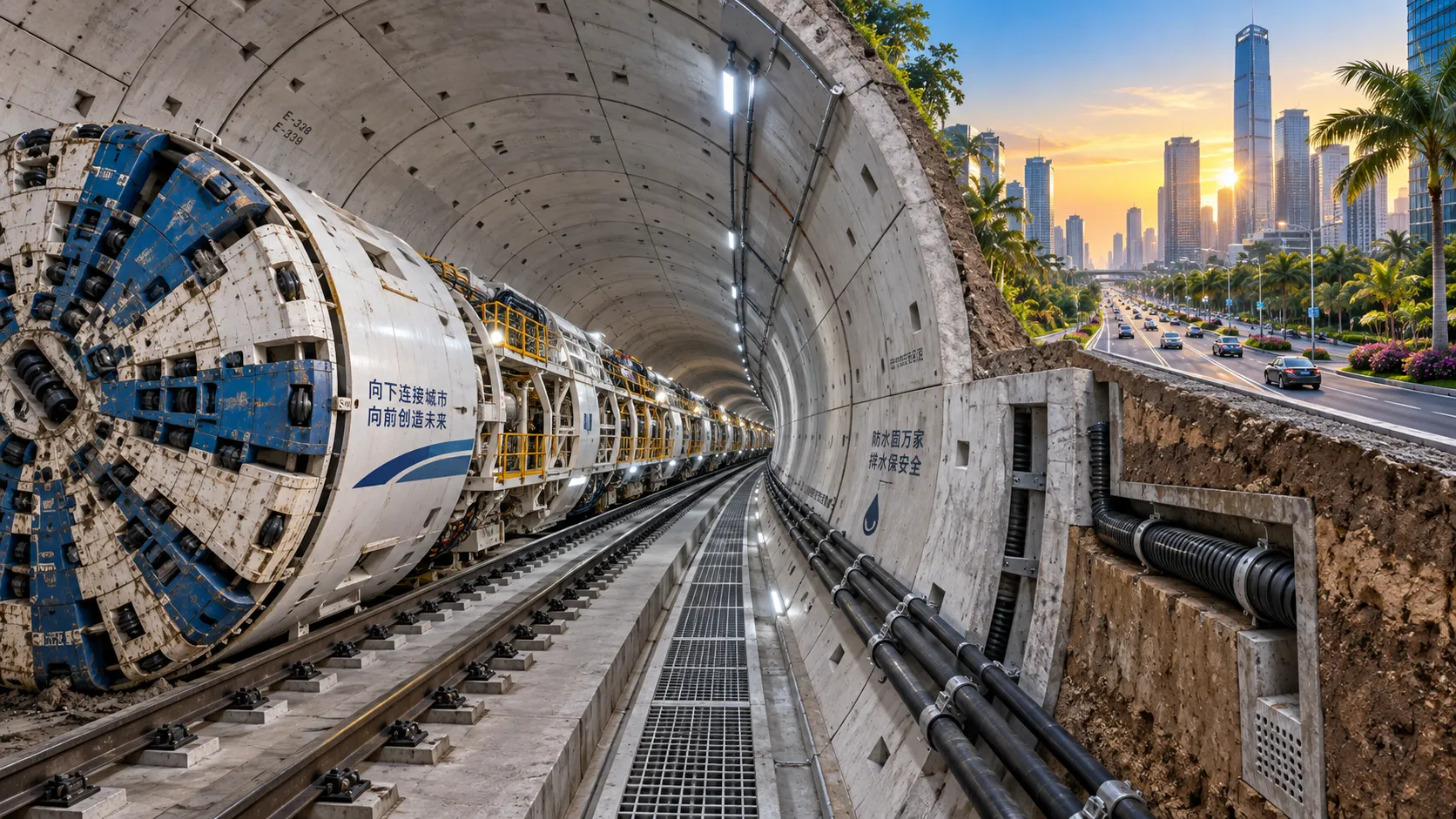
What Is Driving Metro Tunnelling Demand Across Southeast Asia’s Major Cities?
Metro tunnelling Southeast Asia is accelerating as major cities tackle congestion, flooding, and connectivity. Explore the market forces, technical risks, and opportunities shaping demand.
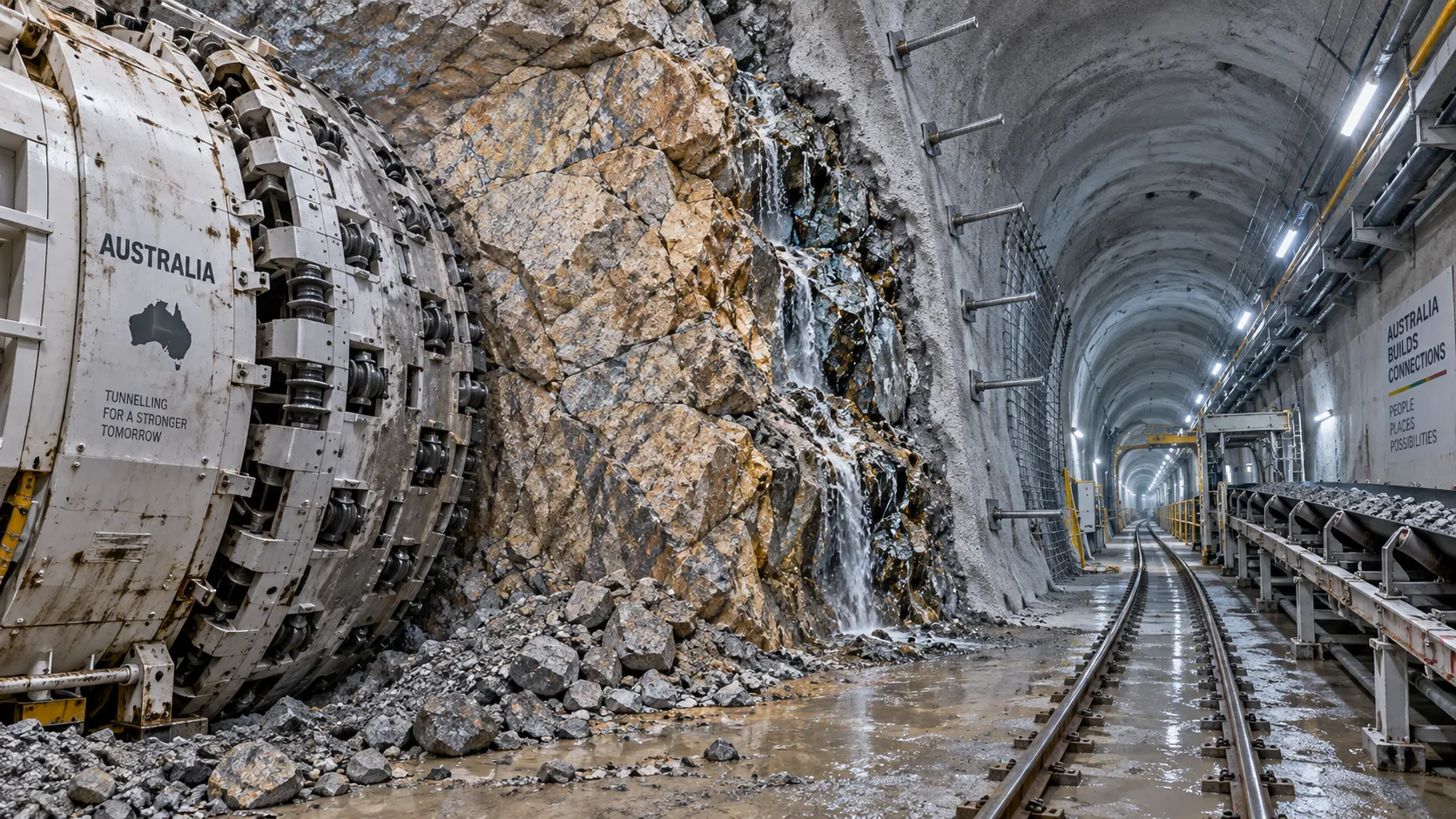
Hard Rock Tunnelling in Australia: Selecting Methods for Variable Ground Conditions
Hard rock tunnelling in Australia: compare TBM, drill-and-blast and hybrid methods to manage variable ground, reduce risk and protect project costs.
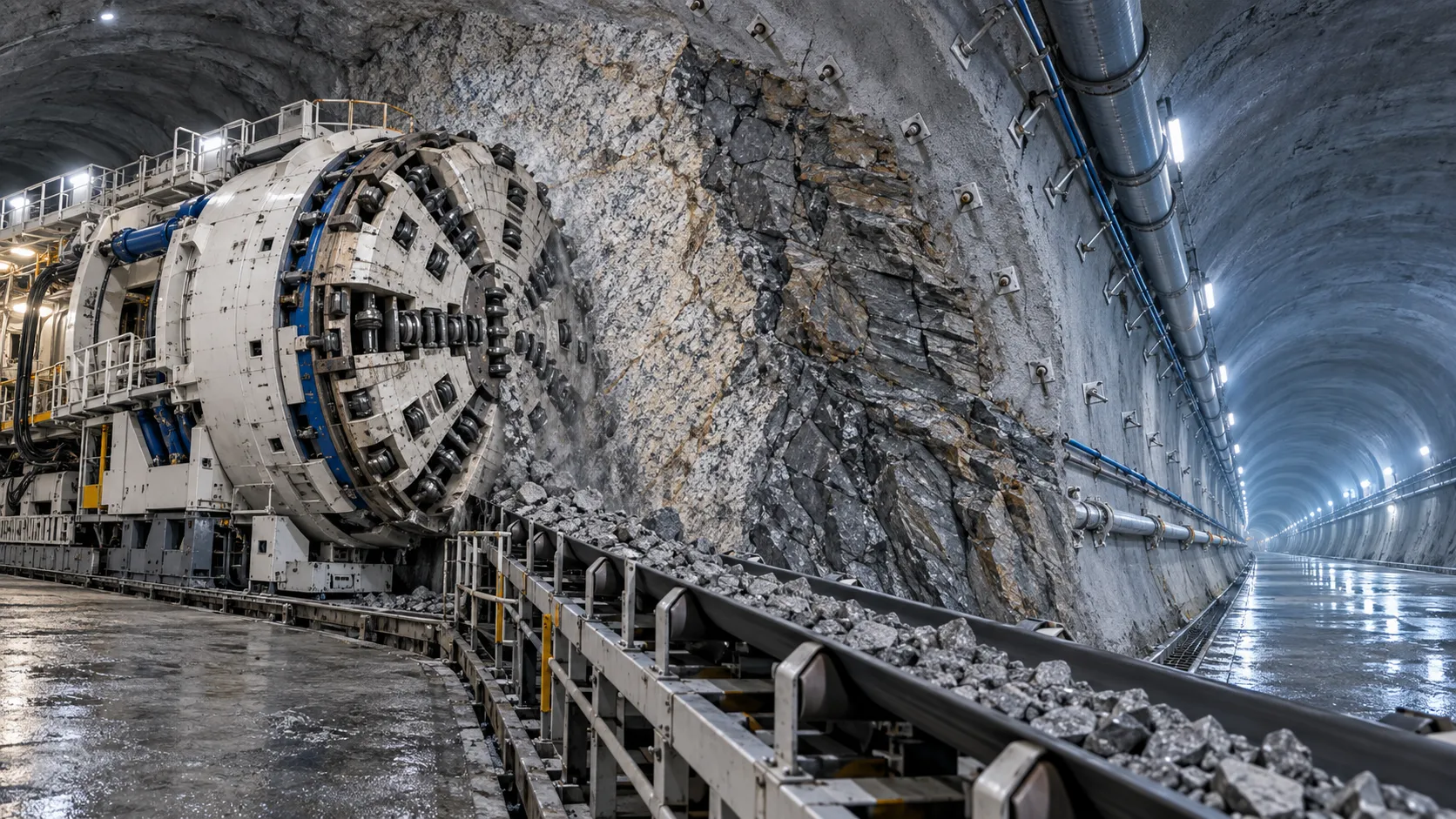
Hydropower Tunnel Excavation: Selecting Methods for Variable Rock Conditions
Hydropower tunnel excavation methods for variable rock conditions: compare TBM, drill-and-blast, and hybrid strategies to improve safety, progress, and project control.
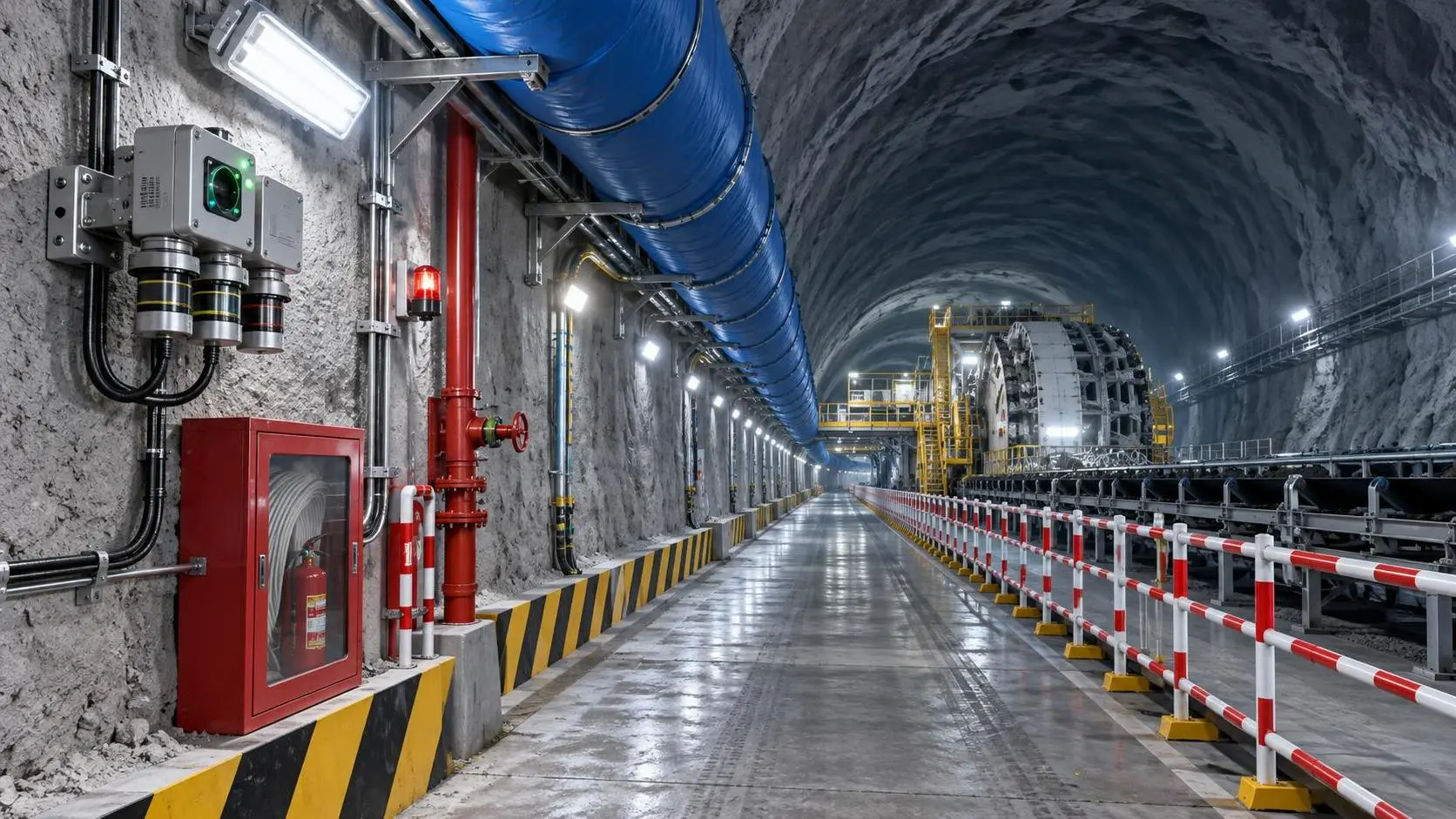
How to Select Underground Safety Equipment for Tunnelling by Hazard and Work Zone
Underground Safety Equipment for tunnelling: match protection to hazards, work zones, compliance, and emergency needs with this practical selection guide.
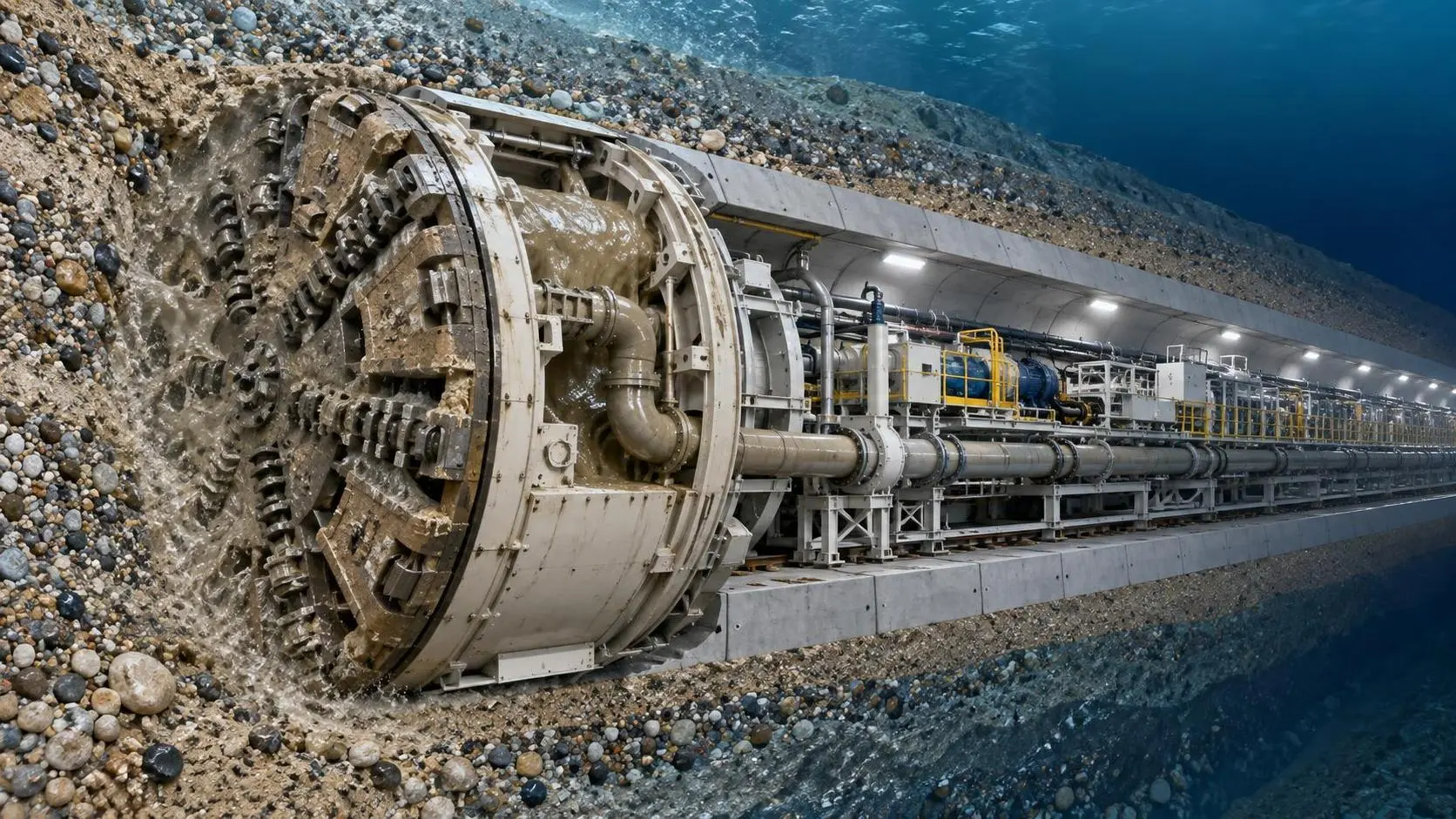
EPB or Slurry Shield? Selecting Soft-Ground Tunnelling Equipment by Soil Conditions
Tunnel Excavation Equipment for soft ground: compare EPB and slurry shields by soil, groundwater, settlement risk, and project logistics to choose confidently.
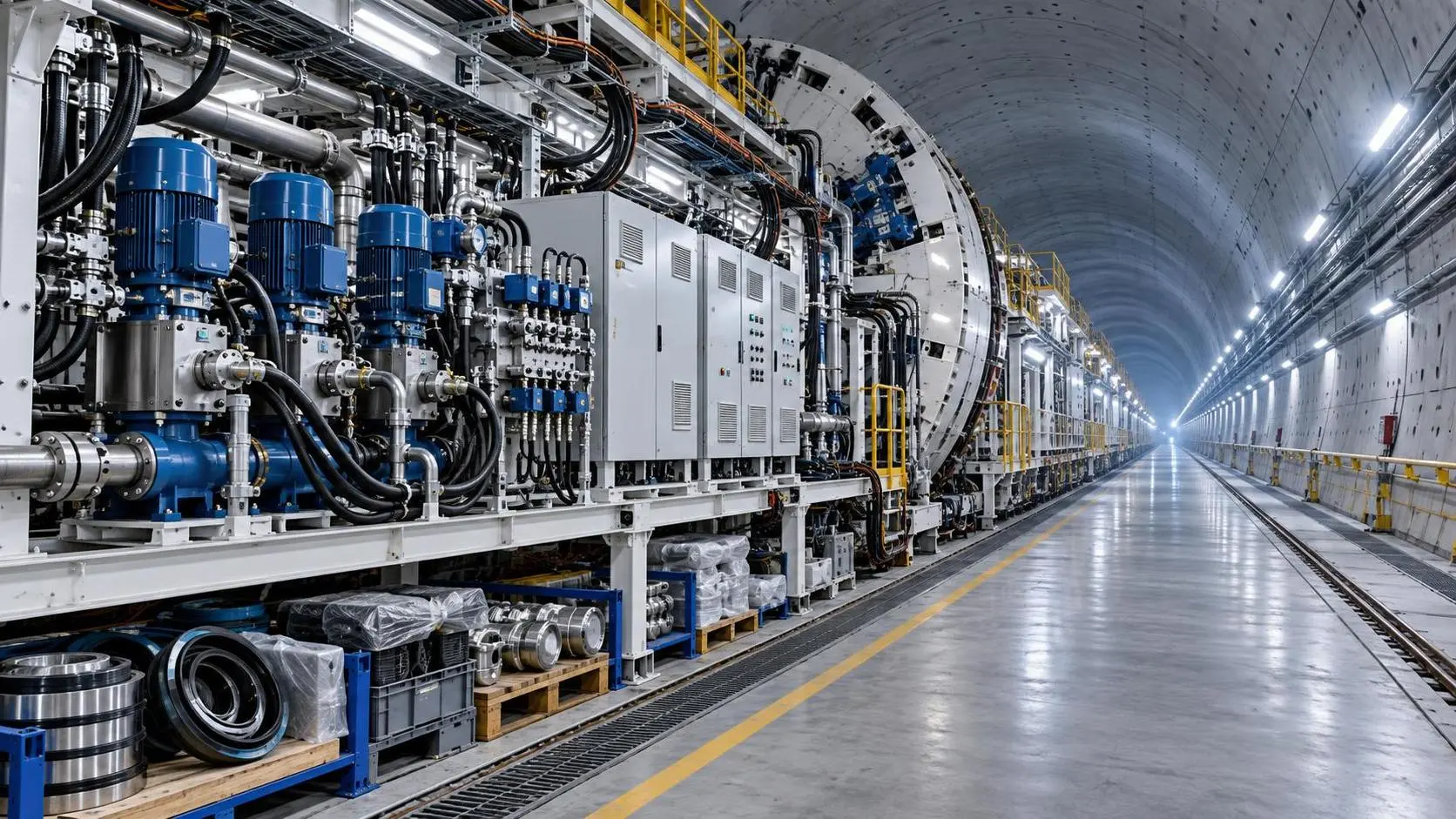
How to Specify TBM Backup System Parts for Reliable Long-Distance Tunnelling
TBM backup system parts: learn how to specify reliable spares for long-distance tunnelling, reduce downtime, ensure compatibility, and speed underground recovery.
How to Size Open Pit Mining Trucks for Haul Distance, Grade, and Payload?
Open Pit Mining Trucks: learn how to match payload, haul distance, grade, road resistance, and loading capacity for safer, lower-cost mine operations.
Related News
- 00
0000-00
How to Evaluate European Drill-and-Blast Tunnelling Contractors for Complex Projects - 00
0000-00
Which Trenchless Construction Technique Fits Your Utility Crossing Conditions? - 00
0000-00
What Is Driving Metro Tunnelling Demand Across Southeast Asia’s Major Cities? - 00
0000-00
Hard Rock Tunnelling in Australia: Selecting Methods for Variable Ground Conditions - 00
0000-00
Hydropower Tunnel Excavation: Selecting Methods for Variable Rock Conditions
Weekly Insights
Stay ahead with our curated technology reports delivered every Monday.