
China Customs Tightens TBM Export Checks from Aug. 16





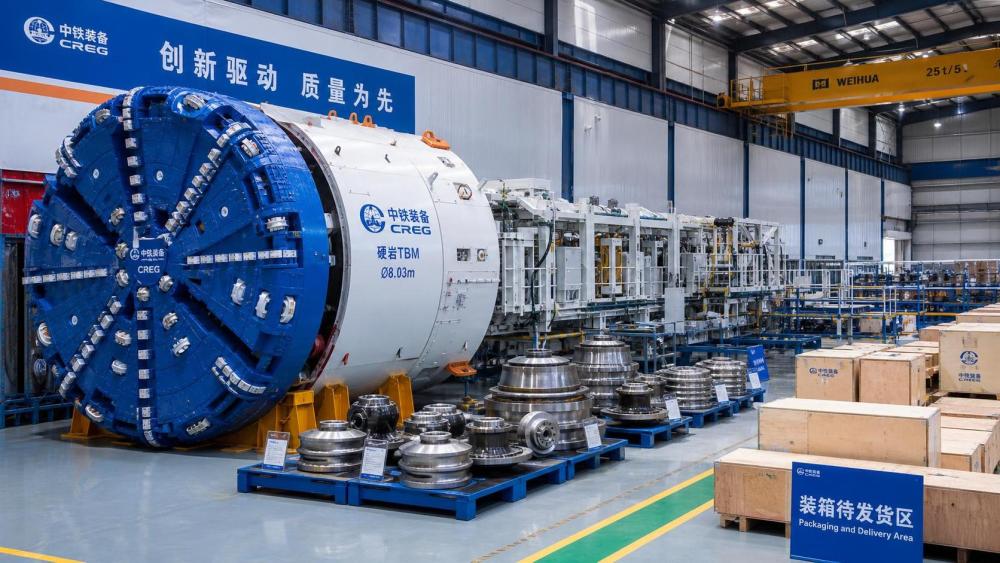
China Customs will add several tunnelling equipment categories to its mandatory inspection list from August 16, 2026, according to an announcement released on August 13. The change affects hard rock TBMs, slurry and EPB shields, and related cutterhead and disc cutter systems, making it a development that exporters, overseas project buyers, and compliance teams in the tunnelling supply chain need to review closely.
What the new customs rule covers
Under Announcement No. 82 issued by the General Administration of Customs of China on August 13, 2026, hard rock TBMs, slurry/EPB shields, and matching cutterhead and disc cutter systems have been formally included in the Catalogue of Import and Export Commodities Subject to Mandatory Inspection. The new regulatory condition is marked as "L", referring to export commodity safety and performance inspection. The rule takes effect on August 16, 2026. Export enterprises are required to complete type testing in advance, file CE/UL dual-certification documents, and upload factory inspection reports through China International Trade Single Window.
Where the operational pressure may appear
Exporters and equipment manufacturers
For suppliers of TBMs and cutterhead systems, the immediate impact is likely to fall on document preparation, factory inspection scheduling, and shipment timing. Because the rule adds a mandatory inspection step, export teams will need to align production handover, testing, and customs filing more tightly than before. The practical issue is less about product design itself and more about whether the required compliance materials are ready when orders move toward delivery.
Overseas project buyers and procurement teams
Buyers for infrastructure projects outside China may need to revisit their delivery assumptions. The new inspection requirement adds another compliance gate before goods can leave China, so procurement teams may need to factor that into lead-time planning and contract timelines. What matters here is not a forecast of slower trade in general, but the added uncertainty for project schedules that depend on large tunnelling equipment arriving on time.
Logistics and compliance service providers
Freight forwarders, customs brokers, and trade compliance advisers may see more demand for coordinated filing support. The inclusion of these products in the mandatory inspection catalogue means shipment workflows will likely require closer coordination between factory, testing, and declaration steps. The key point for service providers is whether their current process can absorb the added inspection and document-check burden without creating avoidable delays.
What companies should be checking now
Confirm product scope and filing readiness
Companies should first verify whether their export items fall within the newly listed TBM and cutter system categories. For affected shipments, the compliance file should be checked against the new inspection requirement, with attention to type testing, CE/UL document filing, and factory inspection report upload requirements.
Review delivery timelines with customers
Because the rule takes effect on a fixed date, sales and project teams should reassess promised delivery windows for orders tied to China-origin tunnelling equipment. The issue is not only customs clearance, but also whether the upstream inspection steps can be completed before the planned shipment date.
Keep contract language aligned with compliance steps
For pending or newly signed orders, parties may need to make sure responsibility for inspection materials, filing timing, and shipment conditions is clearly allocated. In practice, this matters for avoiding disputes when a project timeline depends on approvals that were not previously built into the export workflow.
What this signals beyond the immediate rule
Analysis shows this is not just a procedural update. It signals that high-end tunnelling equipment is now under a more explicit export inspection framework, with compliance tied to both product safety and performance. At the same time, it is still best read as a regulatory change that needs close operational monitoring rather than a complete shift in market demand. The important question is how quickly exporters and buyers can adapt their documentation, testing, and delivery planning to the new process.
How to read the development
At this stage, the most practical interpretation is that China has tightened the export-side compliance path for a defined set of tunnelling machines and components, and that this may affect project planning across the global infrastructure procurement chain. It is more appropriate to treat the change as a near-term compliance and delivery issue with possible longer-term signaling value, rather than as a conclusion about broader market direction.
Source Notes
This article was prepared based on the user-provided title, event date, and summary. Relevant source types for verification would typically include official customs announcements, company notices, industry association updates, standard or certification documents, and authoritative media reports. A specific official source link was not provided in the input, so the underlying announcement and any later implementation details still need ongoing verification.
Related News
Tunnel Boring Machine Costs: Budgeting for Purchase, Operation, and Project Risk
Tunnel Boring Machines cost more than purchase price. Learn how to budget lifecycle costs, downtime, logistics, wear, and project risk for smarter TBM decisions.

Open-Pit Haulage Cost Analysis: How Mine Managers Can Cut Cost per Tonne
Open pit haulage cost analysis: discover practical ways to reduce cost per tonne through payload control, cycle-time optimization, road performance, and smarter fleet decisions.
Tunnel Construction Innovations That Reduce Risk and Schedule Delays on Urban Projects
Tunnel construction innovation for urban projects: discover smarter TBMs, real-time monitoring, trenchless methods, and automation that reduce risk and protect schedules.
TBM Disc Cutter Design: Key Geometry and Load Factors for Hard Rock Tunnelling
TBM disc cutter design explained: explore geometry, spacing, load distribution and maintenance factors for reliable, efficient hard-rock tunnelling performance.
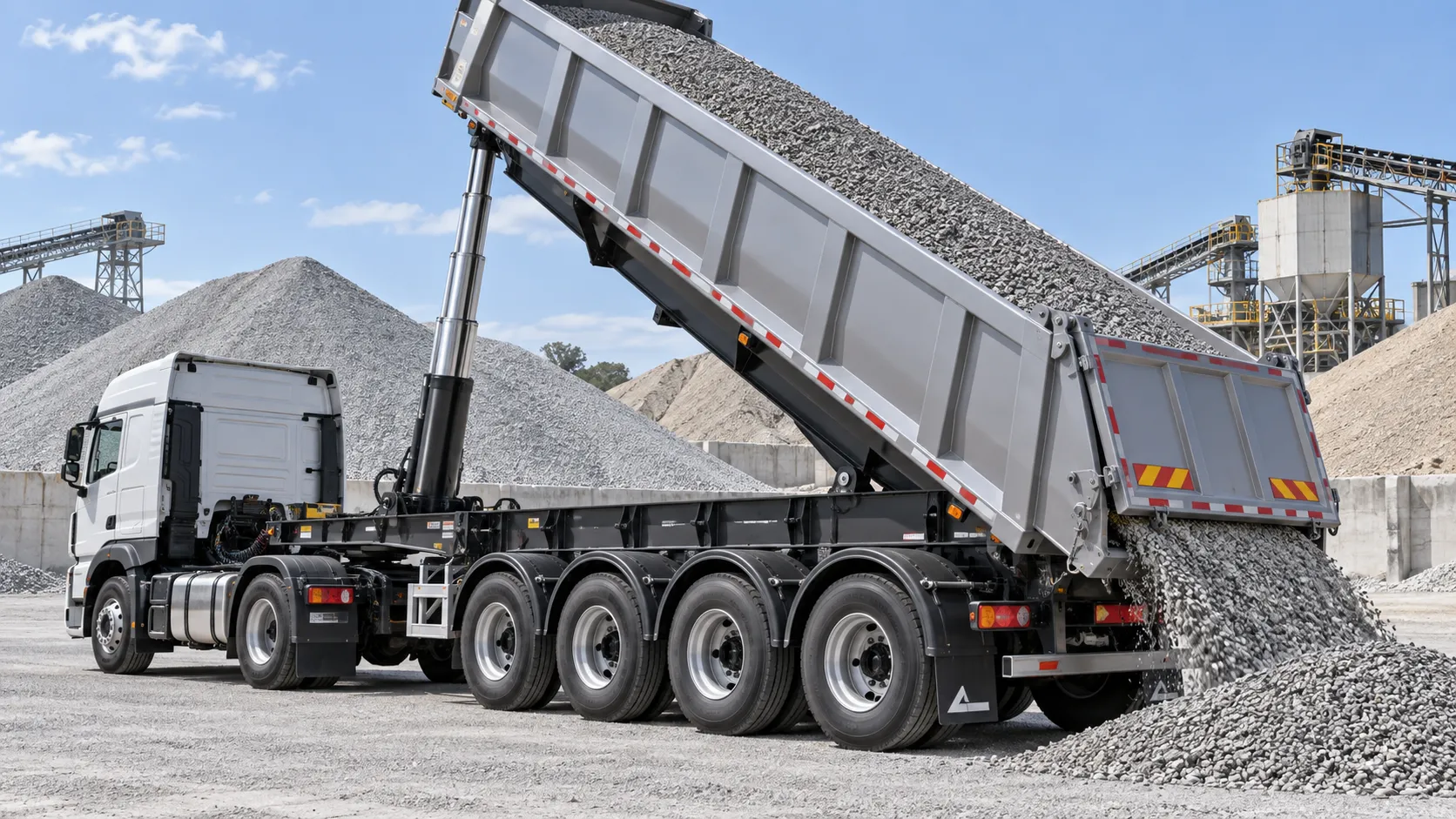
Hydraulic Tipping Stability Risks in Multi-Axle Dump Special Trailers
Dump special trailers: discover key hydraulic tipping stability risks, multi-axle load dynamics, and practical safety controls for safer, smarter bulk hauling.
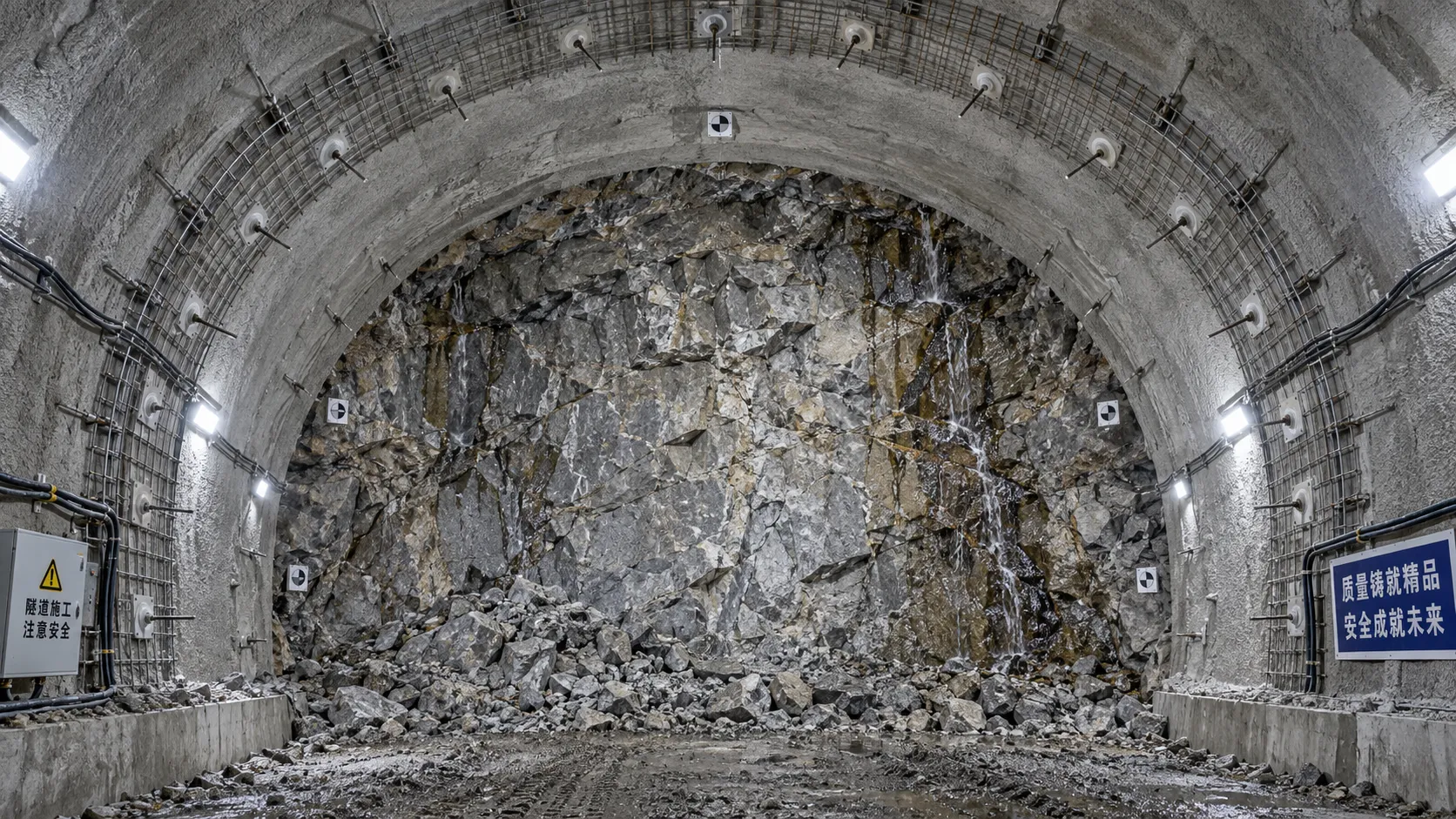
When rock reinforcement in tunnel construction must change after blasting
Rock reinforcement in tunnel construction must change when blasting reveals overbreak, weak joints, water inflow, or deformation. Discover key post-blast support decisions.
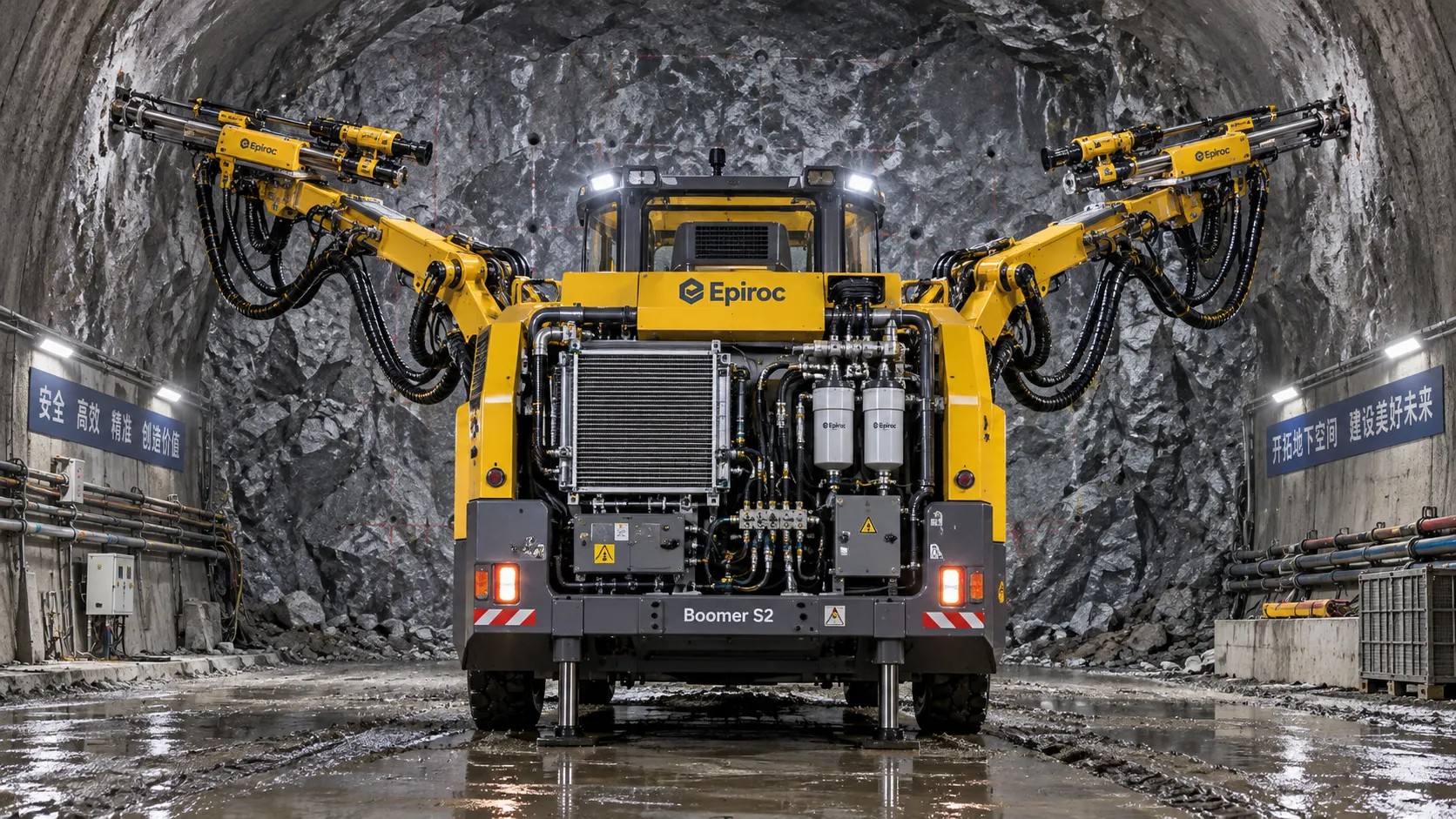
How tunnel hydraulic systems influence drill jumbo uptime underground
Tunnel hydraulic systems directly influence drill jumbo uptime. Explore how stable pressure, clean oil, cooling, and maintainable design reduce underground downtime.
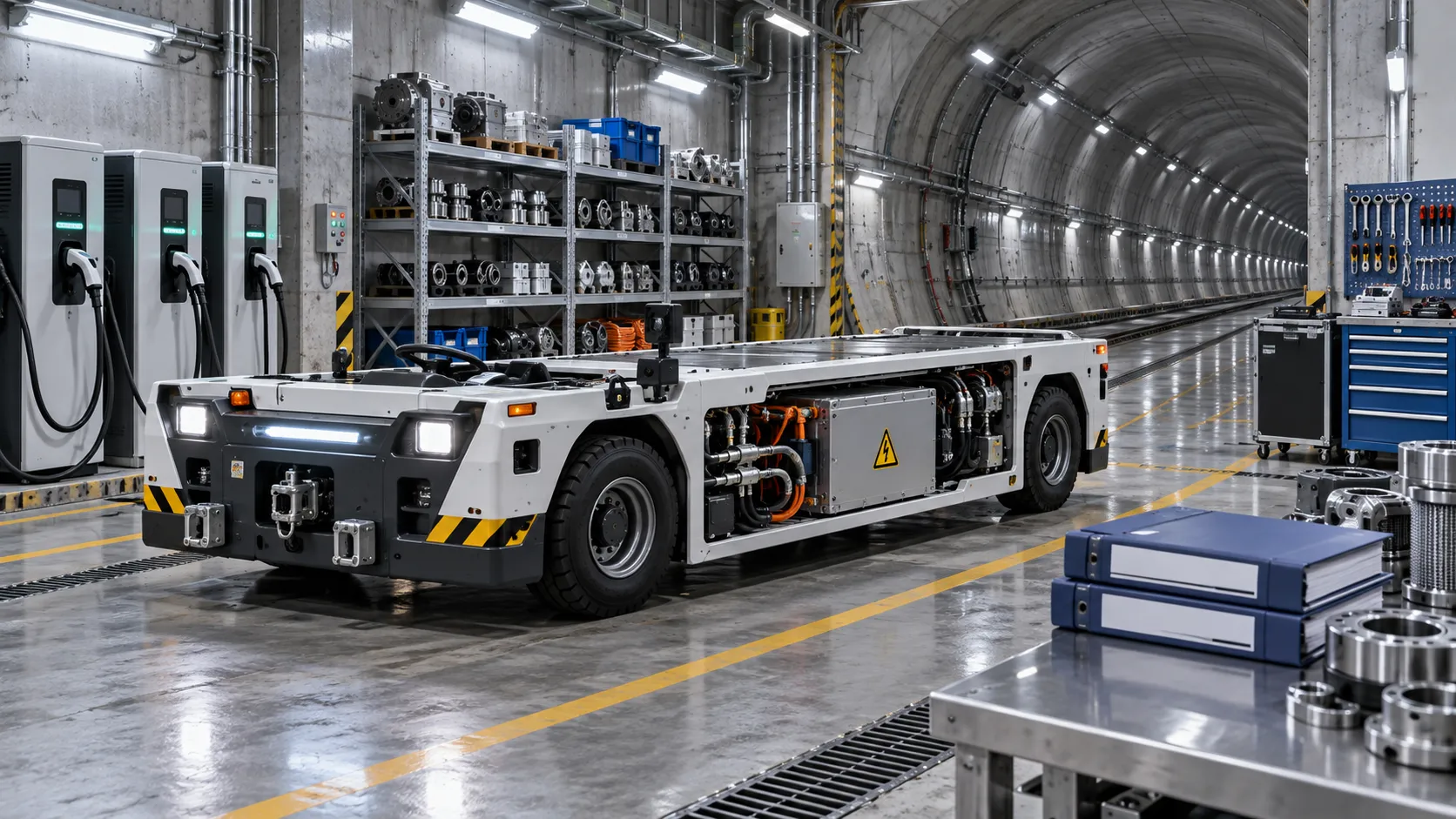
What to verify before appointing a tunneling vehicles manufacturer
Choosing a tunneling vehicles manufacturer? Verify application fit, reliability, compliance, parts support, training, and channel terms before appointing a partner.
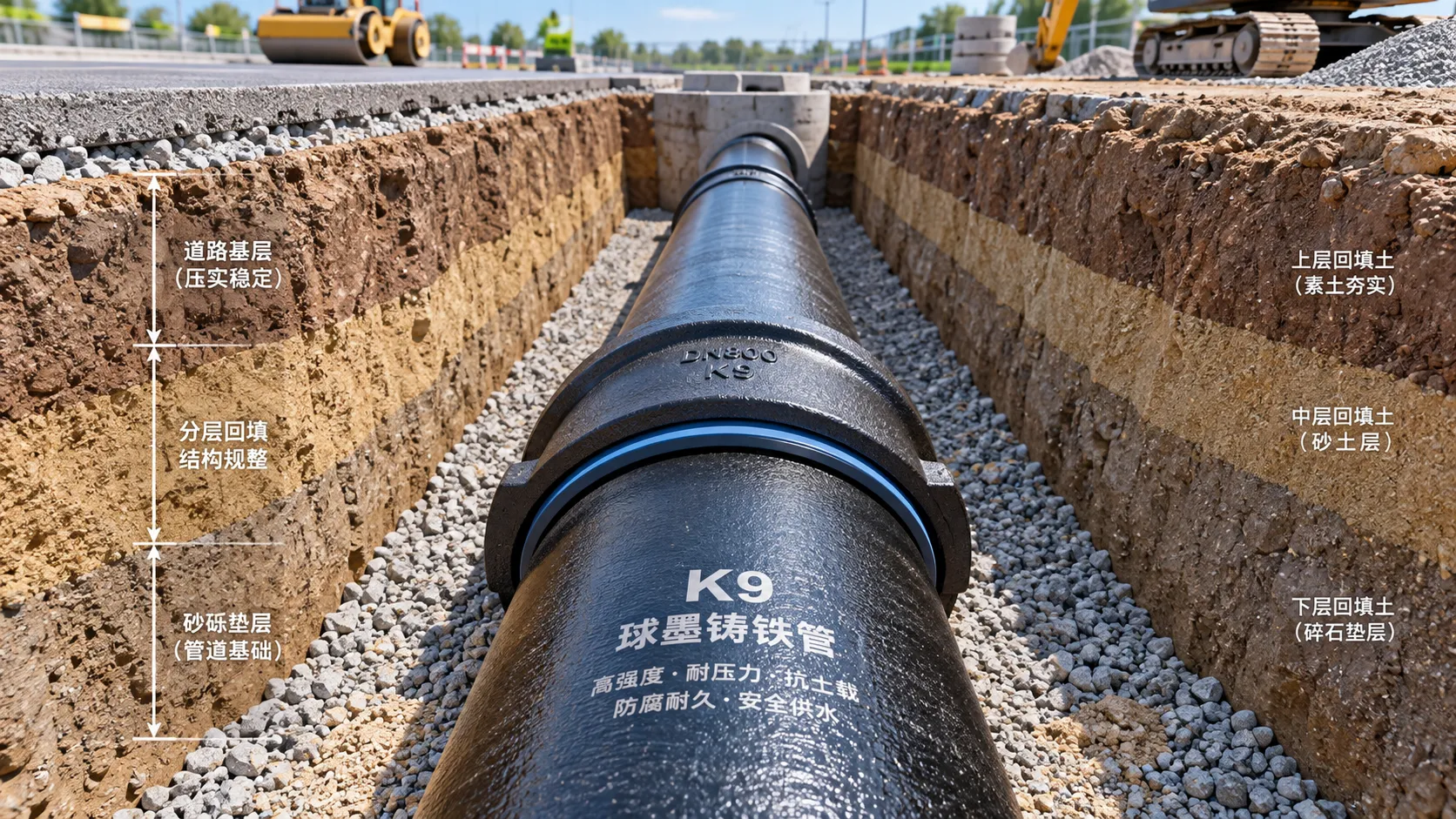
Selecting K9 Ductile Iron Pipe for Buried Water Pipeline Conditions
K9 ductile iron pipe selection for buried water pipelines: compare pressure duty, joints, soil loads, corrosion protection, and installation controls for reliable long-term performance.
Related News
- 00
0000-00
Tunnel Boring Machine Costs: Budgeting for Purchase, Operation, and Project Risk - 00
0000-00
Open-Pit Haulage Cost Analysis: How Mine Managers Can Cut Cost per Tonne - 00
0000-00
Tunnel Construction Innovations That Reduce Risk and Schedule Delays on Urban Projects - 00
0000-00
TBM Disc Cutter Design: Key Geometry and Load Factors for Hard Rock Tunnelling - 00
0000-00
Hydraulic Tipping Stability Risks in Multi-Axle Dump Special Trailers
Weekly Insights
Stay ahead with our curated technology reports delivered every Monday.