
How to Choose a Reliable Underground Mining Equipment Supplier for Harsh Site Conditions





Choose the supplier against the site, not the brochure. In harsh underground conditions, the first question is whether the equipment can tolerate abrasive rock, moisture, shock loading, restricted clearances, and long duty cycles without turning routine maintenance into a stoppage event. A reliable underground mining equipment supplier should be able to explain how each machine is built for the actual environment: frame thickness, wear liner strategy, sealing class, cable protection, cooling margin, and access to inspection points. If those details stay vague, the supply risk usually shows up later as cracked welds, overheated drives, blocked filters, or service intervals that are too optimistic for real production.
The strongest early signal is whether the supplier can connect machine design to duty profile. Underground tunnelling and mining equipment is not chosen only by nominal capacity. A drilling jumbo working in hard rock needs boom rigidity, accurate positioning, stable hydraulic response, and components that resist dust ingress. An LHD loader operating in narrow drifts needs articulation geometry, traction control, visibility, and a driveline that stays manageable when grades change and the floor is wet. A dump truck used in a deep mine faces different strain: repeated braking, heat accumulation, tire stress, and payload variation. If the supplier treats all underground equipment as interchangeable, the recommendation is too shallow.
Material selection matters more than many catalog specs suggest. In abrasive ground, bucket lips, cutting edges, chute liners, and wear plates should be discussed as consumable systems rather than fixed parts. Hardfacing method, plate grade, weld procedure, and replacement access all affect life in service. A supplier that understands harsh site conditions should be able to describe where impact-resistant steel is appropriate and where hardness alone becomes a liability because of cracking. The same logic applies to hoses, connectors, and cable routing. Underground failures often begin in small parts that were assumed to be generic.
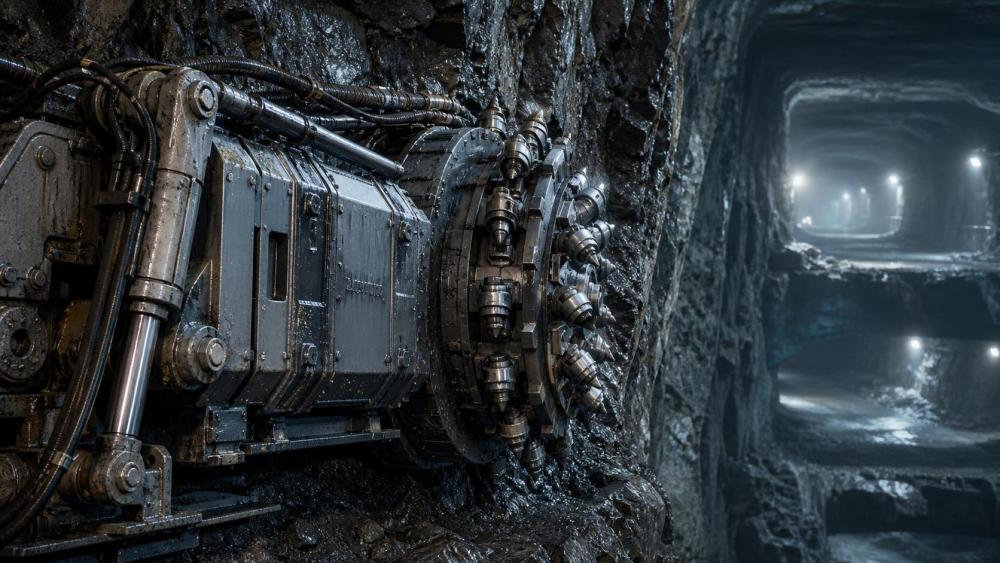
Environmental protection is another filter. Moisture, fine dust, acidic seepage, and temperature swings affect electrics, hydraulics, bearings, and sensors in different ways. Seals, breather design, enclosure rating, corrosion protection, and connector layout are not secondary details; they shape uptime. For battery-electric machines, enclosure cooling and battery compartment isolation need equal attention, especially where water spray, conductive dust, or long downhill runs may stress the thermal system. For diesel-powered units, exhaust aftertreatment placement, heat shielding, and service access matter just as much as engine output. A supplier should be able to discuss how the machine behaves when airflow is poor, not only when it is tested in open conditions.
Support capability is often the real dividing line. A supplier may sell robust equipment and still be unreliable if commissioning, spares, diagnostics, and field response are weak. Underground assets usually need fast fault isolation because one unresolved stoppage can affect several downstream activities. That makes documentation quality, wiring diagrams, hydraulic schematics, and fault code logic part of the product itself. Ask how calibration is handled, what tools are required for common repairs, which wear parts are held in stock, and whether critical assemblies are modular enough to swap underground or during a short shutdown window. If a machine requires specialized intervention for ordinary failures, the operational burden shifts to the site.
Integration should be reviewed before commercial terms are finalized. Power supply, ventilation limits, clearances, haul road geometry, shaft dimensions, and maintenance bay size all affect installation feasibility. Underground mining equipment supplier choices sometimes fail because the machine is technically sound but physically awkward for the site. Transport segments, lifting points, disassembly sequence, and reassembly tolerances matter during delivery and installation. A supplier familiar with harsh conditions will normally ask for tunnel profile, gradient, ground support method, power infrastructure, and maintenance logistics before proposing a final configuration.
There is also a practical difference between equipment that survives and equipment that remains maintainable. Long-life machines are not always the ones with the highest component count or the heaviest frame. They are often the ones with sensible access to filters, service hatches, grease points, electrical cabinets, and wear modules. In deep or confined workings, every extra minute spent reaching a failed part increases exposure and cost. That is why maintainability should be examined alongside ruggedness. If routine service requires major disassembly, the machine may look durable on paper while becoming expensive to keep in rotation.
Procurement documents should force the supplier to be specific. Instead of asking only for capacity and dimensions, request operating limits, lubrication intervals, expected inspection points, consumable lists, and the normal sequence for replacing major parts. Ask which components are most sensitive to dust, heat, vibration, or water ingress. Ask how the machine is protected during transport and storage, especially if it will sit before commissioning. Ask what changes when the machine is used in high-altitude, high-humidity, or exceptionally abrasive formations. Vague answers are a warning because underground conditions tend to expose vague engineering quickly.
Commercial risk usually hides in the mismatch between promised and usable service life. A careful supplier will distinguish between nominal design ratings and the conditions that actually shorten life: overloading, poor lubrication, poor ground control, unstable power, and inconsistent operator practices. That distinction matters because harsh sites often combine several of those stresses at once. The right question is not whether the machine can run, but whether it can keep running without turning wear parts, structural repair, and diagnostics into a constant drain on production time. Equipment that is technically impressive but hard to sustain is a weak fit for underground work.
Another point to verify is how the supplier handles adaptation. Standard models are useful, but underground operations often need changes to chassis protection, hose routing, cab shielding, lighting, fire suppression, automation interfaces, or remote-control readiness. Customization is valuable only when the supplier can explain its engineering consequences. Poorly managed modifications can create spare-part fragmentation, complicate maintenance, and weaken reliability. A sound approach is to keep the base architecture stable and customize only where the site truly demands it, such as payload handling, ventilation constraints, or route geometry.
Testing evidence should be read carefully. Factory test sheets and load checks matter, but they do not replace site-specific verification. If possible, evaluate how the machine behaves under dust, wet ground, vibration, and repetitive starts and stops. Observe hydraulic smoothness, thermal stability, brake response, and fault handling after extended operation. A machine that performs well in a short demonstration may still struggle once exposed to continuous underground duty. The supplier should be willing to discuss the limits of test conditions instead of presenting a controlled test as proof of field endurance.
Installation and commissioning deserve the same attention as the purchase order. Poor alignment, rushed cable runs, incorrect torqueing, and incomplete sensor calibration can damage a strong machine before it enters production. A capable underground mining equipment supplier will specify commissioning steps clearly, including acceptance checks, operator familiarization, and the sequence for validating safety interlocks. For electrically driven equipment, grounding, cable management, and protection coordination need early review. For mechanical haulage and cutting systems, alignment and wear checks should be built into handover, not left to local improvisation.
After the machine enters service, maintenance discipline becomes part of supplier quality. The useful question is whether maintenance tasks are realistic for the working environment. In tight spaces, dirty conditions, and limited service windows, a design that needs frequent intrusive work is a poor fit even if its headline specifications look strong. A reliable supplier should make spare parts identification clear, avoid unnecessary part proliferation, and provide clear rebuild boundaries for consumables versus major assemblies. That reduces the chance of pulling a whole machine out of service for a fault that should have stayed local.
The final judgment should rest on engineering clarity. A dependable underground mining equipment supplier can explain why a certain frame, cooling path, drivetrain, or wear package suits the site and where the machine’s limits begin. That is more useful than polished claims or broad promises. When the answers are precise, consistent, and tied to the actual underground environment, the supply relationship has a better chance of holding up under rock pressure, moisture, heat, and production pressure.
Related News
Tunnel Boring Machine Costs: Budgeting for Purchase, Operation, and Project Risk
Tunnel Boring Machines cost more than purchase price. Learn how to budget lifecycle costs, downtime, logistics, wear, and project risk for smarter TBM decisions.
Open-Pit Haulage Cost Analysis: How Mine Managers Can Cut Cost per Tonne
Open pit haulage cost analysis: discover practical ways to reduce cost per tonne through payload control, cycle-time optimization, road performance, and smarter fleet decisions.
Tunnel Construction Innovations That Reduce Risk and Schedule Delays on Urban Projects
Tunnel construction innovation for urban projects: discover smarter TBMs, real-time monitoring, trenchless methods, and automation that reduce risk and protect schedules.
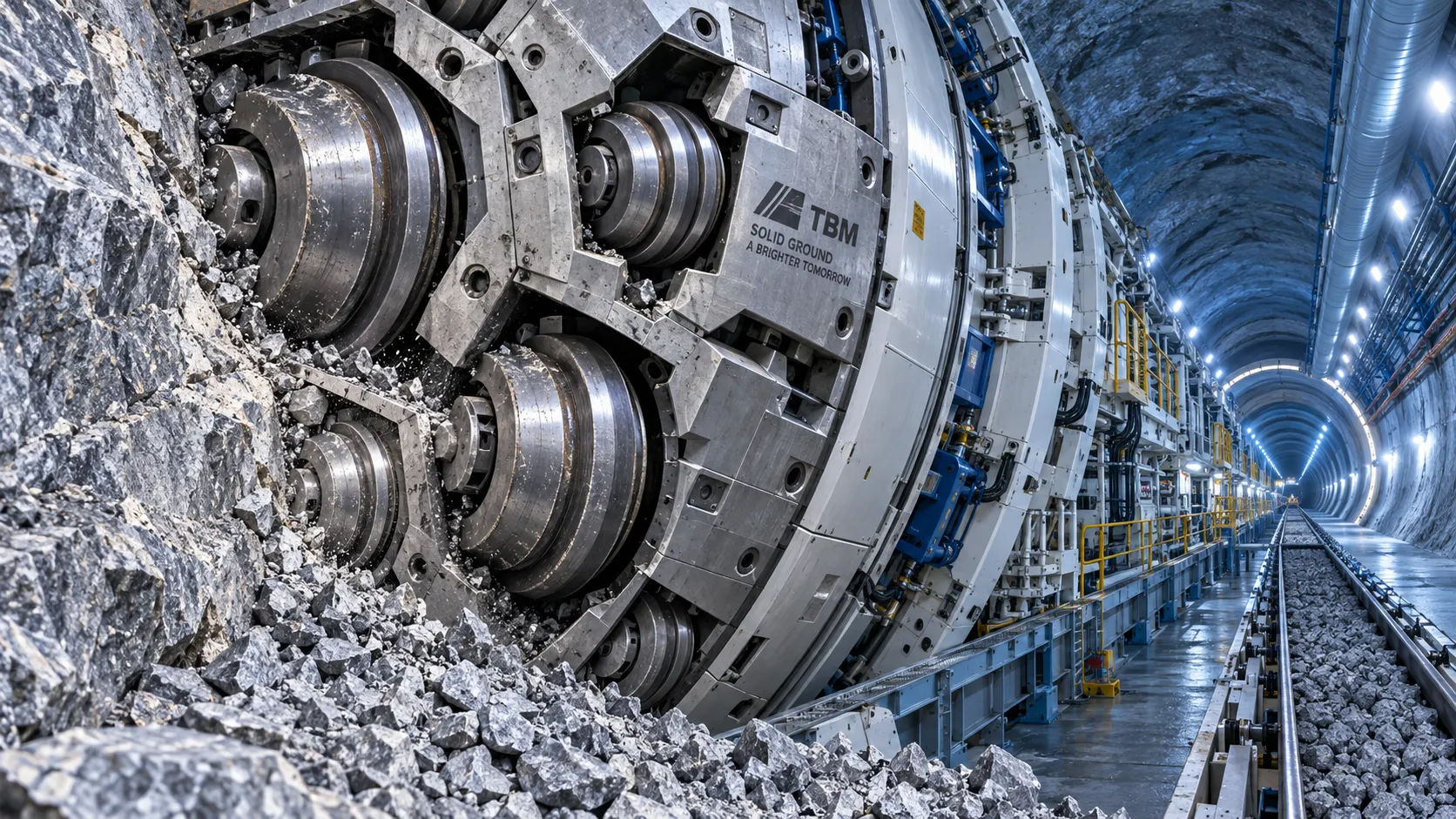
TBM Disc Cutter Design: Key Geometry and Load Factors for Hard Rock Tunnelling
TBM disc cutter design explained: explore geometry, spacing, load distribution and maintenance factors for reliable, efficient hard-rock tunnelling performance.
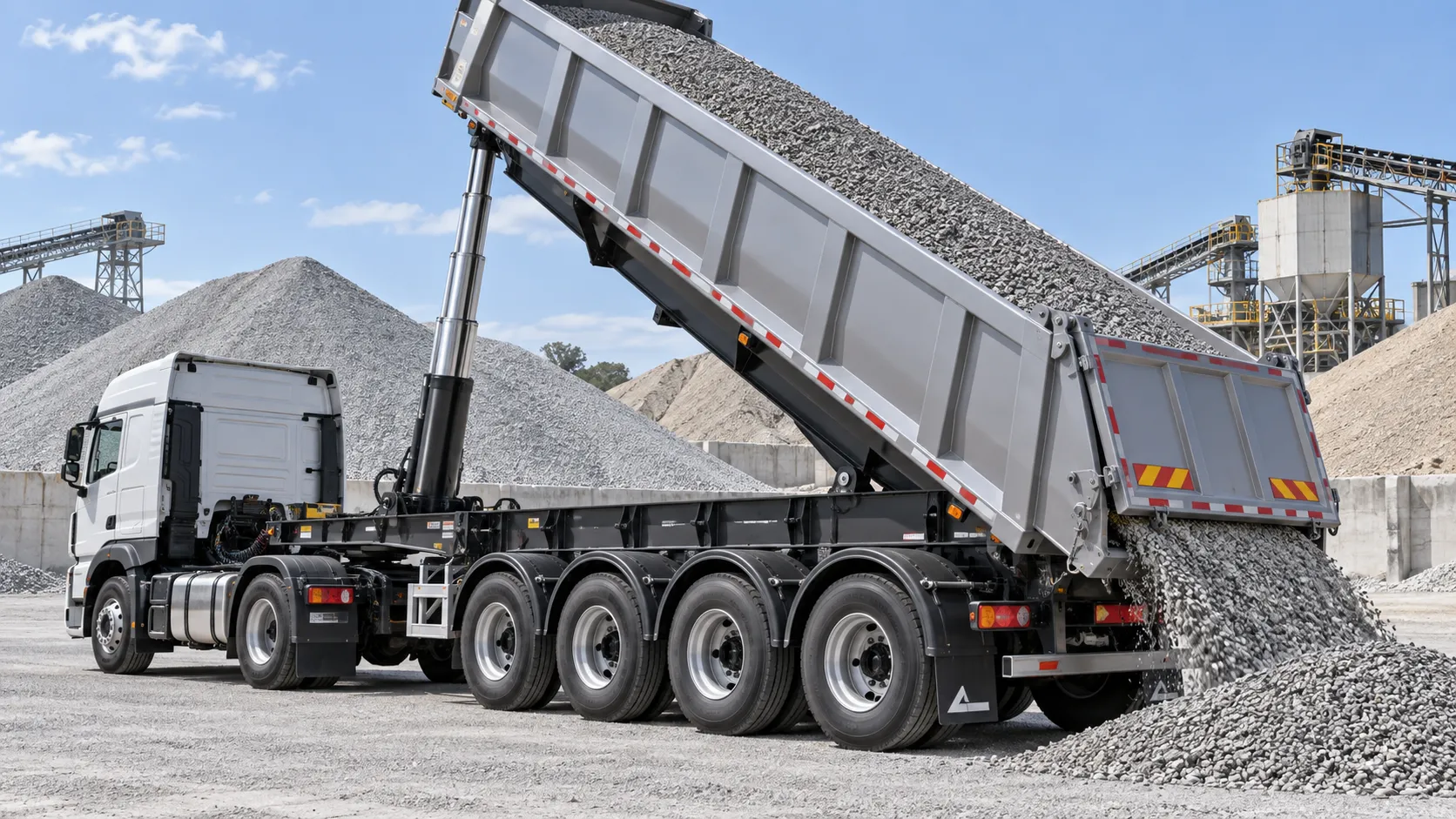
Hydraulic Tipping Stability Risks in Multi-Axle Dump Special Trailers
Dump special trailers: discover key hydraulic tipping stability risks, multi-axle load dynamics, and practical safety controls for safer, smarter bulk hauling.
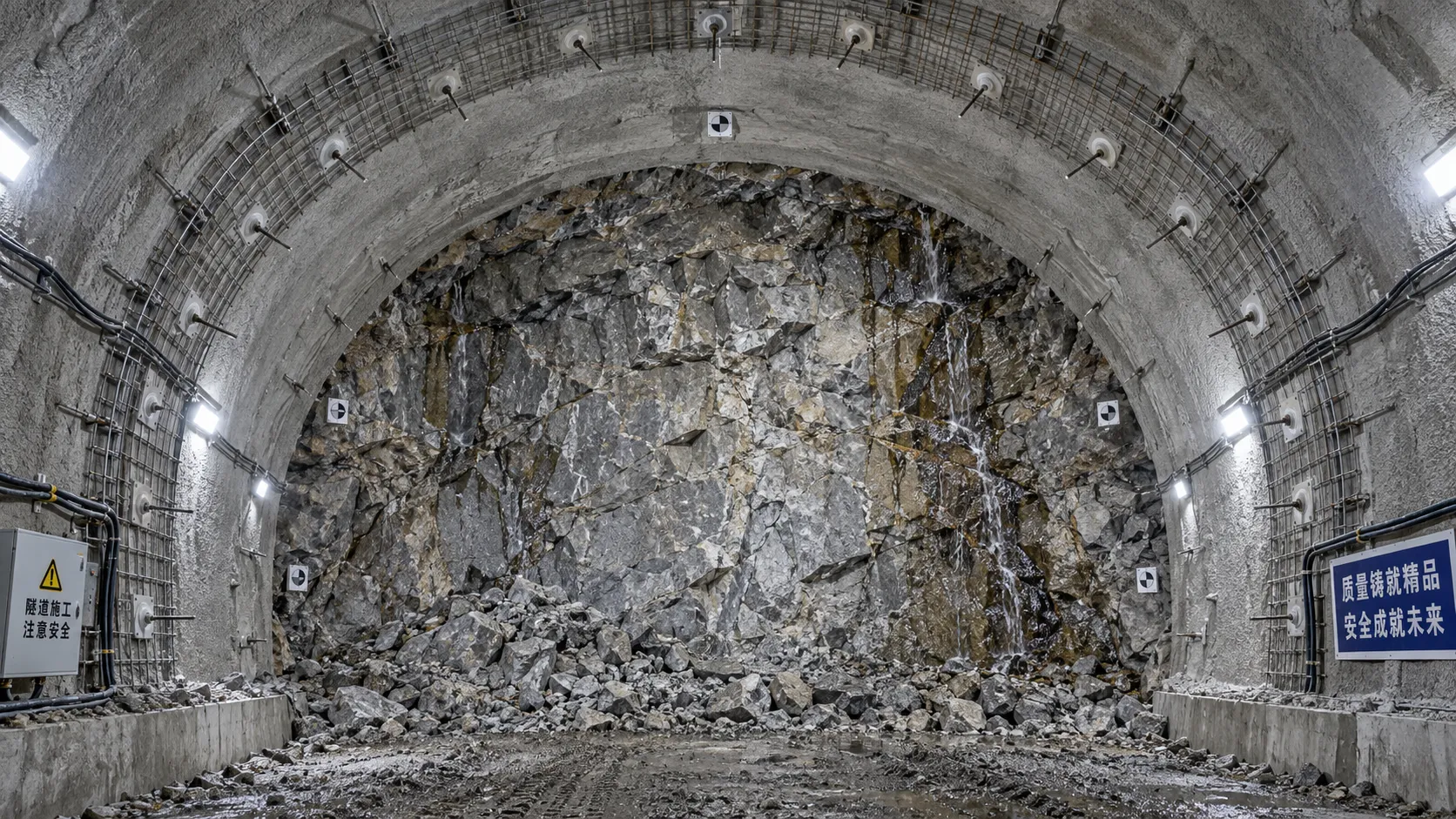
When rock reinforcement in tunnel construction must change after blasting
Rock reinforcement in tunnel construction must change when blasting reveals overbreak, weak joints, water inflow, or deformation. Discover key post-blast support decisions.
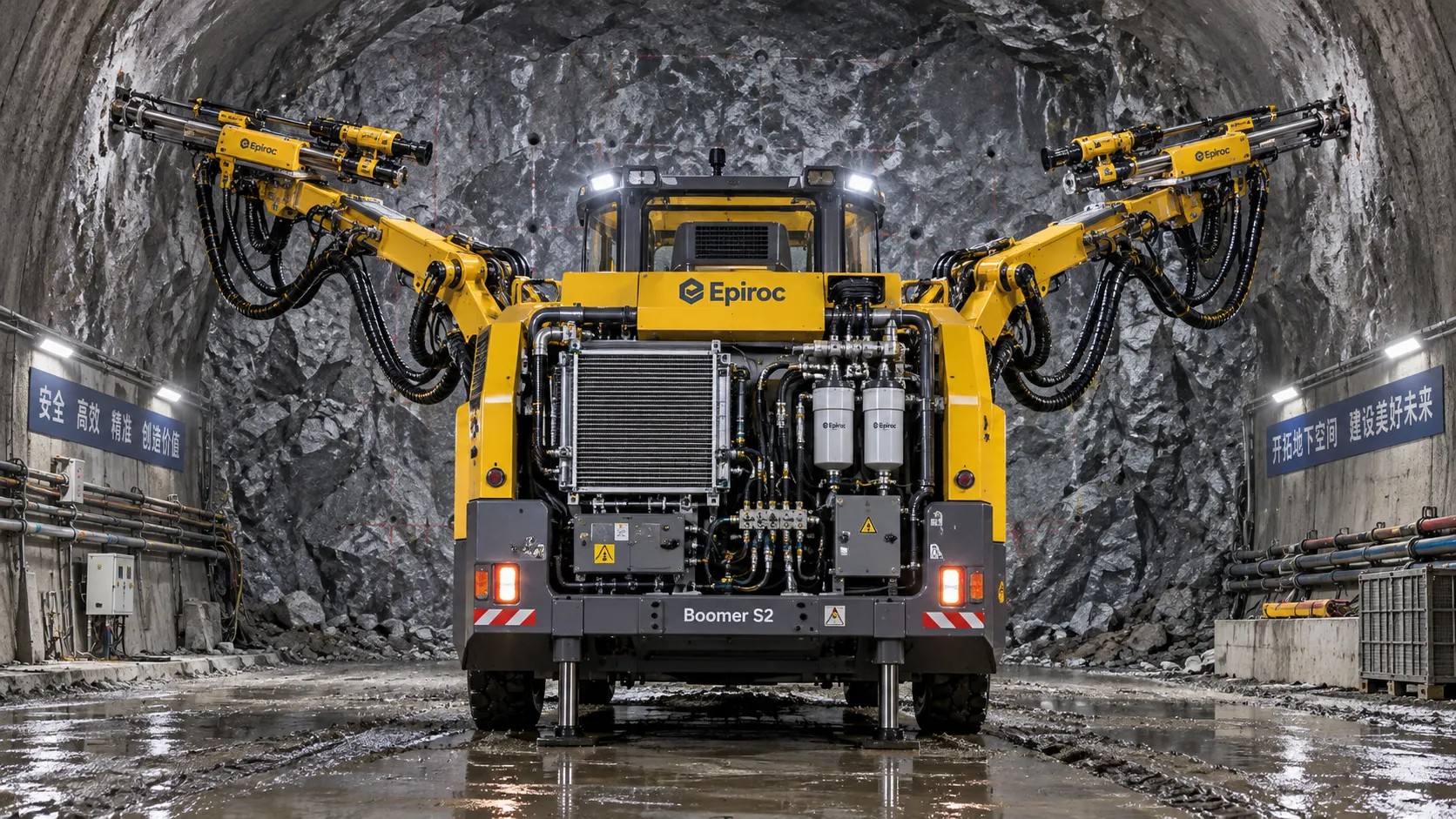
How tunnel hydraulic systems influence drill jumbo uptime underground
Tunnel hydraulic systems directly influence drill jumbo uptime. Explore how stable pressure, clean oil, cooling, and maintainable design reduce underground downtime.
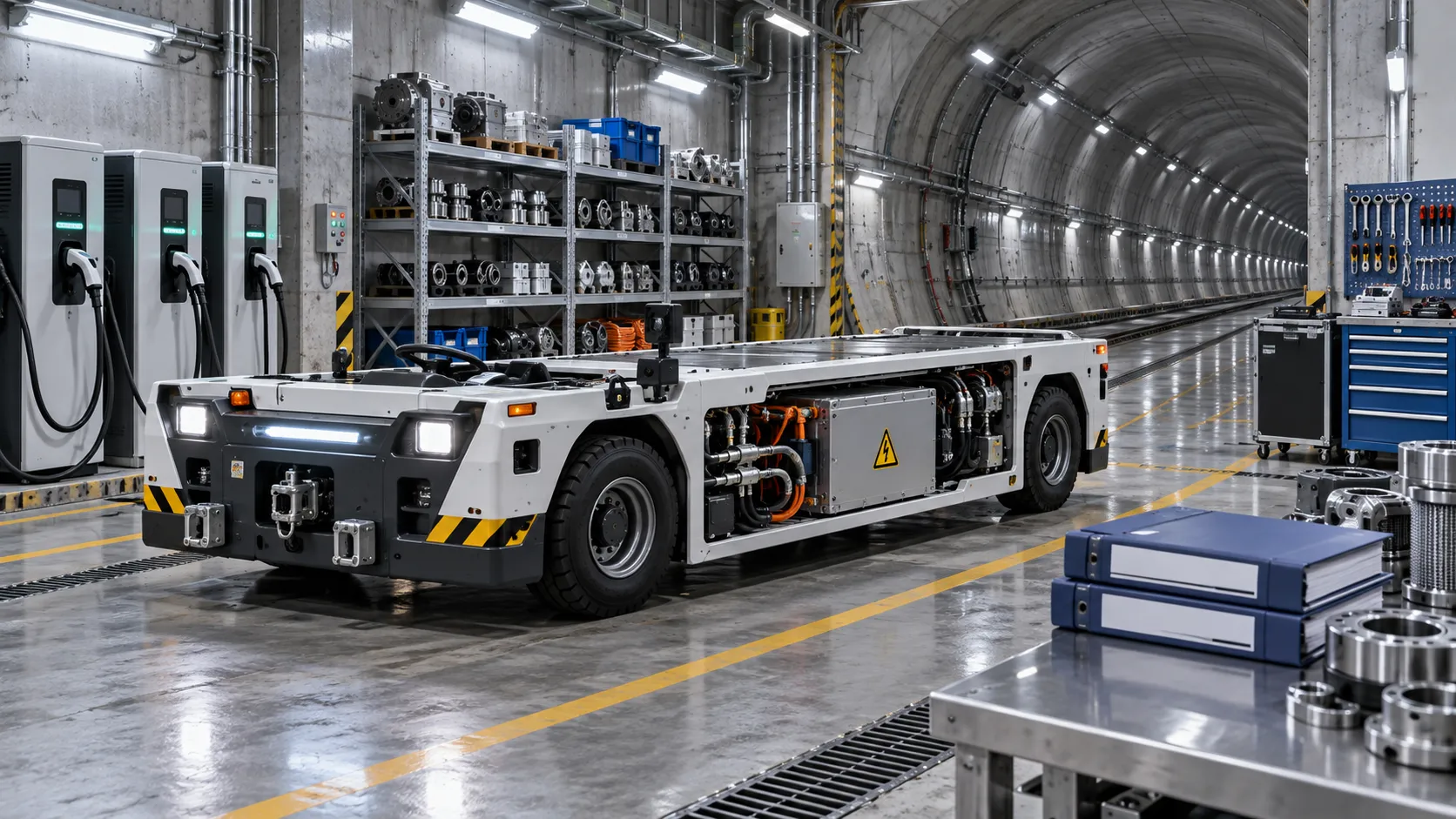
What to verify before appointing a tunneling vehicles manufacturer
Choosing a tunneling vehicles manufacturer? Verify application fit, reliability, compliance, parts support, training, and channel terms before appointing a partner.
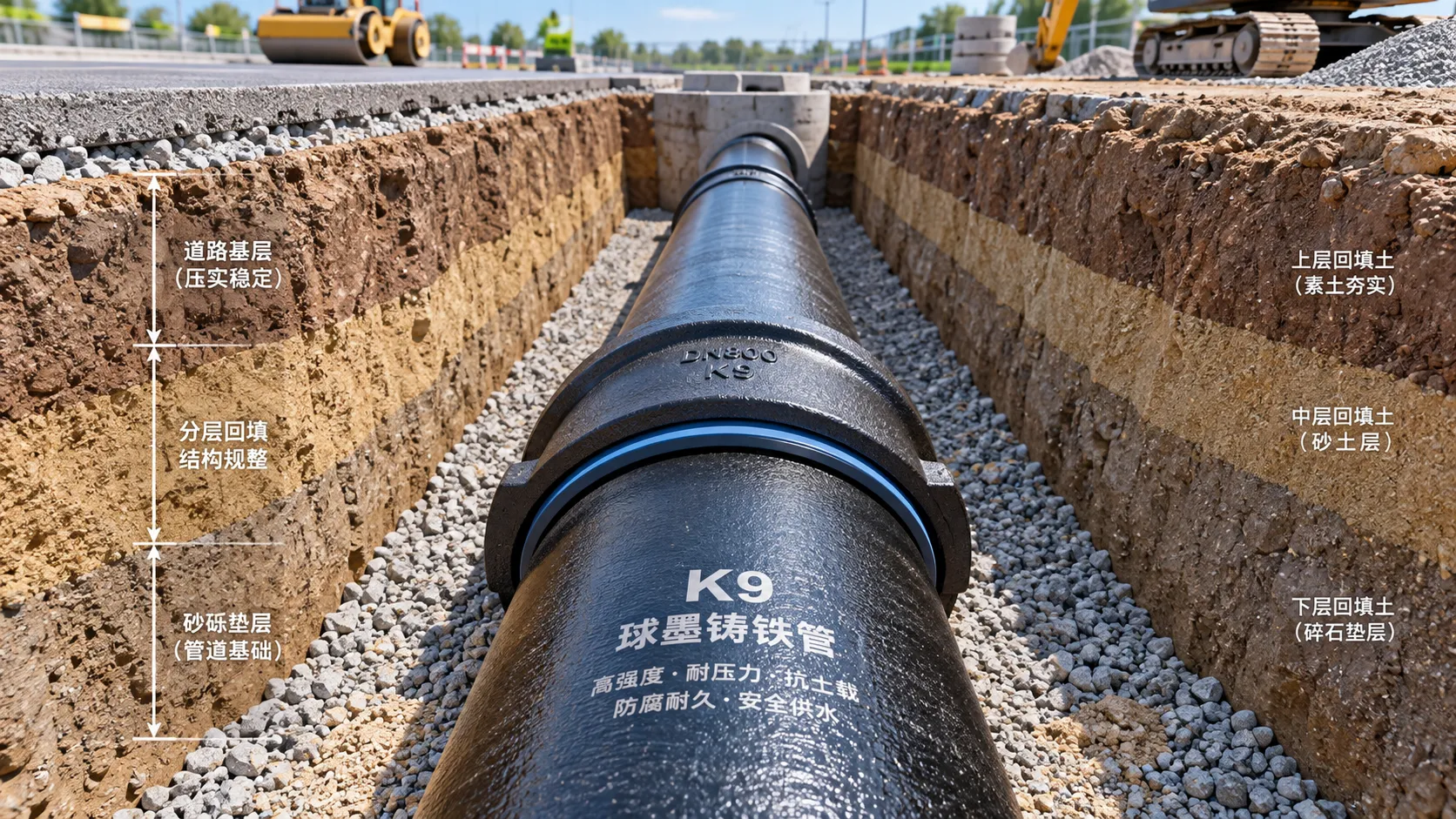
Selecting K9 Ductile Iron Pipe for Buried Water Pipeline Conditions
K9 ductile iron pipe selection for buried water pipelines: compare pressure duty, joints, soil loads, corrosion protection, and installation controls for reliable long-term performance.
Related News
- 00
0000-00
Tunnel Boring Machine Costs: Budgeting for Purchase, Operation, and Project Risk - 00
0000-00
Open-Pit Haulage Cost Analysis: How Mine Managers Can Cut Cost per Tonne - 00
0000-00
Tunnel Construction Innovations That Reduce Risk and Schedule Delays on Urban Projects - 00
0000-00
TBM Disc Cutter Design: Key Geometry and Load Factors for Hard Rock Tunnelling - 00
0000-00
Hydraulic Tipping Stability Risks in Multi-Axle Dump Special Trailers
Weekly Insights
Stay ahead with our curated technology reports delivered every Monday.