
How Automated Battery Swapping Technology Cuts Downtime in Mining Fleets





How Automated Battery Swapping Technology Cuts Downtime in Mining Fleets
For mining fleet managers, downtime is rarely caused by one dramatic failure. More often, it is the accumulation of smaller delays: waiting for charging windows, queueing at service bays, repositioning equipment around ventilation constraints, or stretching shift plans because a machine is powered but not productive. That is why automated battery swapping technology is attracting serious attention in both underground and open-pit operations. It addresses a simple but expensive problem: how to keep electric equipment moving without turning the battery into a scheduling bottleneck.
In underground fleets especially, the value proposition goes beyond energy replacement. It touches ventilation load, operator exposure, traffic organization, and maintenance planning. A battery that can be exchanged in minutes rather than recharged over a longer interval changes how project teams think about fleet sizing, shift utilization, and contingency planning. For operations under pressure to electrify without sacrificing output, this is less a futuristic add-on than a practical operating model.
UTMD has been tracking this shift through its broader focus on smart underground mining transport systems, drilling jumbos, electrified mining dump trucks, and underground LHD loaders. In that context, battery swapping is not an isolated innovation. It sits inside a larger transition toward zero-emission operation in confined spaces, remote control, machine autonomy, and higher asset utilization in harsh rock environments.
Why charging alone often struggles in real mining schedules
On paper, charging infrastructure can appear straightforward. In practice, project teams quickly run into site-specific constraints. Underground ramps are narrow. Equipment movement is tightly choreographed. Heat, dust, moisture, and cable management all matter. A charger may be available, but the machine may arrive off-cycle, the bay may be occupied, or the next production task may not align with the required charging duration.
That mismatch becomes more visible when fleets include LHDs, haul trucks, and support units with different duty cycles. Some machines experience high peaks of demand during loading and uphill haulage, while others idle intermittently. Fast charging can help, but it does not always eliminate queue risk or load spikes on the electrical system. In deeper mines, where ventilation, power distribution, and physical access are already stretched, long charging dwell times can become a hidden form of downtime.
This is the operating gap that automated battery swapping technology tries to close. Instead of waiting for energy to flow into the machine, the machine receives a fully prepared battery pack and returns to work quickly. The charging event is decoupled from the production event.
What “automated” really changes
Manual battery exchange is possible, but it introduces its own delays and risks. Automated systems are designed to standardize the sequence: vehicle positioning, pack release, removal, insertion, locking, and system checks. Depending on the equipment architecture, this can reduce the variability that often causes schedule drift.
That standardization matters because downtime in mining is rarely measured only at the machine level. Project managers look at the whole chain. If one loader is late returning to the drawpoint, the truck cycle changes. If the truck cycle changes, blasting, ore handling, or crusher feed planning may be affected. A repeatable battery exchange process is valuable not just because it is faster, but because it is more predictable.
In advanced deployments, the swap station also becomes a control point for battery health monitoring, pack identification, thermal management, and integration with fleet software. That creates a cleaner operating logic than treating each machine as an independent charging problem.
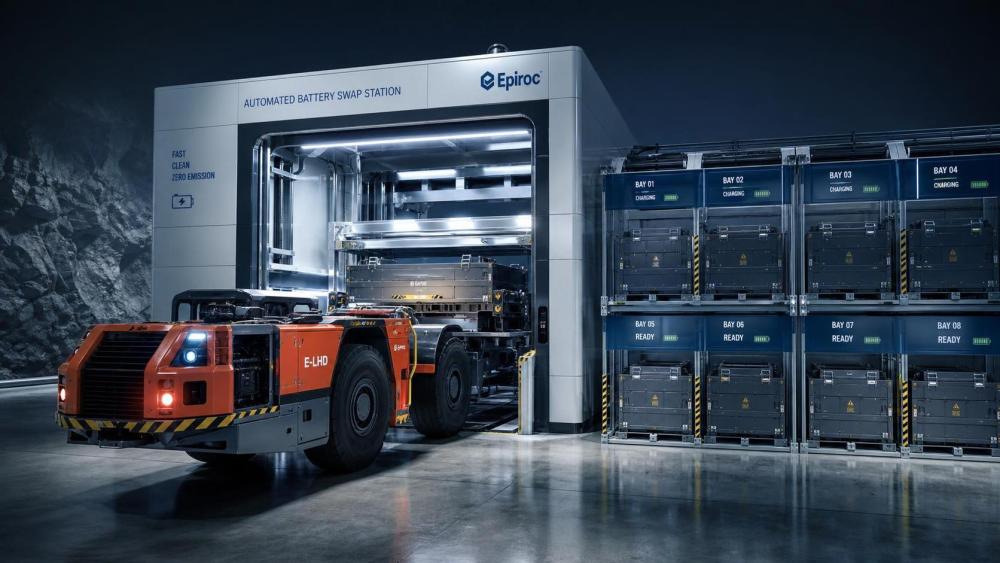
Where the downtime reduction is most visible
The most obvious gain is shorter turnaround time between working cycles. But in mining fleets, the more interesting savings are often indirect.
Underground LHDs are a good example. They operate in confined, dark tunnels where ventilation costs are significant and machine access can be awkward. Battery swapping fits well here because it supports zero-exhaust operation while avoiding long idle periods near charging points. When combined with remote or tele-remote operation, it can also reduce the need to place operators in the hottest or most constrained parts of the mine for extended periods.
For open-pit or large haulage environments, the picture is slightly different. Mining dump trucks work on long cycles with steep gradients, regenerative braking opportunities, and heavy payload sensitivity. In these fleets, swapping may not suit every duty profile or vehicle class. But where the vehicle design supports modular battery architecture, it can help stabilize shift planning by turning uncertain charging durations into scheduled exchange events.
Drilling and support fleets can also benefit, especially where utilization matters more than continuous high-speed movement. A project manager may find that the biggest value is not maximum battery size, but keeping enough charged packs available to avoid waiting during critical windows.
The real comparison: charging hours versus system availability
A common mistake is to compare swapping and charging only by energy cost or by the nominal time required for one event. That is too narrow. The better comparison is system availability.
A charging-based fleet may work well if duty cycles are stable, chargers are well distributed, power capacity is generous, and production tolerates planned pauses. But mines are not laboratories. Development headings change. Haul distances move. Rock conditions alter cycle times. Ventilation assumptions evolve as the mine gets deeper. Under those conditions, automated battery swapping technology offers operational elasticity. It gives the project team more room to absorb variation without cascading delay.
That does not mean swapping is automatically the right answer. It means the decision should be based on availability modeling, not just equipment brochure claims. Mines with uneven duty cycles, shift-critical bottlenecks, or limited charging windows usually have the strongest case for deeper evaluation.
Questions project managers should ask before choosing a swapping model
Before moving forward, it helps to frame the decision around operations rather than technology enthusiasm.
- How many minutes per shift are currently lost to charging, queueing, or repositioning for energy replenishment?
- Does the mine layout allow a swap station to be placed without creating new traffic conflicts?
- How many spare packs are required to support the duty cycle, and what happens if one pack is unavailable?
- Can the site power system charge spare batteries off-cycle without creating peak demand issues?
- How will the battery management system track state of charge, temperature, usage history, and pack rotation?
- What maintenance access is needed for the swapping equipment itself?
- Do OEM equipment design, mine planning, and digital fleet systems align well enough to avoid integration delays?
These questions sound operational because they are. In many projects, the bottleneck is not whether the battery can be exchanged quickly. It is whether the surrounding process is mature enough to make that speed repeatable day after day.
Risks that deserve attention early
Battery swapping reduces one category of delay, but it adds infrastructure and coordination requirements. If the station layout is poor, machines may queue there instead of at chargers. If pack handling tolerances are not robust enough for dust, vibration, and uneven surfaces, reliability may suffer. If fleet software cannot see battery inventory in real time, dispatch decisions become less accurate.
Safety review is equally important. Battery packs are heavy, high-value assets operating in demanding conditions. Thermal management, isolation procedures, fire response planning, and equipment interlocks all need project-specific validation. The exact requirements will depend on machine type, site rules, local regulations, and the battery system architecture, so this is not an area for generic assumptions.
Another risk is over-sizing the concept. Some teams assume they need to electrify and standardize everything at once. In reality, the strongest starting point is often a narrow use case: a specific underground LHD route, a repeatable haul segment, or a production zone where the ventilation and scheduling gains are easiest to verify.
Why this matters more in underground mining than many outsiders realize
Underground operations amplify the cost of every stop. Ventilation is expensive. Access is limited. Recovery from a blocked heading or idle loader is slower than in open space. That is one reason UTMD’s coverage of underground LHD loaders, drilling jumbos, and smart haulage systems keeps circling back to energy logistics. In deep physical spaces, uptime is inseparable from machine design, rock mechanics, digital control, and emissions management.
The industry’s move toward autonomy makes this even more relevant. An autonomous or tele-remote machine still needs energy, but the value of uninterrupted scheduling becomes higher when fleets are coordinated digitally. A battery swap that fits into a controlled, automated sequence is often easier to integrate into that future than an ad hoc charging routine spread unevenly across the mine.
A practical way to evaluate the next step
If a mining project is considering automated battery swapping technology, the best next move is usually not a broad procurement exercise. It is an operational mapping exercise. Measure where energy-related delays actually occur. Identify which machines lose the most productive minutes. Check whether those delays are caused by charging duration, charger access, traffic interaction, or poor synchronization with shift timing.
Then test the swap concept against site realities: physical envelope, battery handling approach, pack inventory logic, charging strategy for spare packs, maintenance support, and digital integration. Mines that do this homework tend to get clearer answers faster than those comparing technologies in abstract terms.
For project leaders dealing with electrification, tighter ESG expectations, and pressure to protect output, the appeal of swapping is straightforward. It turns battery replenishment from a waiting period into a managed process. Whether that translates into better fleet performance depends on design discipline and site fit. But where the mine layout, duty cycle, and operating model align, it can remove one of the most stubborn sources of lost time in modern mining fleets.
That is the broader pattern UTMD continues to watch across underground engineering and heavy haulage: the winning technologies are rarely the ones that sound most advanced in isolation. They are the ones that connect mechanical reliability, energy logistics, automation, and real production flow under field conditions.
Related News
Tunnel Boring Machine Costs: Budgeting for Purchase, Operation, and Project Risk
Tunnel Boring Machines cost more than purchase price. Learn how to budget lifecycle costs, downtime, logistics, wear, and project risk for smarter TBM decisions.
Open-Pit Haulage Cost Analysis: How Mine Managers Can Cut Cost per Tonne
Open pit haulage cost analysis: discover practical ways to reduce cost per tonne through payload control, cycle-time optimization, road performance, and smarter fleet decisions.
Tunnel Construction Innovations That Reduce Risk and Schedule Delays on Urban Projects
Tunnel construction innovation for urban projects: discover smarter TBMs, real-time monitoring, trenchless methods, and automation that reduce risk and protect schedules.
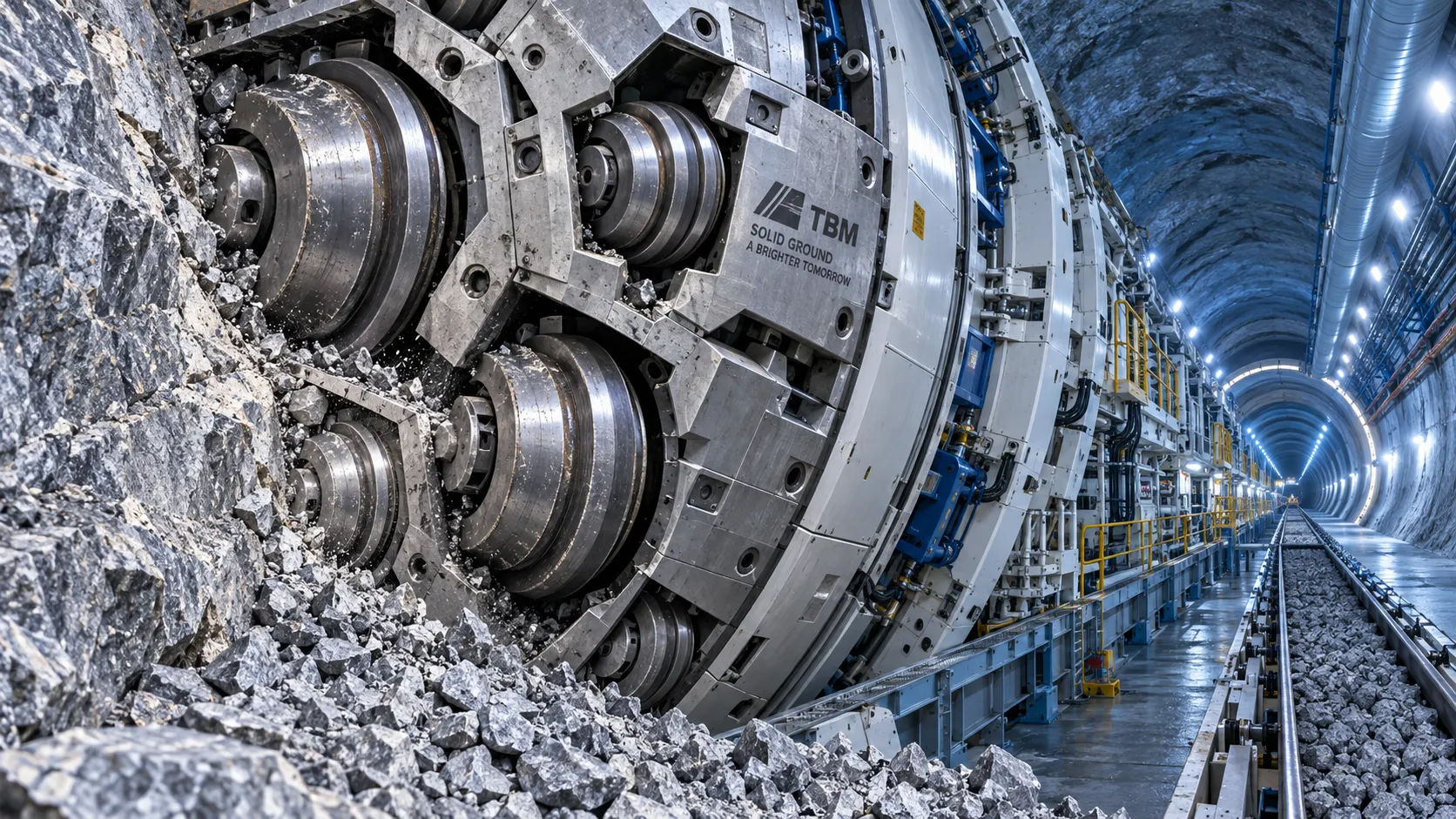
TBM Disc Cutter Design: Key Geometry and Load Factors for Hard Rock Tunnelling
TBM disc cutter design explained: explore geometry, spacing, load distribution and maintenance factors for reliable, efficient hard-rock tunnelling performance.
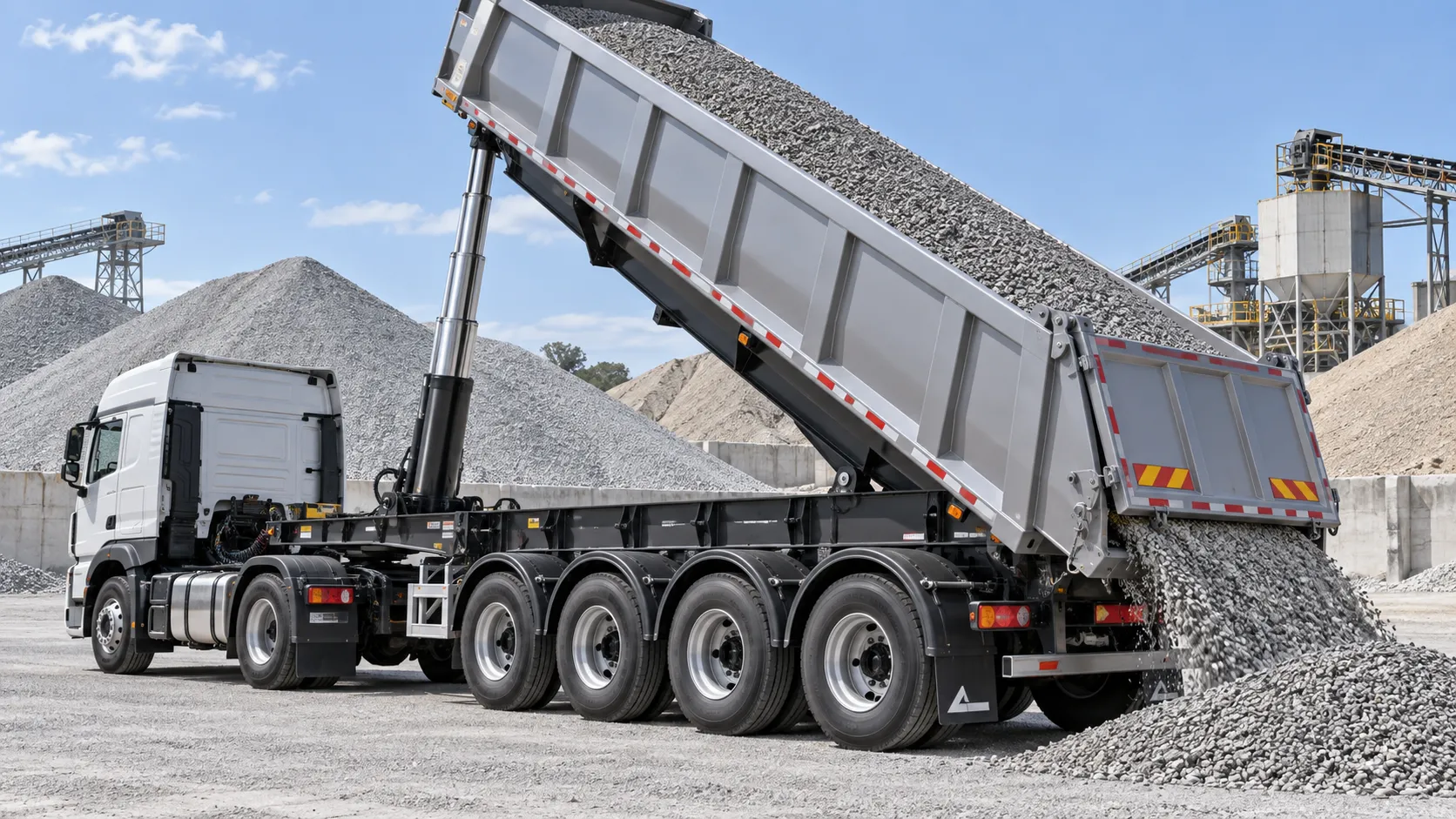
Hydraulic Tipping Stability Risks in Multi-Axle Dump Special Trailers
Dump special trailers: discover key hydraulic tipping stability risks, multi-axle load dynamics, and practical safety controls for safer, smarter bulk hauling.
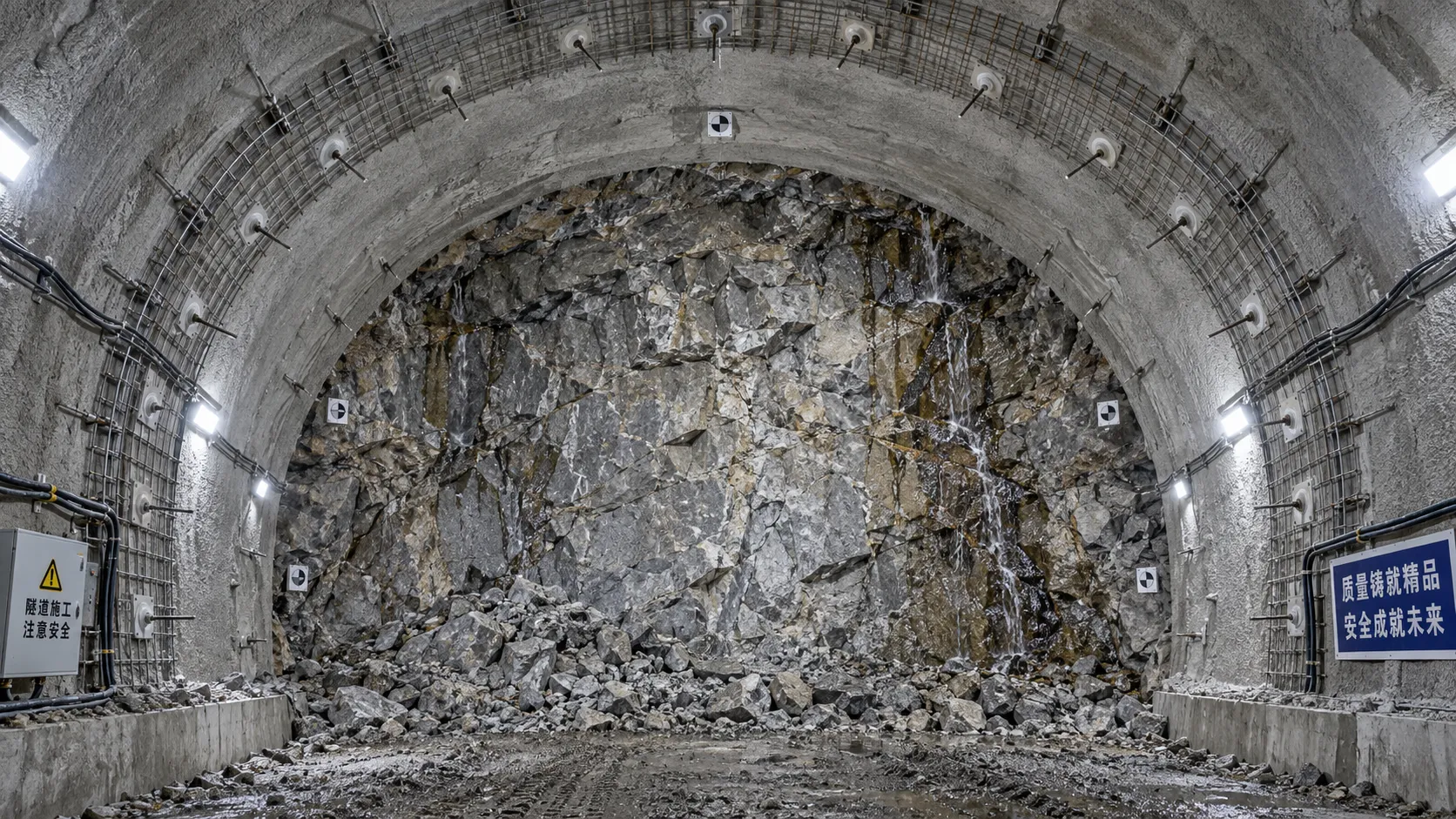
When rock reinforcement in tunnel construction must change after blasting
Rock reinforcement in tunnel construction must change when blasting reveals overbreak, weak joints, water inflow, or deformation. Discover key post-blast support decisions.
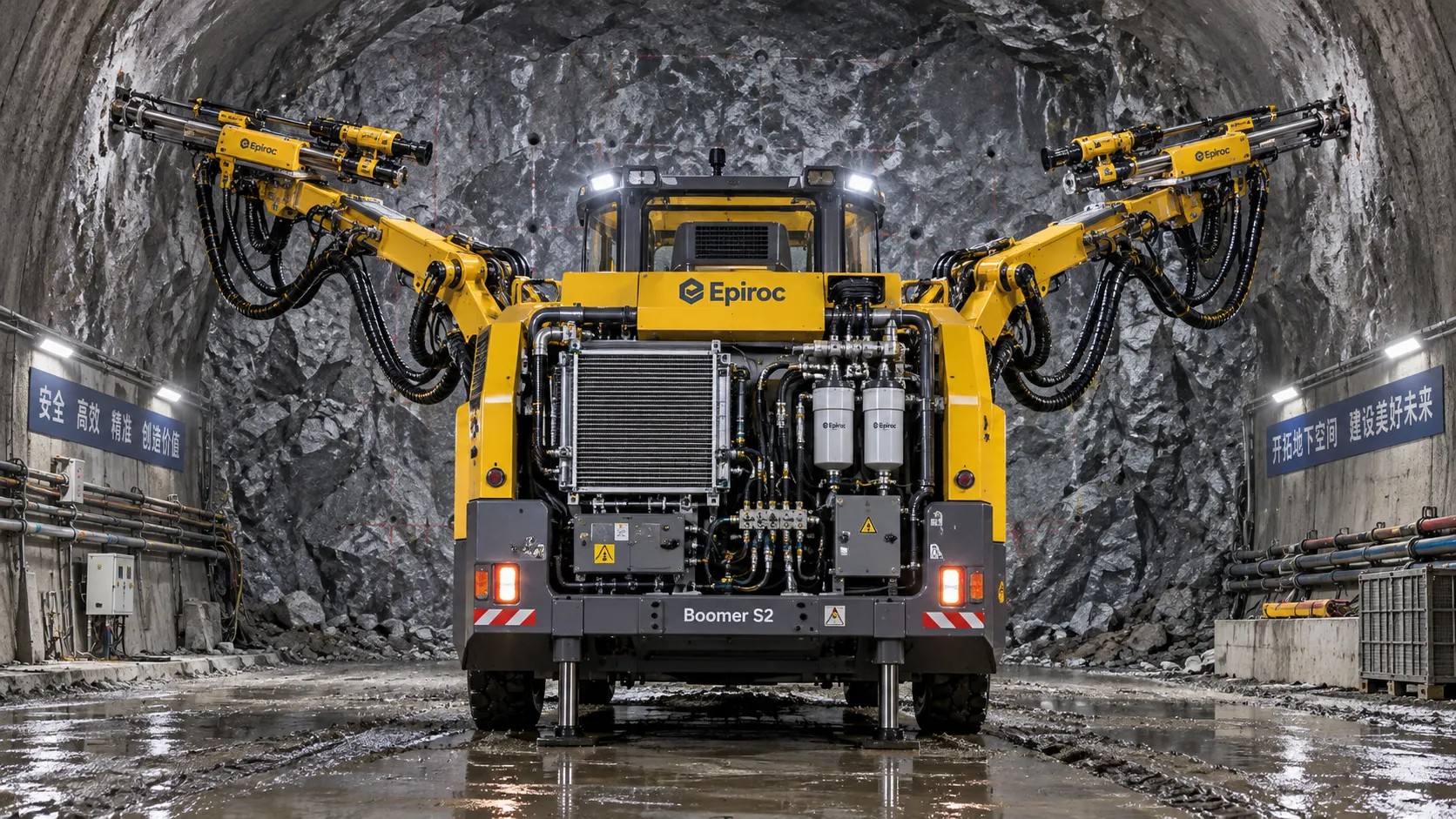
How tunnel hydraulic systems influence drill jumbo uptime underground
Tunnel hydraulic systems directly influence drill jumbo uptime. Explore how stable pressure, clean oil, cooling, and maintainable design reduce underground downtime.
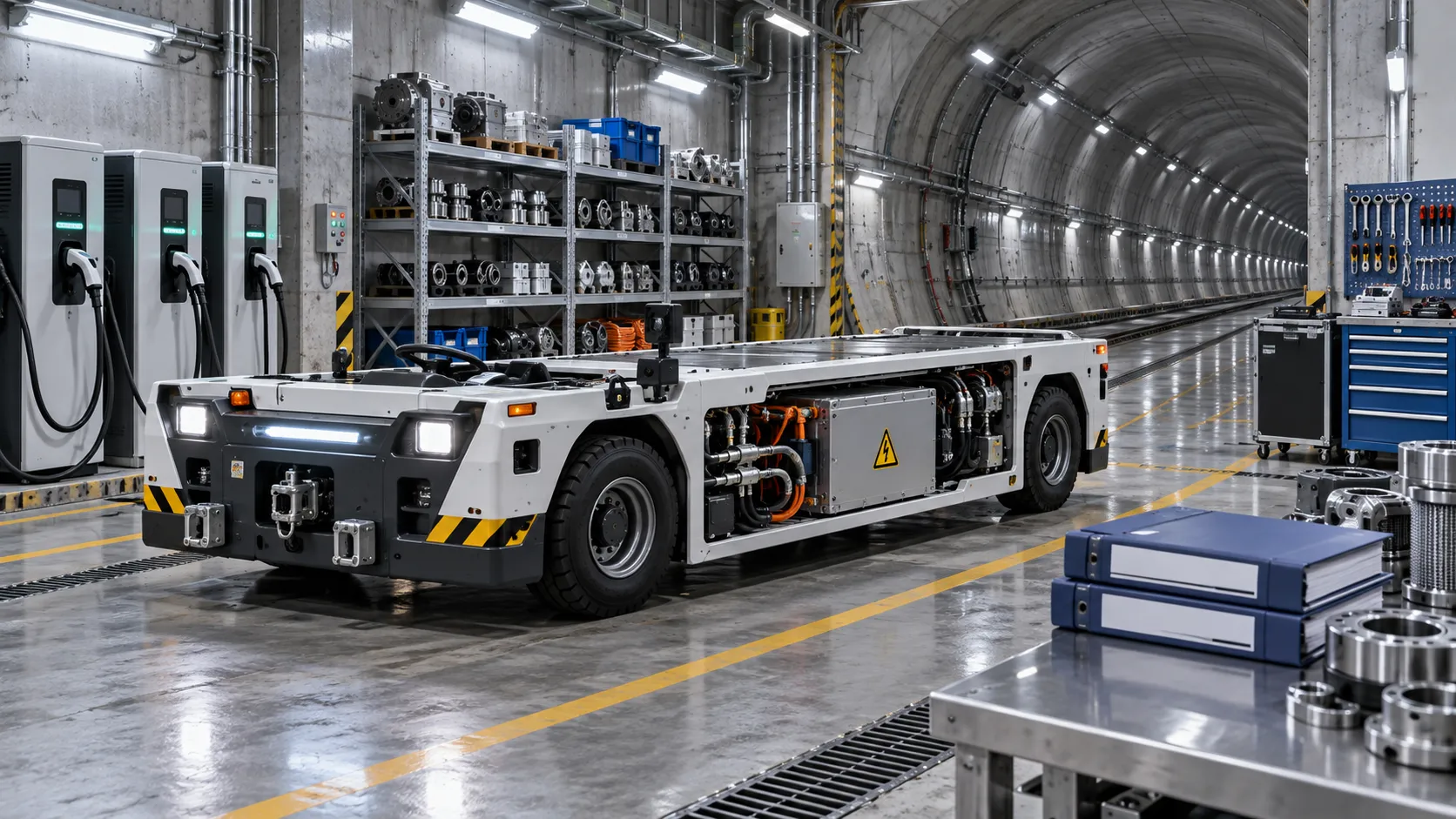
What to verify before appointing a tunneling vehicles manufacturer
Choosing a tunneling vehicles manufacturer? Verify application fit, reliability, compliance, parts support, training, and channel terms before appointing a partner.
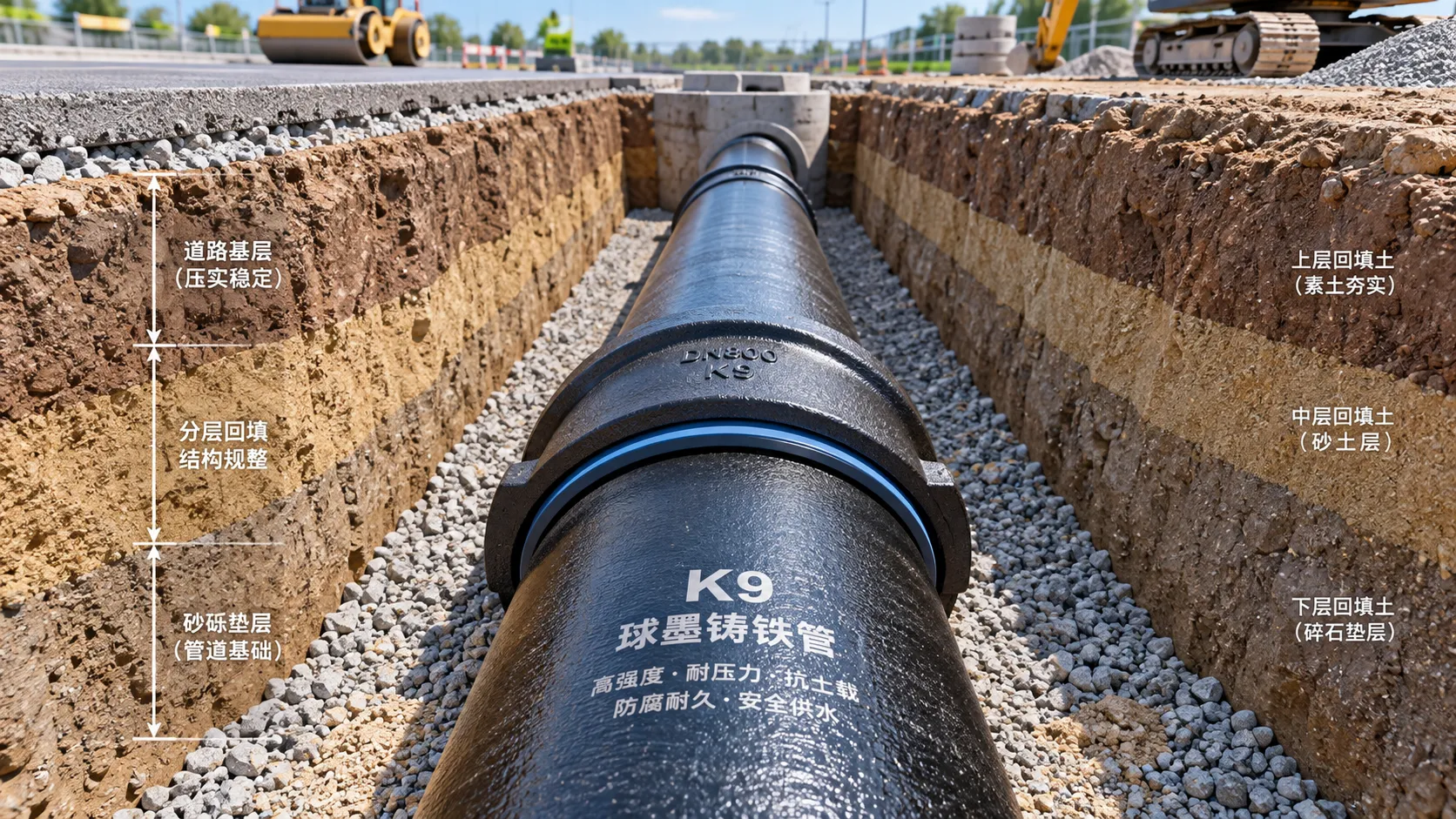
Selecting K9 Ductile Iron Pipe for Buried Water Pipeline Conditions
K9 ductile iron pipe selection for buried water pipelines: compare pressure duty, joints, soil loads, corrosion protection, and installation controls for reliable long-term performance.
Related News
- 00
0000-00
Tunnel Boring Machine Costs: Budgeting for Purchase, Operation, and Project Risk - 00
0000-00
Open-Pit Haulage Cost Analysis: How Mine Managers Can Cut Cost per Tonne - 00
0000-00
Tunnel Construction Innovations That Reduce Risk and Schedule Delays on Urban Projects - 00
0000-00
TBM Disc Cutter Design: Key Geometry and Load Factors for Hard Rock Tunnelling - 00
0000-00
Hydraulic Tipping Stability Risks in Multi-Axle Dump Special Trailers
Weekly Insights
Stay ahead with our curated technology reports delivered every Monday.