
What Makes a Tunnel Boring Machines Manufacturer Reliable?





Choosing a reliable Tunnel Boring Machines manufacturer is a high-stakes decision for procurement teams, where equipment performance directly affects project timelines, safety, and total ownership cost. Beyond price, buyers must assess engineering capability, cutterhead design, ground adaptability, automation systems, after-sales support, and proven delivery records in demanding tunnelling environments. This article outlines the key reliability indicators that help procurement professionals identify manufacturers capable of supporting complex underground projects with consistent quality, technical transparency, and long-term operational value.
For metro tunnels, hydropower caverns, railway passages, utility corridors, and mine access drifts, procurement is no longer a simple equipment purchase. A TBM is a multi-system production platform that may work 24 hours a day for months in abrasive rock, mixed ground, high water pressure, or restricted urban alignments.
A dependable Tunnel Boring Machines manufacturer reduces uncertainty before the machine reaches the launch shaft. Reliability starts with engineering judgment, continues through manufacturing discipline, and becomes visible during commissioning, spare parts support, and troubleshooting under real ground conditions.
Engineering Capability Is the First Reliability Filter
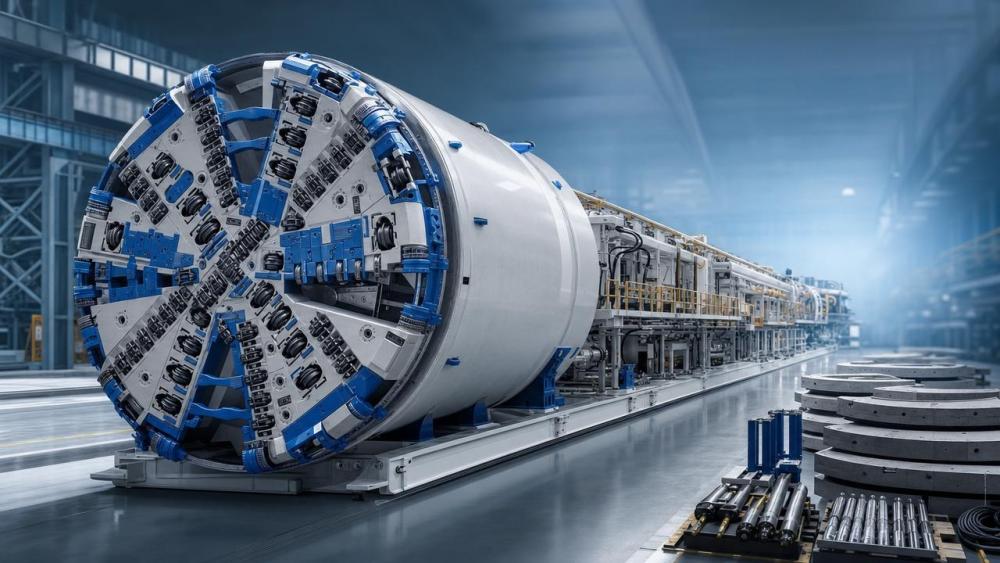
The most reliable manufacturers do not treat all tunnelling projects as standard orders. They begin with geology, alignment, diameter, overburden, groundwater, segment logistics, mucking method, and site constraints. A 6-meter metro EPB machine and a 10-meter hard rock TBM require different risk logic.
Procurement teams should examine whether the manufacturer can translate geotechnical data into machine configuration. Key evidence includes design review reports, cutterhead load calculations, torque reserve assumptions, thrust capacity margins, and documented responses to at least 3 to 5 expected ground scenarios.
Ground Adaptability and Machine Type Selection
A reliable Tunnel Boring Machines manufacturer will explain why an EPB, slurry, single-shield, double-shield, or gripper TBM is suitable for the project. The recommendation should match soil conditioning needs, face pressure control, rock mass rating, water inflow, and required advance rates.
For example, EPB machines often suit soft ground and mixed face conditions where pressure balance is essential. Slurry machines are commonly selected for high groundwater and permeable strata. Hard rock TBMs require strong main bearings, disc cutter access, and cutterhead wear protection.
Procurement Questions to Ask Early
- Can the supplier justify cutterhead opening ratio, cutter spacing, and torque reserve with project-specific ground data?
- Does the design include at least 2 operating modes for transition zones or mixed ground sections?
- Are wear parts, main drive seals, screw conveyors, slurry circuits, or gripper systems sized for expected abrasion?
- Can the manufacturer provide a risk register covering water ingress, boulder impact, clogging, settlement, and cutter wear?
These questions reveal whether the supplier has a project engineering culture or only a sales configuration approach. For high-value underground projects, the difference can affect months of progress and millions in standby cost.
Core Technical Indicators Procurement Teams Should Verify
Reliability becomes measurable when procurement teams move from general claims to technical thresholds. The right indicators depend on the machine type, but most TBM purchases require checks across mechanical structure, hydraulics, electrics, automation, safety, and maintainability.
A reliable Tunnel Boring Machines manufacturer should be able to explain design margins in plain engineering language. If a supplier avoids discussing torque, thrust, bearing life, seal protection, or cutter replacement access, the procurement risk increases significantly.
The table below summarizes common evaluation points for procurement teams. The values are typical industry assessment ranges or practical checkpoints, not universal specifications for every project.
The key conclusion is that reliability is not one specification. It is the interaction of at least 5 major systems. Procurement teams should request a technical compliance matrix and ask the Tunnel Boring Machines manufacturer to mark each item as standard, customized, optional, or project-critical.
Documentation That Signals Technical Maturity
Strong manufacturers provide structured documents before contract signing. Useful files include general arrangement drawings, electrical architecture, hydraulic schematics, cutterhead design basis, transport breakdown plan, factory acceptance procedure, and recommended spare parts for the first 6 to 12 months.
Procurement teams should also request interface documents for segment erectors, backup gantries, ventilation, muck removal, grouting, power supply, and site lifting. Interface errors often create delays even when the TBM itself is well manufactured.
Manufacturing Quality and Delivery Discipline
A TBM may include thousands of mechanical, hydraulic, electrical, and control components. Reliable delivery depends on workshop discipline, supplier control, welding quality, machining precision, assembly inspection, and factory testing before shipment.
Procurement should not rely only on catalogues. A factory visit, remote audit, or third-party inspection can reveal whether the Tunnel Boring Machines manufacturer has repeatable processes. Look for controlled material traceability, inspection records, calibrated measuring tools, and clear non-conformance handling.
Factory Acceptance Testing Is More Than a Ceremony
Factory acceptance testing, often conducted over 3 to 10 working days depending on machine complexity, should cover rotation, hydraulic pressure, electrical interlocks, operator interface, segment erector movement, conveyor systems, guidance simulation, and emergency stops.
For large-diameter machines, complete assembly may be limited by workshop space. In that case, modular testing and documented fit-up verification become critical. Procurement teams should define which tests are witnessed, which are recorded, and which defects must be closed before shipment.
Quality Control Checkpoints
- Material verification for critical structures, including cutterhead, shield skin, main bearing housing, and thrust frame.
- Welding inspection using visual checks and appropriate non-destructive testing for high-stress components.
- Machining inspection for bearing seats, sealing surfaces, cylinder mounts, and alignment-sensitive interfaces.
- Hydraulic pressure testing and leakage checks under defined operating conditions.
- Electrical cabinet testing, software logic verification, alarm testing, and safety circuit validation.
A reliable supplier will accept these checkpoints as normal procurement governance. Resistance to inspection should be treated as a warning sign, especially for projects with tight launch schedules or liquidated damages.
After-Sales Support, Spare Parts, and Lifecycle Cost
For procurement teams, the purchase price is only one part of total ownership cost. Downtime, cutter consumption, energy use, intervention frequency, shipment delays, and specialist availability often have a larger effect over a 12 to 36 month tunnelling campaign.
A dependable Tunnel Boring Machines manufacturer should present a lifecycle support plan. This plan should include commissioning engineers, operator training, maintenance training, spare parts lists, remote diagnostics, emergency response, and upgrade options for sensors or automation.
The following table helps procurement teams compare support commitments during tender evaluation. It is especially useful when multiple manufacturers offer similar machine specifications but different service models.
The table shows why procurement should score service capability alongside machine price. A lower bid can become expensive if spare parts, expert response, and operator training are weak during the first 100 meters of advance.
Lifecycle Cost Questions for Buyers
Ask the manufacturer to estimate cutter consumption under several ground classes, even if the final value depends on actual geology. A transparent range is more useful than a single optimistic figure. Buyers should also compare energy demand, lubrication volume, and planned maintenance intervals.
For long tunnels, even a 5 percent improvement in utilization can influence schedule certainty. Procurement teams should evaluate whether the support model can keep the TBM boring, not merely whether the machine can be delivered to site.
Digitalization, Safety, and Future-Ready TBM Procurement
Modern underground projects increasingly demand data visibility. Procurement teams now assess how the TBM records thrust, torque, penetration, chamber pressure, cutterhead speed, slurry parameters, vibration, temperature, alignment, and downtime events.
A forward-looking Tunnel Boring Machines manufacturer should support safe automation rather than unnecessary complexity. Practical functions include automatic steering assistance, condition monitoring, settlement-related pressure control, fault trend alarms, and exportable production reports.
Safety in Confined Underground Environments
Safety design must cover emergency stops, gas detection interfaces where required, fire suppression planning, high-voltage isolation, safe maintenance access, confined-space procedures, and lockout arrangements. Underground crews need systems that reduce exposure during cutter inspection and equipment intervention.
For projects aligned with low-emission construction goals, buyers may also evaluate electric drives, efficient cooling, regenerative features on auxiliary equipment, and compatibility with site energy management. These factors support safer, cleaner, and more measurable underground operations.
Digital Features Worth Prioritizing
- Real-time dashboard for advance rate, ring build progress, pressure, torque, thrust, and utilization.
- Data export in practical formats for daily reports, claims management, and performance analysis.
- Alarm history with timestamps to support root-cause analysis after stoppages.
- Condition monitoring for pumps, motors, bearings, seals, and hydraulic circuits.
- Remote support capability with controlled access and cybersecurity procedures.
Digital capability should be judged by usability. If operators cannot interpret the interface during shift work, or if reports cannot support contract management, the technology adds little procurement value.
Commercial Transparency and Tender Evaluation
Commercial reliability is as important as technical reliability. Procurement teams should expect clear scope boundaries, delivery milestones, payment-linked acceptance points, spare parts pricing, warranty exclusions, documentation lists, and responsibilities for site assembly.
A typical TBM procurement process may include 5 stages: technical clarification, preliminary design confirmation, commercial negotiation, factory manufacturing and testing, and site commissioning. Each stage should have measurable deliverables and decision gates.
Red Flags in Manufacturer Selection
Procurement teams should be cautious when a supplier offers an unusually short delivery period without explaining capacity, long-lead components, or assembly sequence. Main bearings, large fabrications, drives, and control systems often define realistic manufacturing schedules.
Other warning signs include vague warranty language, incomplete drawings, limited geological review, no named commissioning team, unclear spare part availability, and unwillingness to support factory inspections. These issues may appear minor during bidding but become costly underground.
A Practical Scoring Approach
- Assign 30 percent weight to technical suitability, including cutterhead design, thrust, torque, and ground adaptability.
- Assign 20 percent to manufacturing quality, inspection access, factory testing, and traceability.
- Assign 20 percent to service, spare parts, training, and emergency response capability.
- Assign 15 percent to delivery schedule credibility and logistics planning.
- Assign 15 percent to lifecycle cost, documentation quality, and commercial transparency.
This balanced scoring method prevents price from overpowering reliability. It also creates a defensible procurement record when multiple stakeholders, including owners, consultants, contractors, and financiers, review the supplier selection.
How UTMD Supports Smarter TBM Procurement Decisions
The Global Underground Tunnelling and Mining Dynamics focuses on the intelligence layer behind heavy underground equipment decisions. For procurement teams, that means linking rock-cutting mechanics, automation trends, zero-emission requirements, and asset utilization into practical evaluation insight.
When assessing a Tunnel Boring Machines manufacturer, buyers need more than promotional claims. They need structured market intelligence, technology comparison, tender awareness, and an understanding of how TBM reliability interacts with pipe jacking, drilling jumbos, underground LHD loaders, and mining transport systems.
UTMD’s perspective is valuable for organizations involved in mega underground projects, smart mines, urban trenchless corridors, and infrastructure expansion. The goal is to help decision-makers separate credible engineering capability from generic sales language.
Final Procurement Takeaway
A reliable Tunnel Boring Machines manufacturer proves its value through technical depth, manufacturing discipline, transparent documentation, service readiness, and realistic commercial commitments. The best supplier is not always the lowest bidder, but the one that can reduce uncertainty from design to final breakthrough.
Before making a purchase decision, build a checklist covering at least 6 areas: geology-based design, machine configuration, quality control, factory testing, lifecycle support, and digital performance monitoring. This approach protects project schedules and improves long-term asset value.
If your team is evaluating TBM suppliers, preparing tender specifications, or comparing underground equipment strategies, explore UTMD’s sector intelligence and technical insights. Contact us to discuss product details, request a customized evaluation framework, or learn more solutions for complex tunnelling and smart underground projects.
Related News
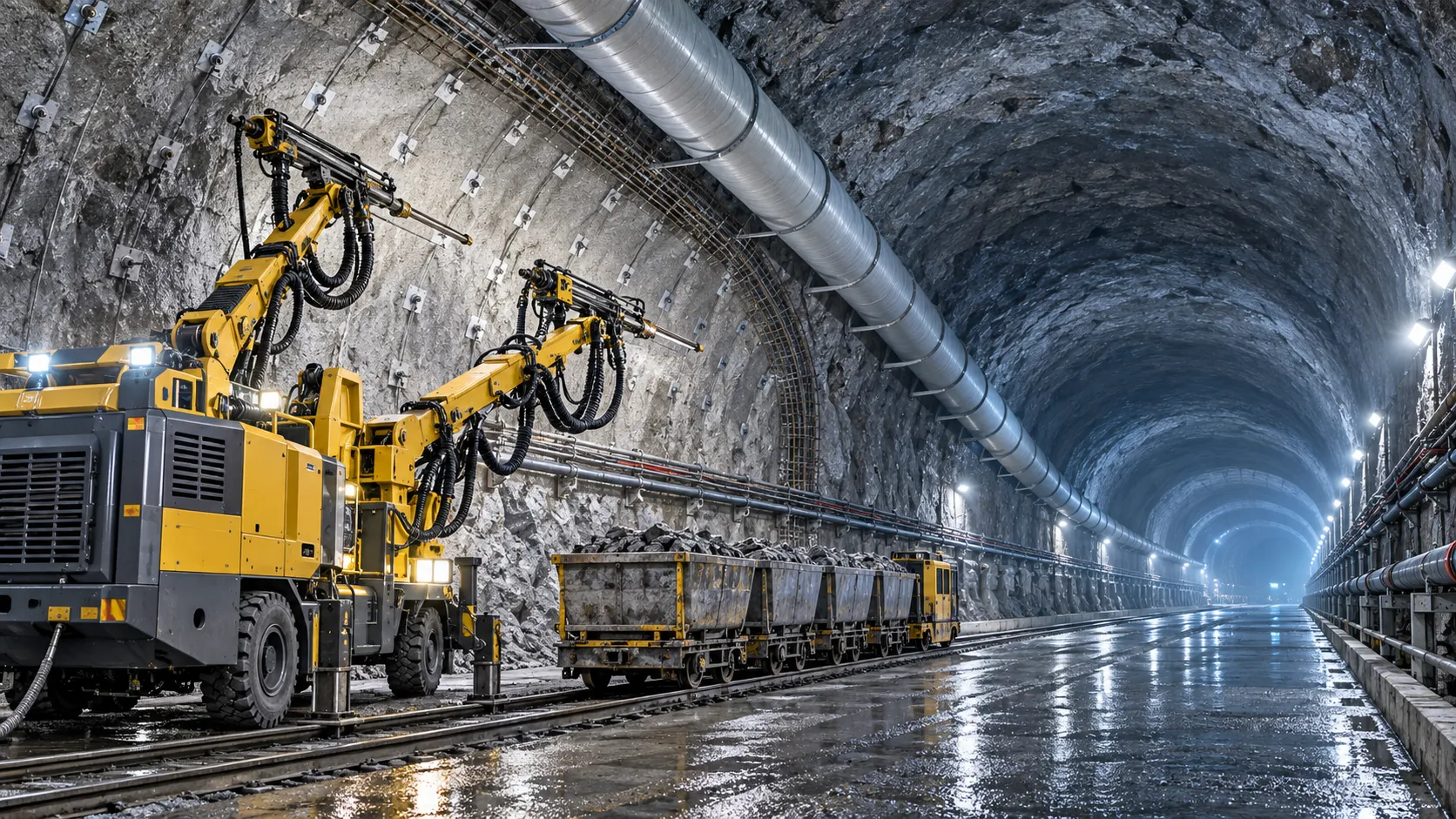
How to Evaluate European Drill-and-Blast Tunnelling Contractors for Complex Projects
Drill and blast tunnelling contractors Europe: learn how to assess geology expertise, blast control, equipment reliability, safety, and programme resilience for complex projects.
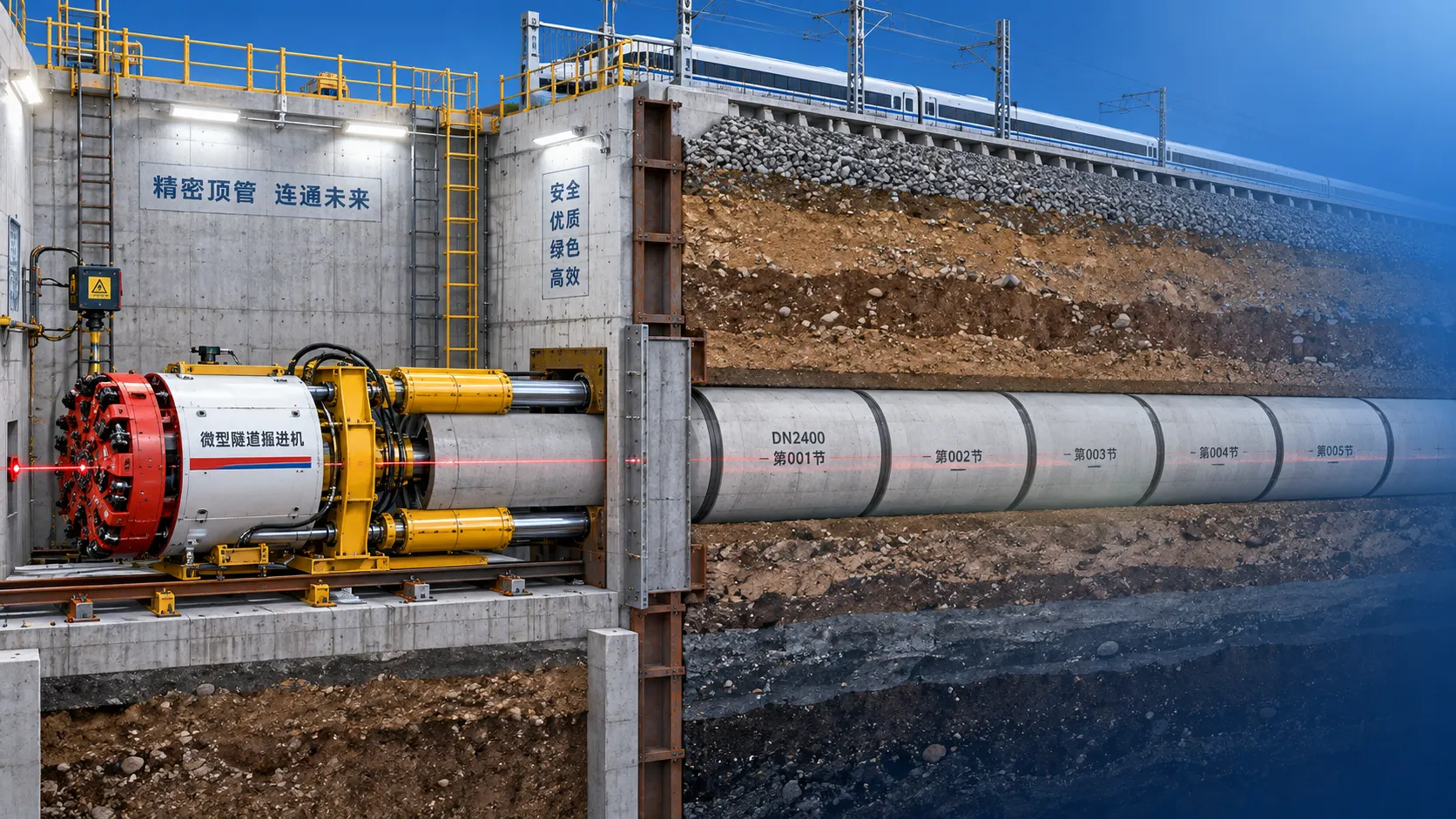
Which Trenchless Construction Technique Fits Your Utility Crossing Conditions?
Trenchless construction techniques compared for utility crossings: choose HDD, microtunnelling, pipe jacking, or auger boring based on ground, accuracy, access, and risk.
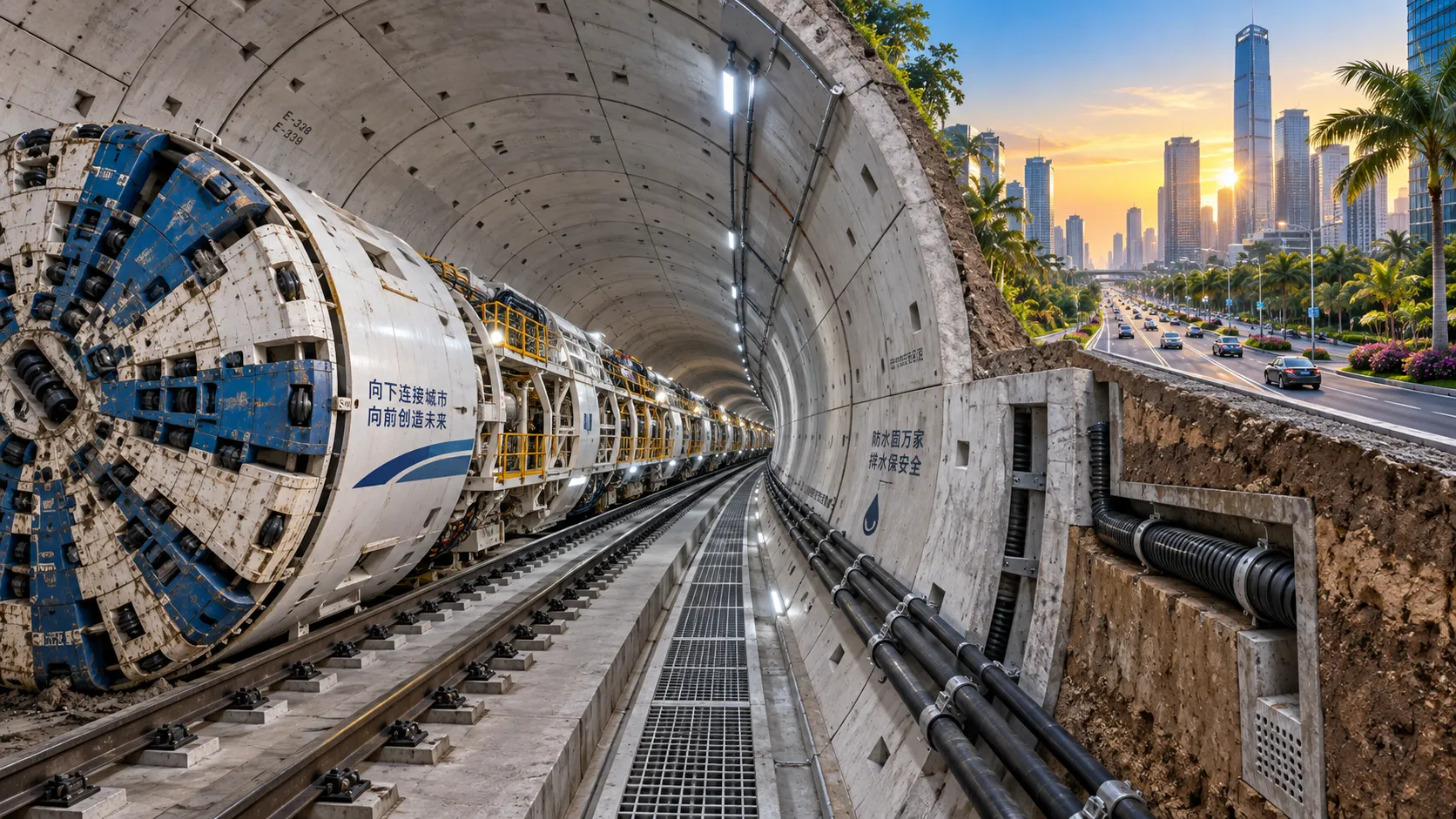
What Is Driving Metro Tunnelling Demand Across Southeast Asia’s Major Cities?
Metro tunnelling Southeast Asia is accelerating as major cities tackle congestion, flooding, and connectivity. Explore the market forces, technical risks, and opportunities shaping demand.
Hard Rock Tunnelling in Australia: Selecting Methods for Variable Ground Conditions
Hard rock tunnelling in Australia: compare TBM, drill-and-blast and hybrid methods to manage variable ground, reduce risk and protect project costs.
Hydropower Tunnel Excavation: Selecting Methods for Variable Rock Conditions
Hydropower tunnel excavation methods for variable rock conditions: compare TBM, drill-and-blast, and hybrid strategies to improve safety, progress, and project control.
How to Select Underground Safety Equipment for Tunnelling by Hazard and Work Zone
Underground Safety Equipment for tunnelling: match protection to hazards, work zones, compliance, and emergency needs with this practical selection guide.
EPB or Slurry Shield? Selecting Soft-Ground Tunnelling Equipment by Soil Conditions
Tunnel Excavation Equipment for soft ground: compare EPB and slurry shields by soil, groundwater, settlement risk, and project logistics to choose confidently.
How to Specify TBM Backup System Parts for Reliable Long-Distance Tunnelling
TBM backup system parts: learn how to specify reliable spares for long-distance tunnelling, reduce downtime, ensure compatibility, and speed underground recovery.
How to Size Open Pit Mining Trucks for Haul Distance, Grade, and Payload?
Open Pit Mining Trucks: learn how to match payload, haul distance, grade, road resistance, and loading capacity for safer, lower-cost mine operations.
Related News
- 00
0000-00
How to Evaluate European Drill-and-Blast Tunnelling Contractors for Complex Projects - 00
0000-00
Which Trenchless Construction Technique Fits Your Utility Crossing Conditions? - 00
0000-00
What Is Driving Metro Tunnelling Demand Across Southeast Asia’s Major Cities? - 00
0000-00
Hard Rock Tunnelling in Australia: Selecting Methods for Variable Ground Conditions - 00
0000-00
Hydropower Tunnel Excavation: Selecting Methods for Variable Rock Conditions
Weekly Insights
Stay ahead with our curated technology reports delivered every Monday.