
What makes Underground Communication Systems reliable?





In tunnelling and mining operations, reliability is not a technical luxury—it is a safety baseline. Underground Communication Systems determine how quickly teams detect hazards, coordinate equipment, verify quality controls, and respond when visibility, distance, rock interference, and confined-space risks challenge every signal. For quality control and safety managers, understanding what makes these systems dependable means looking beyond radios or networks alone, and evaluating redundancy, coverage, environmental resistance, interoperability, and real-time monitoring across the entire underground workflow.
In mega tunnel projects, trenchless works, deep mines, TBM drives, and battery-electric haulage networks, communication failure can delay decisions by minutes that matter. A reliable system must support people, machines, sensors, control rooms, and emergency protocols at the same time.
Reliability Starts with Underground-Specific Design
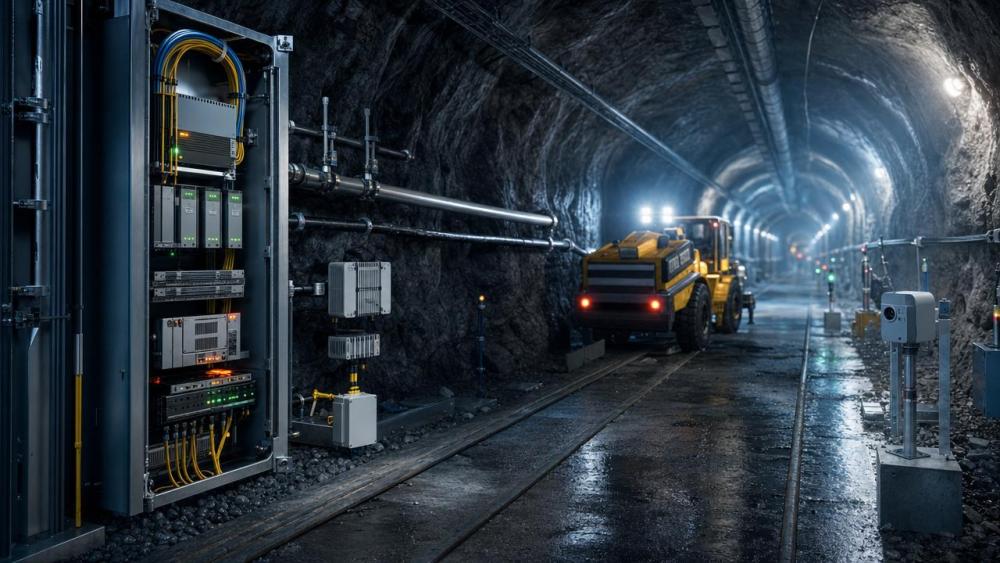
Underground Communication Systems are not simply surface networks moved below ground. Rock mass, tunnel geometry, metallic equipment, water ingress, dust, vibration, and electrical noise reshape every design decision.
For a safety manager, reliability means that voice, data, tracking, and alarms remain available during normal production and abnormal events. For quality control teams, it means inspection results, machine status, and work permits are traceable without information gaps.
Why conventional communication often fails underground
A straight tunnel may support predictable coverage, but cross passages, curves, shafts, conveyor drifts, and equipment chambers create blind spots. A 200-meter turn can change signal behavior more than a surface kilometer.
Reliability also depends on operating rhythm. A TBM backup train, drilling jumbo, LHD loader, or mining dump truck may move through coverage zones every 5–20 minutes, constantly changing reflections and interference.
Key design assumptions to verify
- Expected tunnel length, including 500 m, 2 km, and 10 km expansion stages.
- Number of active faces, rescue stations, substations, and refuge chambers.
- Required services: voice, video, telemetry, personnel tracking, and machine control.
- Environmental range, including humidity, dripping water, dust, vibration, and temperature variation.
- Critical response time, such as alarm delivery within 1–3 seconds for emergency events.
A dependable underground network is therefore engineered from risk scenarios backward. The starting question is not “Which radio should we buy?” but “Which operational decisions must never be delayed?”
Core Technical Elements of Reliable Underground Communication Systems
Reliable Underground Communication Systems combine multiple technologies instead of relying on one channel. Typical deployments may include leaky feeder, fiber backbone, Wi-Fi, LTE, 5G private networks, Ethernet, and emergency radio.
The right mix depends on tunnel depth, machine density, automation level, and safety obligations. A drill-and-blast mine may prioritize rugged voice and tracking, while an autonomous LHD zone may require lower latency and higher data capacity.
The table below summarizes practical communication options that quality control and safety teams commonly evaluate during specification, procurement, and acceptance testing.
No single layer solves every underground risk. The most reliable designs use layered communication, where voice can continue if broadband weakens and emergency alerts remain available even during partial network degradation.
Coverage, capacity, and latency must be measured separately
Coverage only proves that a signal exists. It does not prove that a remote loader can transmit video, a gas sensor can report every 2 seconds, or an evacuation message can reach 80 workers simultaneously.
Capacity testing should reflect real operating loads. A project may need 10–30 connected vehicles, 50–200 personnel tags, 20–100 fixed sensors, and several video streams during peak production.
Redundancy turns availability into resilience
A resilient network should tolerate at least one common failure, such as a damaged cable, failed access point, power loss, or flooded junction box. Ring fiber, dual power feeds, and segmented radio coverage are practical measures.
For critical areas, backup power of 2–8 hours is often considered during risk planning. Refuge chambers, pumping stations, and main haulage routes deserve higher priority than non-critical laydown zones.
What Safety and Quality Teams Should Evaluate
Underground Communication Systems influence safety assurance, production continuity, and quality verification. Evaluation should include technical performance, operational discipline, maintainability, and evidence captured during inspections.
A procurement checklist should translate risk into measurable acceptance criteria. This helps avoid vague claims such as “good coverage” or “industrial grade” without proof under tunnel conditions.
Six reliability criteria for specification
- Coverage map with measured signal levels at portals, shafts, curves, cross passages, and active faces.
- Network availability target, commonly expressed as 99% or higher for critical communication zones.
- Environmental rating suitable for dust, water, vibration, and corrosive mine atmospheres.
- Interoperability with TBM control, fleet management, gas monitoring, access control, and emergency systems.
- Cybersecurity controls for private networks, remote access, device authentication, and operational data.
- Maintenance procedure covering inspection intervals, spare parts, fault alarms, and repair response.
Safety managers should request evidence from field commissioning, not only datasheets. Quality teams should document the acceptance route, measurement devices, test times, and environmental conditions.
Acceptance testing should be operational, not cosmetic
A practical test should include walking surveys, vehicle movement, alarm triggering, radio calls, data transfer, and control room verification. Testing only near the portal gives a false sense of security.
For a TBM drive, testing should include the cutterhead area, backup gantries, segment handling zones, slurry or mucking interfaces, electrical rooms, and safe passage routes over at least 2 operating shifts.
Reliability Across TBM, Trenchless, and Mining Workflows
Different underground operations create different communication demands. UTMD tracks these demands across TBMs, pipe jacking machines, drilling jumbos, electric dump trucks, and underground LHD loaders.
For quality control and safety managers, the key is to match communication functions with hazards, inspection duties, and machine behavior. The same network architecture may not fit every site.
The following table connects common underground scenarios with reliability priorities and practical checks used during planning or site audits.
The table shows why reliable Underground Communication Systems must be workflow-based. A system that works for handheld voice may still be insufficient for autonomous haulage or continuous TBM telemetry.
Automation raises the reliability threshold
As mines and tunnels adopt remote operation, communication becomes part of the control loop. Latency, packet loss, and handover behavior may affect braking commands, obstacle alerts, and machine supervision.
For remote LHD control, design teams often evaluate latency in tens of milliseconds for critical video and control flows. Non-critical reports may tolerate longer intervals, such as 5–30 seconds.
Quality data depends on stable connectivity
Inspection records lose value when timestamps, locations, or machine states are missing. Stable communication supports traceable bolt records, segment installation data, cutter wear logs, and gas readings.
This traceability matters during audits, incident reviews, and contractor performance evaluation. A 24-hour data gap can complicate root-cause analysis far beyond the communication fault itself.
Implementation: From Risk Mapping to Continuous Monitoring
Reliable Underground Communication Systems are built through a lifecycle, not a one-time installation. The lifecycle should begin before excavation advances and continue until handover, expansion, or mine closure.
A disciplined process helps align engineering, safety, operations, IT, and procurement teams. It also gives quality personnel clear checkpoints for acceptance, corrective action, and documentation.
A practical 5-step implementation process
- Risk mapping: identify critical routes, refuge areas, active faces, machine zones, and high-consequence failure points.
- Architecture selection: choose backbone, access layers, power backup, device types, and integration interfaces.
- Simulation and survey: review tunnel geometry, expected interference, and future extension stages before installation.
- Commissioning test: verify voice, data, tracking, alarms, and failover under realistic operating conditions.
- Monitoring and improvement: track faults, downtime, coverage changes, and maintenance actions on a defined schedule.
For large underground projects, each step may run across 2–6 weeks depending on tunnel length, procurement route, and the number of integrated systems. Short headings may move faster but still require documentation.
Maintenance is a reliability control, not an afterthought
Cable damage, node misalignment, water ingress, dust accumulation, and unapproved device changes can reduce performance gradually. Monthly inspections and post-blast checks can prevent hidden failures.
A useful maintenance plan defines inspection frequency, spare unit quantities, escalation contacts, and repair targets. Critical components may require same-shift response, while non-critical extensions can follow planned maintenance windows.
Monitoring indicators worth tracking
- Coverage exceptions by tunnel section, shift, and equipment movement pattern.
- Alarm delivery time and acknowledgement time during drills.
- Node uptime, power interruptions, and battery backup health.
- Lost packets, call drop frequency, handover failures, and video degradation.
- Corrective actions closed within 24 hours, 72 hours, or agreed site thresholds.
Continuous monitoring converts communication from a hidden utility into a measurable safety control. It gives managers early warning before degraded performance becomes a production or emergency response problem.
Common Mistakes That Reduce System Dependability
Many communication problems arise from project decisions rather than equipment defects. Reliability decreases when communication design is treated as a late electrical package instead of a core safety system.
Safety and quality managers can reduce risk by challenging assumptions early. The most expensive communication failures often appear after production starts, when access is difficult and downtime costs rise.
Mistake 1: evaluating only purchase price
A lower upfront cost can create higher lifecycle risk if spare parts, configuration support, expansion capability, or environmental protection are weak. Reliability should be evaluated across 3–5 years of operation.
Mistake 2: ignoring future tunnel extension
Underground layouts change. A system planned for 1 km may struggle at 5 km if backbone capacity, power distribution, and network management were not designed for phased expansion.
Mistake 3: separating IT, safety, and operations
Private networks, remote equipment, and sensor platforms require shared ownership. If IT focuses only on cybersecurity while operations focus only on uptime, critical integration issues can remain unresolved.
Procurement questions to ask suppliers
- How is coverage verified in curved tunnels, shafts, and equipment chambers?
- What happens if one cable, amplifier, access point, or power supply fails?
- Which machine systems and safety platforms can be integrated through standard interfaces?
- What commissioning documents, test records, and maintenance procedures are delivered?
- How quickly can spares and technical support be provided during production stoppage?
These questions push procurement beyond catalog comparison. They help confirm whether Underground Communication Systems can support real underground hazards, not just ideal laboratory conditions.
How UTMD Supports Better Communication Decisions
UTMD observes underground engineering through equipment, automation, electrification, and operational intelligence. Communication reliability connects all these domains because every smart machine needs dependable data exchange.
For TBM projects, UTMD helps readers understand how control data, inspection logs, and machine diagnostics influence availability. For smart mines, it links communication performance with LHD automation, EV haulage, and safety management.
Decision value for quality and safety managers
Reliable Underground Communication Systems help managers shorten response time, improve incident visibility, and maintain traceable quality evidence. They also support stronger contractor control and clearer operational accountability.
When evaluating solutions, prioritize measurable coverage, redundancy, environmental durability, integration capability, and lifecycle support. A dependable system should survive vibration, moisture, equipment movement, and organizational change.
Final guidance for specification teams
Treat communication as part of the underground safety case. Define critical zones, require acceptance evidence, verify failover, and keep performance under continuous review through dashboards and scheduled audits.
The most reliable systems are not necessarily the most complex. They are the ones matched to the project’s geology, equipment fleet, automation roadmap, and emergency response procedures.
For organizations planning tunnel drives, trenchless works, mine expansion, or smart fleet upgrades, UTMD provides intelligence that connects engineering reality with procurement judgment. To explore Underground Communication Systems for your operating environment, contact us to obtain a tailored solution review, discuss product details, or learn more about practical underground safety and automation strategies.
Related News
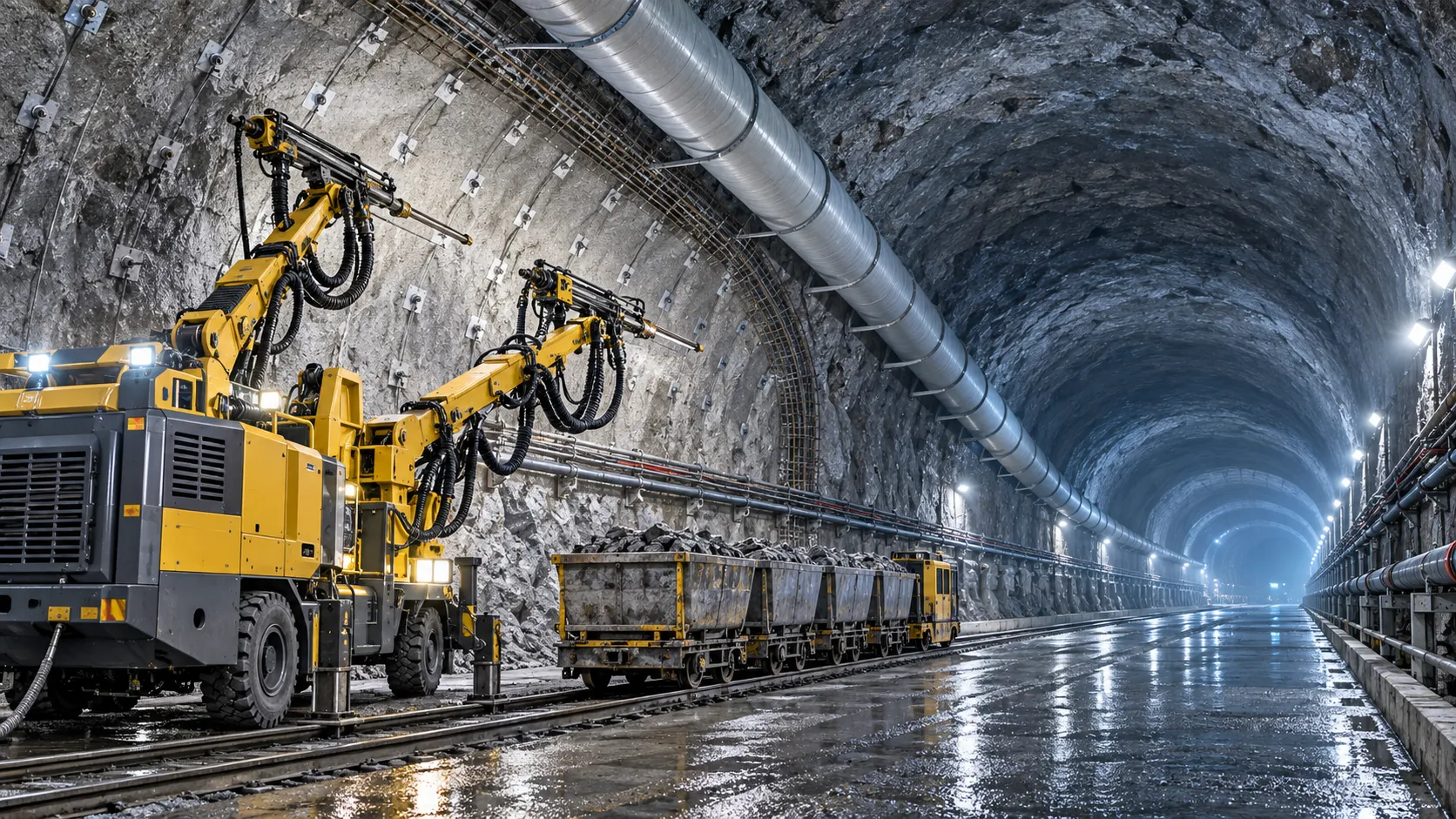
How to Evaluate European Drill-and-Blast Tunnelling Contractors for Complex Projects
Drill and blast tunnelling contractors Europe: learn how to assess geology expertise, blast control, equipment reliability, safety, and programme resilience for complex projects.
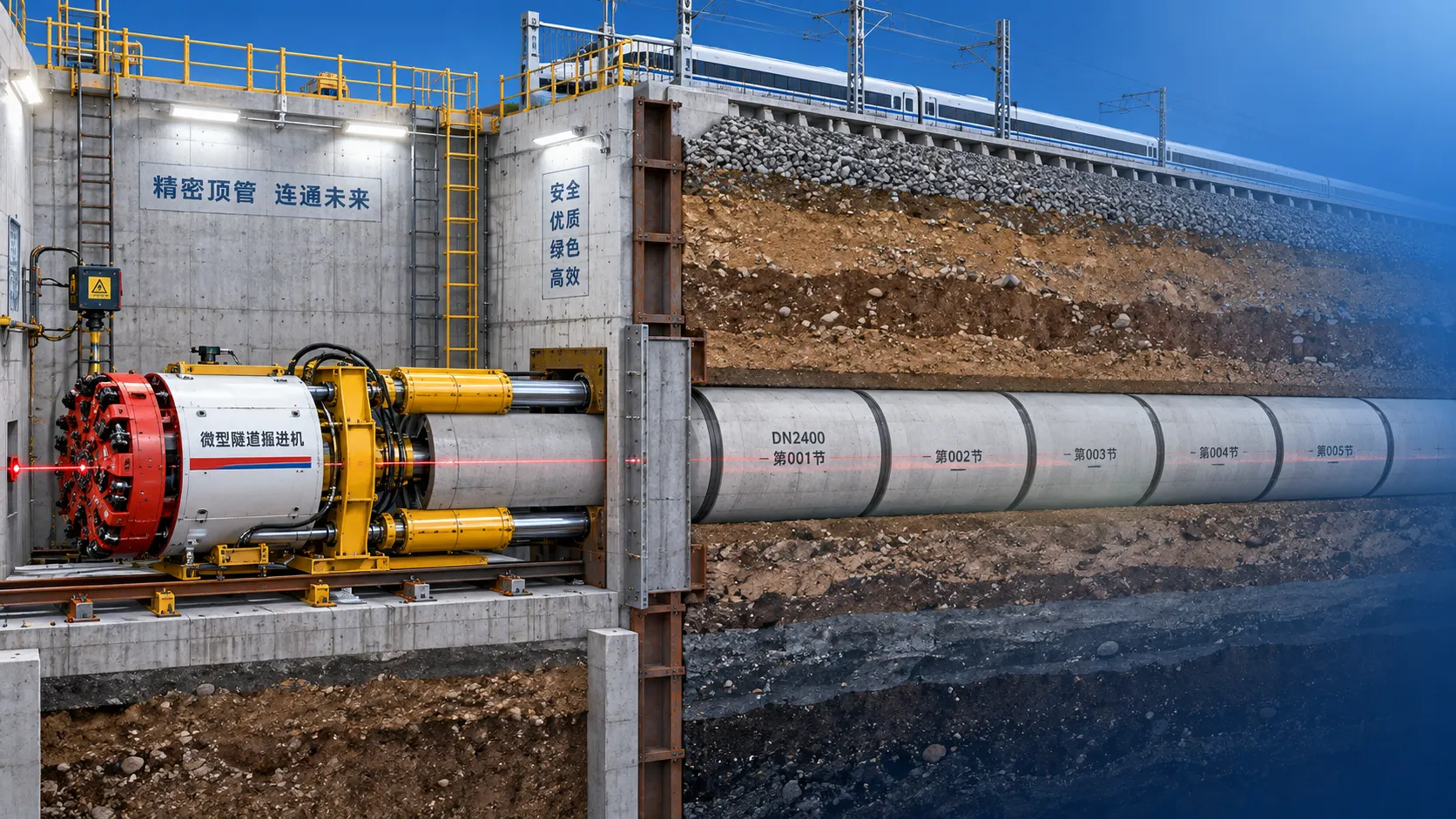
Which Trenchless Construction Technique Fits Your Utility Crossing Conditions?
Trenchless construction techniques compared for utility crossings: choose HDD, microtunnelling, pipe jacking, or auger boring based on ground, accuracy, access, and risk.
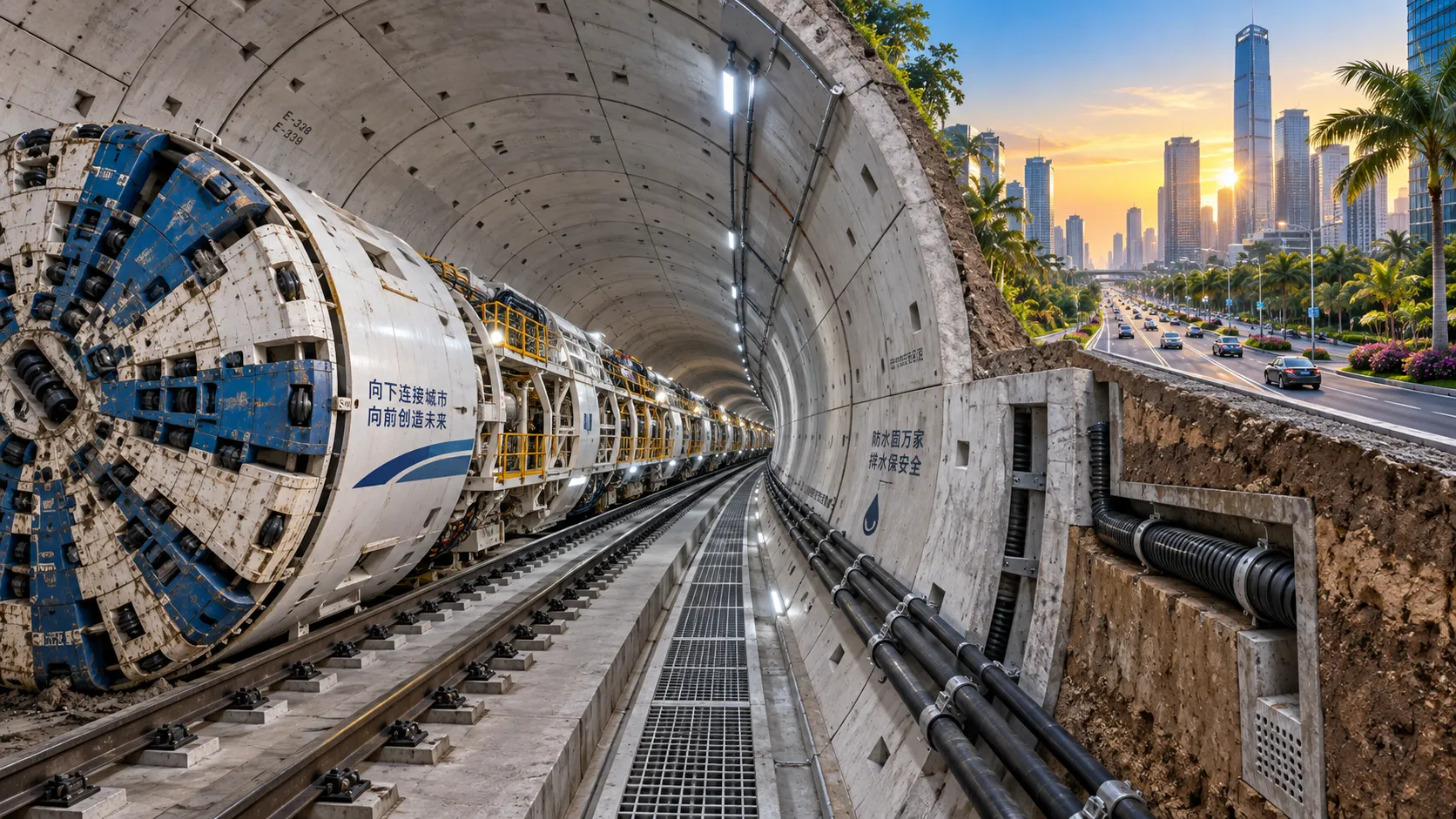
What Is Driving Metro Tunnelling Demand Across Southeast Asia’s Major Cities?
Metro tunnelling Southeast Asia is accelerating as major cities tackle congestion, flooding, and connectivity. Explore the market forces, technical risks, and opportunities shaping demand.
Hard Rock Tunnelling in Australia: Selecting Methods for Variable Ground Conditions
Hard rock tunnelling in Australia: compare TBM, drill-and-blast and hybrid methods to manage variable ground, reduce risk and protect project costs.
Hydropower Tunnel Excavation: Selecting Methods for Variable Rock Conditions
Hydropower tunnel excavation methods for variable rock conditions: compare TBM, drill-and-blast, and hybrid strategies to improve safety, progress, and project control.
How to Select Underground Safety Equipment for Tunnelling by Hazard and Work Zone
Underground Safety Equipment for tunnelling: match protection to hazards, work zones, compliance, and emergency needs with this practical selection guide.
EPB or Slurry Shield? Selecting Soft-Ground Tunnelling Equipment by Soil Conditions
Tunnel Excavation Equipment for soft ground: compare EPB and slurry shields by soil, groundwater, settlement risk, and project logistics to choose confidently.
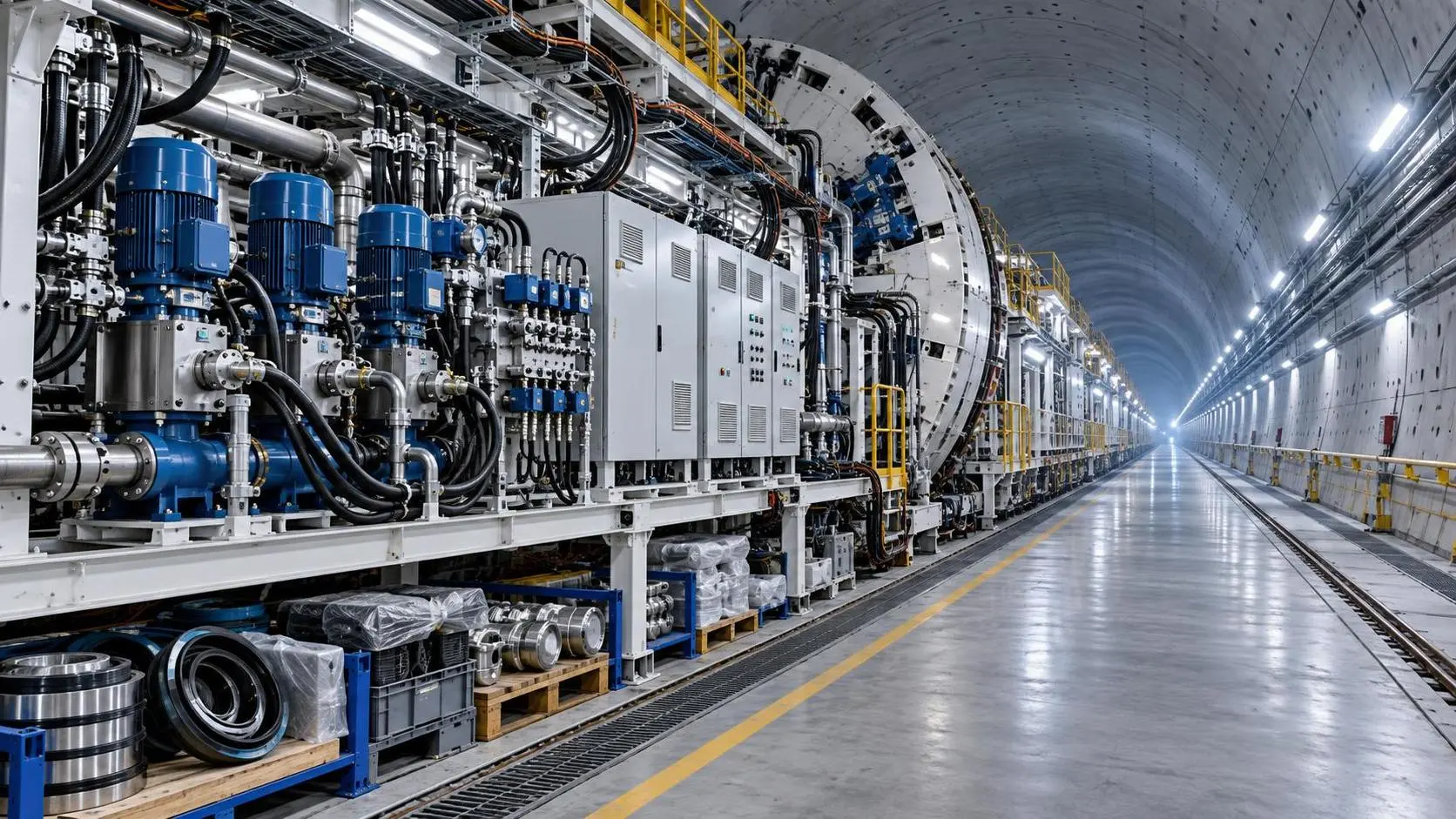
How to Specify TBM Backup System Parts for Reliable Long-Distance Tunnelling
TBM backup system parts: learn how to specify reliable spares for long-distance tunnelling, reduce downtime, ensure compatibility, and speed underground recovery.

How to Size Open Pit Mining Trucks for Haul Distance, Grade, and Payload?
Open Pit Mining Trucks: learn how to match payload, haul distance, grade, road resistance, and loading capacity for safer, lower-cost mine operations.
Related News
- 00
0000-00
How to Evaluate European Drill-and-Blast Tunnelling Contractors for Complex Projects - 00
0000-00
Which Trenchless Construction Technique Fits Your Utility Crossing Conditions? - 00
0000-00
What Is Driving Metro Tunnelling Demand Across Southeast Asia’s Major Cities? - 00
0000-00
Hard Rock Tunnelling in Australia: Selecting Methods for Variable Ground Conditions - 00
0000-00
Hydropower Tunnel Excavation: Selecting Methods for Variable Rock Conditions
Weekly Insights
Stay ahead with our curated technology reports delivered every Monday.