
Why does Mining Equipment cost vary so much?





Mining Equipment prices can differ dramatically because every machine is shaped by geology, payload, automation level, energy system, safety configuration, and lifecycle support requirements.
The real challenge is not simply finding the lowest quotation, but understanding total cost, reliability, and long-term productivity underground.
This article explains why Mining Equipment cost varies so much, and how comparisons become clearer across mines, tunnels, and heavy infrastructure projects.
Why does Mining Equipment cost start with the operating environment?
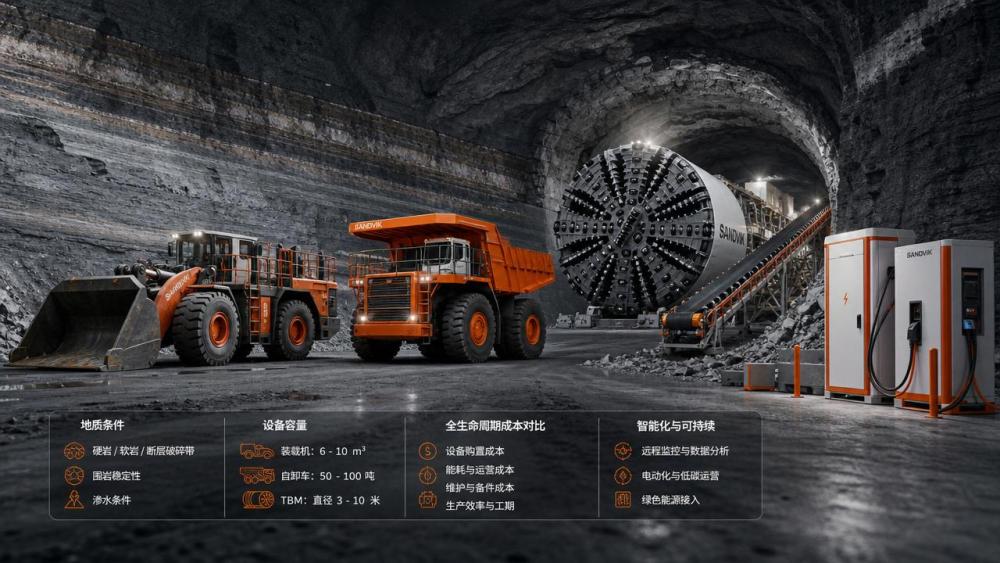
The first price driver is not the machine itself. It is the ground condition where the machine must survive.
Hard rock, abrasive ore, water inflow, heat, dust, and narrow headings all change Mining Equipment design requirements.
A loader working in a deep metal mine faces different stress than a truck serving an open-pit copper operation.
A drilling jumbo in fractured rock needs different controls, booms, stabilization, and safety logic than one in predictable strata.
For tunnel boring machines, cutterhead diameter, cutter spacing, thrust, torque, sealing, and muck handling all affect capital cost.
Pipe jacking machines may require slurry balance, earth pressure balance, or rock excavation capability depending on urban subsurface conditions.
This explains why apparently similar Mining Equipment quotations can differ sharply after geotechnical reports are reviewed.
A cheaper machine may be reasonable in mild conditions. In harsh ground, it may increase downtime, wear, and safety exposure.
Key environment factors that influence cost
- Rock hardness, abrasiveness, fragmentation, and fault zones.
- Tunnel diameter, drift size, gradient, and turning radius.
- Ventilation limits, temperature, humidity, and gas risk.
- Haul distance, cycle time, payload, and production target.
- Required compliance for underground safety and emissions.
How do machine size, payload, and production capacity affect price?
Mining Equipment cost rises with capacity because larger machines require stronger structures, drivetrains, brakes, hydraulics, and control systems.
A higher payload mining dump truck needs reinforced frames, larger tires, powerful traction systems, and advanced retardation performance.
An underground LHD loader with greater bucket capacity needs stronger axles, battery capacity, cooling, and stability protection.
For drilling jumbos, price changes with boom quantity, drilling coverage, automation, bolting capability, and onboard diagnostics.
In TBM projects, size affects nearly every subsystem, from main bearing diameter to segment erection and backup logistics.
Capacity should not be judged by purchase price alone. The better metric is cost per tonne, meter, or operating hour.
A larger Mining Equipment model may cost more upfront but reduce unit cost when utilization and haul profiles are suitable.
However, oversizing creates problems. Poor maneuverability, idle capacity, tire wear, and infrastructure upgrades can erase expected gains.
A practical capacity question
The useful question is simple: will the machine’s capacity match the real bottleneck in the operation?
If crushing, hoisting, ventilation, charging, or road design limits output, bigger Mining Equipment may not improve productivity.
Why do automation, electrification, and digital systems change Mining Equipment cost?
Modern Mining Equipment is becoming electric, autonomous, connected, and sensor-rich. These features raise purchase cost but may reduce lifecycle cost.
Battery-electric underground loaders remove diesel exhaust, reduce heat load, and support lower ventilation demand in confined spaces.
Electric mining trucks may recover energy on downhill hauls through regenerative braking, improving efficiency in selected haul profiles.
Autonomous haulage, remote drilling, and tele-remote LHD operation require sensors, software, communications, cybersecurity, and control-room integration.
Those systems add cost through hardware, mapping, commissioning, training, and ongoing software support.
Yet advanced Mining Equipment can improve safety, reduce exposure at the face, and create more consistent production cycles.
Digital condition monitoring also changes maintenance planning. Vibration, oil, pressure, temperature, and load data reveal early failure signals.
The value depends on whether the site can use the data. Connectivity without operational discipline rarely delivers savings.
When does advanced technology justify a higher price?
- When ventilation cost is high and diesel emissions create constraints.
- When personnel exposure at the working face must be reduced.
- When production depends on repeatable cycles and precise fleet control.
- When maintenance teams can act on predictive diagnostics.
What role do customization, standards, and safety requirements play?
Mining Equipment is rarely a pure catalog purchase. Many machines are engineered around site-specific safety and performance requirements.
Fire suppression, emergency steering, collision avoidance, proximity detection, reinforced cabins, and braking redundancy all influence cost.
Underground applications may require low-profile design, flameproof components, gas monitoring, and strict electrical protection.
Tunnelling equipment may need segment handling systems, grout injection, slurry separation, conveyor integration, or hyperbaric intervention capability.
Regional regulations also matter. Certification, documentation, emissions rules, operator protection, and mine safety codes vary by jurisdiction.
Customization increases engineering hours, testing, production complexity, and spare parts planning.
Standard Mining Equipment may be cheaper and faster to deliver. Customized equipment may be essential for reliability or approval.
The decision should separate “nice to have” features from conditions that directly protect production, safety, and compliance.
Common customization cost areas
- Battery system capacity, charging method, or battery swapping design.
- Cabin protection, visibility systems, and operator assistance.
- Rock tools, cutter assemblies, buckets, bodies, and wear packages.
- Fleet management interfaces and mine control system integration.
Why does lifecycle support often matter more than the purchase price?
The acquisition price is only one layer of Mining Equipment cost. Ownership cost includes energy, maintenance, parts, labor, and downtime.
A low initial quote may become expensive if parts are unavailable, service response is slow, or components fail early.
High-utilization equipment demands strong support. Mines and tunnels cannot afford long stoppages caused by critical component delays.
Disc cutters, hydraulic pumps, tires, batteries, filters, sensors, motors, and control modules all influence long-term economics.
For TBMs, cutter consumption and interventions can dominate project risk in abrasive rock.
For haulage fleets, tire life, brake wear, energy use, and battery health shape operating cost.
For drilling equipment, boom accuracy, drill string wear, and hydraulic reliability affect meters drilled per shift.
Lifecycle evaluation makes Mining Equipment comparison more realistic because it connects price with availability and output.
What should be compared beyond the quote?
How can different Mining Equipment quotations be compared fairly?
Fair comparison starts with a consistent duty cycle. Without one, quotations can look comparable while hiding major differences.
The duty cycle should include haul distance, gradient, rock condition, operating hours, shift pattern, and required output.
Specifications should define payload, power, emissions, safety systems, control functions, and required attachments.
For electric Mining Equipment, comparison should include charging infrastructure, spare batteries, grid connection, and charging downtime.
For autonomous systems, include mapping, communications, software licenses, training, and system integration.
For tunnelling machines, compare cutter tools, backup systems, ground support interfaces, and intervention strategy.
A structured evaluation prevents under-specification. It also prevents paying for features that do not match project needs.
A useful comparison framework
- Define the operating environment and production target.
- List mandatory safety, emissions, and compliance requirements.
- Compare capacity against actual process bottlenecks.
- Model lifecycle cost, not only capital cost.
- Check support capability, parts access, and training needs.
- Estimate resale value, rebuild options, and upgrade pathways.
What are the most common mistakes when judging Mining Equipment cost?
The biggest mistake is treating Mining Equipment as a commodity. Underground and mining machines are production systems, not simple assets.
Another mistake is comparing machines only by rated capacity. Real output depends on cycles, roads, operators, automation, and maintenance.
A third mistake is ignoring infrastructure. Electric fleets need charging design, power availability, safety procedures, and maintenance preparation.
Projects also underestimate wear. Abrasive rock can rapidly change cutter, bucket, tire, and drilling tool economics.
Some comparisons overlook software. Autonomous and connected Mining Equipment requires updates, licenses, cybersecurity, and skilled supervision.
Finally, a low price may hide weak documentation, limited commissioning, or insufficient operator training.
Conclusion: how should Mining Equipment cost decisions move forward?
Mining Equipment cost varies because no two operating conditions, production goals, compliance needs, or support realities are identical.
A meaningful decision compares geology, capacity, electrification, automation, customization, safety, and lifecycle support together.
The strongest approach is to convert every quotation into a productivity and risk model.
That model should show cost per tonne, cost per meter, expected availability, maintenance exposure, and infrastructure impact.
Before selecting Mining Equipment, define the duty cycle, validate site constraints, and request transparent assumptions behind every price.
With disciplined comparison, price differences become easier to understand. More importantly, investment choices become safer, smarter, and future-ready.
Related News
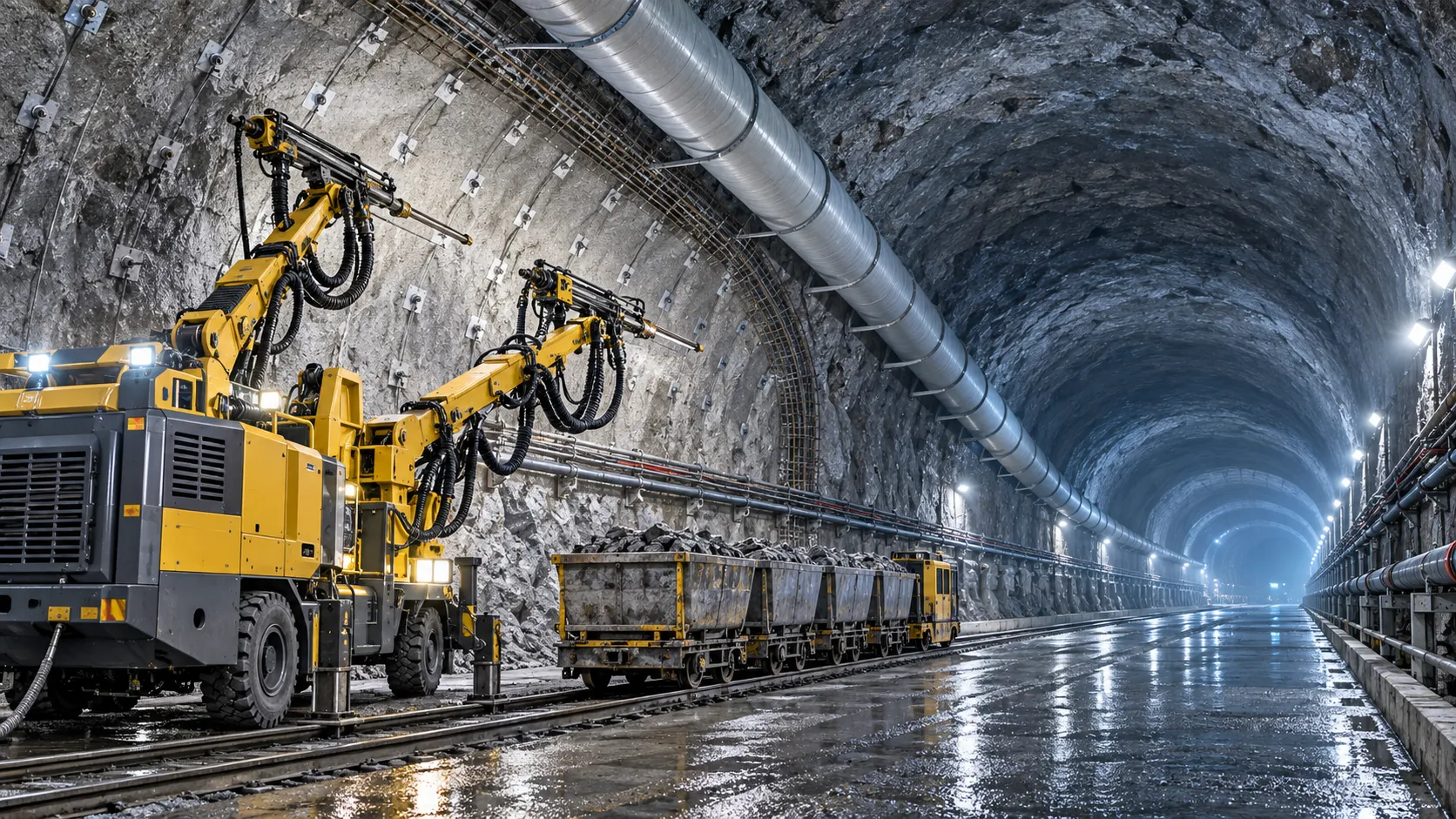
How to Evaluate European Drill-and-Blast Tunnelling Contractors for Complex Projects
Drill and blast tunnelling contractors Europe: learn how to assess geology expertise, blast control, equipment reliability, safety, and programme resilience for complex projects.
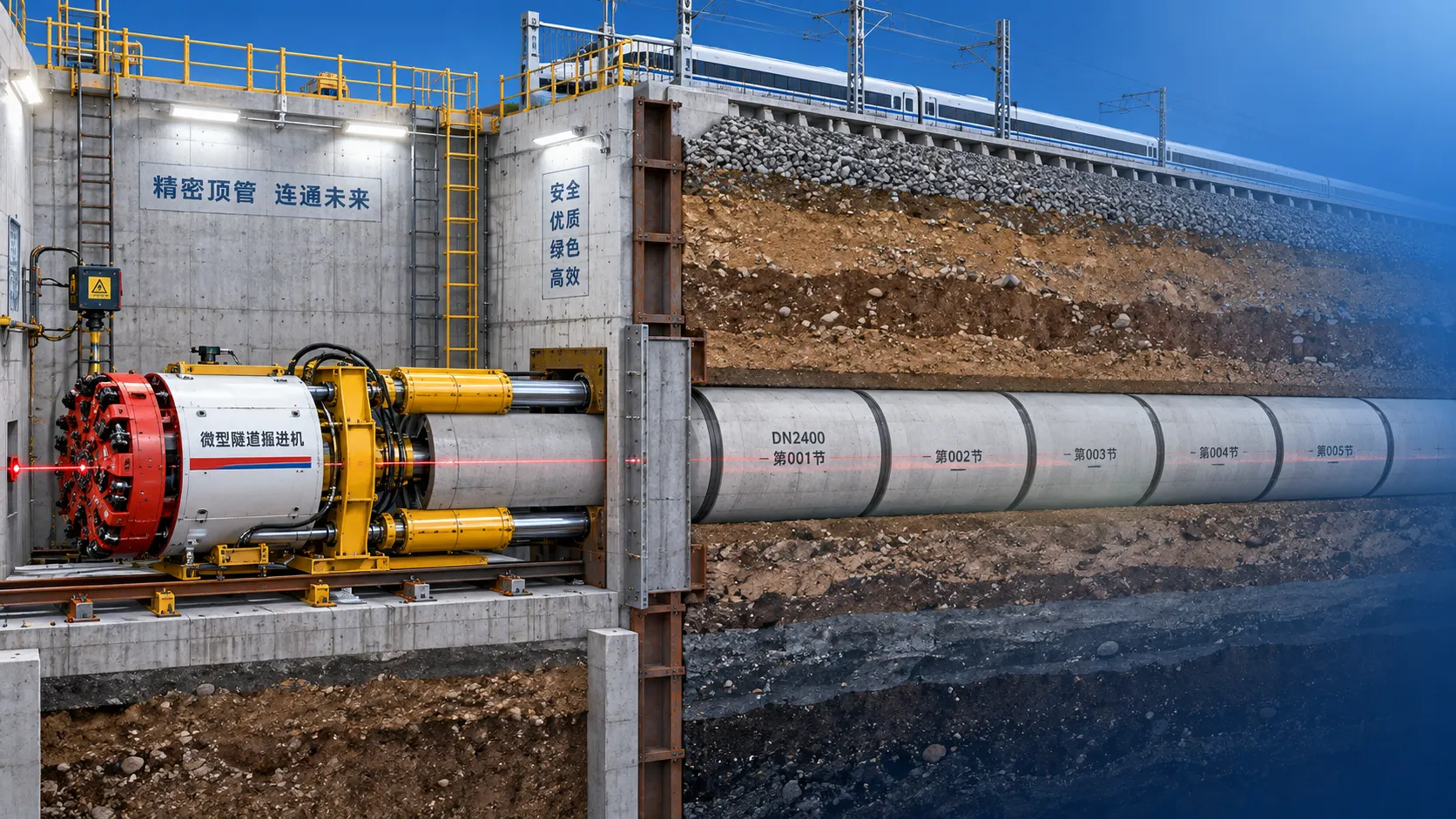
Which Trenchless Construction Technique Fits Your Utility Crossing Conditions?
Trenchless construction techniques compared for utility crossings: choose HDD, microtunnelling, pipe jacking, or auger boring based on ground, accuracy, access, and risk.
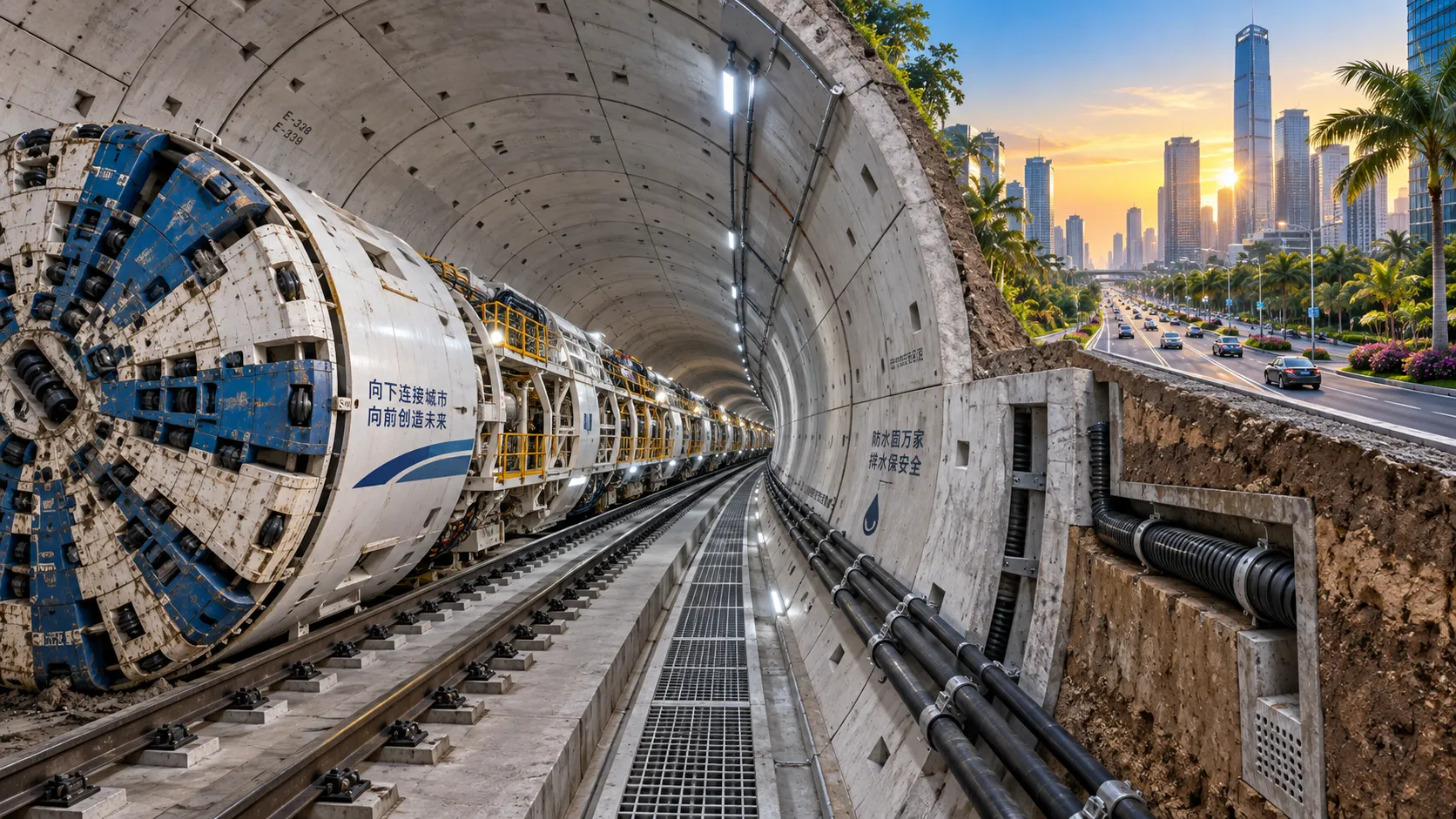
What Is Driving Metro Tunnelling Demand Across Southeast Asia’s Major Cities?
Metro tunnelling Southeast Asia is accelerating as major cities tackle congestion, flooding, and connectivity. Explore the market forces, technical risks, and opportunities shaping demand.
Hard Rock Tunnelling in Australia: Selecting Methods for Variable Ground Conditions
Hard rock tunnelling in Australia: compare TBM, drill-and-blast and hybrid methods to manage variable ground, reduce risk and protect project costs.
Hydropower Tunnel Excavation: Selecting Methods for Variable Rock Conditions
Hydropower tunnel excavation methods for variable rock conditions: compare TBM, drill-and-blast, and hybrid strategies to improve safety, progress, and project control.
How to Select Underground Safety Equipment for Tunnelling by Hazard and Work Zone
Underground Safety Equipment for tunnelling: match protection to hazards, work zones, compliance, and emergency needs with this practical selection guide.
EPB or Slurry Shield? Selecting Soft-Ground Tunnelling Equipment by Soil Conditions
Tunnel Excavation Equipment for soft ground: compare EPB and slurry shields by soil, groundwater, settlement risk, and project logistics to choose confidently.
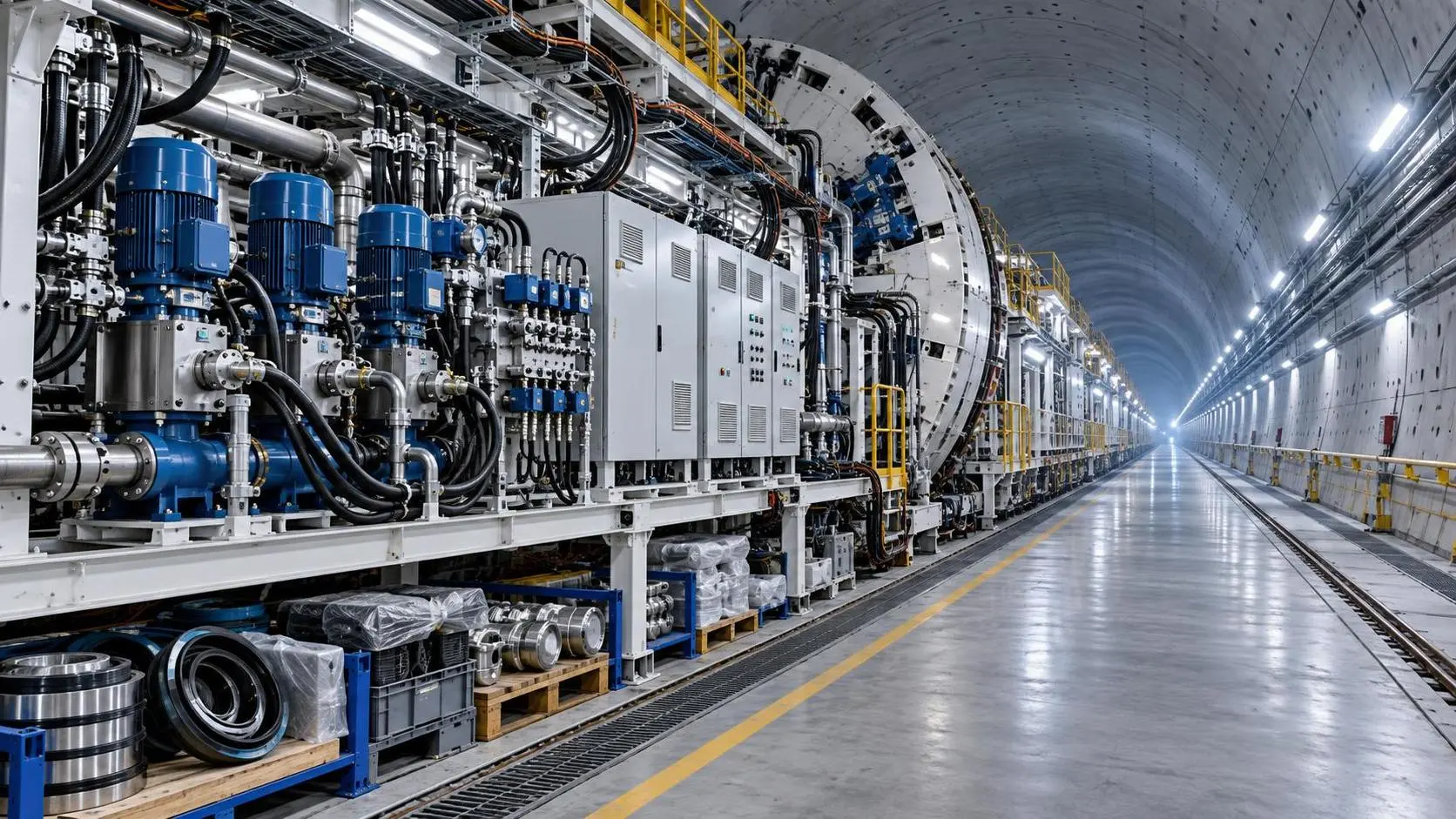
How to Specify TBM Backup System Parts for Reliable Long-Distance Tunnelling
TBM backup system parts: learn how to specify reliable spares for long-distance tunnelling, reduce downtime, ensure compatibility, and speed underground recovery.
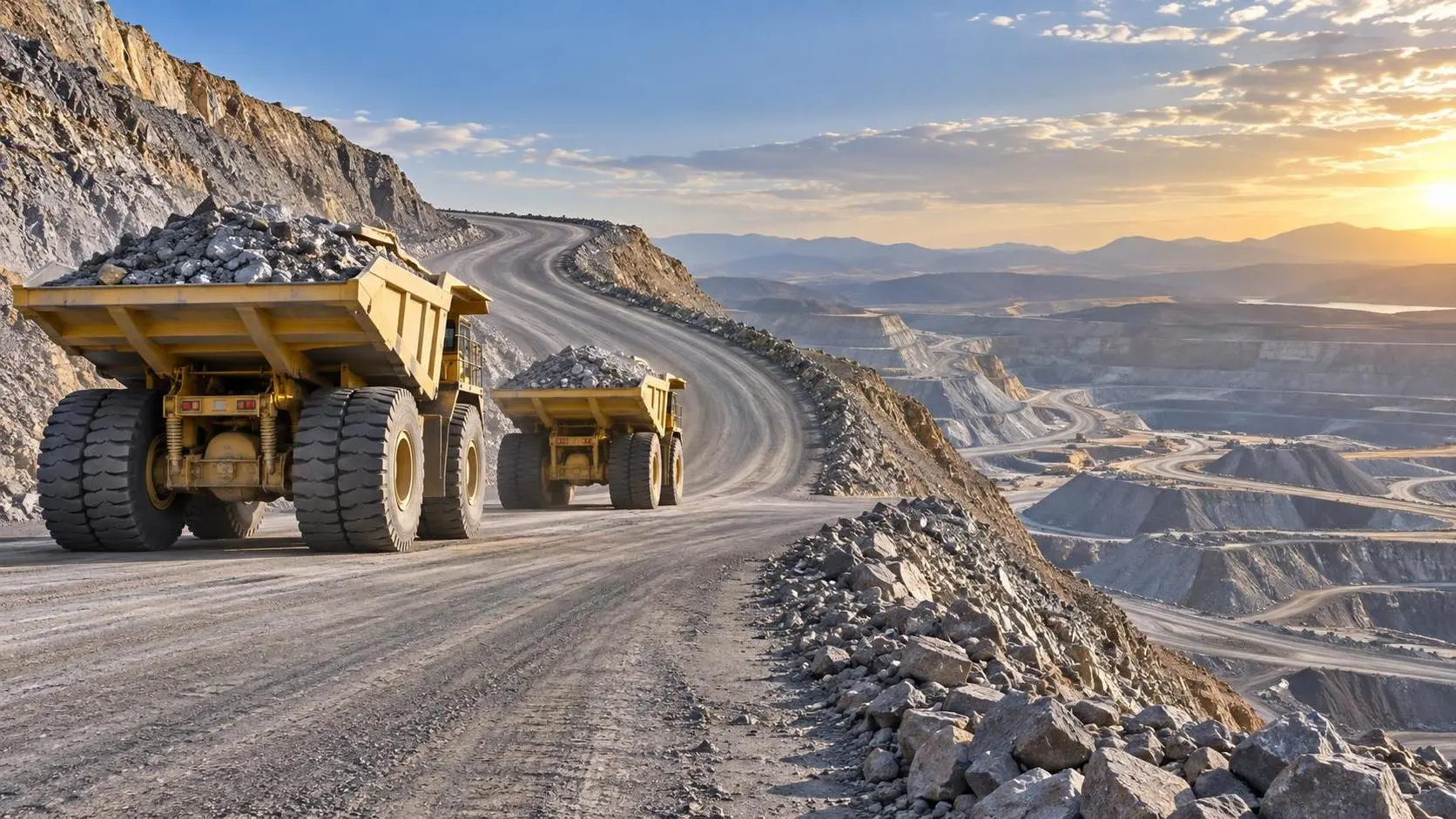
How to Size Open Pit Mining Trucks for Haul Distance, Grade, and Payload?
Open Pit Mining Trucks: learn how to match payload, haul distance, grade, road resistance, and loading capacity for safer, lower-cost mine operations.
Related News
- 00
0000-00
How to Evaluate European Drill-and-Blast Tunnelling Contractors for Complex Projects - 00
0000-00
Which Trenchless Construction Technique Fits Your Utility Crossing Conditions? - 00
0000-00
What Is Driving Metro Tunnelling Demand Across Southeast Asia’s Major Cities? - 00
0000-00
Hard Rock Tunnelling in Australia: Selecting Methods for Variable Ground Conditions - 00
0000-00
Hydropower Tunnel Excavation: Selecting Methods for Variable Rock Conditions
Weekly Insights
Stay ahead with our curated technology reports delivered every Monday.