
Why SLAM algorithms matter in underground mining safety





In underground mining, visibility is limited, hazards evolve fast, and every navigation error can escalate safety risks. That is why SLAM Algorithms for underground mining are becoming essential for safety managers and quality control teams, enabling precise positioning, real-time mapping, and safer equipment movement in complex tunnels. As mines push toward automation and zero-emission operations, understanding how these algorithms improve situational awareness is no longer optional—it is a critical step toward safer, smarter underground performance.
Why do SLAM Algorithms for underground mining matter so much in safety-critical operations?
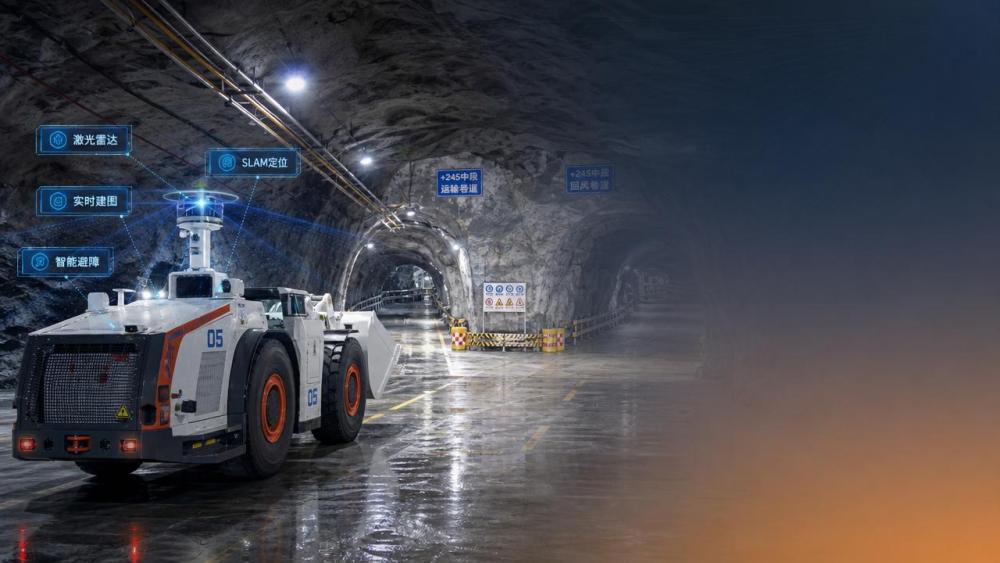
Underground mines are difficult environments for any positioning system. GNSS signals do not penetrate rock, dust interferes with visibility, and tunnel geometry changes as development advances. For quality control personnel and safety managers, this means one core problem: the operating map can become outdated faster than crews expect.
SLAM, or Simultaneous Localization and Mapping, addresses that problem by allowing mobile equipment to estimate its own position while building or updating a map of the surroundings. In underground mining, that capability supports safer routing, more reliable geofencing, better traffic separation, and stronger incident prevention.
The value is not only technical. It is operational. A loader, drill jumbo, utility vehicle, or inspection robot that knows where it is with acceptable accuracy can reduce wrong turns, minimize wall strikes, avoid entering restricted zones, and provide clearer records for post-shift review.
- It improves machine awareness when lighting is poor and tunnel layouts are irregular.
- It supports dynamic hazard mapping after blasting, scaling, water ingress, or ground movement.
- It helps validate whether autonomous or tele-remote equipment is operating inside approved corridors.
- It creates a digital trace that assists quality audits, incident reconstruction, and maintenance planning.
The safety issue is not just navigation error
Many mines still view SLAM as a productivity tool first. That is too narrow. In practice, poor localization affects emergency response timing, ventilation management, battery vehicle routing, collision risk, stope access control, and even confidence in shift handover data. Safety teams should evaluate SLAM as a risk reduction layer, not a software add-on.
Which underground scenarios benefit most from SLAM-based positioning and mapping?
Not every underground task has the same mapping demands. The best use cases are usually those where tunnel conditions change quickly, vehicle traffic is dense, or visibility problems create repeat safety exposure. The table below helps safety and QC teams prioritize deployment of SLAM Algorithms for underground mining by scenario.
For most sites, the strongest early returns come from LHD fleets, development headings, and inspection routes. These areas combine high movement frequency with changing geometry, making them ideal for measurable safety improvement.
Where safety managers usually see the first warning signs
- Near-miss reports cluster around the same intersections or ore pass approaches.
- Operators rely on local memory because central maps lag behind actual conditions.
- Autonomous or tele-remote machines slow down excessively in uncertain sections.
- Post-incident reviews show disagreements about exact vehicle location or route history.
How do SLAM methods compare in underground mining environments?
Safety teams often hear broad claims about “AI navigation” without enough detail. In reality, SLAM Algorithms for underground mining vary by sensor stack, computational demand, and tolerance to dust, water, vibration, and repetitive tunnel structure. The comparison below highlights practical trade-offs.
For safety-led deployment, sensor fusion is often the more reliable direction because underground conditions are rarely stable. A single-sensor solution may perform well in demonstrations but struggle across blasting dust, wet walls, battery vehicle traffic, and long-term tunnel evolution.
What QC teams should verify before approval
- Map consistency after route repetition, especially in looped tunnel networks.
- Localization drift over full shift durations rather than short test runs.
- Sensor resilience under dust loading, washdown exposure, and vibration.
- Recovery behavior after temporary signal loss or occluded features.
What should safety managers and QC personnel look for when selecting a SLAM solution?
Selection should not begin with a software brochure. It should begin with the mine’s risk map. A solution that performs acceptably in a straight haulage tunnel may fail at active faces, drawpoints, or zones where multiple machines operate close together. That is why procurement needs a structured evaluation model.
The table below provides a practical selection framework for SLAM Algorithms for underground mining, focused on safety performance rather than marketing language.
A strong procurement decision usually combines pilot testing, operator feedback, and safety KPI review. It should also define failure handling. If the SLAM layer loses confidence, what happens next: reduced speed, manual takeover, route denial, or return-to-safe-point logic?
A practical approval checklist
- Confirm the solution has been evaluated in active, dusty, and changing headings, not only in static demonstration tunnels.
- Require clear reporting on map confidence, localization confidence, and fault states.
- Check whether maintenance teams can recalibrate sensors without excessive downtime.
- Make sure the digital output supports incident review, not just vehicle autonomy.
How should implementation be managed to reduce risk instead of adding it?
Implementation often fails when mines treat SLAM deployment as a pure IT task. It is not. It touches operations, safety rules, maintenance scheduling, ventilation planning, traffic management, and training. A phased rollout is usually more reliable than a mine-wide switch.
Recommended rollout sequence
- Start with one high-risk route or one equipment class, such as underground LHDs on repeat haulage loops.
- Collect baseline data on near-misses, route deviations, wall contacts, and travel delays before deployment.
- Run the SLAM system in shadow mode first, comparing estimated routes with actual operations.
- Define escalation logic for uncertainty, including speed reduction, operator alert, or remote intervention.
- Expand only after map stability, operator acceptance, and maintenance routines prove sustainable.
Relevant compliance and governance considerations
Although requirements differ by jurisdiction, safety managers should align deployment with recognized machinery safety principles, functional safety thinking, and mine-specific risk assessment procedures. It is also useful to document how mapping data is validated, retained, and used during incident investigation or audit review.
For electrified and automated fleets, the governance case becomes stronger. Battery-electric underground equipment changes heat, airflow, and operating patterns. When those vehicles rely on digital navigation, mapping reliability becomes part of safe system performance rather than a convenience feature.
Common misconceptions about SLAM Algorithms for underground mining
“If the machine can map, it is automatically safe.”
Not necessarily. Mapping capability does not replace layered safety controls. Mines still need traffic rules, exclusion zones, emergency procedures, operator training, and maintenance discipline. SLAM improves visibility into the environment; it does not eliminate operational risk by itself.
“One accurate pilot proves mine-wide readiness.”
A limited pilot may hide problems caused by repetitive tunnels, humidity, rough surfaces, loose services, or evolving headings. Mine-wide readiness should be tested across multiple route types and operating conditions, including shift changes and post-blast environments.
“The lowest hardware cost gives the best return.”
A cheaper sensor package can create higher long-term cost if it generates unstable maps, frequent recalibration work, or false confidence. For safety teams, lifecycle reliability matters more than entry price alone.
FAQ: what do safety and quality teams ask most often?
How accurate do SLAM Algorithms for underground mining need to be?
The answer depends on the task. General route tracking may tolerate lower precision than autonomous loading at tight drawpoints or geofenced exclusion areas. Instead of chasing one generic accuracy figure, define acceptable error by use case, speed, tunnel width, and consequence of failure.
Are SLAM systems mainly for autonomous mines?
No. Manual and tele-remote mines also benefit. Real-time mapping supports safer traffic control, location history, better inspection records, and improved hazard communication even before full autonomy is introduced.
What is the biggest implementation risk?
The biggest risk is overtrust. If crews assume the digital map is always current, they may reduce visual caution in areas where geology, water, scaling, or blasting has altered the route. Governance must define when human confirmation overrides the system.
How often should mapping performance be reviewed?
Review should be event-driven as well as periodic. After blasting, major development changes, equipment upgrades, sensor replacement, or repeated localization faults, performance should be revalidated. Routine monthly or shift-based KPI review also helps detect drift in real operating conditions.
Why this topic matters now for smarter, safer underground operations
The pressure on mines is rising from several directions at once: deeper orebodies, tighter safety expectations, automation investment, ESG-driven electrification, and the need to run assets harder without compromising people. In that environment, SLAM Algorithms for underground mining are no longer experimental side topics. They are part of the operational safety architecture.
UTMD follows this transition closely across TBM systems, trenchless machinery, drilling jumbos, mining trucks, and underground LHD loaders because mapping, machine intelligence, and reliability are becoming interconnected. A mine cannot separate autonomy strategy from navigation confidence, or electrification goals from traffic safety in confined spaces.
Why choose us for underground equipment intelligence and decision support?
UTMD supports decision-makers who need more than general commentary. We connect technology analysis with real underground operating constraints, including equipment application, automation trends, electrification pathways, and safety-critical performance questions. That helps quality control personnel and safety managers make clearer judgments before procurement or deployment.
If you are evaluating SLAM Algorithms for underground mining, you can consult us on practical topics such as parameter confirmation for sensor stacks, selection logic for underground LHD navigation, implementation risks in active headings, delivery and integration considerations for smart mine projects, and comparison of solution pathways for zero-emission underground fleets.
- Ask about suitable solution directions for your tunnel geometry, traffic density, and automation stage.
- Request support on evaluation criteria, pilot scope design, and mapping performance checkpoints.
- Discuss equipment categories, delivery planning, and how digital navigation affects underground safety workflows.
- Use UTMD insights to compare technical options before supplier talks, budgeting, or internal approval.
When the cost of one wrong turn underground can be measured in safety exposure, downtime, and credibility, better navigation intelligence is not a luxury. It is a management decision. Contact us to discuss selection priorities, implementation pathways, and the underground operating data points that matter most for your site.
Related News
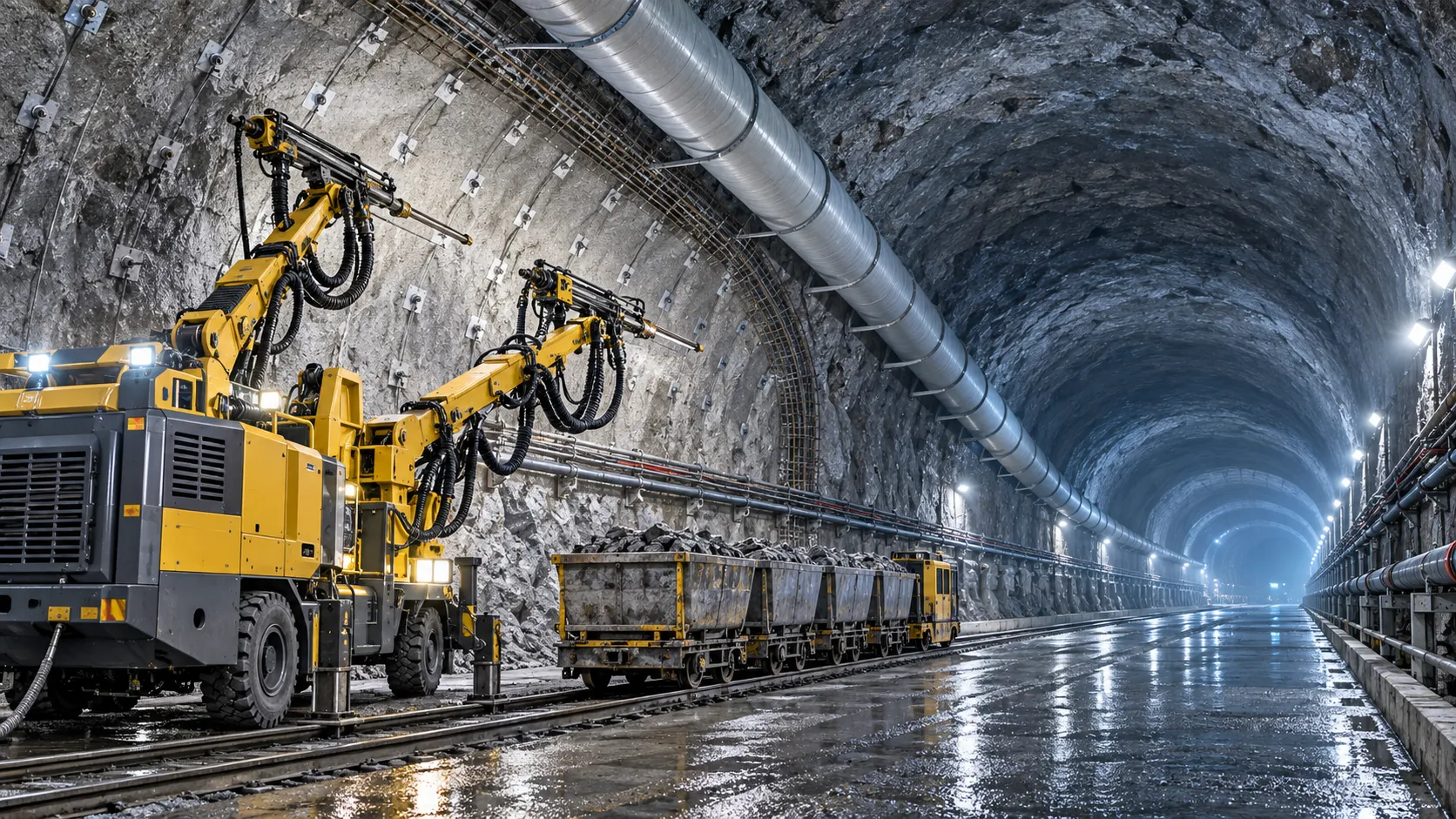
How to Evaluate European Drill-and-Blast Tunnelling Contractors for Complex Projects
Drill and blast tunnelling contractors Europe: learn how to assess geology expertise, blast control, equipment reliability, safety, and programme resilience for complex projects.
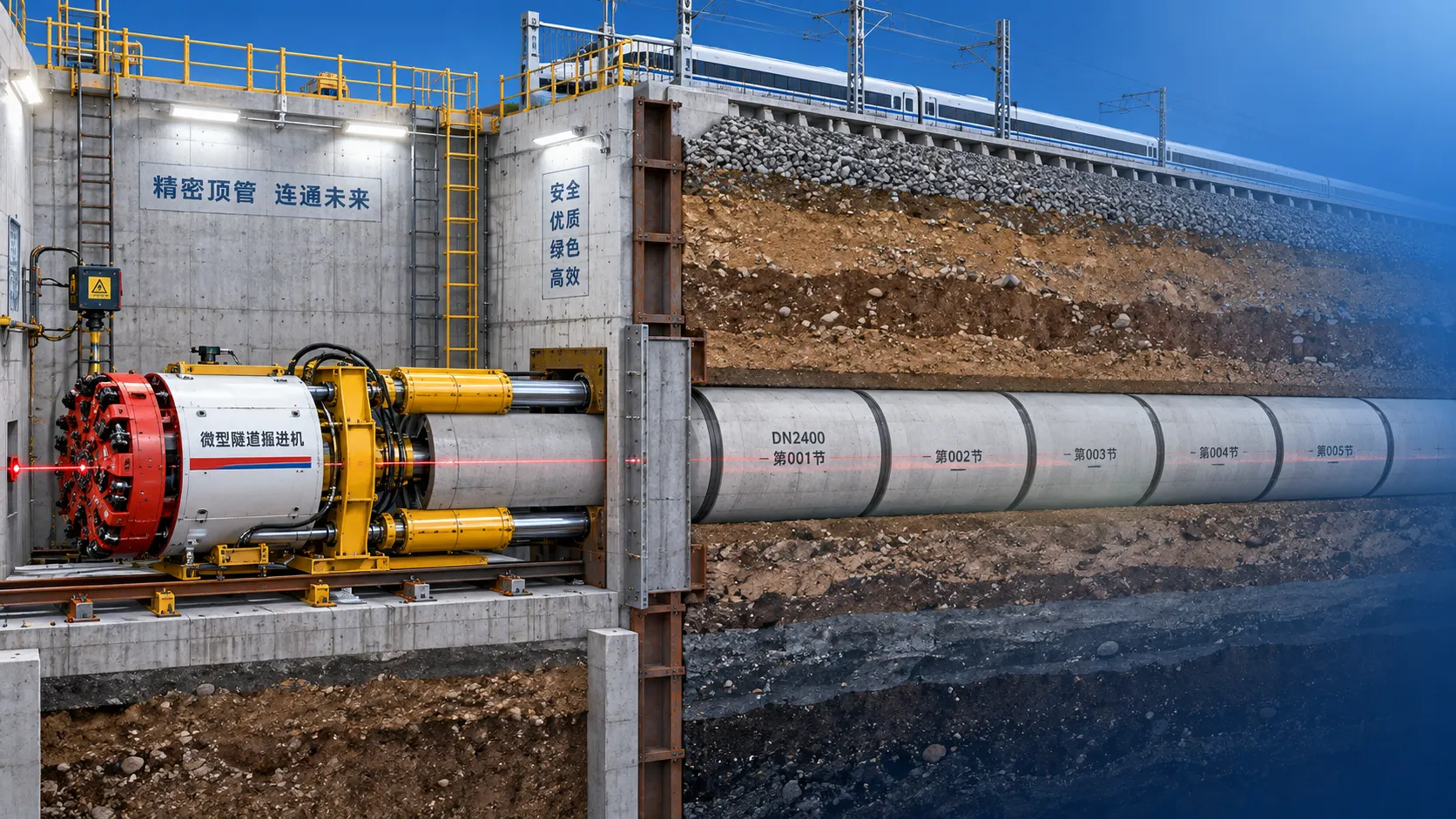
Which Trenchless Construction Technique Fits Your Utility Crossing Conditions?
Trenchless construction techniques compared for utility crossings: choose HDD, microtunnelling, pipe jacking, or auger boring based on ground, accuracy, access, and risk.
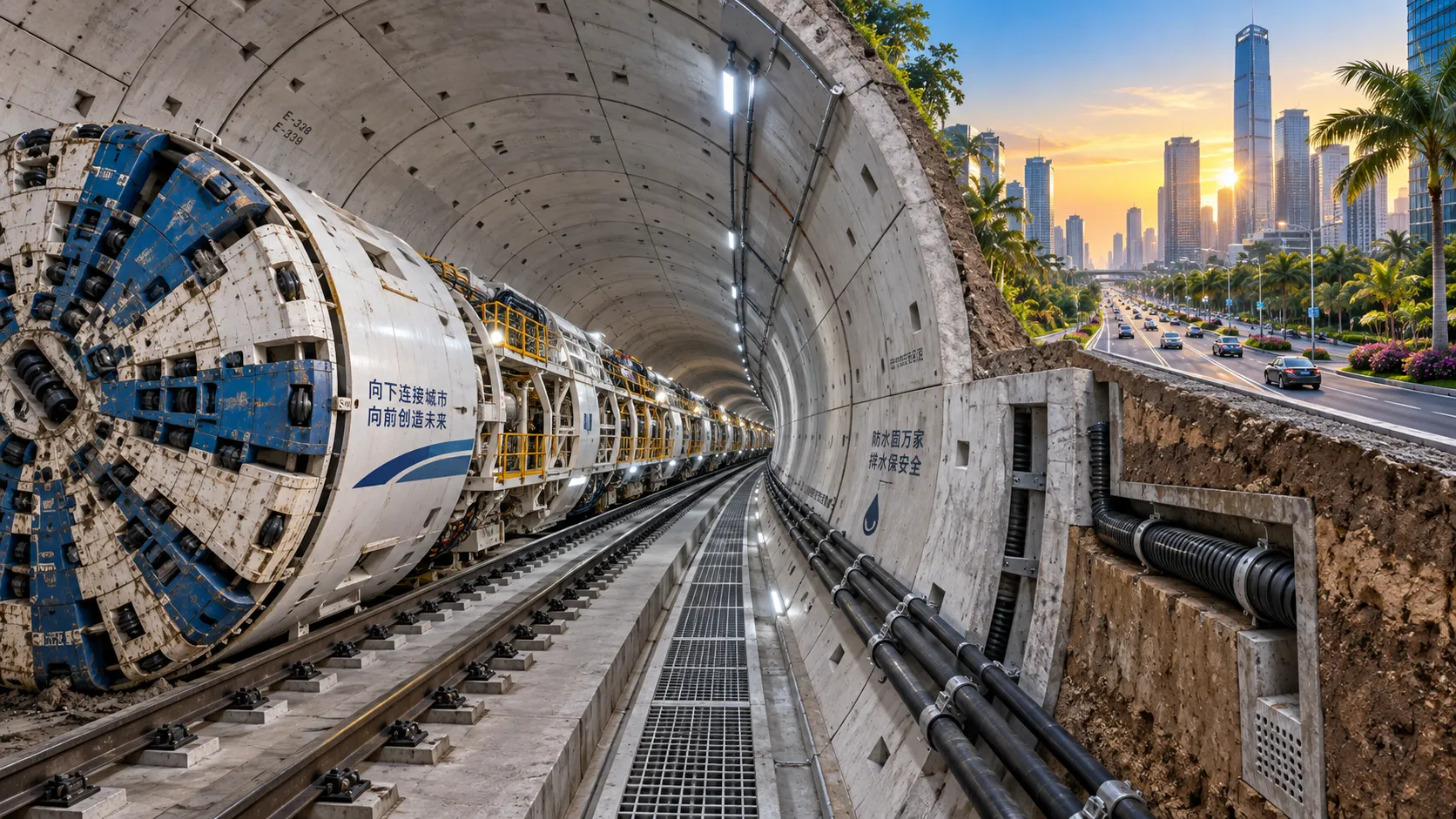
What Is Driving Metro Tunnelling Demand Across Southeast Asia’s Major Cities?
Metro tunnelling Southeast Asia is accelerating as major cities tackle congestion, flooding, and connectivity. Explore the market forces, technical risks, and opportunities shaping demand.
Hard Rock Tunnelling in Australia: Selecting Methods for Variable Ground Conditions
Hard rock tunnelling in Australia: compare TBM, drill-and-blast and hybrid methods to manage variable ground, reduce risk and protect project costs.
Hydropower Tunnel Excavation: Selecting Methods for Variable Rock Conditions
Hydropower tunnel excavation methods for variable rock conditions: compare TBM, drill-and-blast, and hybrid strategies to improve safety, progress, and project control.
How to Select Underground Safety Equipment for Tunnelling by Hazard and Work Zone
Underground Safety Equipment for tunnelling: match protection to hazards, work zones, compliance, and emergency needs with this practical selection guide.
EPB or Slurry Shield? Selecting Soft-Ground Tunnelling Equipment by Soil Conditions
Tunnel Excavation Equipment for soft ground: compare EPB and slurry shields by soil, groundwater, settlement risk, and project logistics to choose confidently.
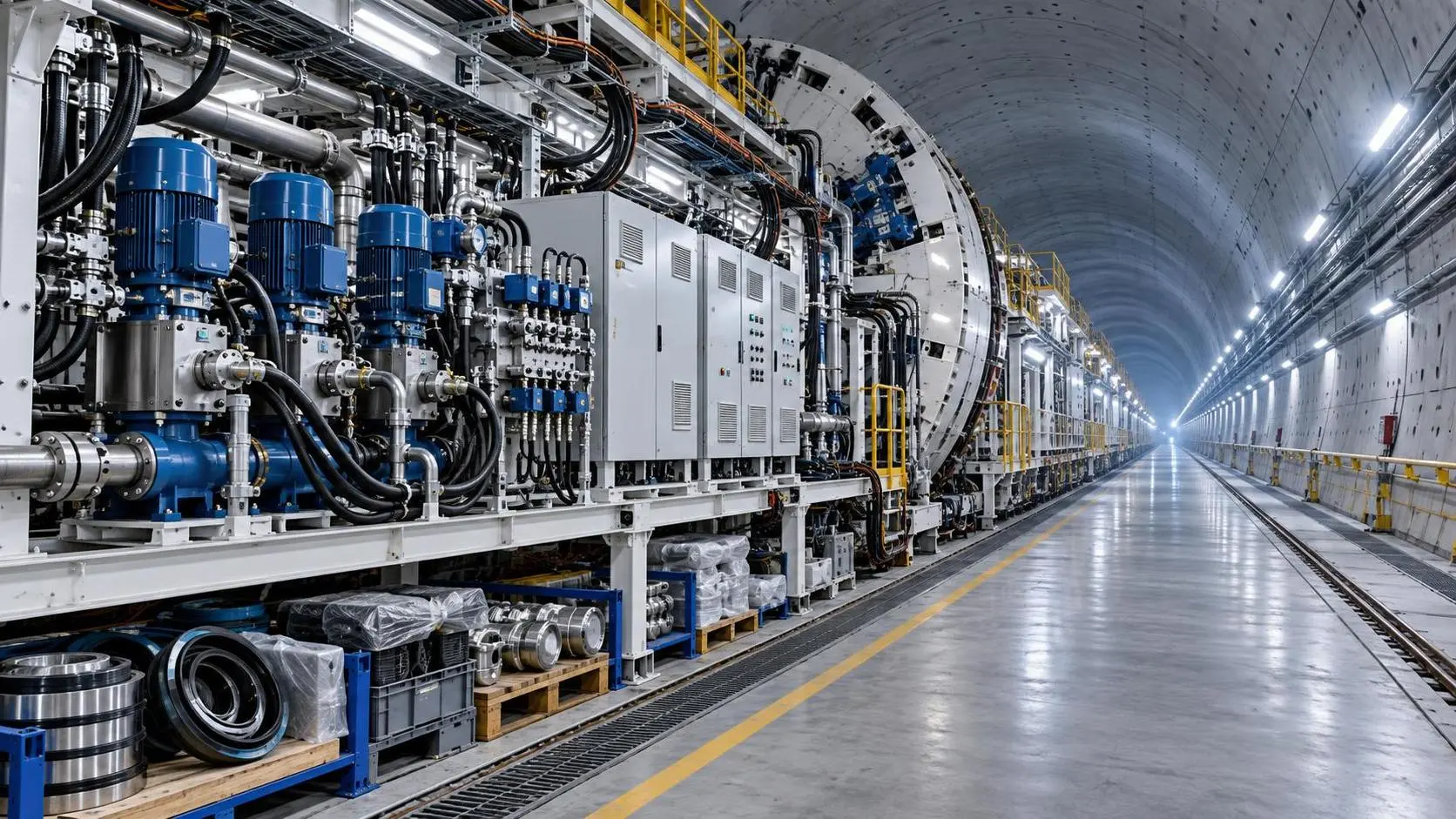
How to Specify TBM Backup System Parts for Reliable Long-Distance Tunnelling
TBM backup system parts: learn how to specify reliable spares for long-distance tunnelling, reduce downtime, ensure compatibility, and speed underground recovery.

How to Size Open Pit Mining Trucks for Haul Distance, Grade, and Payload?
Open Pit Mining Trucks: learn how to match payload, haul distance, grade, road resistance, and loading capacity for safer, lower-cost mine operations.
Related News
- 00
0000-00
How to Evaluate European Drill-and-Blast Tunnelling Contractors for Complex Projects - 00
0000-00
Which Trenchless Construction Technique Fits Your Utility Crossing Conditions? - 00
0000-00
What Is Driving Metro Tunnelling Demand Across Southeast Asia’s Major Cities? - 00
0000-00
Hard Rock Tunnelling in Australia: Selecting Methods for Variable Ground Conditions - 00
0000-00
Hydropower Tunnel Excavation: Selecting Methods for Variable Rock Conditions
Weekly Insights
Stay ahead with our curated technology reports delivered every Monday.