
What matters most when comparing TBM Technology options





When comparing TBM Technology options, the most important factors go far beyond cutting speed alone. For underground engineering, the right evaluation method must connect geology, machine architecture, automation, energy use, cutter wear, maintenance cycles, and delivery risk. A faster machine on paper can underperform badly if its support systems, ground adaptability, or service strategy do not match actual tunnel conditions.
That is why a checklist-based review is useful. It turns complex technical choices into a practical framework. Instead of focusing on one headline metric, it helps compare TBM Technology options through total project performance, long-term reliability, and underground operational resilience.
Why a checklist matters when comparing TBM Technology
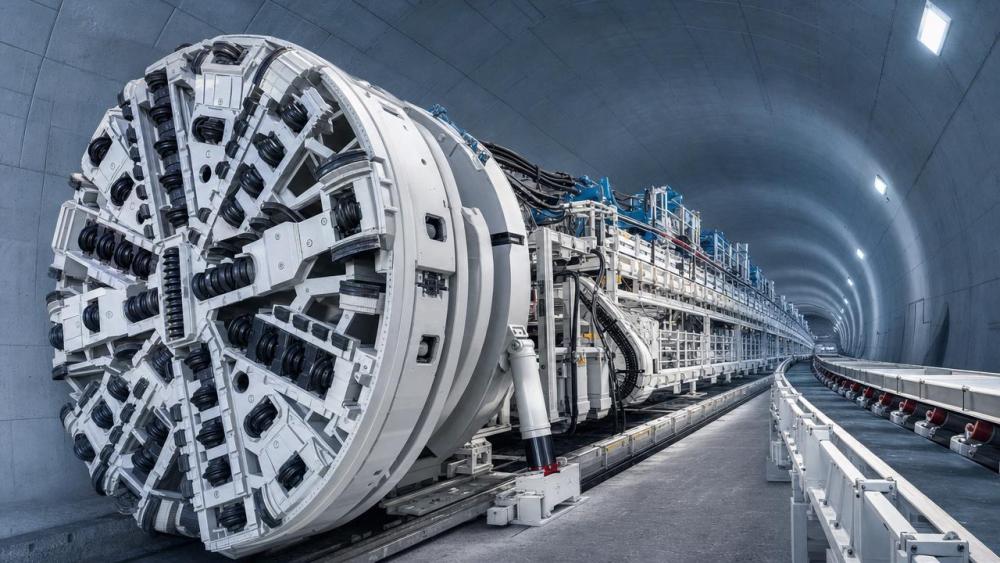
Full-face tunnelling projects involve high capital exposure, long lead times, and limited tolerance for design mistakes. Once assembly starts underground, changing core machine parameters becomes expensive and slow. A structured checklist reduces the chance of selecting a machine that looks competitive but fits poorly with rock mass behavior, logistics constraints, or segment erection requirements.
For intelligence-led platforms such as UTMD, comparing TBM Technology also means reading beyond brochures. The strongest choice usually comes from matching excavation mechanics, digital monitoring capability, and maintainability to real project risks. This is especially true in deep tunnels, mixed-face conditions, hard rock corridors, and sustainability-driven infrastructure programs.
Core checklist for evaluating TBM Technology options
- Define the geology first, including UCS range, abrasivity, fracture frequency, water inflow, fault zones, and mixed-face probability before comparing any TBM Technology supplier claims.
- Match the machine type to the ground, whether hard rock TBM, single shield, double shield, EPB, or slurry configuration, based on excavation stability requirements.
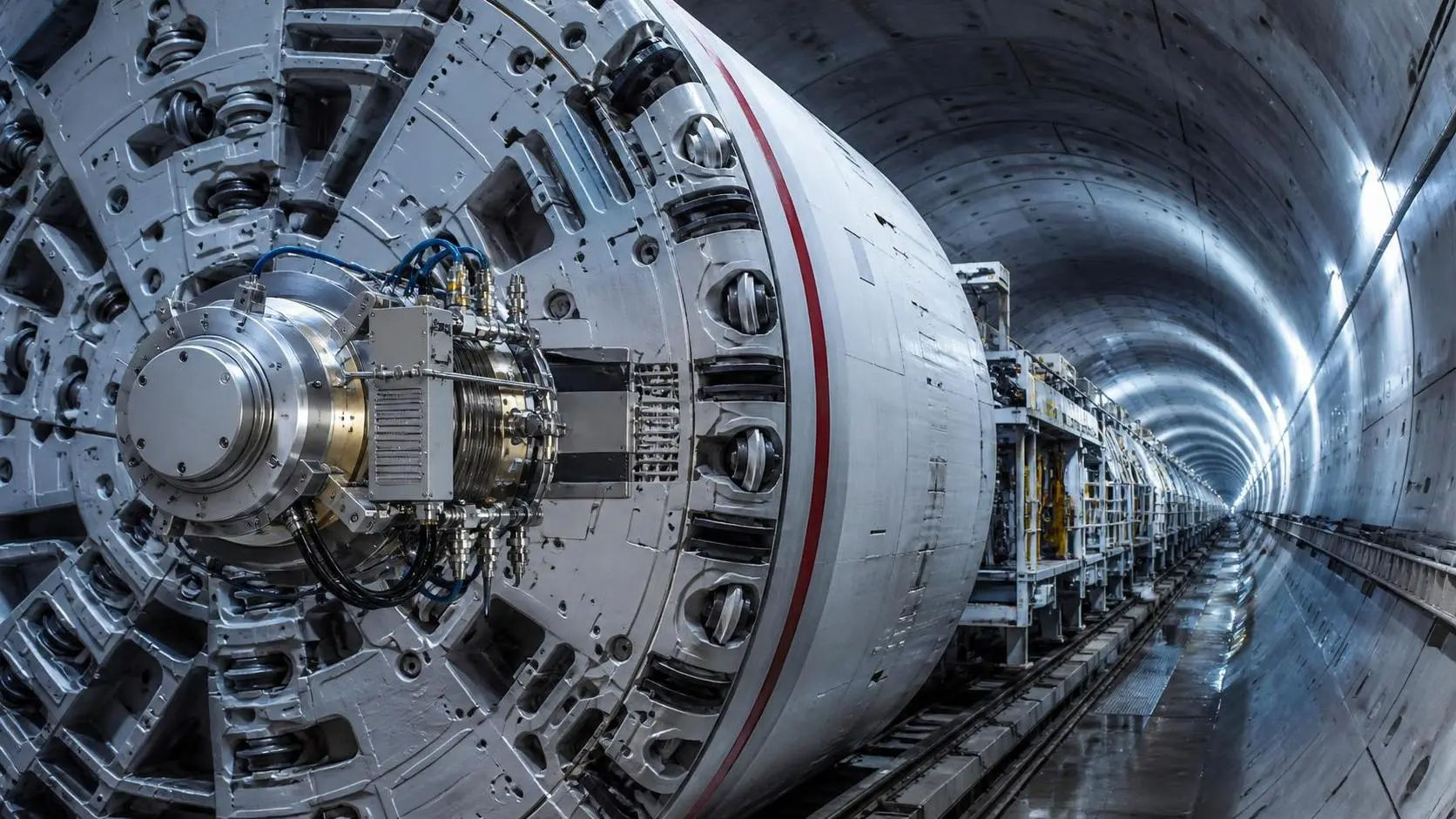
- Check cutterhead design in detail, including opening ratio, disc cutter layout, wear protection, muck flow path, and intervention accessibility under expected rock conditions.
- Review installed power and torque together, not separately, because penetration rate depends on traction balance, cutter loading, and actual rock breakage efficiency.
- Assess thrust system capacity against alignment geometry, tunnel diameter, overburden, and support installation timing to avoid bottlenecks during difficult advance sections.
- Examine segment erection or support integration, ensuring the machine supports the planned lining sequence, cycle time targets, and safe handling in confined space.
- Measure automation depth, including navigation, face pressure control, cutterhead monitoring, data logging, and predictive diagnostics that improve consistency and reduce operator variability.
- Compare energy performance across the whole system, not only the cutterhead drive, by including conveyors, slurry circuits, ventilation interaction, and regenerative features where applicable.
- Validate maintenance access, spare parts strategy, and cutter replacement procedures, since downtime underground often costs more than small differences in purchase price.
- Confirm backup train design, material flow, and logistics interface because efficient muck removal and segment supply determine whether TBM Technology performs continuously.
- Check digital interoperability with project systems, including survey data, fleet monitoring, condition-based maintenance platforms, and remote expert support channels.
- Test supplier execution strength by reviewing delivery references, field service responsiveness, refurbishment capability, and history in similar diameter and geology profiles.
What matters most in different application scenarios
Hard rock transport and water tunnels
In hard rock projects, TBM Technology comparison should emphasize disc cutter life, installed torque, rock support integration, and cutterhead structural durability. Extremely hard formations may reward a powerful machine, but only if wear management is equally strong.
Pay close attention to access for cutter inspection and replacement. In long drives, poor intervention design can erase the benefit of high penetration rates. Ground support timing and probe drilling readiness also matter in fractured zones.
Urban metro and utility tunnels
For urban tunnelling, the best TBM Technology often prioritizes settlement control, face stability, low disturbance, and reliable segment handling. EPB and slurry systems must be judged by pressure management accuracy, spoil conditioning performance, and interface with local disposal logistics.
Automation becomes more valuable in dense city corridors. Precise steering, real-time monitoring, and consistent control reduce risk near utilities, foundations, and transport assets. Here, reliability may outrank raw cutting speed.
Deep mining access and specialized underground works
In mining-related applications, comparing TBM Technology means accounting for ventilation limits, steep gradients, serviceability, and integration with digital mine systems. Equipment must perform in harsh, abrasive conditions with minimal unplanned stoppage.
Energy efficiency and zero-emission strategy also gain weight in confined underground spaces. Electric architecture, smart diagnostics, and reduced intervention frequency can strongly improve lifecycle value and underground safety performance.
Commonly overlooked risks during TBM Technology comparison
Overrating nominal penetration data
Published advance rates often reflect favorable conditions. They may exclude downtime, difficult maintenance windows, segment delays, or mixed-ground transitions. Compare production data using equivalent geology and support conditions.
Ignoring the backup and logistics chain
Even advanced TBM Technology underdelivers if muck haulage, slurry treatment, segment transport, or power distribution lags behind excavation capability. The machine should be assessed as a full system, not a standalone cutterhead.
Underestimating intervention difficulty
Cutter changes, seal inspection, and wear-part access can become major schedule drivers. Review whether interventions require hyperbaric work, special tooling, extended shutdowns, or unusual crew expertise.
Treating automation as a marketing add-on
Useful automation should improve control stability, traceability, and maintenance planning. If the data cannot support decisions or integrate with site workflows, the value of that TBM Technology feature is limited.
Practical steps for a stronger comparison process
- Build a geology-based scoring matrix before vendor review.
- Weight criteria by project risk, not by brochure visibility.
- Request reference cases with similar diameter, rock class, and alignment complexity.
- Compare planned maintenance hours per month, not only peak cutting output.
- Model total energy demand and downtime impact across the full tunnelling system.
- Verify spare part availability and local technical support commitments in writing.
- Test digital reporting, sensor architecture, and interoperability before final selection.
A useful method is to separate must-have conditions from optimization features. Ground suitability, safety, maintainability, and logistics compatibility belong in the first group. Advanced analytics, automation depth, and energy refinement can then be ranked as competitive differentiators.
This approach creates a more realistic picture of TBM Technology value. It also aligns with broader underground industry trends, where reliability, digital integration, and lower environmental impact increasingly shape equipment decisions.
Conclusion and next action
The best TBM Technology option is rarely the one with the most impressive single metric. It is the one that fits the geology, supports the tunnel method, minimizes intervention risk, and sustains output across the full project cycle.
Start with a disciplined checklist. Map geological uncertainty, machine type fit, cutterhead durability, automation usefulness, energy profile, and maintenance burden. Then compare supplier capability using evidence from similar underground conditions. That process leads to better technical choices, stronger lifecycle performance, and lower risk in demanding tunnelling environments.
Related News
How to Evaluate Articulated Dump Trucks Payload for Haul Road Conditions and Cycle Efficiency
Articulated Dump Trucks payload evaluation starts with real haul road conditions, not brochure numbers. Learn how to balance payload, traction, grades, and cycle efficiency for safer, higher output.
How Pipe Fittings Material and Pressure Class Affect Water Line Selection
Pipe fittings selection starts with material and pressure class. Learn how these factors affect water line reliability, corrosion resistance, installation, and long-term cost.
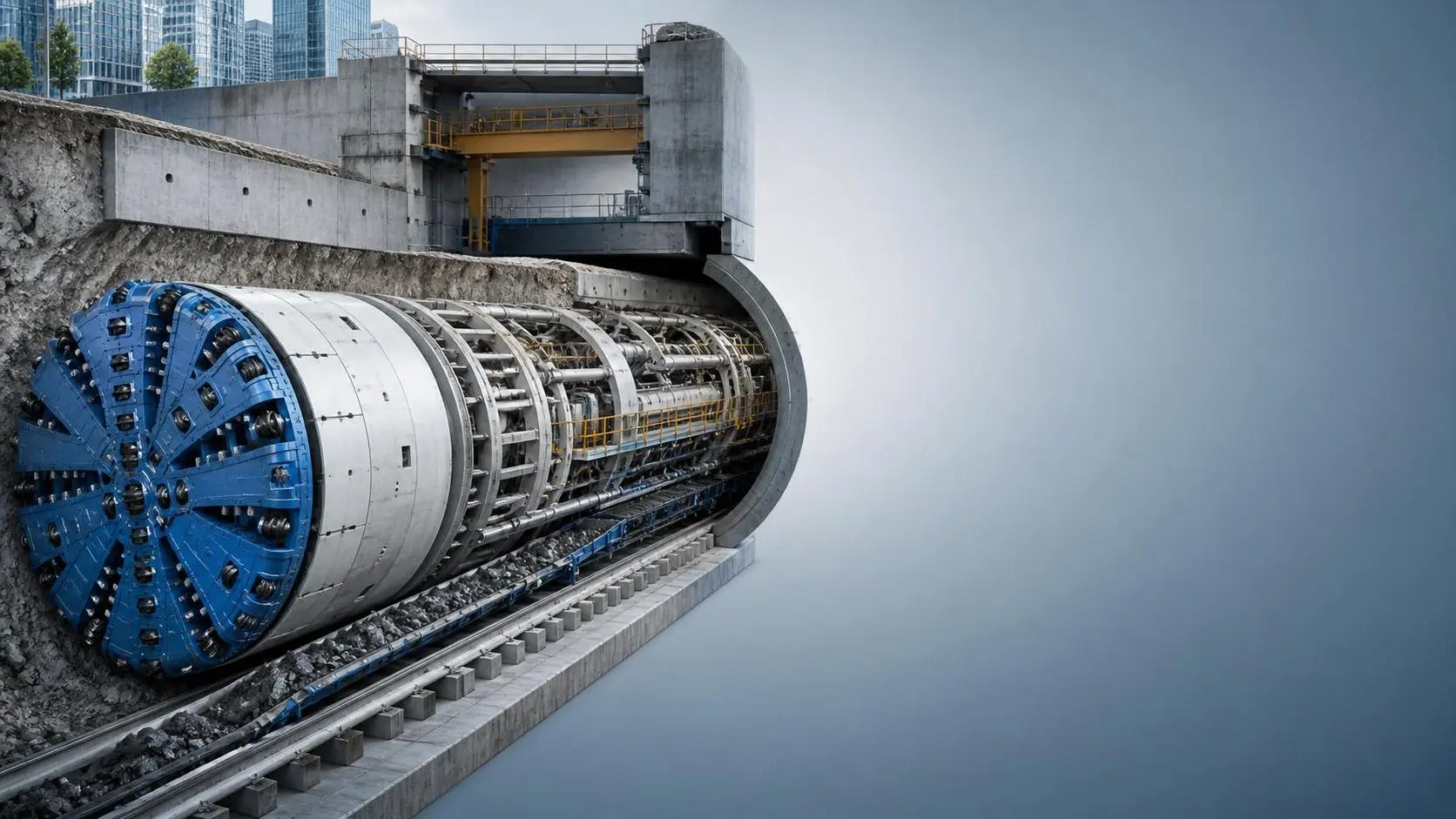
What Drives TBM Excavation Cost in Urban Tunneling Projects?
tbm excavation cost in urban tunneling depends on geology, shafts, segment lining, logistics, and risk. Discover the key cost drivers and compare bids with greater confidence.
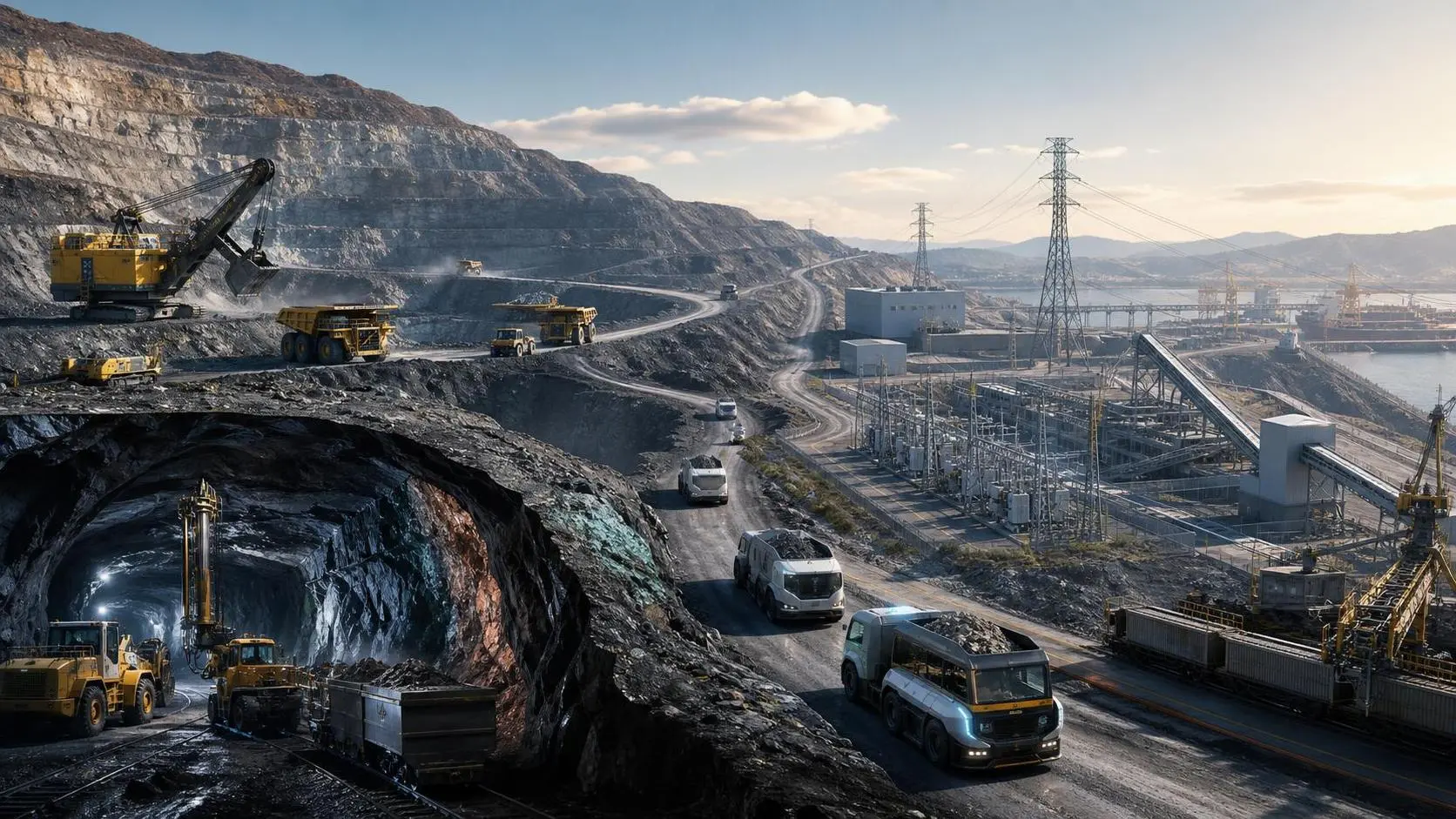
What Does Energy Metals Mining in Australia Mean for Supply, Cost, and Project Risk?
Energy metals mining Australia is reshaping supply, cost, and project risk. Discover what it means for buyers, investors, and operators.
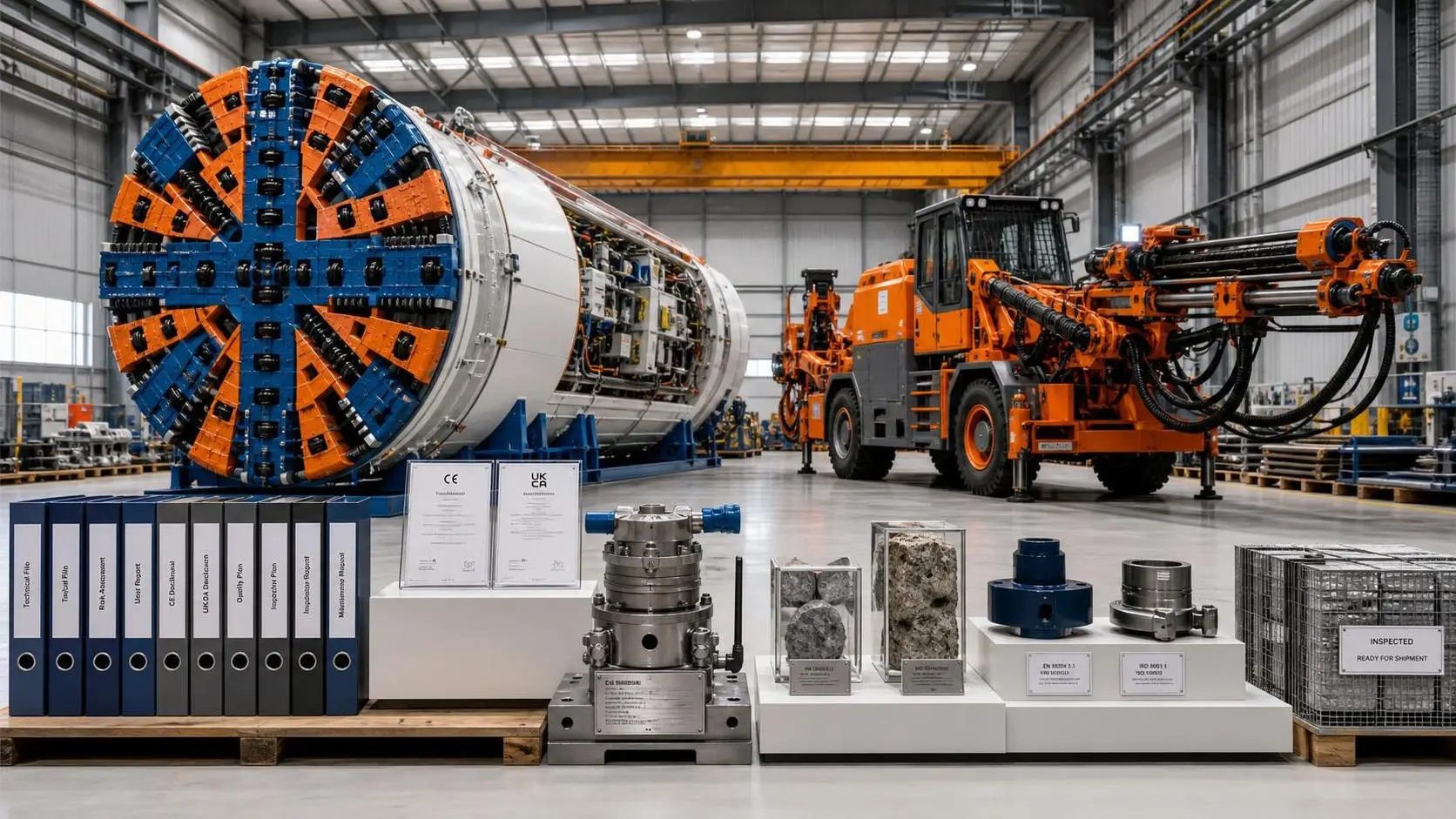
EU Eases Dual CE and UKCA Path for Chinese Tunnel Boring Equipment
EU eases CE and UKCA certification for Chinese tunnel boring equipment, cutting compliance time and helping importers move faster.
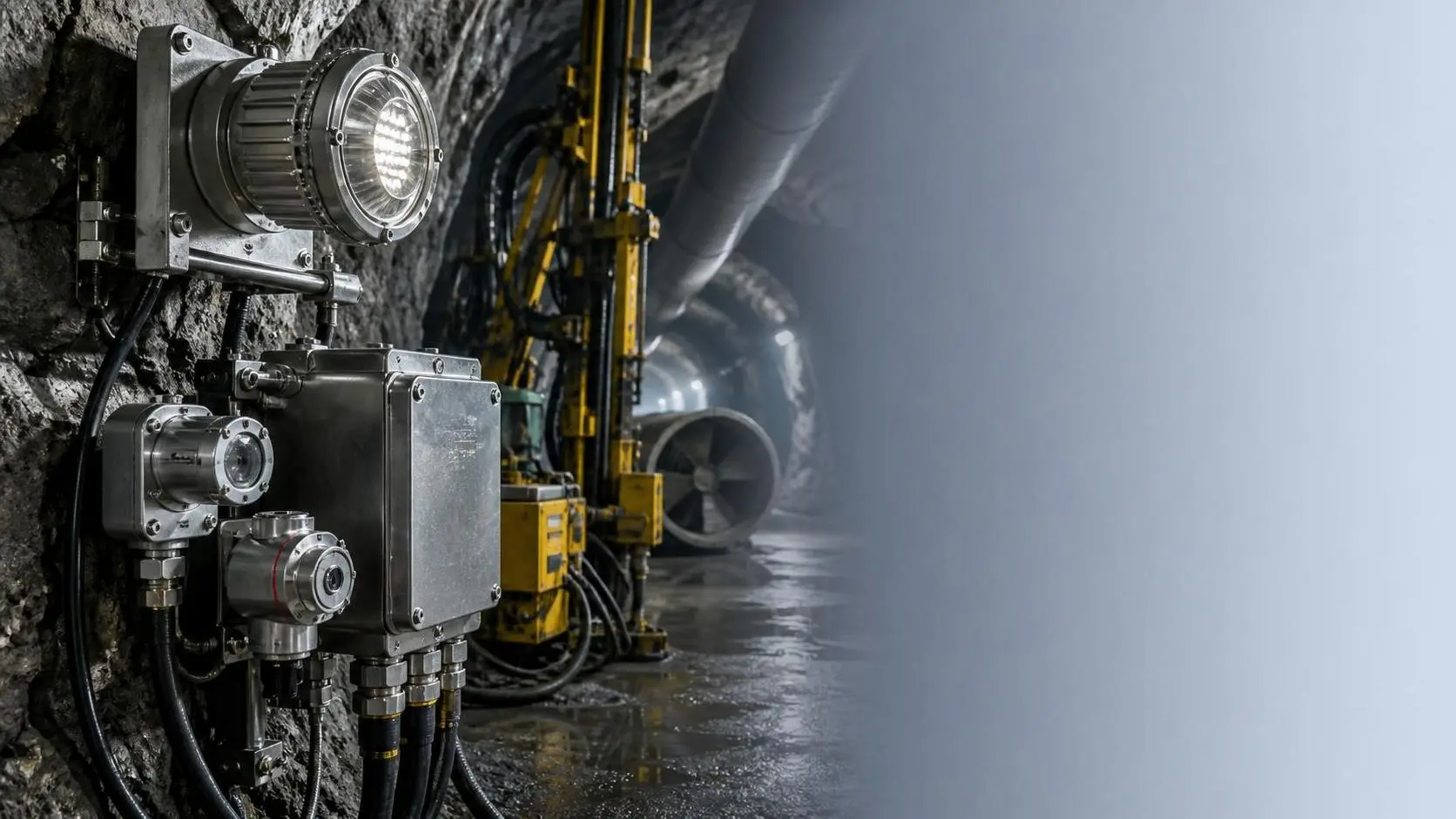
Flameproof Underground Safety Equipment: What Mine Teams Should Check Before Buying
Underground Safety Equipment flameproof buying guide: learn how mine teams should verify certification, durability, serviceability, and supplier support before purchase.
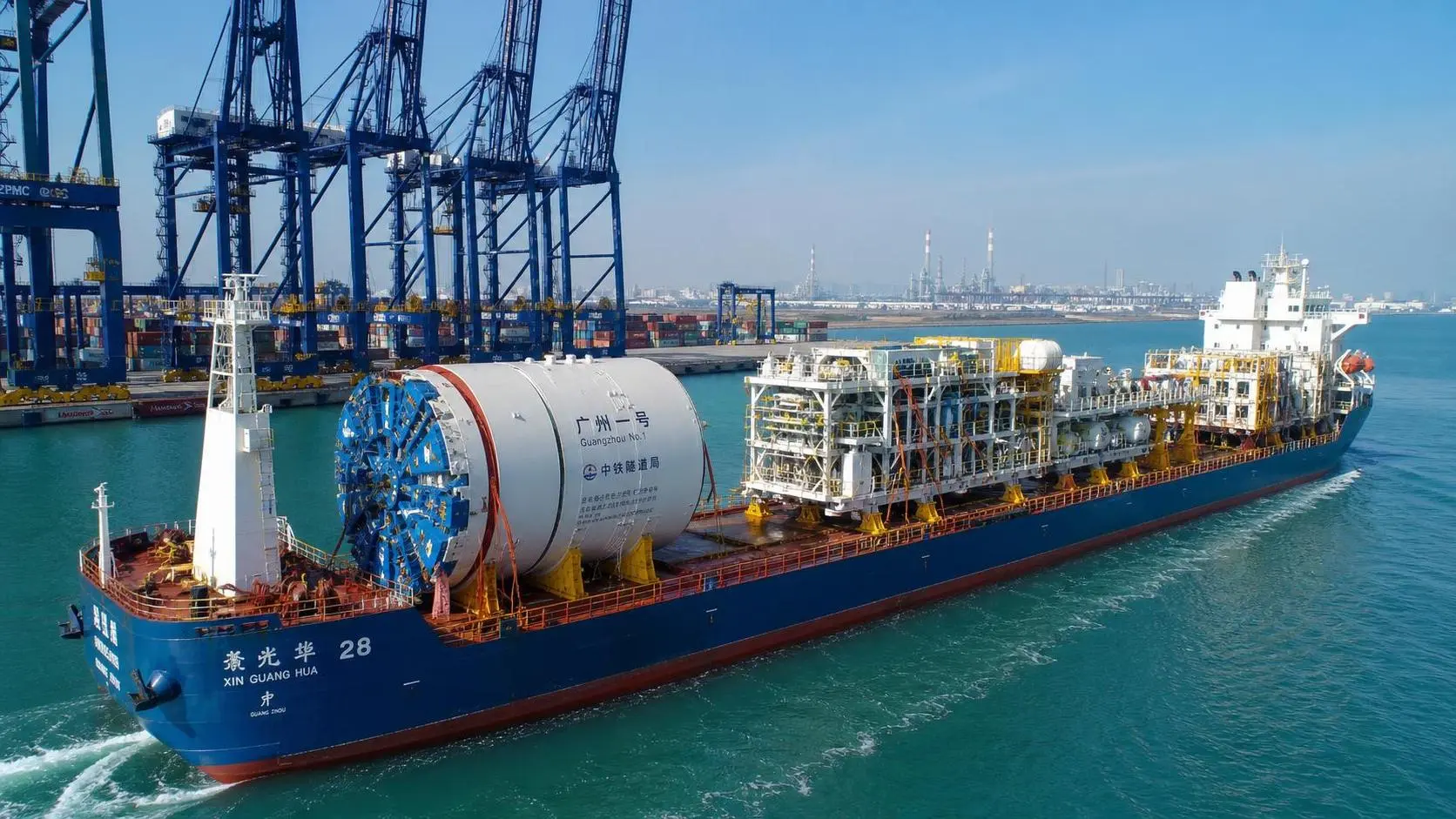
China-UAE Direct Sea Route Cuts TBM and Large Tunneling Equipment Lead Times
China-UAE direct sea route shortens TBM and large tunneling equipment lead times by 12–15 days, improving delivery predictability for major infrastructure projects. Read the full impact.
What Is a TBM Guidance System Gyroscope, and Why Does It Matter Underground?
TBM Guidance Systems gyroscope improves underground accuracy, reduces drift, and helps tunnel boring machines stay on line in harsh conditions.

China to Roll Out Nationwide Local and Foreign Currency Cash Pools for Multinationals on Sept. 14
China will roll out nationwide local and foreign currency cash pools for multinationals on Sept. 14, streamlining cross-border treasury management and boosting liquidity efficiency.
Related News
- 00
0000-00
How to Evaluate Articulated Dump Trucks Payload for Haul Road Conditions and Cycle Efficiency - 00
0000-00
How Pipe Fittings Material and Pressure Class Affect Water Line Selection - 00
0000-00
What Drives TBM Excavation Cost in Urban Tunneling Projects? - 00
0000-00
What Does Energy Metals Mining in Australia Mean for Supply, Cost, and Project Risk? - 00
0000-00
EU Eases Dual CE and UKCA Path for Chinese Tunnel Boring Equipment
Weekly Insights
Stay ahead with our curated technology reports delivered every Monday.