
Automated Battery Swapping Technology Explained: Workflow, Safety Interlocks, and Downtime Impact





Automated battery swapping technology is moving from pilot novelty to operational infrastructure in underground mining and tunnelling. Its appeal is practical: less idle time, steadier machine utilization, cleaner underground air, and more predictable energy logistics. For operations that depend on TBMs, drilling jumbos, electric mining trucks, and underground LHD loaders, the question is no longer whether electrification matters, but how power can be delivered without disrupting production.
That is why automated battery swapping technology deserves close attention. In confined, ventilation-sensitive environments, conventional charging can lock valuable assets in place for long periods. A swap-based architecture changes that equation by separating energy replenishment from the machine’s operating schedule, while automation and safety interlocks determine whether the system works reliably at industrial scale.
Why battery swapping has become a serious underground topic
In underground projects, energy strategy is now tied to productivity, ventilation cost, and ESG compliance. Zero-exhaust equipment reduces diesel particulates and heat load, but electrification only creates value when machine availability remains high.
UTMD tracks this shift across smart underground transport systems because power architecture influences the whole production chain. A battery decision affects loader dispatch, haul route timing, workshop design, electrical infrastructure, and digital fleet control.
The strongest demand is visible where stop-and-go cycles are costly. Underground LHD loaders are a prime example, but similar logic appears in tunnelling support fleets, auxiliary carriers, and certain mining truck operations where dwell time directly cuts output.
What automated battery swapping technology actually means
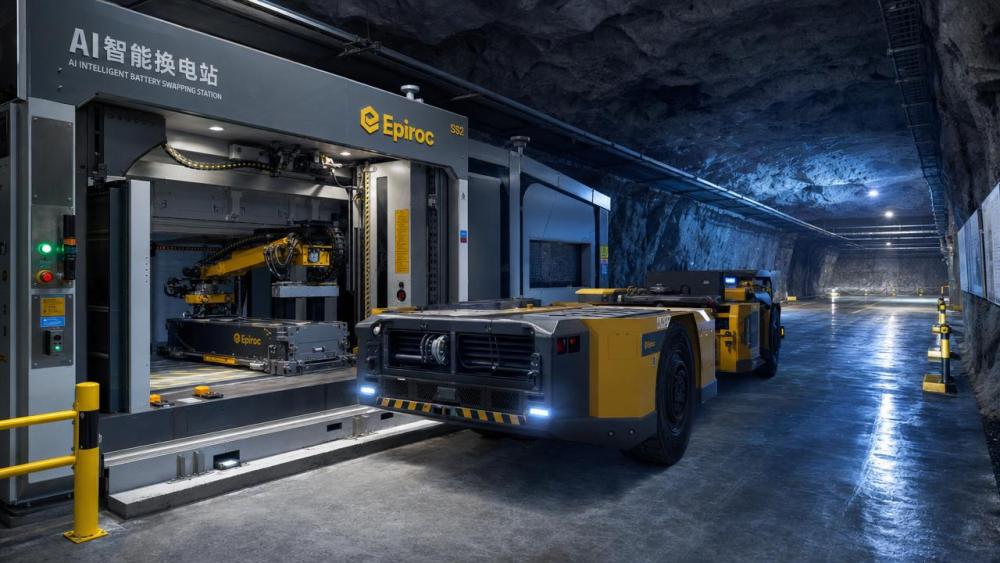
At its core, automated battery swapping technology is a coordinated system, not just a robotic exchange station. It combines machine interface design, battery pack standardization, guidance controls, lock verification, charging management, thermal monitoring, and software orchestration.
The machine arrives at a swap bay with a depleted pack. Positioning systems align the vehicle. Mechanical devices release the battery, transfer it out, insert a charged unit, confirm secure locking, validate electrical connections, and clear the machine for return to duty.
In a well-designed setup, the operator does not manually handle high-voltage components. The swap station, vehicle control system, and battery management system act as one coordinated environment. That integration is what distinguishes a true automated process from a simple assisted exchange.
The workflow behind a typical swap cycle
Although layouts vary by mine and OEM, the workflow usually follows a recognizable sequence.
- Vehicle identification and state check before entering the swap zone.
- Guided positioning using sensors, markers, or autonomous docking logic.
- Isolation of traction power and confirmation of safe system status.
- Mechanical unlocking and controlled pack extraction.
- Insertion of a charged battery and fastening verification.
- Electrical handshake, diagnostics, and permission to restart movement.
Each step matters because the swap itself is only one part of the cycle. Real productivity depends on approach speed, queue discipline, data exchange, and how quickly the machine can return to the face or haul route.
Safety interlocks are the difference between concept and deployment
Safety interlocks are often discussed as a compliance feature, but in practice they are a productivity feature as well. Without robust interlocks, swap events become slower, riskier, and harder to standardize.
A credible automated battery swapping technology platform usually includes layered protection. Mechanical, electrical, software, and environmental checks should all work together rather than depend on a single signal.
More mature systems also log every interlock event. That history becomes valuable during fleet optimization, failure analysis, and insurance or regulatory review.
Downtime impact is broader than the swap duration
One common mistake is to compare swap time only against charging time. The better comparison is total operational delay across the full duty cycle. That includes travel to the energy point, queue time, battery cooling or inspection delay, and restart readiness.
A fast swap does not automatically mean better output. If the station is poorly located, if pack inventory is too small, or if charging turnaround is mismatched to fleet demand, the bottleneck simply moves.
Where the real gains usually appear
- Higher asset utilization during multi-shift operations.
- More stable cycle times on repetitive haul and load tasks.
- Reduced need for oversizing the fleet to cover charging downtime.
- Better separation between energy service and production windows.
- Lower ventilation burden compared with diesel alternatives.
For UTMD’s coverage areas, this is especially relevant in deep mines and long underground developments. There, small delays propagate quickly across drilling, mucking, hauling, and support logistics.
Where automated battery swapping technology fits best
Not every machine or site benefits equally. Automated battery swapping technology tends to deliver the strongest case where duty cycles are intense, routes are predictable, and production losses from idle equipment are easy to quantify.
In other words, the best fit is usually operationally repetitive rather than merely electrified. That distinction helps avoid overestimating the value of automated battery swapping technology in mixed or irregular fleets.
What to check before treating a swap system as scalable
A sound evaluation goes beyond brochure metrics. The critical issue is whether the system remains stable when utilization rises, conditions worsen, and maintenance intervals stretch.
Useful questions during assessment
- How many swaps can be completed per shift without queue build-up?
- What happens after a misalignment, lock fault, or damaged connector?
- Can the station handle dust, water ingress, and floor irregularity?
- How is battery health balanced across the pack pool?
- Which data points integrate with fleet management and maintenance systems?
- What redundancy exists if one swap bay becomes unavailable?
It also helps to review the surrounding ecosystem. Charging rooms, spare battery inventory, cooling strategy, software diagnostics, and technician access can determine success more than the robot motion itself.
This is where UTMD’s intelligence lens is useful. In underground engineering, reliability is rarely a single-machine property. It emerges from the interaction between rock conditions, fleet design, infrastructure, and digital control layers.
A practical next step for evaluation
The most useful way to assess automated battery swapping technology is to map it against a real production sequence. Start with duty cycle data, energy consumption, travel paths, shift timing, and current idle losses. Then compare swap architecture against static charging, opportunity charging, or hybrid approaches.
A good decision framework should connect workflow speed, safety interlocks, battery pool sizing, station uptime, and ventilation effects. If those factors are measured together, the value of automated battery swapping technology becomes much clearer and far less speculative.
For underground fleets heading toward electrification, the next judgment is not simply whether swapping is available. It is whether the full system can protect uptime under real operating pressure, and whether that performance holds as the mine or project scales.
Related News
How to Evaluate European Drill-and-Blast Tunnelling Contractors for Complex Projects
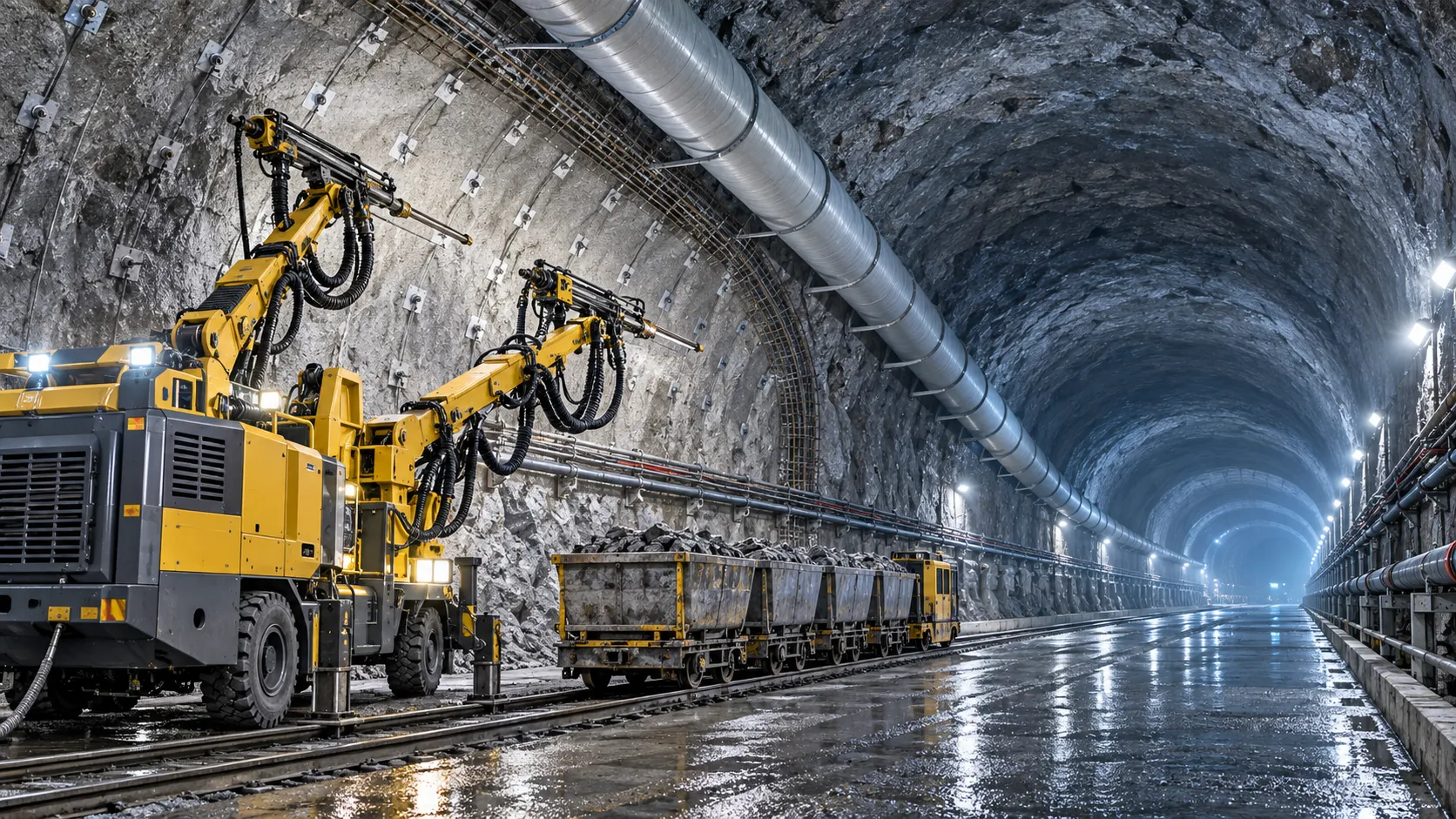
Drill and blast tunnelling contractors Europe: learn how to assess geology expertise, blast control, equipment reliability, safety, and programme resilience for complex projects.
Which Trenchless Construction Technique Fits Your Utility Crossing Conditions?
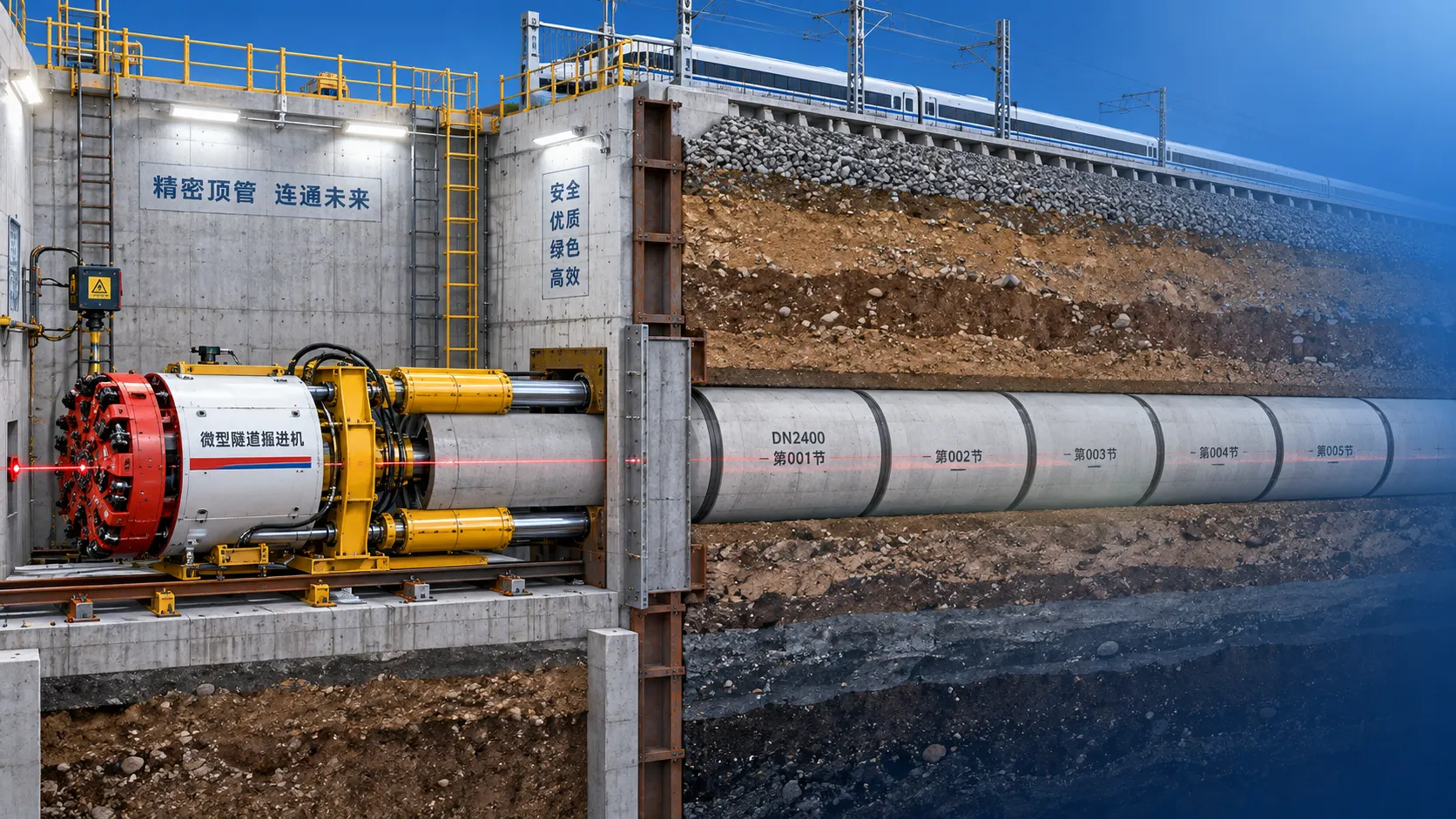
Trenchless construction techniques compared for utility crossings: choose HDD, microtunnelling, pipe jacking, or auger boring based on ground, accuracy, access, and risk.
What Is Driving Metro Tunnelling Demand Across Southeast Asia’s Major Cities?
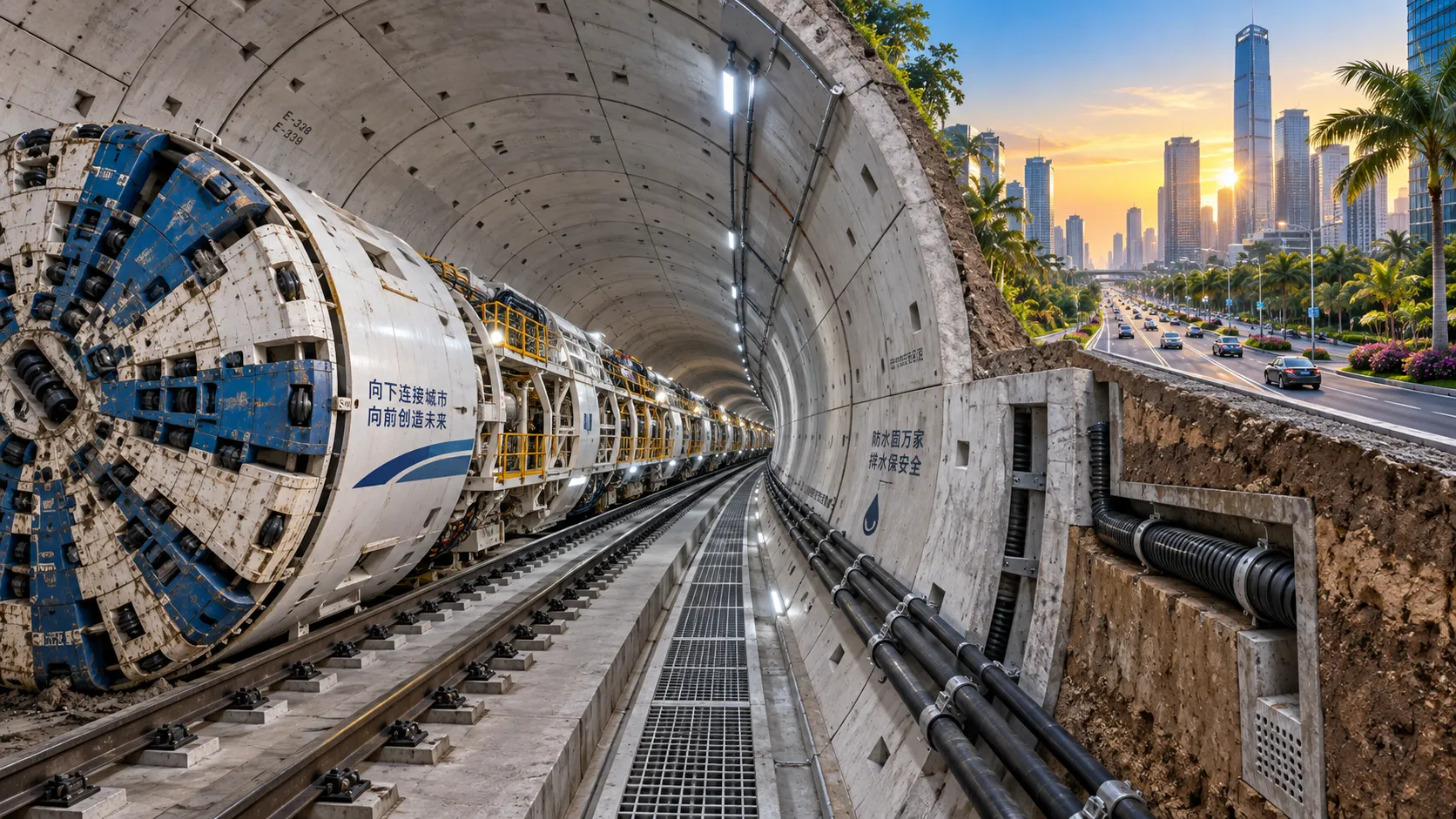
Metro tunnelling Southeast Asia is accelerating as major cities tackle congestion, flooding, and connectivity. Explore the market forces, technical risks, and opportunities shaping demand.
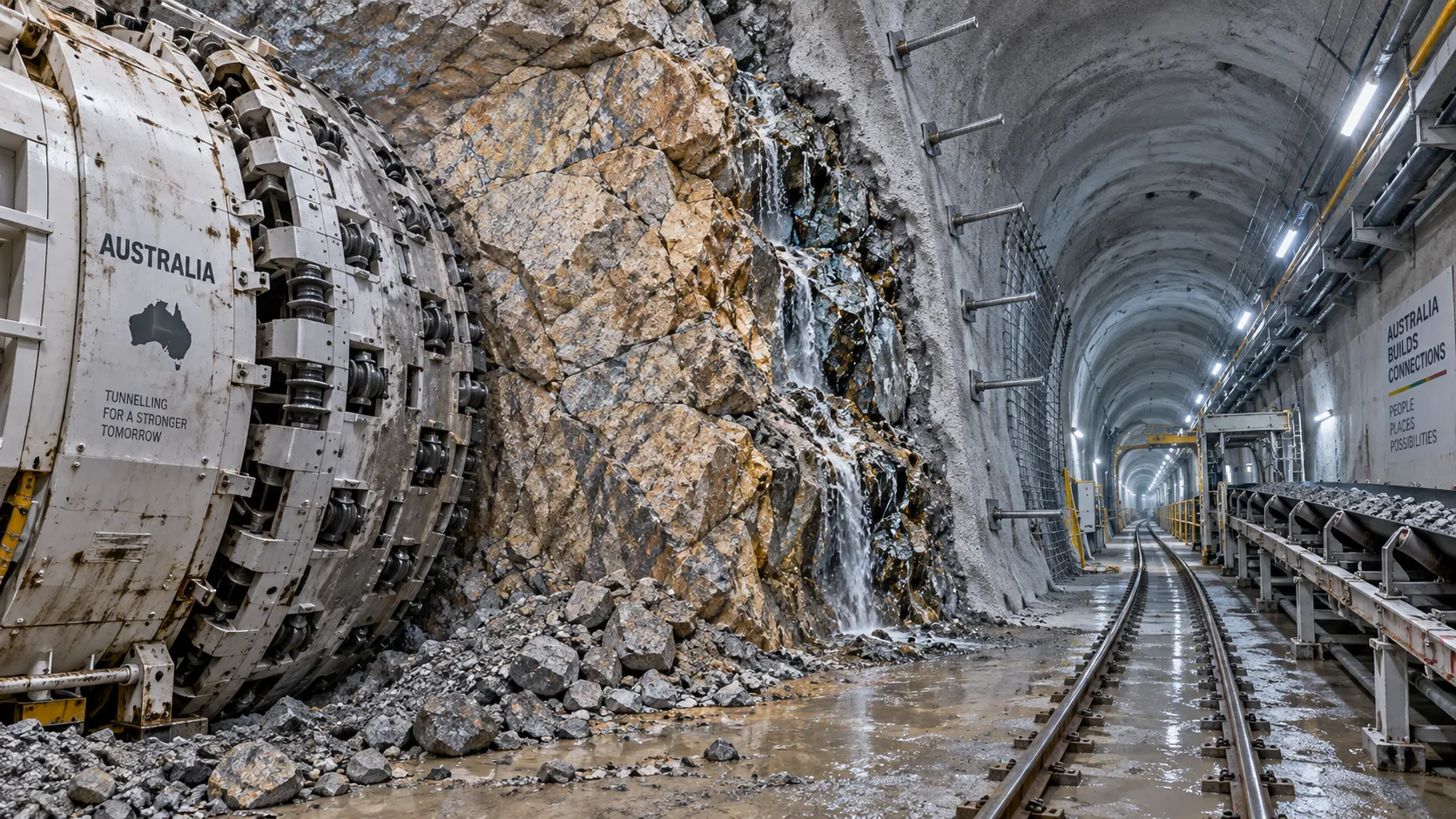
Hard Rock Tunnelling in Australia: Selecting Methods for Variable Ground Conditions
Hard rock tunnelling in Australia: compare TBM, drill-and-blast and hybrid methods to manage variable ground, reduce risk and protect project costs.
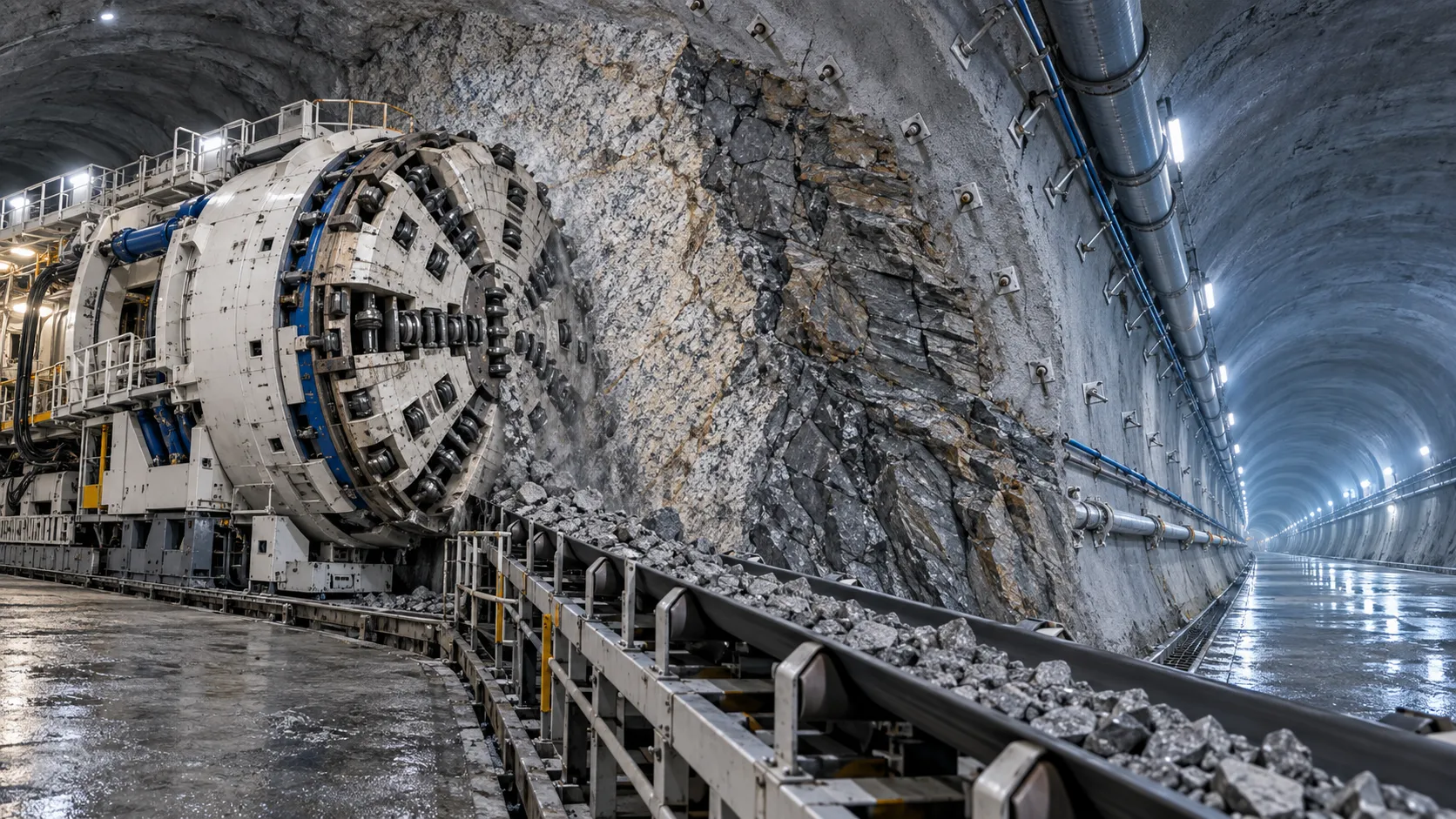
Hydropower Tunnel Excavation: Selecting Methods for Variable Rock Conditions
Hydropower tunnel excavation methods for variable rock conditions: compare TBM, drill-and-blast, and hybrid strategies to improve safety, progress, and project control.
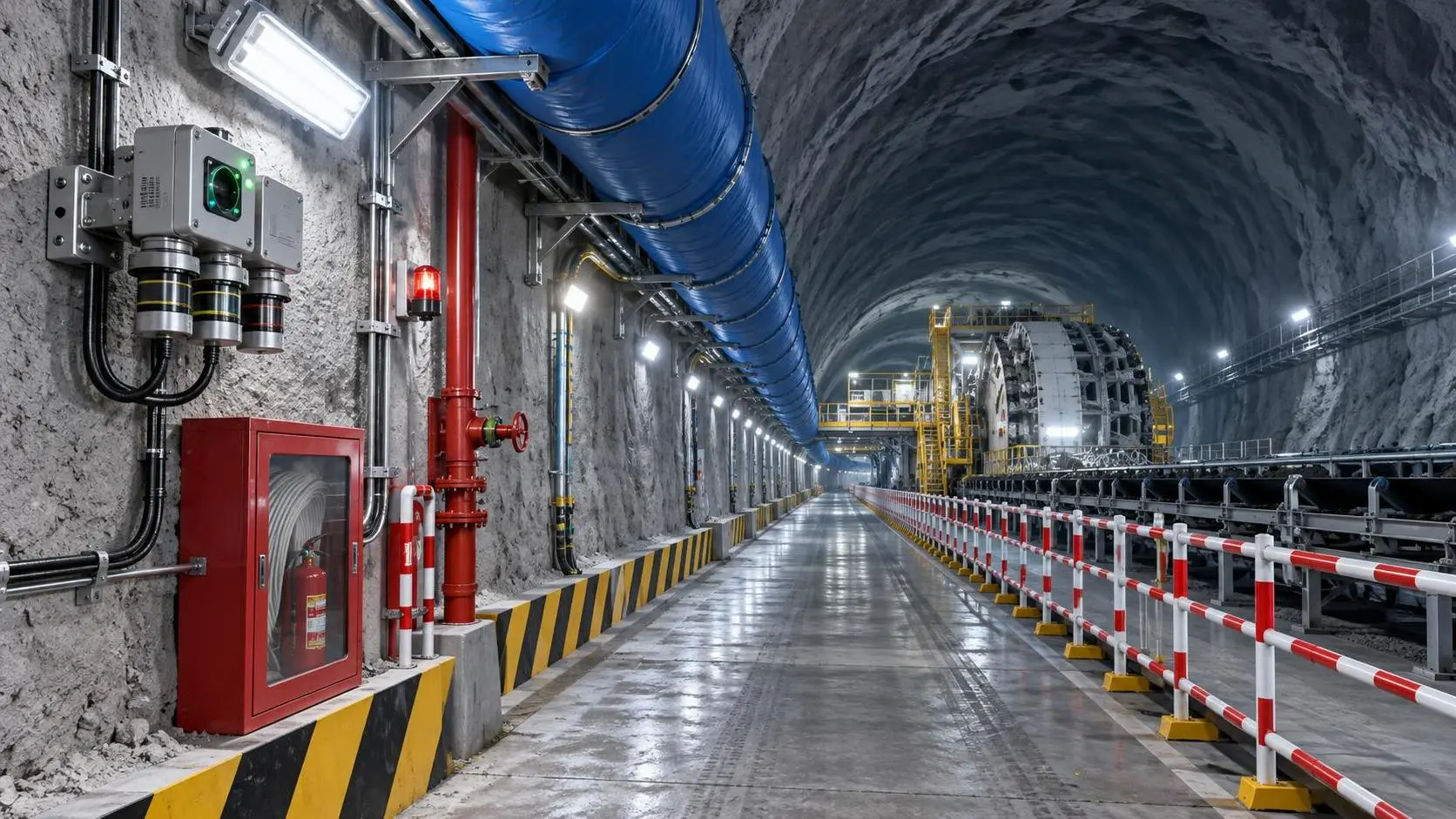
How to Select Underground Safety Equipment for Tunnelling by Hazard and Work Zone
Underground Safety Equipment for tunnelling: match protection to hazards, work zones, compliance, and emergency needs with this practical selection guide.
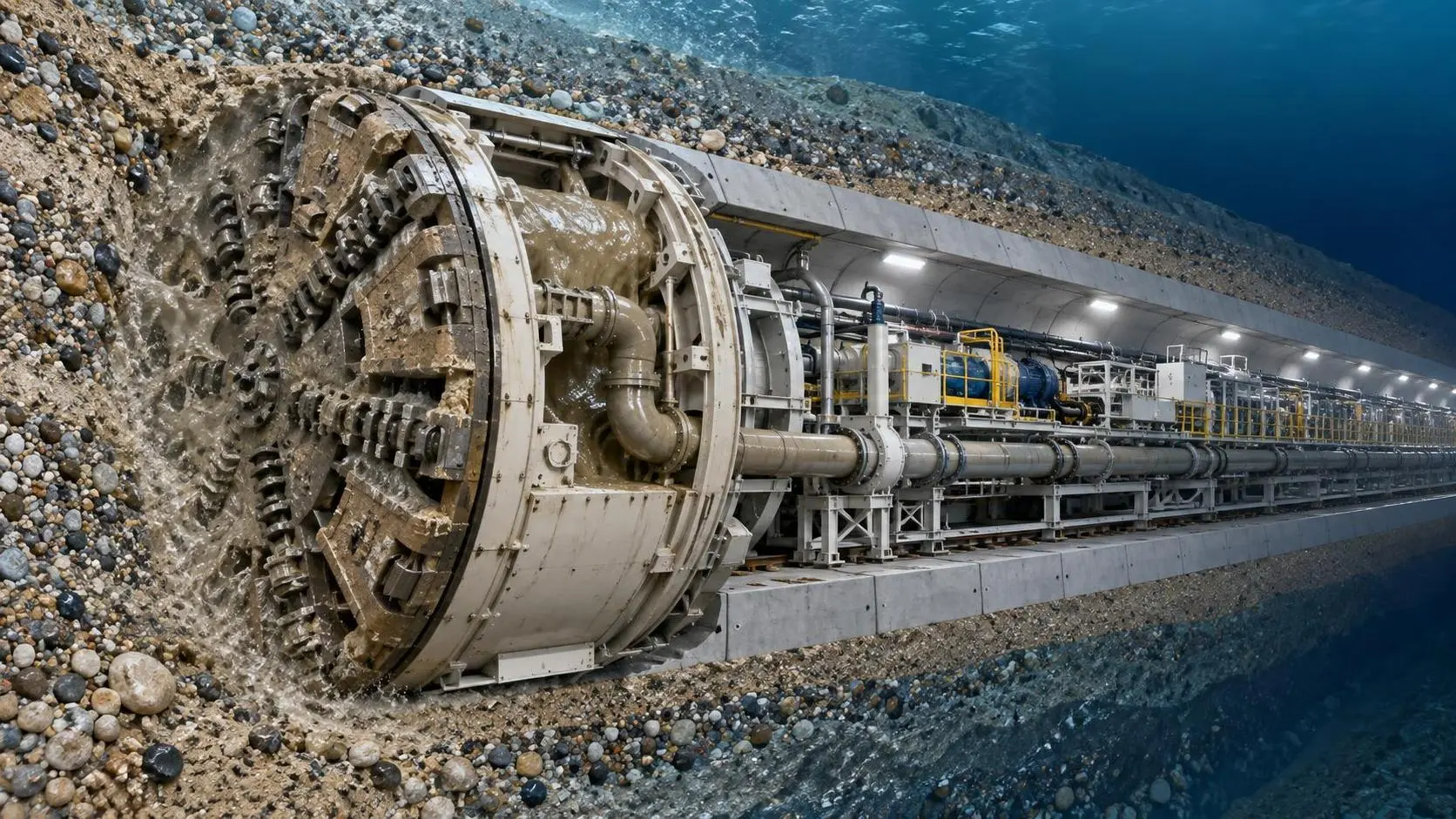
EPB or Slurry Shield? Selecting Soft-Ground Tunnelling Equipment by Soil Conditions
Tunnel Excavation Equipment for soft ground: compare EPB and slurry shields by soil, groundwater, settlement risk, and project logistics to choose confidently.
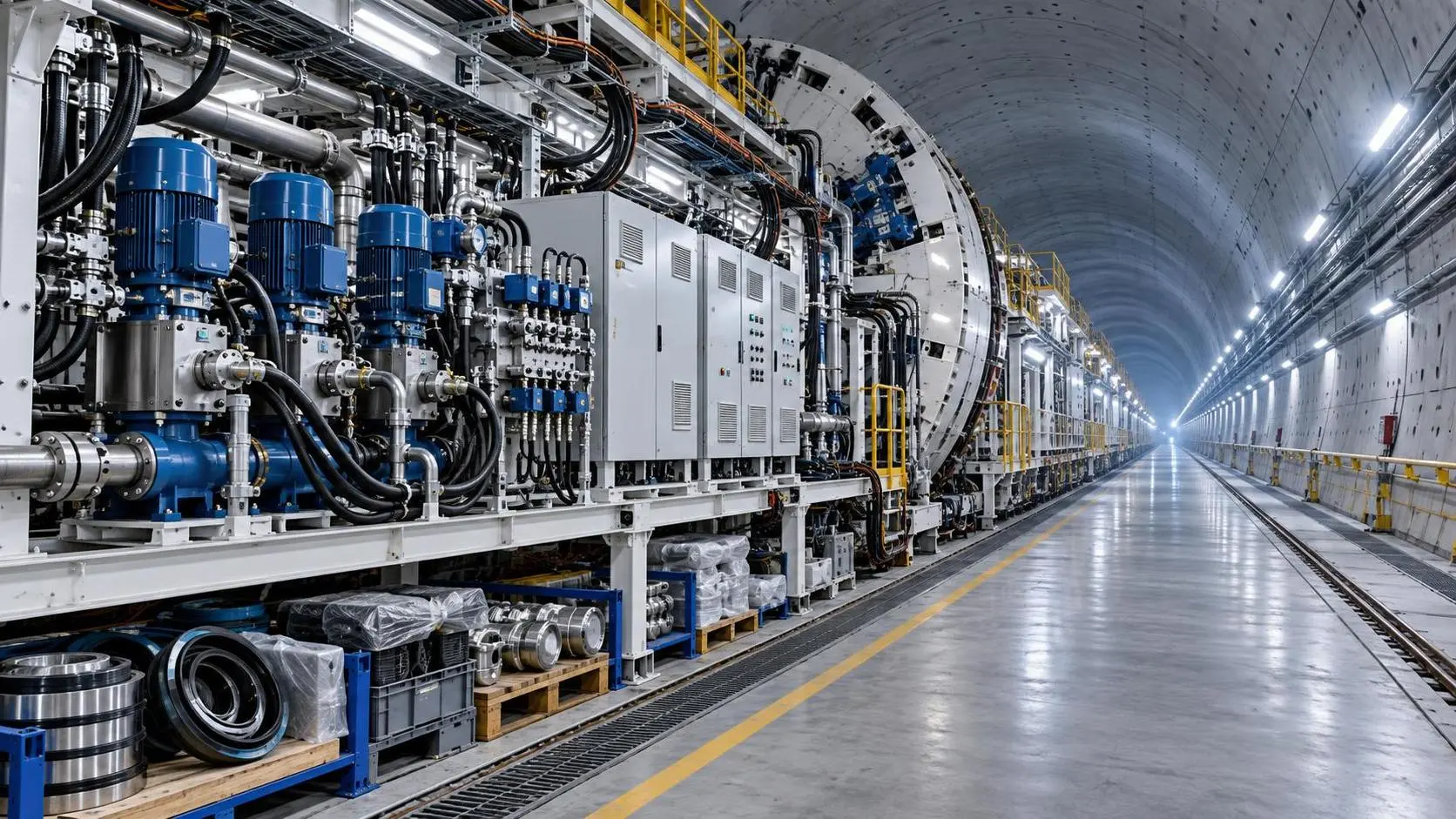
How to Specify TBM Backup System Parts for Reliable Long-Distance Tunnelling
TBM backup system parts: learn how to specify reliable spares for long-distance tunnelling, reduce downtime, ensure compatibility, and speed underground recovery.
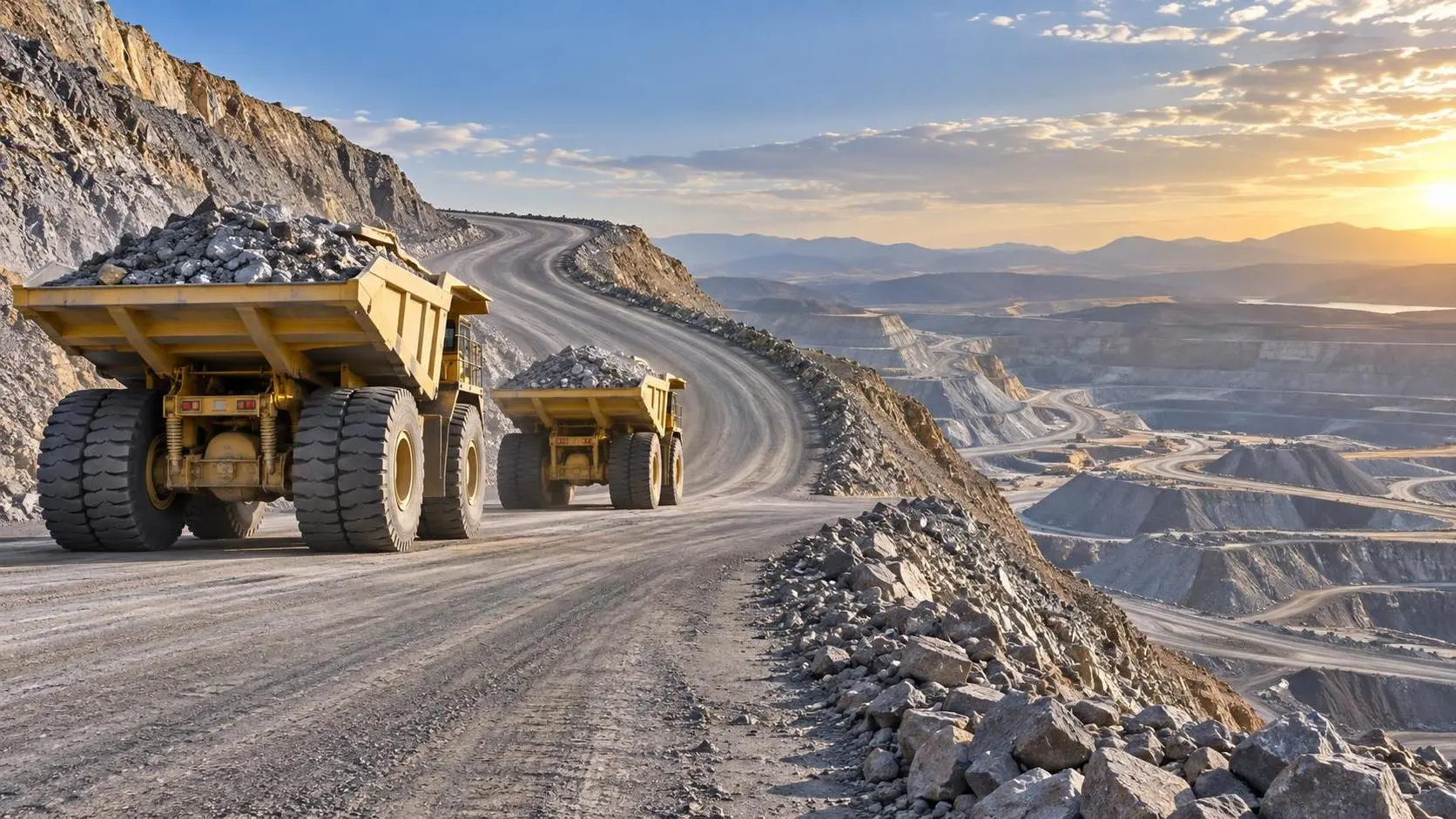
How to Size Open Pit Mining Trucks for Haul Distance, Grade, and Payload?
Open Pit Mining Trucks: learn how to match payload, haul distance, grade, road resistance, and loading capacity for safer, lower-cost mine operations.
Related News
- 00
0000-00
How to Evaluate European Drill-and-Blast Tunnelling Contractors for Complex Projects - 00
0000-00
Which Trenchless Construction Technique Fits Your Utility Crossing Conditions? - 00
0000-00
What Is Driving Metro Tunnelling Demand Across Southeast Asia’s Major Cities? - 00
0000-00
Hard Rock Tunnelling in Australia: Selecting Methods for Variable Ground Conditions - 00
0000-00
Hydropower Tunnel Excavation: Selecting Methods for Variable Rock Conditions
Weekly Insights
Stay ahead with our curated technology reports delivered every Monday.