
Smart Mines Technology Solutions: Where Automation Delivers Measurable Value Underground





Where Smart Mines technology solutions create value first
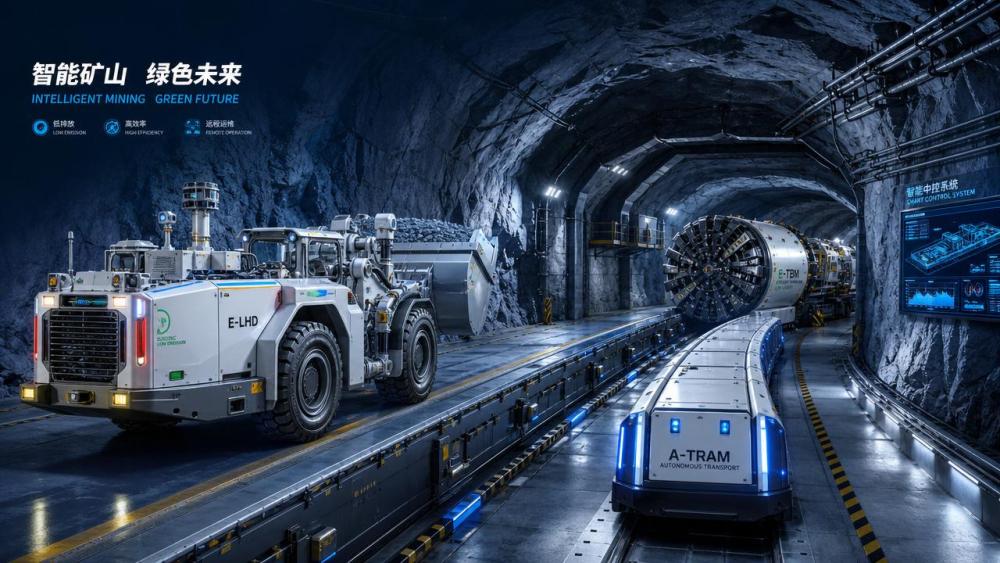
Smart Mines technology solutions matter most where underground complexity turns small delays into expensive stoppages.
That usually means deep mines, high-utilization tunnels, and transport routes where ventilation, energy, and safety are tightly linked.
In practical terms, value does not come from automation alone.
It comes from matching sensing, electrification, remote operation, and machine reliability to the geology, haul profile, and operating rhythm underground.
That is why the discussion around Smart Mines technology solutions has moved beyond digital dashboards.
The real question is which systems perform under rock stress, poor visibility, restricted airflow, and constant production pressure.
UTMD follows this shift closely across TBM operations, trenchless projects, drilling jumbos, mining dump trucks, and underground LHD fleets.
Its intelligence lens is useful because underground equipment is judged by uptime, wear behavior, energy efficiency, and control stability, not by software claims alone.
Actual demand changes when the underground setting changes
Different sites ask different things from Smart Mines technology solutions, even when the equipment category looks similar on paper.
A hard-rock tunnel with disc cutter wear issues has little in common with a battery LHD route shaped by tight turning radii and heat buildup.
A pipe jacking project inside a dense city also judges value differently from a copper mine expanding several levels deeper.
The first may prioritize low disturbance, precise alignment, and live condition tracking.
The second usually focuses on zero-exhaust haulage, remote visibility, fleet coordination, and predictable maintenance windows.
This is where UTMD’s cross-sector perspective becomes relevant.
By connecting tunnelling mechanics, autonomy logic, and electrified haulage, it shows why one site needs robust SLAM performance while another needs stronger braking energy recovery.
A short comparison helps clarify the difference
In deep mine haulage, the strongest gains often come from cleaner transport
One of the clearest use cases for Smart Mines technology solutions is underground haulage in confined, repetitive routes.
Here, diesel replacement is not only an emissions story.
It directly affects ventilation demand, thermal load, operator exposure, and the total amount of productive time available per shift.
Battery-swapping LHDs and remote 5G control can create measurable value when loading points are stable and traffic rules are well defined.
The benefit becomes weaker where route geometry changes daily or where communications infrastructure is inconsistent.
That distinction matters more than headline automation levels.
A common mistake is to compare diesel and electric fleets only through acquisition cost.
In reality, the better comparison includes airflow savings, reduced idle time, battery logistics, tire wear, and maintenance access underground.
When UTMD tracks mine electrification, this wider operating picture is exactly where Smart Mines technology solutions show durable value.
TBM and trenchless projects need intelligence, but not the same kind
TBM environments often reward Smart Mines technology solutions that improve process continuity rather than visible autonomy.
If disc cutter wear changes faster than expected, production losses start long before a major failure appears.
That is why rock-cutting mechanics, torque behavior, slurry balance, and segment installation rhythm need to be read together.
For full-face excavation, useful intelligence is often predictive and mechanical at the same time.
Pipe jacking projects are different.
They usually operate under tighter urban constraints, where alignment accuracy, settlement control, and low surface disruption shape every equipment decision.
In that context, Smart Mines technology solutions work best when they support precise navigation, live intervention, and faster diagnosis of deviation risks.
The underlying rule is simple: tunnelling intelligence should follow the dominant failure mode of the project, not a generic digital checklist.
Useful indicators before deployment
- Check whether geology variation is the main source of instability or whether logistics and crew coordination are the larger constraint.
- Confirm if sensor data can be converted into maintenance action quickly enough to prevent stoppages.
- Map connectivity blind spots before relying on remote or semi-autonomous functions.
- Review spare parts, cutter replacement intervals, and service skills at the same time as software capability.
Open-pit trucks and underground loaders should not share the same logic
It is easy to group all mine mobility under one automation strategy, but the operating logic is different.
Large mining dump trucks work in broader cycles, longer distances, and more predictable traffic patterns.
That makes autonomous driving, fleet dispatch, and regenerative braking analysis especially relevant on downhill hauls.
Underground LHDs, by contrast, deal with narrower headings, changing faces, and lower-margin visibility.
Here, Smart Mines technology solutions need faster environmental perception and stronger tolerance for dust, signal reflection, and route interference.
UTMD’s attention to SLAM algorithms reflects this difference.
A navigation model that works well on a broad haul road may not remain accurate inside a deep, irregular drift.
More often than not, the smarter decision is to standardize principles, then localize execution by equipment class.
Where projects misread fit and lose value
Misjudgment usually starts when Smart Mines technology solutions are treated as a feature package instead of an operating model.
One frequent issue is copying a successful deployment from another mine without checking gradient, moisture, service support, or ventilation assumptions.
Another is overvaluing a control interface while underestimating mechanical wear in rock-contact tools.
In TBM work, that can mean missing early warning signs tied to cutter friction and ground response.
In electric haulage, it often means forgetting charging or swapping choreography during shift changes.
There is also a softer risk.
If data ownership, maintenance accountability, and response thresholds are unclear, even good Smart Mines technology solutions become difficult to trust.
Reliable adoption underground depends on process discipline as much as on machine intelligence.
A practical adaptation checklist
- Define the critical bottleneck first: cutting, hauling, ventilation, navigation, or maintenance turnaround.
- Measure value by cycle time stability, downtime reduction, energy intensity, and safety exposure together.
- Separate pilot success from full-route scalability, especially in deep or expanding workings.
- Verify that the digital layer matches available service capability in harsh underground conditions.
What to review before the next investment decision
The strongest Smart Mines technology solutions are usually the ones that fit the site’s dominant constraint and still hold value as the operation changes.
That is why the next step should be a structured comparison of underground conditions, equipment duty cycles, and data-to-action speed.
It helps to review TBM wear patterns, LHD route stability, truck energy recovery potential, and communication reliability in one decision frame.
UTMD’s broader view of mega tunnels, trenchless works, and smart mine transport is valuable precisely because these systems increasingly overlap in method, even when the equipment differs.
Before moving forward, clarify the operating scenario, confirm the limiting condition, and test whether the proposed Smart Mines technology solutions improve reliability as much as productivity.
That is where measurable underground value usually begins.
Related News
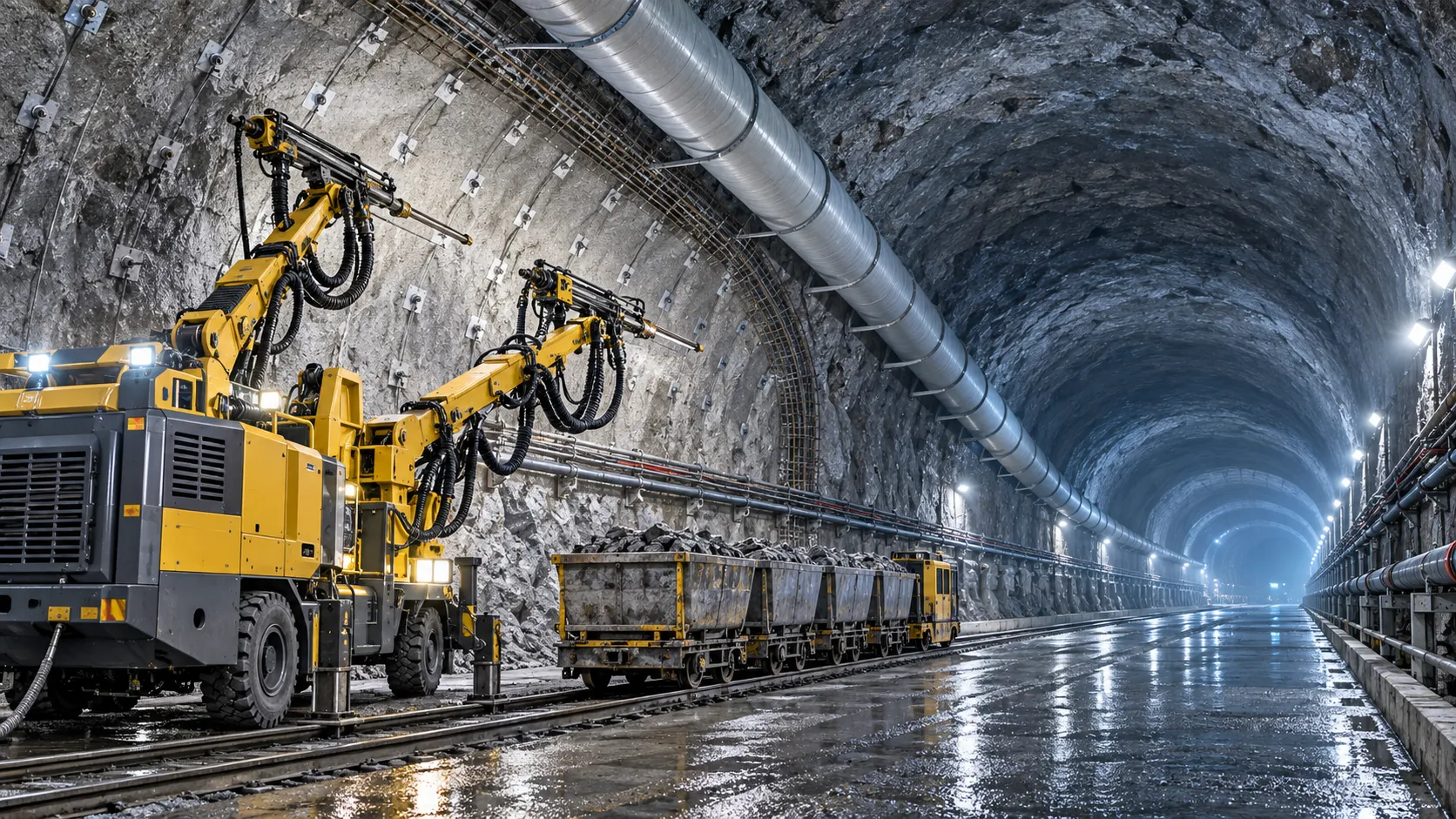
How to Evaluate European Drill-and-Blast Tunnelling Contractors for Complex Projects
Drill and blast tunnelling contractors Europe: learn how to assess geology expertise, blast control, equipment reliability, safety, and programme resilience for complex projects.
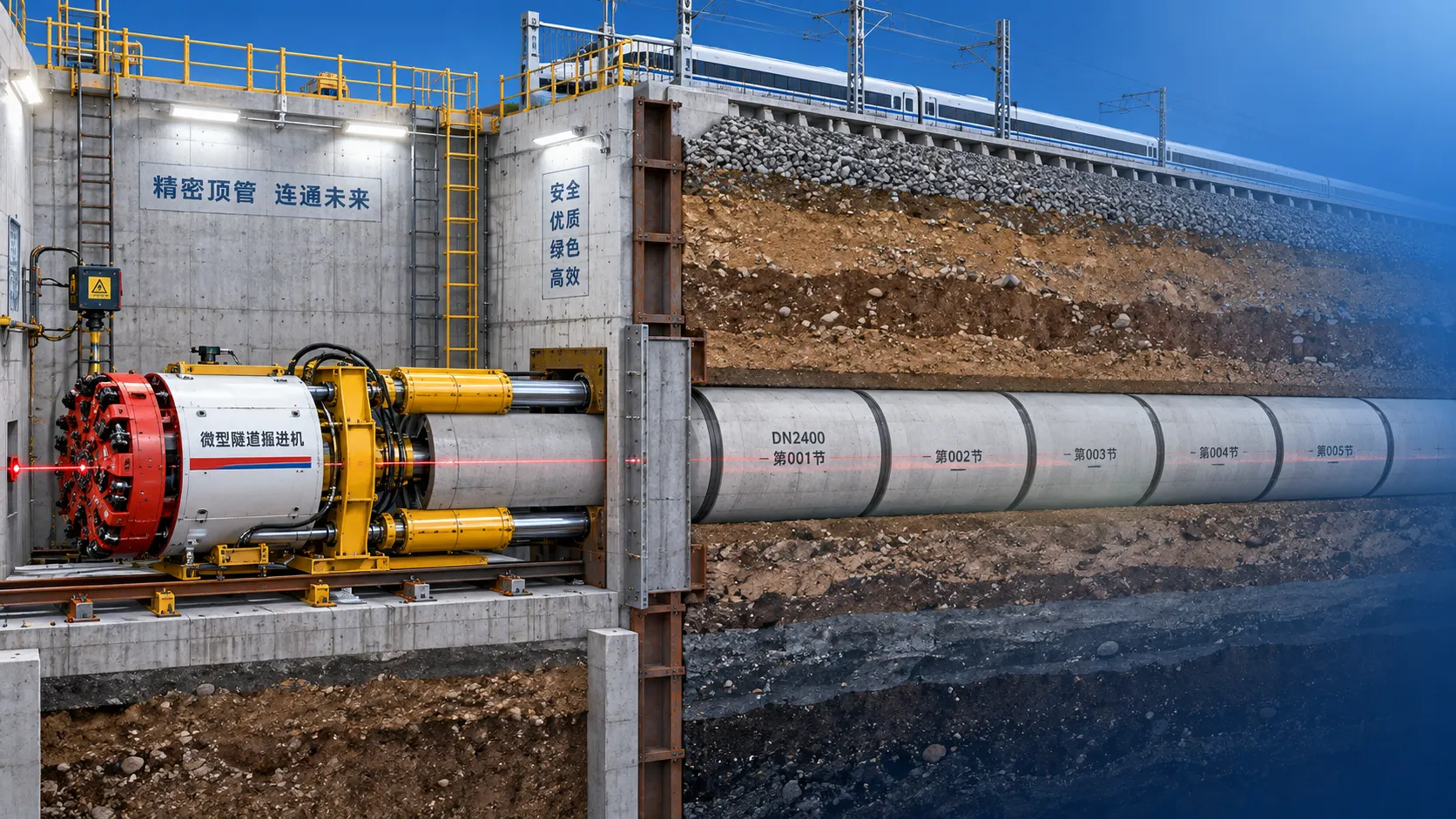
Which Trenchless Construction Technique Fits Your Utility Crossing Conditions?
Trenchless construction techniques compared for utility crossings: choose HDD, microtunnelling, pipe jacking, or auger boring based on ground, accuracy, access, and risk.
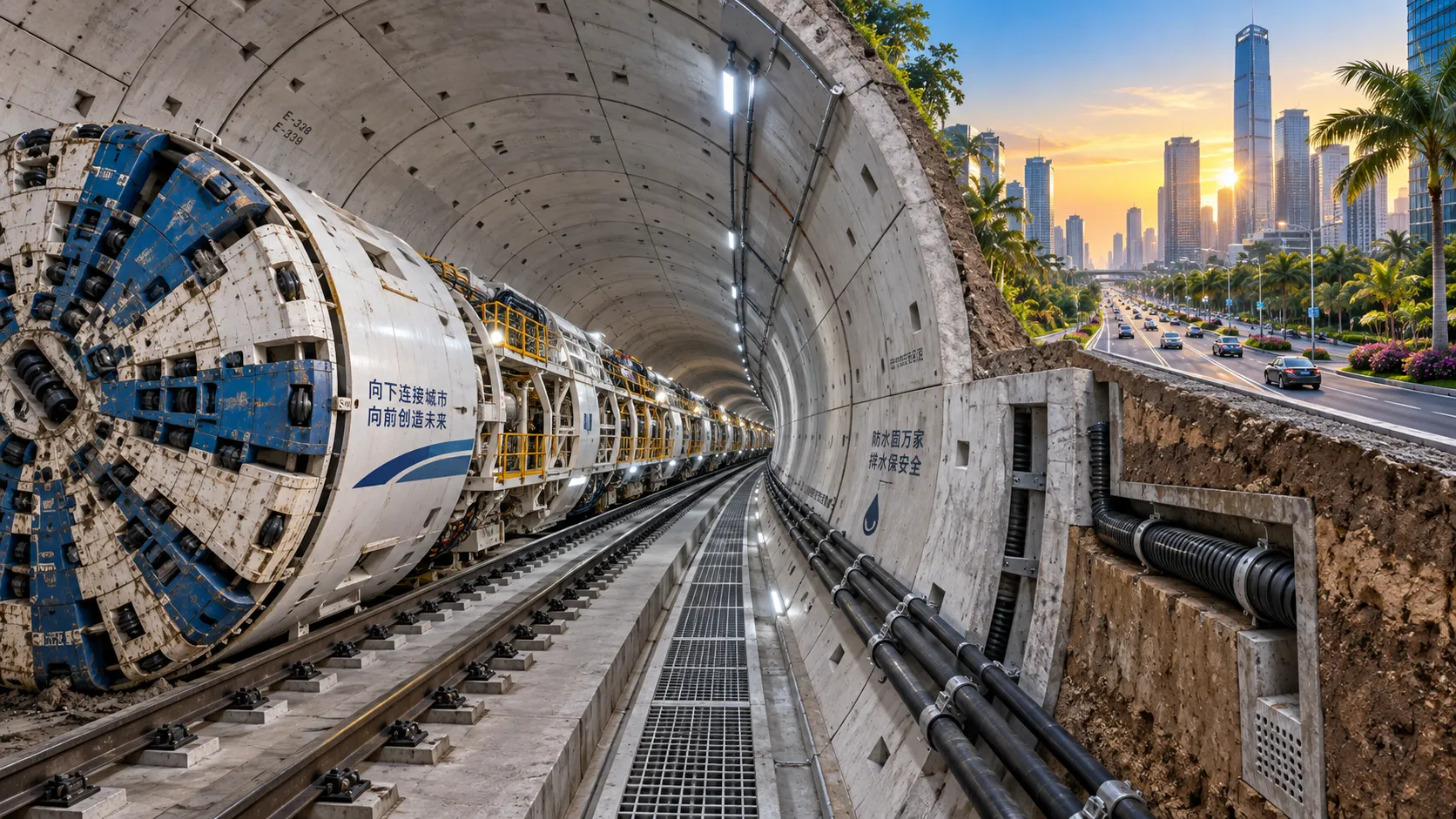
What Is Driving Metro Tunnelling Demand Across Southeast Asia’s Major Cities?
Metro tunnelling Southeast Asia is accelerating as major cities tackle congestion, flooding, and connectivity. Explore the market forces, technical risks, and opportunities shaping demand.
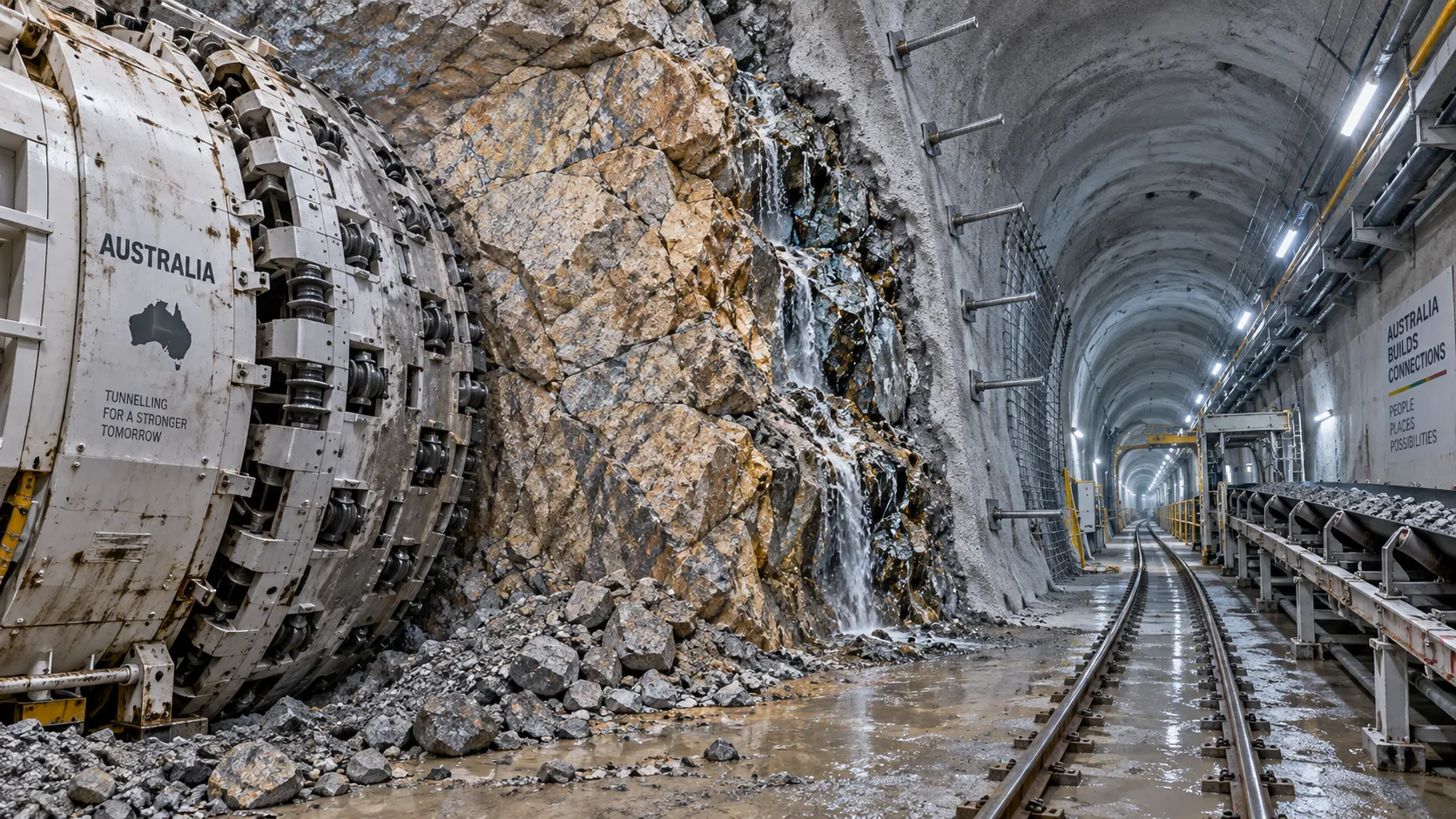
Hard Rock Tunnelling in Australia: Selecting Methods for Variable Ground Conditions
Hard rock tunnelling in Australia: compare TBM, drill-and-blast and hybrid methods to manage variable ground, reduce risk and protect project costs.
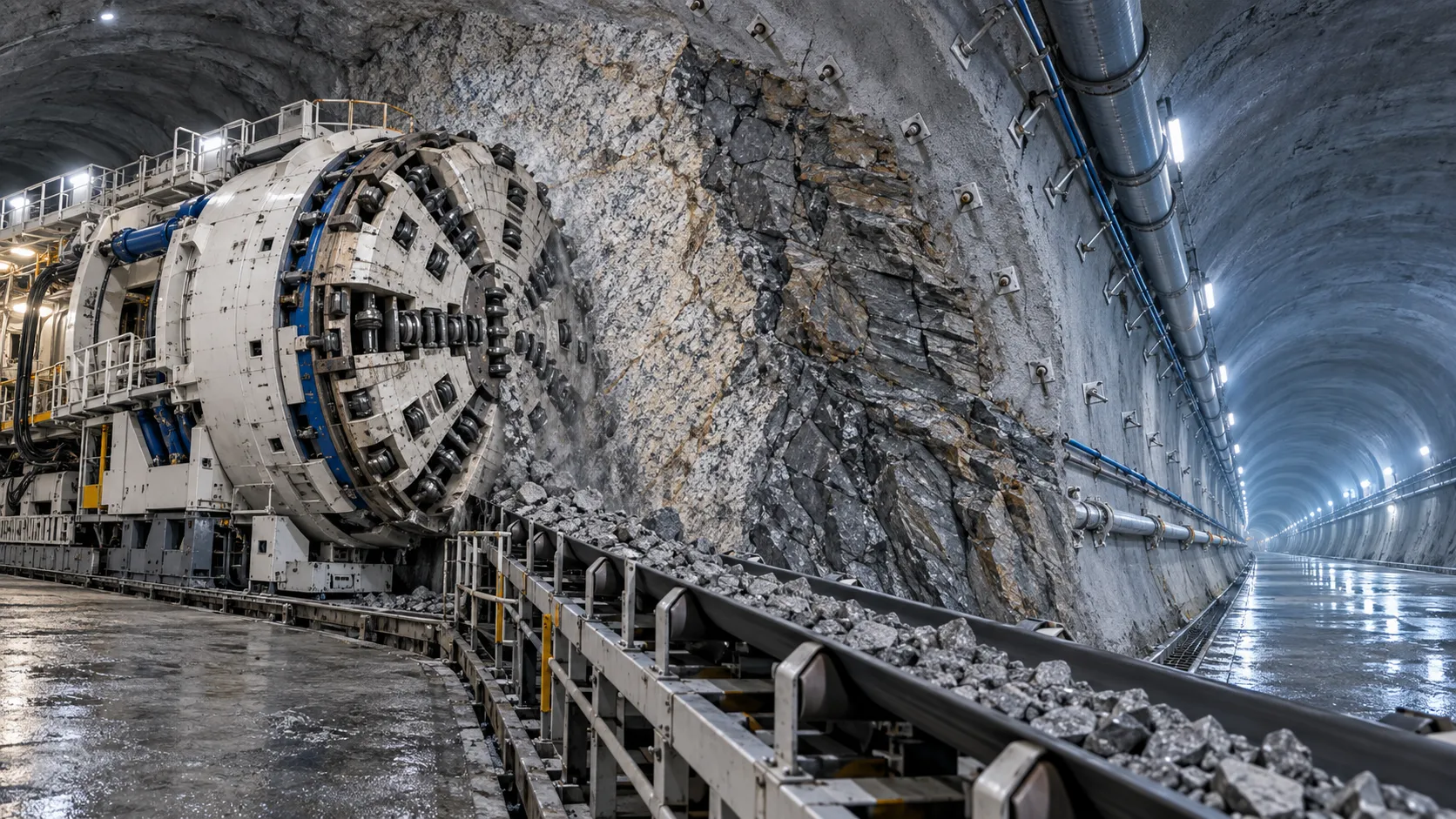
Hydropower Tunnel Excavation: Selecting Methods for Variable Rock Conditions
Hydropower tunnel excavation methods for variable rock conditions: compare TBM, drill-and-blast, and hybrid strategies to improve safety, progress, and project control.
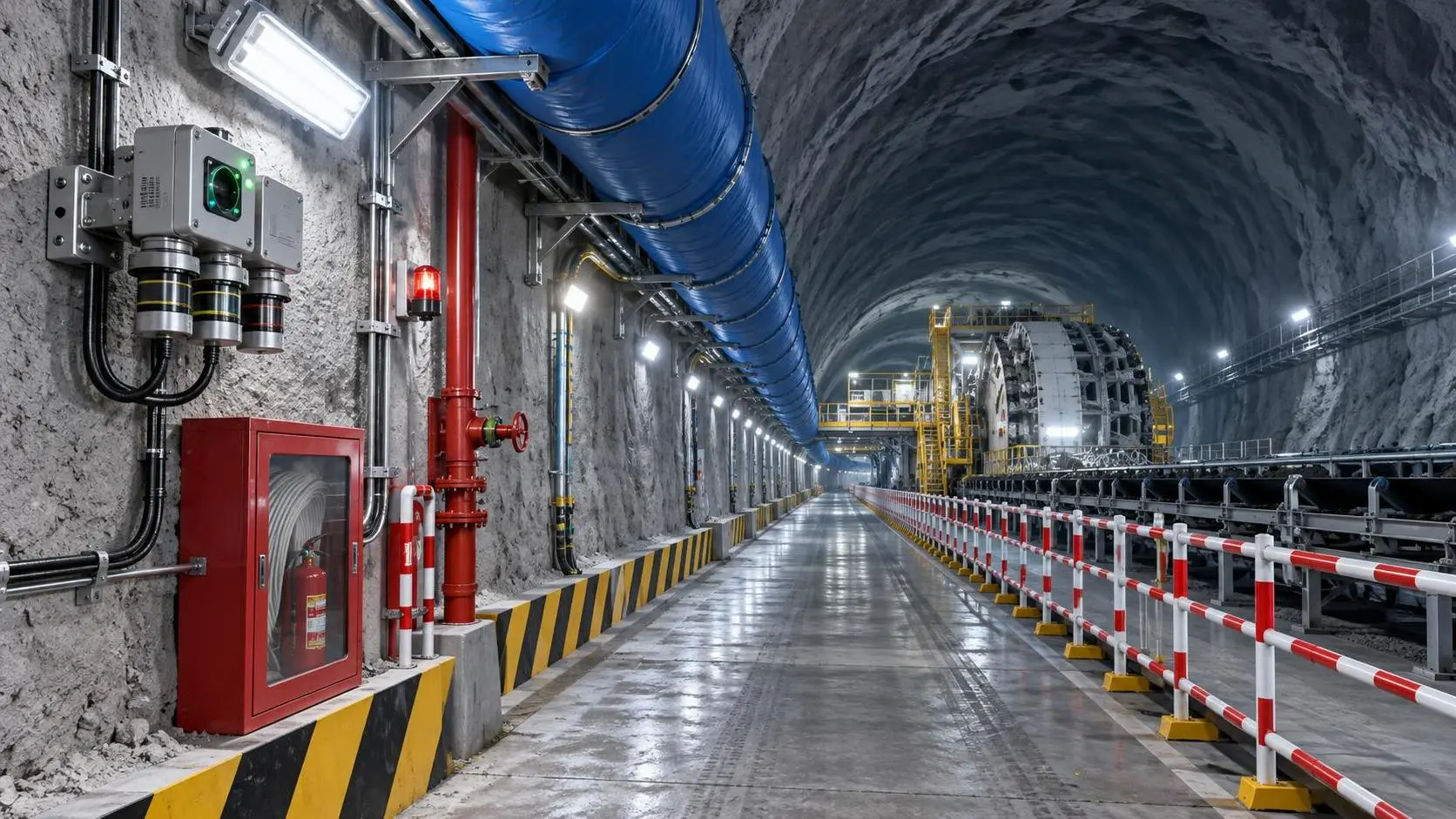
How to Select Underground Safety Equipment for Tunnelling by Hazard and Work Zone
Underground Safety Equipment for tunnelling: match protection to hazards, work zones, compliance, and emergency needs with this practical selection guide.
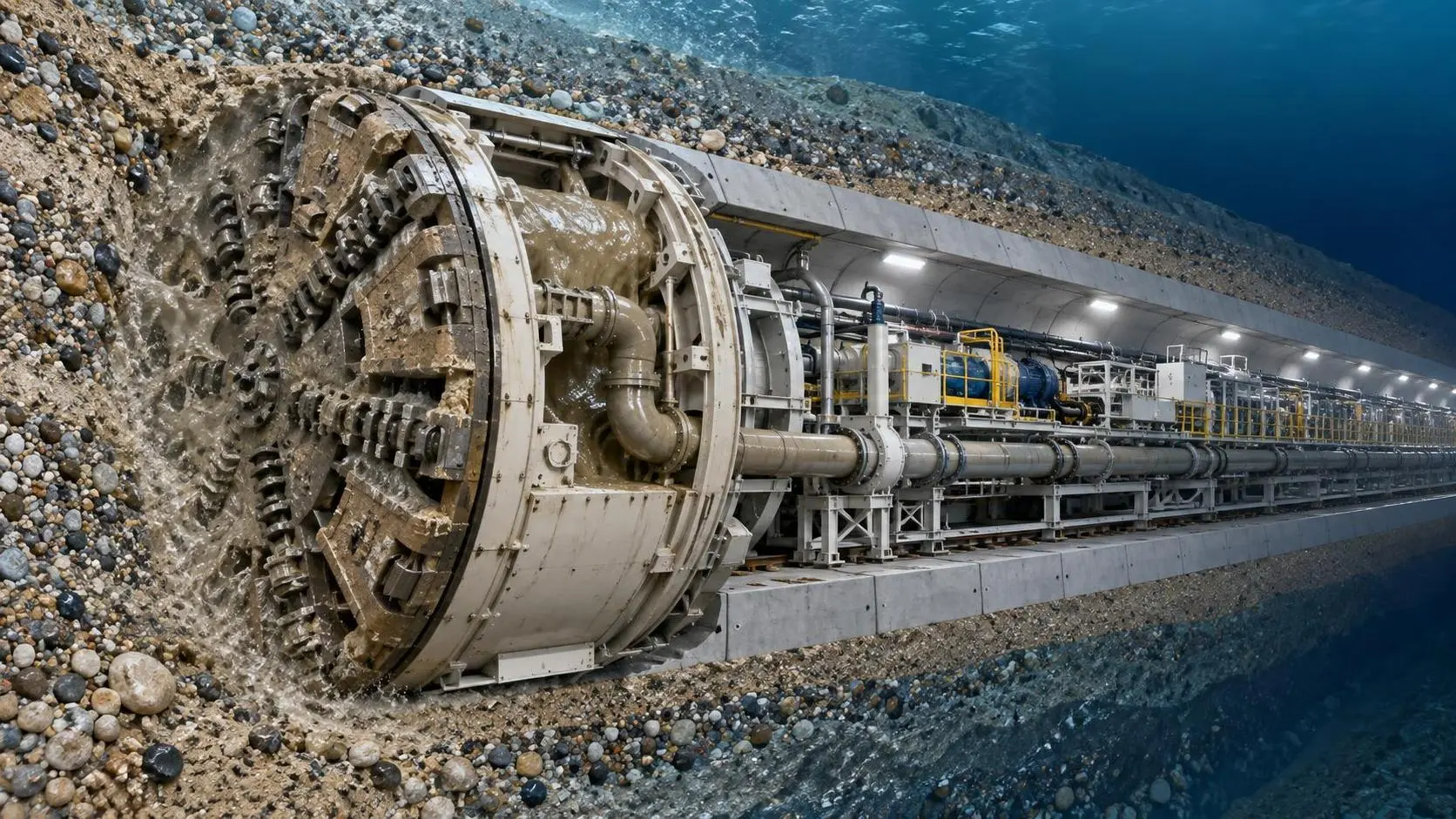
EPB or Slurry Shield? Selecting Soft-Ground Tunnelling Equipment by Soil Conditions
Tunnel Excavation Equipment for soft ground: compare EPB and slurry shields by soil, groundwater, settlement risk, and project logistics to choose confidently.
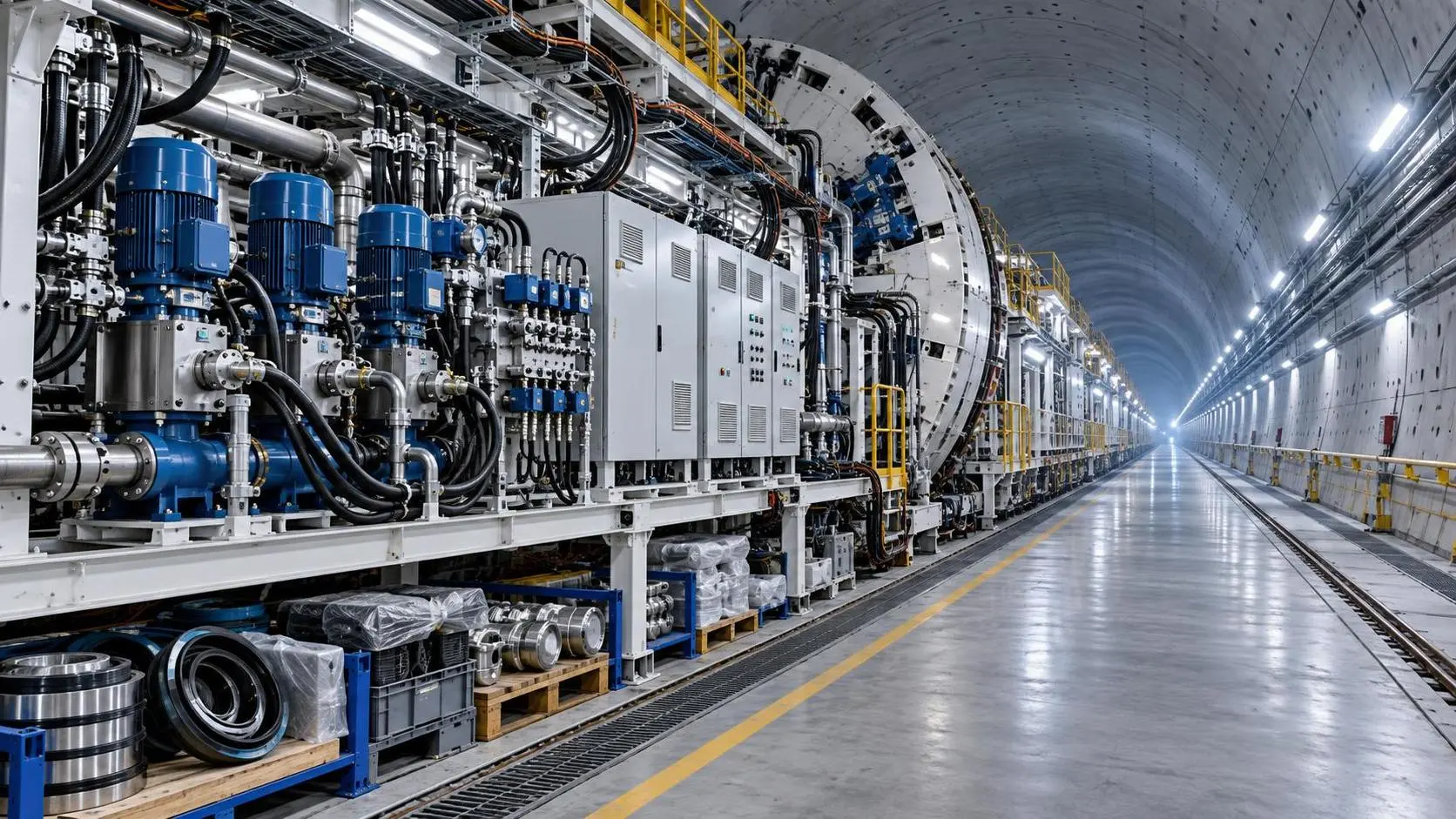
How to Specify TBM Backup System Parts for Reliable Long-Distance Tunnelling
TBM backup system parts: learn how to specify reliable spares for long-distance tunnelling, reduce downtime, ensure compatibility, and speed underground recovery.
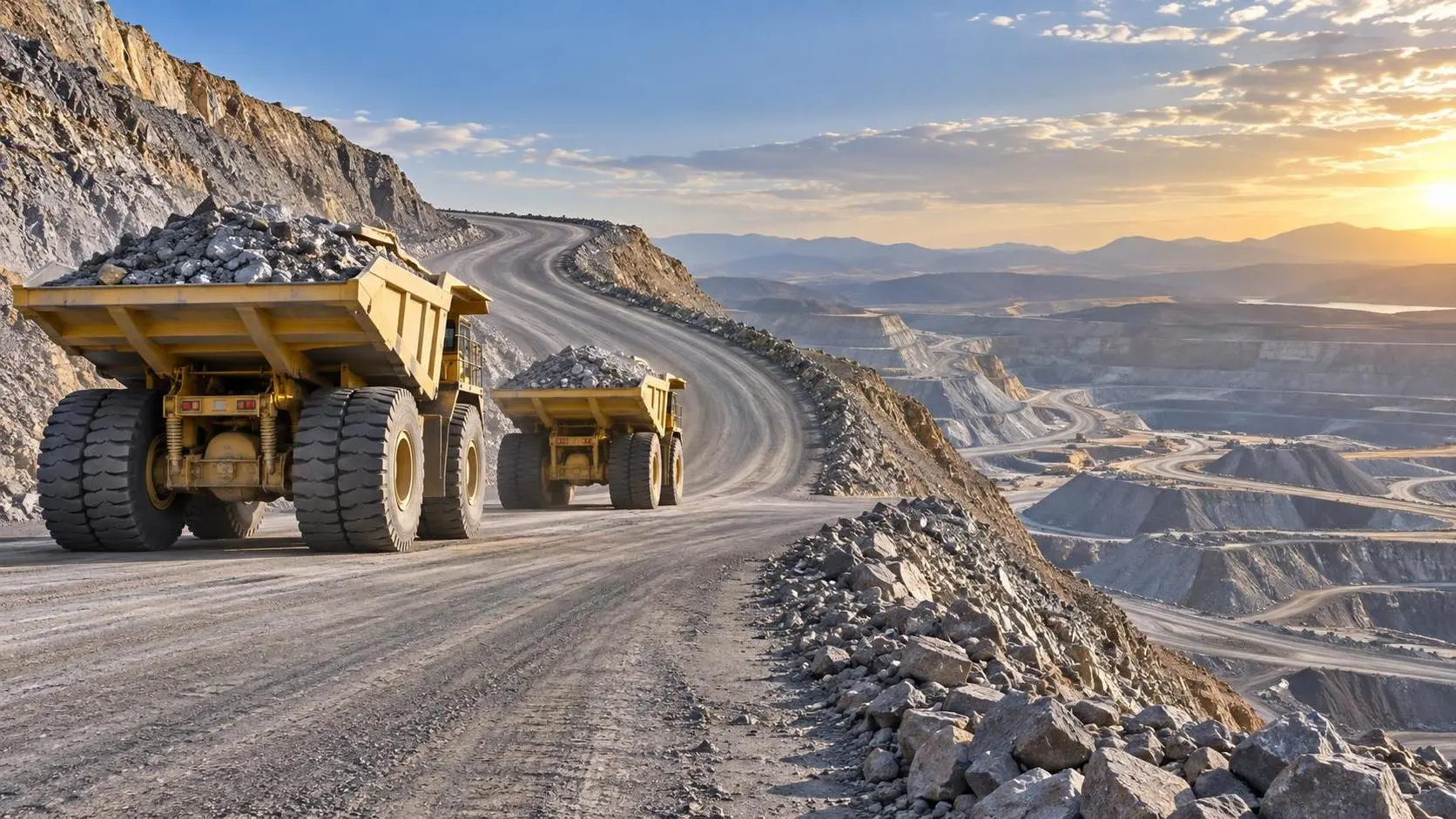
How to Size Open Pit Mining Trucks for Haul Distance, Grade, and Payload?
Open Pit Mining Trucks: learn how to match payload, haul distance, grade, road resistance, and loading capacity for safer, lower-cost mine operations.
Related News
- 00
0000-00
How to Evaluate European Drill-and-Blast Tunnelling Contractors for Complex Projects - 00
0000-00
Which Trenchless Construction Technique Fits Your Utility Crossing Conditions? - 00
0000-00
What Is Driving Metro Tunnelling Demand Across Southeast Asia’s Major Cities? - 00
0000-00
Hard Rock Tunnelling in Australia: Selecting Methods for Variable Ground Conditions - 00
0000-00
Hydropower Tunnel Excavation: Selecting Methods for Variable Rock Conditions
Weekly Insights
Stay ahead with our curated technology reports delivered every Monday.