
How is Tunnel Technology changing hard rock drives?





Tunnel Technology is redefining hard rock drives by combining higher cutterhead power, smarter sensing, predictive wear analytics, and automated ground response into one integrated excavation system.
For technical evaluators, the question is no longer whether a TBM can break competent rock.
The real question is how reliably it can sustain advance rates, control cutter consumption, manage vibration, and reduce intervention time.
This shift makes Tunnel Technology central to project risk, equipment selection, and long-term underground asset performance.
Tunnel Technology Is Moving Hard Rock Drives From Force To Intelligence
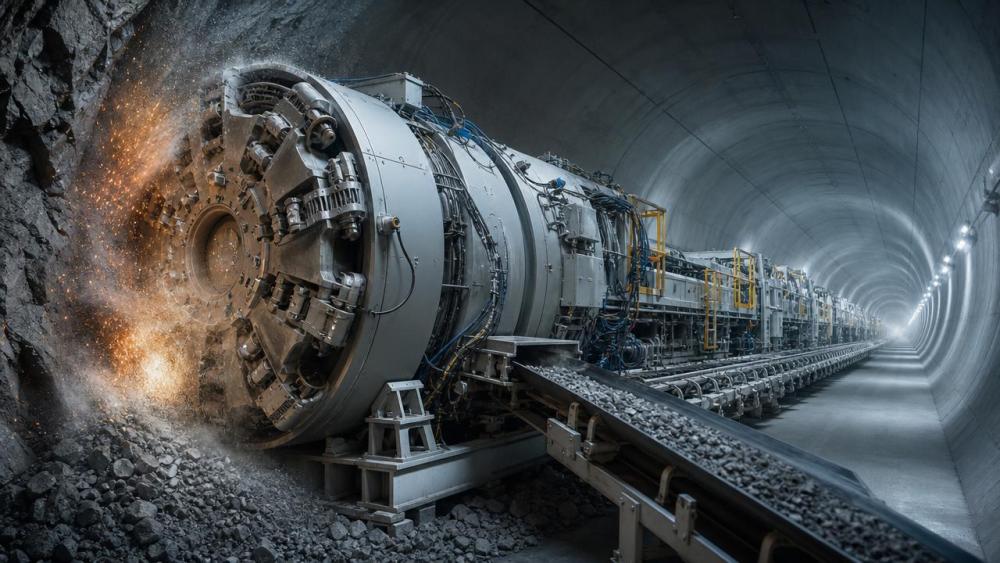
Hard rock tunnelling once depended heavily on installed power, robust structures, and experienced site judgment.
Those factors still matter, but Tunnel Technology now adds continuous measurement, adaptive control, and data-led maintenance.
Modern tunnel boring machines operate as cyber-physical excavation platforms, not only mechanical rock-breaking systems.
Cutterhead torque, penetration rate, thrust, vibration, temperature, muck size, and cutter wear are increasingly linked in real time.
This changes how hard rock drives are planned, monitored, and corrected before performance loss becomes costly downtime.
For deep infrastructure and mining access tunnels, Tunnel Technology also supports safer operations in confined underground environments.
It reduces unnecessary human exposure near the face, improves intervention timing, and supports more disciplined ground response.
The Background: Hard Rock Drives Are Becoming Less Forgiving
The global underground project pipeline is changing in scale, depth, and geological complexity.
Transport tunnels, hydropower schemes, deep mine access, and utility corridors increasingly cross abrasive, jointed, or highly stressed rock.
These conditions expose weaknesses in traditional tunnelling assumptions.
High uniaxial compressive strength may look manageable during design, yet mixed ground can trigger sudden cutter overload.
Quartz-rich formations can accelerate disc cutter wear beyond planned replacement windows.
High in-situ stress can create rockburst risk, squeezing behavior, or unexpected vibration spikes.
Tunnel Technology responds by making excavation behavior visible earlier and more precisely.
Instead of relying only on geological prediction, teams can compare predicted conditions with machine response continuously.
That feedback loop is becoming a decisive trend in hard rock tunnelling performance.
Key Trend Signals In Modern Hard Rock Tunnel Technology
Several technical signals show how Tunnel Technology is changing from equipment capability into operational intelligence.
- Higher cutterhead power is paired with smarter thrust distribution and vibration management.
- Disc cutter monitoring is shifting from manual inspection toward predictive wear analytics.
- Ground support decisions increasingly use machine data, probing results, and geological interpretation together.
- Digital twins are linking design assumptions with real excavation response.
- Automation is reducing repetitive control tasks and improving operational consistency between shifts.
- Energy efficiency is becoming measurable through power draw, advance rate, and cutter utilization.
These signals matter because hard rock drives are sensitive to small losses repeated over long tunnel distances.
A few minutes saved per ring or stroke can become major schedule value across kilometers.
Likewise, better cutter life can reduce logistics pressure, maintenance exposure, and unplanned stops.
Why The Shift Is Accelerating Across Underground Engineering
The acceleration of Tunnel Technology is not driven by one innovation alone.
It reflects a convergence of engineering, safety, digitalization, and environmental requirements.
This combination explains why Tunnel Technology is becoming a strategic decision factor.
It affects machine specification, contract risk sharing, spare parts planning, staffing, and project control systems.
Disc Cutter Intelligence Is Rewriting Wear Management
Disc cutters remain the frontline interface between TBM power and rock resistance.
In hard rock drives, their wear rate can decide whether a project meets its planned advance curve.
Tunnel Technology is transforming cutter management from reactive replacement into condition-based decision making.
Sensors and analytics can identify abnormal loads, blocked rotation, flat wear, bearing distress, or vibration patterns.
This information helps predict when intervention is necessary and when continued boring remains acceptable.
The value is not only lower cutter cost.
The larger value is fewer unnecessary entries, shorter stoppages, and better confidence in the next excavation interval.
For long hard rock tunnels, that confidence can improve both productivity and safety governance.
Automated Ground Response Is Becoming A Performance Multiplier
Hard rock is not always stable rock.
Faults, water inflow, stress release, and fractured zones can disrupt even powerful TBM systems.
Tunnel Technology is improving how machines detect and respond to these changes.
Probe drilling, seismic ahead detection, convergence monitoring, and machine response data are increasingly combined.
This combined view supports earlier decisions on support class, grouting, drainage, and advance parameters.
Automation does not remove geological uncertainty.
It reduces the delay between warning signs and corrective action.
That shorter response window is critical when a face condition changes within a few meters.
Impact On Project Planning, Operations, And Commercial Risk
The influence of Tunnel Technology extends beyond the cutterhead.
It changes how underground projects define productivity, risk, and asset utilization.
Planning and design
Design teams can no longer treat TBM performance as a fixed average advance rate.
Modern planning should model geological variability, cutter consumption, energy demand, and intervention windows together.
Site operations
Operations teams gain better visibility into machine behavior, but they also need disciplined data interpretation.
A dashboard is useful only when thresholds, escalation rules, and maintenance actions are clearly defined.
Commercial control
Tunnel Technology can improve claims management by creating a stronger record of ground-machine interaction.
Machine data helps distinguish equipment limitation, operational deviation, and genuinely adverse ground conditions.
What Should Be Monitored In A Hard Rock Technology Strategy
A practical Tunnel Technology strategy should focus on measurable signals, not abstract digital ambition.
- Specific energy consumption per cubic meter of excavated rock.
- Penetration rate variation by rock class and cutterhead operating mode.
- Disc cutter life by position, geology, load history, and intervention record.
- Vibration signatures linked to cutter damage, rock discontinuities, or unstable operation.
- Downtime distribution across inspection, cutter change, ground treatment, and mechanical repair.
- Ventilation and energy implications of electrified auxiliary systems.
- Data quality, sensor reliability, and integration with project reporting systems.
These indicators create a common language between geology, equipment, maintenance, and project controls.
They also reveal whether Tunnel Technology is delivering practical value or only producing unused data.
Recommended Response: Build Decisions Around Reliability, Not Only Peak Power
The strongest response to this trend is to evaluate hard rock drives through reliability-based scenarios.
Peak cutterhead power remains important, but sustained performance depends on system balance.
This approach turns Tunnel Technology into a continuous improvement system.
It also supports better lessons learned for future tunnels, mine developments, and underground infrastructure corridors.
The Next Stage: Integrated Underground Intelligence
The next stage of Tunnel Technology will connect TBMs with broader underground equipment ecosystems.
Drilling jumbos, pipe jacking systems, underground LHD loaders, and electric haulage fleets will generate related operational data.
In mining and infrastructure, these data streams can improve planning across excavation, support, transport, ventilation, and energy use.
For hard rock drives, the most valuable future systems will not simply automate individual tasks.
They will coordinate decisions across geology, equipment health, workforce safety, and project economics.
That is where Tunnel Technology becomes more than a tunnelling tool.
It becomes an intelligence layer for working deeper, cleaner, and more predictably below ground.
Action Steps For Hard Rock Drive Readiness
Organizations preparing for hard rock drives should start with a focused readiness review.
- Define the most uncertain geological zones and link them to expected TBM response.
- Specify which Tunnel Technology functions must support safety, productivity, and cost control.
- Set measurable targets for cutter life, energy intensity, availability, and intervention duration.
- Create a data governance plan before excavation begins.
- Review performance after each major ground class and adjust operating parameters quickly.
Hard rock drives will remain demanding, uncertain, and capital intensive.
Yet the direction is clear.
Tunnel Technology is shifting success from brute excavation power toward informed, adaptive, and measurable underground performance.
For deeper tunnels and smarter mines, the winning capability will be sustained control under difficult rock conditions.
UTMD will continue tracking these changes across TBMs, trenchless equipment, electric mining fleets, and automated underground systems.
Use the next project review to assess where Tunnel Technology can reduce uncertainty, strengthen reliability, and improve long-term asset value.
Related News
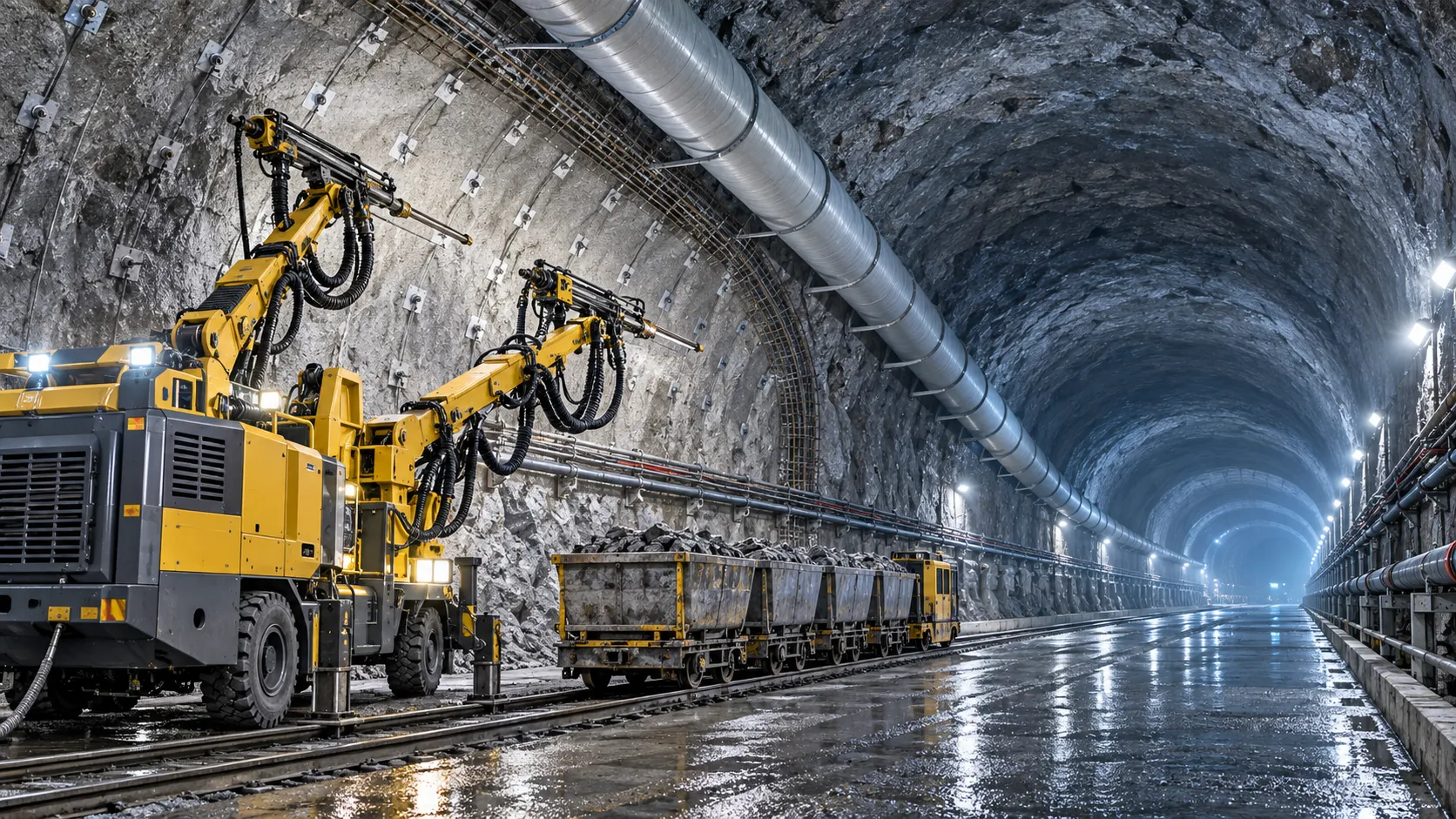
How to Evaluate European Drill-and-Blast Tunnelling Contractors for Complex Projects
Drill and blast tunnelling contractors Europe: learn how to assess geology expertise, blast control, equipment reliability, safety, and programme resilience for complex projects.
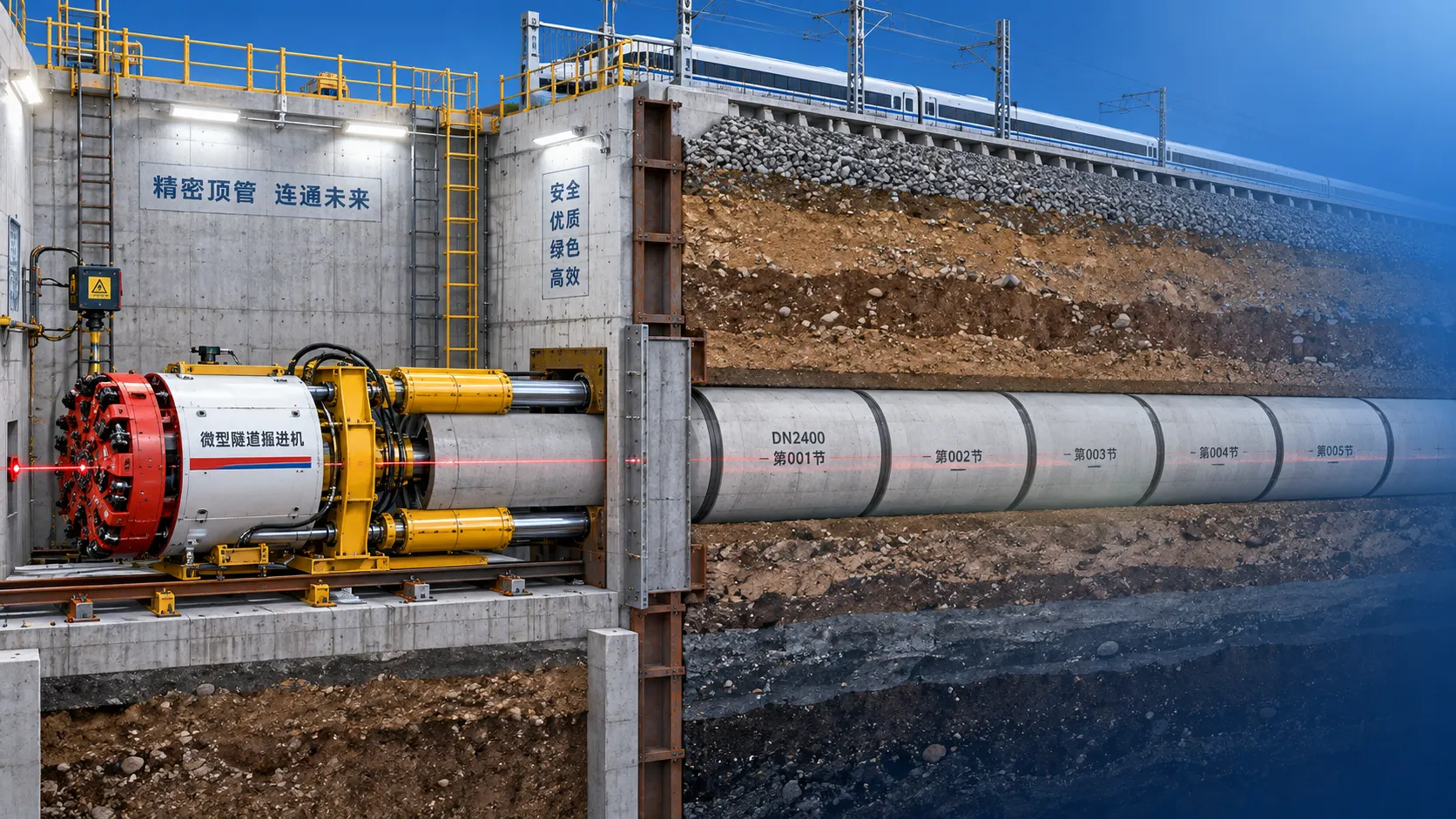
Which Trenchless Construction Technique Fits Your Utility Crossing Conditions?
Trenchless construction techniques compared for utility crossings: choose HDD, microtunnelling, pipe jacking, or auger boring based on ground, accuracy, access, and risk.
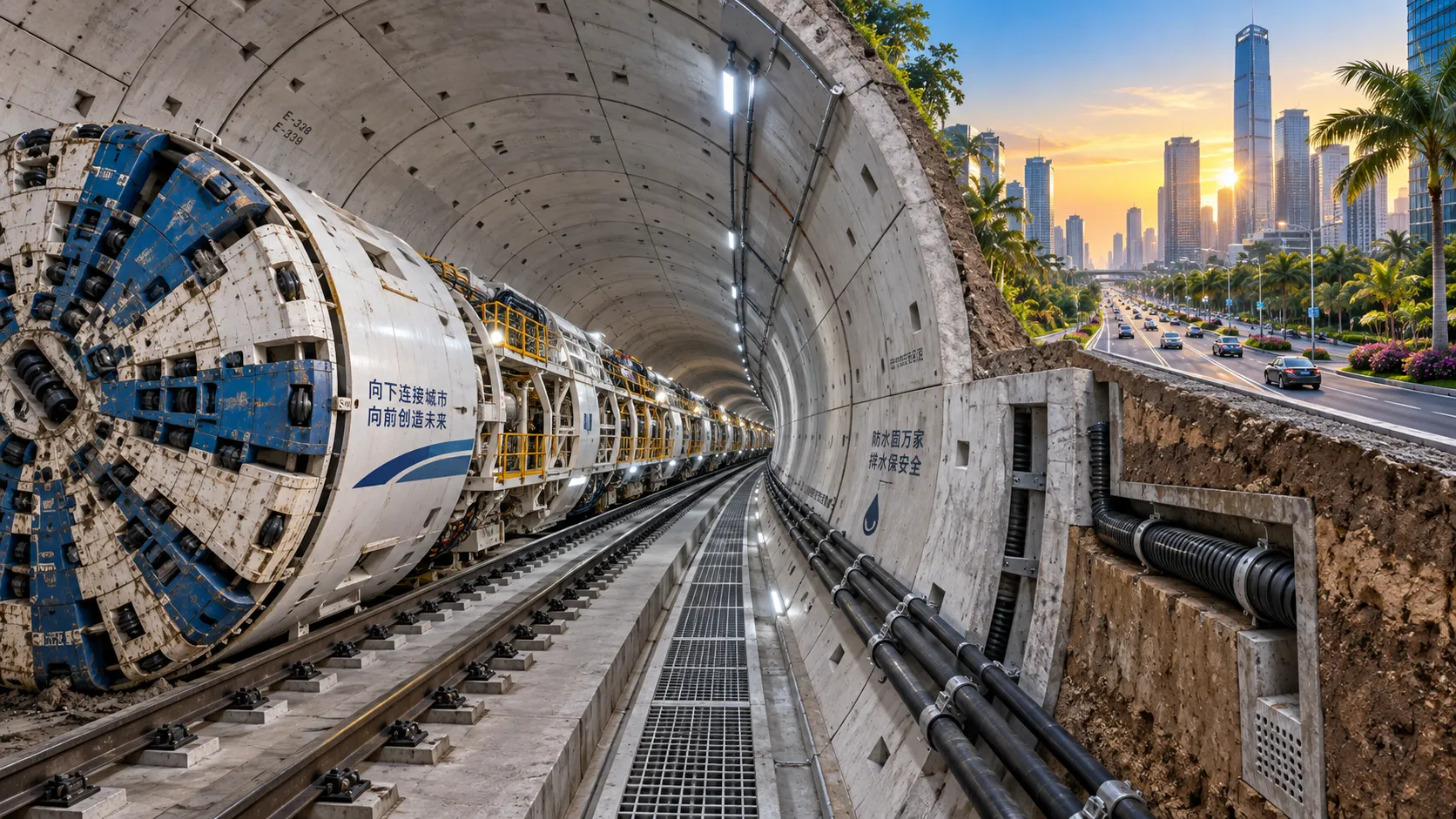
What Is Driving Metro Tunnelling Demand Across Southeast Asia’s Major Cities?
Metro tunnelling Southeast Asia is accelerating as major cities tackle congestion, flooding, and connectivity. Explore the market forces, technical risks, and opportunities shaping demand.
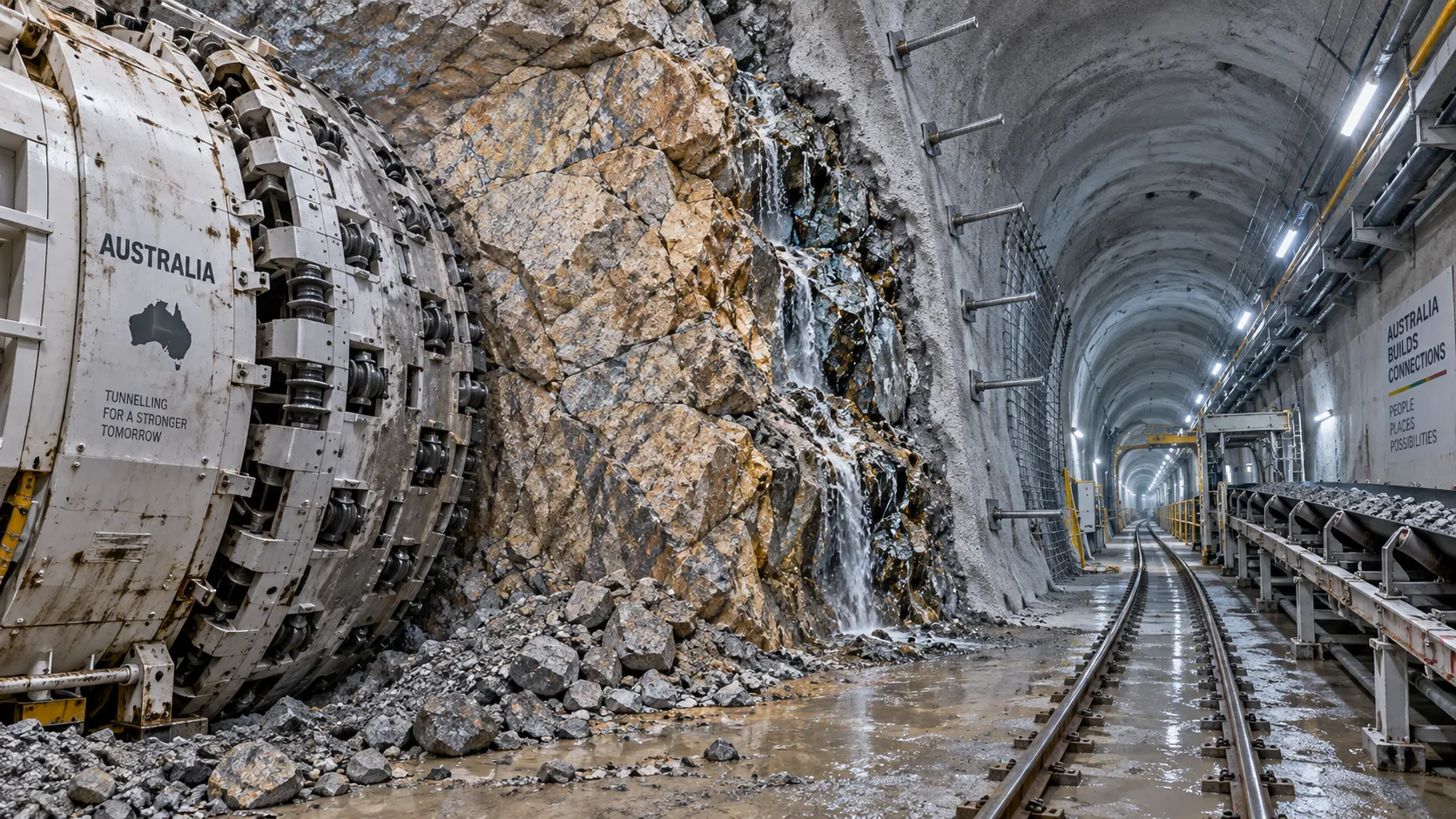
Hard Rock Tunnelling in Australia: Selecting Methods for Variable Ground Conditions
Hard rock tunnelling in Australia: compare TBM, drill-and-blast and hybrid methods to manage variable ground, reduce risk and protect project costs.
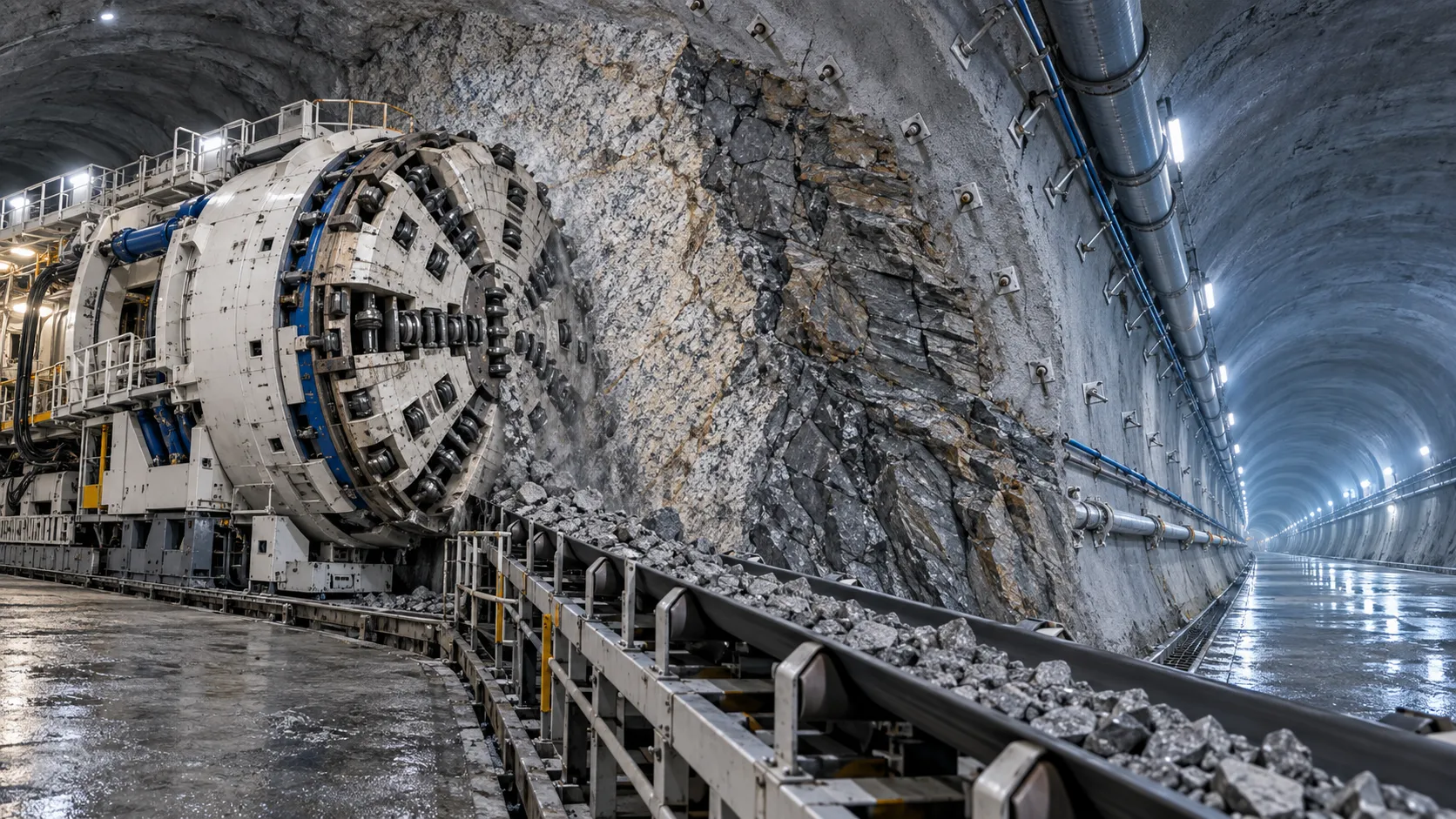
Hydropower Tunnel Excavation: Selecting Methods for Variable Rock Conditions
Hydropower tunnel excavation methods for variable rock conditions: compare TBM, drill-and-blast, and hybrid strategies to improve safety, progress, and project control.
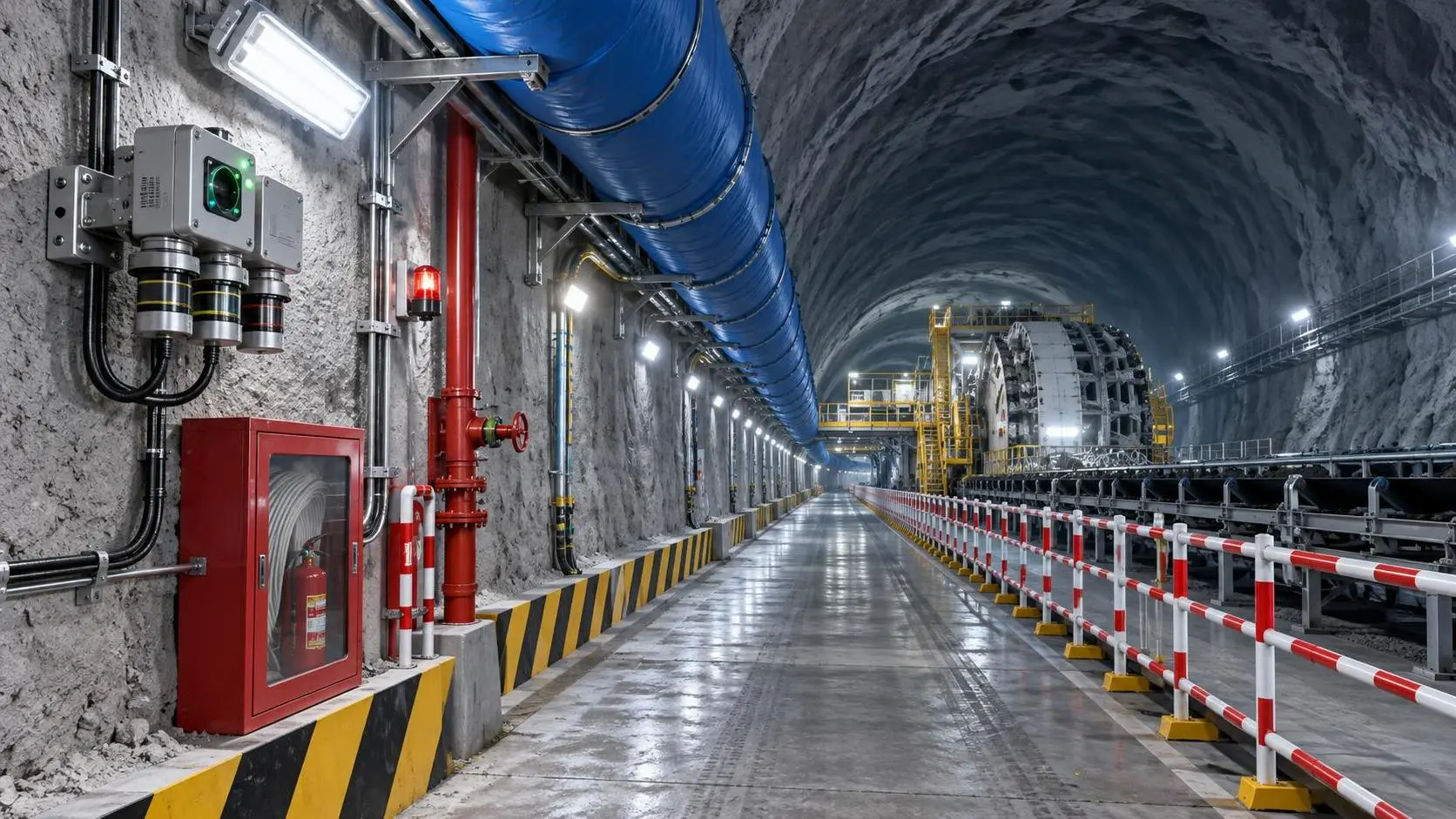
How to Select Underground Safety Equipment for Tunnelling by Hazard and Work Zone
Underground Safety Equipment for tunnelling: match protection to hazards, work zones, compliance, and emergency needs with this practical selection guide.
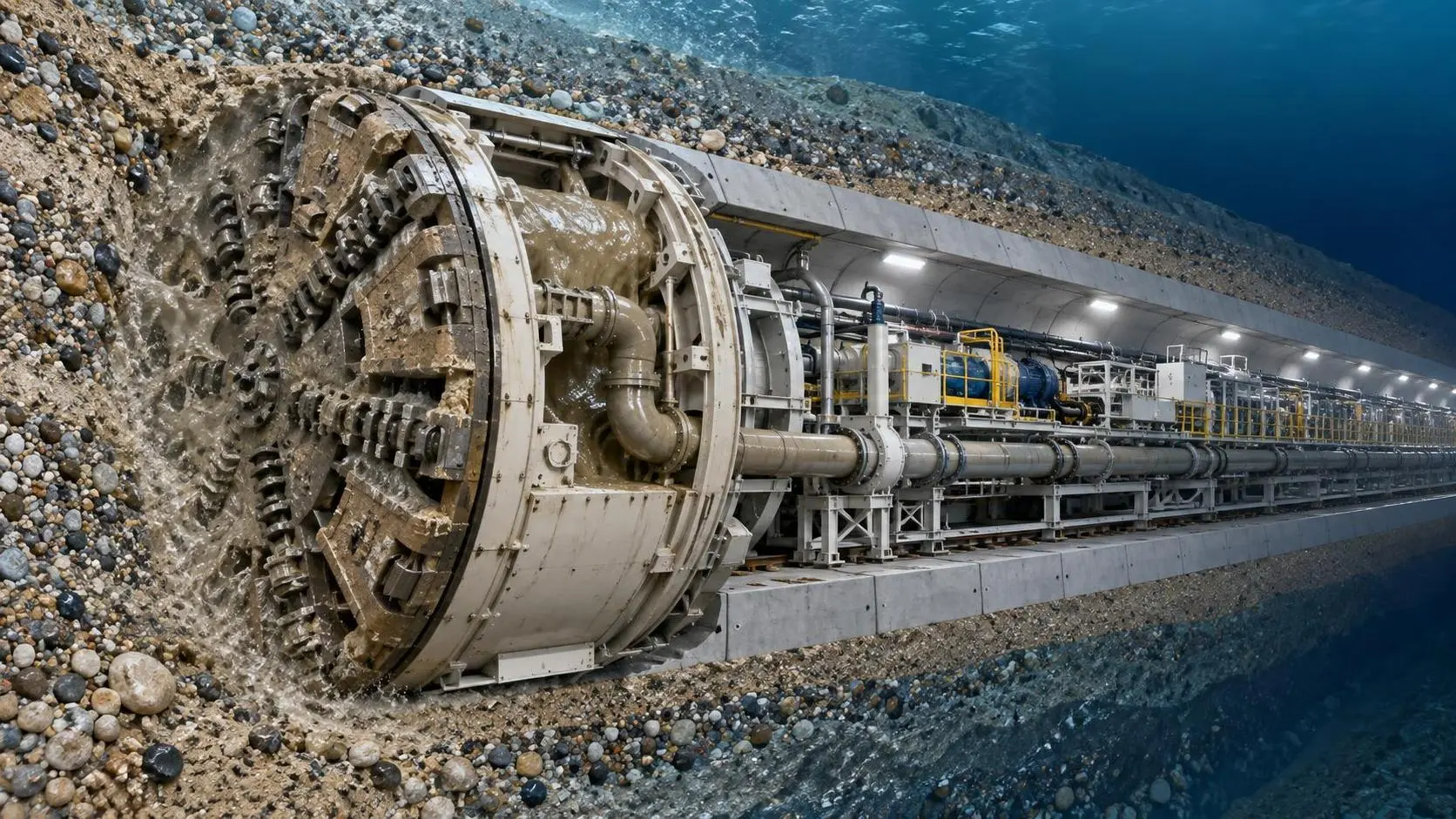
EPB or Slurry Shield? Selecting Soft-Ground Tunnelling Equipment by Soil Conditions
Tunnel Excavation Equipment for soft ground: compare EPB and slurry shields by soil, groundwater, settlement risk, and project logistics to choose confidently.
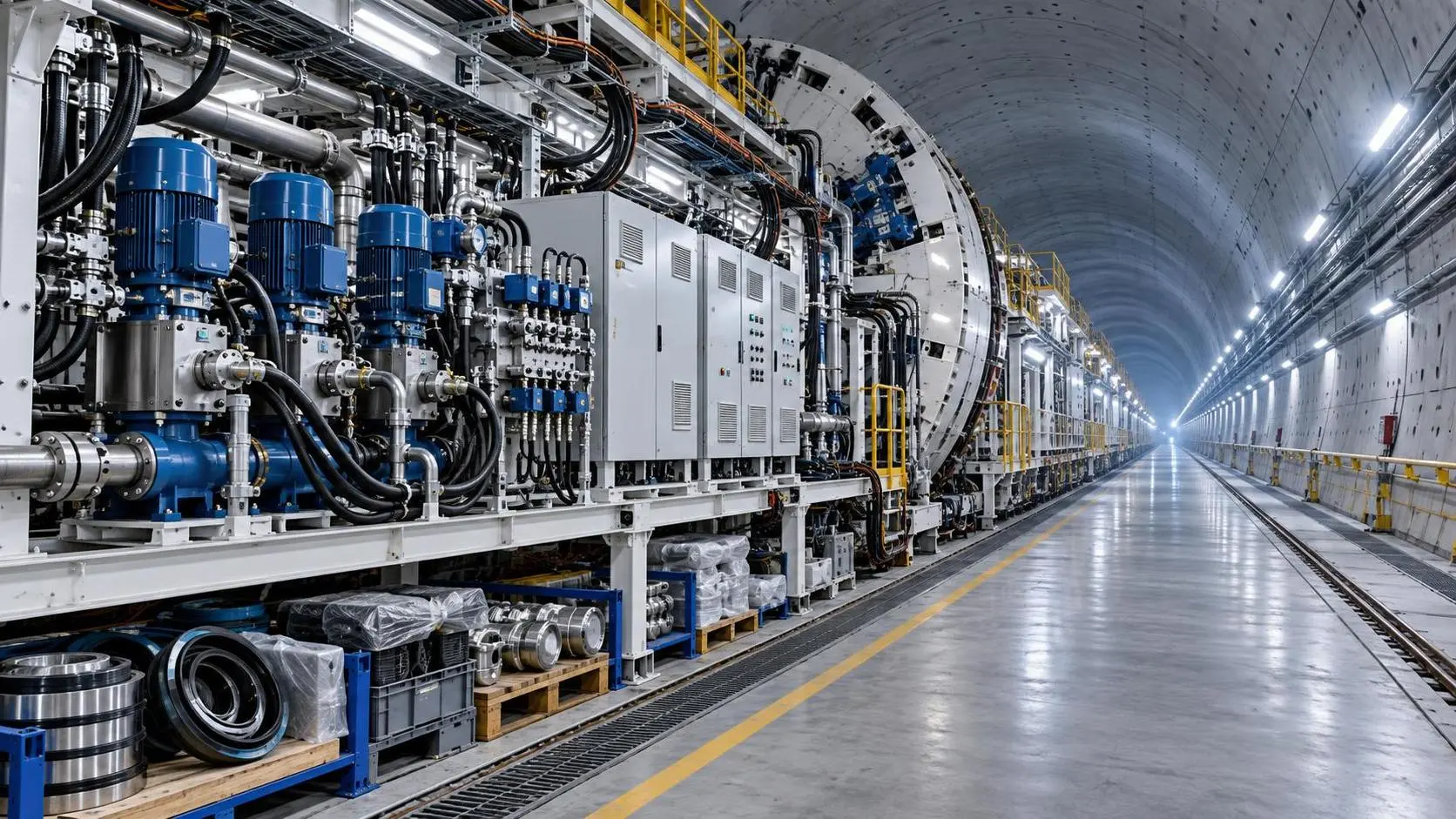
How to Specify TBM Backup System Parts for Reliable Long-Distance Tunnelling
TBM backup system parts: learn how to specify reliable spares for long-distance tunnelling, reduce downtime, ensure compatibility, and speed underground recovery.
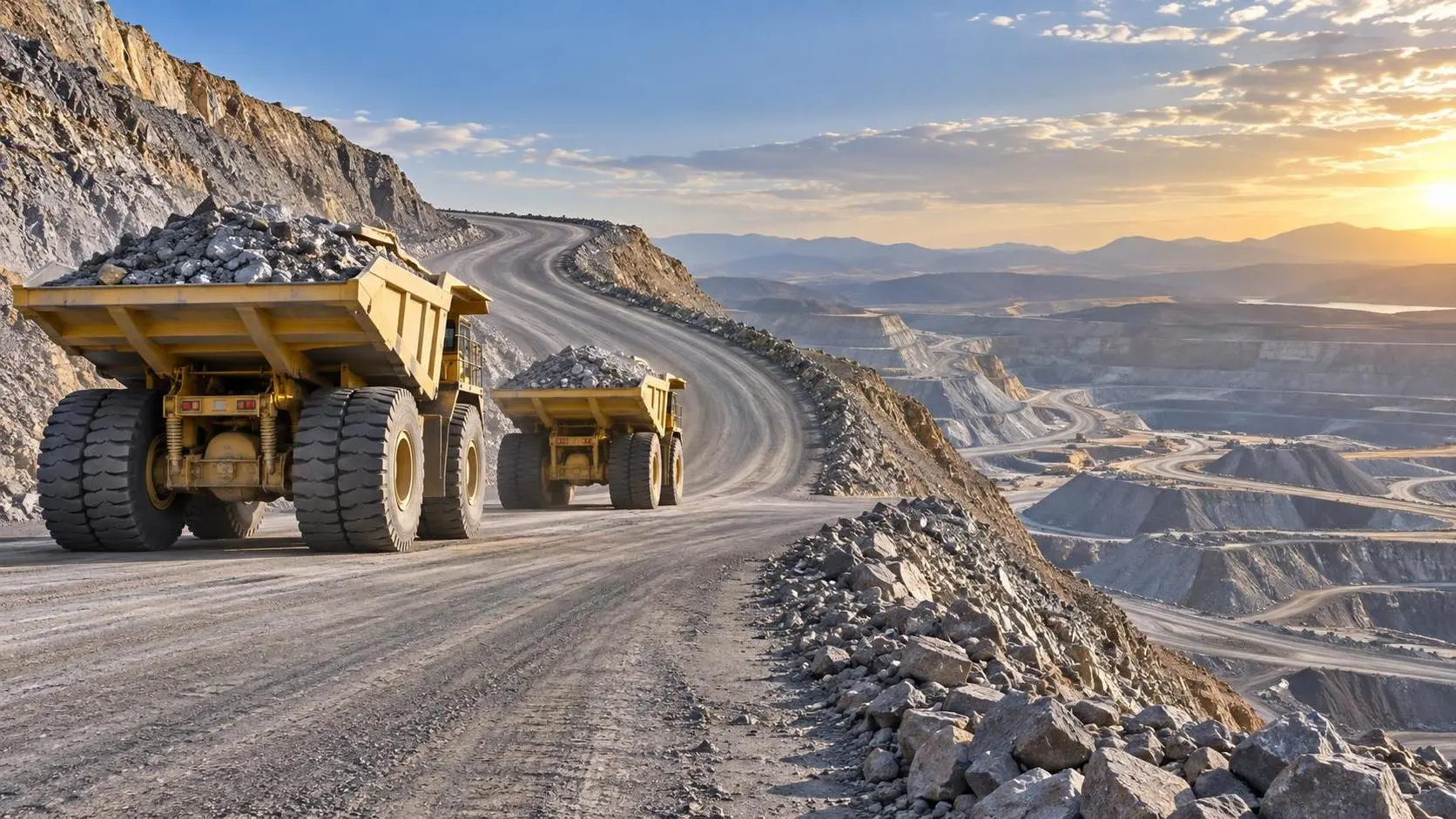
How to Size Open Pit Mining Trucks for Haul Distance, Grade, and Payload?
Open Pit Mining Trucks: learn how to match payload, haul distance, grade, road resistance, and loading capacity for safer, lower-cost mine operations.
Related News
- 00
0000-00
How to Evaluate European Drill-and-Blast Tunnelling Contractors for Complex Projects - 00
0000-00
Which Trenchless Construction Technique Fits Your Utility Crossing Conditions? - 00
0000-00
What Is Driving Metro Tunnelling Demand Across Southeast Asia’s Major Cities? - 00
0000-00
Hard Rock Tunnelling in Australia: Selecting Methods for Variable Ground Conditions - 00
0000-00
Hydropower Tunnel Excavation: Selecting Methods for Variable Rock Conditions
Weekly Insights
Stay ahead with our curated technology reports delivered every Monday.