
Is Mining Automation Worth the Cost in Deep Mines?





Is Mining Automation Worth the Cost in Deep Mines?
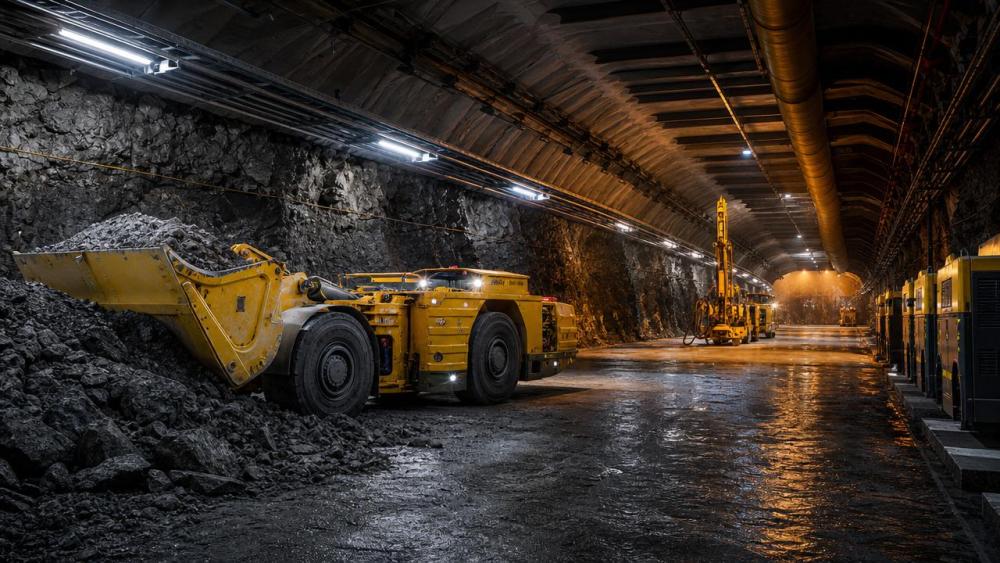
As deep mines move into hotter, riskier, and more complex ground, Mining Automation has become a capital question, not only a technology question.
Autonomous LHDs, remote drilling, fleet control, and electric haulage promise safer work, higher utilization, and more predictable production.
Yet the return depends on geology, ventilation constraints, labor exposure, energy planning, and digital integration maturity.
Deep Mining Conditions Are Changing the Automation Equation
The case for Mining Automation is strongest where traditional underground work faces physical limits.
Depth increases heat, rock stress, travel time, ventilation demand, and exposure to seismic or ground-control hazards.
In those conditions, every unplanned entry, slow shift change, or diesel emission penalty affects the mine plan.
Automation also arrives as ore grades decline and production must become more selective, measured, and continuous.
This is why Mining Automation is moving from pilot projects into core production systems.
It is no longer limited to premium mines with large budgets and predictable stopes.
Battery-electric fleets, underground 5G, SLAM navigation, and digital dispatching are making automation more practical.
However, deep mines still punish weak integration, poor maintenance discipline, and unrealistic production assumptions.
Key Signals Showing Mining Automation Is Becoming Strategic
Several trend signals suggest Mining Automation is becoming a strategic operating model.
- More deep mines are removing personnel from drawpoints, headings, and unsupported zones.
- Battery-electric underground LHDs are linking automation with ventilation savings.
- Remote drilling centers are improving accuracy, shift continuity, and data capture.
- Fleet management platforms are connecting mucking, hauling, charging, and maintenance.
- ESG reporting is increasing pressure to reduce diesel exposure and energy waste.
These signals do not mean every mine should automate immediately.
They show that Mining Automation now influences safety strategy, ventilation design, mine scheduling, and asset planning.
What Actually Drives the Business Case?
The cost of Mining Automation includes machines, sensors, network systems, software, training, and process redesign.
The benefit appears through fewer stoppages, lower exposure, better cycle control, and higher equipment utilization.
The strongest value appears when several drivers combine.
For example, an electric autonomous LHD may improve safety while lowering ventilation energy and extending productive hours.
Where Mining Automation Pays Back Fastest
Mining Automation delivers faster returns in operations with repeatable tasks and high exposure risk.
Autonomous hauling on fixed underground routes often creates a clearer business case than complex mixed-traffic areas.
Remote drilling is attractive where precision, blast quality, and operator safety strongly affect downstream productivity.
Automated LHD loading can also improve shift continuity when travel time to the working face is excessive.
High-Value Use Cases
- Deep loading zones with heat stress or seismic exposure.
- Long haulage loops suitable for autonomous traffic rules.
- Production drilling requiring repeatable hole placement.
- Battery-electric fleets needing optimized charging schedules.
- Mines where ventilation expansion is expensive or constrained.
In these areas, Mining Automation is not only a labor-saving tool.
It becomes a method for stabilizing production in extreme underground environments.
Where the Cost Can Outrun the Benefit
Mining Automation is not automatically economical in every deep mine.
Irregular headings, frequent layout changes, poor road conditions, and weak communications can erode expected gains.
Automation also struggles when maintenance teams lack diagnostic capability or spare parts support.
A mine with unstable production planning may automate inefficiency instead of removing it.
This is a common reason early Mining Automation projects disappoint.
Warning Signs Before Investment
- No reliable underground wireless coverage in production zones.
- Mixed manual and autonomous traffic without clear separation rules.
- Maintenance systems focused on repair, not predictive readiness.
- Unclear ownership of data, dispatching, and operational decisions.
- No baseline for cycle time, utilization, energy, or downtime.
When these gaps exist, phased preparation may create more value than immediate full automation.
Operational Impact Across the Underground Value Chain
The impact of Mining Automation spreads beyond machines.
It changes mine design, dispatch logic, maintenance rhythms, ventilation strategy, and digital governance.
Development teams may need straighter headings, better road profiles, and sensor-friendly layouts.
Production teams gain continuous data but must manage exception handling more carefully.
Maintenance teams shift toward software diagnostics, battery health, sensor calibration, and network uptime.
Energy planning also becomes more central as electric automated fleets change demand peaks and charging patterns.
For UTMD’s underground intelligence perspective, this is the real turning point.
Mining Automation joins rock mechanics, zero-emission transport, and digital control into one operating architecture.
How to Judge Whether Mining Automation Is Worth It
A realistic business case should compare automation cost with avoidable risk, lost time, and constrained capacity.
The evaluation should begin with operational evidence, not vendor promises or general market excitement.
Mining Automation is worth more when it solves a defined constraint.
It is worth less when it is treated as a technology upgrade without operational redesign.
Priorities Before Scaling Automation Underground
Before scaling Mining Automation, several foundations should be strengthened.
- Build a trusted baseline for cycle time, downtime, energy, and safety exposure.
- Select one production bottleneck where automation can prove measurable value.
- Design traffic separation for manual, tele-remote, and autonomous equipment.
- Connect automation planning with ventilation and electrification studies.
- Prepare maintenance systems for sensors, software, batteries, and network devices.
- Create clear rules for data ownership, alarms, exceptions, and remote intervention.
These priorities reduce the risk of fragmented automation.
They also help automated drilling, LHDs, haulage, and fleet control work as one system.
A Phased Path Looks More Reliable Than a Big Leap
The best Mining Automation strategy often begins with remote operation and data visibility.
Once the network, traffic rules, and maintenance practices mature, higher autonomy becomes easier to justify.
- Stabilize underground connectivity and machine health monitoring.
- Introduce tele-remote loading or drilling in hazardous zones.
- Automate repeatable haulage routes with controlled access.
- Integrate fleet scheduling with charging, ventilation, and maintenance.
- Use production data to expand autonomy only where constraints remain.
This staged approach protects capital while building operational confidence.
It also allows lessons from one level or route to improve the next deployment.
Final Judgment: Worth It When the Constraint Is Real
Mining Automation is worth the cost when it removes a costly underground constraint.
That constraint may be exposure, ventilation, utilization, precision, travel time, or production variability.
It is not worth the cost when the mine lacks digital readiness or operational discipline.
Deep mines should therefore judge automation through evidence, sequencing, and system integration.
The next step is practical: map the mine’s highest-risk and highest-delay activities.
Then compare targeted Mining Automation options against safety exposure, energy limits, and lost productive hours.
For deep underground operations, the question is not whether automation is modern.
The real question is whether Mining Automation directly improves the mine’s toughest operating boundary.
Related News
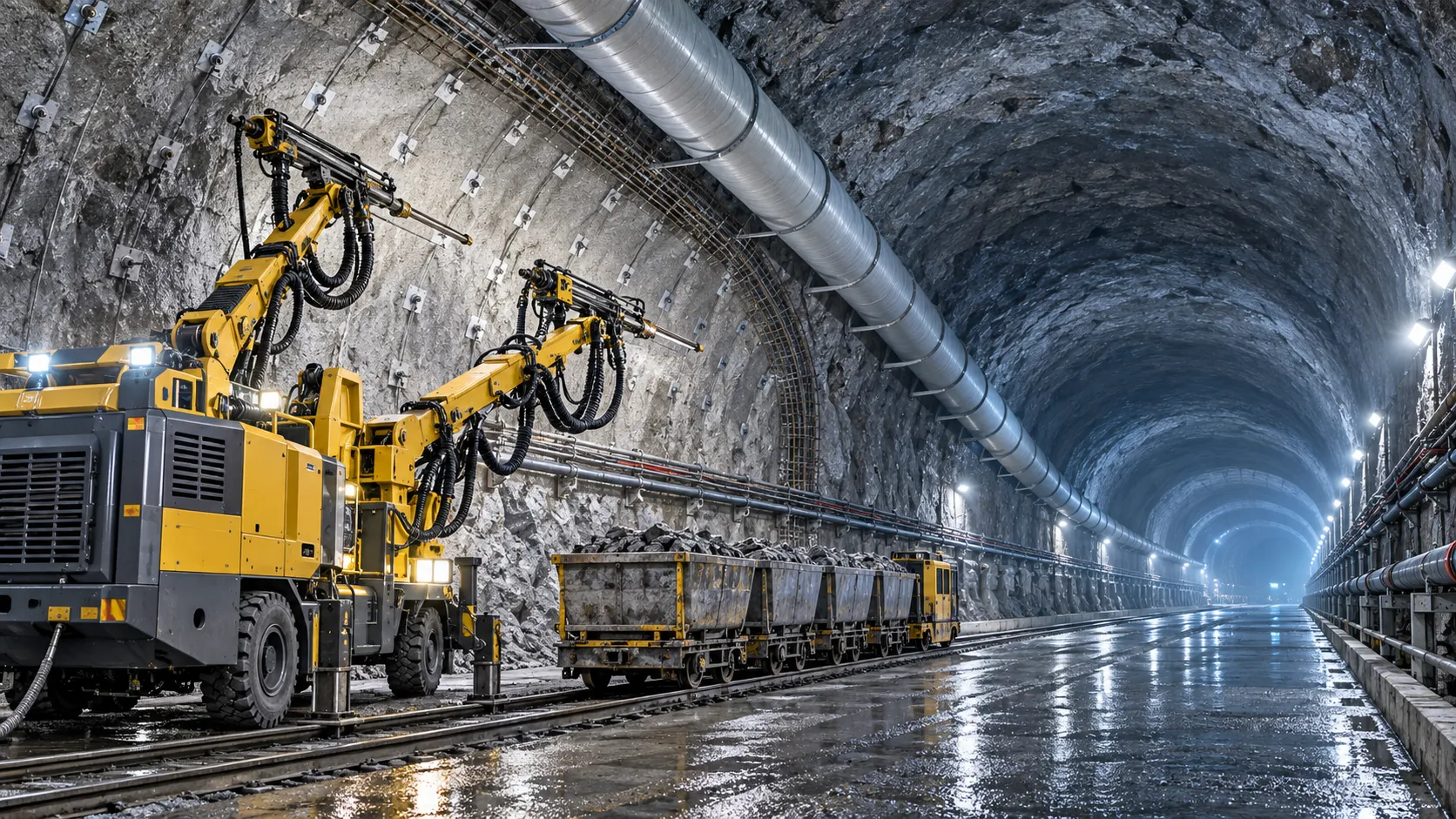
How to Evaluate European Drill-and-Blast Tunnelling Contractors for Complex Projects
Drill and blast tunnelling contractors Europe: learn how to assess geology expertise, blast control, equipment reliability, safety, and programme resilience for complex projects.
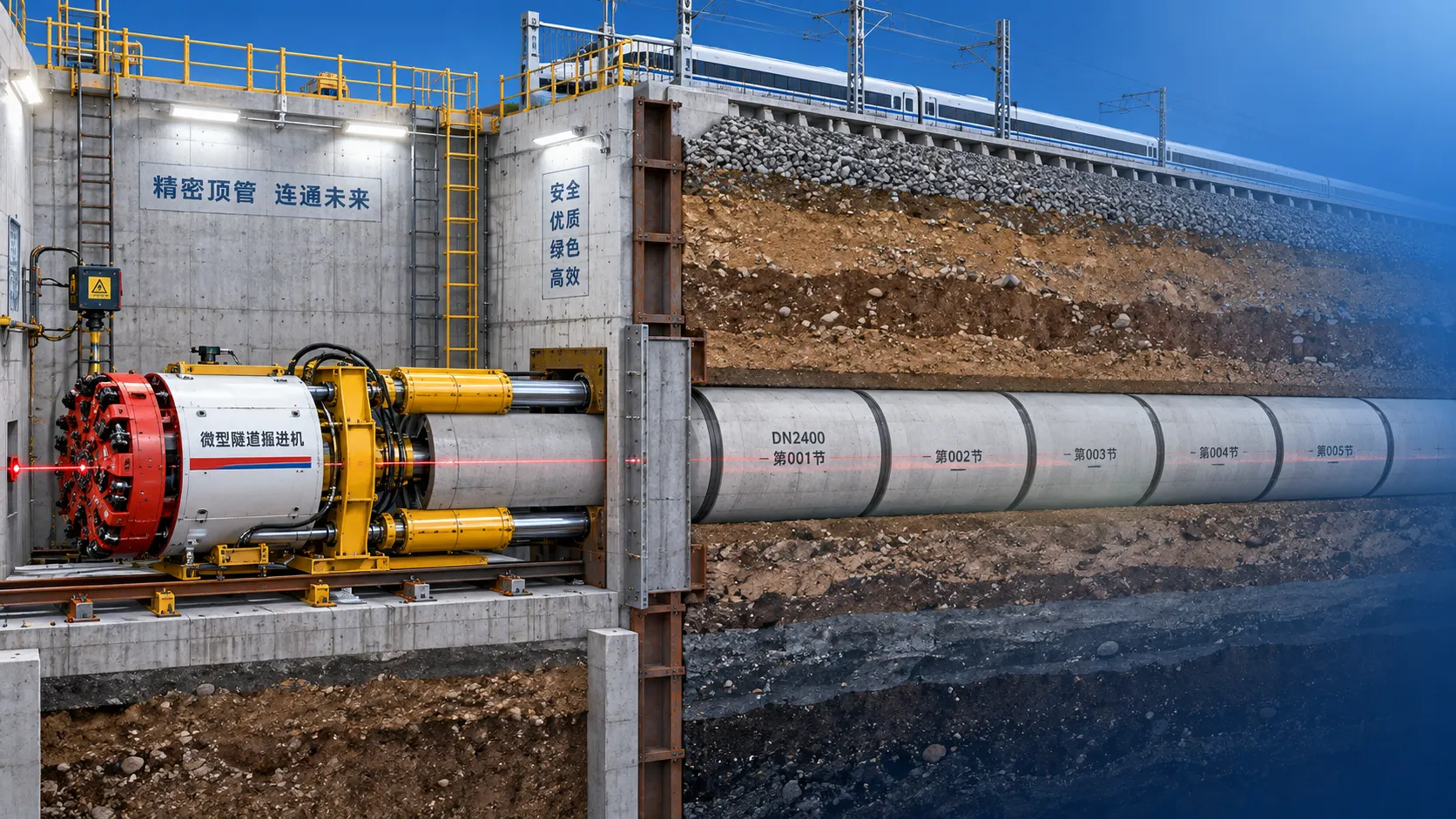
Which Trenchless Construction Technique Fits Your Utility Crossing Conditions?
Trenchless construction techniques compared for utility crossings: choose HDD, microtunnelling, pipe jacking, or auger boring based on ground, accuracy, access, and risk.
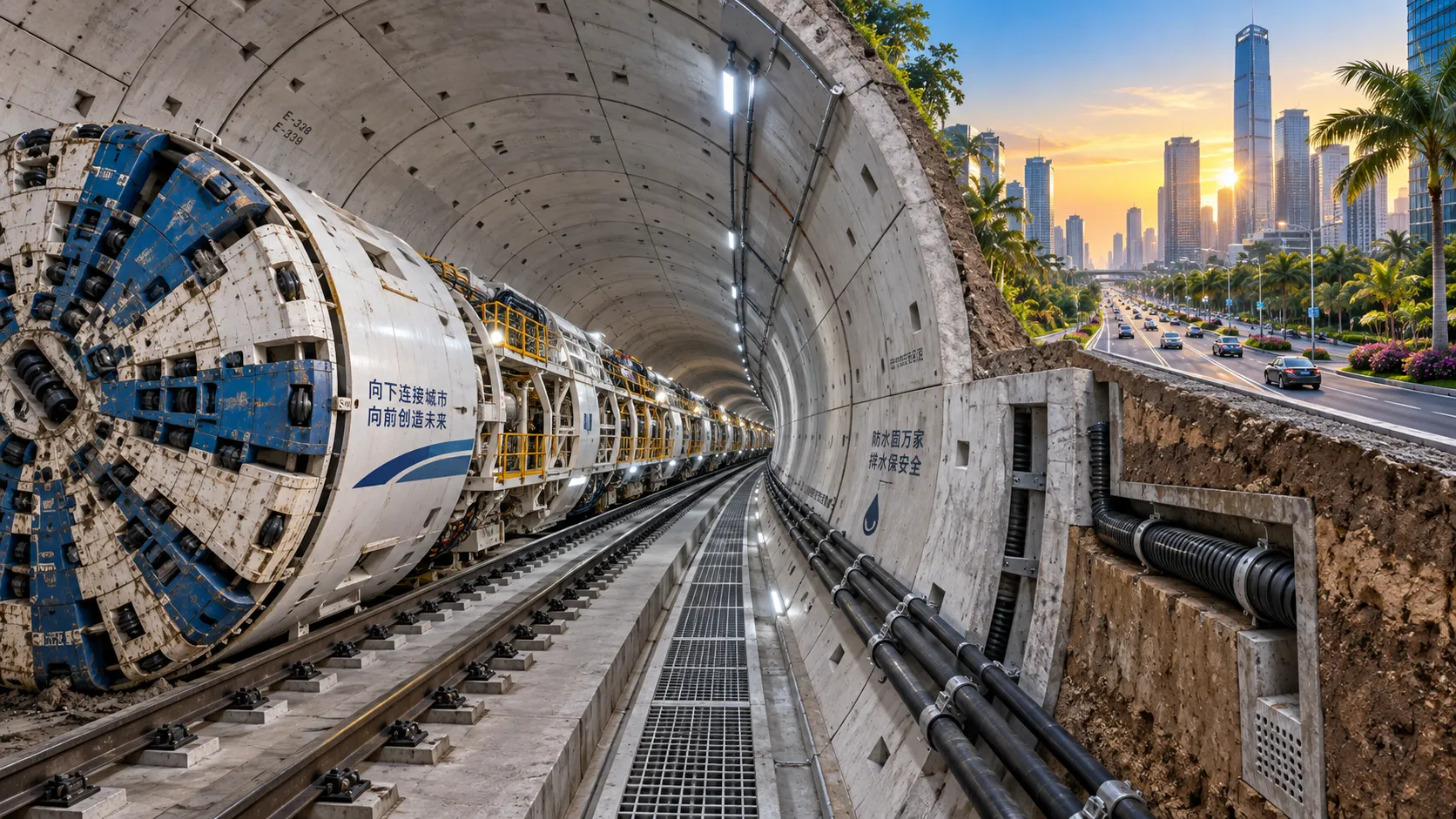
What Is Driving Metro Tunnelling Demand Across Southeast Asia’s Major Cities?
Metro tunnelling Southeast Asia is accelerating as major cities tackle congestion, flooding, and connectivity. Explore the market forces, technical risks, and opportunities shaping demand.
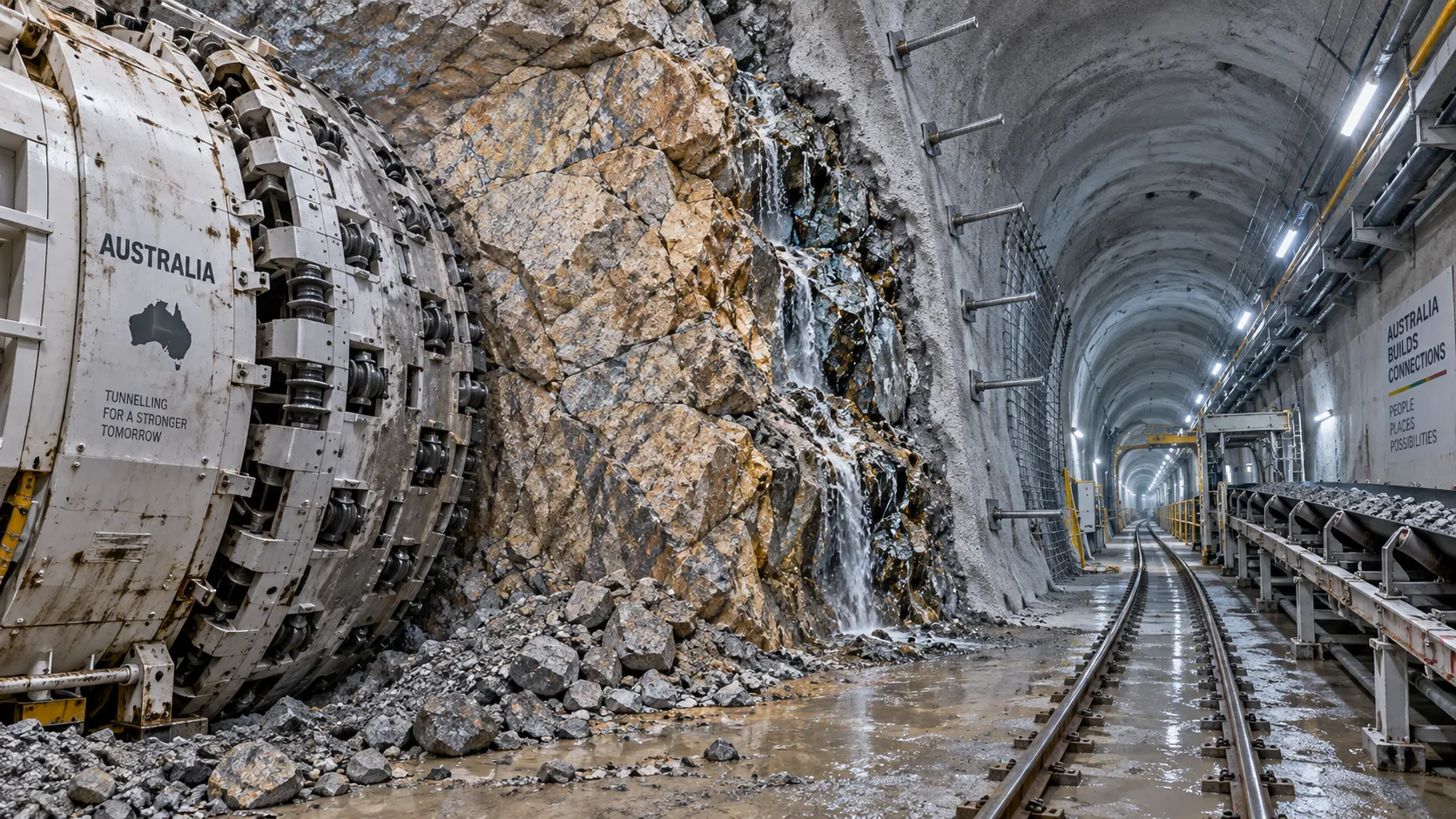
Hard Rock Tunnelling in Australia: Selecting Methods for Variable Ground Conditions
Hard rock tunnelling in Australia: compare TBM, drill-and-blast and hybrid methods to manage variable ground, reduce risk and protect project costs.
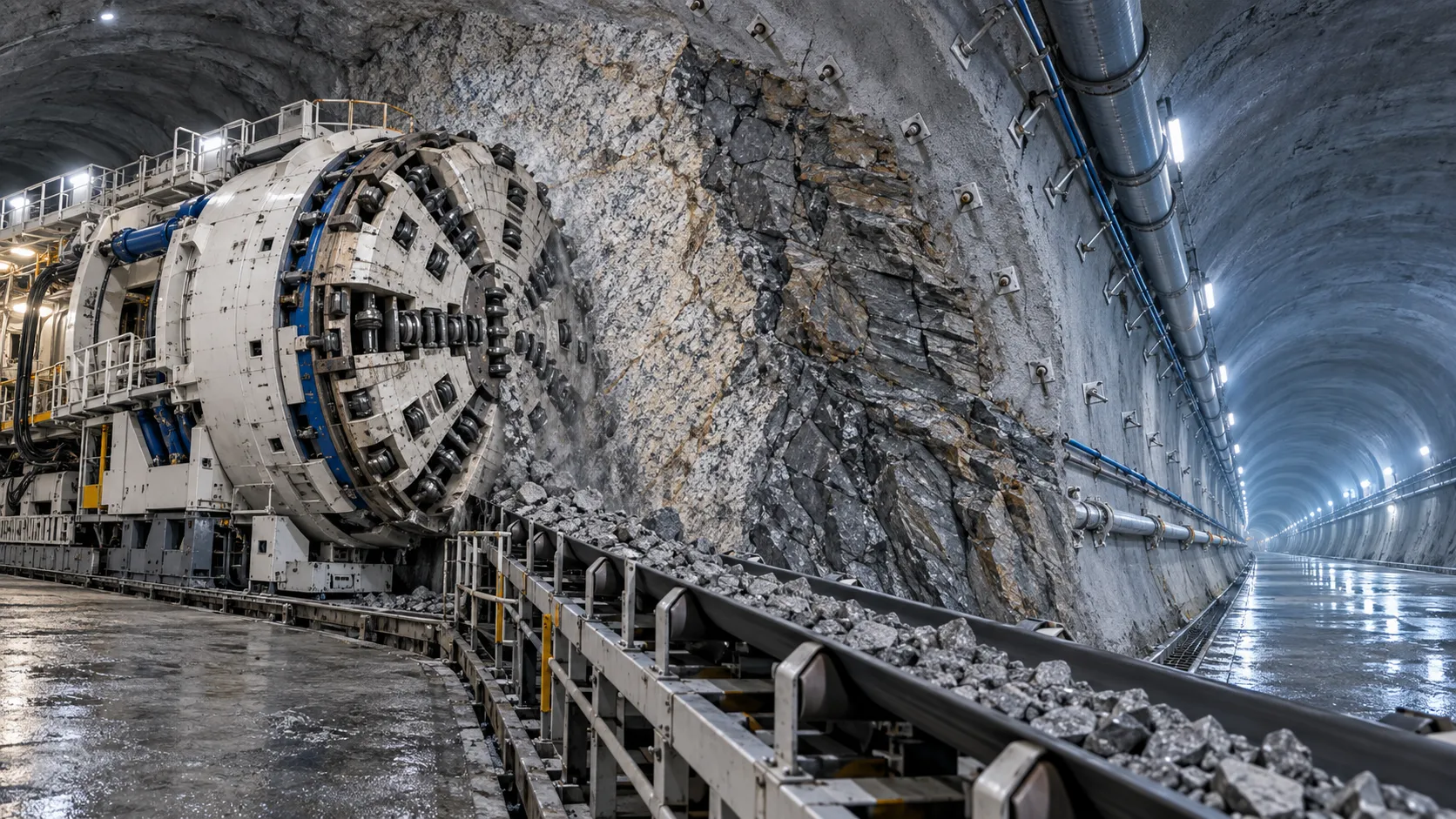
Hydropower Tunnel Excavation: Selecting Methods for Variable Rock Conditions
Hydropower tunnel excavation methods for variable rock conditions: compare TBM, drill-and-blast, and hybrid strategies to improve safety, progress, and project control.
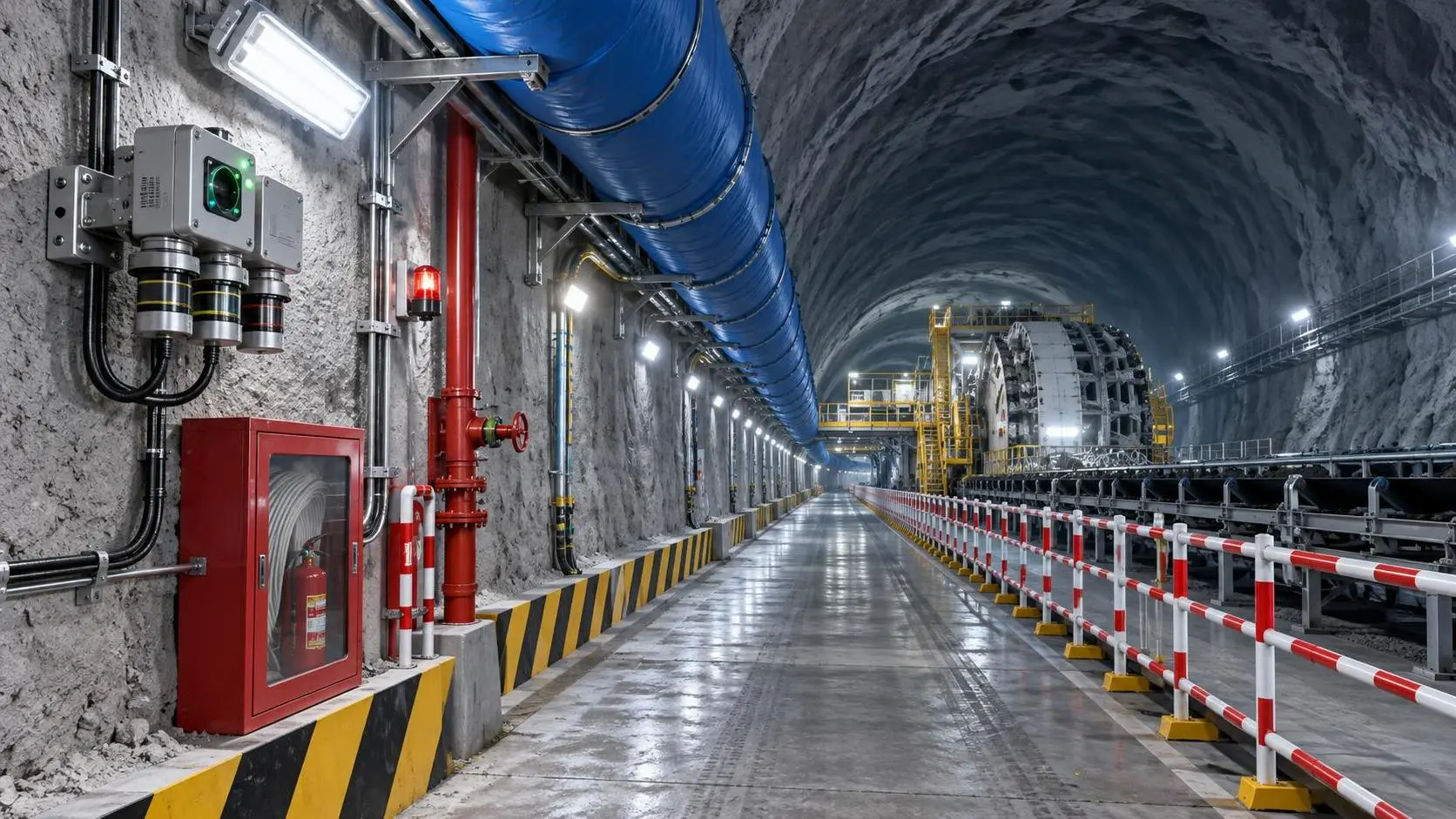
How to Select Underground Safety Equipment for Tunnelling by Hazard and Work Zone
Underground Safety Equipment for tunnelling: match protection to hazards, work zones, compliance, and emergency needs with this practical selection guide.
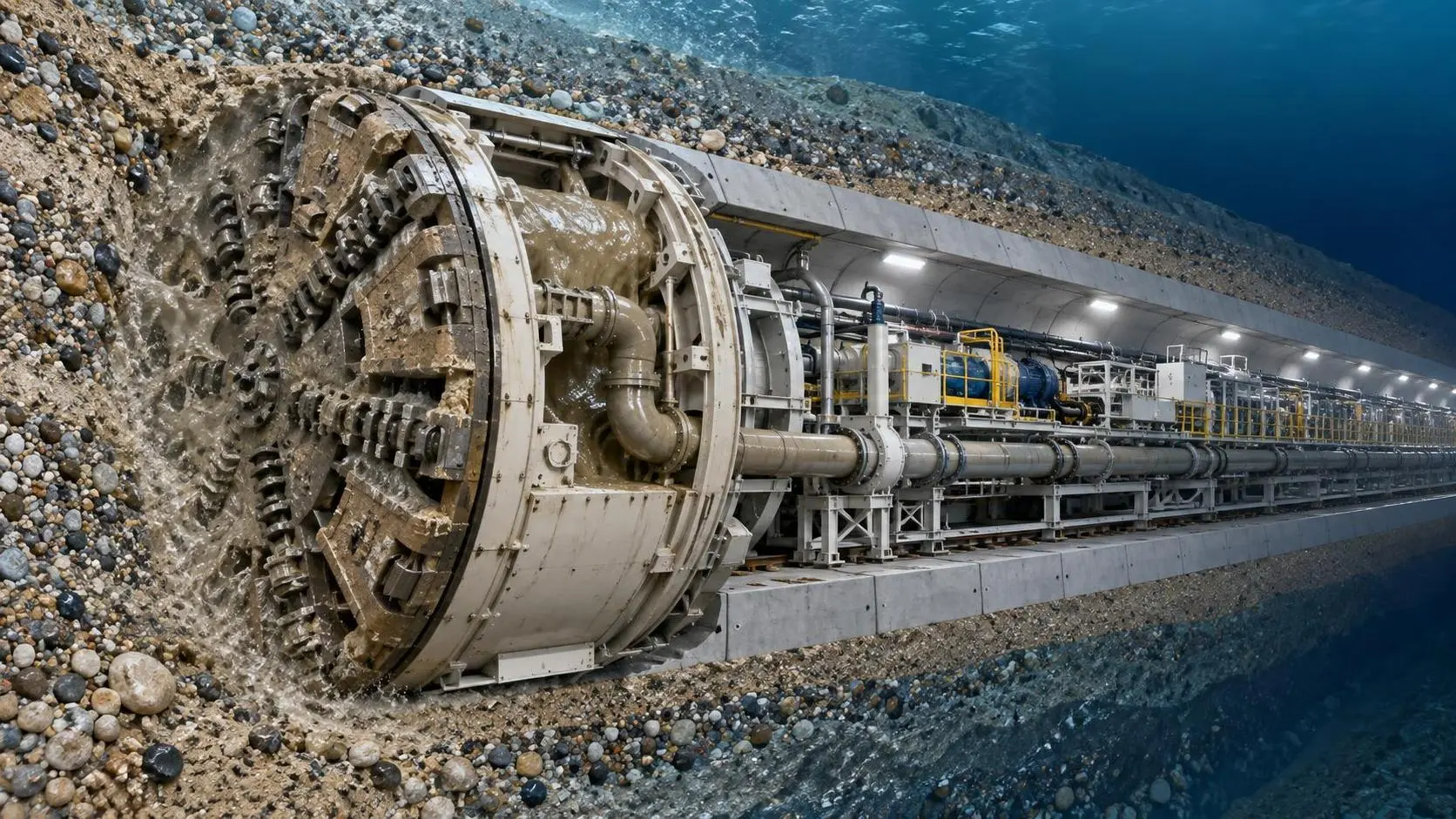
EPB or Slurry Shield? Selecting Soft-Ground Tunnelling Equipment by Soil Conditions
Tunnel Excavation Equipment for soft ground: compare EPB and slurry shields by soil, groundwater, settlement risk, and project logistics to choose confidently.
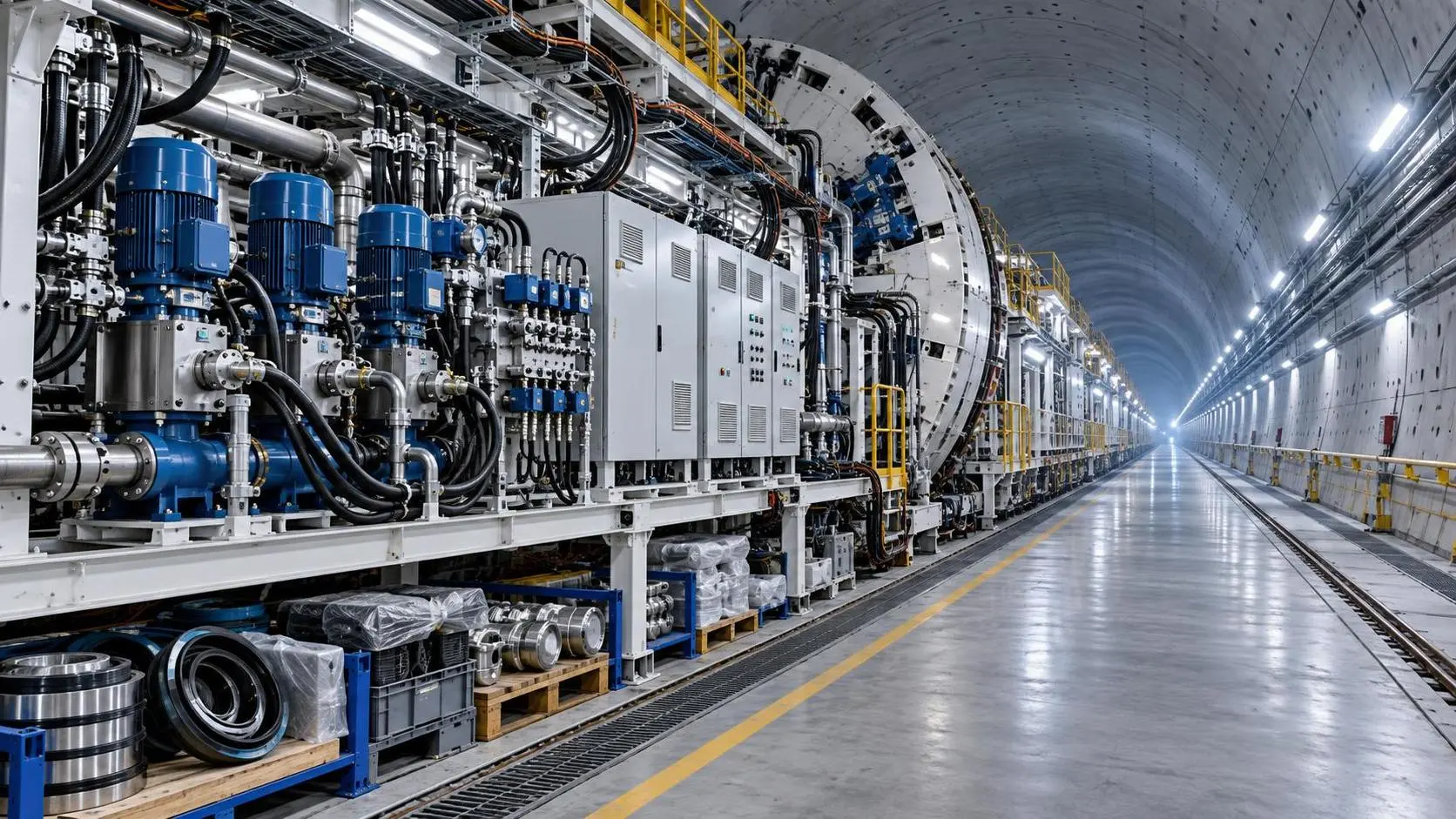
How to Specify TBM Backup System Parts for Reliable Long-Distance Tunnelling
TBM backup system parts: learn how to specify reliable spares for long-distance tunnelling, reduce downtime, ensure compatibility, and speed underground recovery.
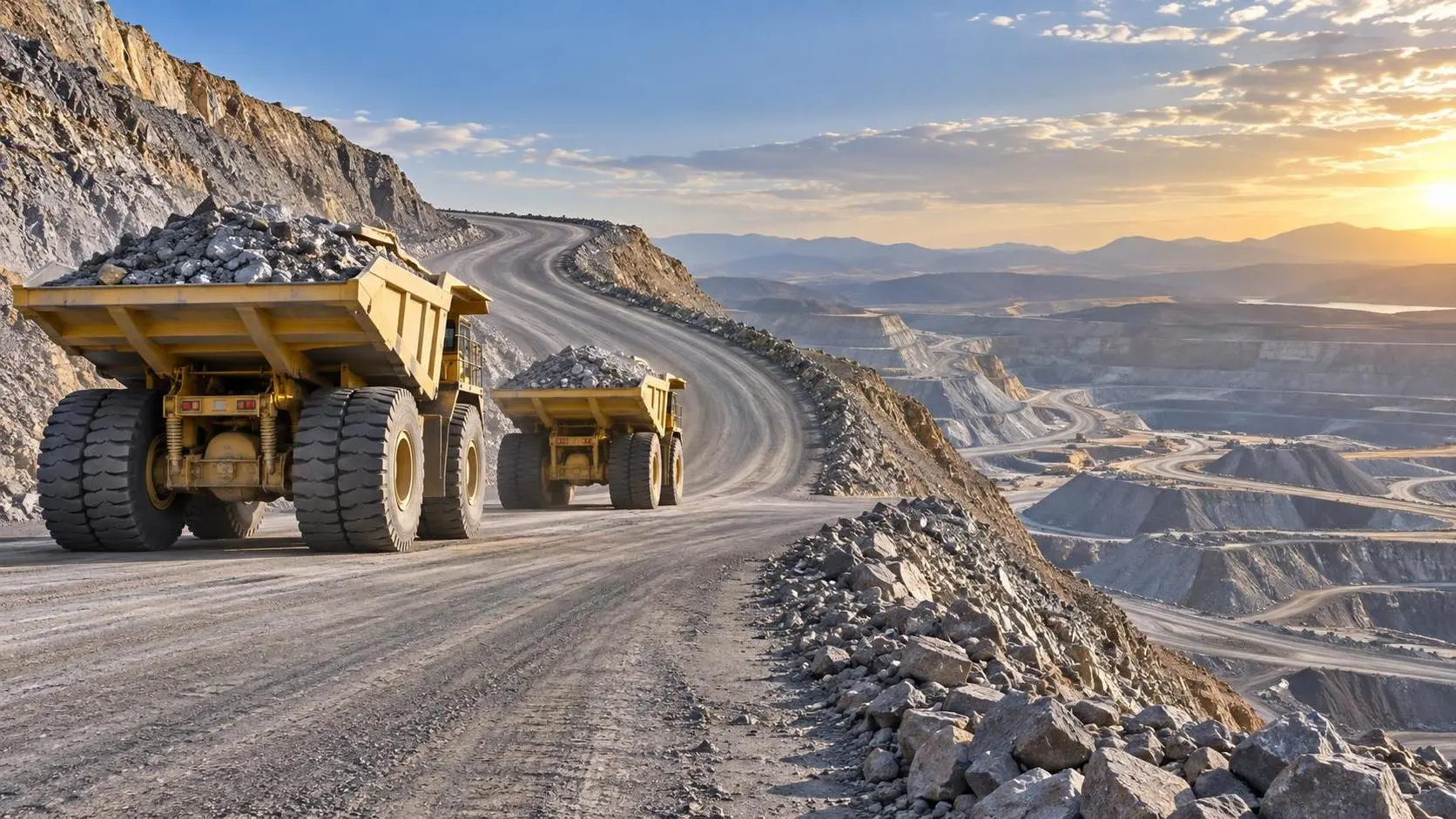
How to Size Open Pit Mining Trucks for Haul Distance, Grade, and Payload?
Open Pit Mining Trucks: learn how to match payload, haul distance, grade, road resistance, and loading capacity for safer, lower-cost mine operations.
Related News
- 00
0000-00
How to Evaluate European Drill-and-Blast Tunnelling Contractors for Complex Projects - 00
0000-00
Which Trenchless Construction Technique Fits Your Utility Crossing Conditions? - 00
0000-00
What Is Driving Metro Tunnelling Demand Across Southeast Asia’s Major Cities? - 00
0000-00
Hard Rock Tunnelling in Australia: Selecting Methods for Variable Ground Conditions - 00
0000-00
Hydropower Tunnel Excavation: Selecting Methods for Variable Rock Conditions
Weekly Insights
Stay ahead with our curated technology reports delivered every Monday.