
What Mining Automation Systems really improve underground





Mining Automation Systems are reshaping underground operations by improving safety, equipment utilization, haulage precision, and real-time decision-making in confined, high-risk environments. For technical evaluators, understanding what these systems truly improve—from autonomous loading and fleet coordination to energy efficiency and data-driven maintenance—is essential for assessing performance, ROI, and long-term mine electrification and digitalization strategies.
What do Mining Automation Systems actually improve underground?
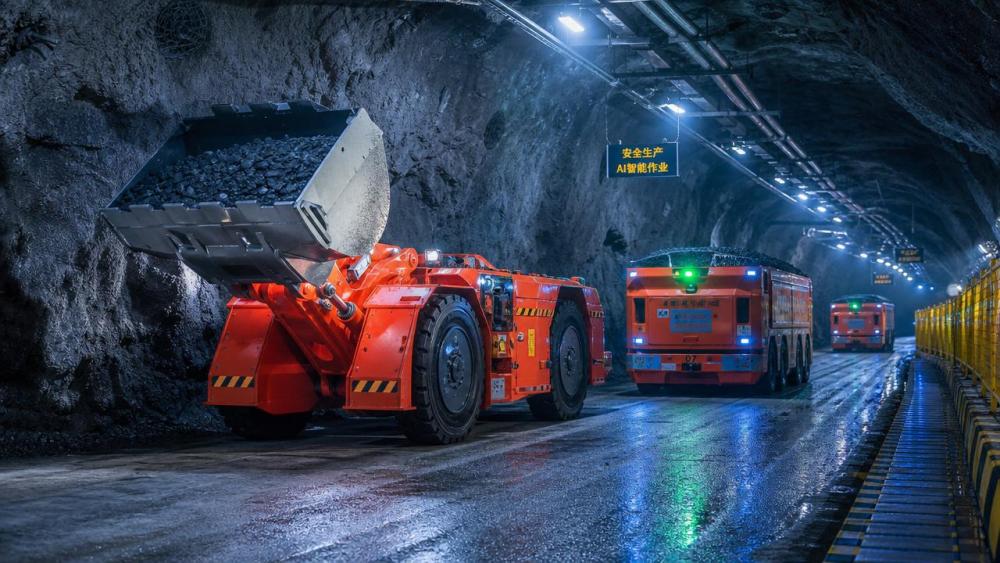
For technical assessment teams, the key question is not whether Mining Automation Systems are advanced, but whether they solve persistent underground constraints. In narrow headings, low-visibility ramps, and ventilation-limited zones, automation changes operating consistency more than it changes machine appearance.
The most visible gains appear in repeatability. Automated or semi-autonomous LHD loaders, drilling jumbos, and haulage systems can follow pre-defined routes, execute loading cycles with lower variance, and reduce operator exposure in unsupported or freshly blasted areas.
For UTMD’s audience, this matters because underground productivity is rarely limited by nameplate machine power alone. It is constrained by rock conditions, traffic interaction, geotechnical uncertainty, operator availability, ventilation capacity, and maintenance discipline. Mining Automation Systems improve how those variables are coordinated.
- They reduce personnel exposure in drawpoints, ore passes, blind corners, and unsupported faces.
- They increase equipment utilization by shortening idle periods between loading, tramming, dumping, and queueing.
- They improve decision speed through live telemetry, event logging, and dispatch-level visibility.
- They support electrification goals by aligning battery use, charging windows, and ventilation demand.
In practice, the strongest business case usually comes from combining safety improvement with more stable cycle times, not from expecting an autonomous fleet to immediately deliver dramatic peak output in every mine layout.
Where do technical evaluators see measurable value first?
Mining Automation Systems create value at different layers: equipment control, fleet orchestration, environmental response, and maintenance intelligence. A technical evaluator should separate these layers because a mine can benefit from one without being fully autonomous.
Machine-level control improvements
At the machine layer, automation improves steering precision, bucket approach consistency, drill pattern execution, braking behavior, and route adherence. This is especially relevant for underground LHDs and battery-electric haulage units working in repeated cycles under constrained clearance.
Fleet-level coordination improvements
At the fleet layer, dispatch logic reduces waiting, intersection conflicts, and underused assets. Technical teams should examine whether the platform manages traffic zones, priority rules, and queue balancing instead of focusing only on autonomous driving claims.
Data-level operational improvements
At the data layer, Mining Automation Systems improve event traceability. Every stop, delay, override, energy spike, and route deviation becomes analyzable. That creates a much better base for maintenance planning, operator training, and CAPEX justification.
The table below helps technical evaluators map improvement areas to practical underground outcomes rather than abstract automation features.
For procurement and engineering reviews, this framework prevents a common mistake: selecting a system for its interface or autonomy branding while missing the operational bottleneck it is supposed to solve.
Which underground scenarios benefit most from Mining Automation Systems?
Not every underground task yields the same return from automation. The strongest candidates are repetitive, high-frequency cycles in areas where human exposure, visibility limits, or ventilation cost materially affect output.
LHD loading and haulage loops
Underground LHD fleets are among the best use cases. Repeated tramming between drawpoint, ore pass, and dump location allows route logic, traffic management, and autonomous loading assistance to generate measurable performance data over short evaluation periods.
Drill-and-blast headings
For drilling jumbos, Mining Automation Systems improve hole positioning consistency, drilling sequence control, and reporting accuracy. The value is not only drilling speed. It is also better blast quality, reduced overbreak risk, and stronger linkage to downstream mucking and support operations.
Electrified transport in ventilation-constrained mines
Battery-electric underground fleets especially benefit when automation is connected to charging logic, battery swap planning, and regenerative braking analysis. UTMD tracks these interactions closely because electrification without traffic intelligence can shift bottlenecks rather than remove them.
- Deep mines with long ramps gain from speed governance, braking control, and energy-aware dispatch.
- Mines with frequent shift interruptions benefit from remote restart and reduced redeployment delay.
- Operations facing labor constraints benefit from centralized control room models and supervised autonomy.
A mine with irregular headings, poor communications coverage, and highly variable face conditions may still benefit, but likely through staged automation rather than an immediate full-fleet transition.
How should you compare Mining Automation Systems during technical evaluation?
Technical evaluators often receive proposals that look similar on paper: remote control, telemetry, autonomy readiness, analytics dashboards. The practical differences emerge when you compare infrastructure dependence, system openness, fail-safe behavior, and integration depth.
The comparison table below is designed for cross-functional review between engineering, operations, maintenance, and digital transformation teams.
This comparison shows why the lowest-entry option is not always the lowest-cost decision over the mine life. If the roadmap includes battery fleets, digital maintenance, or centralized dispatch, system architecture matters early.
What technical indicators matter most before procurement?
Procurement teams should avoid evaluating Mining Automation Systems only by feature count. A better method is to score them against mine-specific constraints, including gradient, heading geometry, communication stability, ventilation cost, and fleet mix.
Core indicators to verify
- Localization performance in dusty, low-GNSS, reflective underground environments.
- Latency tolerance for teleoperation, assisted autonomy, and stop-safe transitions.
- Interoperability with existing fleet management, maintenance, and ventilation systems.
- Fail-safe design during communication loss, sensor obstruction, or route conflict.
- Battery and energy reporting if electrified loaders or trucks are in scope.
UTMD’s sector coverage is particularly useful here because technical evaluators often need context beyond vendor presentations. A loader automation package cannot be judged well in isolation if the operation also plans wider mine electrification, trenchless interface works, or a shift toward smart transport architecture.
Use the following selection matrix to identify which Mining Automation Systems fit your current maturity level and project timeline.
This matrix helps prevent premature overinvestment. In many mines, the right first step is not full autonomy. It is the narrowest deployment that produces reliable operating data and proves integration discipline.
What risks and misconceptions should evaluators watch for?
Mining Automation Systems are often presented as direct productivity multipliers. That framing is incomplete. Results depend on mine design quality, network coverage, maintenance readiness, and the realism of the change-management plan.
Common evaluation mistakes
- Assuming automation can compensate for poor traffic design, weak draw control, or inconsistent blasting.
- Treating underground communication infrastructure as a secondary package instead of a core system dependency.
- Ignoring human factors such as control room workflow, override policy, and skill transition needs.
- Measuring only peak performance instead of shift-wide consistency, recovery time, and event traceability.
Another misconception is that automation only benefits large mines. Smaller operations can also gain if they target specific risk zones, post-blast access delays, or ventilation-driven operating costs. The deployment model simply needs to match the scale and complexity of the site.
How do standards, digital architecture, and future trends affect the decision?
Technical selection should account for general safety and industrial control expectations, even when project specifications vary by region. Evaluators typically review functional safety logic, communication resilience, cybersecurity discipline, machine-human interface design, and traceable maintenance records.
As underground fleets electrify, Mining Automation Systems will increasingly be judged by how well they connect operations with energy management. That includes battery state visibility, charging scheduling, regenerative braking analysis, and ventilation-aware dispatch in confined workings.
UTMD’s strategic value lies in seeing these systems not as isolated software layers, but as part of a broader underground transformation linking TBM engineering logic, trenchless precision, drill-and-blast productivity, and smart haulage under ESG and zero-exhaust pressure.
FAQ: what do technical evaluators usually ask about Mining Automation Systems?
How should we define success in a pilot project?
Use a balanced scorecard. Include operator exposure reduction, cycle time variance, queue delay, communication-related stops, maintenance event visibility, and energy consumption per moved tonne if battery equipment is involved. A pilot should prove controllability and repeatability, not just one high-output shift.
Are Mining Automation Systems only suitable for new mines?
No. Brownfield mines often start with remote operation in high-risk zones, then add traffic logic or fleet analytics. The key is assessing retrofit constraints such as network reach, sensor placement, machine interface compatibility, and operational disruption during commissioning.
What matters more: autonomy level or integration capability?
For many sites, integration capability matters more over the medium term. A highly autonomous machine that cannot share useful data with dispatch, maintenance, and energy systems may underdeliver compared with a less autonomous but better integrated platform.
What is the most overlooked cost in underground automation?
Usually communications infrastructure, workflow redesign, and change management. Hardware and software are visible line items. The operational cost of weak network coverage, poor operator adoption, or incomplete maintenance procedures is less visible but often more damaging.
Why choose us for underground automation intelligence and project evaluation support?
UTMD supports technical evaluators who need more than generic automation commentary. Our focus spans TBMs, pipe jacking systems, drilling jumbos, mining dump trucks, and underground LHD loaders, allowing us to interpret Mining Automation Systems within the real mechanics of rock excavation, haulage, electrification, and confined-space operations.
You can contact us for practical evaluation support tied to underground project decisions, including parameter confirmation for automated haulage scenarios, product selection logic for remote or autonomous loaders, delivery-cycle considerations for phased deployment, certification and compliance checkpoints, and solution comparison for electrified smart mine planning.
- Request help comparing Mining Automation Systems for LHD, drill jumbo, or underground transport applications.
- Discuss integration questions involving fleet data, SLAM-related navigation, charging strategy, or ventilation constraints.
- Review project-stage priorities such as pilot scope, technical risk screening, vendor shortlisting, and budget communication.
- Clarify procurement inputs, including operating assumptions, deployment sequence, and evaluation criteria for long-term ROI.
If your team is assessing how Mining Automation Systems will really perform underground, contact UTMD with your target equipment class, mine conditions, and project timeline. That allows a more precise discussion around selection, implementation path, and decision-ready technical intelligence.
Related News
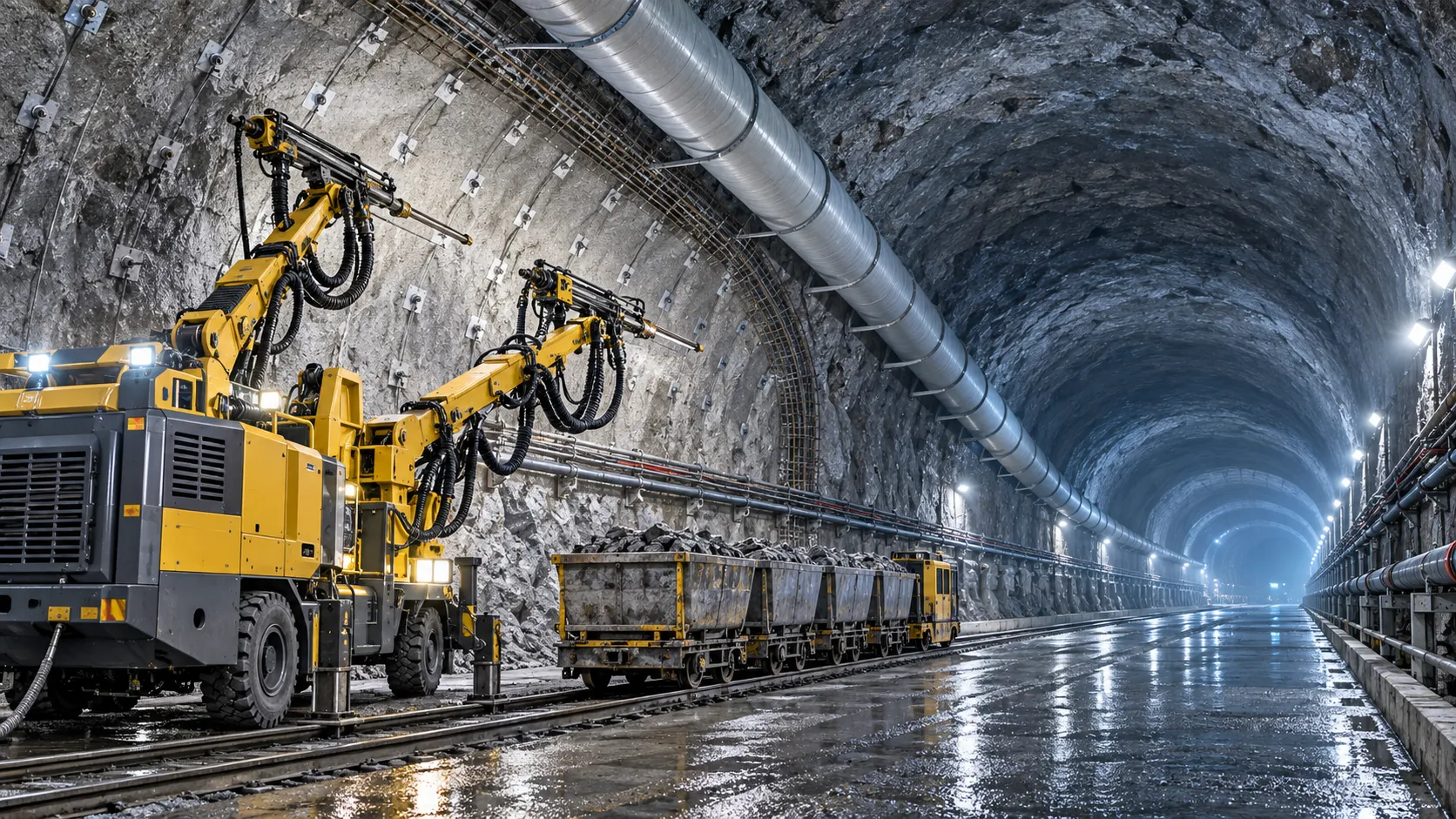
How to Evaluate European Drill-and-Blast Tunnelling Contractors for Complex Projects
Drill and blast tunnelling contractors Europe: learn how to assess geology expertise, blast control, equipment reliability, safety, and programme resilience for complex projects.
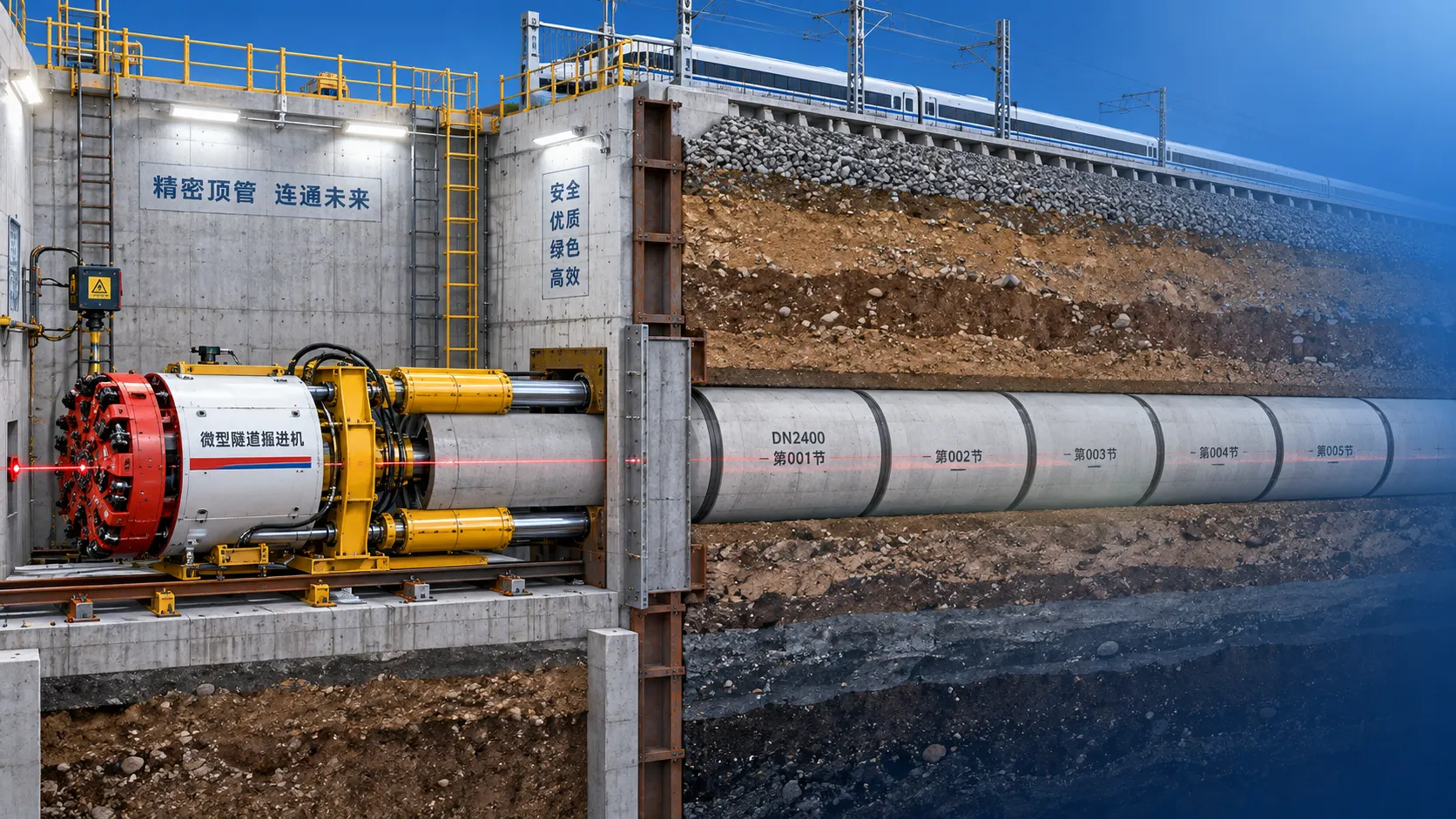
Which Trenchless Construction Technique Fits Your Utility Crossing Conditions?
Trenchless construction techniques compared for utility crossings: choose HDD, microtunnelling, pipe jacking, or auger boring based on ground, accuracy, access, and risk.
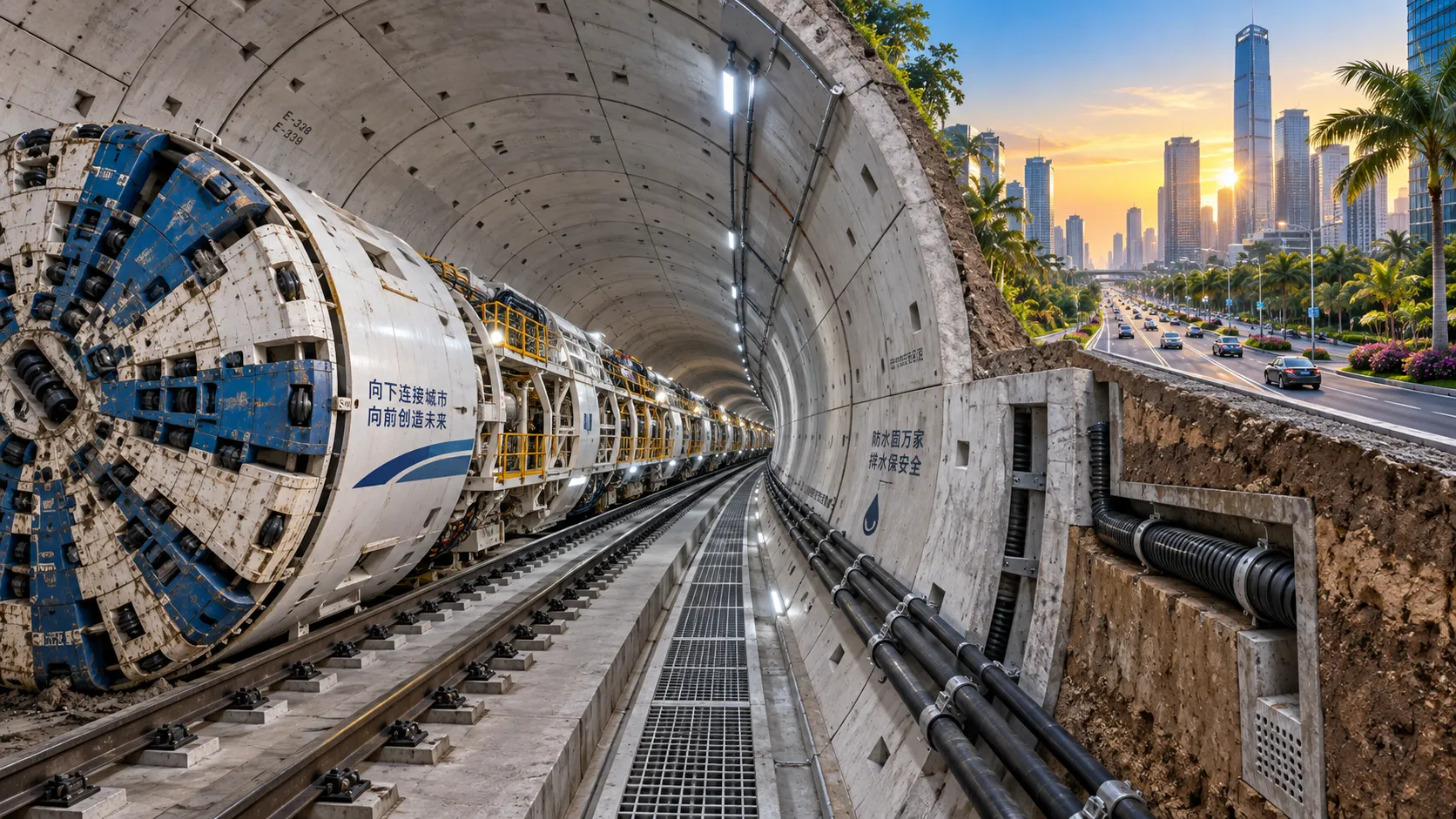
What Is Driving Metro Tunnelling Demand Across Southeast Asia’s Major Cities?
Metro tunnelling Southeast Asia is accelerating as major cities tackle congestion, flooding, and connectivity. Explore the market forces, technical risks, and opportunities shaping demand.
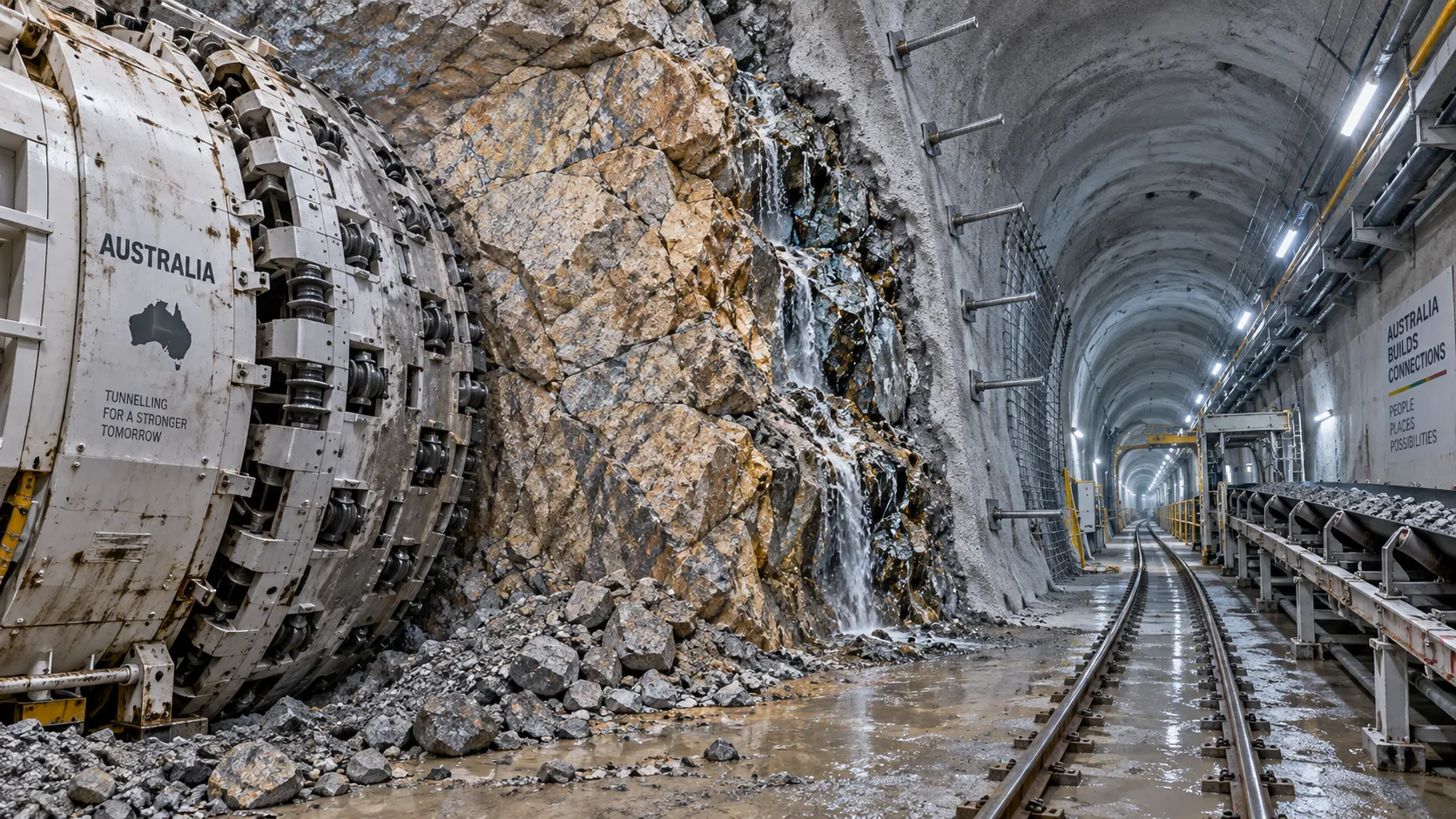
Hard Rock Tunnelling in Australia: Selecting Methods for Variable Ground Conditions
Hard rock tunnelling in Australia: compare TBM, drill-and-blast and hybrid methods to manage variable ground, reduce risk and protect project costs.
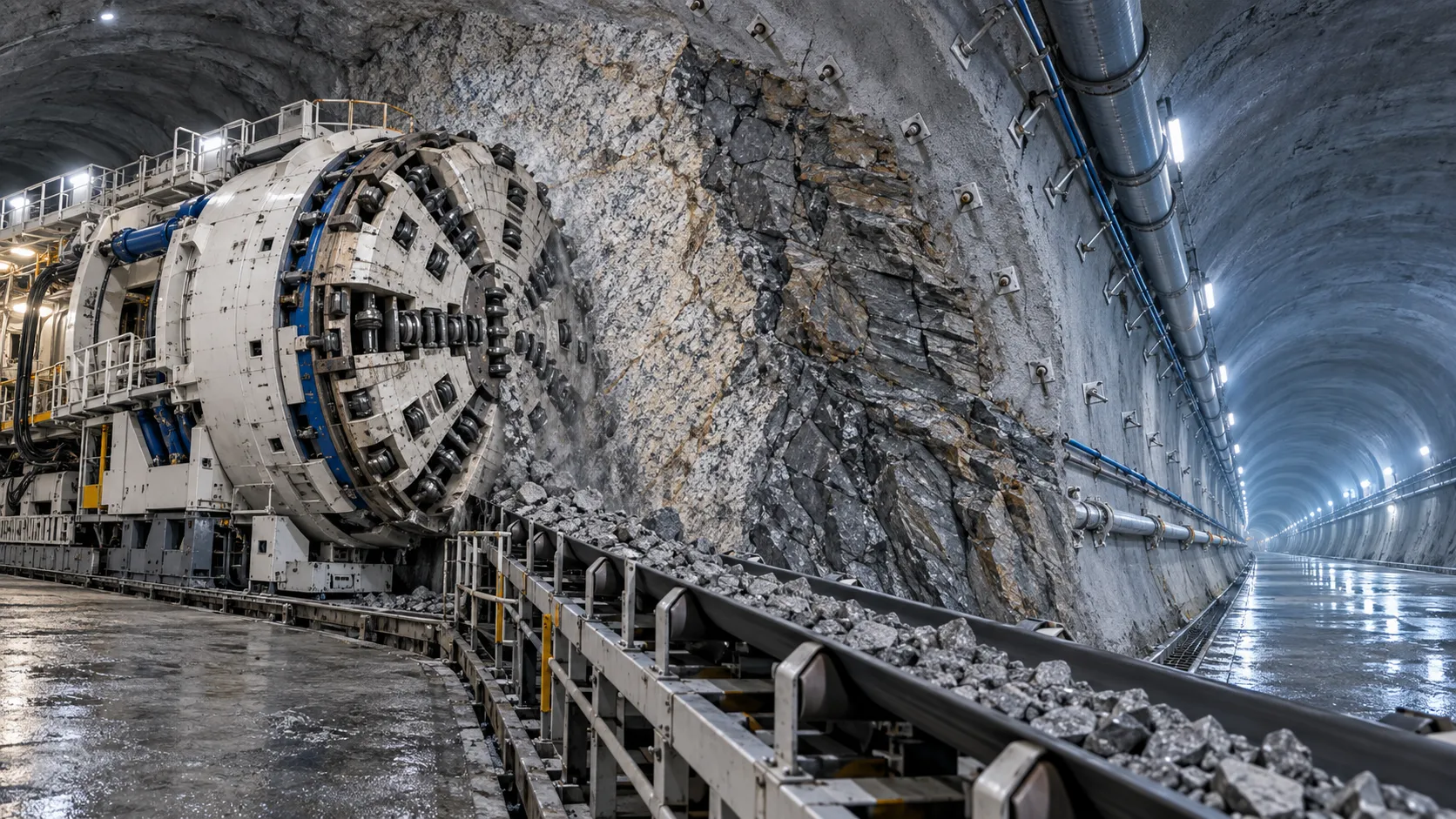
Hydropower Tunnel Excavation: Selecting Methods for Variable Rock Conditions
Hydropower tunnel excavation methods for variable rock conditions: compare TBM, drill-and-blast, and hybrid strategies to improve safety, progress, and project control.
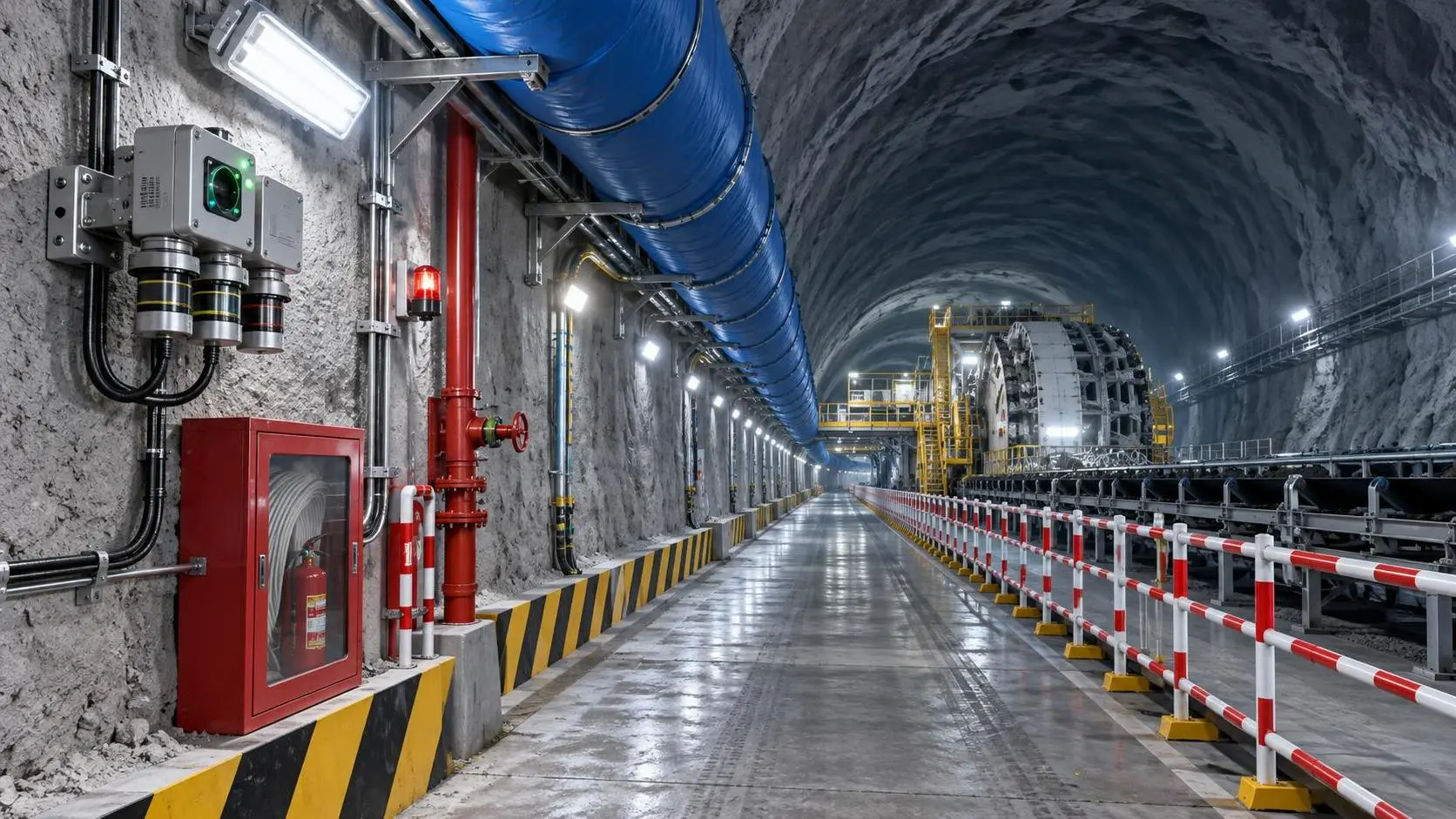
How to Select Underground Safety Equipment for Tunnelling by Hazard and Work Zone
Underground Safety Equipment for tunnelling: match protection to hazards, work zones, compliance, and emergency needs with this practical selection guide.
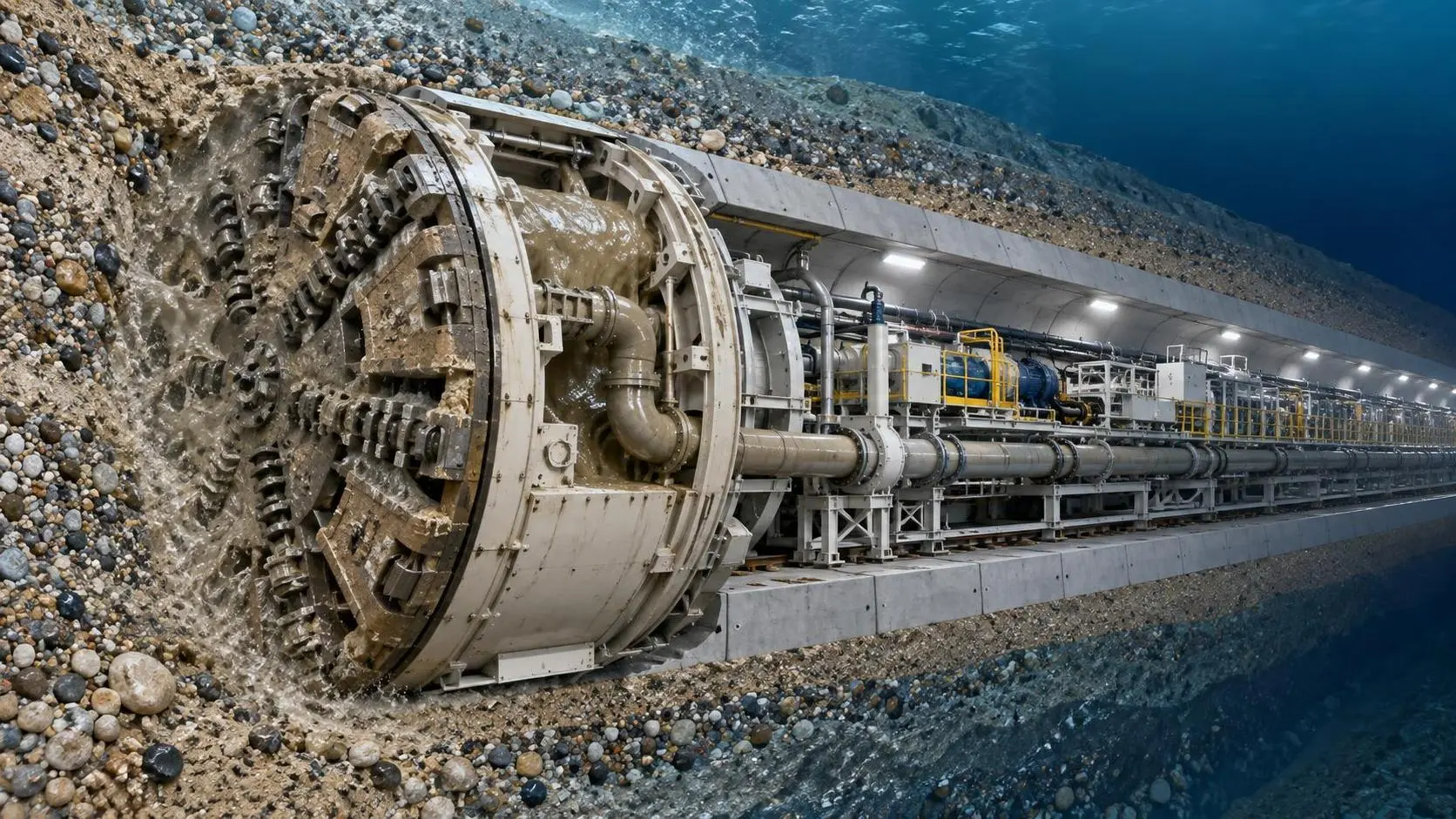
EPB or Slurry Shield? Selecting Soft-Ground Tunnelling Equipment by Soil Conditions
Tunnel Excavation Equipment for soft ground: compare EPB and slurry shields by soil, groundwater, settlement risk, and project logistics to choose confidently.
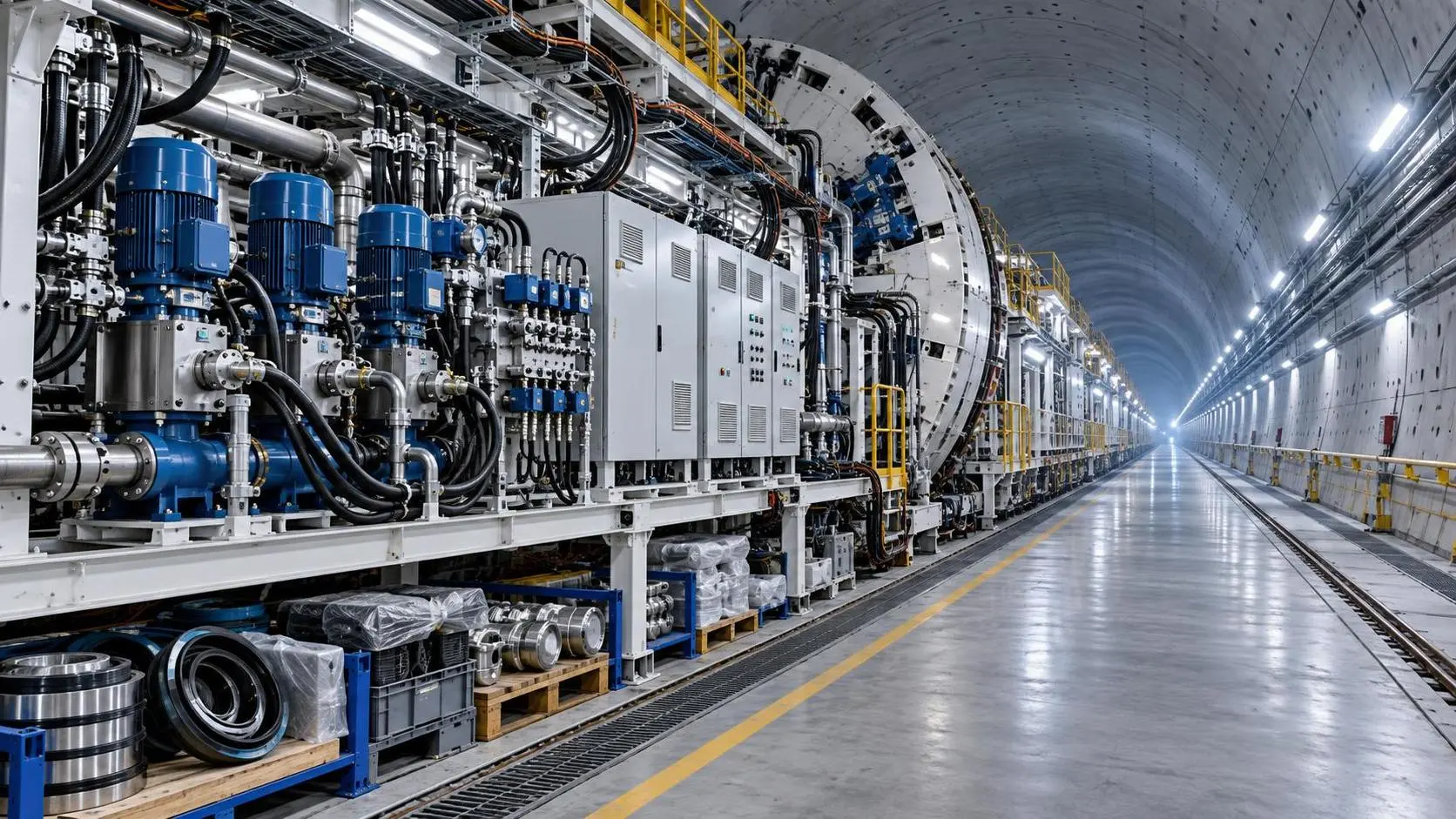
How to Specify TBM Backup System Parts for Reliable Long-Distance Tunnelling
TBM backup system parts: learn how to specify reliable spares for long-distance tunnelling, reduce downtime, ensure compatibility, and speed underground recovery.
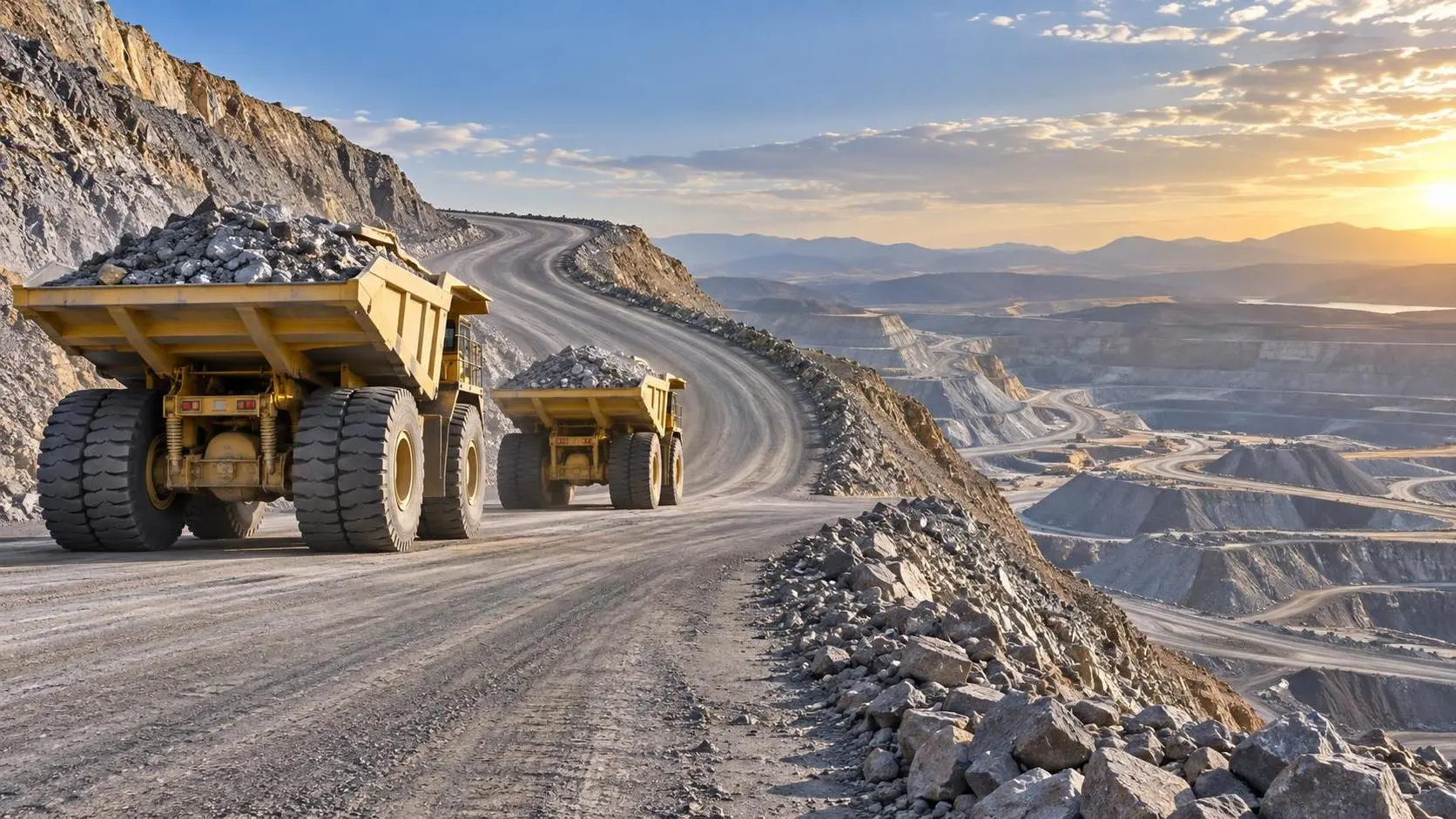
How to Size Open Pit Mining Trucks for Haul Distance, Grade, and Payload?
Open Pit Mining Trucks: learn how to match payload, haul distance, grade, road resistance, and loading capacity for safer, lower-cost mine operations.
Related News
- 00
0000-00
How to Evaluate European Drill-and-Blast Tunnelling Contractors for Complex Projects - 00
0000-00
Which Trenchless Construction Technique Fits Your Utility Crossing Conditions? - 00
0000-00
What Is Driving Metro Tunnelling Demand Across Southeast Asia’s Major Cities? - 00
0000-00
Hard Rock Tunnelling in Australia: Selecting Methods for Variable Ground Conditions - 00
0000-00
Hydropower Tunnel Excavation: Selecting Methods for Variable Rock Conditions
Weekly Insights
Stay ahead with our curated technology reports delivered every Monday.