
Is Underground Engineering Intelligence Worth the Upgrade?





Is Underground Engineering Intelligence Worth the Upgrade?
As underground projects grow deeper, cleaner, and more automated, enterprise leaders face a critical competitiveness question.
Is Underground Engineering Intelligence now essential for reducing risk, improving asset utilization, and identifying the next high-value equipment opportunity?
From TBM performance to autonomous LHD operations, reliable intelligence turns complex subsurface uncertainty into measurable strategic advantage.
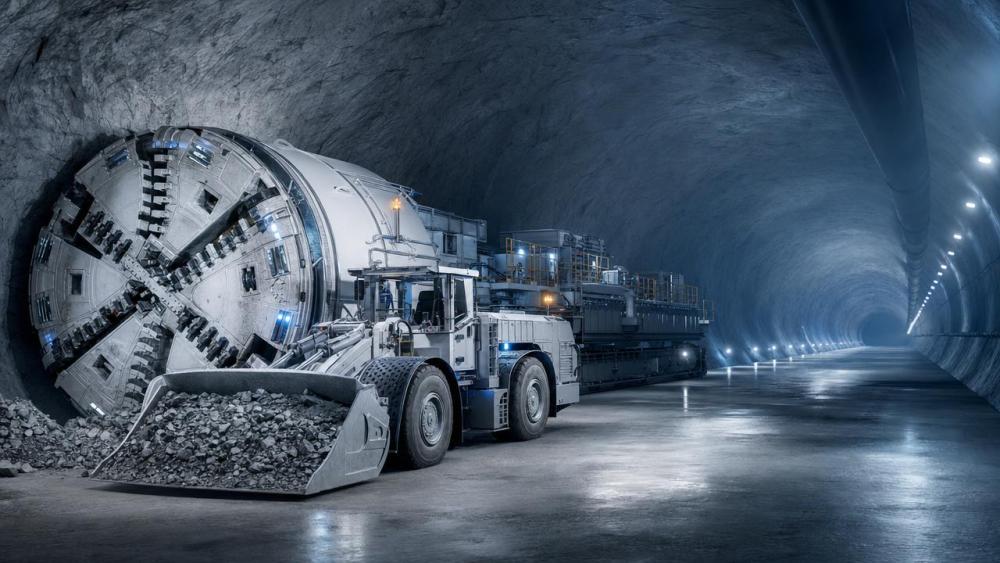
The Underground Sector Is Moving Beyond Conventional Project Monitoring
Underground engineering is no longer defined only by excavation speed, equipment size, or installed power.
The decisive variable is now the ability to interpret geology, machine behavior, safety exposure, and market timing together.
This is where Underground Engineering Intelligence becomes more than a reporting function.
It connects technical evidence, equipment economics, ESG pressure, and infrastructure demand into one decision framework.
The change is visible across mega tunnels, trenchless urban networks, metal mines, and electrified haulage systems.
Projects are deeper, procurement cycles are faster, and tolerance for failure is lower.
A delayed cutterhead decision, battery strategy, or automation roadmap can shift both cost and schedule dramatically.
Trend Signals Show Intelligence Is Becoming Operational Infrastructure
Several signals indicate that Underground Engineering Intelligence is becoming a core layer of underground operations.
TBM fleets are generating richer data from disc cutters, thrust systems, slurry circuits, and guidance platforms.
Pipe jacking projects increasingly depend on soil prediction, alignment control, and low-disturbance construction planning.
Mining trucks are shifting toward battery-electric platforms, regenerative braking, and autonomous dispatch optimization.
Underground LHD loaders are moving toward remote operation, battery swapping, 5G control, and real-time fleet coordination.
These developments create a new question.
Can decisions still rely on isolated vendor information, periodic reports, and delayed market signals?
For high-risk underground assets, the answer is increasingly no.
Why the Upgrade Is Being Driven by Multiple Forces
The case for Underground Engineering Intelligence is strongest when technical, commercial, and regulatory pressures converge.
These forces are not temporary disruptions.
They represent structural pressure on every deep infrastructure and mining decision.
Underground Engineering Intelligence helps identify where risk is rising before failures appear in the field.
The Impact Reaches Every Critical Underground Business Link
The upgrade affects more than research teams or digital departments.
It changes how projects are planned, equipment is evaluated, and capital is allocated.
For tunnelling projects, Underground Engineering Intelligence supports earlier identification of ground-risk patterns and TBM configuration needs.
For trenchless works, it improves understanding of soil behavior, jacking force trends, and urban disruption constraints.
For mining operations, it clarifies when electric trucks, drilling jumbos, and LHD loaders can deliver operational advantage.
For suppliers and technology developers, it reveals where future demand is strongest and which capabilities build credibility.
Operational Decisions Become More Evidence-Based
- TBM cutter consumption can be compared against geology and penetration targets.
- Pipe jacking risk can be linked to alignment, soil, lubrication, and settlement data.
- Electric mining truck value can be tested against haul length and grade.
- LHD automation readiness can be assessed through communications, mapping, and maintenance stability.
This is the practical advantage of Underground Engineering Intelligence.
It narrows the gap between engineering complexity and board-level decision confidence.
Where the Intelligence Upgrade Creates the Most Value
The value of Underground Engineering Intelligence is highest where uncertainty is costly and data is fragmented.
Five application areas deserve priority attention.
- TBM selection and lifecycle performance. Compare machine design, cutterhead strategy, and maintenance exposure.
- Trenchless project planning. Connect ground conditions, jacking force, pipe material, and settlement risk.
- Mine electrification timing. Evaluate battery systems, charging models, ventilation savings, and productivity trade-offs.
- Autonomous haulage readiness. Measure control systems, route stability, communications, and safety integration.
- Equipment market forecasting. Track tenders, replacement cycles, commodity demand, and regional infrastructure spending.
In each area, better intelligence improves timing.
It helps avoid premature adoption, delayed transition, or overreliance on narrow technical assumptions.
Key Metrics That Should Guide Upgrade Decisions
A useful intelligence upgrade should not be judged by dashboard volume alone.
It should improve decisions that affect cost, safety, uptime, emissions, and competitive positioning.
- Asset utilization across TBMs, drilling jumbos, trucks, and LHD fleets.
- Mean time between failures under harsh underground conditions.
- Cutter, bit, tire, battery, and hydraulic component consumption.
- Ventilation energy reduction from electric underground equipment.
- Automation stability in low-visibility, GPS-denied environments.
- Tender activity, mine expansions, and equipment replacement demand.
Underground Engineering Intelligence should also test whether a technology is field-proven or still promotional.
That distinction matters when projects operate hundreds of meters below ground.
How to Judge Whether the Upgrade Is Worth It
The upgrade is worth serious consideration when three conditions appear together.
First, equipment decisions carry long payback periods and high switching costs.
Second, project risks depend on both geology and machine behavior.
Third, market windows are shaped by infrastructure funding, mineral demand, and environmental regulation.
If these questions remain unanswered, Underground Engineering Intelligence is not an optional upgrade.
It becomes a necessary control system for strategic uncertainty.
What Enterprises Should Watch Next
The next phase will reward organizations that combine technical depth with commercial timing.
Underground Engineering Intelligence should monitor several high-impact developments.
- Hard-rock TBM advances for deeper tunnels and complex fault zones.
- Disc cutter materials, sensorized cutterheads, and predictive wear analytics.
- Battery swapping, fast charging, and thermal safety for underground LHDs.
- Regenerative braking economics for electric mining trucks on downhill hauls.
- SLAM algorithms and machine vision for GPS-denied mine navigation.
- Global tenders connected to rail tunnels, water transfer, and energy storage caverns.
These signals should not be tracked separately.
The strongest insight appears when equipment performance, policy movement, and project pipelines are stitched together.
A Practical Upgrade Path for Stronger Decisions
A disciplined approach prevents intelligence programs from becoming unfocused data collection exercises.
Start with decisions that have direct financial exposure.
- Map the most expensive underground decisions over the next three years.
- Identify which decisions depend on geology, machine reliability, and regulation.
- Build intelligence indicators for each decision, not generic dashboards.
- Compare internal assumptions with global equipment and project evidence.
- Review signals quarterly as tenders, commodities, and technologies change.
This method makes Underground Engineering Intelligence measurable and decision-centered.
It also creates a shared language between engineering, strategy, sustainability, and capital planning functions.
Conclusion: Intelligence Is Becoming a Competitive Excavation Tool
So, is Underground Engineering Intelligence worth the upgrade?
For organizations exposed to deep tunnels, trenchless networks, smart mines, or heavy underground fleets, the answer is yes.
The value is not only better information.
The value is better timing, lower technical risk, and stronger control over high-cost underground decisions.
UTMD follows this transition through TBM dynamics, trenchless engineering, electric haulage, autonomous LHDs, and mining technology trends.
To move from observation to action, begin by auditing your highest-risk underground decisions.
Then align each one with focused Underground Engineering Intelligence indicators that can guide investment, technology adoption, and market positioning.
Related News
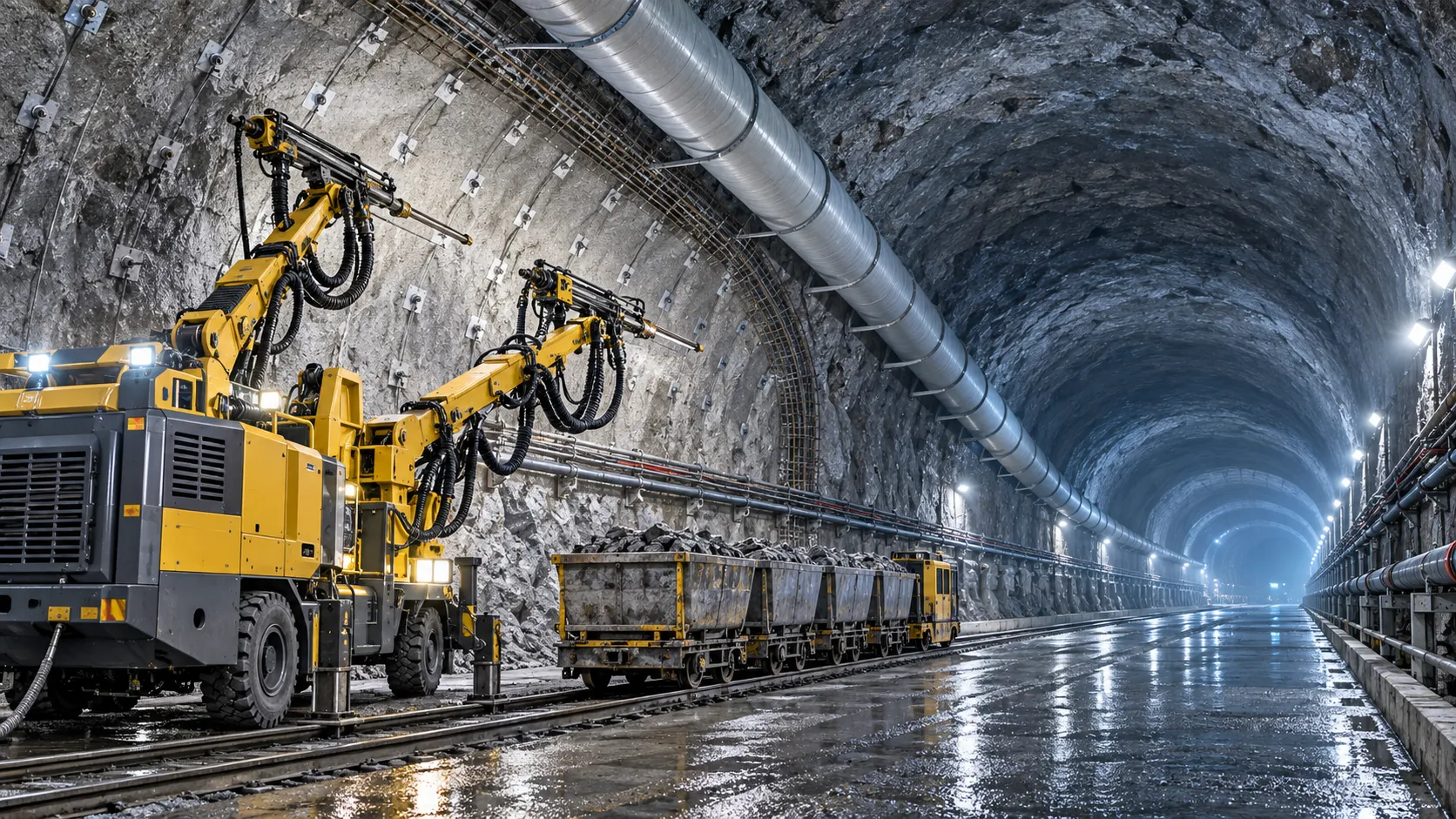
How to Evaluate European Drill-and-Blast Tunnelling Contractors for Complex Projects
Drill and blast tunnelling contractors Europe: learn how to assess geology expertise, blast control, equipment reliability, safety, and programme resilience for complex projects.
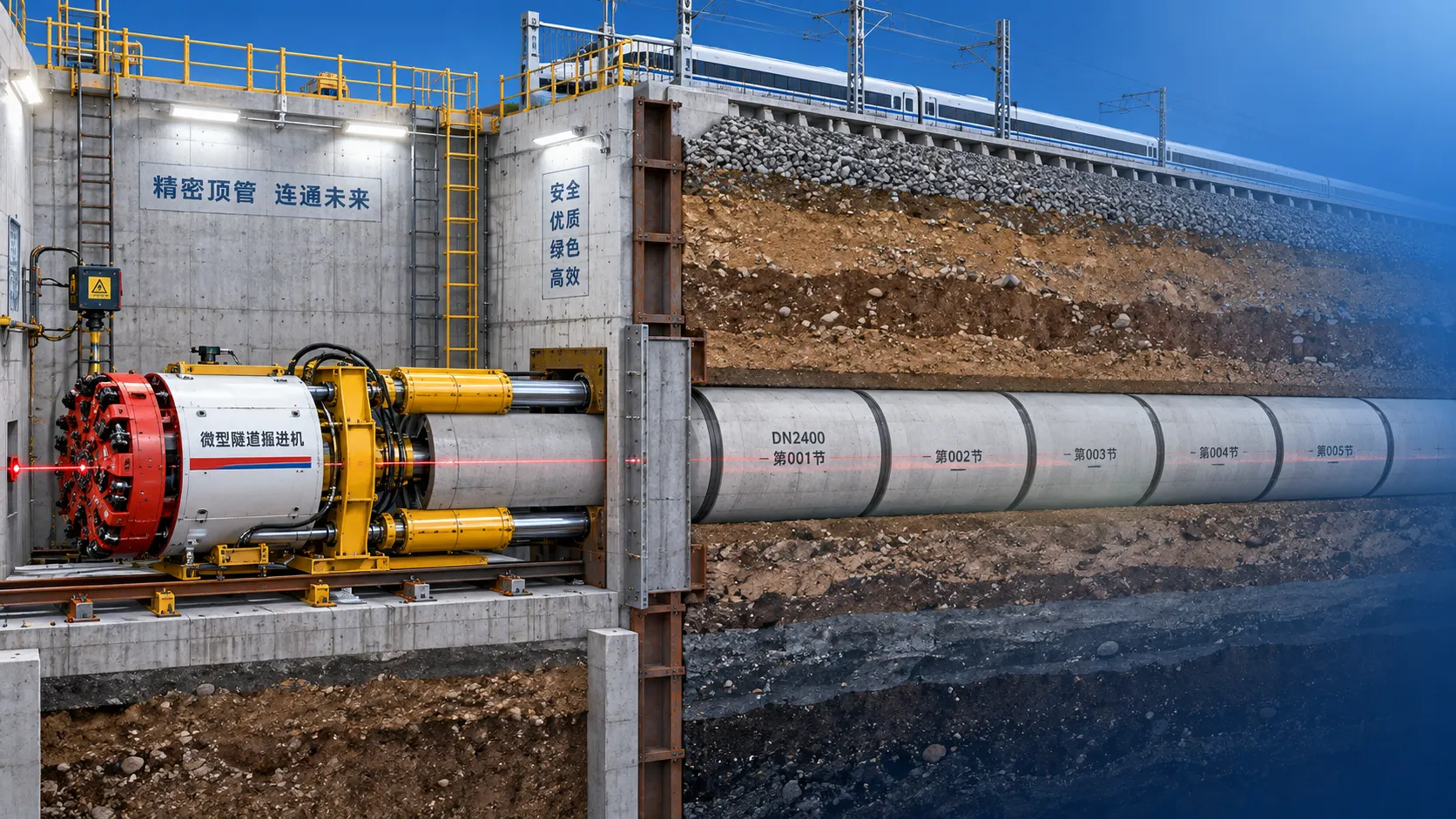
Which Trenchless Construction Technique Fits Your Utility Crossing Conditions?
Trenchless construction techniques compared for utility crossings: choose HDD, microtunnelling, pipe jacking, or auger boring based on ground, accuracy, access, and risk.
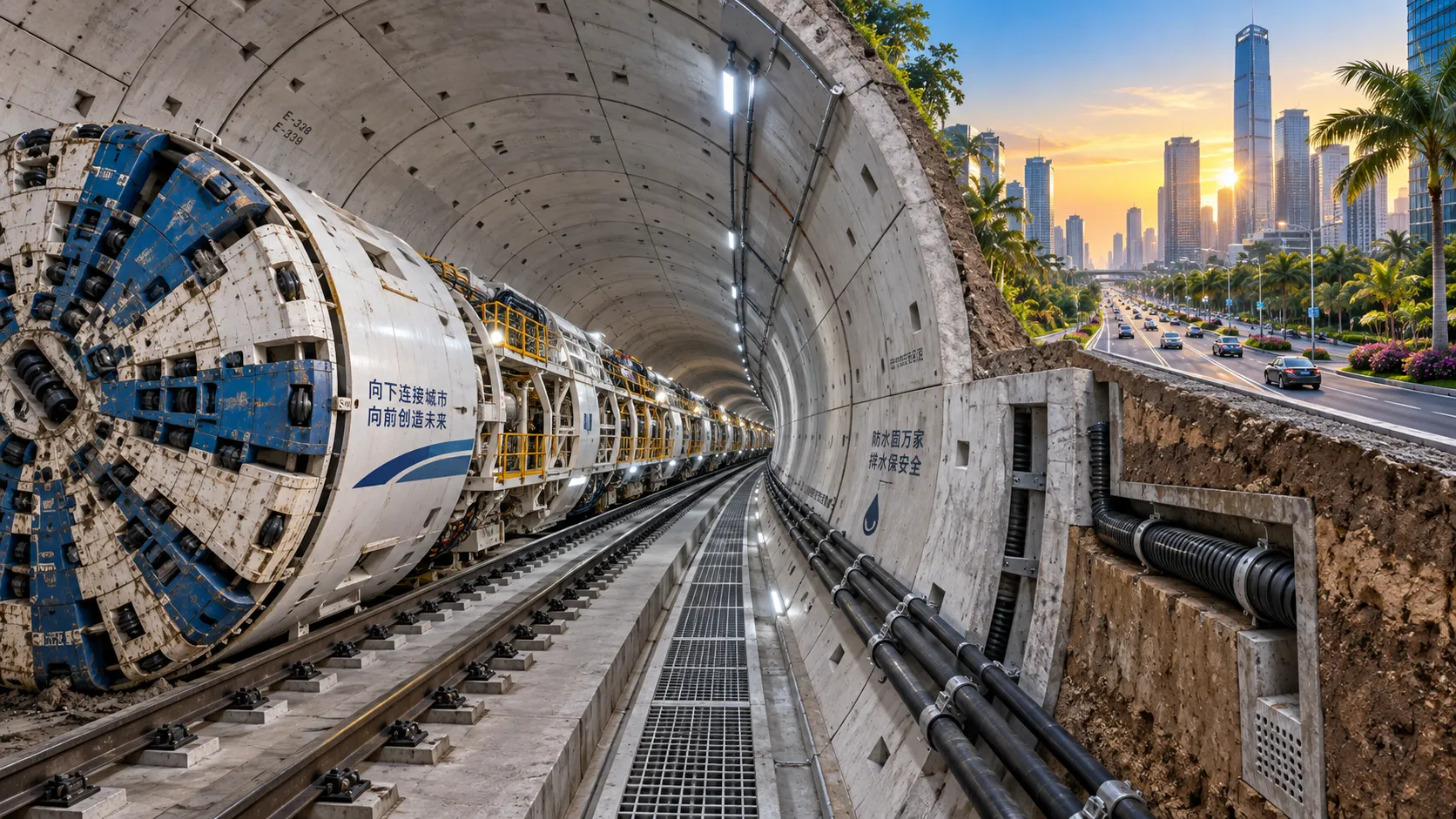
What Is Driving Metro Tunnelling Demand Across Southeast Asia’s Major Cities?
Metro tunnelling Southeast Asia is accelerating as major cities tackle congestion, flooding, and connectivity. Explore the market forces, technical risks, and opportunities shaping demand.
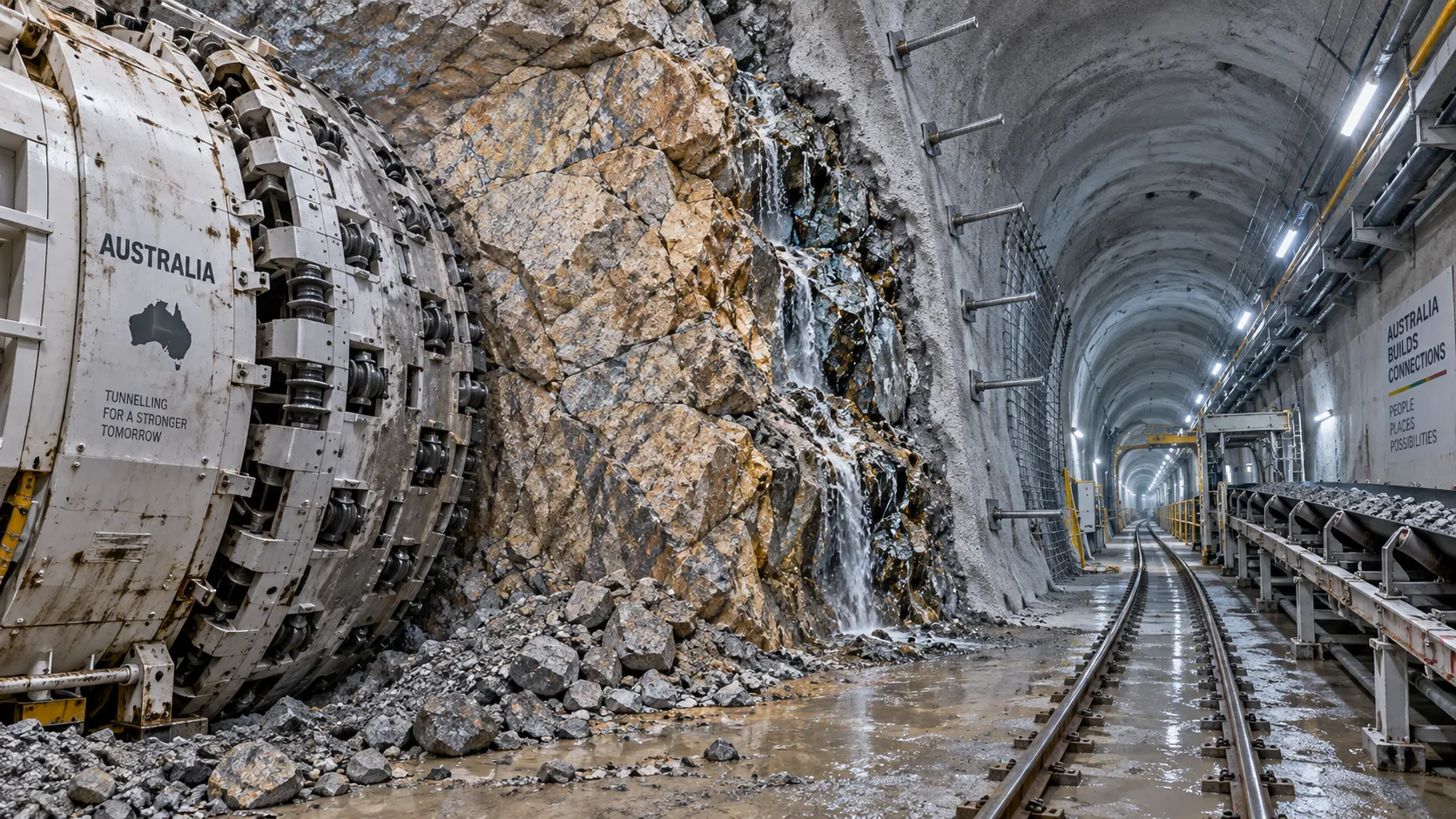
Hard Rock Tunnelling in Australia: Selecting Methods for Variable Ground Conditions
Hard rock tunnelling in Australia: compare TBM, drill-and-blast and hybrid methods to manage variable ground, reduce risk and protect project costs.
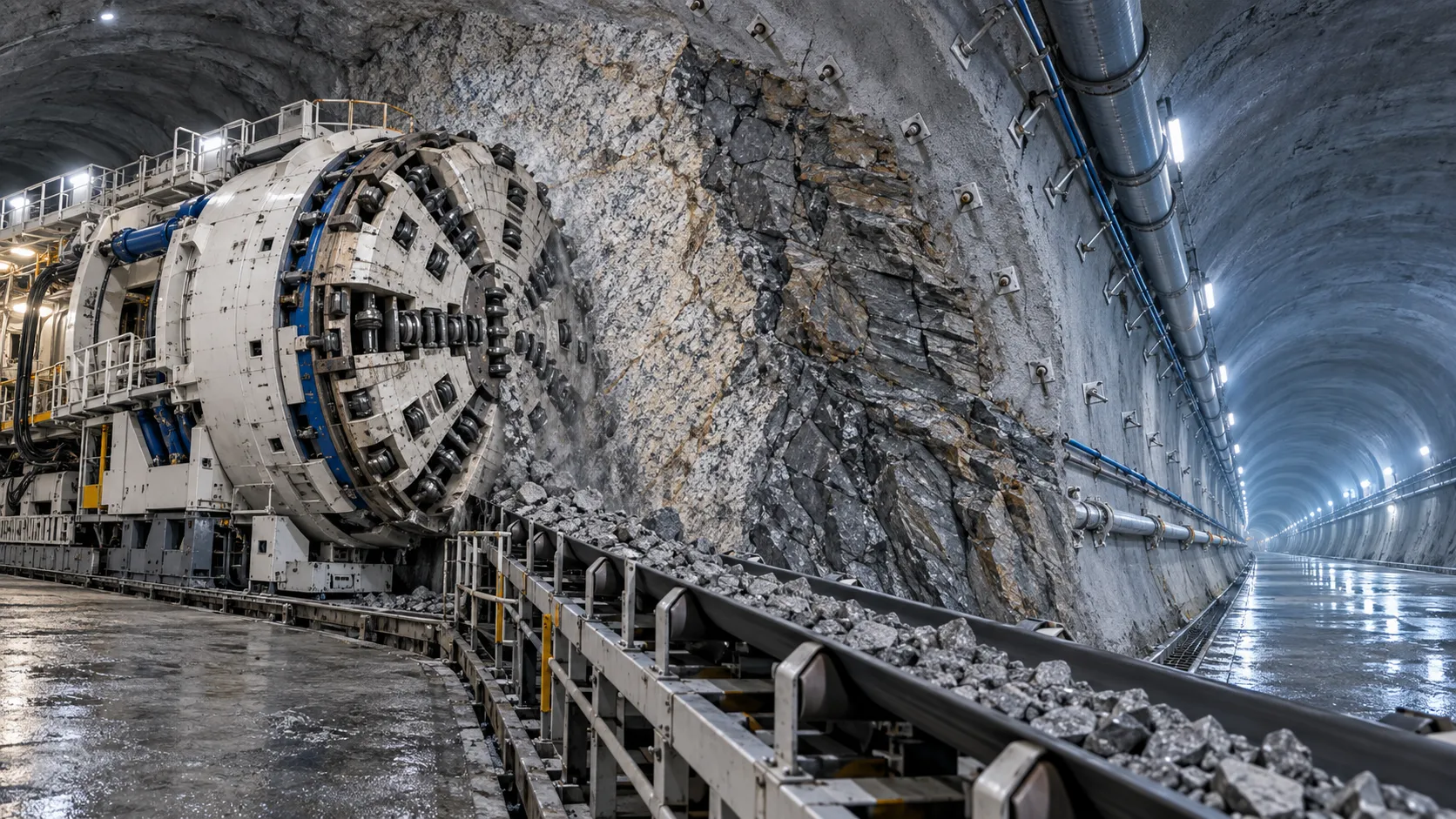
Hydropower Tunnel Excavation: Selecting Methods for Variable Rock Conditions
Hydropower tunnel excavation methods for variable rock conditions: compare TBM, drill-and-blast, and hybrid strategies to improve safety, progress, and project control.
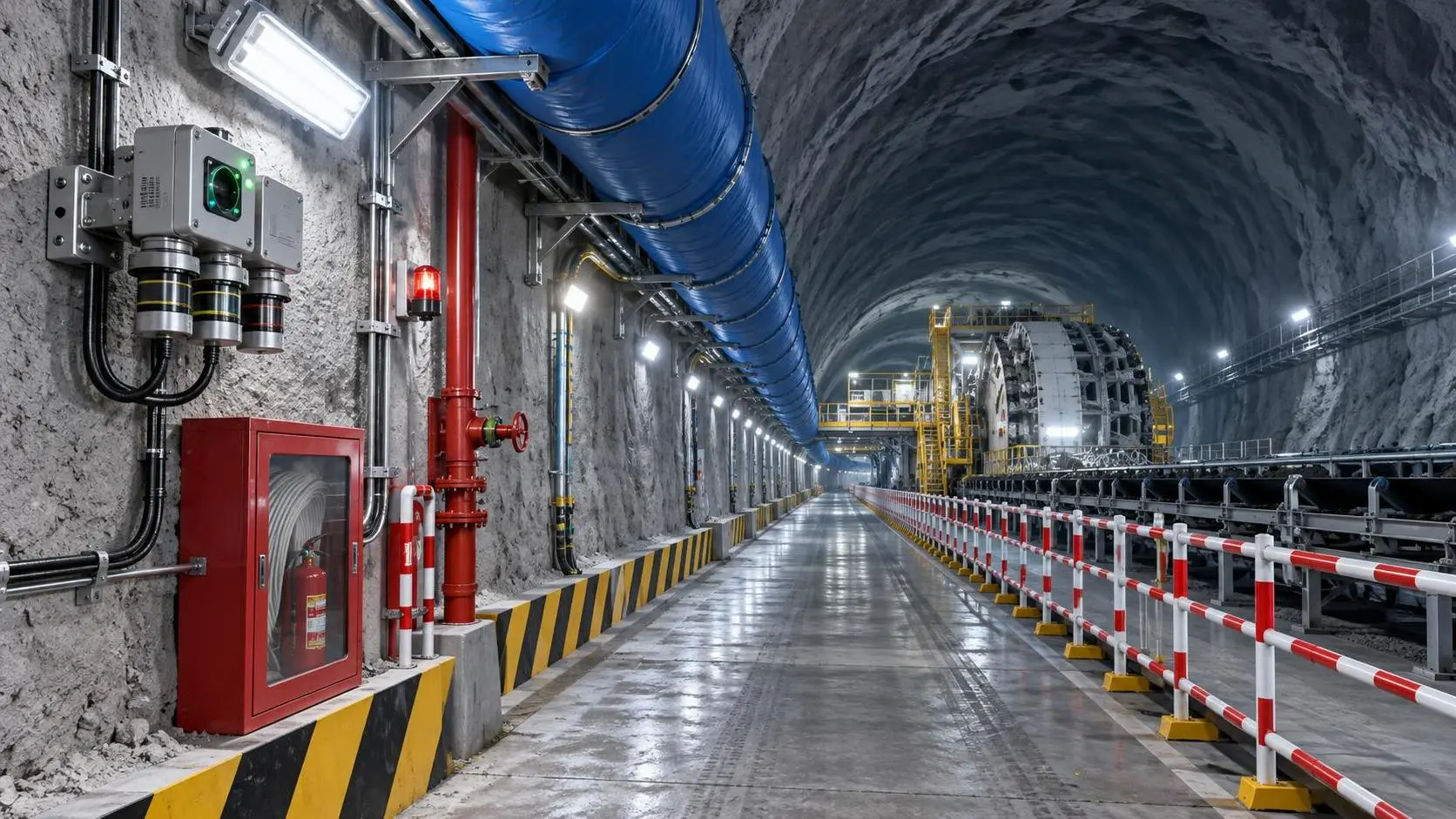
How to Select Underground Safety Equipment for Tunnelling by Hazard and Work Zone
Underground Safety Equipment for tunnelling: match protection to hazards, work zones, compliance, and emergency needs with this practical selection guide.
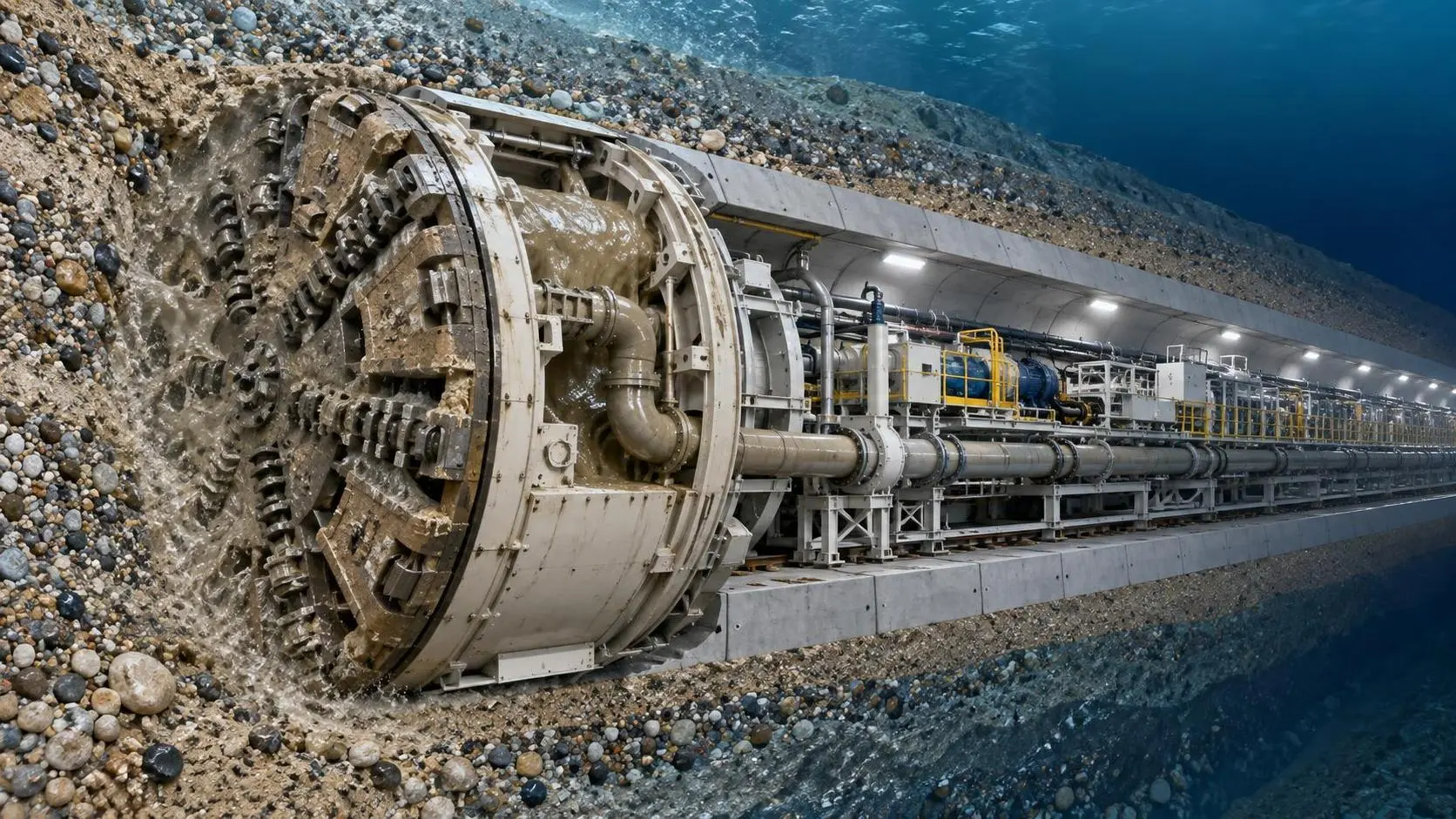
EPB or Slurry Shield? Selecting Soft-Ground Tunnelling Equipment by Soil Conditions
Tunnel Excavation Equipment for soft ground: compare EPB and slurry shields by soil, groundwater, settlement risk, and project logistics to choose confidently.
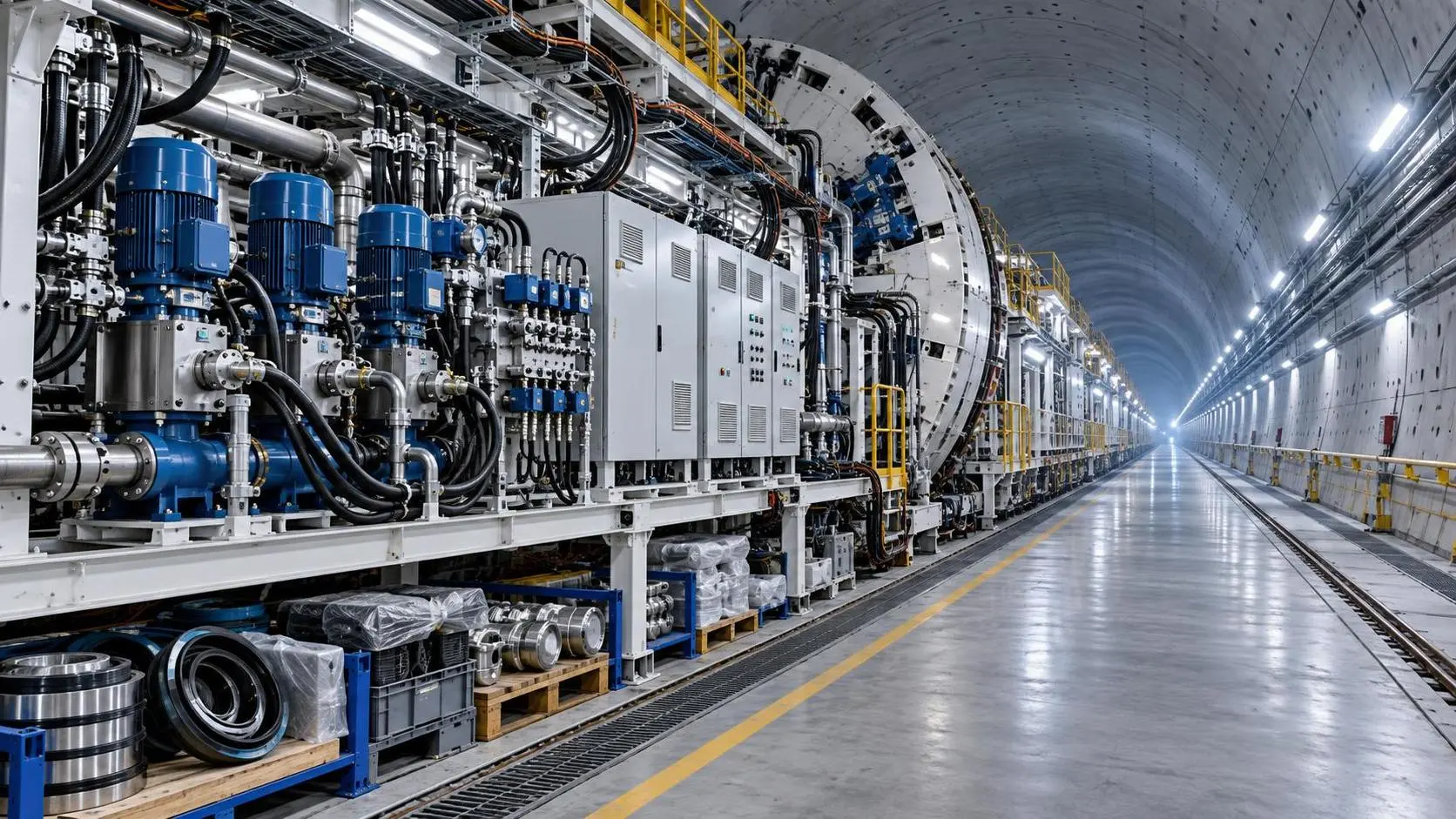
How to Specify TBM Backup System Parts for Reliable Long-Distance Tunnelling
TBM backup system parts: learn how to specify reliable spares for long-distance tunnelling, reduce downtime, ensure compatibility, and speed underground recovery.
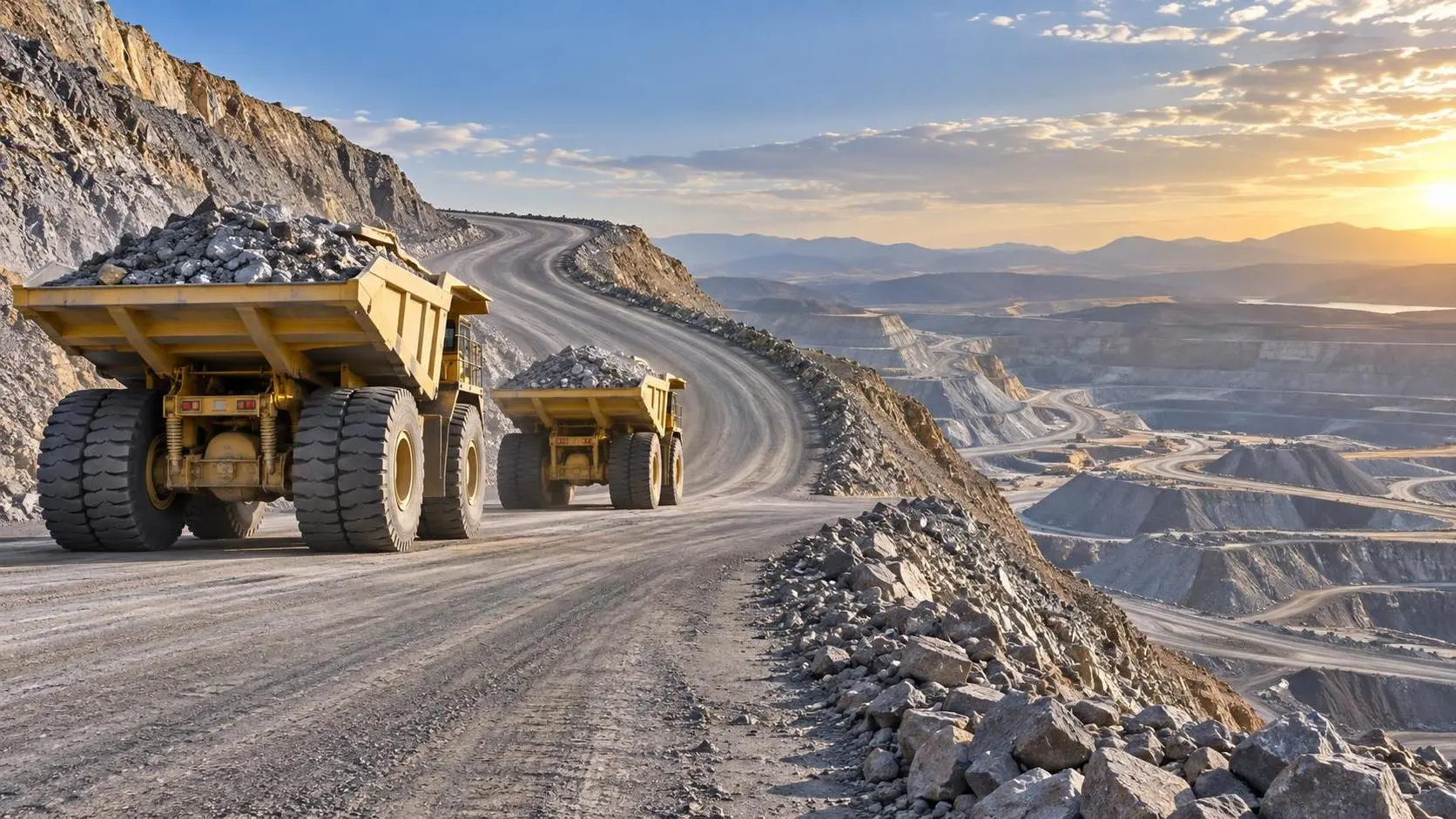
How to Size Open Pit Mining Trucks for Haul Distance, Grade, and Payload?
Open Pit Mining Trucks: learn how to match payload, haul distance, grade, road resistance, and loading capacity for safer, lower-cost mine operations.
Related News
- 00
0000-00
How to Evaluate European Drill-and-Blast Tunnelling Contractors for Complex Projects - 00
0000-00
Which Trenchless Construction Technique Fits Your Utility Crossing Conditions? - 00
0000-00
What Is Driving Metro Tunnelling Demand Across Southeast Asia’s Major Cities? - 00
0000-00
Hard Rock Tunnelling in Australia: Selecting Methods for Variable Ground Conditions - 00
0000-00
Hydropower Tunnel Excavation: Selecting Methods for Variable Rock Conditions
Weekly Insights
Stay ahead with our curated technology reports delivered every Monday.