
Underground Automation vs Manual Operations: Where Productivity Gains Actually Come From





Underground Automation is shifting from headline promise to measured productivity logic
Underground Automation is no longer judged by novelty alone.
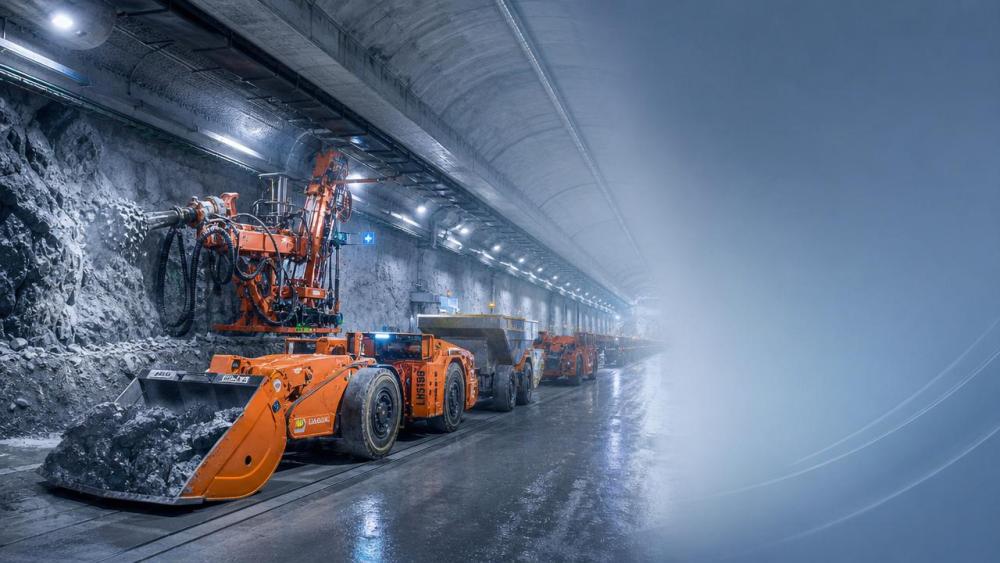
In tunnelling and mining, the debate has become far more practical.
Output gains now depend on where automation removes waiting time, stabilizes cycle performance, and protects equipment availability under harsh underground conditions.
That change matters because underground operations rarely lose productivity in one dramatic moment.
They lose it through interruptions, ventilation constraints, shift handovers, variable operator response, and inconsistent machine-to-machine coordination.
From recent project signals, the strongest interest is not in replacing people everywhere.
It is in targeting the specific bottlenecks that manual operations handle unevenly.
This is especially visible across TBMs, pipe jacking systems, drilling jumbos, mining dump trucks, and underground LHD loaders.
Across these assets, productivity gains come less from autonomy slogans and more from disciplined control of variability.
Why the productivity question has become more precise
Several changes are forcing a more technical view of Underground Automation.
Projects are going deeper, urban alignments are tighter, and ESG requirements are reshaping fleet design underground.
At the same time, electrification is changing ventilation loads, thermal profiles, and maintenance planning.
This means productivity can no longer be separated from energy, safety, and asset utilization.
UTMD’s industry lens is useful here because it tracks not just equipment launches, but the operating logic behind them.
In mega-tunnel projects, automated guidance and segment handling matter when they reduce dwell time between excavation steps.
In underground mining, remote or autonomous haulage matters when it keeps ore movement stable during shift changes or hazardous events.
The same applies to drill-and-blast cycles.
Precision drilling only becomes a productivity advantage if it shortens rework, improves blast outcomes, and supports faster ground support installation.
The strongest drivers behind this shift
- Higher cost of unplanned stoppages in deep or remote projects.
- Greater pressure to cut diesel emissions in confined spaces.
- Need for repeatable cycle performance across multi-shift operations.
- Better sensor fusion, SLAM, and machine health monitoring.
- Shortage of consistently experienced underground operators in some regions.
Where manual operations still outperform simplistic automation
Manual operations remain strong in irregular geology, unstructured headings, and abnormal events.
Human judgment still reacts faster when conditions are poorly mapped or rapidly changing.
That is why Underground Automation often disappoints when deployed as a blanket substitute.
If sensing is weak, communication is unstable, or the process itself is poorly standardized, automation simply scales inconsistency.
A manually operated LHD may outperform an automated unit in a drift with changing muck pile geometry and weak localization references.
A highly experienced jumbo operator may still deliver better recovery in fractured rock than an under-tuned automated drilling pattern.
So the comparison should not be framed as old versus new.
It should be framed as variable human performance versus stable system performance under defined conditions.
A useful comparison point
The biggest gains usually come from hidden delays, not headline speed
This is where Underground Automation becomes more convincing.
In many underground systems, the largest gains do not come from faster top speed.
They come from reducing non-productive intervals that used to be treated as normal.
For TBMs, that may mean smoother coordination between advance, spoil handling, segment supply, and condition monitoring.
For pipe jacking, it may mean better alignment control and fewer corrective interventions in congested urban corridors.
For underground haulage, it often means dispatch stability, collision avoidance, and less idle time at loading or dumping points.
More importantly, automation makes these losses visible.
Once delays are logged, timestamped, and connected to machine states, productivity discussions become evidence-based.
That is a major reason why intelligence platforms such as UTMD matter.
They help connect rock mechanics, fleet electrification, navigation algorithms, and operational economics into one decision frame.
Signals that usually indicate real productivity upside
- Frequent stoppages between connected process steps.
- High spread between best-shift and average-shift performance.
- Ventilation or re-entry rules that interrupt physical presence.
- Repetitive tasks with measurable path, load, or drilling geometry.
- Maintenance patterns that can be predicted from sensor data.
Impact is spreading across the full underground system
The effect of Underground Automation does not stay inside one machine.
It changes upstream planning and downstream support functions as well.
A more stable automated drilling cycle changes blasting quality, muck fragmentation, and loader performance.
An autonomous or remotely supervised haulage fleet changes charger placement, battery swap timing, and maintenance windows.
Automated TBM operation shifts attention toward cutter wear forecasting, logistics synchronization, and data confidence.
This wider system effect is often underestimated during evaluations.
A local automation success can fail at project level if ventilation, network coverage, spare parts, and operating procedures stay manual and fragmented.
The more advanced the Underground Automation layer becomes, the more important integration discipline becomes.
What deserves closer attention before judging automation value
The most useful evaluations start with bottlenecks, not with feature lists.
Three questions usually clarify whether Underground Automation will create measurable gains.
- Which delay events happen most often, and how long do they last?
- Which tasks are repetitive enough for stable automated execution?
- What supporting conditions must exist for the system to stay reliable?
That last point is often decisive.
Automation reliability underground depends on localization quality, comms uptime, dust tolerance, heat management, and maintenance responsiveness.
Battery-electric fleets add another layer.
Their productivity case may improve through cleaner air and reduced heat, but charging logic and duty-cycle matching must be right.
This is why the market increasingly values operational intelligence, not just autonomous hardware.
The next phase will favor selective automation with stronger operational stitching
The next wave of Underground Automation will likely be less theatrical and more granular.
Instead of full autonomy claims everywhere, the better results will come from selective automation across high-friction steps.
That includes autonomous tramming in repeatable routes, remote mucking in hazardous areas, automated guidance in pipe jacking, and predictive maintenance around wear-critical TBM systems.
The common thread is operational stitching.
Data from rock contact, navigation, energy use, and maintenance must connect to decisions on shift planning and equipment deployment.
That is also where sector intelligence becomes strategic.
Watching tender patterns, electrification mandates, and mine expansion signals helps identify where Underground Automation will move from pilot status to baseline expectation.
The practical next step is clear.
Map current delay sources, compare them with automation-ready tasks, and test value at the process level before scaling across the fleet.
In underground work, real productivity gains rarely come from choosing manual or automated as pure opposites.
They come from knowing exactly where Underground Automation can turn unstable cycles into reliable output.
Related News

How to Evaluate European Drill-and-Blast Tunnelling Contractors for Complex Projects
Drill and blast tunnelling contractors Europe: learn how to assess geology expertise, blast control, equipment reliability, safety, and programme resilience for complex projects.

Which Trenchless Construction Technique Fits Your Utility Crossing Conditions?
Trenchless construction techniques compared for utility crossings: choose HDD, microtunnelling, pipe jacking, or auger boring based on ground, accuracy, access, and risk.

What Is Driving Metro Tunnelling Demand Across Southeast Asia’s Major Cities?
Metro tunnelling Southeast Asia is accelerating as major cities tackle congestion, flooding, and connectivity. Explore the market forces, technical risks, and opportunities shaping demand.

Hard Rock Tunnelling in Australia: Selecting Methods for Variable Ground Conditions
Hard rock tunnelling in Australia: compare TBM, drill-and-blast and hybrid methods to manage variable ground, reduce risk and protect project costs.

Hydropower Tunnel Excavation: Selecting Methods for Variable Rock Conditions
Hydropower tunnel excavation methods for variable rock conditions: compare TBM, drill-and-blast, and hybrid strategies to improve safety, progress, and project control.

How to Select Underground Safety Equipment for Tunnelling by Hazard and Work Zone
Underground Safety Equipment for tunnelling: match protection to hazards, work zones, compliance, and emergency needs with this practical selection guide.

EPB or Slurry Shield? Selecting Soft-Ground Tunnelling Equipment by Soil Conditions
Tunnel Excavation Equipment for soft ground: compare EPB and slurry shields by soil, groundwater, settlement risk, and project logistics to choose confidently.
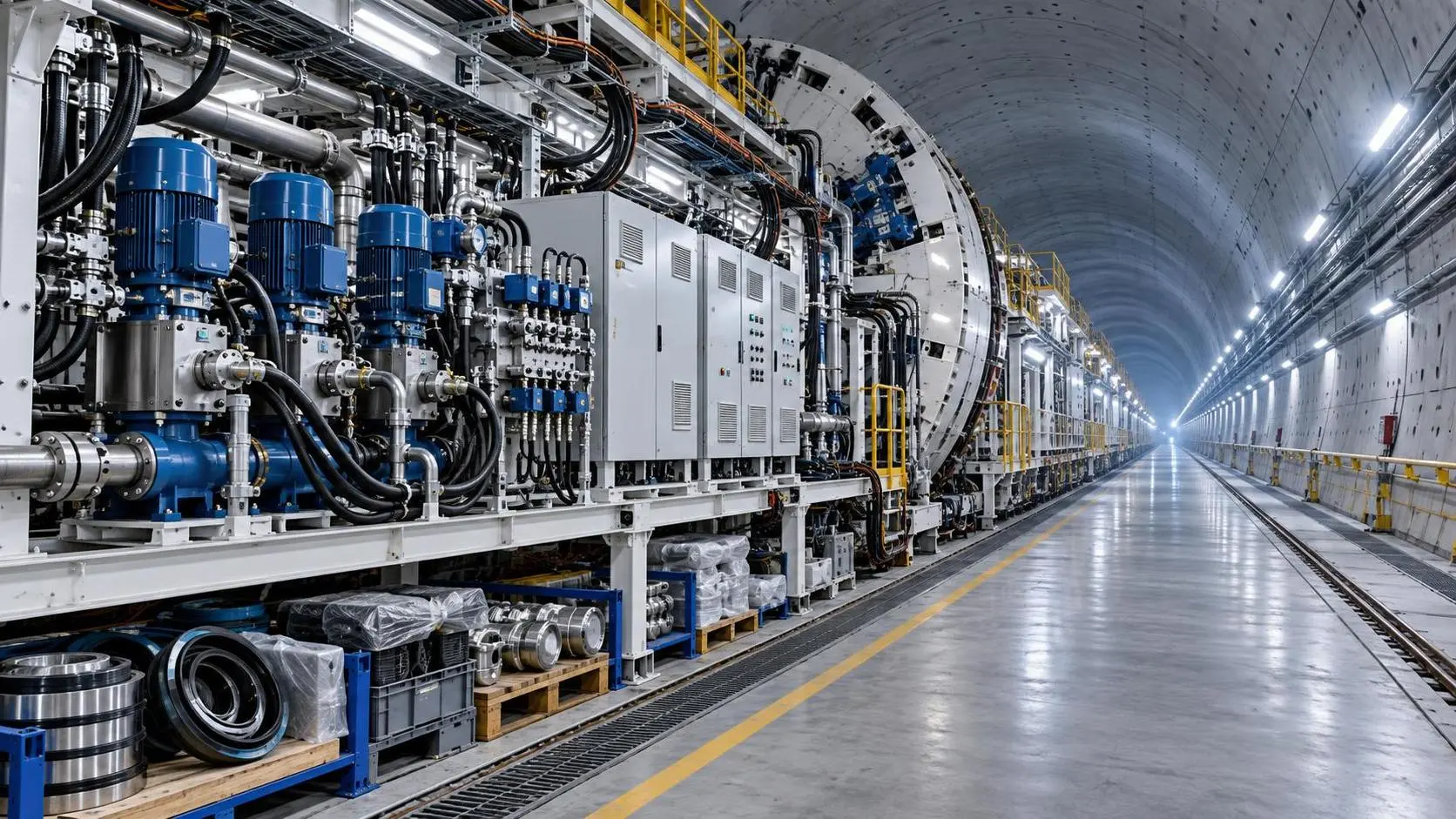
How to Specify TBM Backup System Parts for Reliable Long-Distance Tunnelling
TBM backup system parts: learn how to specify reliable spares for long-distance tunnelling, reduce downtime, ensure compatibility, and speed underground recovery.
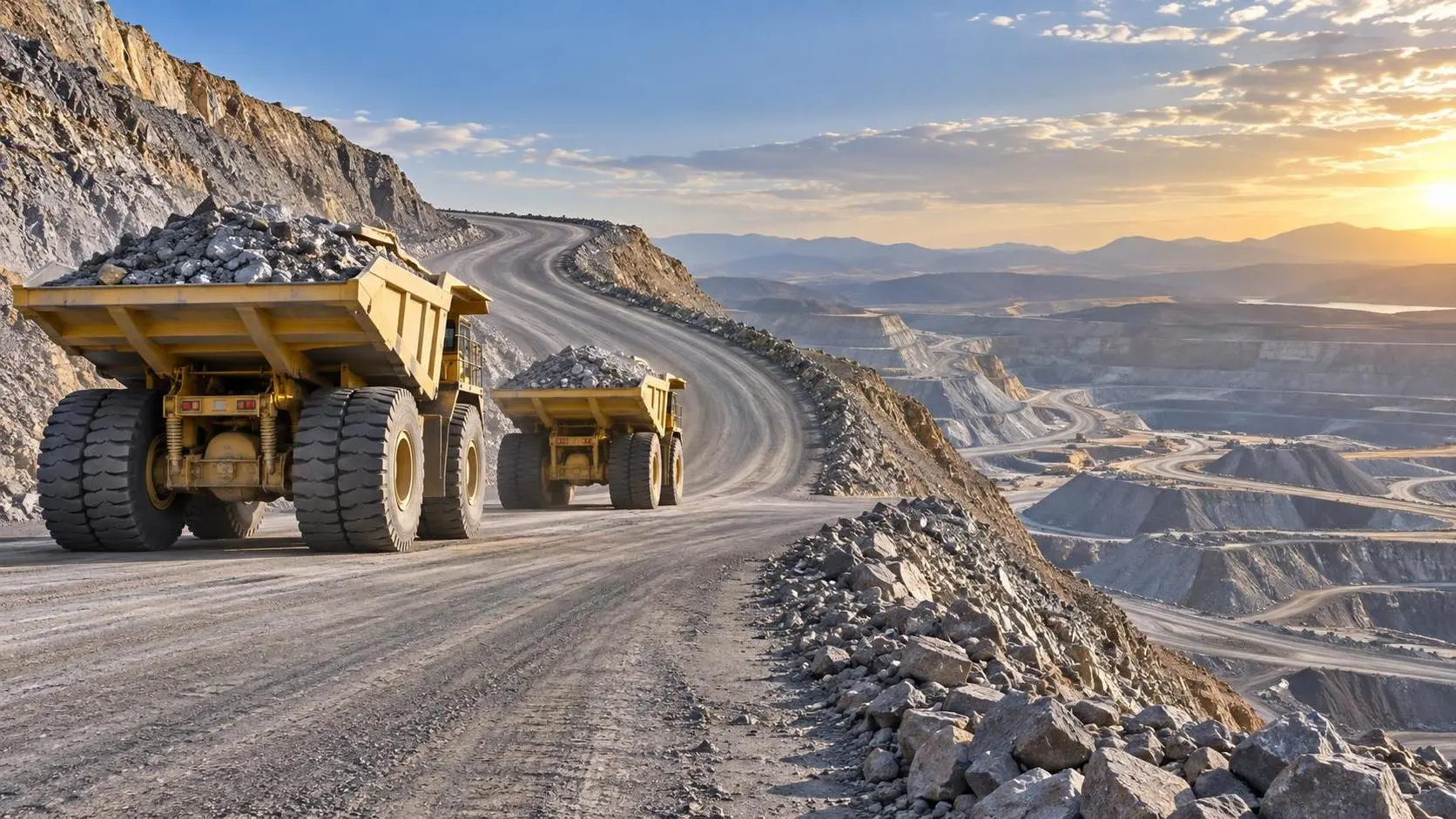
How to Size Open Pit Mining Trucks for Haul Distance, Grade, and Payload?
Open Pit Mining Trucks: learn how to match payload, haul distance, grade, road resistance, and loading capacity for safer, lower-cost mine operations.
Related News
- 00
0000-00
How to Evaluate European Drill-and-Blast Tunnelling Contractors for Complex Projects - 00
0000-00
Which Trenchless Construction Technique Fits Your Utility Crossing Conditions? - 00
0000-00
What Is Driving Metro Tunnelling Demand Across Southeast Asia’s Major Cities? - 00
0000-00
Hard Rock Tunnelling in Australia: Selecting Methods for Variable Ground Conditions - 00
0000-00
Hydropower Tunnel Excavation: Selecting Methods for Variable Rock Conditions
Weekly Insights
Stay ahead with our curated technology reports delivered every Monday.