
Autonomous Mining Equipment in Chile: Key Adoption Drivers, Site Constraints, and ROI Factors





Autonomous Mining Equipment in Chile Is Becoming a Capital Discipline Question
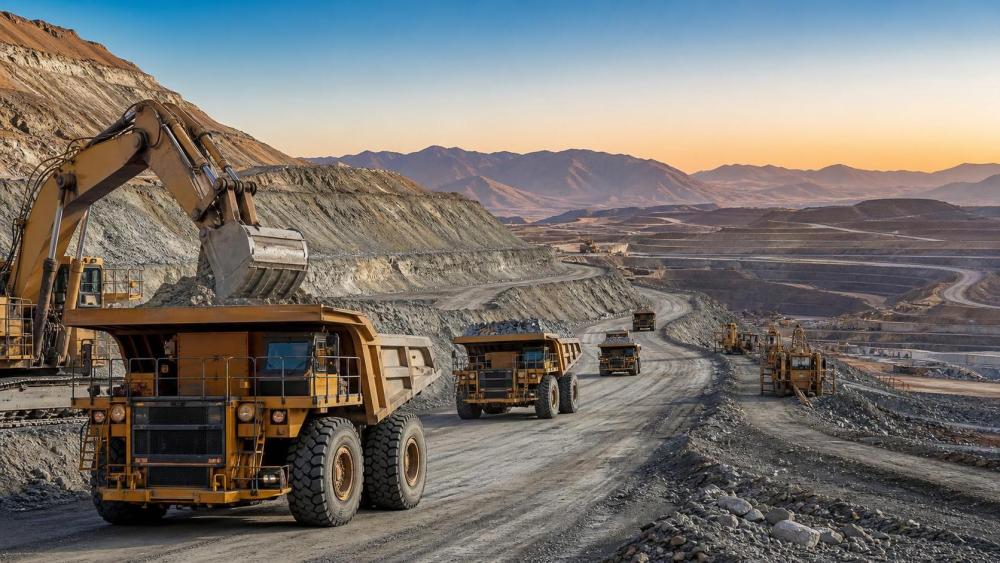
Autonomous Mining Equipment in Chile is no longer treated as a future-facing experiment.
It is increasingly evaluated as a practical response to tighter production targets, workforce pressure, and stricter safety expectations.
That shift matters because Chile remains central to global copper supply, while mine plans are moving deeper, haul profiles are getting harder, and energy efficiency now affects boardroom decisions.
In this setting, Autonomous Mining Equipment in Chile sits at the intersection of fleet productivity, emissions strategy, and operational resilience.
The more revealing signal is not headline technology announcements.
It is the growing effort to connect drilling, loading, hauling, and traffic control into measurable operating systems.
That broader systems view aligns with how UTMD tracks underground and mining transport evolution.
The key question is no longer whether autonomy works in principle.
The real question is where Autonomous Mining Equipment in Chile creates repeatable value, and where local conditions still slow deployment.
Why the adoption curve is now more visible
Several forces are converging at once, which is why adoption signals now look stronger than they did a few years ago.
Commodity demand linked to electrification has raised pressure on mine output consistency.
At the same time, operators face labor scarcity in remote areas and higher expectations for incident reduction.
Autonomous Mining Equipment in Chile is attractive because it addresses these pressures in one framework rather than in isolated upgrades.
- Autonomous haulage can smooth cycle-time variability across long and repetitive routes.
- Remote and autonomous loading reduces exposure in hazardous underground zones.
- Digital fleet control creates cleaner data for maintenance, traffic logic, and utilization planning.
- Electrified autonomous platforms support decarbonization goals in both open-pit and underground settings.
Chile is particularly relevant because its mines combine scale, altitude, deep rock challenges, and long asset lives.
These conditions make incremental productivity gains financially meaningful.
They also punish technologies that perform well in test zones but fail under full production complexity.
That is why recent investment discussions increasingly focus on deployment maturity rather than concept demonstrations.
The strongest drivers are operational, not symbolic
From recent market behavior, the strongest adoption drivers are practical and site-specific.
Autonomous Mining Equipment in Chile is being justified less by innovation branding and more by hard operating constraints.
This is where UTMD’s broader underground intelligence lens becomes useful.
Autonomy rarely delivers value on software alone.
It depends on rock conditions, machine durability, sensing reliability, and transport logic working together under stress.
Site constraints still decide what scales and what stalls
The market narrative around Autonomous Mining Equipment in Chile can sound smoother than field reality.
Actual deployment is often limited by site geometry, communications quality, and operating variability.
Open-pit routes with predictable traffic are generally easier starting points.
Underground environments demand a different level of engineering discipline.
Where constraints show up most clearly
- Narrow drifts and mixed-traffic intersections complicate autonomous LHD and truck movement.
- Dust, vibration, and uneven walls challenge sensing accuracy and localization stability.
- Frequent mine-plan changes can break route assumptions used in autonomous logic.
- High altitude and thermal swings affect component reliability and maintenance cycles.
- Legacy fleet diversity makes software interoperability harder than early proposals suggest.
More importantly, constraints differ by equipment class.
Autonomous haul trucks, drilling jumbos, and underground LHD loaders do not share the same readiness profile.
A mine may achieve strong results in one fleet category while struggling in another.
That is why one-size-fits-all assumptions distort business cases.
ROI is widening beyond labor savings
A common mistake is to reduce the ROI case for Autonomous Mining Equipment in Chile to headcount substitution.
That view is too narrow for current mine economics.
The stronger cases usually come from a combination of throughput stability, maintenance visibility, and lower disruption costs.
ROI factors that deserve closer weighting
Cycle-time consistency often matters more than peak speed.
A fleet that performs slightly slower but more predictably can improve downstream plant planning.
Reduced idle time also changes the economics.
Autonomous dispatch can cut queue formation at loading and dumping points, especially on repetitive circuits.
Maintenance intelligence is another factor.
When machine behavior is continuously monitored, failures become easier to predict and isolate.
For underground fleets, ventilation and emissions economics are increasingly material.
Battery-electric autonomous equipment can reshape airflow requirements, though charging or swapping design becomes critical.
The less visible ROI factor is organizational learning.
Mines that digitize fleet movement create data foundations that support future automation layers, from traffic optimization to predictive planning.
The impact is spreading across the operating chain
Autonomous Mining Equipment in Chile does not affect only vehicle movement.
It changes how mines structure supervision, maintenance, energy use, and expansion sequencing.
In open-pit settings, autonomy often influences road design, refueling or charging strategy, and dispatch hierarchy.
Underground, the effects are even broader.
Ventilation planning, communications architecture, refuge protocols, and traffic zoning all come into scope.
This is one reason UTMD’s coverage extends beyond single machines.
Autonomy gains are strongest when transport systems are assessed alongside drilling accuracy, heading development, and asset utilization under harsh rock conditions.
The mines moving fastest tend to link these domains early.
The mines moving slower often treat autonomy as an isolated fleet purchase.
What deserves closer attention over the next planning cycle
The next phase for Autonomous Mining Equipment in Chile will likely be defined by selectivity rather than blanket rollout.
The most credible projects will match autonomy levels to route predictability, digital readiness, and power strategy.
- Track whether deployments are tied to brownfield retrofits or new mine development.
- Compare sensing stacks under dust, fragmentation, and low-visibility conditions.
- Check whether underground communication systems are robust enough for continuous control.
- Model battery, trolley, diesel, and hybrid pathways against route and ventilation realities.
- Review contract structures for software updates, cybersecurity responsibility, and uptime guarantees.
A useful next step is to evaluate Autonomous Mining Equipment in Chile as a phased operating architecture.
Start with the fleets and routes where repeatability is highest and intervention frequency is already measurable.
Then test how those gains hold when geology, traffic complexity, and electrification goals begin to interact.
That approach gives a clearer view of adoption drivers, site constraints, and ROI factors than any headline case study.
In Chile, that discipline is likely to separate durable autonomy programs from expensive demonstrations.
Related News
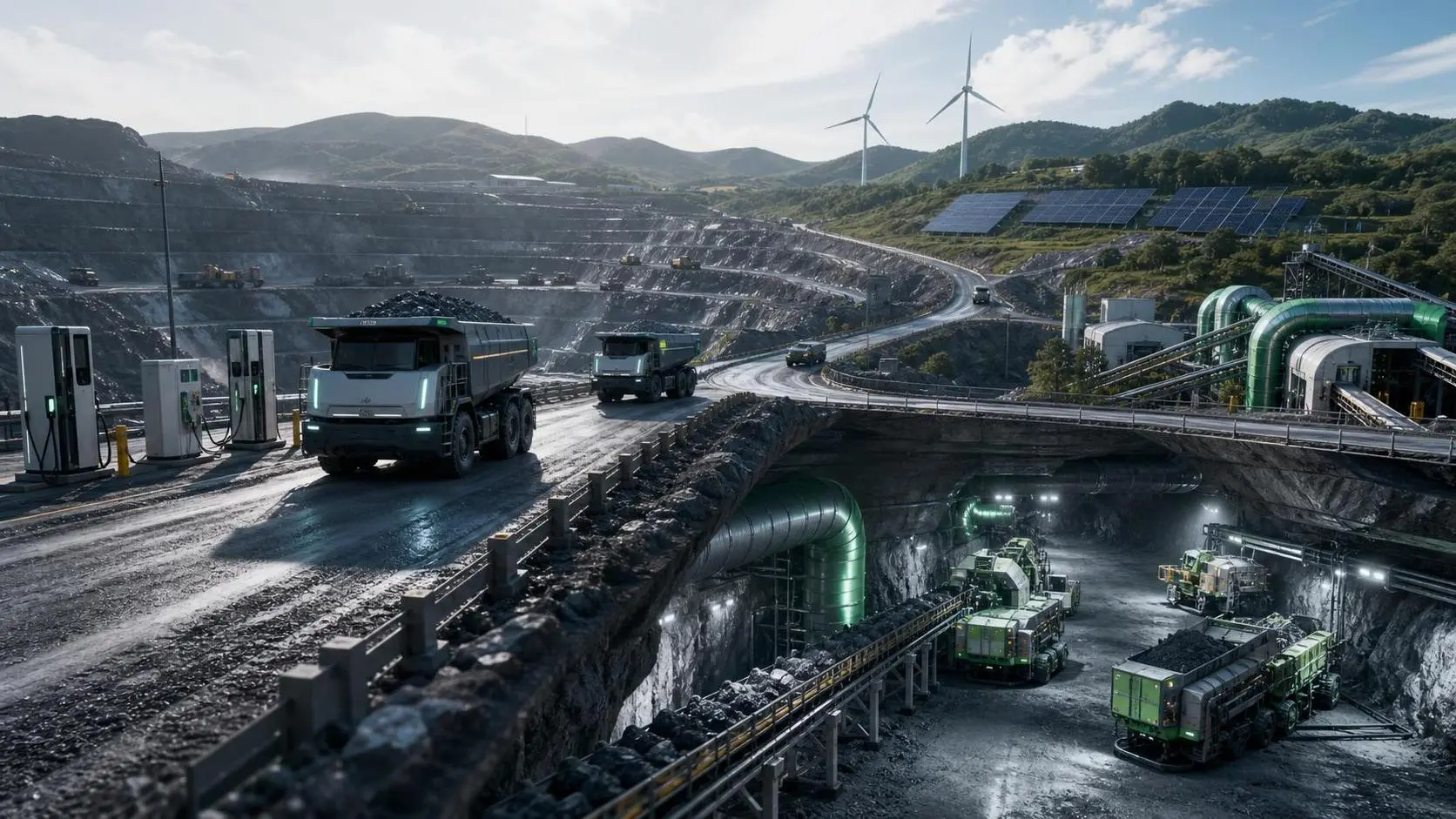
What Should a Mine Decarbonization Roadmap Include to Cut Emissions Without Hurting Output?
Mine decarbonization roadmap essentials: learn how to cut mining emissions with phased electrification, ventilation planning, and infrastructure readiness—without sacrificing output.
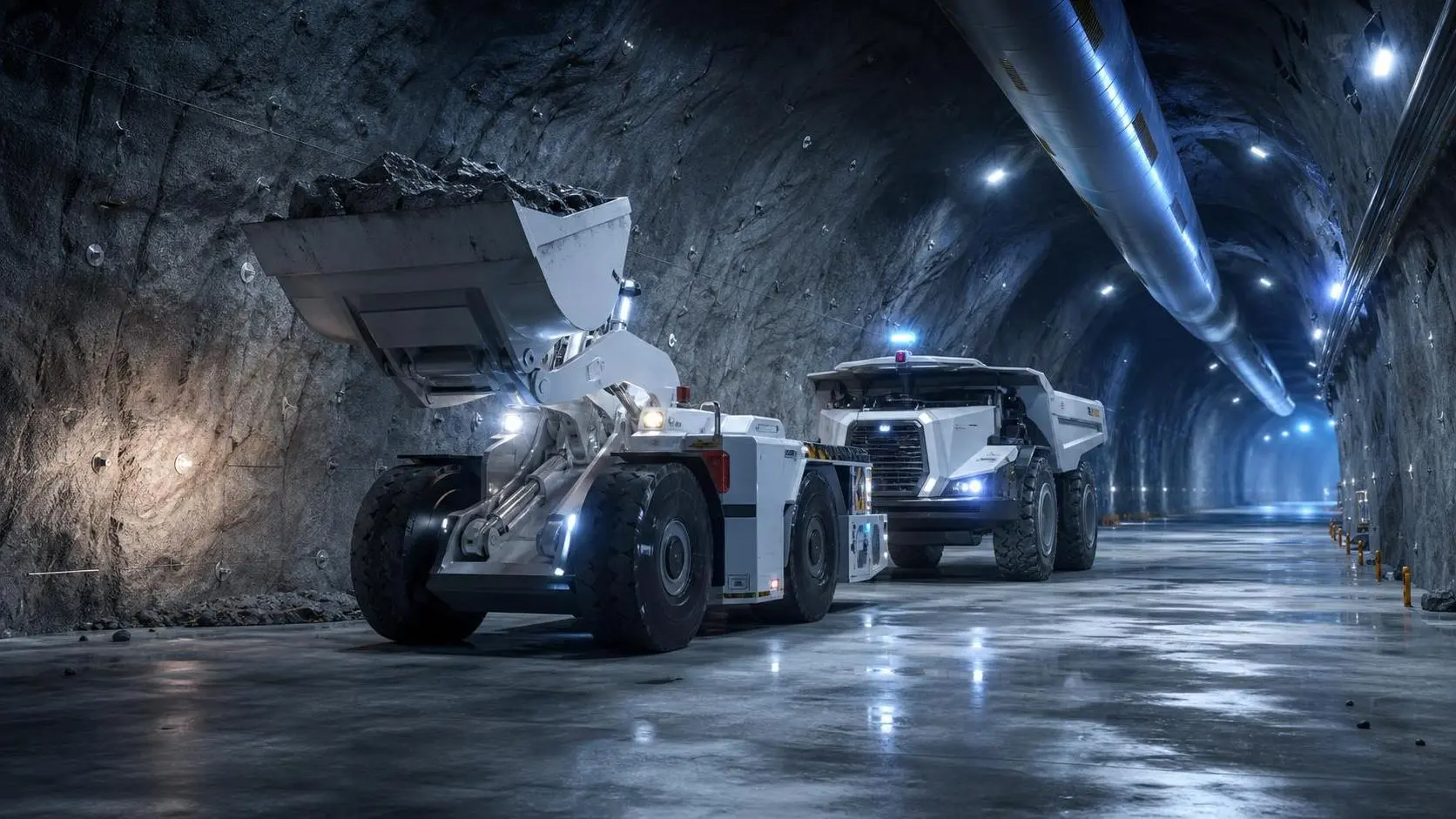
How to Evaluate Underground Mine Automation Companies for Safety and ROI
Underground mine automation companies vary widely in safety, interoperability, and ROI. Learn how to compare vendors, reduce deployment risk, and choose a scalable solution.
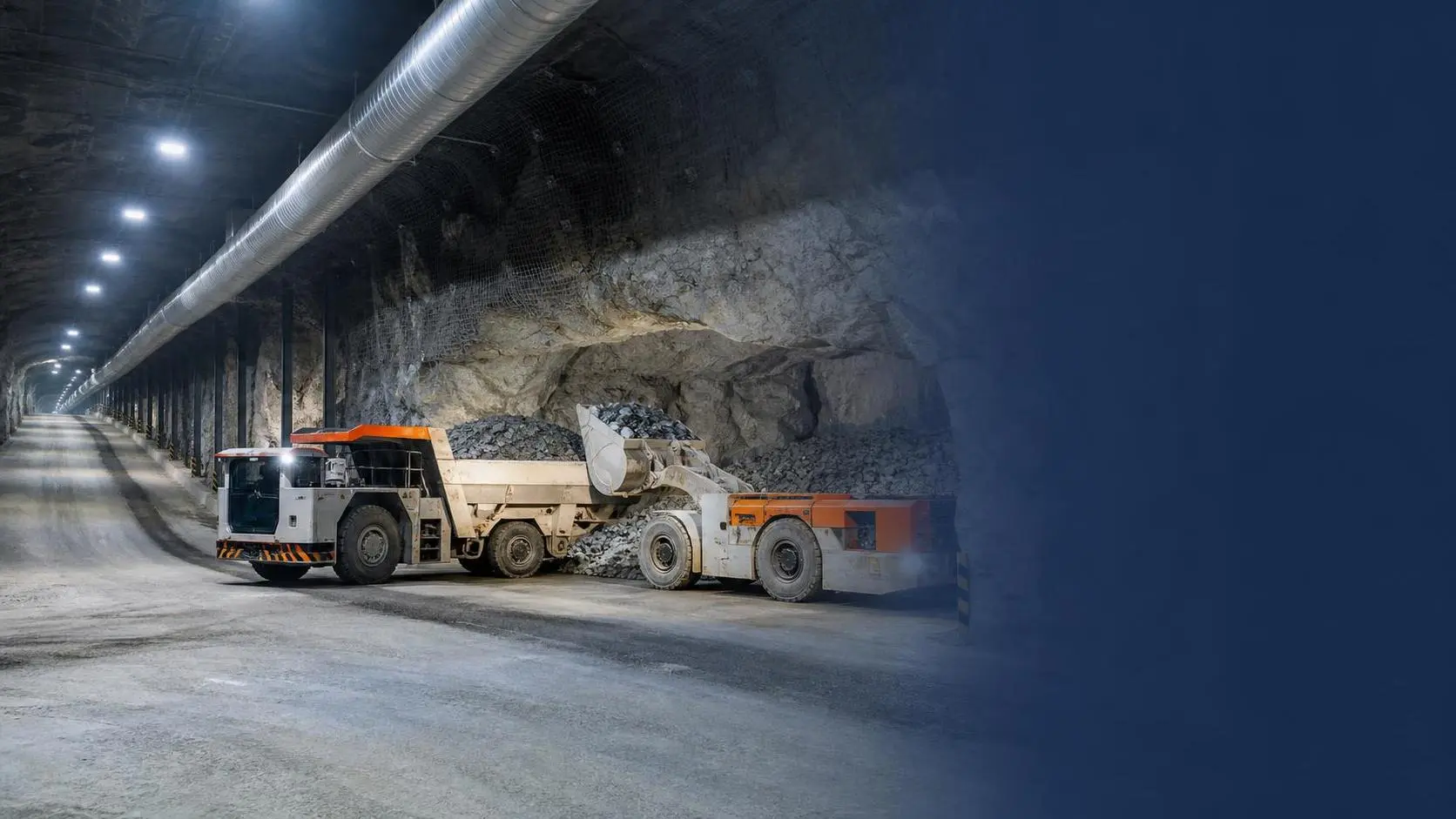
How to Evaluate Underground Haulage Systems for Ore Output, Ramp Grade, and Ventilation Limits
Underground haulage systems should be evaluated by ore output, ramp grade, and ventilation limits—not brochures. Learn how to compare trucks, LHDs, and electric options for smarter mine planning.
How to Evaluate a Pipe Jacking Equipment Distributor for Project Support and Uptime
Pipe jacking equipment distributor evaluation made practical: learn how to assess parts support, service response, training, and technical readiness to reduce downtime and protect project uptime.
How to Build a Mining Decarbonization Strategy That Balances Emissions, Cost, and Fleet Reality
Mining decarbonization strategy starts with fleet reality. Learn how to cut emissions, control cost, and align power, ventilation, and production for a practical mine transition.
How to Evaluate Articulated Dump Trucks Payload for Haul Road Conditions and Cycle Efficiency
Articulated Dump Trucks payload evaluation starts with real haul road conditions, not brochure numbers. Learn how to balance payload, traction, grades, and cycle efficiency for safer, higher output.
How Pipe Fittings Material and Pressure Class Affect Water Line Selection
Pipe fittings selection starts with material and pressure class. Learn how these factors affect water line reliability, corrosion resistance, installation, and long-term cost.
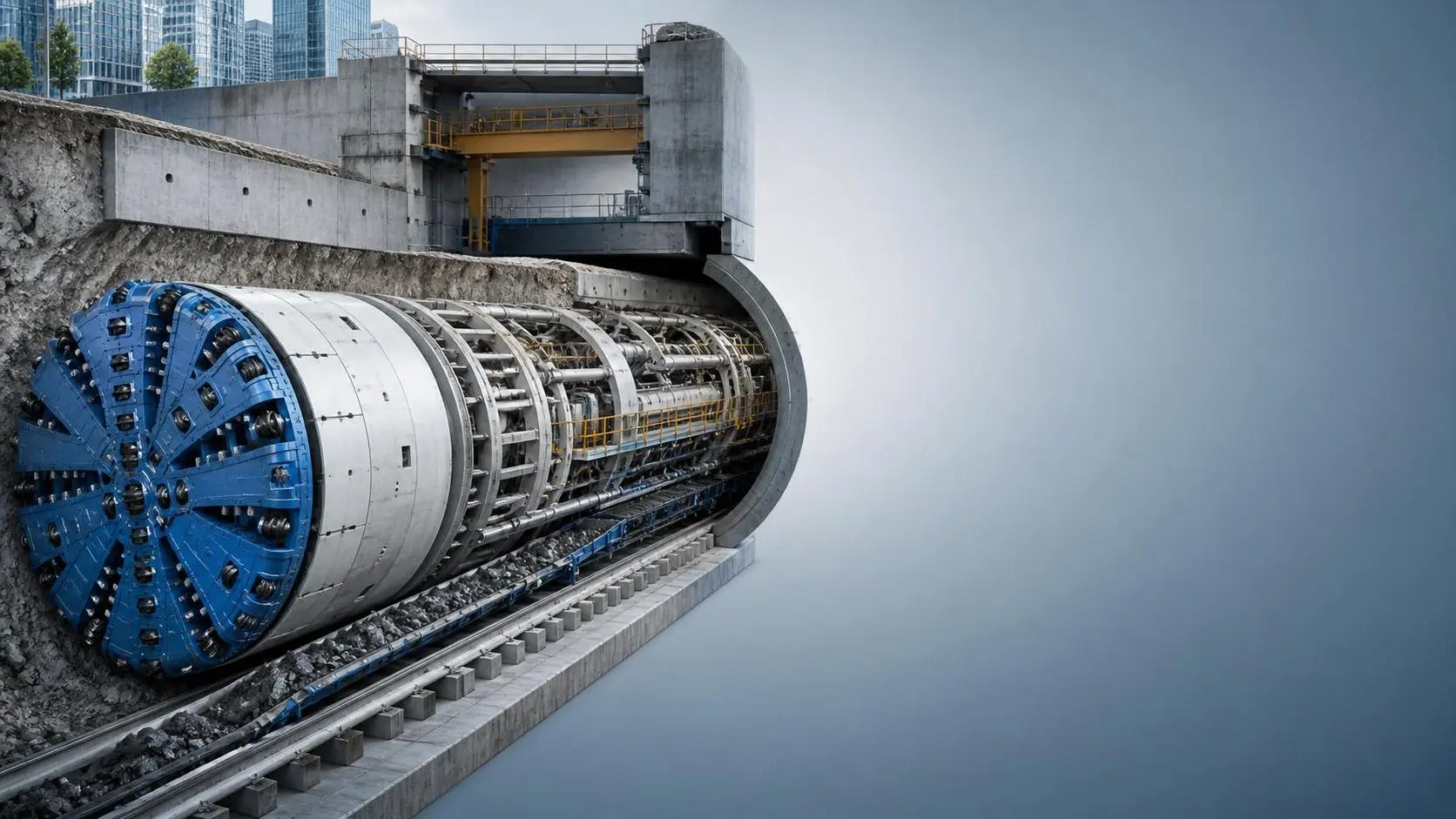
What Drives TBM Excavation Cost in Urban Tunneling Projects?
tbm excavation cost in urban tunneling depends on geology, shafts, segment lining, logistics, and risk. Discover the key cost drivers and compare bids with greater confidence.
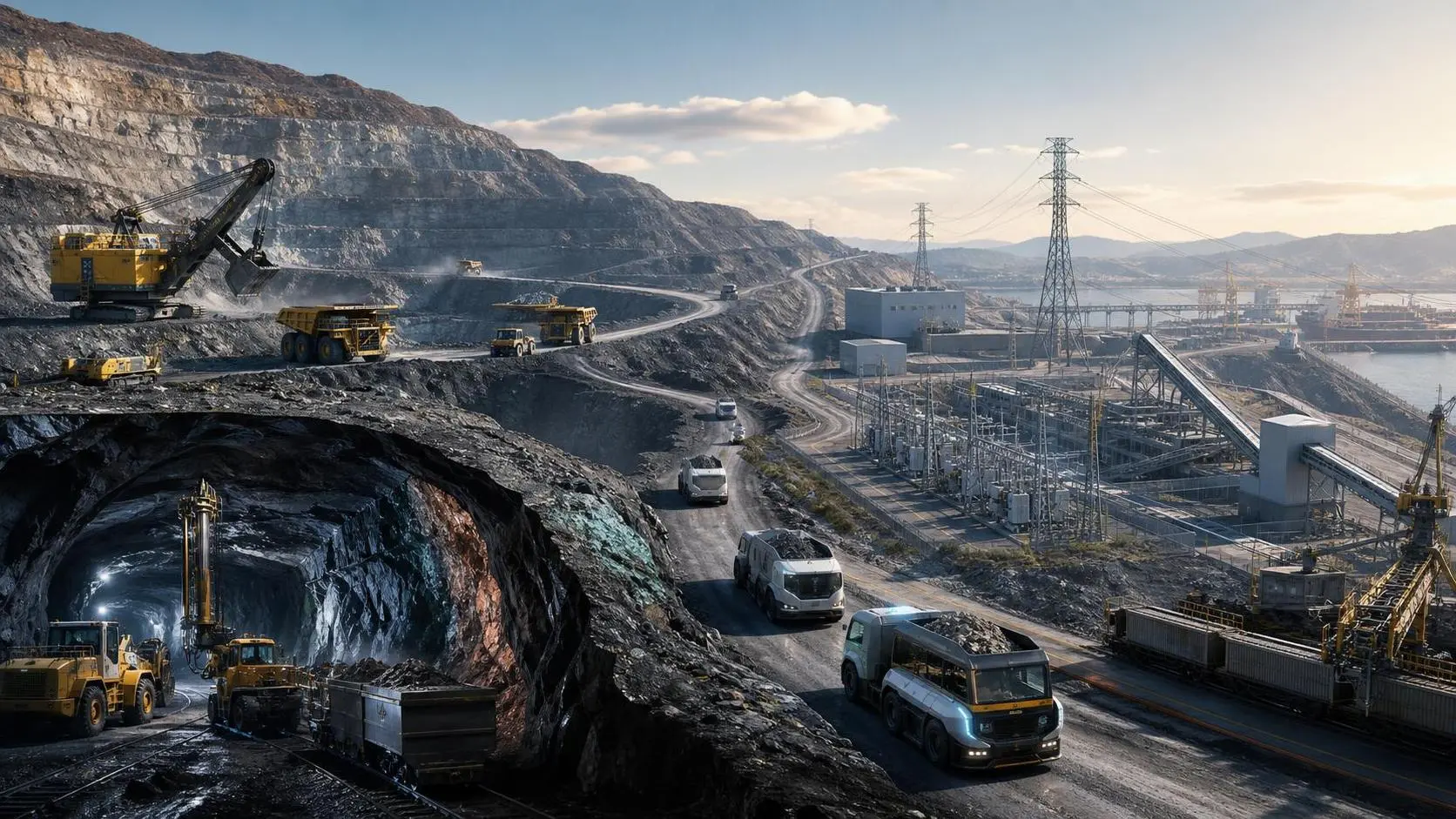
What Does Energy Metals Mining in Australia Mean for Supply, Cost, and Project Risk?
Energy metals mining Australia is reshaping supply, cost, and project risk. Discover what it means for buyers, investors, and operators.
Related News
- 00
0000-00
What Should a Mine Decarbonization Roadmap Include to Cut Emissions Without Hurting Output? - 00
0000-00
How to Evaluate Underground Mine Automation Companies for Safety and ROI - 00
0000-00
How to Evaluate Underground Haulage Systems for Ore Output, Ramp Grade, and Ventilation Limits - 00
0000-00
How to Evaluate a Pipe Jacking Equipment Distributor for Project Support and Uptime - 00
0000-00
How to Build a Mining Decarbonization Strategy That Balances Emissions, Cost, and Fleet Reality
Weekly Insights
Stay ahead with our curated technology reports delivered every Monday.