
Tunnel Construction Technology is changing faster than expected





Tunnel Construction Technology is changing faster than expected, creating new opportunities for distributors, agents, and channel partners seeking reliable growth in underground engineering. From advanced TBMs and pipe jacking systems to electrified mining transport and intelligent drilling equipment, the market is being reshaped by automation, efficiency, and sustainability. This article explores the key shifts, commercial signals, and strategic insights that matter most for companies positioning themselves in this evolving sector.
Why Tunnel Construction Technology is moving from equipment sales to solution ecosystems
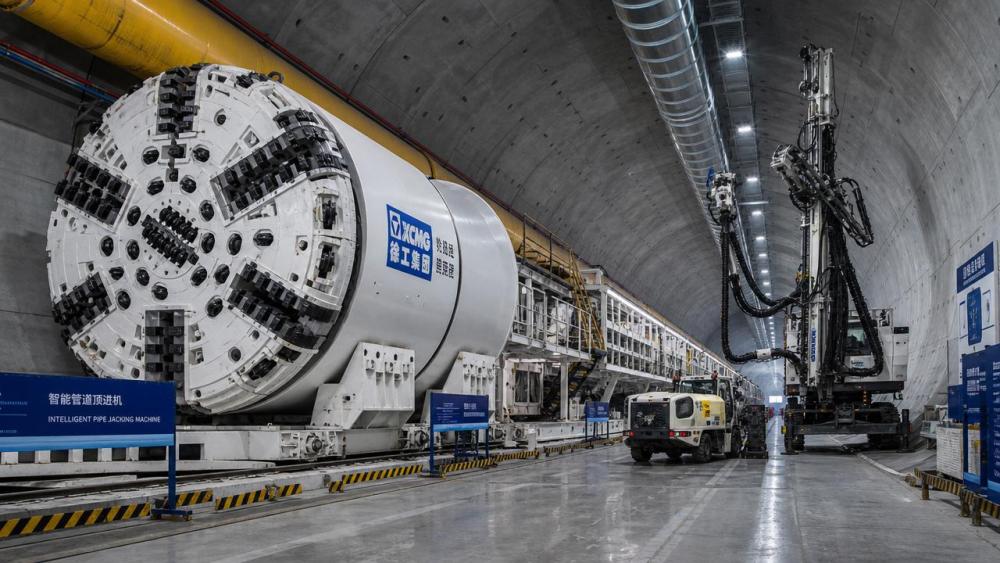
For distributors and agents, Tunnel Construction Technology is no longer a single-category business. It now connects excavation systems, digital sensing, electrified haulage, remote control, wear-part management, and lifecycle service planning.
That shift matters because buyers in tunnelling and mining are no longer comparing machines only by headline power or diameter range. They are evaluating uptime, compliance, energy use, operator safety, integration difficulty, and spare-parts resilience.
UTMD tracks this transition closely through its intelligence focus on TBMs, pipe jacking machines, drilling jumbos, mining dump trucks, and underground LHD loaders. This broader view helps channel partners understand where demand is converging across municipal tunnelling, mega-infrastructure, and mine modernization.
- Project owners want fewer disconnected suppliers and more system-level accountability.
- Procurement teams expect stronger support on digital monitoring, emissions planning, and automation readiness.
- Distributors need technical credibility, not just inventory access, to win shortlisted opportunities.
What is driving the acceleration?
Three forces stand out. First, urban underground construction is under pressure to reduce disruption, which favors trenchless and precisely controlled boring systems. Second, mining operations face electrification and ESG pressure, especially in ventilation-constrained underground environments. Third, automation is becoming practical because sensing, telematics, and machine control are improving together.
This means Tunnel Construction Technology is advancing not in isolated steps, but in linked upgrades. Cutter performance affects energy draw. Guidance systems affect alignment correction cost. Electrified transport affects ventilation design and operating expenditure.
Where are the strongest commercial signals for distributors and agents?
Channel partners often ask where to prioritize resources. The answer depends on project mix, but current demand signals show clear momentum in both civil tunnelling and resource extraction. The table below summarizes where Tunnel Construction Technology is creating practical channel opportunities.
The strongest signal is not simply more machines. It is more bundled demand around uptime, integration, and informed replacement cycles. That is why intelligence-led selling is becoming more valuable than price-led bidding.
Why UTMD matters in this stage of the market
UTMD’s advantage lies in connecting technical evolution with commercial timing. A distributor that understands disc cutter wear in extremely hard rock, SLAM deployment constraints for underground LHDs, or regenerative braking logic in EV mining trucks can position solutions earlier and more accurately.
That reduces a common channel problem: entering the opportunity too late, after project specifications have already narrowed acceptable options.
Which applications require different Tunnel Construction Technology choices?
One of the biggest mistakes in this sector is assuming similar underground projects need similar equipment logic. In reality, application context shapes everything from cutting method to support service expectations.
Urban trenchless and municipal corridors
In dense cities, pipe jacking systems are often preferred where surface disruption must stay low. Here, alignment control, compact launch shaft requirements, slurry handling, and utility conflict management usually matter more than raw scale.
Mega tunnel and transport infrastructure
For large transport tunnels, TBM selection depends on geology, tunnel diameter, groundwater condition, segment logistics, and expected advance rate. Distributors serving this segment need stronger engineering support and longer spare-parts forecasting.
Underground mines and hard rock development
Mining projects often combine drilling jumbos, LHDs, and haulage systems in one productivity chain. The sale is rarely isolated. If a distributor can support loading, hauling, ventilation impact, and battery strategy together, the commercial position becomes much stronger.
- Municipal buyers prioritize disruption control, permit compliance, and predictable installation windows.
- Infrastructure buyers focus on geology risk, machine reliability, and segmented logistics coordination.
- Mining buyers look closely at utilization, ventilation economics, safety exposure, and autonomous readiness.
How should channel partners compare equipment beyond headline specifications?
Tunnel Construction Technology procurement often fails when comparison is reduced to purchase price, motor rating, or a basic capacity number. A better framework compares operational fit across several technical and commercial dimensions.
The table below is useful when agents or distributors must advise customers choosing between conventional and more advanced underground solutions.
This comparison shows why experienced channel partners ask operational questions early. The right machine on paper can become the wrong commercial choice if site constraints, service capability, or compliance workload are ignored.
A practical distributor checklist
- Confirm geology, alignment, and environmental constraints before discussing configuration.
- Estimate parts turnover and service response expectations at the quotation stage.
- Assess whether the customer values lower capex or lower lifecycle cost.
- Map compliance documents, operator training needs, and digital integration requirements.
What should buyers and channel partners look at in standards, certification, and risk control?
In underground engineering, technical acceptance is closely tied to safety, documentation, and operating discipline. Even when exact certification requirements differ by market, distributors should be prepared to discuss machinery safety, electrical systems, emissions targets, hydraulic integrity, and data traceability.
Relevant reference points can include regional machinery regulations, electrical protection expectations, mine safety procedures, and environmental reporting obligations. The key is not to make broad claims, but to align documentation with customer and jurisdiction requirements.
- Check whether the project requires emissions reduction planning for enclosed or ventilated spaces.
- Review remote-control or autonomous operation rules if intelligent mining transport is involved.
- Verify spare-parts traceability and maintenance records for long-duration contracts.
Common risk areas that are often underestimated
A frequent risk is underestimating tool wear in abrasive rock, which can distort project economics quickly. Another is oversimplifying battery or charging infrastructure needs in underground fleets. A third is promising delivery timelines without securing critical components or local support capacity.
UTMD’s intelligence perspective is useful here because it links market momentum with operational detail. That helps distributors avoid offering a technically interesting solution that is commercially difficult to sustain.
How can distributors build a stronger procurement and replacement strategy?
The fastest-growing channel businesses in Tunnel Construction Technology usually do three things well: they segment by application, they sell around lifecycle value, and they manage replacement timing with data rather than instinct.
A useful procurement framework
Start by dividing demand into new project entry, fleet expansion, retrofit, and replacement. Each has different margin logic and technical emphasis. Retrofit may depend on compatibility and downtime windows. New project entry often depends on documentation depth and engineering discussion.
Then identify where your local advantage is strongest. That may be service speed, trenchless application knowledge, mining electrification insight, or access to spare assemblies for critical equipment families.
This approach helps agents and distributors stop competing only on unit price. It also opens more durable revenue streams in parts, upgrades, data services, and service contracts.
FAQ: the Tunnel Construction Technology questions buyers ask most often
How do I choose between TBM-focused opportunities and trenchless pipe jacking opportunities?
Look first at project size, customer profile, and support burden. TBM opportunities can be larger and more strategic, but they demand deeper technical coordination and longer sales cycles. Pipe jacking opportunities are often more localized and repeatable, especially in municipal utility work, making them attractive for regional channel development.
What matters most when selling electrified underground equipment?
Do not lead only with zero-exhaust messaging. Buyers also need clarity on duty cycles, charging or battery-swapping logic, ventilation savings, maintenance changes, and operator adaptation. Tunnel Construction Technology decisions become stronger when total operating context is explained clearly.
How important is digital capability for distributors today?
It is increasingly important. Even if a customer is not ready for full autonomy, they may still want machine health visibility, production data, localization support, or predictive maintenance reporting. Distributors who can interpret this data have more influence in replacement and upgrade decisions.
What is a common purchasing mistake in Tunnel Construction Technology?
A common mistake is choosing by initial capital cost without evaluating wear rate, service access, energy impact, or alignment with site conditions. In underground operations, small technical mismatches can create major cost consequences over time.
Why work with UTMD for smarter market positioning and project decisions?
UTMD is built for companies that need more than surface-level updates. Its value comes from stitching together project intelligence, equipment evolution, operational constraints, and replacement demand across underground engineering and mining transport.
If you are a distributor, agent, or channel partner evaluating Tunnel Construction Technology opportunities, UTMD can help you clarify where demand is accelerating, which solutions fit specific underground conditions, and how to align technical positioning with customer buying logic.
- Ask about parameter confirmation for TBM-related systems, pipe jacking equipment, drilling solutions, or underground haulage applications.
- Discuss product selection by geology, tunnel profile, emissions target, automation level, or maintenance resources.
- Request support on delivery cycle planning, replacement timing, documentation preparation, and certification expectation mapping.
- Explore tailored commercial insight for spare-parts strategy, electrification pathways, remote-operation readiness, and quotation alignment.
For companies that want practical guidance rather than generic commentary, this is the right time to start a focused conversation. The market is moving quickly, and better decisions now can shape years of channel growth.
Related News
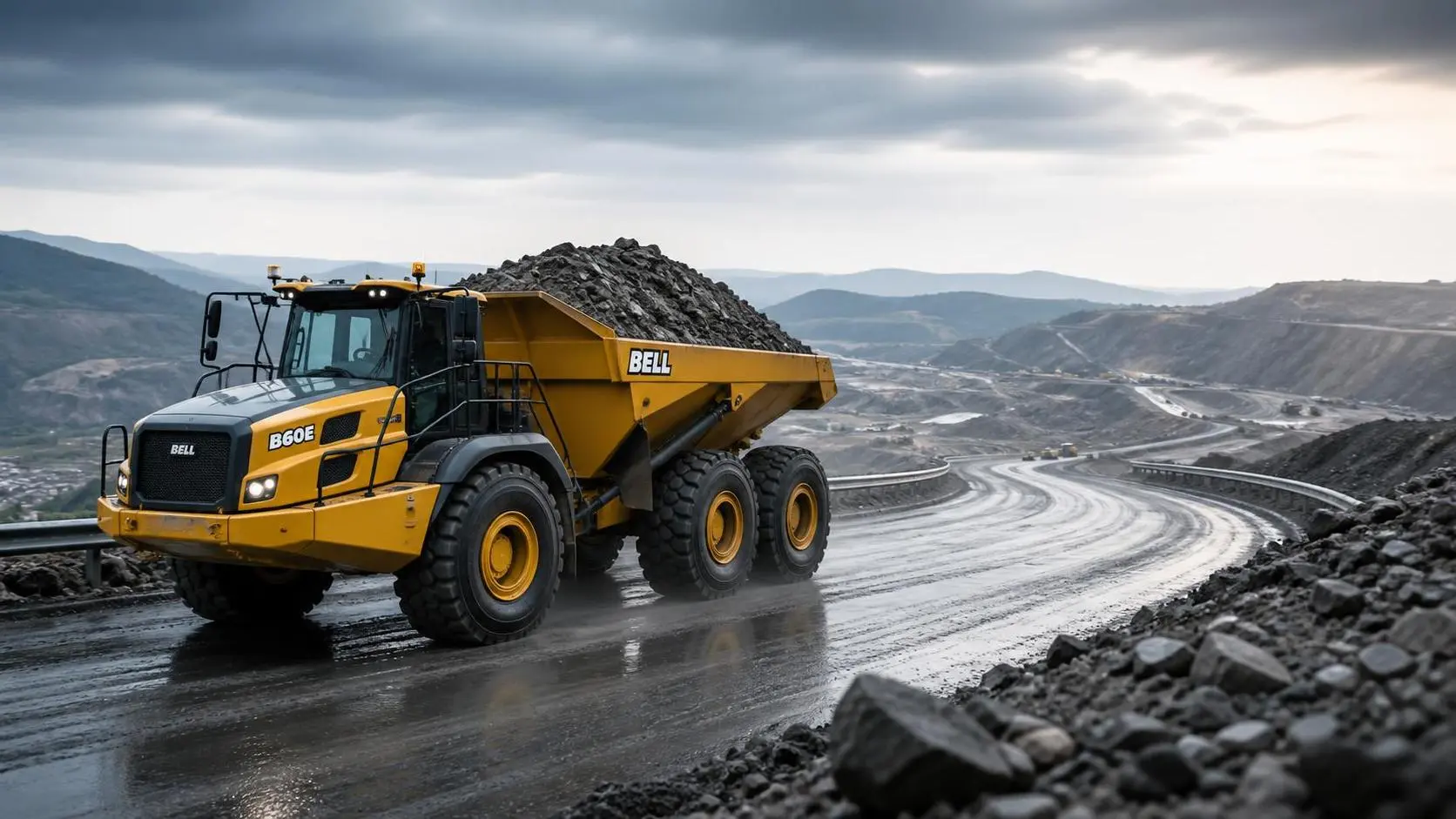
How to Evaluate Articulated Dump Trucks Payload for Haul Road Conditions and Cycle Efficiency
Articulated Dump Trucks payload evaluation starts with real haul road conditions, not brochure numbers. Learn how to balance payload, traction, grades, and cycle efficiency for safer, higher output.
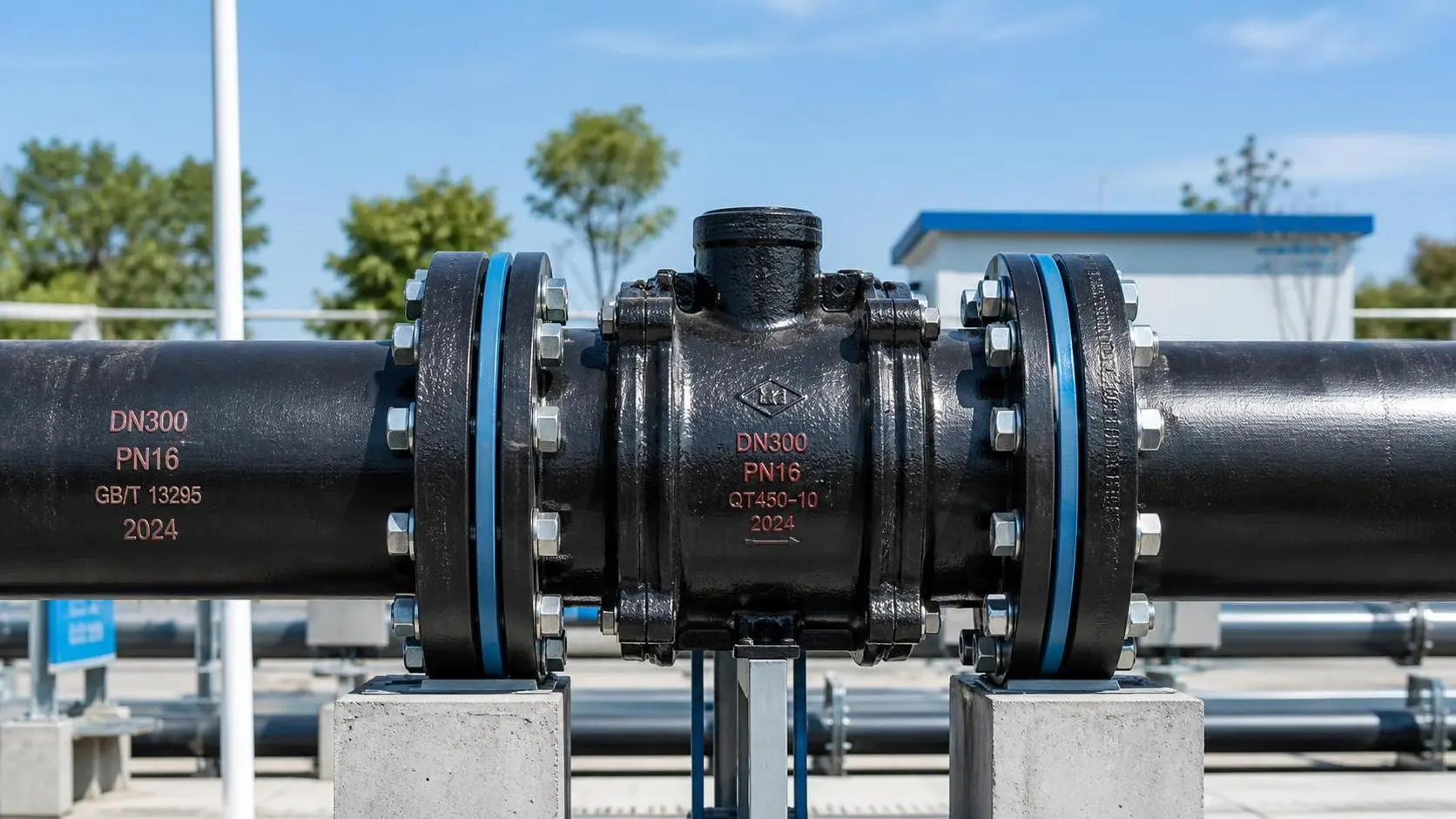
How Pipe Fittings Material and Pressure Class Affect Water Line Selection
Pipe fittings selection starts with material and pressure class. Learn how these factors affect water line reliability, corrosion resistance, installation, and long-term cost.
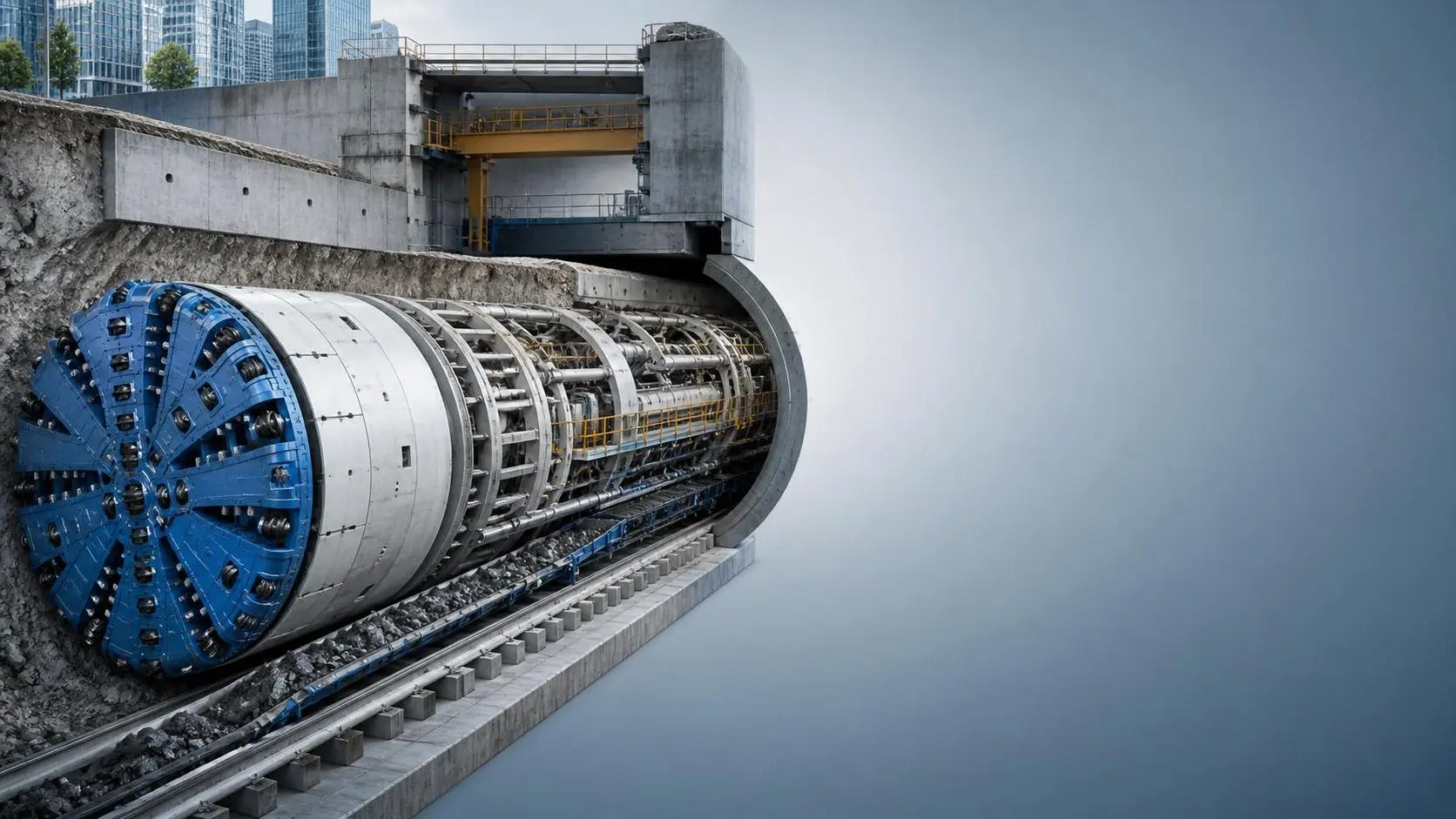
What Drives TBM Excavation Cost in Urban Tunneling Projects?
tbm excavation cost in urban tunneling depends on geology, shafts, segment lining, logistics, and risk. Discover the key cost drivers and compare bids with greater confidence.
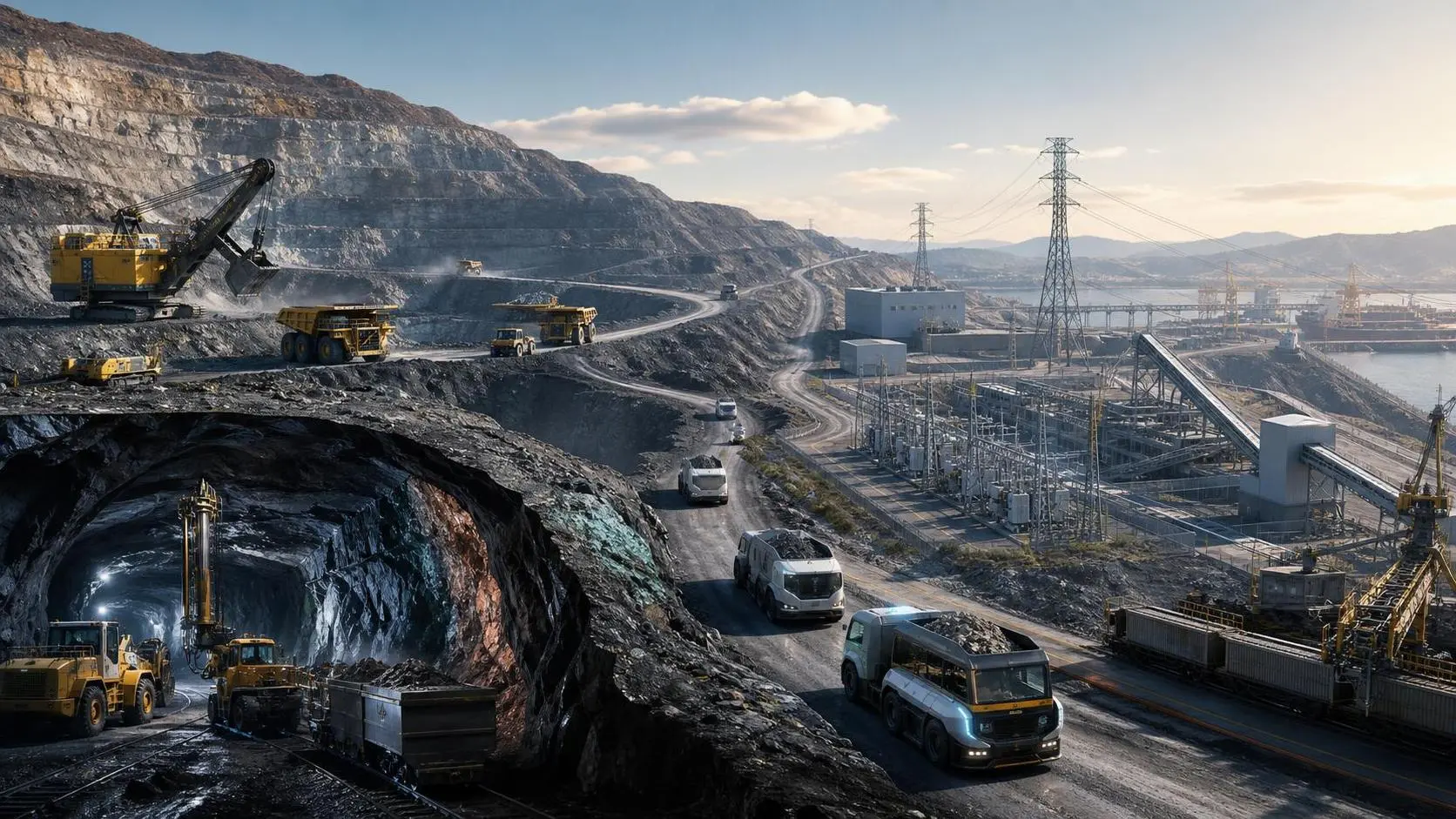
What Does Energy Metals Mining in Australia Mean for Supply, Cost, and Project Risk?
Energy metals mining Australia is reshaping supply, cost, and project risk. Discover what it means for buyers, investors, and operators.
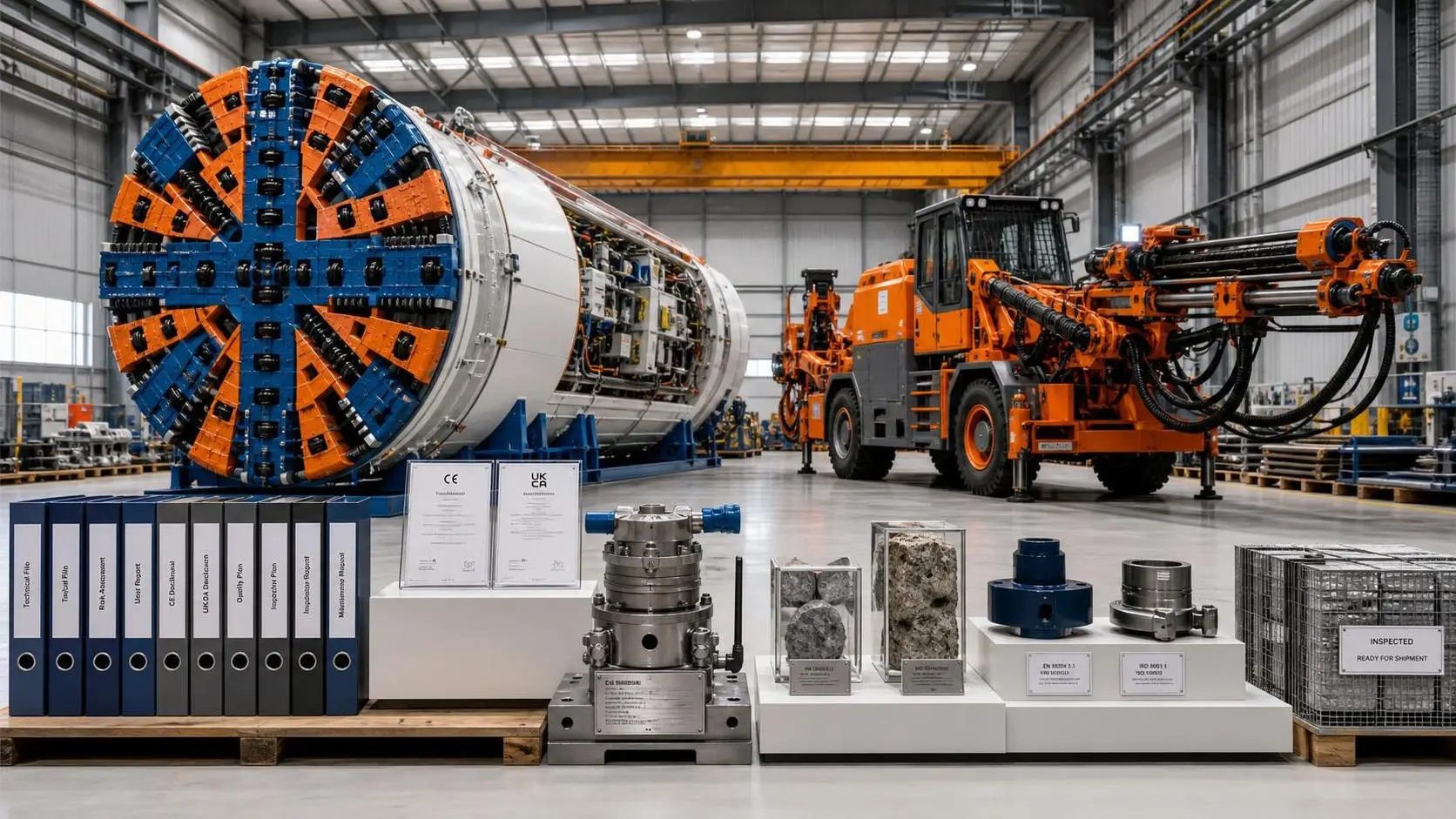
EU Eases Dual CE and UKCA Path for Chinese Tunnel Boring Equipment
EU eases CE and UKCA certification for Chinese tunnel boring equipment, cutting compliance time and helping importers move faster.
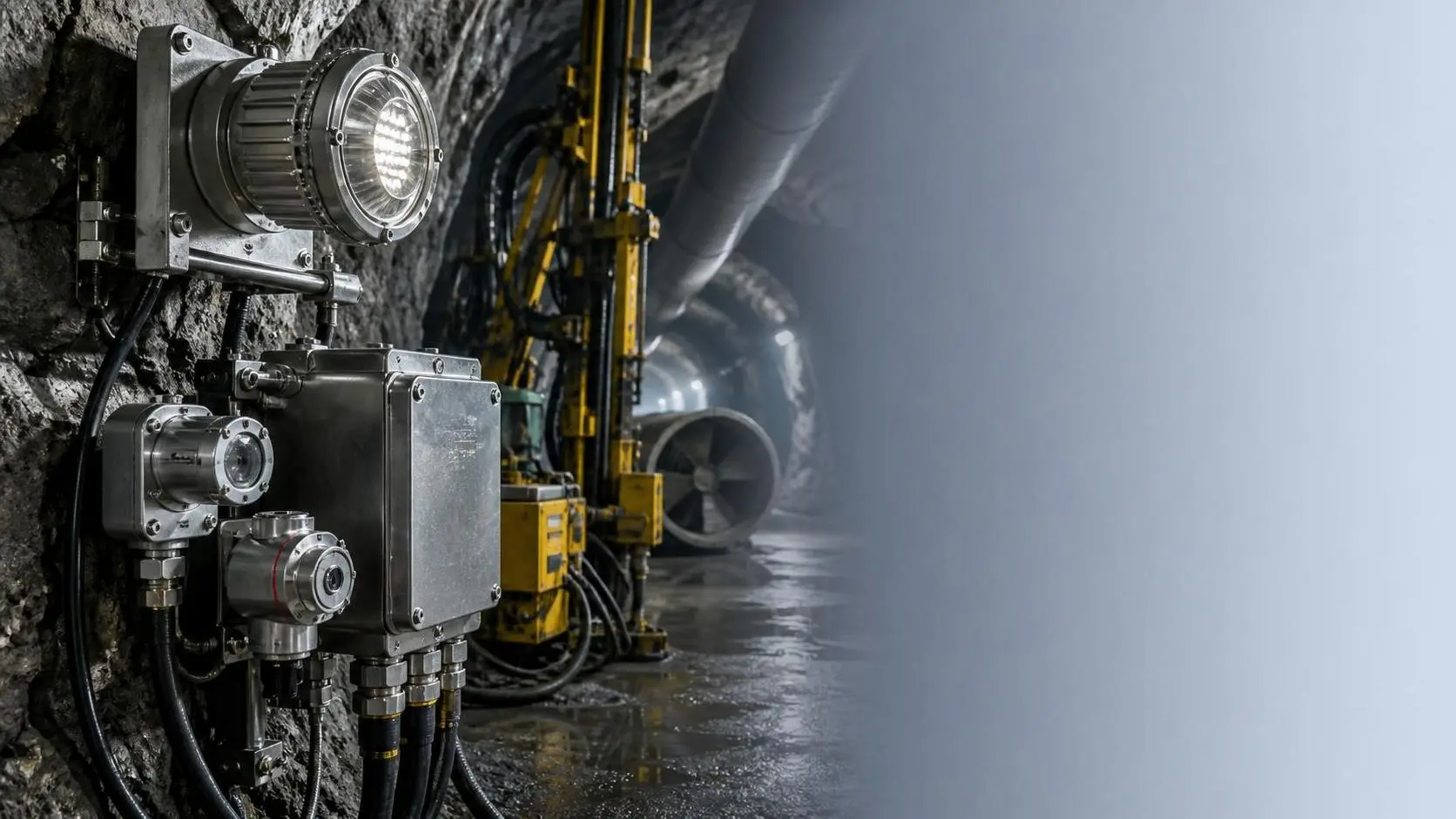
Flameproof Underground Safety Equipment: What Mine Teams Should Check Before Buying
Underground Safety Equipment flameproof buying guide: learn how mine teams should verify certification, durability, serviceability, and supplier support before purchase.
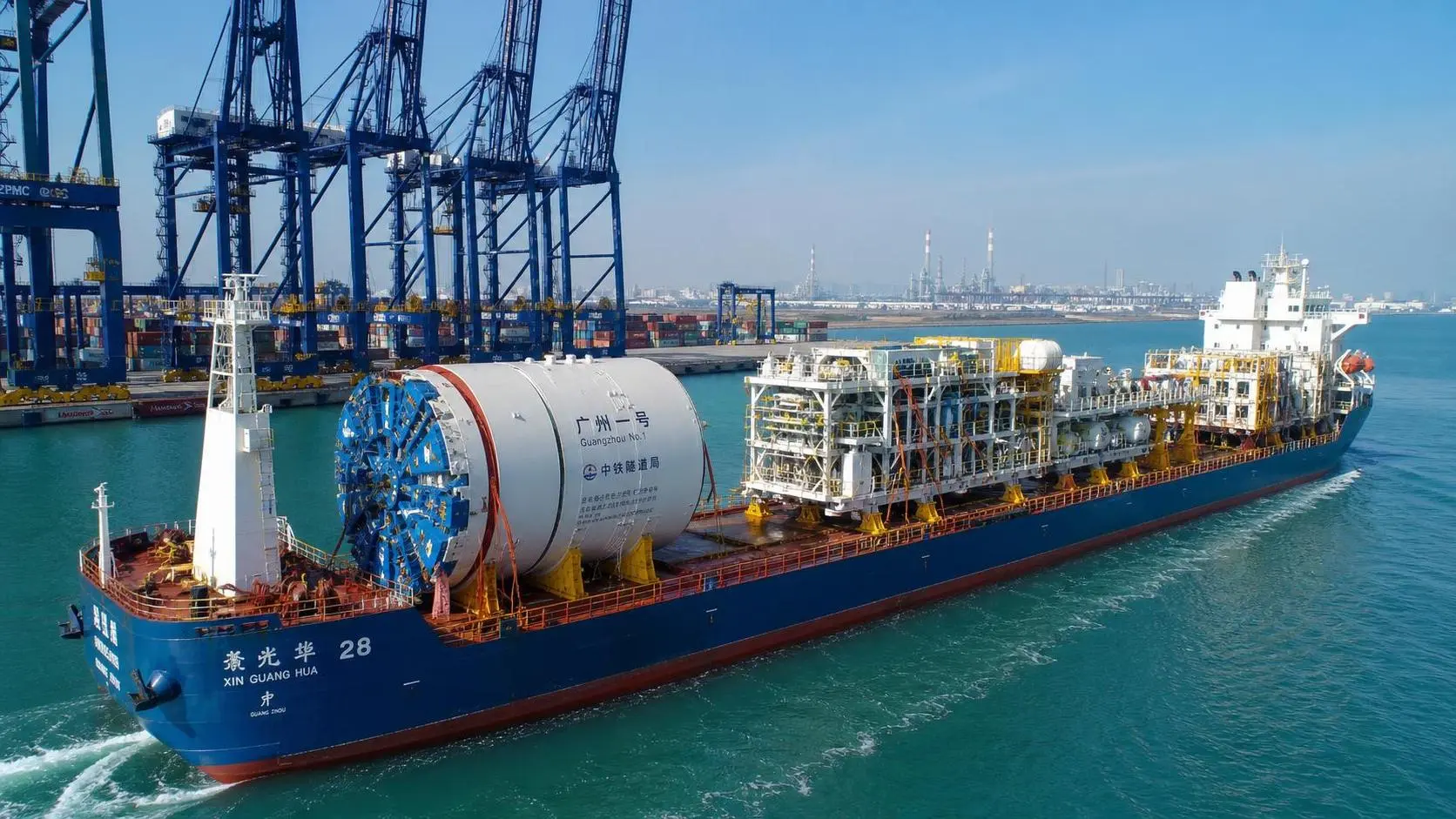
China-UAE Direct Sea Route Cuts TBM and Large Tunneling Equipment Lead Times
China-UAE direct sea route shortens TBM and large tunneling equipment lead times by 12–15 days, improving delivery predictability for major infrastructure projects. Read the full impact.
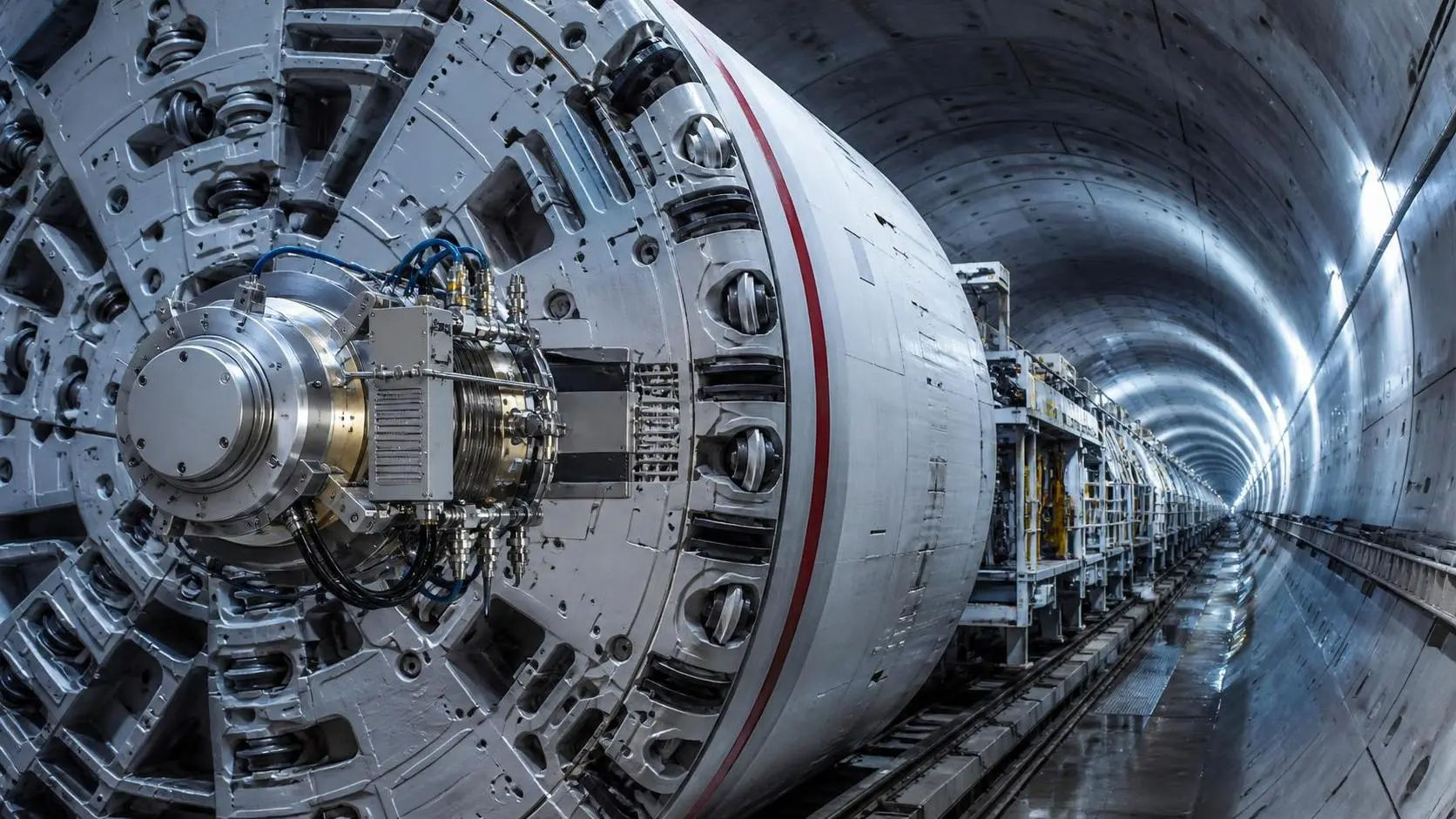
What Is a TBM Guidance System Gyroscope, and Why Does It Matter Underground?
TBM Guidance Systems gyroscope improves underground accuracy, reduces drift, and helps tunnel boring machines stay on line in harsh conditions.

China to Roll Out Nationwide Local and Foreign Currency Cash Pools for Multinationals on Sept. 14
China will roll out nationwide local and foreign currency cash pools for multinationals on Sept. 14, streamlining cross-border treasury management and boosting liquidity efficiency.
Related News
- 00
0000-00
How to Evaluate Articulated Dump Trucks Payload for Haul Road Conditions and Cycle Efficiency - 00
0000-00
How Pipe Fittings Material and Pressure Class Affect Water Line Selection - 00
0000-00
What Drives TBM Excavation Cost in Urban Tunneling Projects? - 00
0000-00
What Does Energy Metals Mining in Australia Mean for Supply, Cost, and Project Risk? - 00
0000-00
EU Eases Dual CE and UKCA Path for Chinese Tunnel Boring Equipment
Weekly Insights
Stay ahead with our curated technology reports delivered every Monday.