
Are Hydrogen Fuel Cell Haul Trucks Viable for Long-Haul Open-Pit Mining?





A mine can look like a strong candidate for hydrogen on paper: long haul distances, high diesel consumption, and pressure to reduce site emissions. The decision becomes harder when the truck must climb loaded on rough ramps, operate through temperature swings, remain available across long shifts, and refuel without creating a new production bottleneck. A haulage fleet is not a pilot car fleet; one missed refuelling window can affect shovels, crushers, and downstream processing.
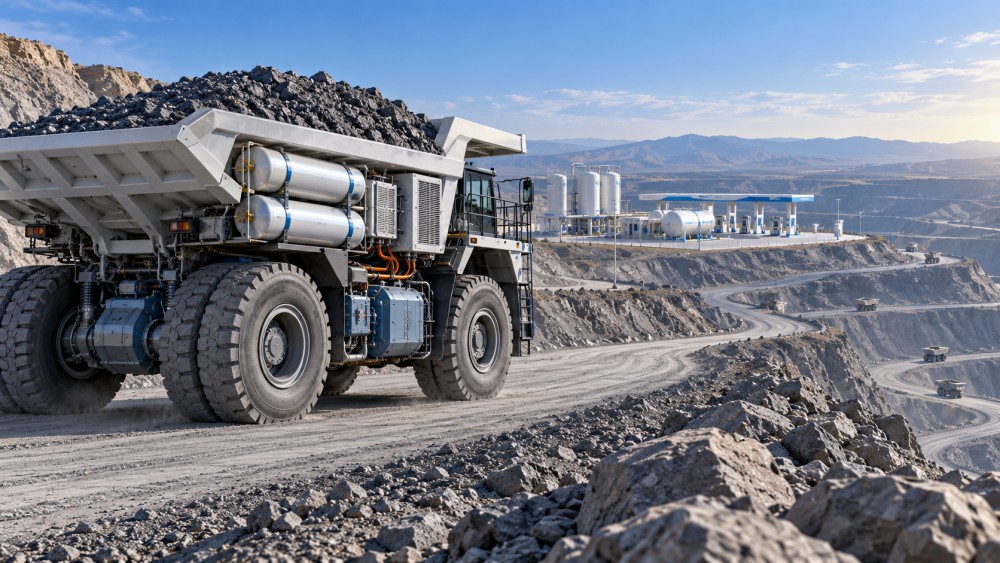
Hydrogen fuel cell haul trucks can be viable for long-haul open-pit mining, but only at mines where the haul cycle, energy supply, refuelling design, and fleet operating model are engineered together. They are not a universal replacement for diesel, nor are they automatically preferable to battery-electric trucks. Their strongest case is usually a large, repeatable operation with demanding duty cycles where battery charging downtime or onboard battery mass would be difficult to accommodate, and where dependable low-carbon hydrogen can be supplied at scale.
The operational question is bigger than truck range
Long-haul open-pit work places unusual demands on any alternative powertrain. A loaded truck may spend much of its cycle climbing, then recover some energy through regenerative braking on the downhill return. The useful energy requirement therefore depends on more than kilometres travelled. Ramp grade, rolling resistance, road condition, payload variability, queuing, ambient temperature, tyre selection, and operator or autonomy strategy all affect actual consumption.
This is where an early evaluation often goes wrong. Decision-makers may compare nominal vehicle range with the route distance and conclude that fuel cells solve the problem because hydrogen can be added quickly. That comparison misses the practical question: can the truck complete its assigned production cycles with a realistic reserve, while the refuelling station serves the fleet at the required rate and without interfering with dispatch?
Fuel-cell electric drive systems use hydrogen to generate electricity, typically supported by a battery that handles transient power demand and captures regenerative energy. In a mining truck, the fuel cell does not remove the importance of power management. It shifts the energy-storage approach from carrying all usable energy in batteries to carrying hydrogen plus a battery buffer. Whether that is advantageous depends on the mine’s duty cycle and site energy architecture.
Where fuel cells have a credible advantage
Hydrogen becomes more compelling when a truck needs sustained operating time between service interruptions and has limited opportunities for high-power charging. This can occur on extended routes, during multi-shift utilization, or in fleets where trucks cannot be easily taken out of rotation for charging. Fast refuelling may help preserve the familiar dispatch rhythm of diesel operations, provided the hydrogen station has enough storage, compression, dispensing capacity, and redundancy.
Fuel cells may also suit operations where route flexibility matters. A battery-electric fleet performs best when charging is deliberately integrated into the haul system: at loading points, dumping points, maintenance areas, or along trolley-assist corridors. Mines with changing pits, changing haul roads, or frequent fleet redeployment may find a centralized hydrogen refuelling model easier to adapt than a network of fixed charging assets. “Easier,” however, does not mean simple. Hydrogen infrastructure still requires carefully planned logistics and safety controls.
The case is weaker where downhill regeneration is large and predictable, haul routes are compact, and trucks have repeatable dwell periods that can support charging. In those conditions, batteries and trolley assistance can use site electricity directly and reduce conversion losses associated with making, compressing, transporting, and using hydrogen. A fuel-cell option should not be selected merely because it resembles diesel refuelling behavior.
Start with the haul cycle, not the vehicle brochure
Before comparing truck concepts, build a duty-cycle model using the mine’s own operating records and near-term plan. Use separate profiles for loaded uphill travel, empty return, queuing, spotting, loading, dumping, and idling. A single average cycle can hide the periods that create the real constraint: a wet-season rolling-resistance increase, a deeper pushback, a long queue at the dump, or a temporary reroute around a geotechnical area.
The model should identify the energy needed per cycle and per shift, peak traction power, recoverable braking energy, expected energy reserve, and the time windows available for refuelling or charging. It should also show how many trucks may need energy service during the same period. The last point is crucial. A refuelling station that works for one demonstration truck may become a dispatch restriction when several units arrive after similar cycle durations.
Questions that expose a weak fit
- Does the loaded uphill segment require sustained high power beyond what the fuel cell can efficiently provide without heavy battery support?
- Will route depth, road redesign, or increased payload change the daily hydrogen requirement during the truck’s useful life?
- How much regenerative energy is available, and can the battery accept it without reaching charge limits before the descent is complete?
- Can refuelling occur during natural breaks, or will trucks need to leave their productive route?
- What happens to production if one dispenser, compressor train, or hydrogen delivery connection is unavailable?
These questions do not rule hydrogen out. They determine the equipment and infrastructure margin that must be designed into the system. A mine with tight operating margins should avoid a concept that only works under ideal road, weather, and queue conditions.
Hydrogen supply is the real project boundary
A truck fleet can only be as low-carbon and available as its hydrogen supply. The procurement team should distinguish between hydrogen delivered to site and hydrogen produced on site, because the risks differ substantially.
Delivered hydrogen may allow a smaller initial project footprint, particularly for early fleet deployment. But it introduces transport scheduling, storage turnover, supplier concentration, and access-route dependency. A remote mine may need substantial on-site buffer storage to maintain operations through transport disruption. That storage strategy affects land use, safety separation, and capital requirements.
On-site production reduces reliance on deliveries but creates a different chain of dependencies: electrical supply, water availability and treatment where relevant, electrolyser uptime, compression, storage, controls, and maintenance capability. If the mine’s grid connection is constrained or its renewable generation is variable, the production profile must match the dispatch requirement rather than simply the annual hydrogen estimate. Producing sufficient hydrogen over a month does not help if daily station inventory falls short during a high-production week.
The emissions case also needs to be tested rather than assumed. Fuel-cell trucks eliminate diesel combustion at the vehicle, but lifecycle emissions depend on how the hydrogen is produced, processed, and transported. A decision package should separate local air-quality benefits from full energy-chain emissions. Both matter, but they answer different questions.
Refuelling needs to work as part of dispatch
In a productive open pit, the fuel station cannot be treated as a separate utility yard. Its location changes truck travel time, traffic interaction, queue risk, and emergency access. A station placed too far from active routes may consume the time savings expected from rapid refuelling. One placed near busy haul roads may complicate traffic management and expose the facility to dust, vibration, or changing pit access.
Mine planners should test multiple layouts: a central service location, a station near the workshop, and route-adjacent refuelling where site conditions permit. The preferred option should be selected through fleet simulation or equivalent dispatch analysis, not by convenience alone. Include peak refuelling demand after shift changes, maintenance-related bunching, and the possibility that several trucks arrive with low reserves after road conditions deteriorate.
Hydrogen handling also changes maintenance and emergency planning. The site needs defined isolation zones, leak detection, ventilation where equipment is enclosed, controlled venting arrangements, trained responders, and procedures that fit mine traffic and shift handover practices. Dust management matters because heavy mining environments challenge connectors, sensors, cooling systems, and access routes. These requirements are manageable, but they should be embedded in the operating design before trucks arrive.
Payload, packaging, and vehicle availability deserve separate review
A fuel-cell truck must carry hydrogen storage, fuel-cell equipment, power electronics, cooling hardware, and a battery. The resulting packaging may affect service access, body integration, weight distribution, and usable payload. The correct comparison is not simply “diesel truck versus hydrogen truck.” It is whether the proposed configuration meets the mine’s payload target, cycle time, braking performance, and tyre-loading limits under actual conditions.
Cooling is particularly important in high-power haulage. Fuel cells and batteries both generate heat, while open-pit operations may include high ambient temperatures, dust loading, and demanding ramp work. A thermal-management design should be evaluated at the same time as the traction model. A configuration that meets energy requirements but derates during peak heat or extended climbs can erode the promised productivity benefit.
Availability planning should include more than scheduled maintenance. Fuel-cell systems introduce components such as hydrogen valves, sensors, balance-of-plant equipment, high-voltage systems, and specialized diagnostic controls. The mine needs a realistic plan for spare parts, technician training, troubleshooting tools, and isolation procedures. If those capabilities depend entirely on infrequent external support, the operational risk can be disproportionate to the number of trucks deployed.
Compare hydrogen with the alternatives at system level
The meaningful alternative is rarely diesel alone. Depending on the mine, the comparison may include battery-electric trucks, trolley-assist battery trucks, diesel-electric haulage, or a staged mixed fleet. Each pathway uses a different combination of site power, mobile energy storage, infrastructure, and operational change.
Battery-electric hauling may be preferable where charging can be scheduled around loading and dumping, where trolley lines can support the steepest ramps, or where abundant site electricity is available. Hydrogen may be preferable where sustained range and fast replenishment are more valuable than direct electrical efficiency. A mixed approach can sometimes reduce risk: electrify the most predictable routes first and reserve another energy pathway for routes that remain difficult to charge. That choice should be based on mine-plan segments, not on a desire to keep every truck identical.
When evaluating total cost, include fleet utilization, road travel to energy service points, station staffing, electricity demand, hydrogen conditioning, storage losses, maintenance labor, replacement components, and the value of production resilience. It is equally important to model the consequences of an energy-system interruption. Diesel logistics are familiar but still vulnerable; hydrogen creates different points of failure. The preferred system is the one whose failures can be contained without unacceptable production loss.
A practical route to a defensible decision
A sound selection process usually begins with a narrow operating scope rather than a fleet-wide assumption. Choose representative haul routes, define expected truck utilization, and establish the production conditions that the concept must meet. Then develop matched models for diesel, battery-electric, trolley-assisted, and fuel-cell alternatives where each is technically feasible.
- Map current and planned haul routes, including grade, distance, elevation change, road condition, and likely pit development.
- Use dispatch records to identify energy demand, peak-power events, queue patterns, and the operational cost of taking a truck off route.
- Size hydrogen production or delivery, storage, compression, and dispensing for peak fleet demand with defined availability margins.
- Review truck packaging, payload, thermal performance, maintainability, and safety systems against site-specific operating conditions.
- Stress-test the business case against road deterioration, supply disruption, changing mine depth, higher production demand, and infrastructure downtime.
The final decision should state the operating boundary clearly. Hydrogen fuel cell haul trucks are a viable long-haul option when the mine can secure dependable hydrogen, protect refuelling throughput, preserve payload and uphill performance, and support specialized maintenance. Where those conditions cannot be demonstrated, a battery-based or trolley-supported approach may offer a more controllable path to lower-emission haulage.
Related News
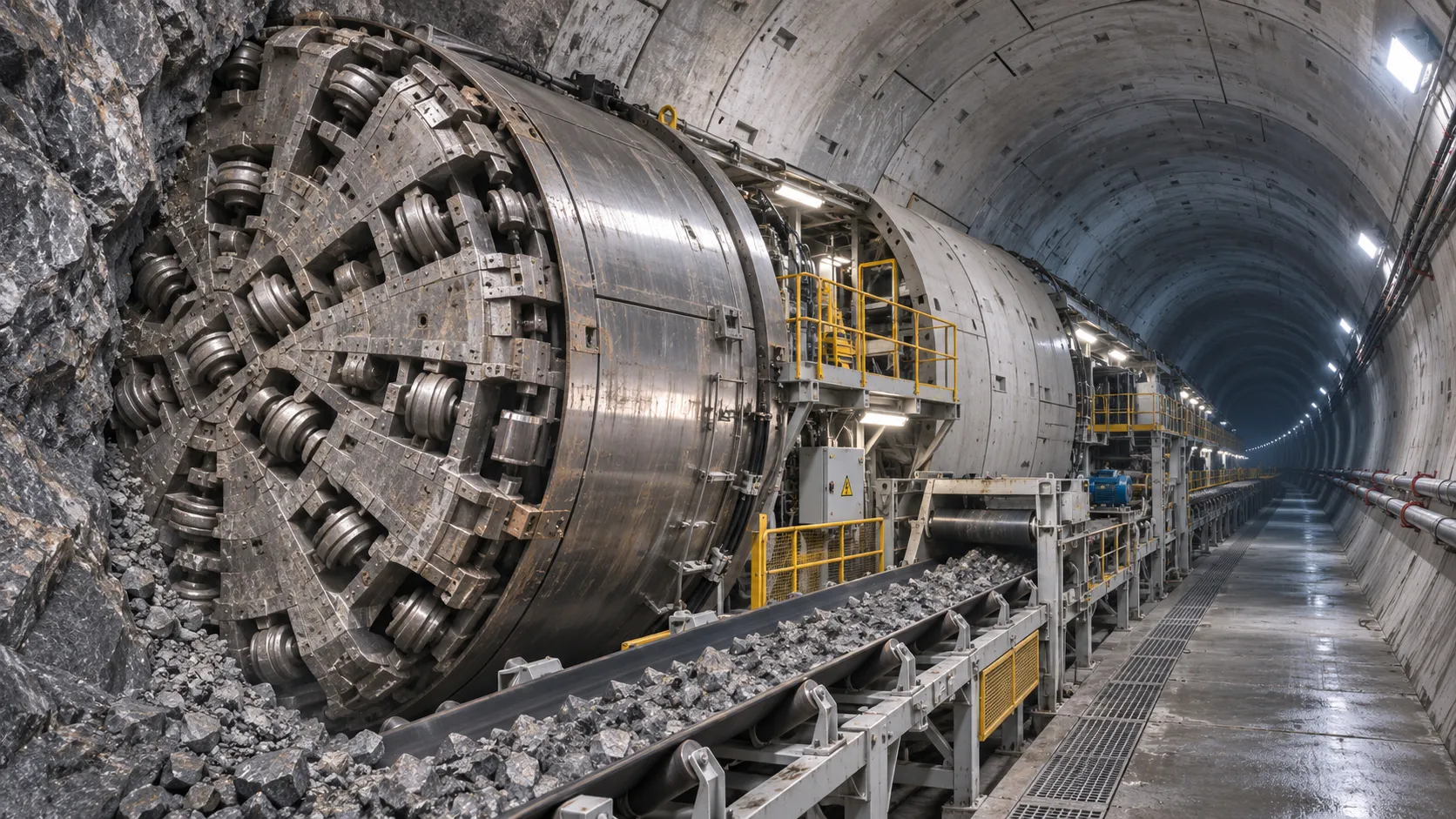
How TBM Excavation Works in Rock and Soft Ground: A Practical Guide
TBM Excavation in rock and soft ground explained: compare machine types, ground support, spoil removal, and the factors that guide smarter project planning.
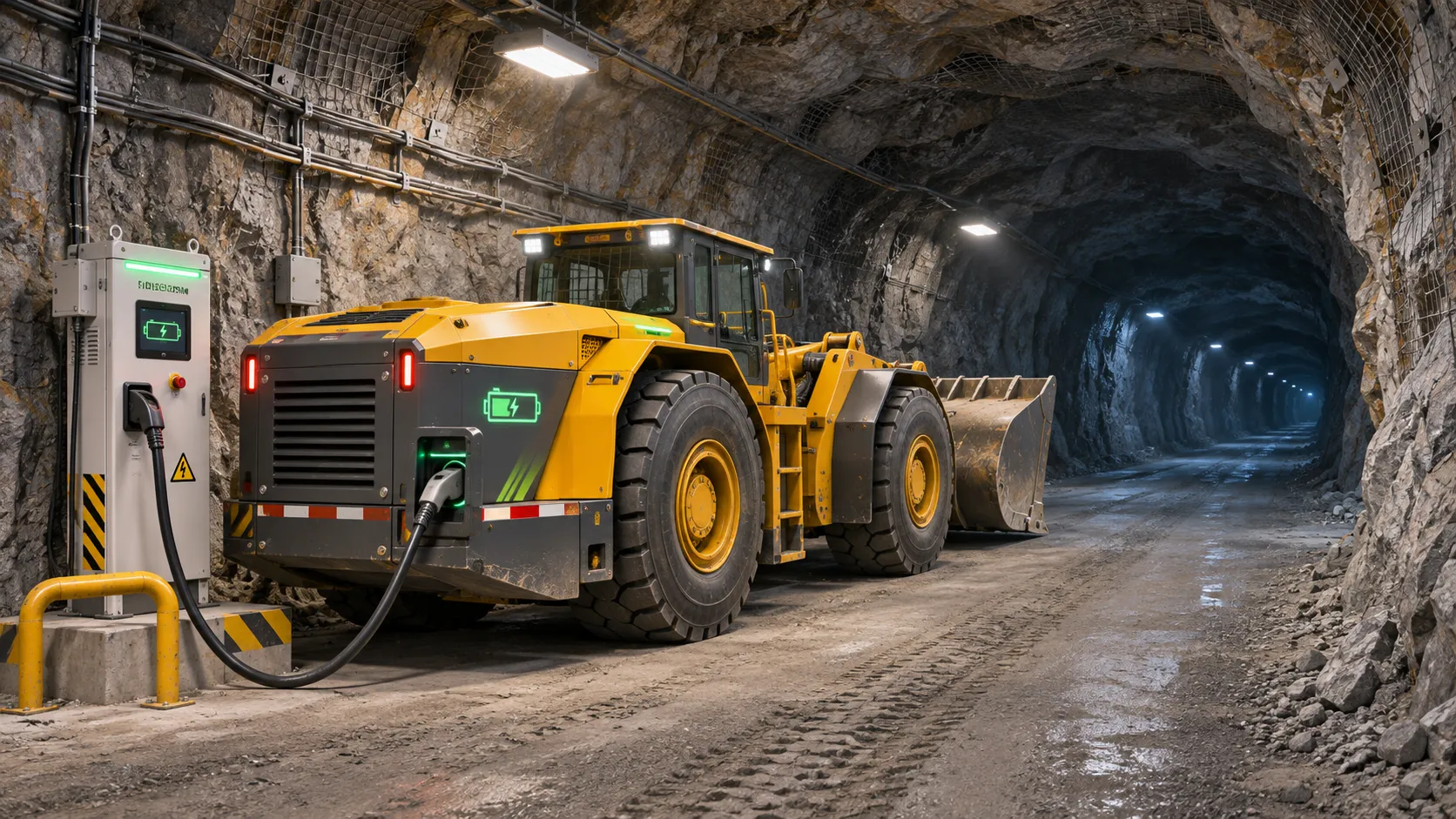
Choosing a Zero-Emission Underground Equipment Supplier: What to Check
Choosing a zero emission underground equipment supplier? Compare duty-cycle performance, charging, safety, total costs and support before you commit.
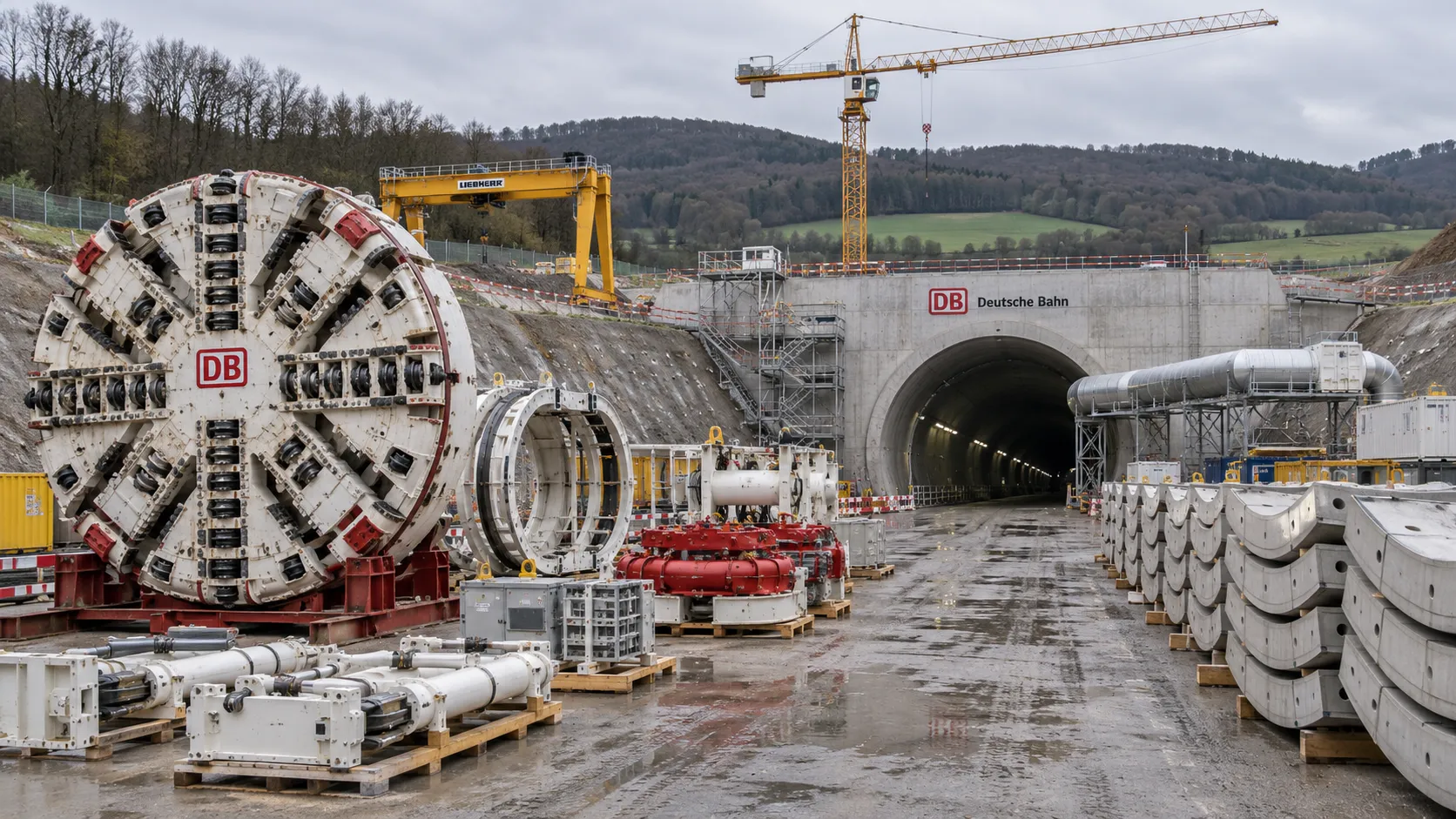
Construction Starts on Germany's Pfaffensteig Rail Tunnel, With Two TBMs Planned
Pfaffensteig rail tunnel construction is underway in Germany. Discover how two planned TBMs will support the 11-kilometre project near Stuttgart.
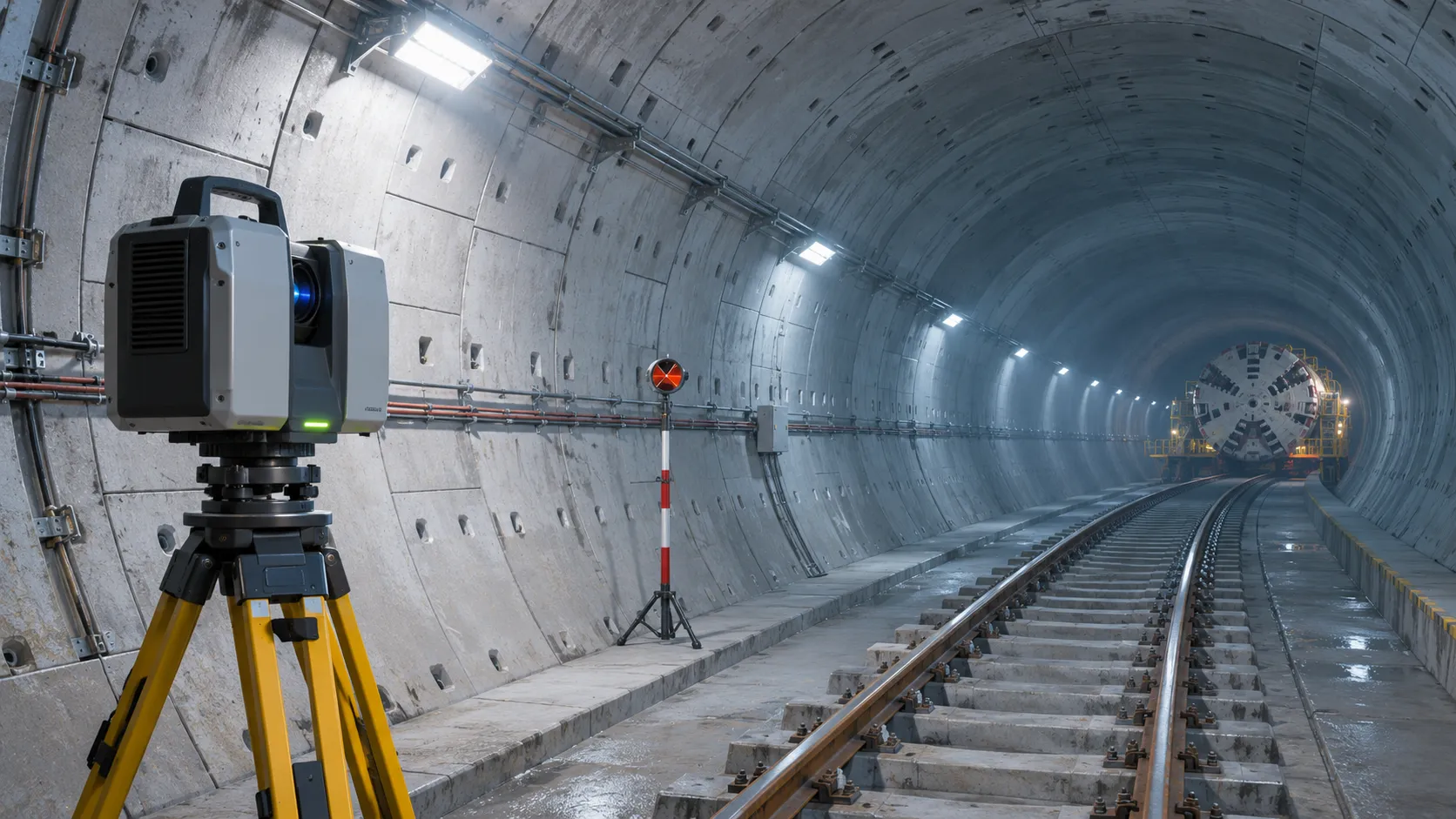
How Real-Time Underground Mapping Systems Work in Tunneling
Discover how real-time underground mapping systems guide tunneling teams, integrate sensor data, and support confident decisions with verified accuracy.
First Mechanized Tunnel Crossing Beneath the Panama Canal Completed
Panama Canal tunnel crossing: Explore the reported Metro Line 3 milestone and what it could mean for future underwater tunneling projects.
Underground Utility Construction Equipment: Choosing by Ground Conditions
Choose underground utility construction equipment with confidence. Compare trenching, HDD, microtunnelling and TBMs by ground conditions, risk and cost.
China Sets Tunnel Boring Machine Export Controls as India Pushes Local Production
China tunnel boring machine export controls could reshape procurement as India pushes local production. Explore potential supply and project impacts.
Choosing a Trenchless Pipeline Installation Contractor: Key Qualifications
Choose a trenchless pipeline installation contractor with confidence. Learn how to assess experience, equipment, safety, costs, and project risks before you hire.
China's 70% TBM Share and Export Controls Challenge India's Local Production
China's TBM export controls could challenge India's local production and infrastructure sourcing. Explore the potential risks and procurement options.
Related News
- 00
0000-00
How TBM Excavation Works in Rock and Soft Ground: A Practical Guide - 00
0000-00
Choosing a Zero-Emission Underground Equipment Supplier: What to Check - 00
0000-00
Construction Starts on Germany's Pfaffensteig Rail Tunnel, With Two TBMs Planned - 00
0000-00
How Real-Time Underground Mapping Systems Work in Tunneling - 00
0000-00
First Mechanized Tunnel Crossing Beneath the Panama Canal Completed
Weekly Insights
Stay ahead with our curated technology reports delivered every Monday.