
Mining Decarbonization: A Practical Roadmap for Cutting Diesel Use and Emissions





A mine can have a credible emissions target on paper and still burn nearly the same amount of diesel every shift. This gap usually appears when electrification is treated as an equipment purchase rather than an operating-system change. A battery-electric loader may arrive before the charging plan is ready; a trolley-assist concept may be considered without a haul-route energy model; an autonomous truck program may optimize productivity while its diesel baseline remains unclear.
The practical answer is to sequence mining decarbonization around the places where fuel is actually consumed, constrained, and recoverable. Start with a defensible operating baseline, then match each duty cycle to the right intervention: eliminate idling and rehandling first, electrify fixed or repeatable routes next, redesign ventilation and power distribution alongside underground fleet changes, and measure emissions at asset and material-movement level. The objective is not to electrify every machine at once. It is to reduce diesel use without creating production bottlenecks, stranded infrastructure, or new safety risks.
Begin with the diesel problem, not the equipment catalogue
Fuel invoices alone do not explain where a mine should act. They combine productive haulage, waiting time, road-condition losses, auxiliary loads, and occasional operational disruptions. A fleet may appear to be the largest consumer simply because it operates the most hours, while a smaller group of machines may have the poorest energy intensity per tonne moved.
A useful baseline separates diesel use into operational activities rather than departments. At minimum, map fuel and emissions against:
- tonnes moved, metres hauled, and average payload;
- loaded and empty travel time by route segment;
- idling, queueing, refuelling, and shift-change time;
- grade, rolling resistance, road maintenance condition, and congestion points;
- ventilation demand associated with underground diesel equipment;
- drilling, loading, auxiliary power, and stationary generation;
- planned versus unplanned maintenance events that affect energy use.
This level of visibility changes the investment conversation. A steep downhill route, for example, may offer a strong case for regenerative braking or trolley operation, but only if truck traffic is frequent and predictable enough to use the infrastructure. An underground loader operating close to a workshop may suit battery swapping. Another loader travelling between distant headings may need opportunity charging, a different battery strategy, or a phased transition while access and power capacity are improved.
Do not rely on average fuel burn alone. Mine operations are variable by geology, weather, ore movement, development sequence, and shift practices. The baseline should show ranges and identify the conditions that cause excessive consumption. That makes it possible to distinguish a design issue from a temporary operating issue.
Find the high-value duty cycles before setting a fleet replacement schedule
Not all diesel displacement opportunities are equal. The best early candidates generally have a repeatable duty cycle, high utilization, concentrated energy demand, and an operating area where supporting infrastructure can be controlled. Electrification becomes harder when equipment moves across a wide, constantly changing site with little dwell time or unreliable grid access.
Automation belongs in this assessment because it can reduce emissions indirectly. Better dispatching can reduce queueing; consistent speed control can lower energy waste; autonomous operating patterns can make charging windows more predictable. However, automation is not automatically a decarbonization measure. It must be assessed against the energy required by the actual route, fleet behavior, communications infrastructure, and production plan.
For underground operations, ventilation is often the overlooked part of the value case. Replacing diesel units can reduce heat and exhaust contaminants in active areas, but the operational benefit depends on how ventilation circuits can be redesigned and how quickly the mine can safely alter airflow requirements. Keeping the same ventilation configuration after electrification may preserve unnecessary energy demand. Reducing ventilation without a validated mine plan, air-quality process, and emergency response review creates an unacceptable risk.
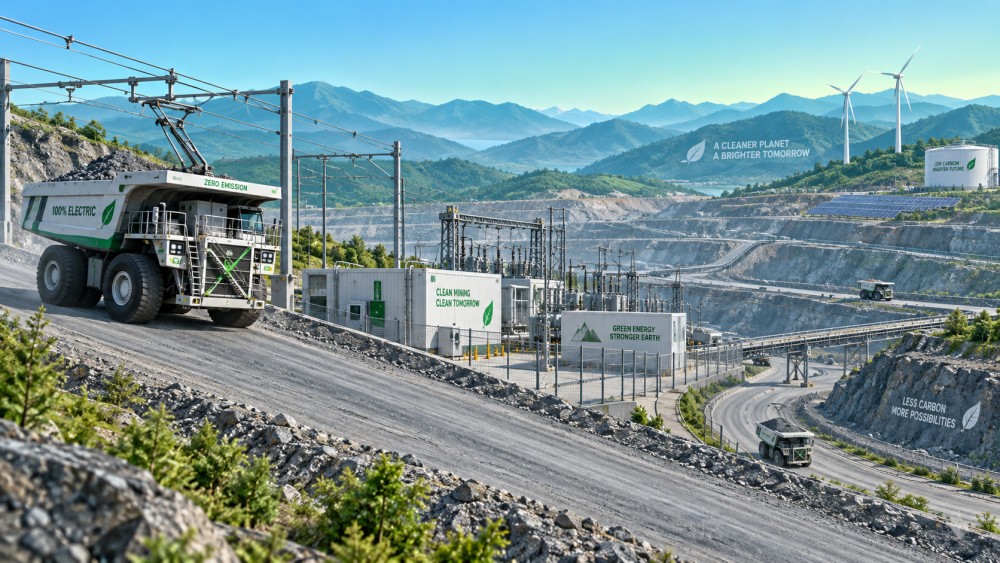
Choose the electrification model around the route, not a generic technology preference
Battery-electric equipment is especially effective where machines return to known locations, operate within defined travel distances, or can exchange batteries without disrupting the production cycle. Underground LHDs, utility vehicles, and some drilling applications can fit this model well, but site layout determines whether the benefit is realized. Charging bays need protected access, traffic segregation, fire controls, trained personnel, and enough electrical capacity to avoid shifting peak demand into a more expensive or unstable operating period.
Battery swapping can preserve availability when a machine works intensively and a fully charged pack can be prepared while another is in service. Its limitation is operational discipline: packs must be tracked, inspected, cooled where required, transported safely, and available at the right location. A swap system is not just a battery inventory. It is a material-handling process embedded in the mine schedule.
Trolley assist is often suited to high-volume open-pit haulage on stable ramps. It can reduce diesel consumption on the energized segment while allowing trucks to travel beyond the line. The critical question is whether the line will serve enough loaded trips, over enough time, to justify changes to haul-road design, electrical distribution, maintenance procedures, and traffic management. A route that is frequently relocated or interrupted by changing pit phases may require modular planning or a different approach.
Full battery haulage may be attractive where the energy profile, charging opportunity, and power source support it. Yet the decision should include payload effects, thermal conditions, charging dwell time, grade, recovery procedures, and the consequences of a charger outage. A truck that meets a nominal range requirement may still be unsuitable if real operations include detours, adverse road conditions, or a delayed shift handover.
Power infrastructure is part of production infrastructure
Electrified fleets transfer energy demand from fuel logistics to the electrical system. This is not a simple substitution. Mines need to understand available supply, connection constraints, internal distribution losses, protection coordination, backup arrangements, and the timing of large simultaneous loads. A charging station placed where vehicles naturally dwell can still fail operationally if the feeder capacity is insufficient during shift overlap.
Before committing to a fleet conversion, build a load profile that includes normal production, shift transitions, battery charging, workshops, pumping, ventilation, crushing, and planned expansion. The model should test realistic operating patterns rather than assuming that every charger runs at maximum power all day. It should also identify what happens when several machines arrive low on charge at the same time, when one charging position is unavailable, or when a planned power interruption occurs.
Energy sourcing matters to lifecycle emissions control. Electrification reduces on-site diesel combustion, but the net emissions outcome depends on the electricity supply and how it is procured or generated. Track direct fuel emissions separately from purchased-electricity emissions, and avoid presenting a local exhaust reduction as a complete lifecycle result. The distinction is important for board reporting and for selecting investments that genuinely reduce the mine’s emissions footprint.
Use operational changes to reduce diesel before and during fleet conversion
Waiting for a full equipment refresh can delay meaningful progress. Several measures can reduce diesel demand while larger capital decisions are being prepared. Their value is not merely incremental: they establish the data discipline needed for electrified operations.
- Control idle time by cause. Separate operator breaks, queueing, loading delays, safety holds, and mechanical warm-up. Each has a different remedy. A broad anti-idling rule will not solve trucks waiting for a congested crusher or loaders held by a poor blasting sequence.
- Stabilize payload and haul-road condition. Underloading raises fuel use per tonne; overloading increases tyre, drivetrain, and road stress. Rolling resistance from poor drainage, loose material, or neglected profiles can undermine the expected benefit of any new powertrain.
- Reduce rehandling. Every avoidable stockpile movement repeats loading, hauling, and dumping energy. Review material flow alongside fleet utilization, especially where ore blending or temporary stockpiling has become routine.
- Plan charging within dispatch logic. Charging should be treated as a production constraint, like refuelling, maintenance, or a scheduled crusher outage. Assigning it informally at the end of a shift usually creates avoidable queues.
- Train around changed failure modes. Electric fleets introduce high-voltage isolation, battery state-of-health monitoring, connector inspection, thermal-event response, and software diagnostics. Maintenance planning must reflect these tasks rather than simply copying diesel service intervals.
These actions also reveal whether an apparent technology issue is actually a process issue. For example, poor battery availability may originate in delayed dispatch release, inadequate charge staging, or a workshop process that does not return packs to service on time. Replacing the charger will not correct those root causes.
Govern the roadmap with decisions that can be checked
Mining decarbonization programs lose momentum when targets sit apart from mine planning, capital approval, procurement, and maintenance accountability. A stronger approach establishes decision gates. Each proposed intervention should state the diesel baseline it addresses, the operational dependency it introduces, the infrastructure required, the emissions boundary being measured, and the fallback mode if the system is unavailable.
At the first gate, confirm that the duty cycle and production schedule are stable enough for evaluation. At the next, validate power availability, spatial layout, safety controls, and maintenance readiness. Only then should the organization compare capital cost, operating cost, expected fuel displacement, ventilation effects, and operational resilience. This sequence avoids approving a machine category before the mine can support it.
Measurement should remain simple enough to be used. Useful indicators include diesel per tonne moved, energy per tonne-kilometre, idle hours by cause, charging availability, battery turnaround time, ventilation energy per active area, and direct versus electricity-related emissions. Pair these with production and availability measures. An emissions reduction that comes from lost throughput is not a durable operating improvement.
Where pilot projects go wrong
A pilot can provide valuable evidence, but only when it represents the intended operating environment. Testing one battery machine on a light-duty route does not establish readiness for a full production fleet. Likewise, evaluating an electric truck without modeling the loading, queueing, charging, and maintenance sequence can overstate usable availability.
Define the pilot around a specific decision: confirm battery endurance on a given cycle, verify charging turnaround, test operator visibility and traffic interaction, quantify ventilation changes, or validate a maintenance workflow. Record exceptions as carefully as normal operation. Extreme grades, cold conditions, water ingress, communication loss, and delayed charging are often the conditions that determine whether a deployment can scale.
The most resilient roadmap combines near-term operational discipline with staged infrastructure and fleet decisions. It treats diesel reduction as a mine-planning problem, an energy-system problem, and a production-control problem at the same time. That is how decarbonization moves from a stated ambition to an operating model that can withstand changing mine conditions.
Related News
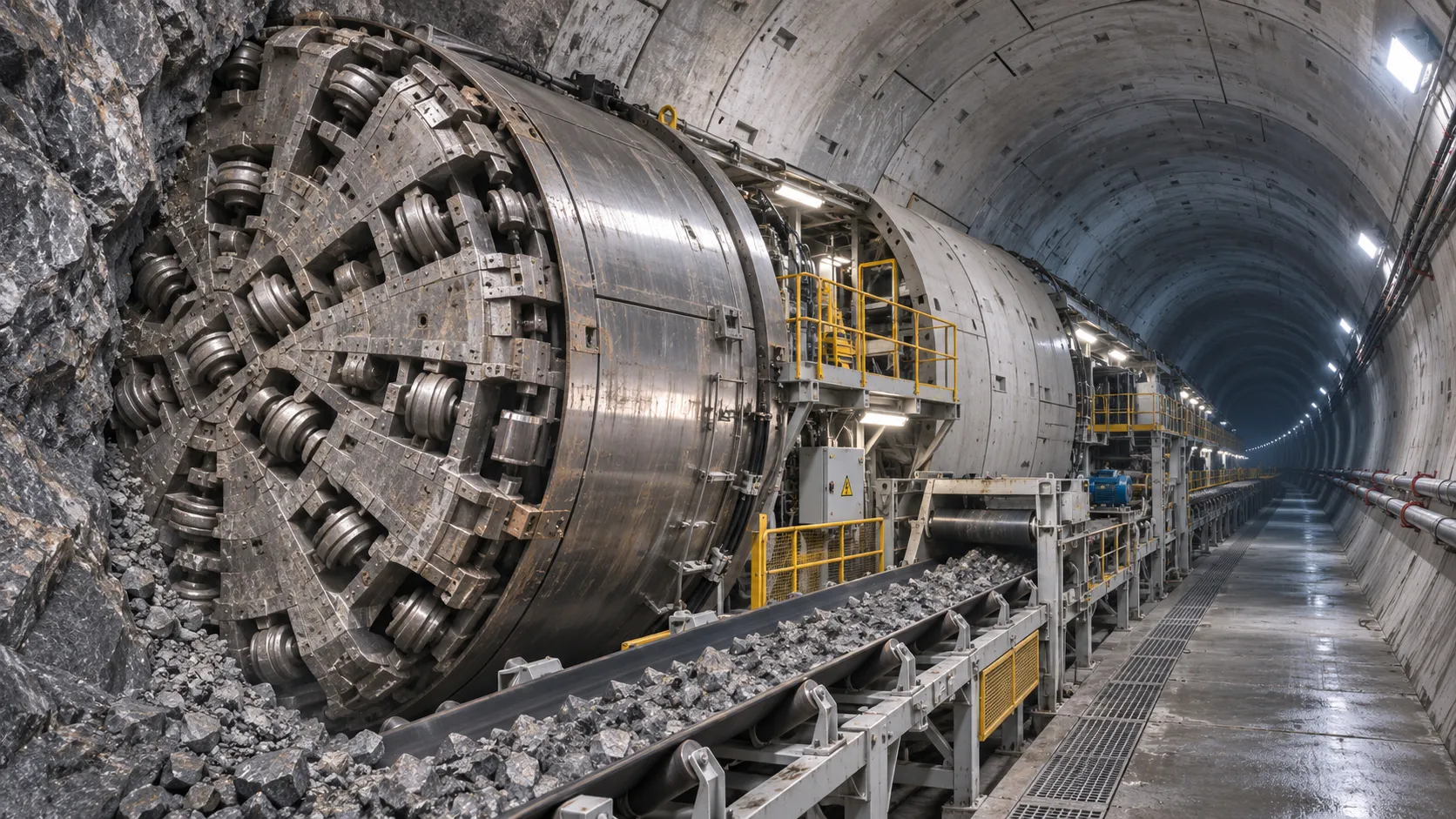
How TBM Excavation Works in Rock and Soft Ground: A Practical Guide
TBM Excavation in rock and soft ground explained: compare machine types, ground support, spoil removal, and the factors that guide smarter project planning.
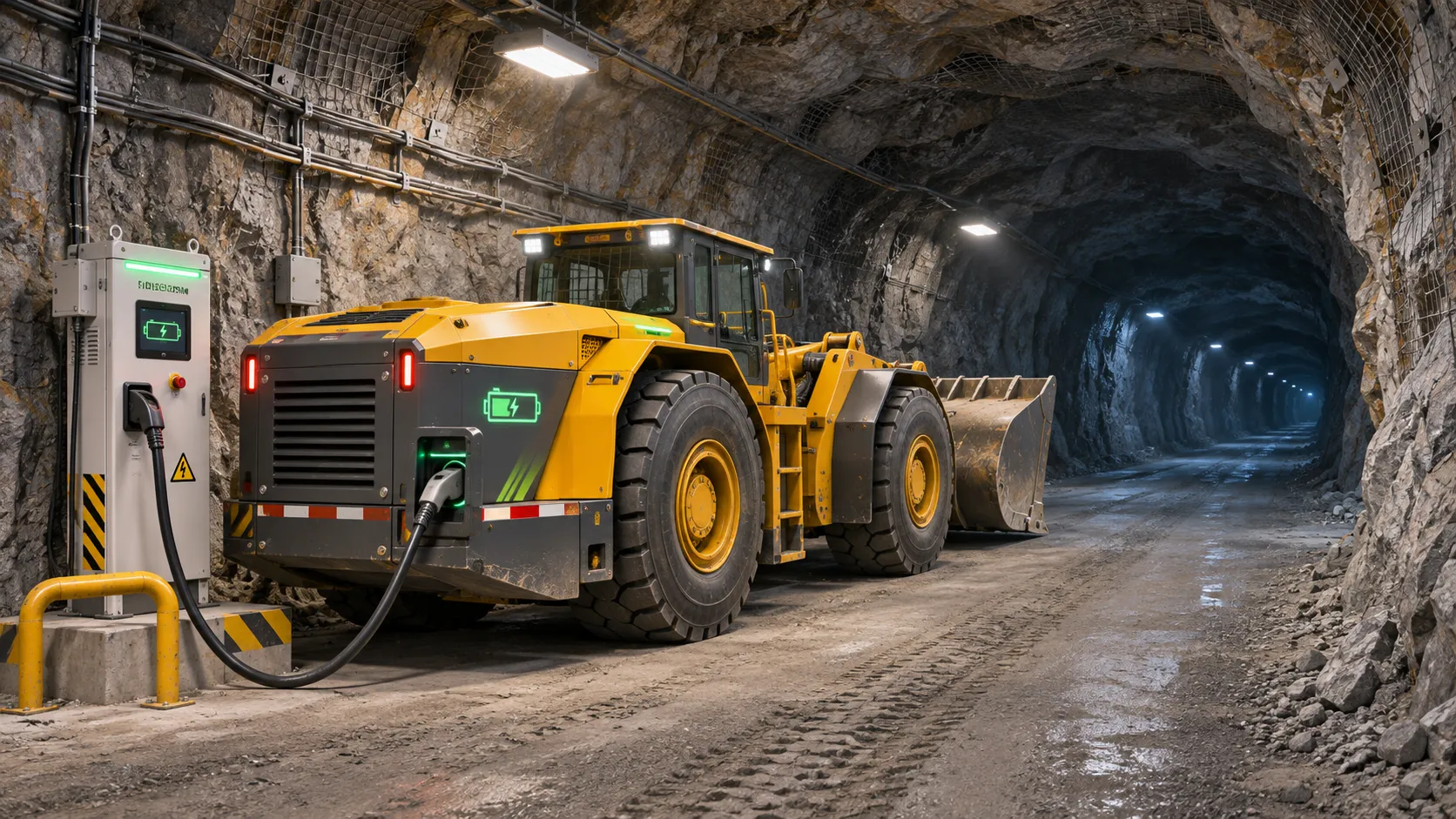
Choosing a Zero-Emission Underground Equipment Supplier: What to Check
Choosing a zero emission underground equipment supplier? Compare duty-cycle performance, charging, safety, total costs and support before you commit.
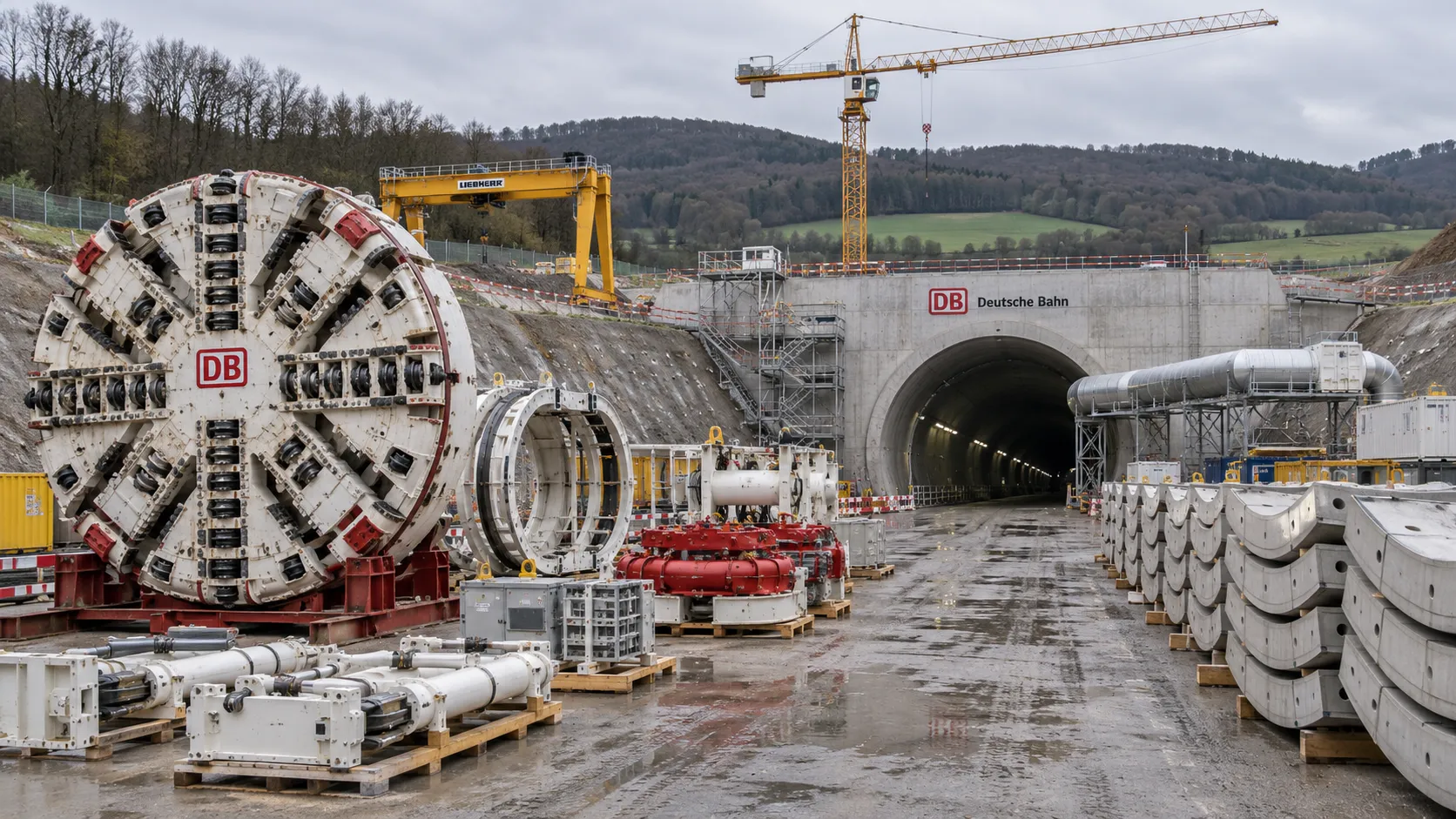
Construction Starts on Germany's Pfaffensteig Rail Tunnel, With Two TBMs Planned
Pfaffensteig rail tunnel construction is underway in Germany. Discover how two planned TBMs will support the 11-kilometre project near Stuttgart.
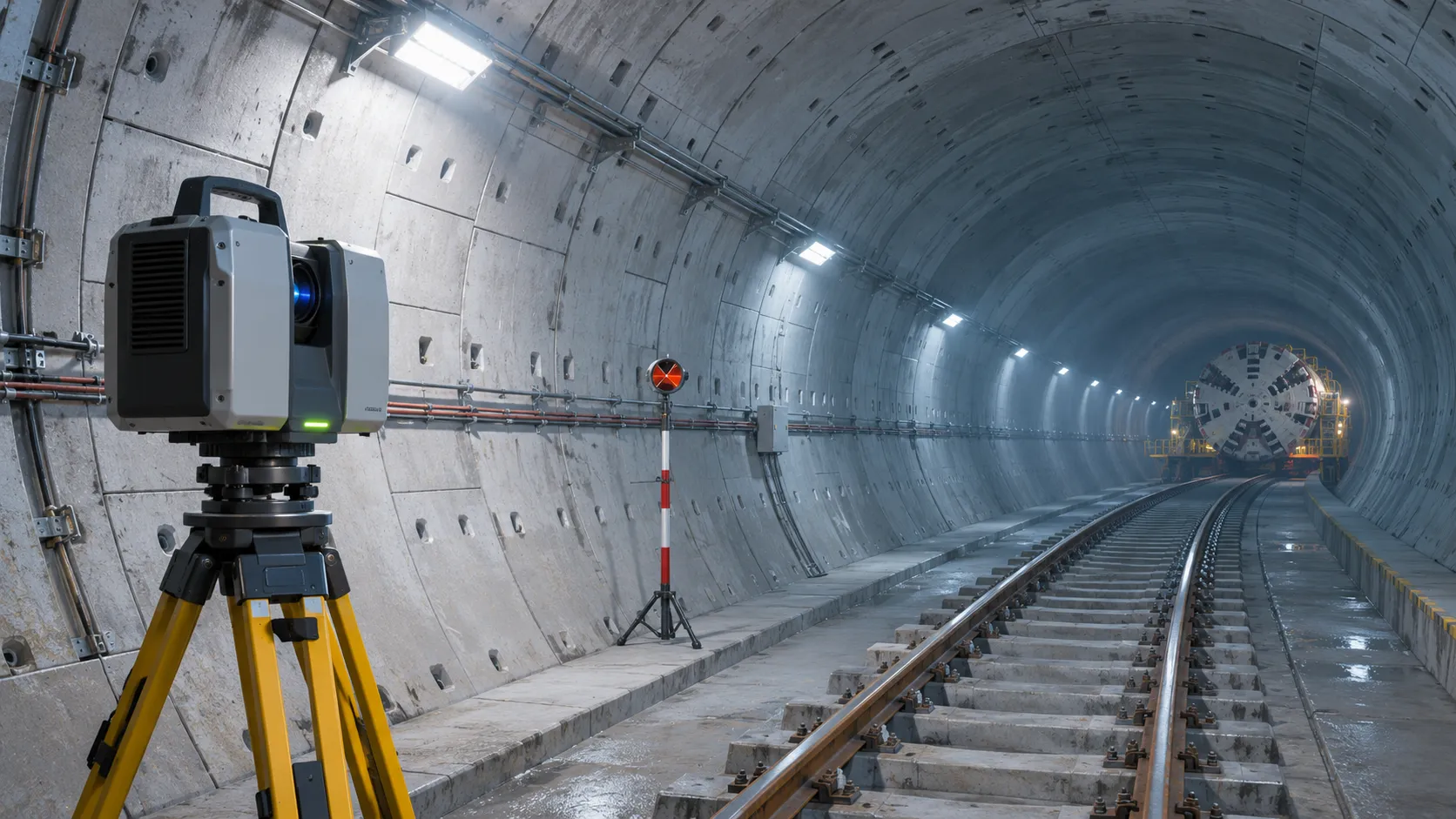
How Real-Time Underground Mapping Systems Work in Tunneling
Discover how real-time underground mapping systems guide tunneling teams, integrate sensor data, and support confident decisions with verified accuracy.
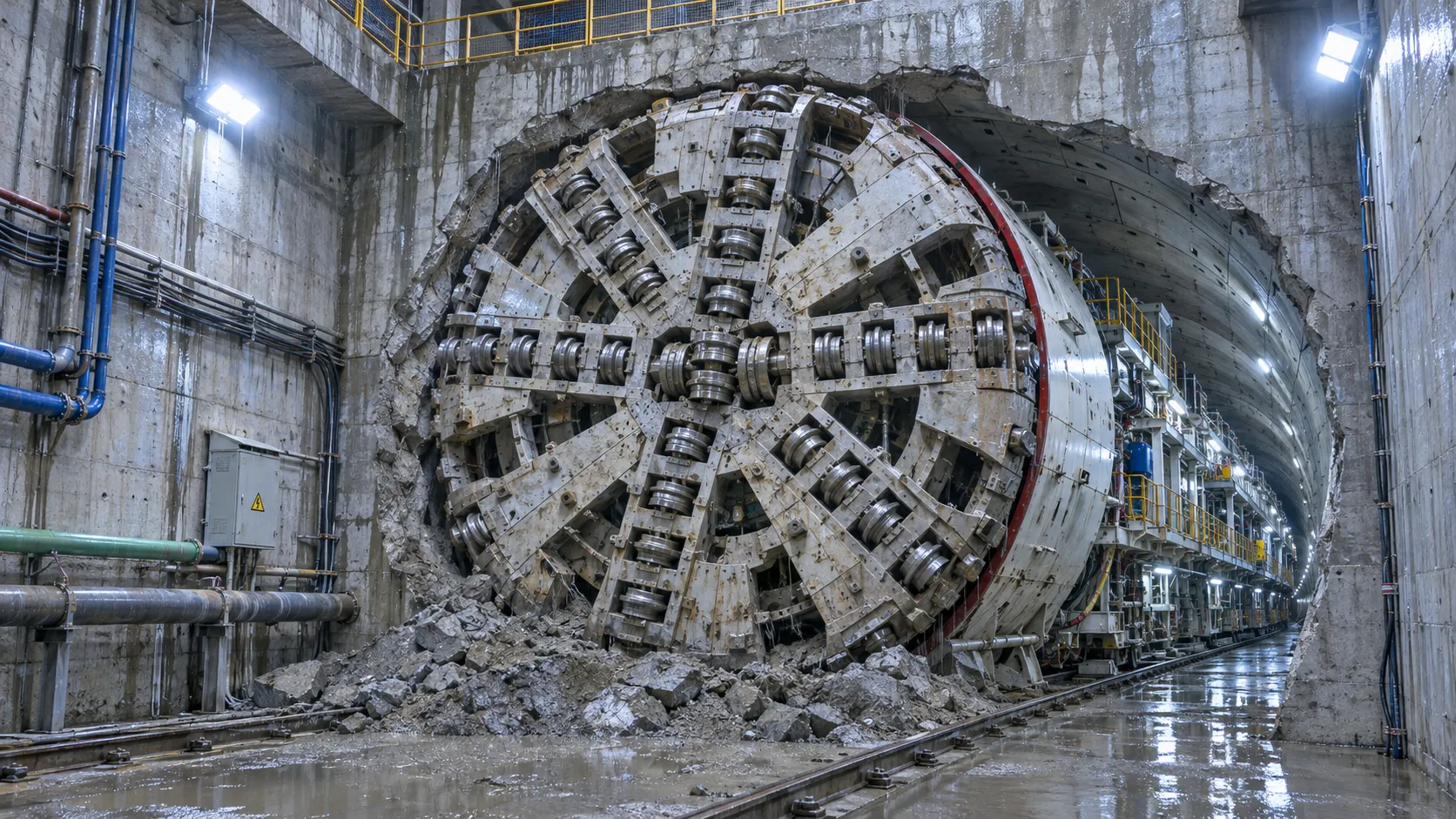
First Mechanized Tunnel Crossing Beneath the Panama Canal Completed
Panama Canal tunnel crossing: Explore the reported Metro Line 3 milestone and what it could mean for future underwater tunneling projects.
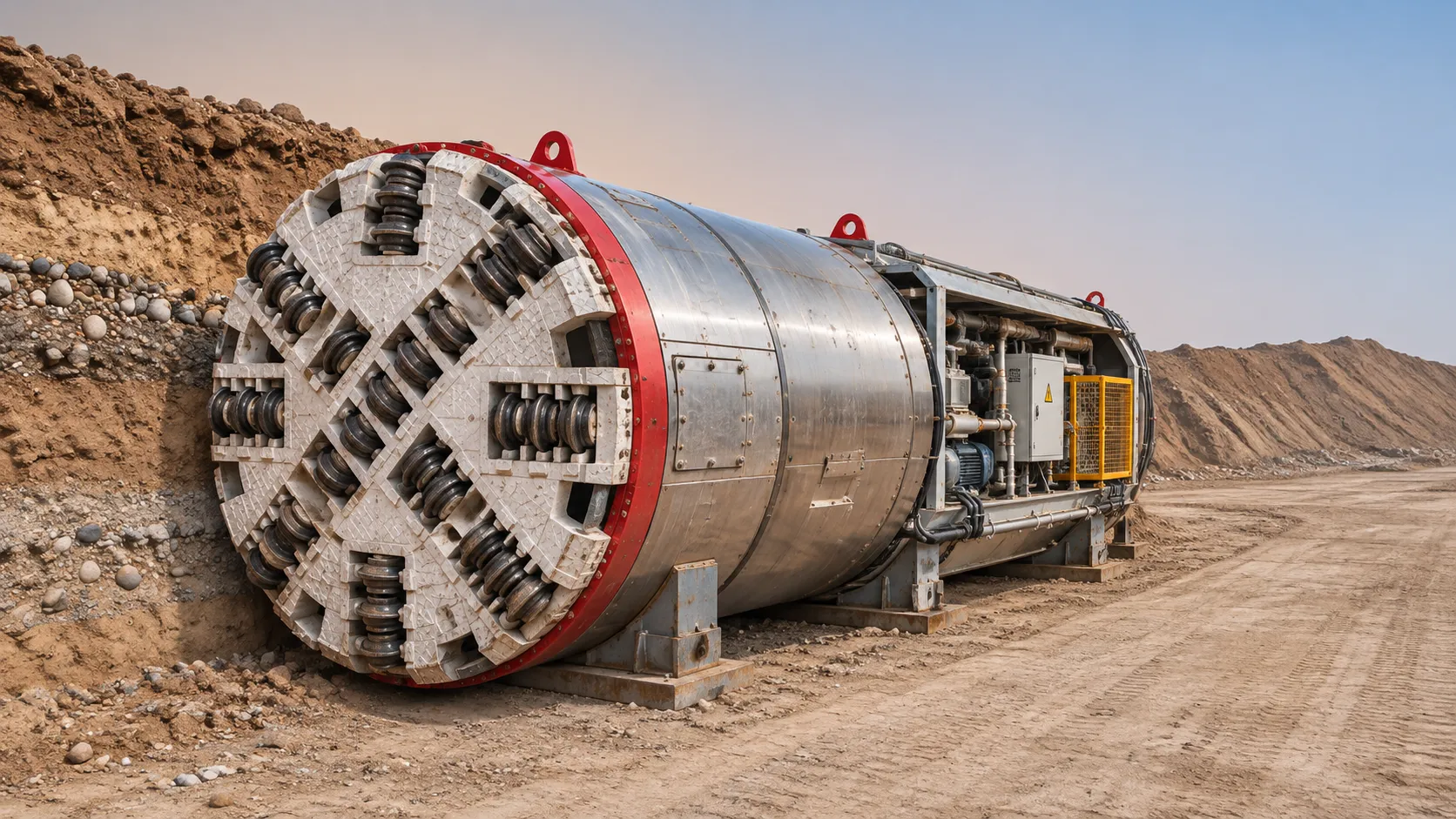
Underground Utility Construction Equipment: Choosing by Ground Conditions
Choose underground utility construction equipment with confidence. Compare trenching, HDD, microtunnelling and TBMs by ground conditions, risk and cost.
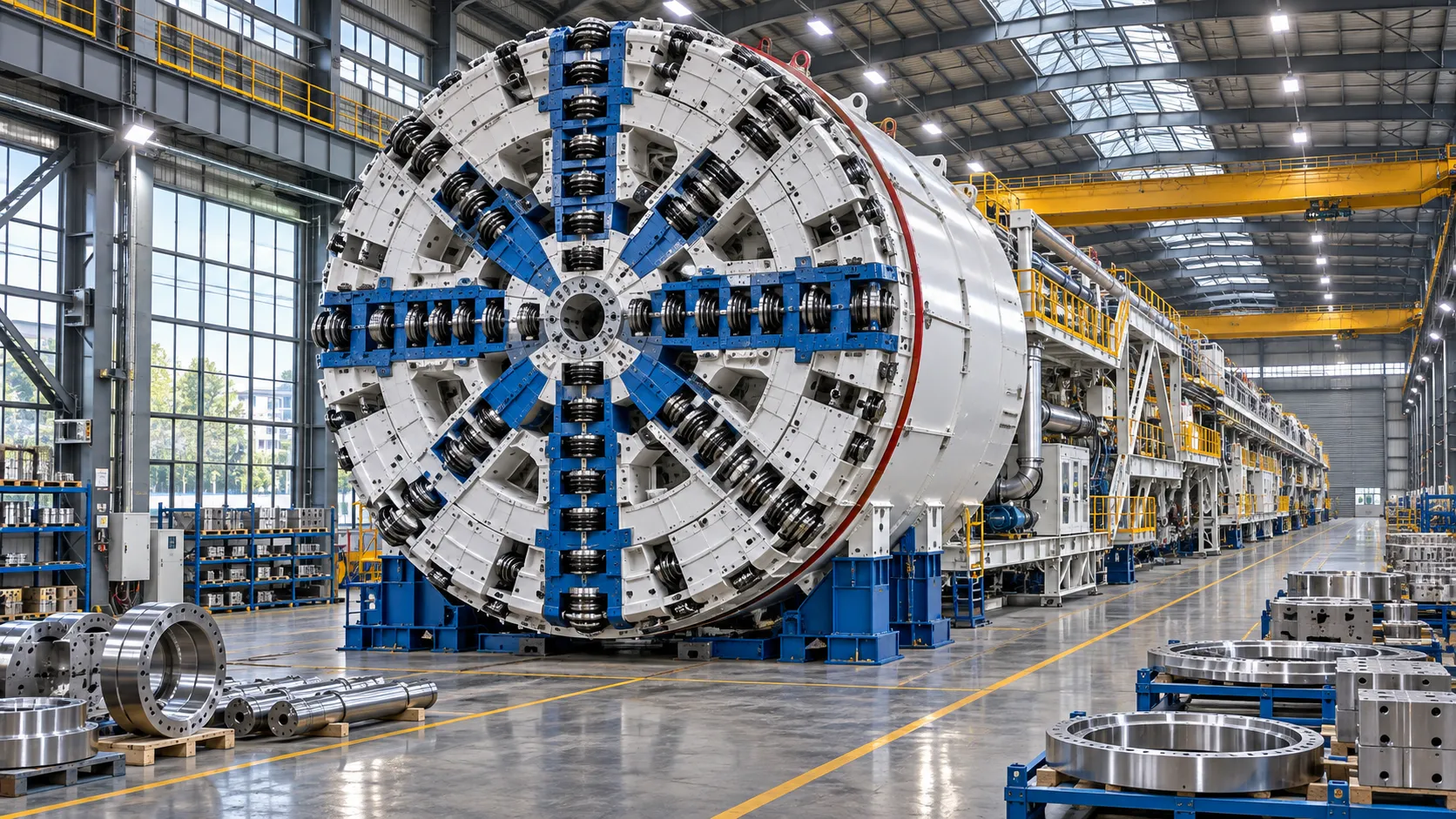
China Sets Tunnel Boring Machine Export Controls as India Pushes Local Production
China tunnel boring machine export controls could reshape procurement as India pushes local production. Explore potential supply and project impacts.
Choosing a Trenchless Pipeline Installation Contractor: Key Qualifications
Choose a trenchless pipeline installation contractor with confidence. Learn how to assess experience, equipment, safety, costs, and project risks before you hire.
China's 70% TBM Share and Export Controls Challenge India's Local Production
China's TBM export controls could challenge India's local production and infrastructure sourcing. Explore the potential risks and procurement options.
Related News
- 00
0000-00
How TBM Excavation Works in Rock and Soft Ground: A Practical Guide - 00
0000-00
Choosing a Zero-Emission Underground Equipment Supplier: What to Check - 00
0000-00
Construction Starts on Germany's Pfaffensteig Rail Tunnel, With Two TBMs Planned - 00
0000-00
How Real-Time Underground Mapping Systems Work in Tunneling - 00
0000-00
First Mechanized Tunnel Crossing Beneath the Panama Canal Completed
Weekly Insights
Stay ahead with our curated technology reports delivered every Monday.