
BHP and Rio Tinto Complete First Megawatt Charging Test for Cat 793 XE





BHP and Rio Tinto announced on October 28, 2026, that they had successfully completed the first megawatt-level charging test for Caterpillar’s Cat 793 XE battery-electric mining truck. Charging power exceeded 1 MW, providing evidence of the safety and feasibility of charging the large electric haul truck using high-power infrastructure.
The test generated data to support the development of charging standards and the potential deployment of battery-electric trucks at scale in open-pit mines. Its immediate value lies in demonstrating the truck and charging infrastructure operating together under the tested conditions.
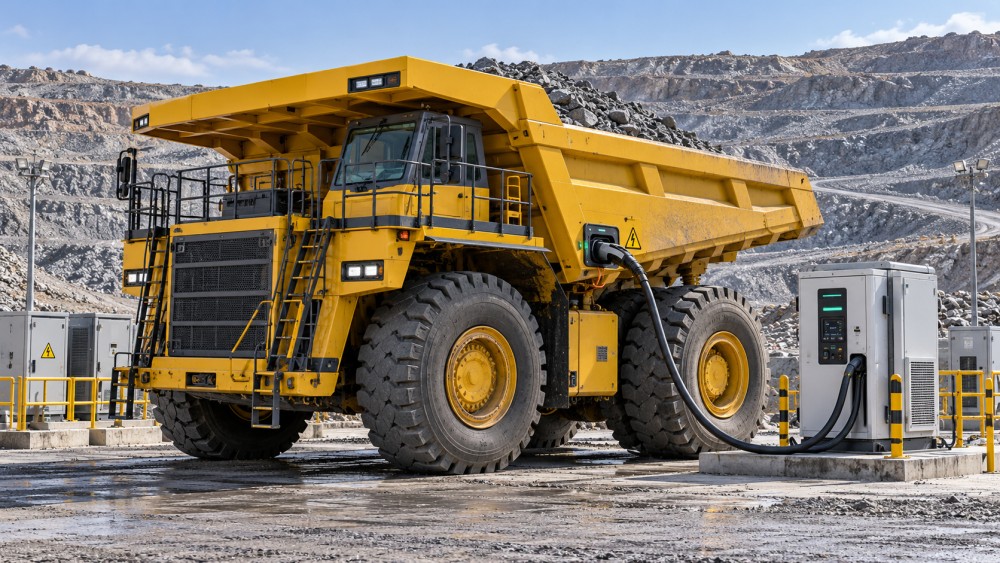
For mine operators, the distinction between a successful charging test and sustained fleet operation matters. Power above 1 MW is a relevant milestone, but that figure alone does not establish charging time, truck availability or the number of vehicles a mine could support. Those operational outcomes would depend on how charging performance translates into repeated use and fits within haulage schedules.
The results could also help inform decisions about the relationship between vehicle requirements and charging infrastructure. If subsequent testing demonstrates consistent performance, the findings may provide a stronger basis for planning charging capacity and assessing how electric trucks could be integrated into mine operations.
Further company disclosures on charging duration, repeatability and performance in operating conditions would help clarify the next steps toward wider deployment. For standards development, the key question is how the test data will translate into requirements that support safe, dependable charging across larger fleets.
Related News
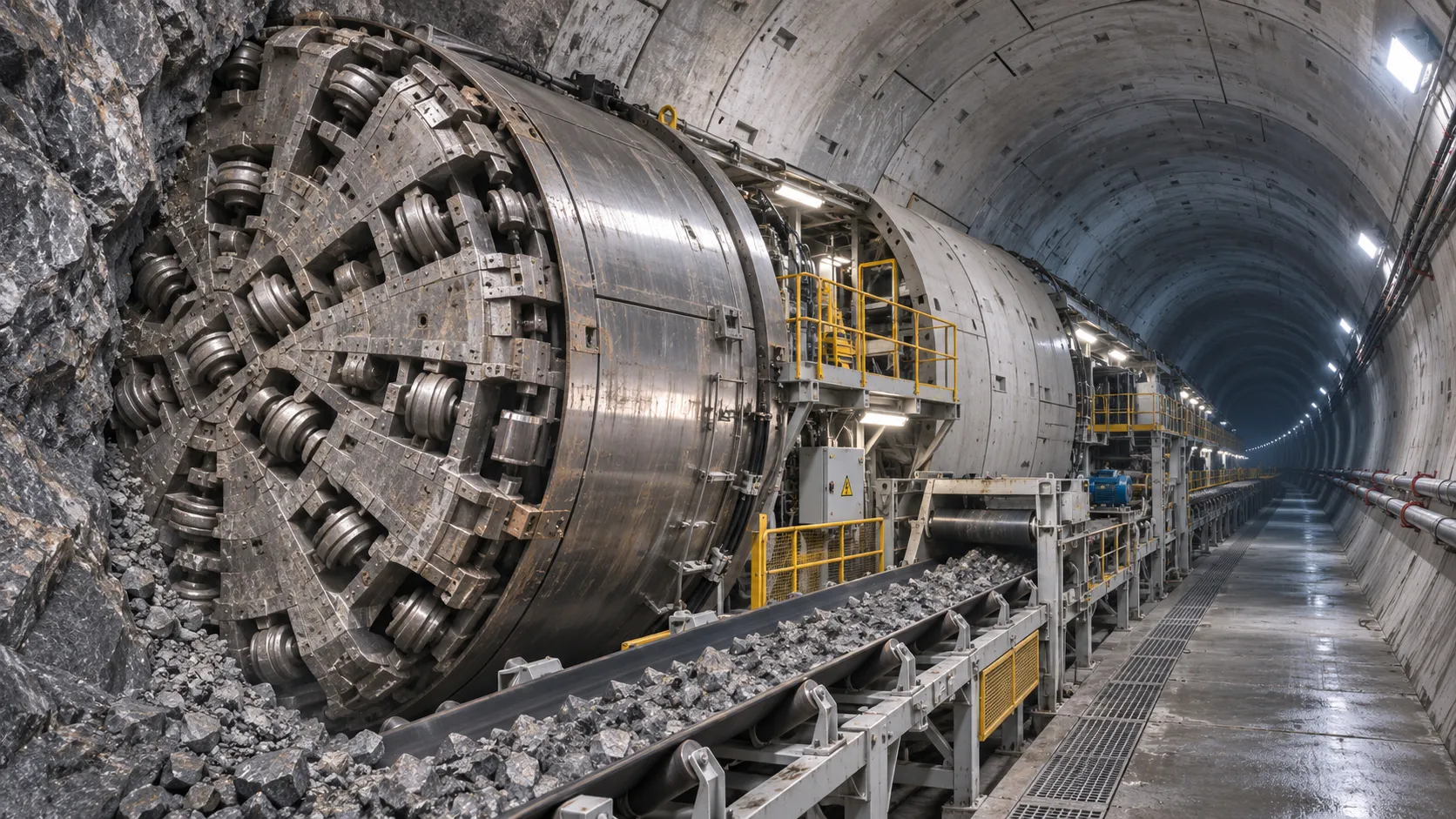
How TBM Excavation Works in Rock and Soft Ground: A Practical Guide
TBM Excavation in rock and soft ground explained: compare machine types, ground support, spoil removal, and the factors that guide smarter project planning.
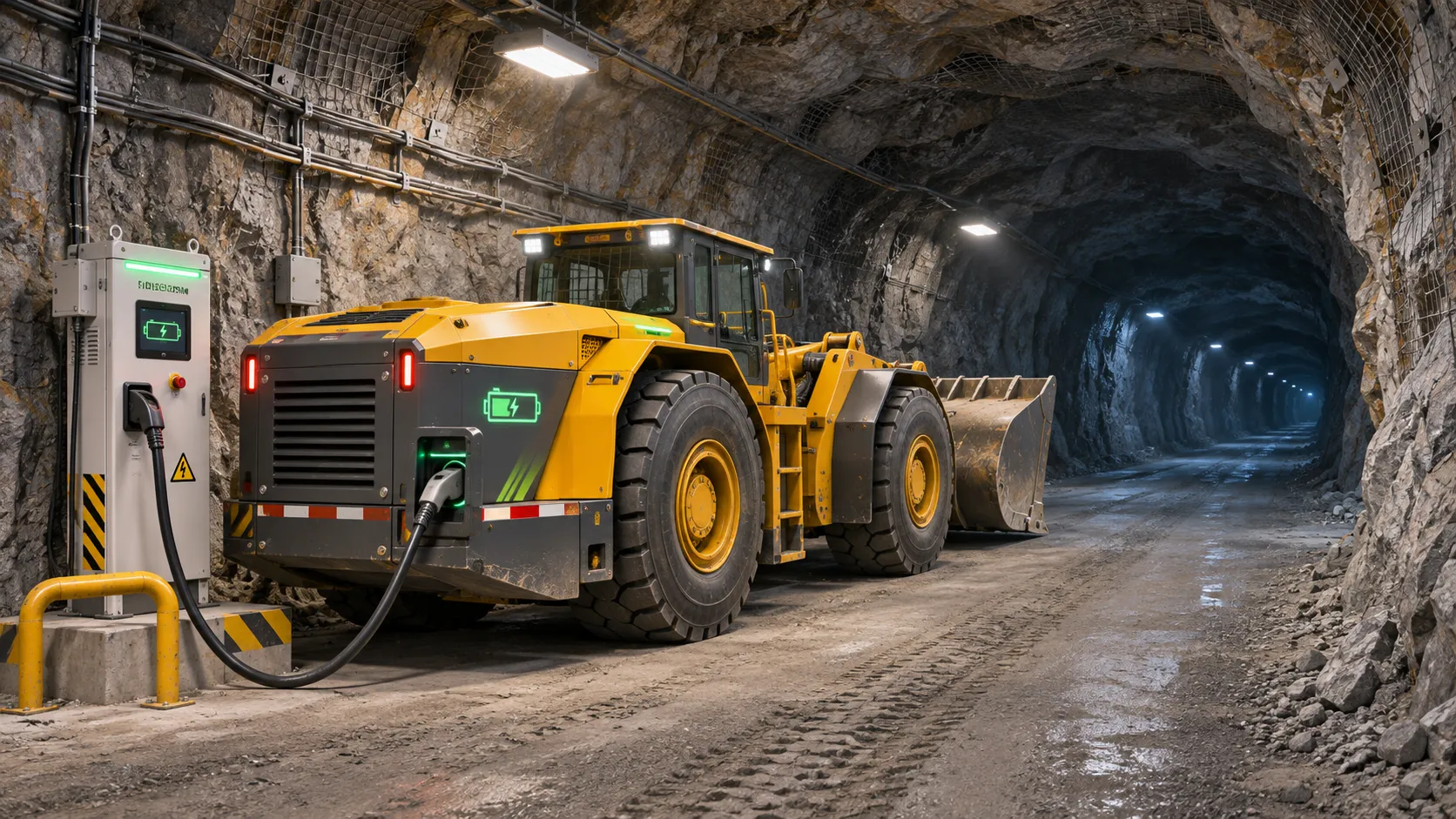
Choosing a Zero-Emission Underground Equipment Supplier: What to Check
Choosing a zero emission underground equipment supplier? Compare duty-cycle performance, charging, safety, total costs and support before you commit.
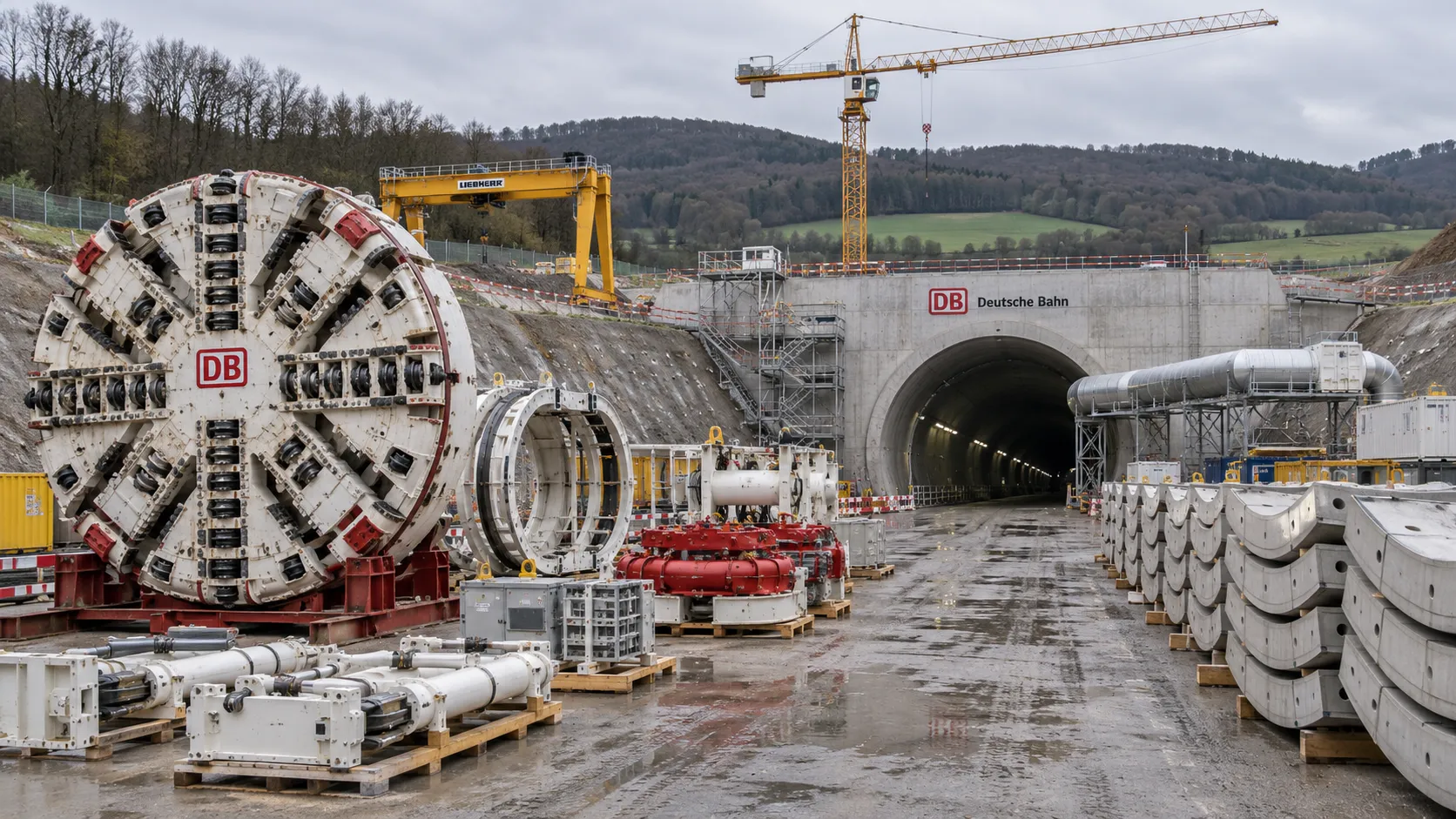
Construction Starts on Germany's Pfaffensteig Rail Tunnel, With Two TBMs Planned
Pfaffensteig rail tunnel construction is underway in Germany. Discover how two planned TBMs will support the 11-kilometre project near Stuttgart.
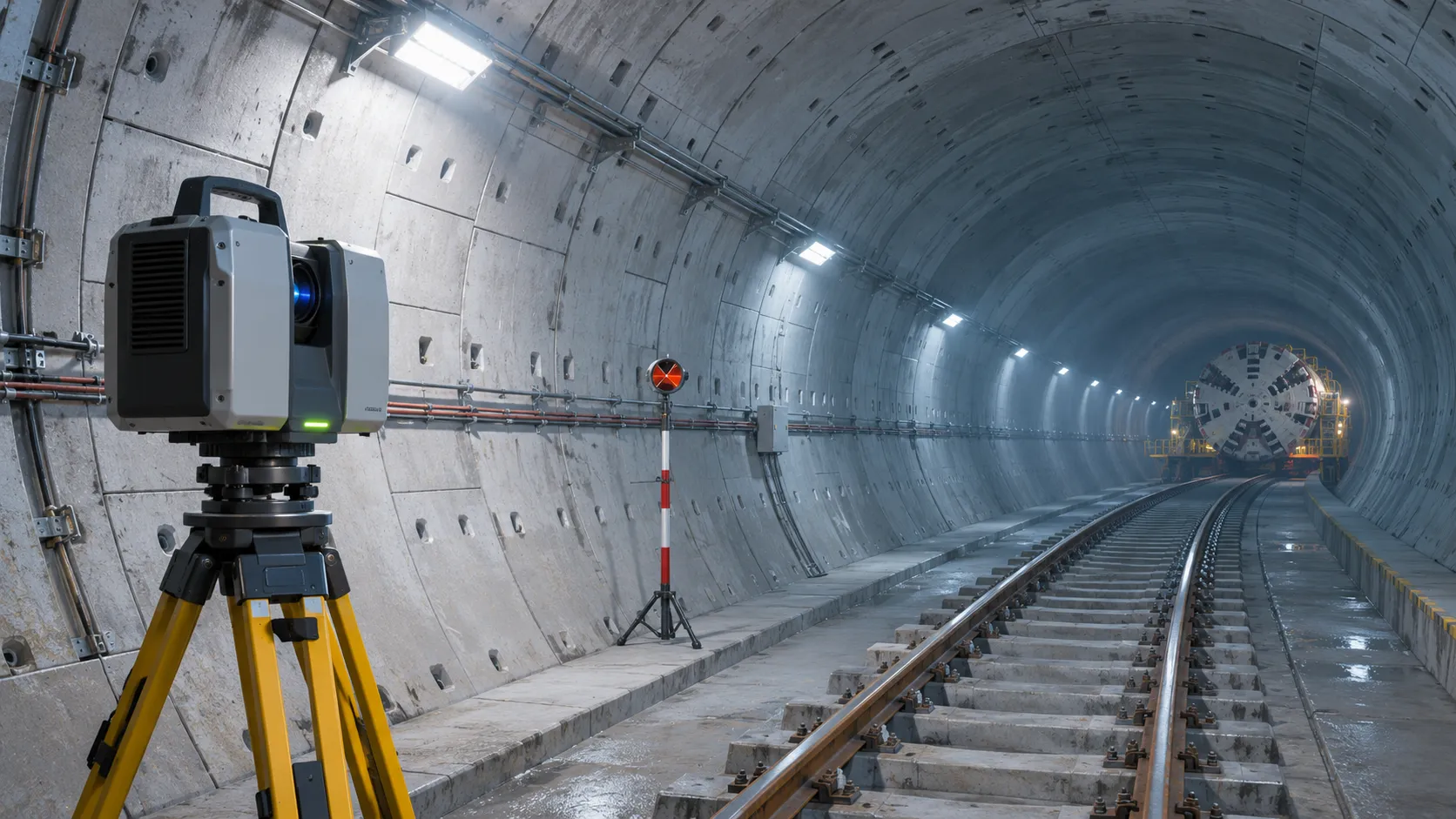
How Real-Time Underground Mapping Systems Work in Tunneling
Discover how real-time underground mapping systems guide tunneling teams, integrate sensor data, and support confident decisions with verified accuracy.
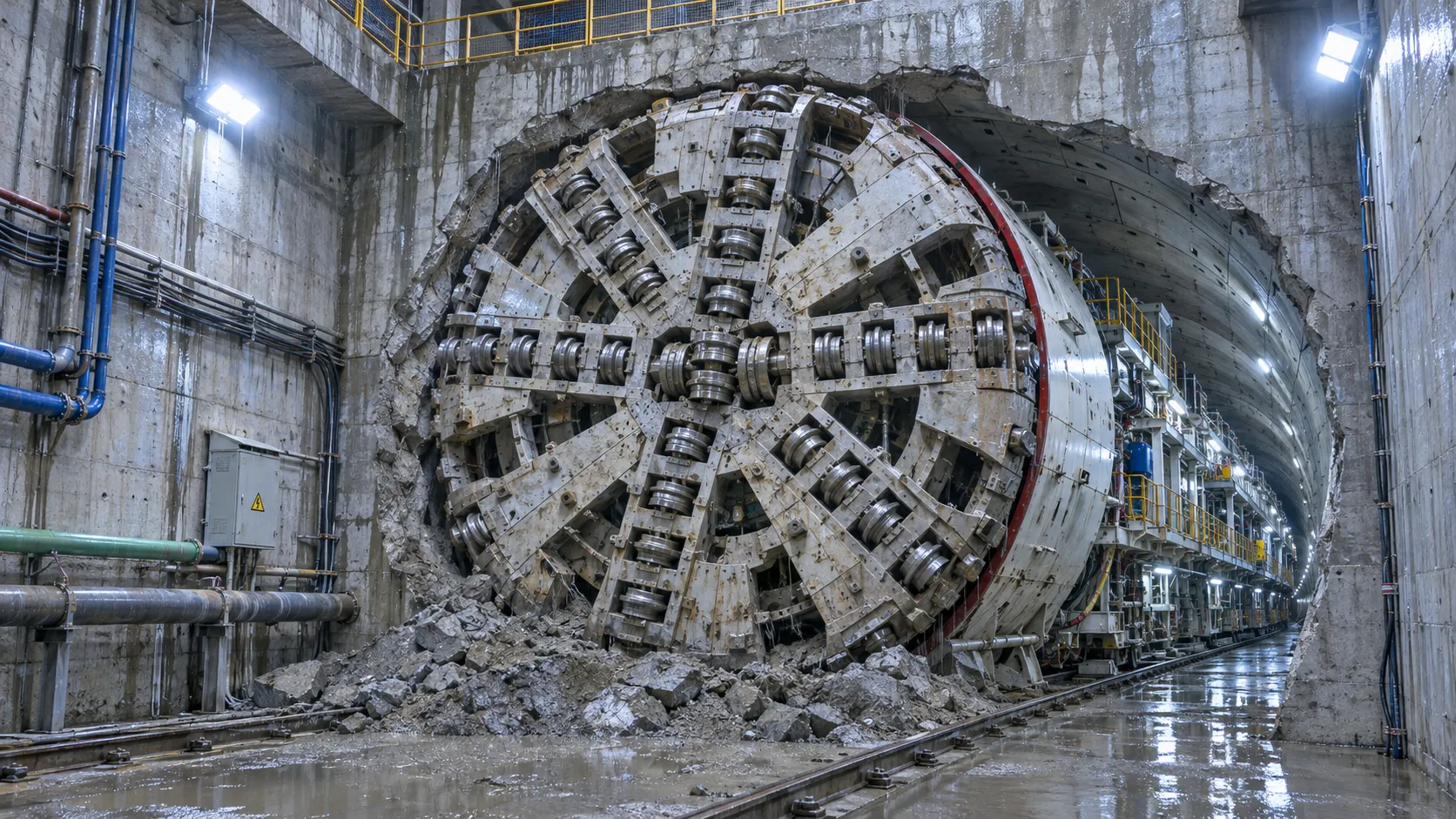
First Mechanized Tunnel Crossing Beneath the Panama Canal Completed
Panama Canal tunnel crossing: Explore the reported Metro Line 3 milestone and what it could mean for future underwater tunneling projects.
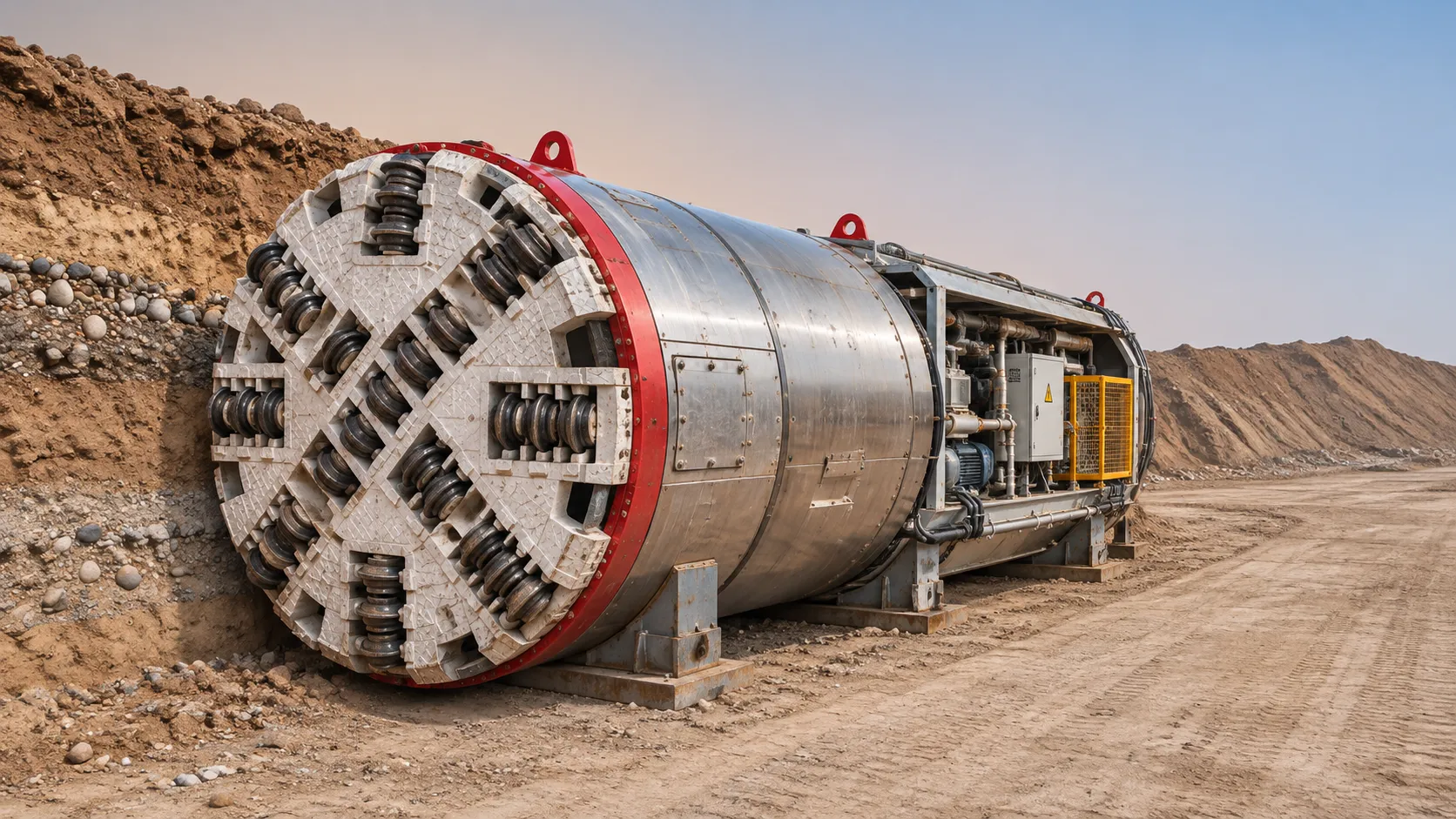
Underground Utility Construction Equipment: Choosing by Ground Conditions
Choose underground utility construction equipment with confidence. Compare trenching, HDD, microtunnelling and TBMs by ground conditions, risk and cost.
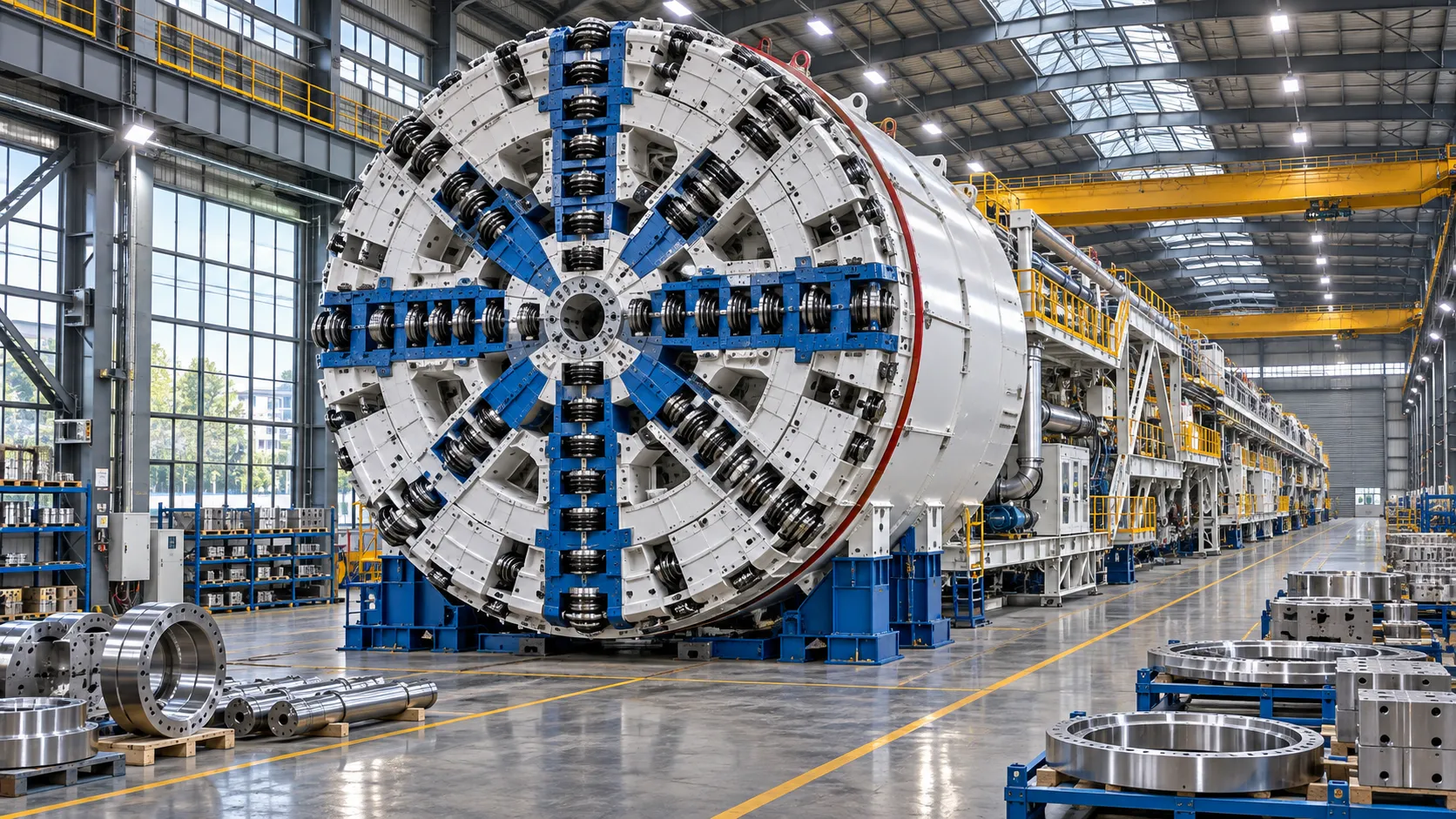
China Sets Tunnel Boring Machine Export Controls as India Pushes Local Production
China tunnel boring machine export controls could reshape procurement as India pushes local production. Explore potential supply and project impacts.
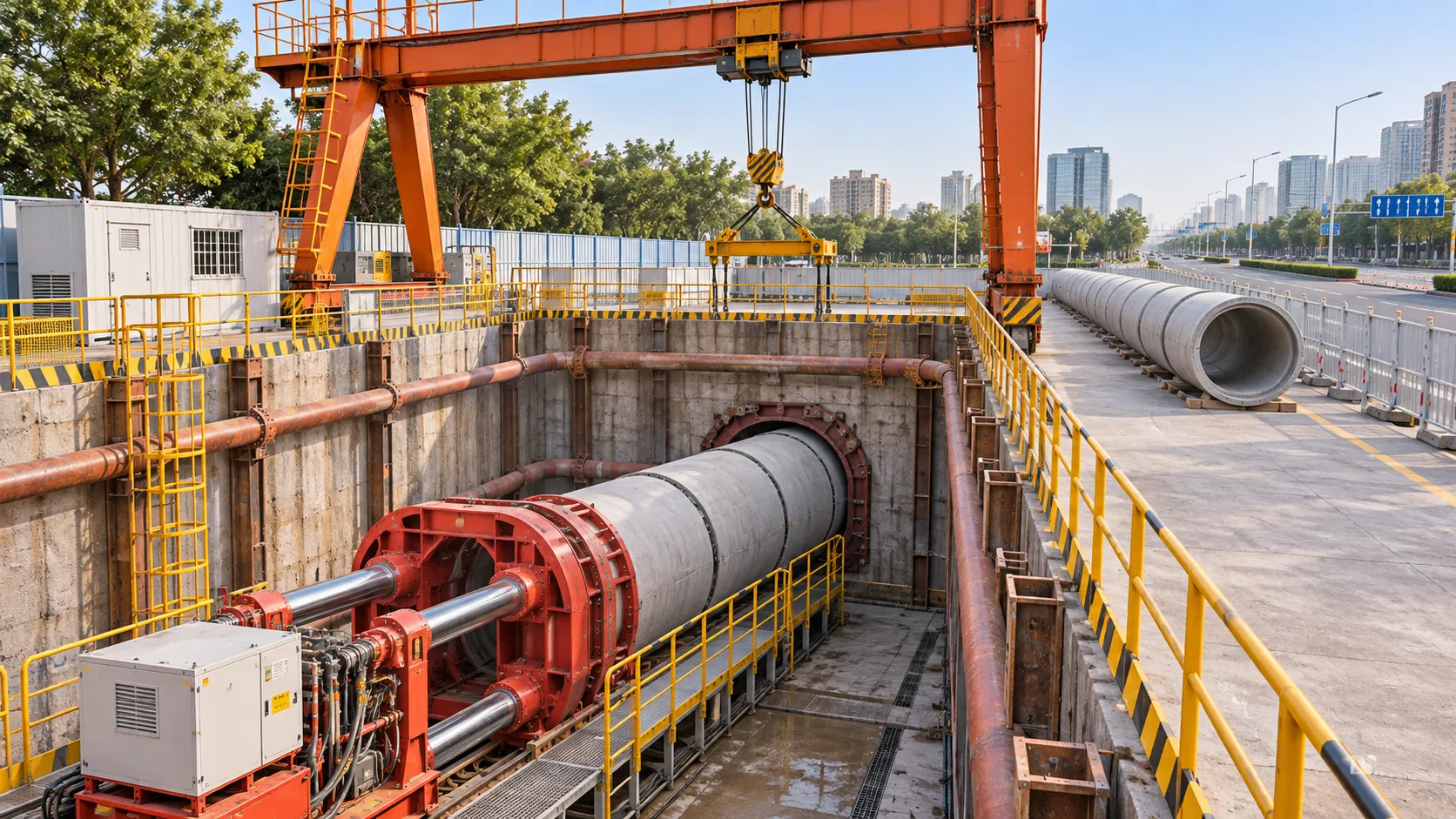
Choosing a Trenchless Pipeline Installation Contractor: Key Qualifications
Choose a trenchless pipeline installation contractor with confidence. Learn how to assess experience, equipment, safety, costs, and project risks before you hire.
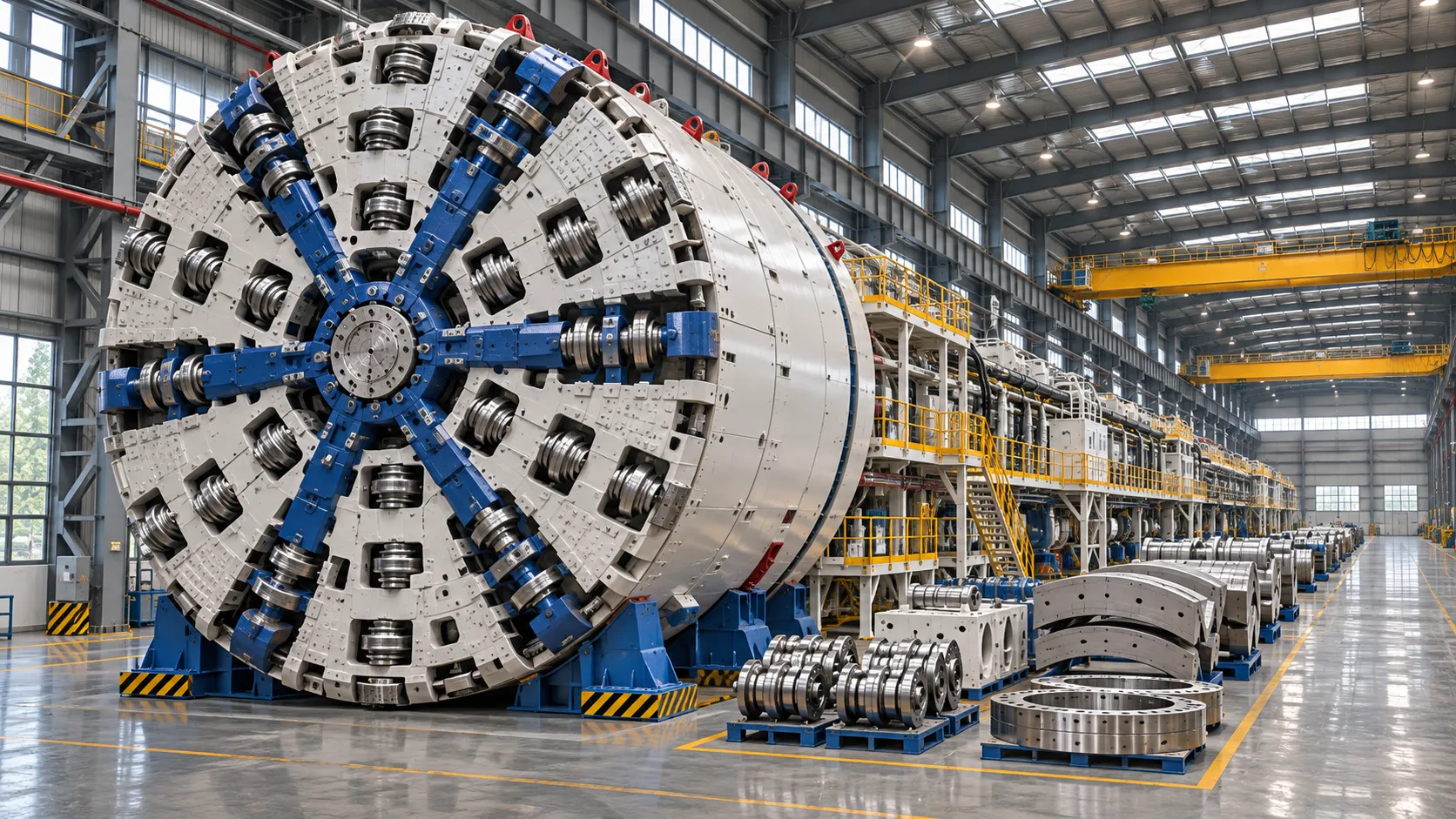
China's 70% TBM Share and Export Controls Challenge India's Local Production
China's TBM export controls could challenge India's local production and infrastructure sourcing. Explore the potential risks and procurement options.
Related News
- 00
0000-00
How TBM Excavation Works in Rock and Soft Ground: A Practical Guide - 00
0000-00
Choosing a Zero-Emission Underground Equipment Supplier: What to Check - 00
0000-00
Construction Starts on Germany's Pfaffensteig Rail Tunnel, With Two TBMs Planned - 00
0000-00
How Real-Time Underground Mapping Systems Work in Tunneling - 00
0000-00
First Mechanized Tunnel Crossing Beneath the Panama Canal Completed
Weekly Insights
Stay ahead with our curated technology reports delivered every Monday.