
Battery-Electric Mining Trucks: Matching Payload, Range, and Charging to Duty Cycles





Battery-Electric Mining Trucks: Matching Payload, Range, and Charging to Duty Cycles
A battery-electric mining truck can meet its rated payload yet still miss production targets if haul gradients, energy demand, and charging windows are mismatched. For teams assessing battery mining transport equipment, the critical question is not nominal range. It is whether the truck can repeat the required haul cycle, across changing operating conditions, without charging or thermal limits becoming the production bottleneck.
That requires evaluating the truck, route, and energy infrastructure as one system. A larger battery may extend operating time but add mass. Faster charging may shorten stops but require substantial electrical capacity. Regenerative braking can recover useful energy, yet its contribution depends on load direction and the battery’s ability to accept power when the descent begins.
Start with the haul cycle, not the advertised range
A range figure without a defined payload, elevation profile, road condition, and speed schedule offers little basis for mine planning. Two routes of equal distance can produce very different battery demands. A loaded uphill haul followed by an empty descent is fundamentally different from moving loaded material downhill and returning empty.
Build the evaluation around a representative operating sequence: loading, acceleration, loaded travel, dumping, empty return, queues, and charging access. Record elevation changes by segment rather than relying on average gradient. An average can conceal a sustained climb that sets the truck’s power and cooling requirements.
The route model should include rolling resistance, cornering restrictions, intersections, and stopping points. Underground, passing bays and restricted clearances may determine achievable speed more than available motor power. At surface operations, road deterioration and weather can change traction demand substantially. Historical dispatch records help establish timing, but diesel fuel consumption alone is not a substitute for a battery-electric energy model.
Use several operating cases: normal production, an energy-intensive route, and a credible disruption such as a charger outage or extended queue. A configuration that works only on the average shift is not yet a defensible selection.
Payload must be matched to sustained performance
Rated payload establishes a loading limit, not a production guarantee. Confirm how the proposed battery configuration affects operating mass, permissible gross vehicle mass, axle loading, and body capacity. Low-density material may fill the body before reaching rated payload; dense material may reach the mass limit with space remaining.
The decisive performance check is often loaded speed on the controlling ramp. Peak motor output may support acceleration, while continuous output and cooling capacity determine whether the truck can sustain the climb repeatedly. Request grade-speed curves at the proposed gross mass, together with the ambient conditions and thermal assumptions behind them.
A truck that completes one climb successfully may still derate after repeated cycles. Battery, inverter, motor, and cooling-system temperatures should therefore be assessed over a full operating sequence, not a single demonstration run.
Compare configurations using delivered tonnes per operating hour and per scheduled shift. A smaller payload with consistent cycle times can outperform a larger truck that spends longer charging or loses speed as temperatures rise. Conversely, reducing payload merely to achieve a range target can undermine the economics of electrification.
Separate installed capacity from energy available for work
Battery nameplate capacity is not the energy available between production stops. The operating state-of-charge window, battery condition, temperature, and protection limits all matter. Suppliers may also distinguish between gross and usable capacity differently, so comparisons need a common definition.
As a planning relationship, usable operating energy is the battery’s current full-charge energy multiplied by the permitted state-of-charge window. Additional operational reserve may be needed for diversions, queues, or reaching an alternative charger. Avoid deducting the same reserve twice if it is already built into the specified operating window.
Cycle energy should account for traction and auxiliary loads, less energy actually recovered through regeneration. Steering, hydraulics, cooling, cab conditioning, and control systems continue consuming energy even when movement is limited. Long queues can therefore affect both production time and the energy balance.
Check the calculation at the battery’s agreed end-of-service condition, not just when new. Capacity retention and power capability are separate concerns: an ageing pack may hold sufficient energy but have less ability to deliver sustained power or accept rapid charging. Warranty review should examine throughput, temperature, charging conditions, and exclusions alongside calendar duration.
Regenerative braking depends on when the descent occurs
Regeneration should be modelled by route segment rather than applied as a fixed efficiency credit. A loaded descent offers more recoverable gravitational energy than an empty descent, but conversion losses prevent full recovery. Rolling resistance and aerodynamic losses are not recovered simply because the truck later travels downhill.
Timing matters. A truck leaving a charger near its upper state-of-charge limit may have insufficient battery headroom for the next descent. Cold or hot battery conditions can also restrict charging acceptance. The result may be less recovered energy and greater demand on other braking systems.
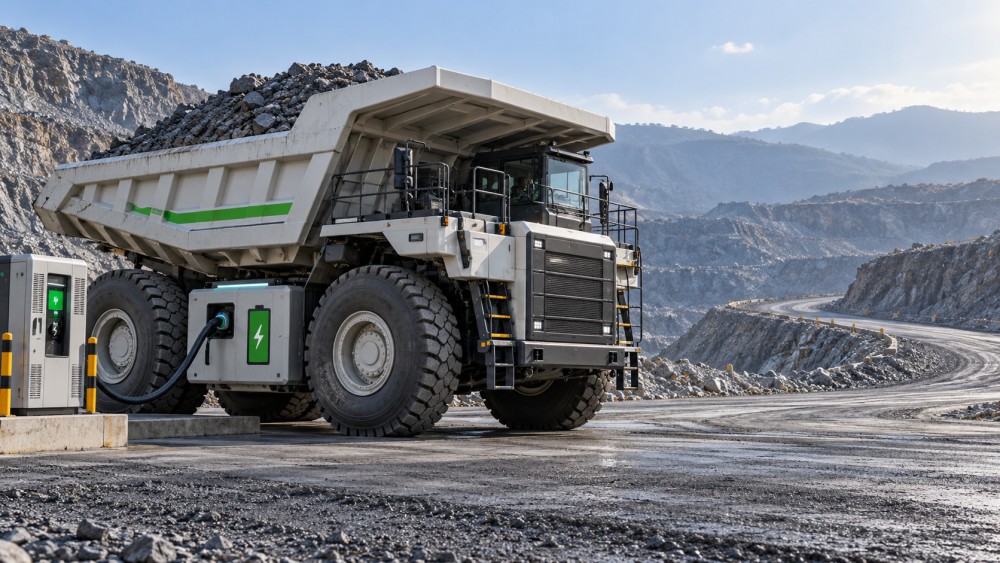
For a route-profile comparison, plot elevation, payload state, battery state of charge, and power demand along the same timeline. This exposes conflicts that a headline range figure hides: charging immediately before a loaded descent, for example, or reaching the longest climb near the lower operating limit.
Downhill speed and braking safety must remain acceptable when regeneration is restricted. Request the manufacturer’s braking performance evidence and operating limits for that condition. Energy recovery is valuable; it cannot replace a verified descent-control strategy.
Choose charging around production windows
Charging time is not simply battery capacity divided by charger nameplate power. Actual power depends on the charging curve, battery temperature, state of charge, vehicle limits, and available site supply. Connection, positioning, safety checks, and departure also occupy time.
The useful comparison is how each charging strategy fits the mine’s existing operating rhythm—and what happens when that rhythm breaks.
Battery swapping transfers charging away from the truck; it does not remove the energy-supply requirement. Likewise, opportunity charging is only “free time” if the stop would occur anyway and the connection process does not extend it.
Model charger occupancy across the fleet. Trucks often arrive in groups because loading patterns, blasting schedules, or shift changes synchronize their movements. Adequate daily electrical energy does not guarantee sufficient charging power during those arrival peaks.
Infrastructure review should cover transformer and feeder capacity, protection, cable routing, cooling, communications, and maintenance isolation. Underground installations also need suitable traffic separation, emergency access, and fire-response provisions. Applicable electrical and mine-safety requirements must be confirmed for the jurisdiction and installation.
Validate availability and cost at fleet level
Removing diesel exhaust is especially valuable underground, but battery-electric trucks do not eliminate ventilation or heat-management requirements. Dust, blasting fumes, equipment heat, and emergency provisions still influence mine design. Any ventilation savings should come from a site-specific engineering assessment, not a blanket assumption.
Assess cost per delivered tonne using the complete system: vehicles, chargers or swap stations, electrical works, spare batteries where required, maintenance capability, energy tariffs, and battery replacement assumptions. Include charger downtime and production lost to energy-service queues. Lower energy cost per cycle cannot compensate automatically for insufficient fleet availability.
The Global Underground Tunnelling & Mining Dynamics (UTMD) examines electrification alongside underground transport, automation, and infrastructure constraints. That cross-system perspective matters here: dispatch software, LHD loading patterns, charging access, and mine development schedules can change the outcome as much as truck specifications.
Make the acceptance test reflect the production promise
Before approving battery mining transport equipment, agree on a route-specific validation plan with the supplier. Test at the intended payload over repeated cycles, recording cycle time, battery energy, state of charge, temperatures, derating events, recovered energy, and charging duration. Define measurement boundaries so charger-input energy is not confused with battery-side energy.
Acceptance criteria should include tonnes moved per shift, reserve at critical route points, sustained ramp performance, and recovery from a missed charging window. Conditions that cannot be reproduced during the trial—such as seasonal temperatures or future route extensions—need documented modelling assumptions and agreed margins.
The configuration to advance is the one that meets production requirements within verified energy, thermal, braking, and infrastructure limits. If those limits remain unclear, the next step is not a larger battery by default. It is a better-defined duty cycle and a test that reveals where the constraint actually sits.
Related News
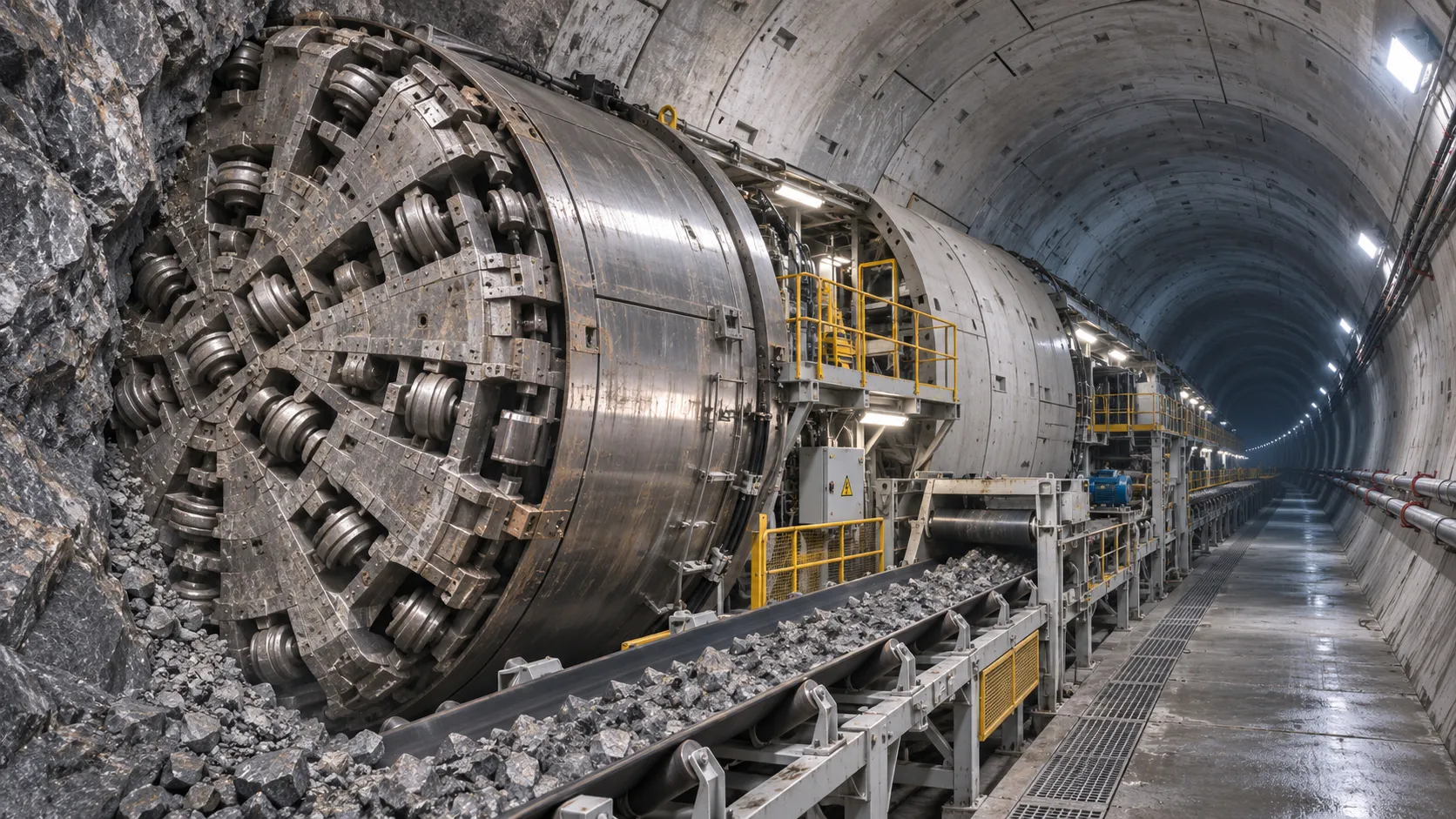
How TBM Excavation Works in Rock and Soft Ground: A Practical Guide
TBM Excavation in rock and soft ground explained: compare machine types, ground support, spoil removal, and the factors that guide smarter project planning.
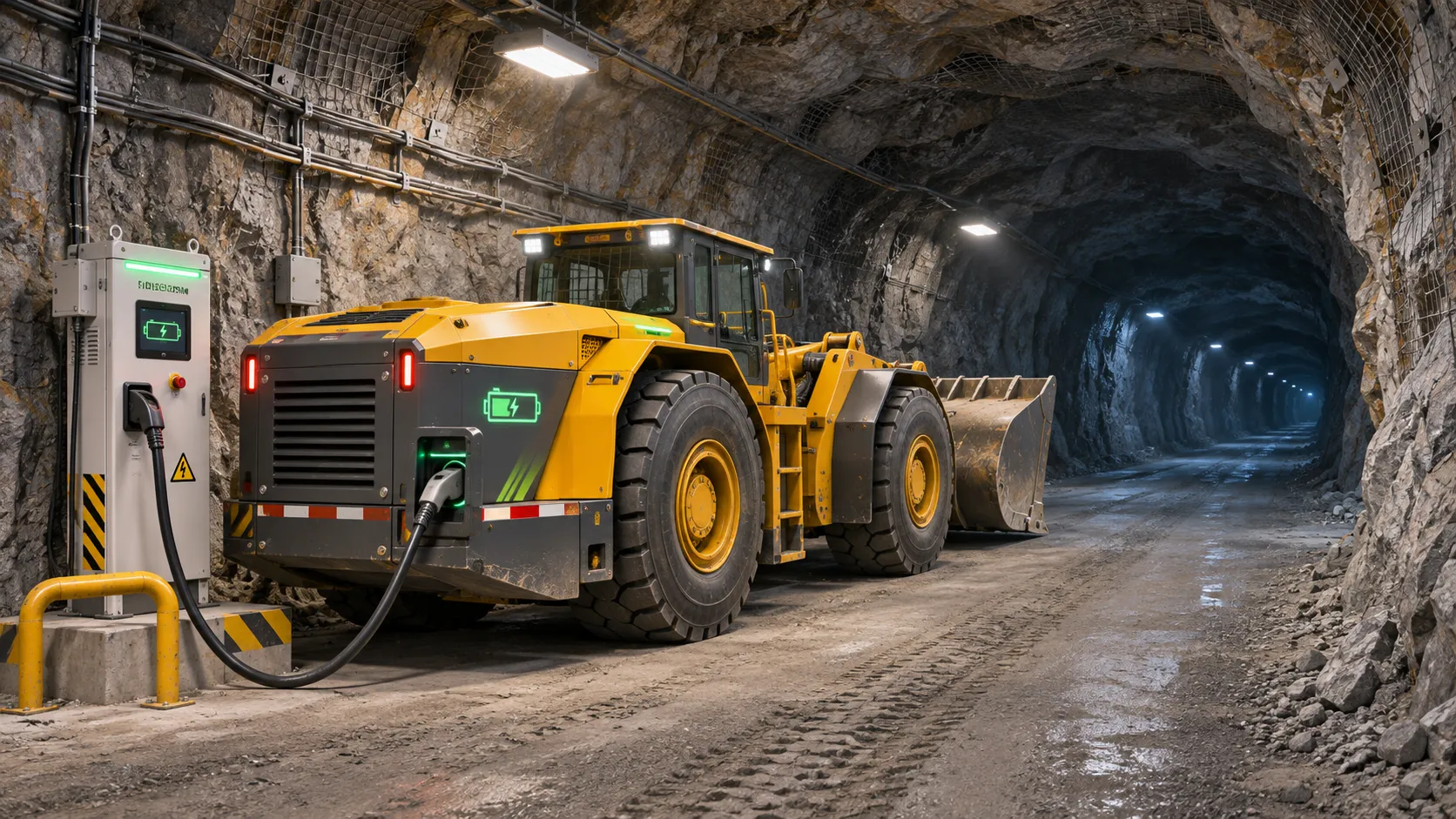
Choosing a Zero-Emission Underground Equipment Supplier: What to Check
Choosing a zero emission underground equipment supplier? Compare duty-cycle performance, charging, safety, total costs and support before you commit.
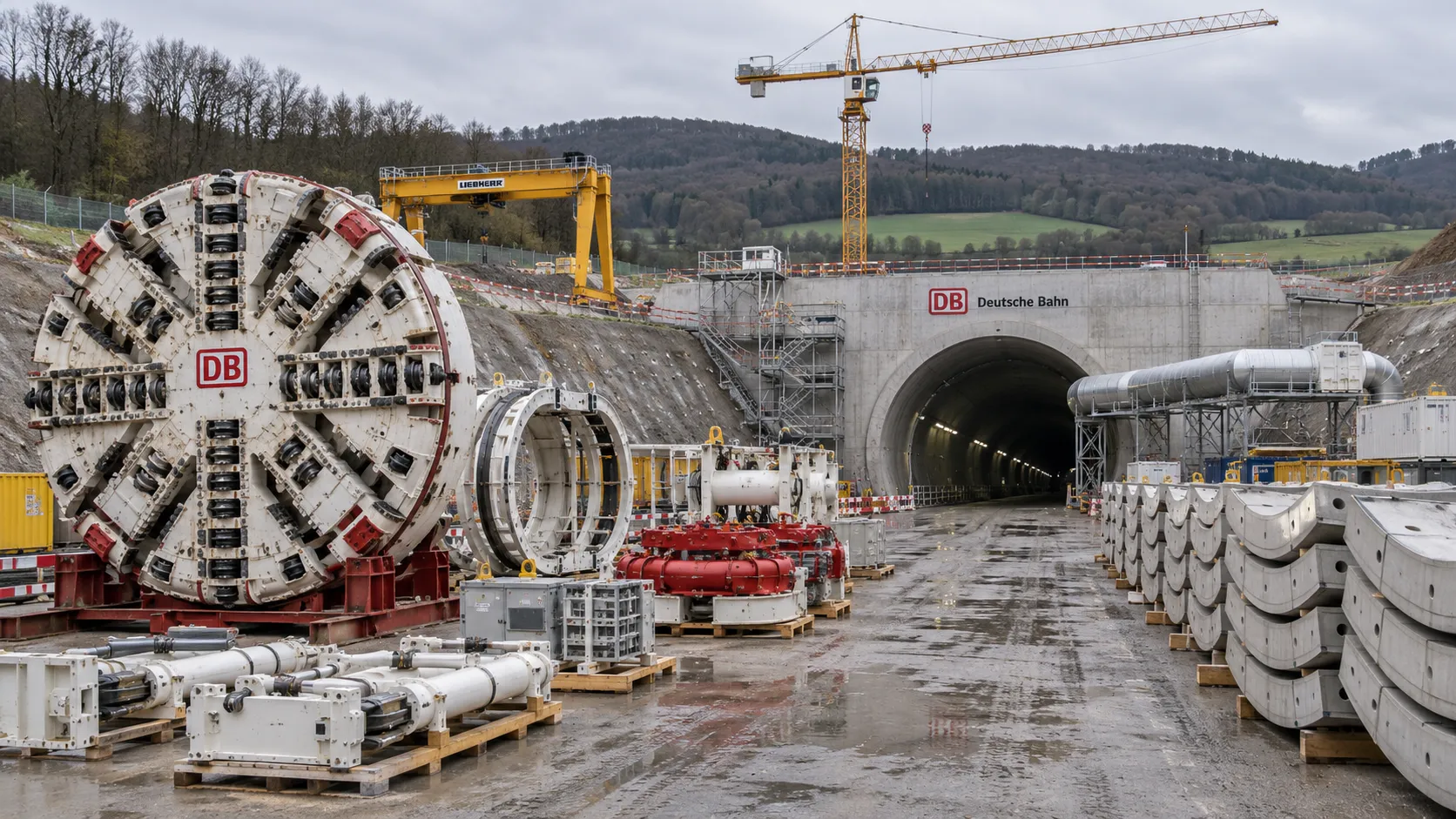
Construction Starts on Germany's Pfaffensteig Rail Tunnel, With Two TBMs Planned
Pfaffensteig rail tunnel construction is underway in Germany. Discover how two planned TBMs will support the 11-kilometre project near Stuttgart.
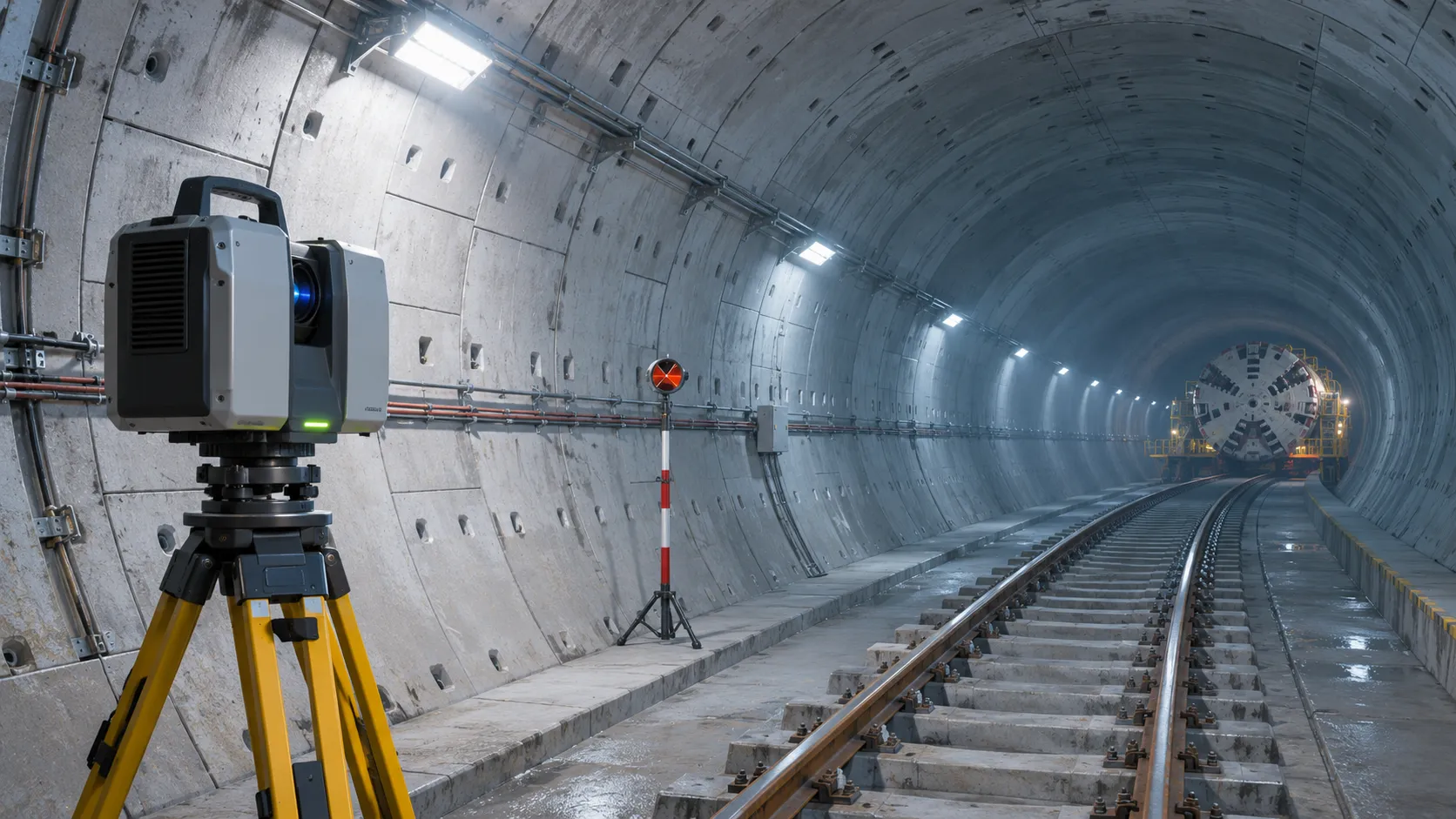
How Real-Time Underground Mapping Systems Work in Tunneling
Discover how real-time underground mapping systems guide tunneling teams, integrate sensor data, and support confident decisions with verified accuracy.
First Mechanized Tunnel Crossing Beneath the Panama Canal Completed
Panama Canal tunnel crossing: Explore the reported Metro Line 3 milestone and what it could mean for future underwater tunneling projects.
Underground Utility Construction Equipment: Choosing by Ground Conditions
Choose underground utility construction equipment with confidence. Compare trenching, HDD, microtunnelling and TBMs by ground conditions, risk and cost.
China Sets Tunnel Boring Machine Export Controls as India Pushes Local Production
China tunnel boring machine export controls could reshape procurement as India pushes local production. Explore potential supply and project impacts.
Choosing a Trenchless Pipeline Installation Contractor: Key Qualifications
Choose a trenchless pipeline installation contractor with confidence. Learn how to assess experience, equipment, safety, costs, and project risks before you hire.
China's 70% TBM Share and Export Controls Challenge India's Local Production
China's TBM export controls could challenge India's local production and infrastructure sourcing. Explore the potential risks and procurement options.
Related News
- 00
0000-00
How TBM Excavation Works in Rock and Soft Ground: A Practical Guide - 00
0000-00
Choosing a Zero-Emission Underground Equipment Supplier: What to Check - 00
0000-00
Construction Starts on Germany's Pfaffensteig Rail Tunnel, With Two TBMs Planned - 00
0000-00
How Real-Time Underground Mapping Systems Work in Tunneling - 00
0000-00
First Mechanized Tunnel Crossing Beneath the Panama Canal Completed
Weekly Insights
Stay ahead with our curated technology reports delivered every Monday.