
Brent Crude Drops 4.7% as US-Iran Tensions Ease, Cutting EV Mining Equipment Export Costs





On May 25, 2026, Brent crude oil prices fell 4.7% in a single day amid improved expectations for stability in the Strait of Hormuz. This shift has lowered海运燃油附加费 (BAF) forecasts and reduced logistics costs for Chinese-made battery-electric mining haul trucks and battery-powered LHD (Load-Haul-Dump) loaders exported to resource-rich countries including Australia, Chile, and the Democratic Republic of the Congo. The development is particularly relevant for electric off-highway equipment manufacturers, international mining operators, and global supply chain service providers engaged in zero-emission underground transport solutions.
Event Overview
On May 25, 2026, Brent crude oil declined by 4.7% following optimistic market sentiment regarding de-escalation in U.S.-Iran tensions near the Strait of Hormuz. As a result, maritime bunker fuel surcharge (BAF) expectations were revised downward. This cost reduction directly benefits the export of Chinese-origin EV mining haul trucks and battery-driven LHD loaders to mining markets in Australia, Chile, and the Democratic Republic of the Congo.
Industries Affected
EV Off-Highway Equipment Exporters
These manufacturers rely heavily on sea freight for delivering large, heavy-duty vehicles to remote mining sites. Lower BAF reduces landed cost per unit and improves price competitiveness in tender-based procurement environments. Impact is most visible in gross margin preservation and quotation agility for multi-unit orders.
Mining Operators in Resource Countries
Operators in Australia, Chile, and the DRC face high total cost of ownership (TCO) when adopting zero-emission underground equipment. Reduced shipping costs narrow the TCO gap between diesel and battery-electric alternatives—potentially accelerating fleet electrification timelines where energy infrastructure and maintenance capacity already exist.
Global Logistics & Freight Forwarding Providers
Firms managing end-to-end transport for oversized mining equipment benefit from improved scheduling predictability. A calmer shipping environment increases vessel availability and reduces demurrage risk at congested ports—a key concern for time-sensitive project deliveries tied to mine development milestones.
What Relevant Enterprises or Practitioners Should Monitor and Do Now
Track official statements on Strait of Hormuz navigation advisories
While current optimism is reflected in freight rate indices, sustained stability depends on verified updates from maritime security agencies (e.g., UKMTO, MSCHOA) and national defense briefings. A single incident could reverse BAF adjustments within days.
Monitor BAF indices for major Asia–Australia and Asia–South America shipping lanes
BAF is not uniform across routes; exporters should verify actual surcharges applied by contracted carriers—not just benchmark indices. Focus especially on 40ft HC and open-top container rates used for LHD units and battery modules.
Distinguish between freight cost relief and full TCO improvement
Lower BAF eases one cost component, but TCO for battery-electric underground equipment remains sensitive to local battery recycling policy, grid reliability, and spare-part lead times. Procurement teams should avoid conflating short-term logistics savings with long-term operational economics.
Reassess delivery schedule buffers for Q3–Q4 2026 shipments
Improved shipping sentiment may support tighter port-to-site timelines. Exporters and operators should jointly review contractual laytime clauses and contingency plans for inland transport handoffs—especially where rail or road infrastructure constrains final-mile delivery in remote mining regions.
Editorial Insight / Industry Observation
Observably, this price move signals a temporary window—not a structural shift—in cost dynamics for EV mining equipment exports. Analysis shows the 4.7% Brent drop reflects sentiment-driven positioning rather than sustained supply-demand rebalancing. From an industry perspective, it is better understood as a near-term logistics cost reprieve that improves bid readiness and margin resilience, rather than a catalyst for wholesale procurement acceleration. Continued monitoring is warranted because BAF adjustments typically lag crude movements by 2–4 weeks, and regional port congestion or labor actions could offset fuel-related savings.
Conclusion: This event does not alter the fundamental technical or economic adoption barriers for battery-electric underground equipment—but it does compress one variable in the TCO equation at a tactically relevant moment. It is more appropriately interpreted as a short-term logistical tailwind supporting execution discipline, rather than a strategic inflection point.
Source Attribution:
• Publicly reported Brent crude price data (May 25, 2026 session)
• Market commentary on BAF outlook from leading container shipping lines serving Pacific and Atlantic resource corridors
• Verified export patterns of Chinese EV mining haul trucks and LHD loaders to Australia, Chile, and DRC (2025–2026)
Note: Ongoing observation is required for Strait of Hormuz navigational status and subsequent BAF implementation by individual carriers—these elements remain subject to change and are not yet fully reflected in published freight contracts.
Related News
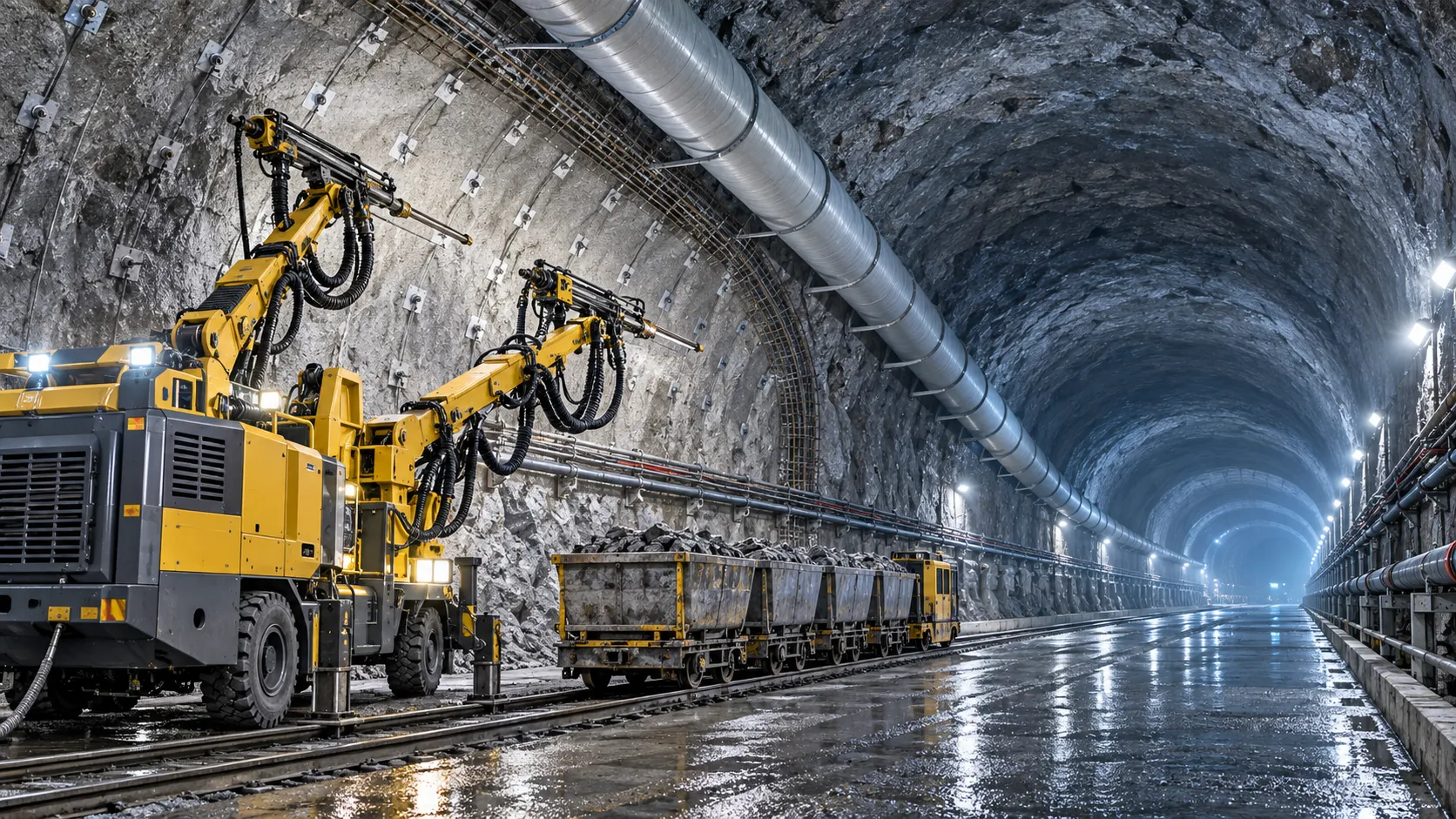
How to Evaluate European Drill-and-Blast Tunnelling Contractors for Complex Projects
Drill and blast tunnelling contractors Europe: learn how to assess geology expertise, blast control, equipment reliability, safety, and programme resilience for complex projects.
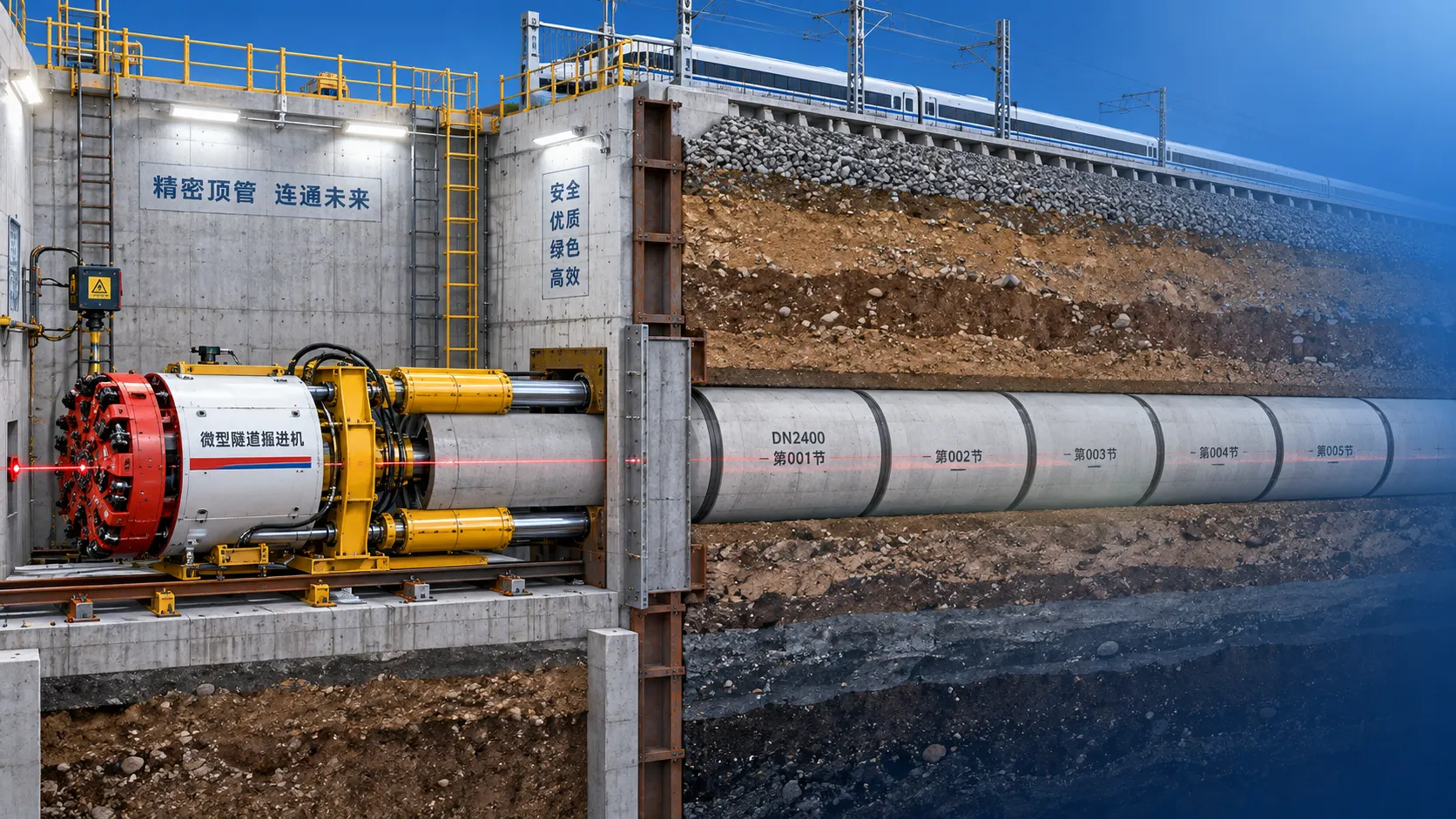
Which Trenchless Construction Technique Fits Your Utility Crossing Conditions?
Trenchless construction techniques compared for utility crossings: choose HDD, microtunnelling, pipe jacking, or auger boring based on ground, accuracy, access, and risk.
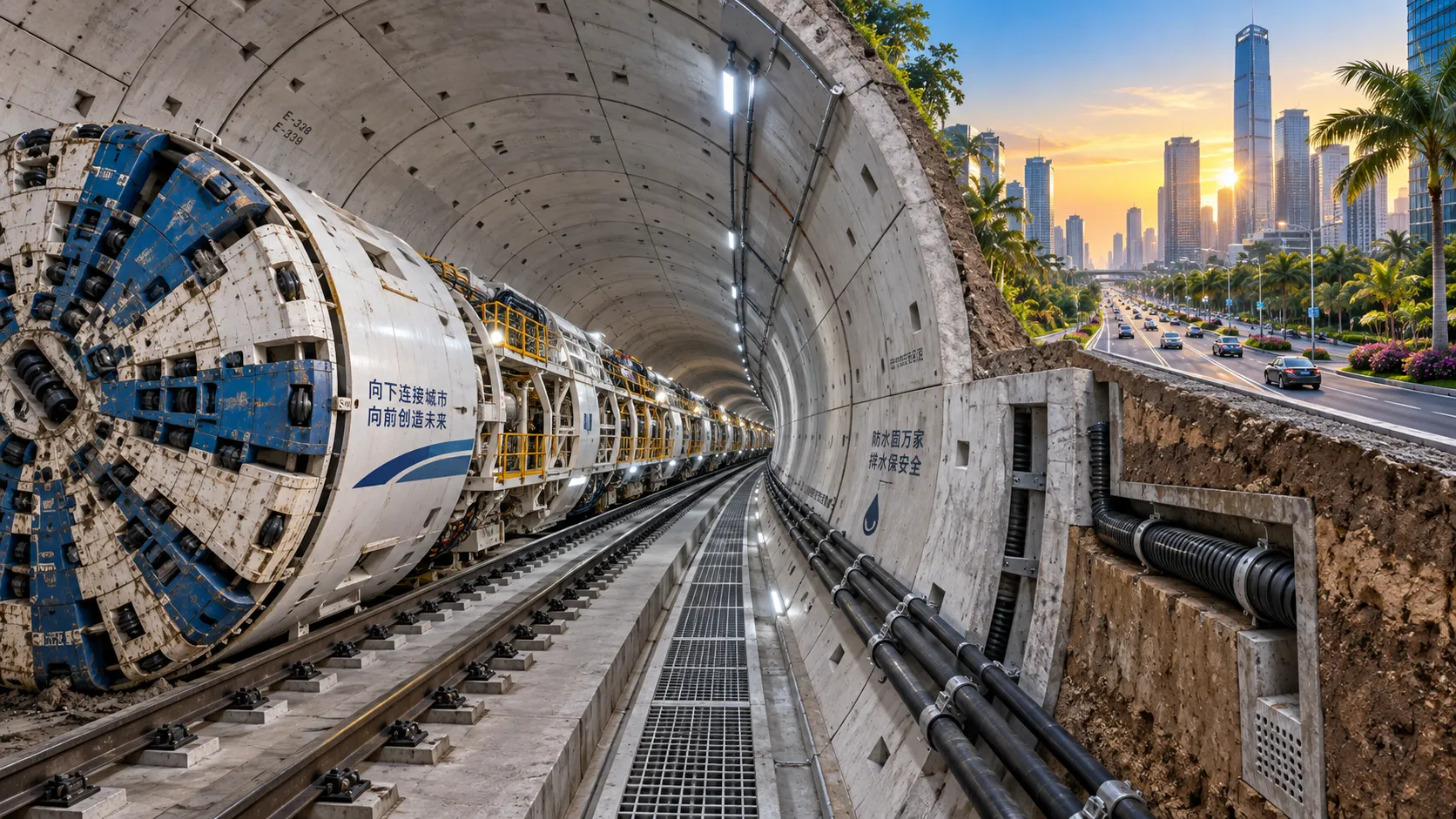
What Is Driving Metro Tunnelling Demand Across Southeast Asia’s Major Cities?
Metro tunnelling Southeast Asia is accelerating as major cities tackle congestion, flooding, and connectivity. Explore the market forces, technical risks, and opportunities shaping demand.
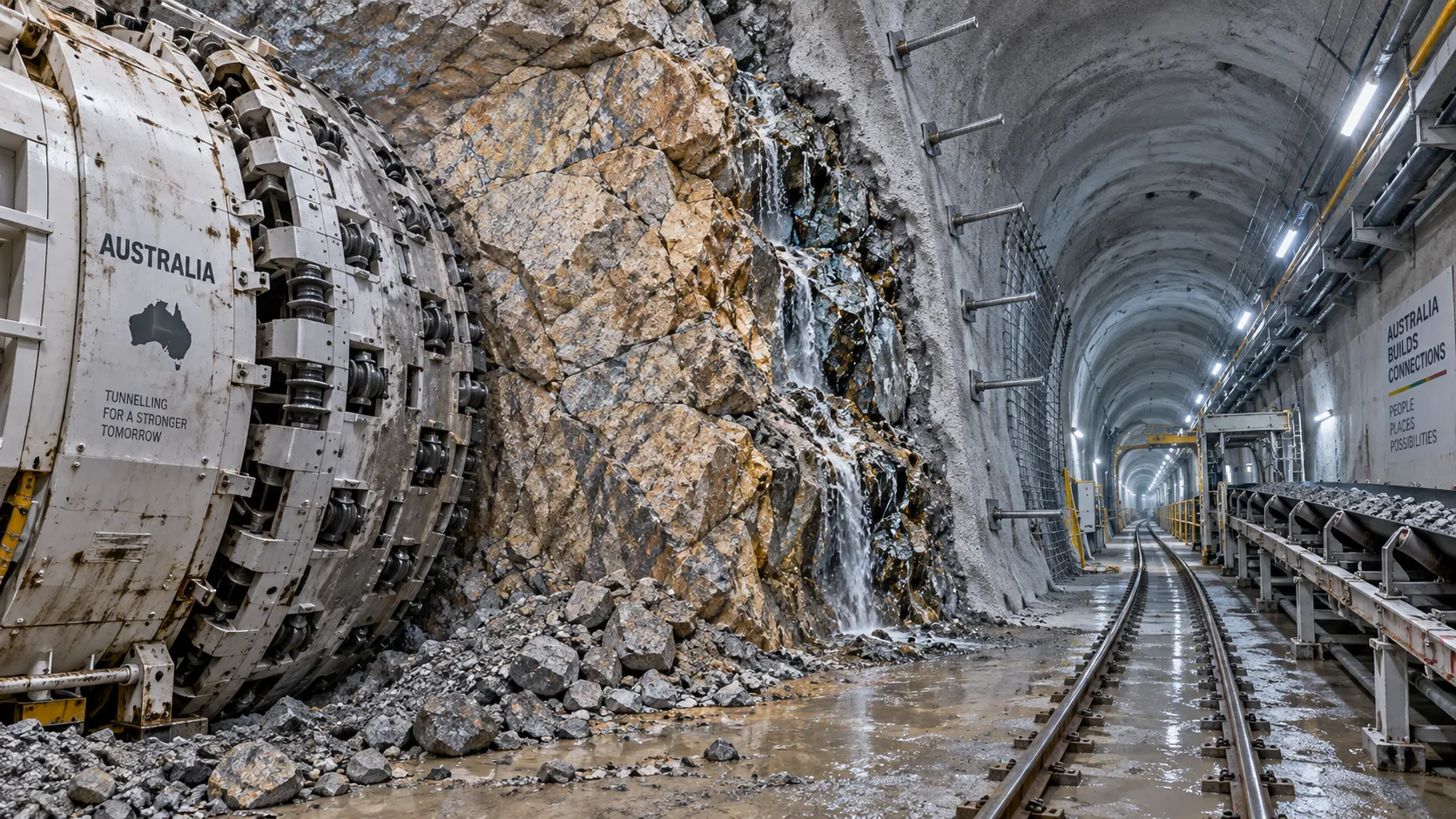
Hard Rock Tunnelling in Australia: Selecting Methods for Variable Ground Conditions
Hard rock tunnelling in Australia: compare TBM, drill-and-blast and hybrid methods to manage variable ground, reduce risk and protect project costs.
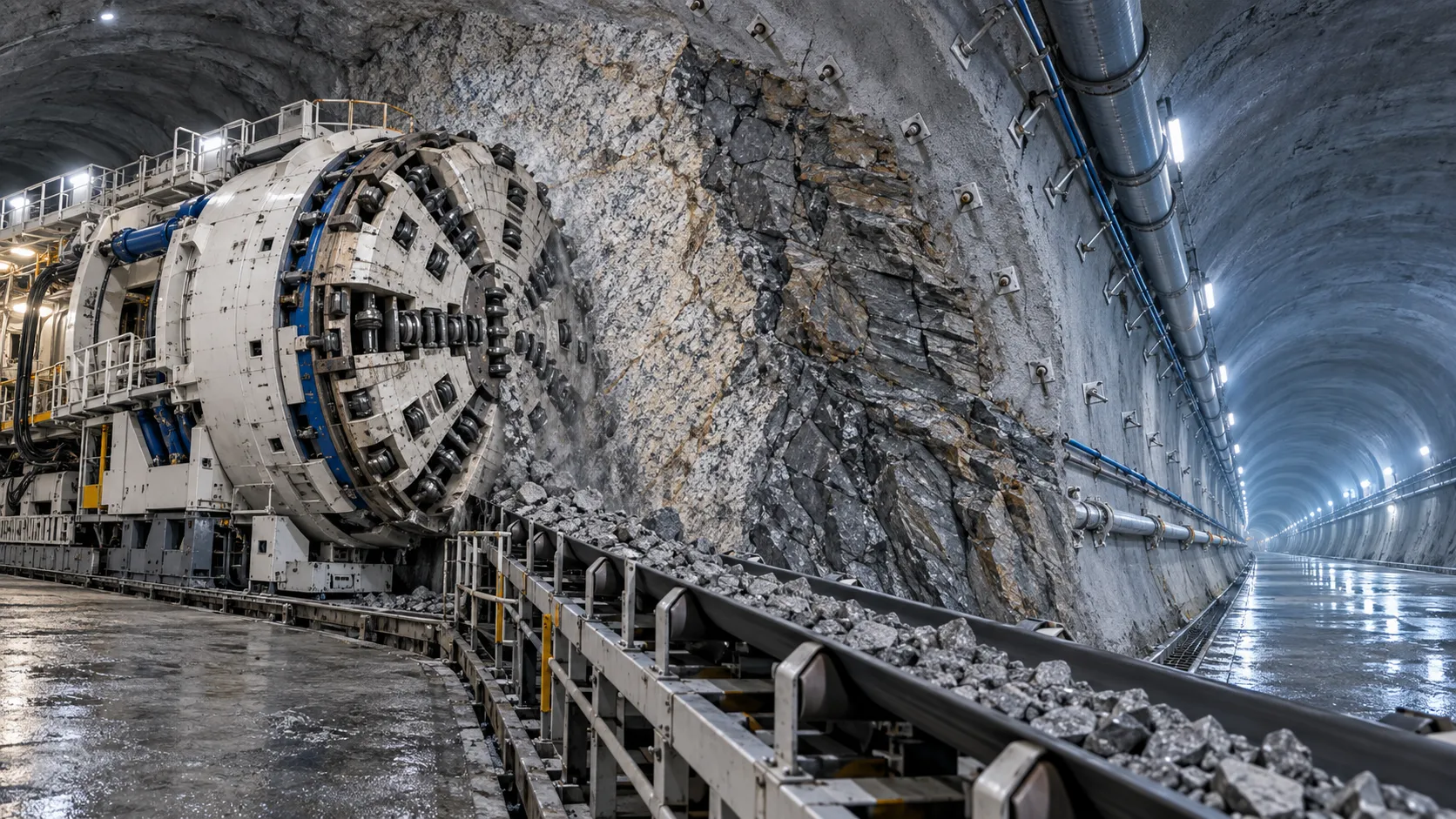
Hydropower Tunnel Excavation: Selecting Methods for Variable Rock Conditions
Hydropower tunnel excavation methods for variable rock conditions: compare TBM, drill-and-blast, and hybrid strategies to improve safety, progress, and project control.
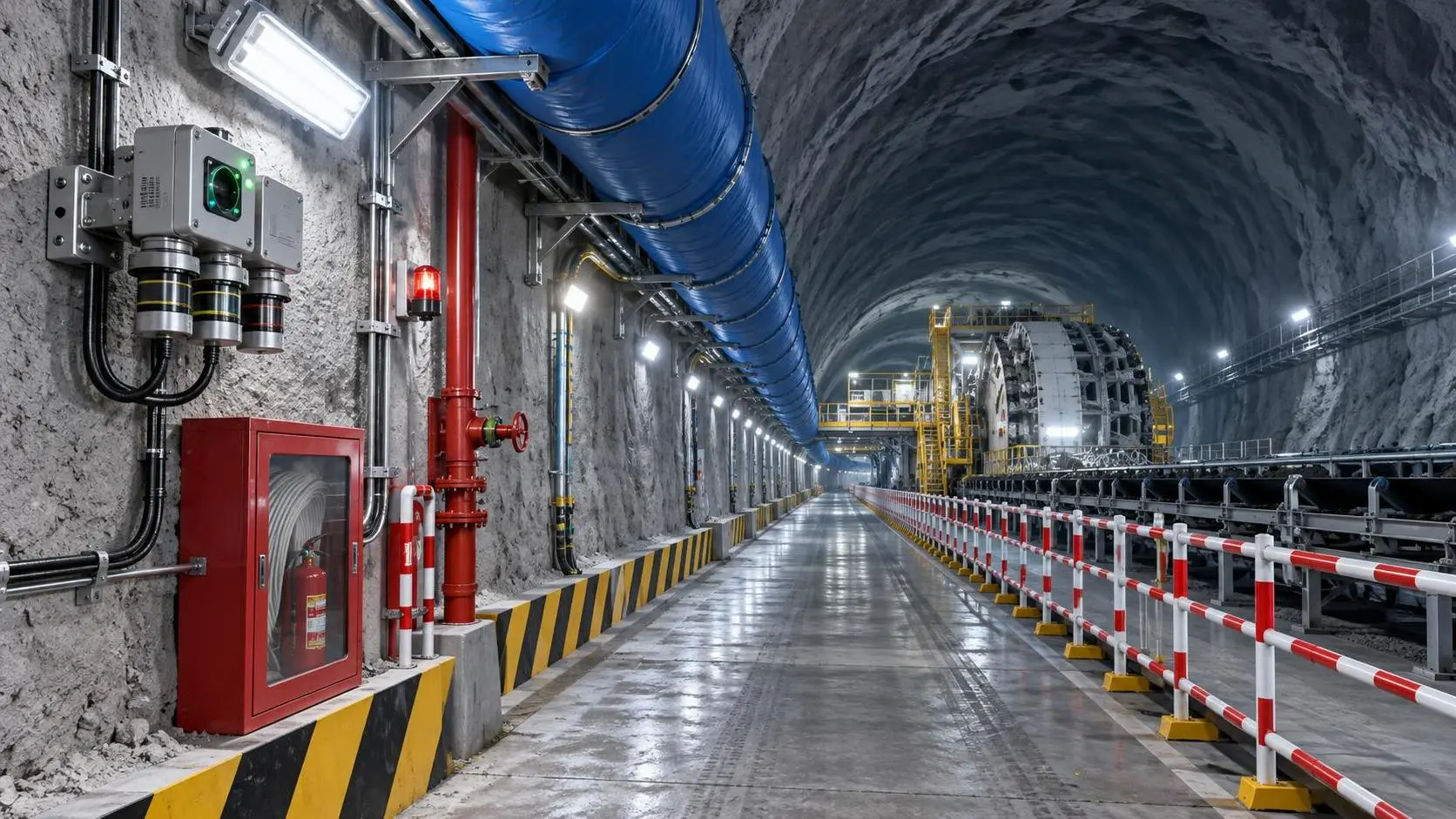
How to Select Underground Safety Equipment for Tunnelling by Hazard and Work Zone
Underground Safety Equipment for tunnelling: match protection to hazards, work zones, compliance, and emergency needs with this practical selection guide.
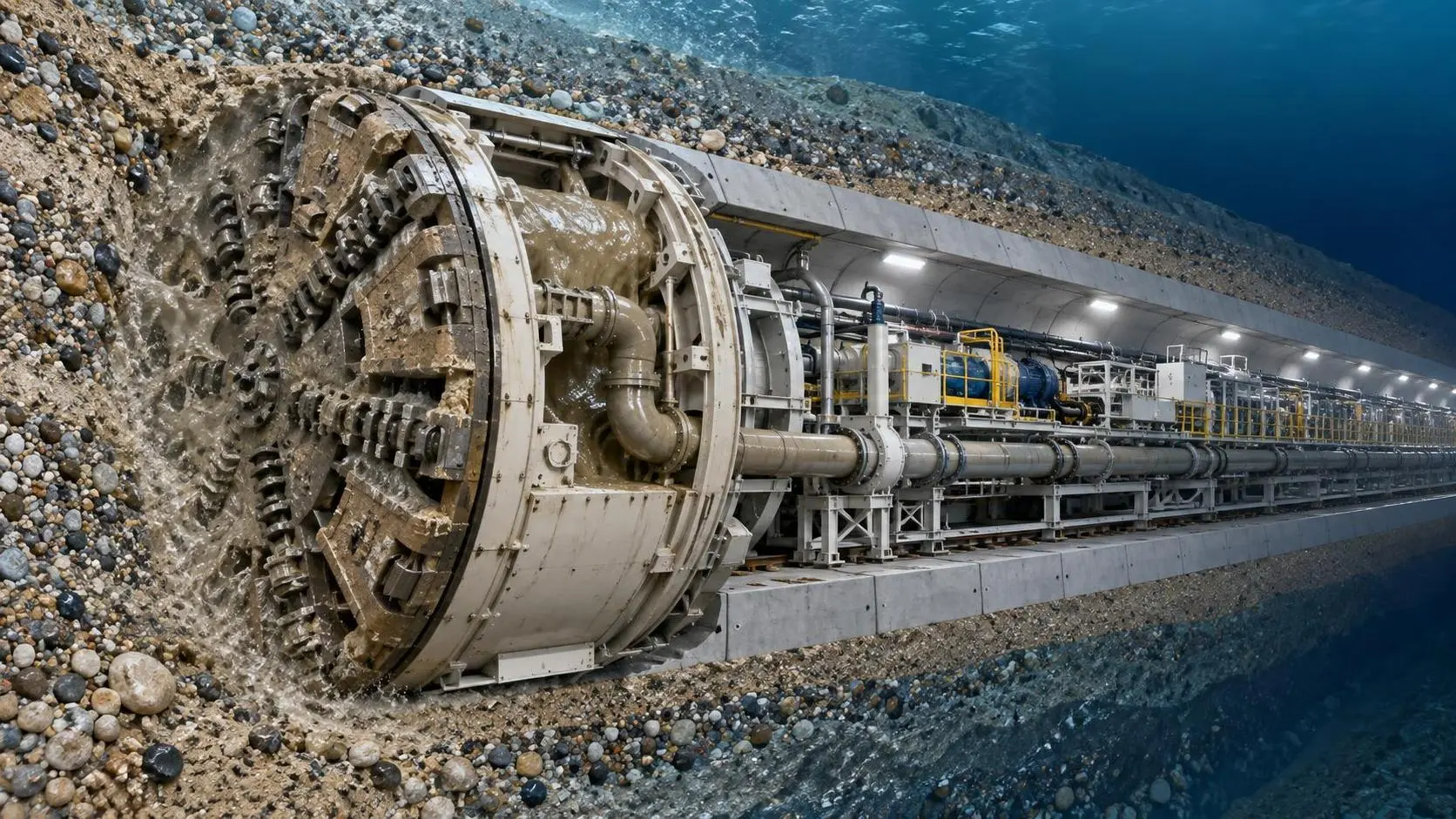
EPB or Slurry Shield? Selecting Soft-Ground Tunnelling Equipment by Soil Conditions
Tunnel Excavation Equipment for soft ground: compare EPB and slurry shields by soil, groundwater, settlement risk, and project logistics to choose confidently.
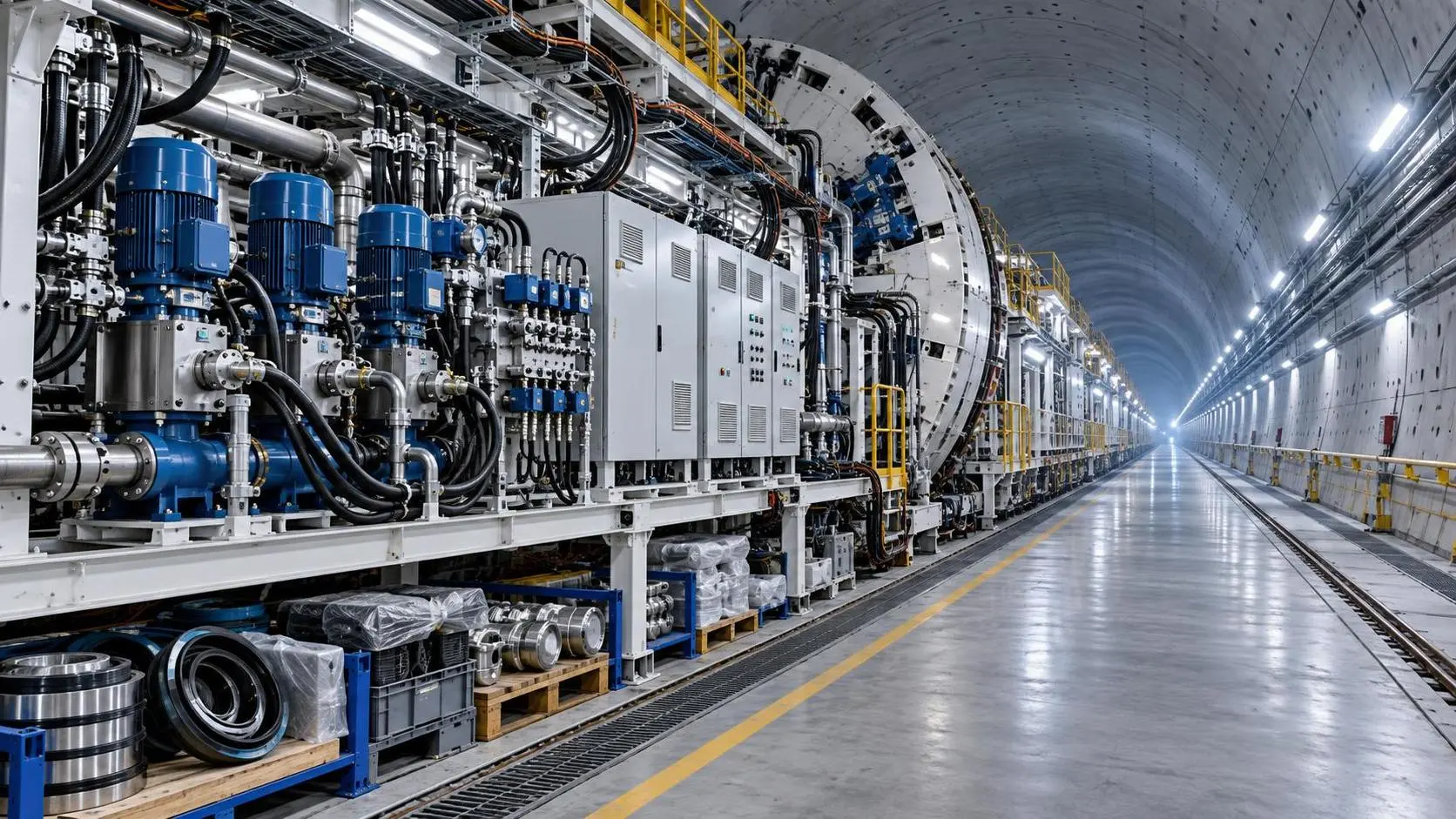
How to Specify TBM Backup System Parts for Reliable Long-Distance Tunnelling
TBM backup system parts: learn how to specify reliable spares for long-distance tunnelling, reduce downtime, ensure compatibility, and speed underground recovery.

How to Size Open Pit Mining Trucks for Haul Distance, Grade, and Payload?
Open Pit Mining Trucks: learn how to match payload, haul distance, grade, road resistance, and loading capacity for safer, lower-cost mine operations.
Related News
- 00
0000-00
How to Evaluate European Drill-and-Blast Tunnelling Contractors for Complex Projects - 00
0000-00
Which Trenchless Construction Technique Fits Your Utility Crossing Conditions? - 00
0000-00
What Is Driving Metro Tunnelling Demand Across Southeast Asia’s Major Cities? - 00
0000-00
Hard Rock Tunnelling in Australia: Selecting Methods for Variable Ground Conditions - 00
0000-00
Hydropower Tunnel Excavation: Selecting Methods for Variable Rock Conditions
Weekly Insights
Stay ahead with our curated technology reports delivered every Monday.