
Is regenerative braking worth it for mining trucks today?





For mine operators weighing electrification, a Regenerative Braking system for mining trucks is no longer a niche feature—it is a strategic lever for energy savings, downhill efficiency, and lower brake wear.
Yet its value is not universal.
Whether regenerative braking is worth it today depends on haul road geometry, cycle design, payload consistency, grid strategy, and site decarbonization targets.
In mining, technology choices must survive harsh economics.
A Regenerative Braking system for mining trucks creates the strongest returns where long descents, frequent braking events, and high annual utilization combine.
In flatter or stop-start routes, the same system may still help, but the business case becomes narrower.
Why the question matters more in today’s mining landscape
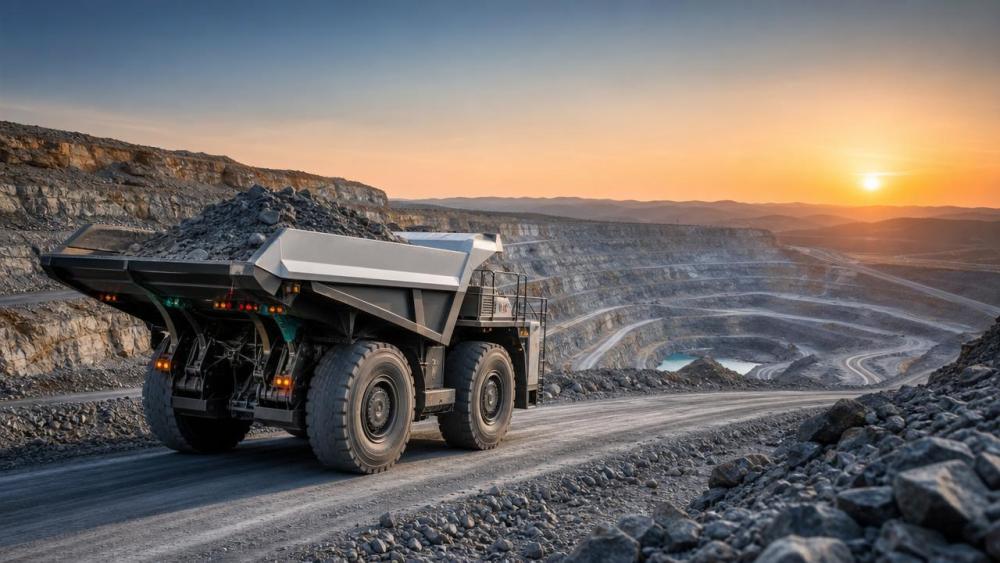
Mining truck electrification is moving from pilot programs to operational planning.
That shift increases scrutiny on every subsystem, especially those tied to battery range, thermal loads, and maintenance intervals.
A Regenerative Braking system for mining trucks sits at the intersection of all three.
It captures kinetic and gravitational energy during deceleration or downhill travel.
That recovered energy can recharge onboard batteries or support electrical systems, depending on vehicle architecture.
For ultra-heavy haulage, this is not a small technical detail.
It influences truck sizing, shift productivity, brake component life, and ventilation planning in underground or semi-confined operations.
It also aligns with rising ESG pressure.
Sites now need measurable pathways to reduce diesel burn, lower heat generation, and improve energy transparency across the haul cycle.
Which operating scenarios make regenerative braking pay off fastest
The answer depends less on hype and more on route physics.
Below are the most common scenarios where a Regenerative Braking system for mining trucks delivers clear operational value.
Long downhill loaded hauls in open-pit mines
This is the strongest case.
When loaded trucks descend over long gradients, the available recoverable energy is substantial.
Mechanical braking demand also rises in these routes, especially under high tonnage and high ambient temperatures.
In this scenario, regenerative braking can cut friction brake use, reduce overheating risk, and extend service intervals.
It may also improve cycle efficiency by stabilizing controlled descent speeds.
Underground ramps with ventilation constraints
Underground operations add another layer of value.
A Regenerative Braking system for mining trucks reduces heat generated by conventional brakes.
That matters in confined ramps where heat rejection affects ventilation demand and worker comfort.
Battery-electric or trolley-assist fleets can benefit even more.
Recovered energy supports broader efficiency goals in zero-emission underground transport systems.
High-cycle routes with frequent deceleration points
Some mines lack dramatic descents but still produce strong regeneration opportunities.
Examples include routes with switchbacks, loading queue slowdowns, intersections, and controlled descent zones.
In these patterns, energy recovery per event is smaller.
However, repeated events over thousands of cycles can still create meaningful savings.
Mixed fleets transitioning from diesel to electric haulage
During phased electrification, regenerative braking supports learning as much as savings.
It provides data on route-specific recovery rates, brake wear changes, and battery behavior under real payload variability.
Those insights improve later decisions on fleet replacement, charging layout, and haul road redesign.
Where a Regenerative Braking system for mining trucks may underperform
Not every mine should expect dramatic payback.
Several scenarios reduce the practical value of a Regenerative Braking system for mining trucks.
- Flat haul roads with limited descent energy.
- Short cycles where speed rarely builds enough for meaningful recovery.
- Operations with inconsistent payloads that complicate energy forecasting.
- Sites where battery charging acceptance limits recovered energy capture.
- Poor road conditions that force irregular braking and reduce control efficiency.
Another limitation is system integration.
If vehicle controls, battery thermal management, and haul cycle software are poorly matched, regeneration benefits can be diluted.
In some cases, operators overestimate energy recovery and underestimate infrastructure dependencies.
How different mining scenarios change the value equation
The table below shows how route and site conditions influence investment logic.
What to evaluate before adopting regenerative braking today
A strong decision needs route-specific evidence.
The following checks help determine if a Regenerative Braking system for mining trucks is commercially justified.
- Map vertical haul profiles, not just average distance.
- Measure loaded-versus-empty descent patterns across seasons.
- Review friction brake maintenance history and overheating events.
- Check battery chemistry, charge acceptance, and thermal limits.
- Simulate energy recovery using real dispatch and payload data.
- Estimate value from reduced brake wear, not energy alone.
- Assess compatibility with autonomous haulage or fleet management software.
These factors are especially important in mines balancing electrification speed with capital discipline.
A technology can be technically impressive yet financially weak in the wrong route setting.
Common misjudgments that distort the business case
Several errors repeatedly appear in mining truck decarbonization plans.
Assuming all downhill energy is recoverable
Real systems face conversion losses, thermal constraints, and battery acceptance ceilings.
Recovered energy is always lower than theoretical gravitational potential.
Ignoring operational consistency
Haul routes change.
Road maintenance, weather, dispatch congestion, and ore sequencing alter braking opportunities.
A Regenerative Braking system for mining trucks performs best when cycle conditions are predictable.
Looking only at energy savings
Brake life, uptime, safety margins, and thermal relief may together outweigh direct energy recovery.
This is particularly true in deep mines and high-tonnage descent operations.
Separating regeneration from digital mine planning
Regenerative braking should not be treated as an isolated vehicle option.
Its returns improve when integrated with route design, autonomous speed control, and charging strategy.
So, is regenerative braking worth it for mining trucks today?
In many mines, yes.
A Regenerative Braking system for mining trucks is worth serious consideration where loaded downhill hauls are long, annual utilization is high, and brake stress is already costly.
It is also highly relevant in underground transport, where heat, ventilation, and zero-emission performance matter together.
But the decision should be site-specific.
The best next step is a route-level audit covering grade, payload, deceleration frequency, brake maintenance, and battery behavior.
For intelligence-led mining transformation, the winners will be those who match electrification technology to actual haul physics, not assumptions.
That is where regenerative braking moves from a promising feature to a measurable asset strategy.
Related News
How to Evaluate European Drill-and-Blast Tunnelling Contractors for Complex Projects
Drill and blast tunnelling contractors Europe: learn how to assess geology expertise, blast control, equipment reliability, safety, and programme resilience for complex projects.
Which Trenchless Construction Technique Fits Your Utility Crossing Conditions?
Trenchless construction techniques compared for utility crossings: choose HDD, microtunnelling, pipe jacking, or auger boring based on ground, accuracy, access, and risk.
What Is Driving Metro Tunnelling Demand Across Southeast Asia’s Major Cities?
Metro tunnelling Southeast Asia is accelerating as major cities tackle congestion, flooding, and connectivity. Explore the market forces, technical risks, and opportunities shaping demand.
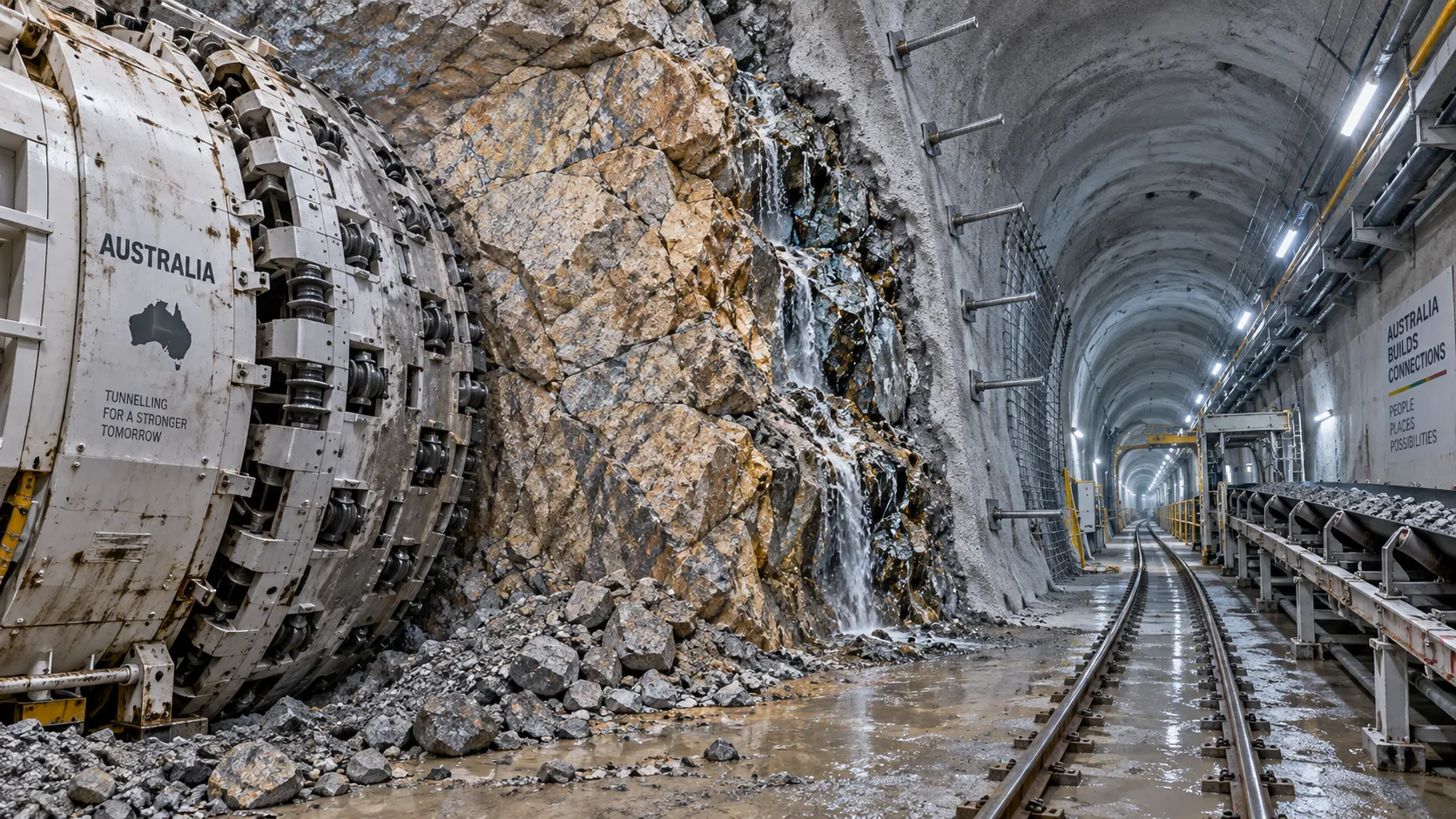
Hard Rock Tunnelling in Australia: Selecting Methods for Variable Ground Conditions
Hard rock tunnelling in Australia: compare TBM, drill-and-blast and hybrid methods to manage variable ground, reduce risk and protect project costs.
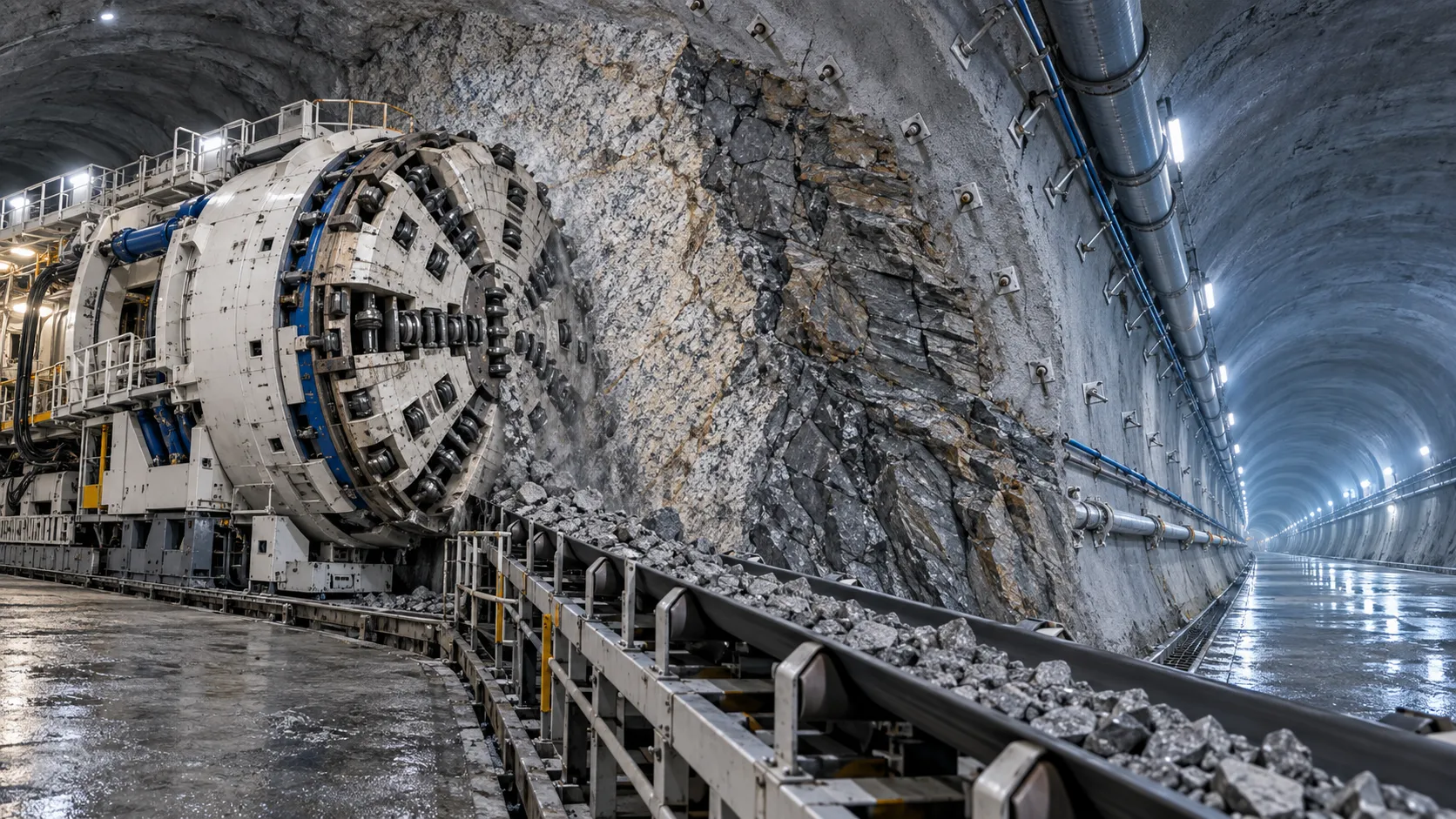
Hydropower Tunnel Excavation: Selecting Methods for Variable Rock Conditions
Hydropower tunnel excavation methods for variable rock conditions: compare TBM, drill-and-blast, and hybrid strategies to improve safety, progress, and project control.
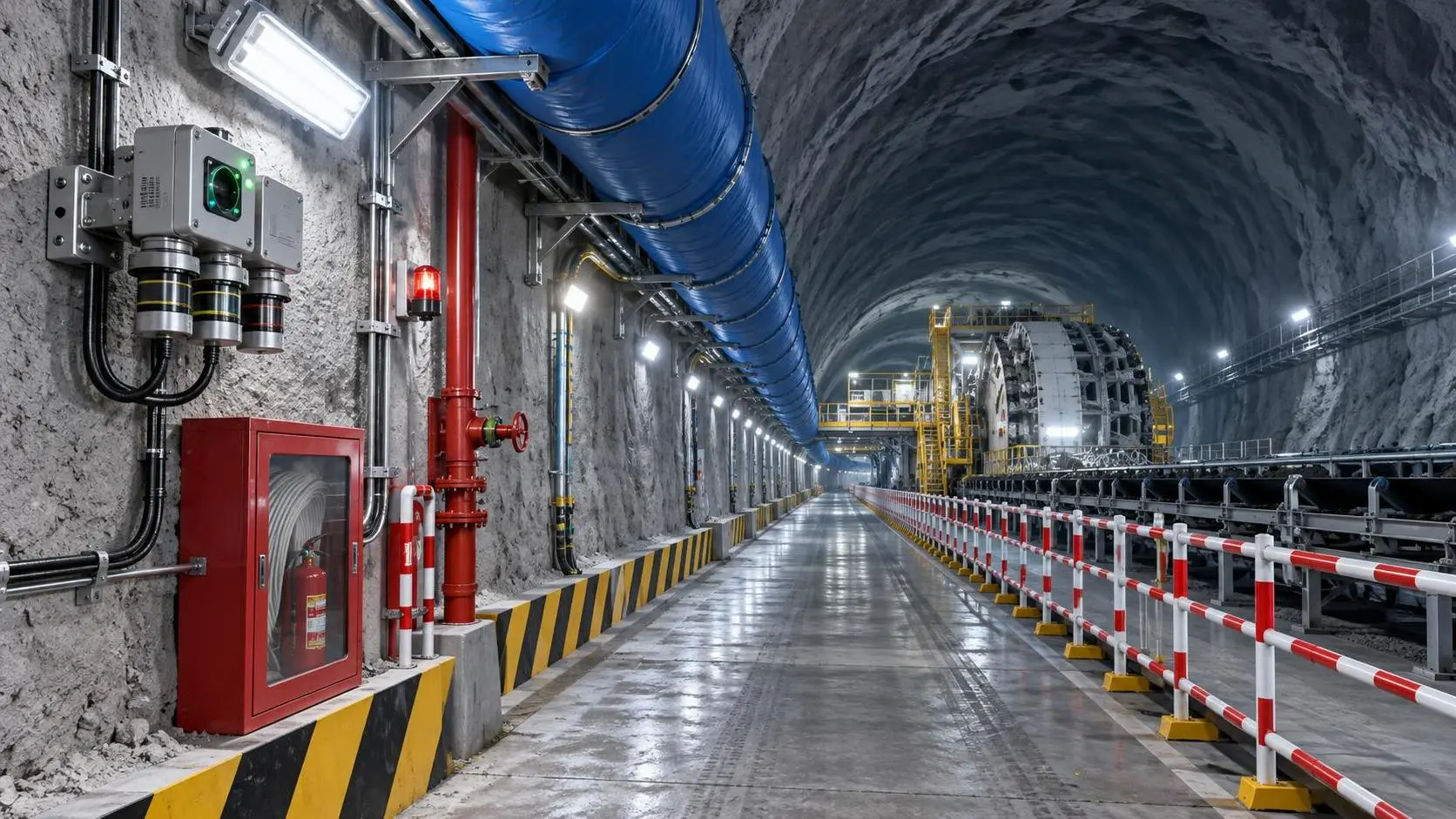
How to Select Underground Safety Equipment for Tunnelling by Hazard and Work Zone
Underground Safety Equipment for tunnelling: match protection to hazards, work zones, compliance, and emergency needs with this practical selection guide.
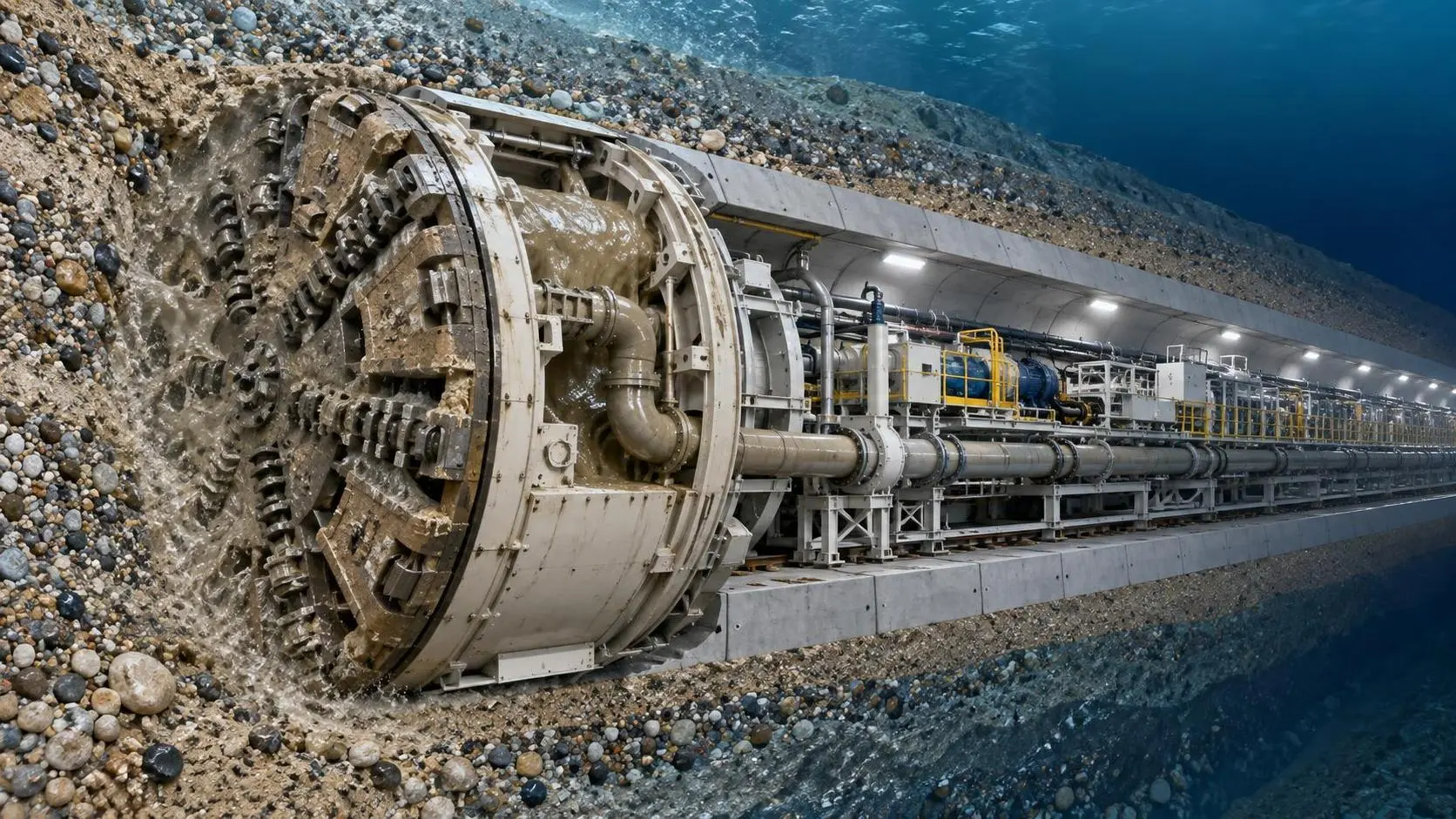
EPB or Slurry Shield? Selecting Soft-Ground Tunnelling Equipment by Soil Conditions
Tunnel Excavation Equipment for soft ground: compare EPB and slurry shields by soil, groundwater, settlement risk, and project logistics to choose confidently.
How to Specify TBM Backup System Parts for Reliable Long-Distance Tunnelling
TBM backup system parts: learn how to specify reliable spares for long-distance tunnelling, reduce downtime, ensure compatibility, and speed underground recovery.
How to Size Open Pit Mining Trucks for Haul Distance, Grade, and Payload?
Open Pit Mining Trucks: learn how to match payload, haul distance, grade, road resistance, and loading capacity for safer, lower-cost mine operations.
Related News
- 00
0000-00
How to Evaluate European Drill-and-Blast Tunnelling Contractors for Complex Projects - 00
0000-00
Which Trenchless Construction Technique Fits Your Utility Crossing Conditions? - 00
0000-00
What Is Driving Metro Tunnelling Demand Across Southeast Asia’s Major Cities? - 00
0000-00
Hard Rock Tunnelling in Australia: Selecting Methods for Variable Ground Conditions - 00
0000-00
Hydropower Tunnel Excavation: Selecting Methods for Variable Rock Conditions
Weekly Insights
Stay ahead with our curated technology reports delivered every Monday.