
Surge in Chinese Firms in Singapore Boosts Localized Smart Mining Services





Over the past year, the number of Chinese enterprises establishing operations in Singapore has surged eightfold, according to data released by the Singapore Economic Development Board (EDB) on May 18. This rapid expansion—centered on engineering machinery, intelligent sensing, and energy management—signals a strategic shift toward localized service infrastructure for smart mining equipment across Southeast Asia, Australia, and the Middle East.
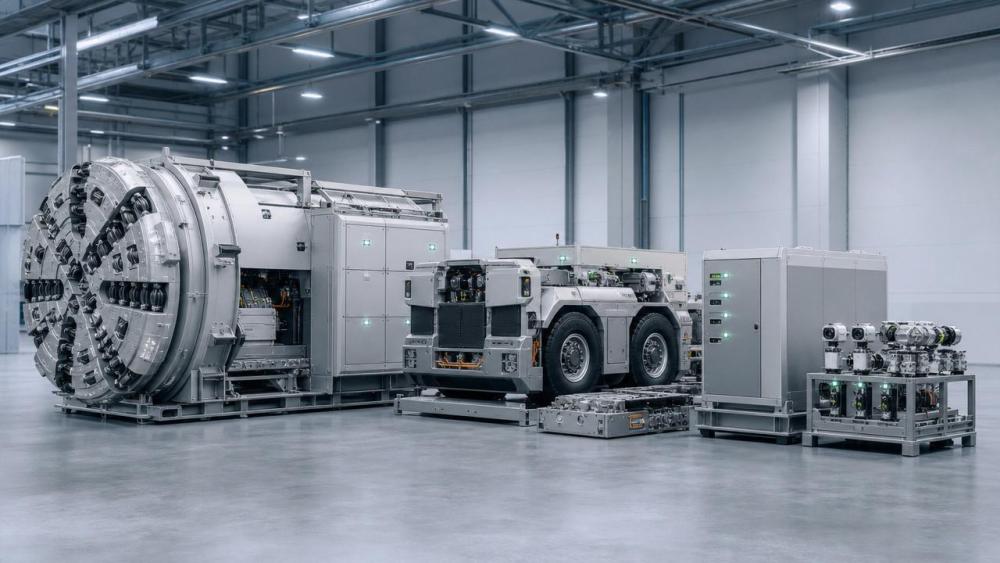
Event Overview
The Singapore Economic Development Board disclosed on May 18 that inbound Chinese enterprise registrations rose eightfold year-on-year. The influx spans the full value chain—from tunnel boring machine (TBM) manufacturers and electric mining truck suppliers to integrated service providers. Multiple Chinese TBM and battery-electric haul truck vendors have since established technical service centers in Singapore, offering localized spare parts inventory, remote diagnostics, and operator training programs tailored for regional clients.
Industries Affected
Direct Trade Enterprises
These firms—especially those exporting mining equipment from China to ASEAN, Australia, or the Middle East—are directly impacted because localized service hubs reduce reliance on long-haul logistics for maintenance and support. As a result, contract win rates may improve due to stronger after-sales commitments, while warranty fulfillment timelines shorten significantly.
Raw Material Procurement Enterprises
Suppliers of high-precision components (e.g., sensors, powertrain modules, battery management systems) face recalibrated demand patterns. With Singapore-based service centers maintaining regional stockpiles and performing tier-one diagnostics, procurement cycles are shifting toward smaller-batch, higher-frequency orders aligned with just-in-time servicing—not bulk OEM shipments. Inventory planning models must now account for regional deployment velocity rather than only factory output schedules.
Manufacturing Enterprises
Chinese equipment makers expanding into Singapore are adapting production footprints: some now configure modular assemblies for local final integration or certification (e.g., ATEX for Middle East, AS/NZS for Australia). This implies increased investment in Singapore-certified quality assurance and localized compliance testing—not merely assembly. Manufacturing strategy is evolving from export-led to regionally embedded.
Supply Chain Service Providers
Logistics, customs brokerage, and technical training providers operating in Singapore are seeing demand pivot from transactional freight handling toward integrated lifecycle services—e.g., bonded spare parts warehousing, certified remote diagnostic platforms, and multilingual operator upskilling programs. Margins are shifting from volume-based to value-based, requiring deeper domain expertise in mining automation and regulatory interoperability.
Key Considerations and Recommended Actions
Assess Regional Service Hub Readiness
Companies serving overseas mining clients should evaluate whether their current support model relies too heavily on China-based response teams. Benchmarking against new Singapore-based service SLAs—such as
Review Certification and Compliance Pathways
Equipment deployed across multiple jurisdictions requires divergent certifications (e.g., IECEx, SIRIM, SASO). Establishing a Singapore-based compliance coordination node allows parallel certification submissions and faster regional market entry—particularly where Singapore’s Mutual Recognition Agreements (MRAs) apply.
Evaluate Talent Sourcing and Training Infrastructure
With Singapore-based centers delivering operator training, firms should map local technical education partnerships (e.g., Ngee Ann Polytechnic, NTU’s Mining Tech Lab) to co-develop competency frameworks aligned with automated fleet management and digital twin operation—rather than relying solely on vendor-led classroom sessions.
Editorial Perspective / Industry Observation
Observably, this trend reflects not just geographic diversification—but a structural redefinition of ‘after-sales’ in capital-intensive mining equipment. What was once viewed as a cost center is now becoming a competitive differentiator anchored in responsiveness, regulatory fluency, and human capability development. Analysis shows that firms treating Singapore as a service orchestration hub—not just a tax or trade node—are gaining measurable advantage in bid evaluations where total cost of ownership (TCO) modeling includes downtime risk and skill transfer metrics. Current evidence does not yet indicate a wholesale relocation of manufacturing; instead, it signals a deliberate layering of service sovereignty alongside existing production assets.
Conclusion
This acceleration in Singapore-based service infrastructure marks a maturation point for Chinese smart mining exporters: moving beyond hardware supply toward trusted, regionally grounded operational partnership. It does not replace home-market scale but complements it—enabling more resilient, responsive, and reputationally anchored global engagement. The broader implication is clear: in mining technology, service proximity is increasingly inseparable from technological credibility.
Source Attribution
Singapore Economic Development Board (EDB), official press release dated May 18 (source link pending public archive availability). Data reflects registered entity counts and confirmed service center launches through Q1 2024. Ongoing monitoring is recommended for updates on EDB’s Industry Transformation Map (ITM) for Engineering & Built Environment, particularly revisions related to cross-border technical service licensing and ASEAN mutual recognition progress.
Related News
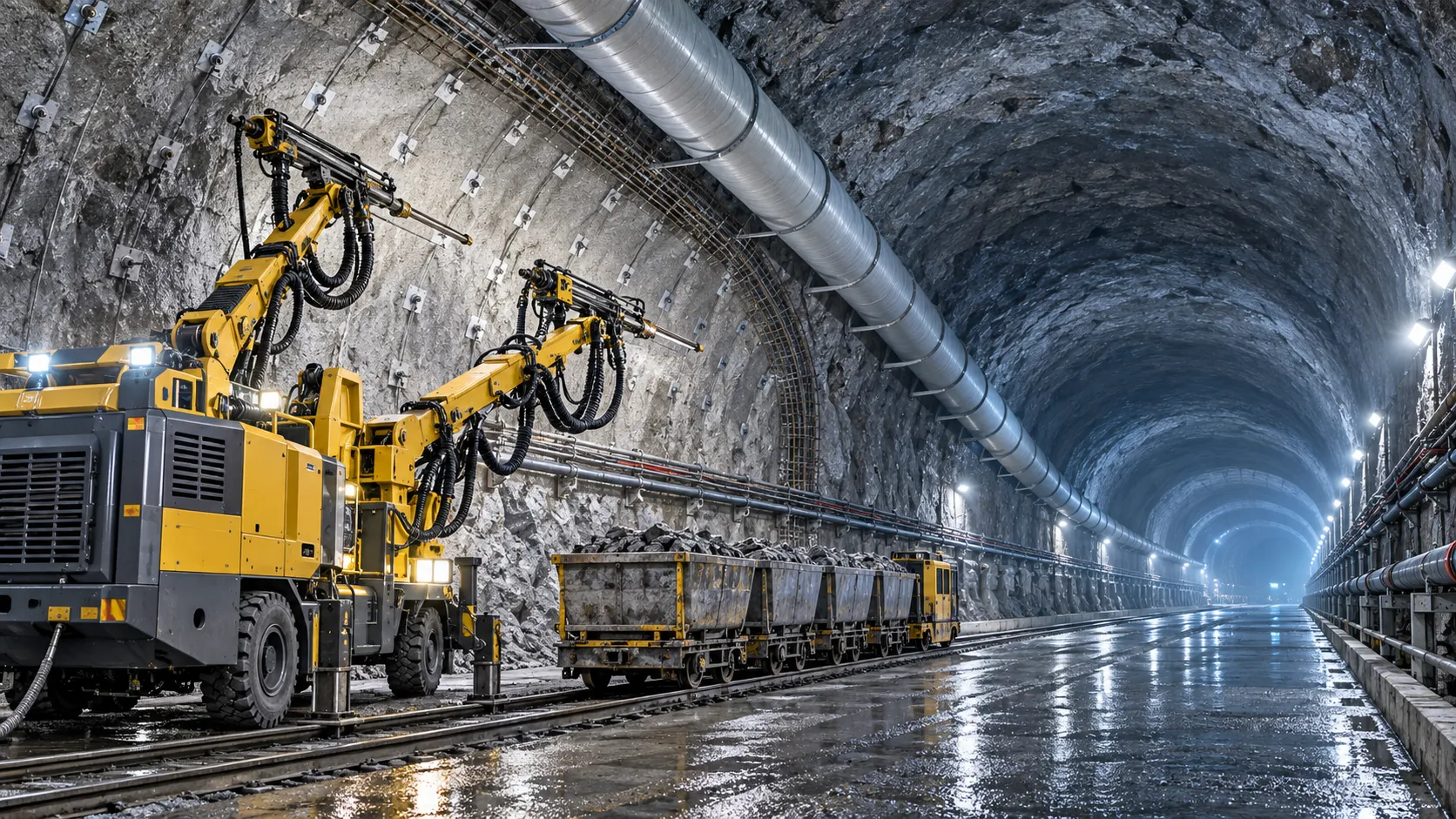
How to Evaluate European Drill-and-Blast Tunnelling Contractors for Complex Projects
Drill and blast tunnelling contractors Europe: learn how to assess geology expertise, blast control, equipment reliability, safety, and programme resilience for complex projects.
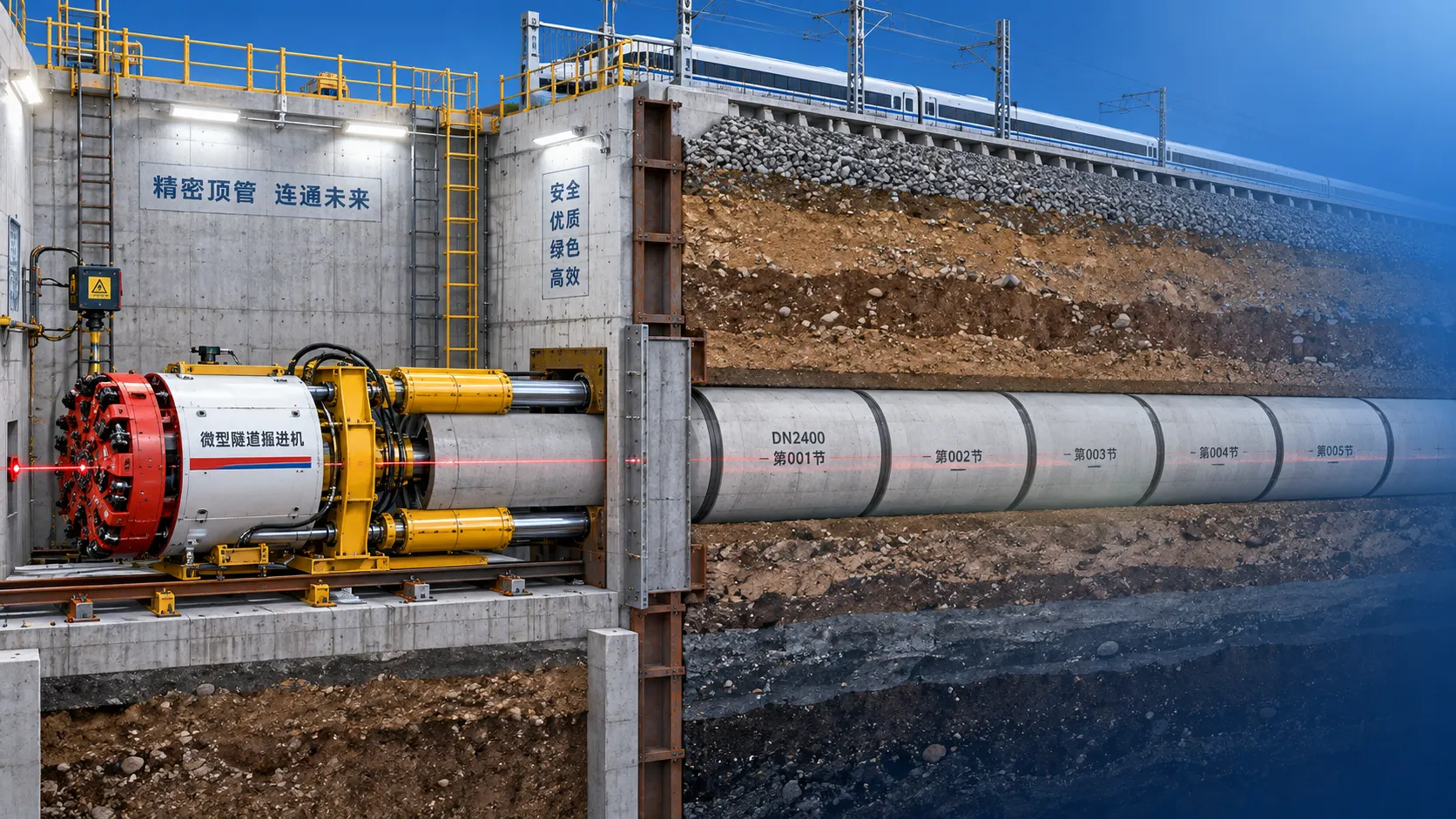
Which Trenchless Construction Technique Fits Your Utility Crossing Conditions?
Trenchless construction techniques compared for utility crossings: choose HDD, microtunnelling, pipe jacking, or auger boring based on ground, accuracy, access, and risk.
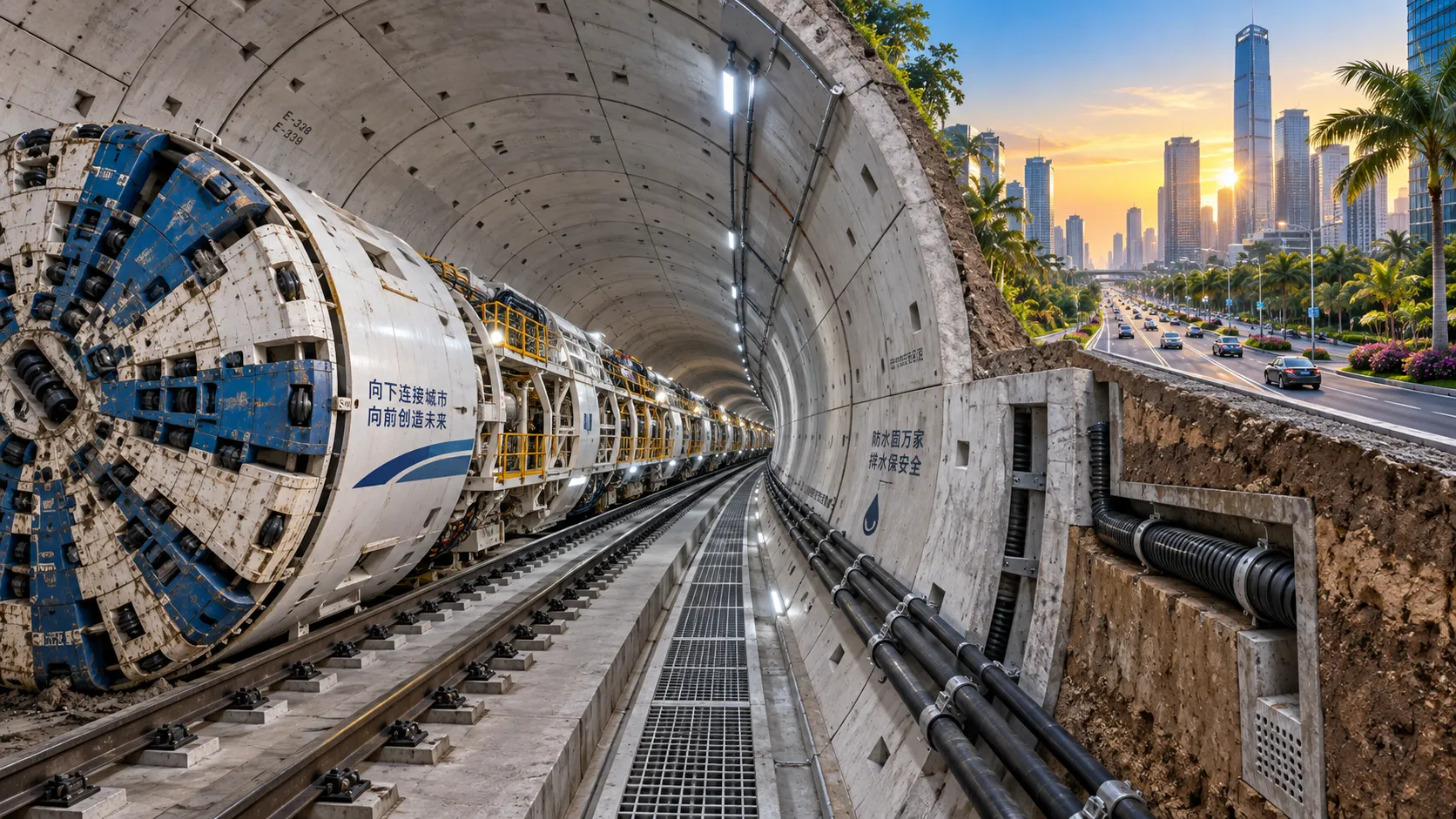
What Is Driving Metro Tunnelling Demand Across Southeast Asia’s Major Cities?
Metro tunnelling Southeast Asia is accelerating as major cities tackle congestion, flooding, and connectivity. Explore the market forces, technical risks, and opportunities shaping demand.
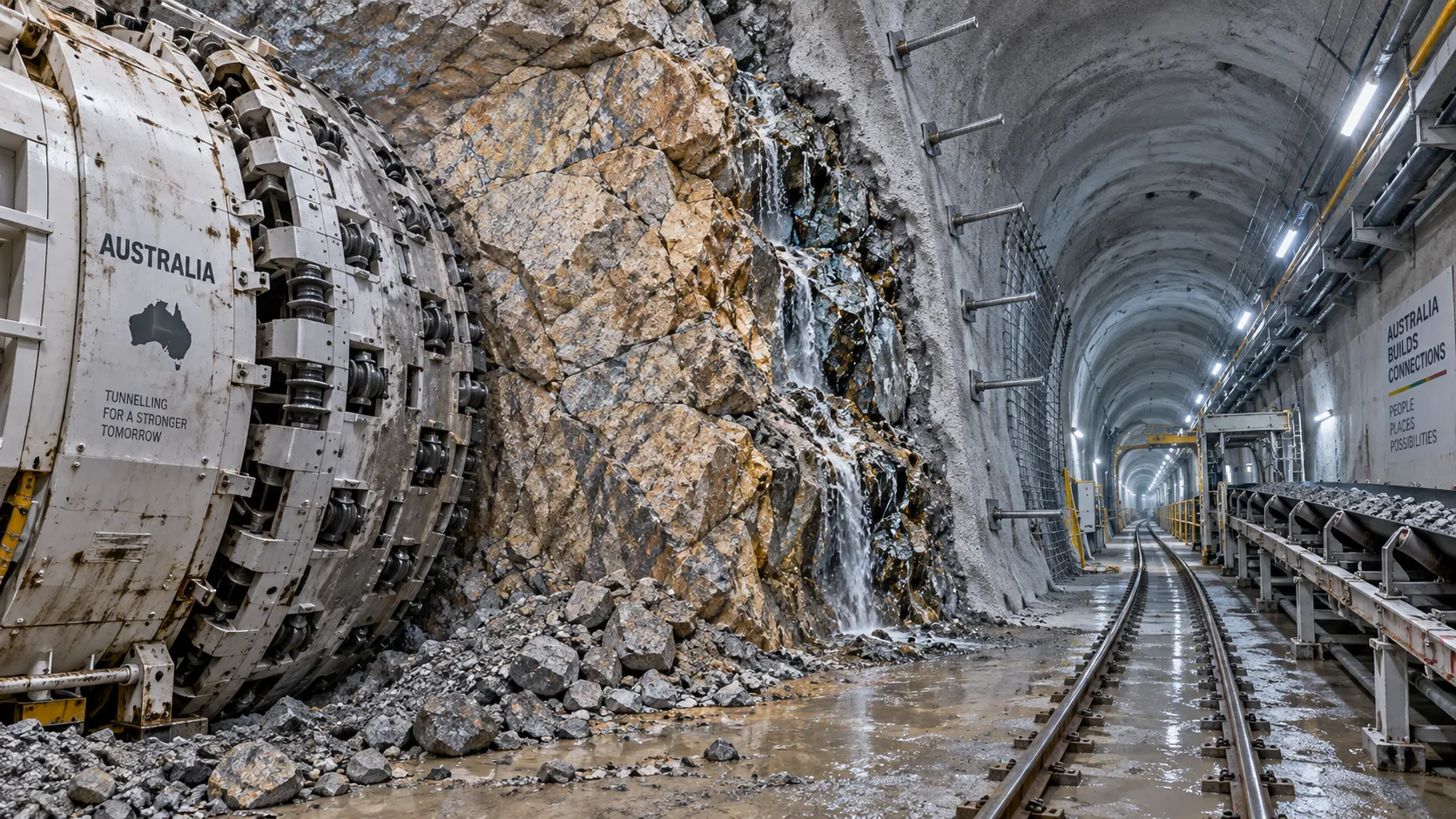
Hard Rock Tunnelling in Australia: Selecting Methods for Variable Ground Conditions
Hard rock tunnelling in Australia: compare TBM, drill-and-blast and hybrid methods to manage variable ground, reduce risk and protect project costs.
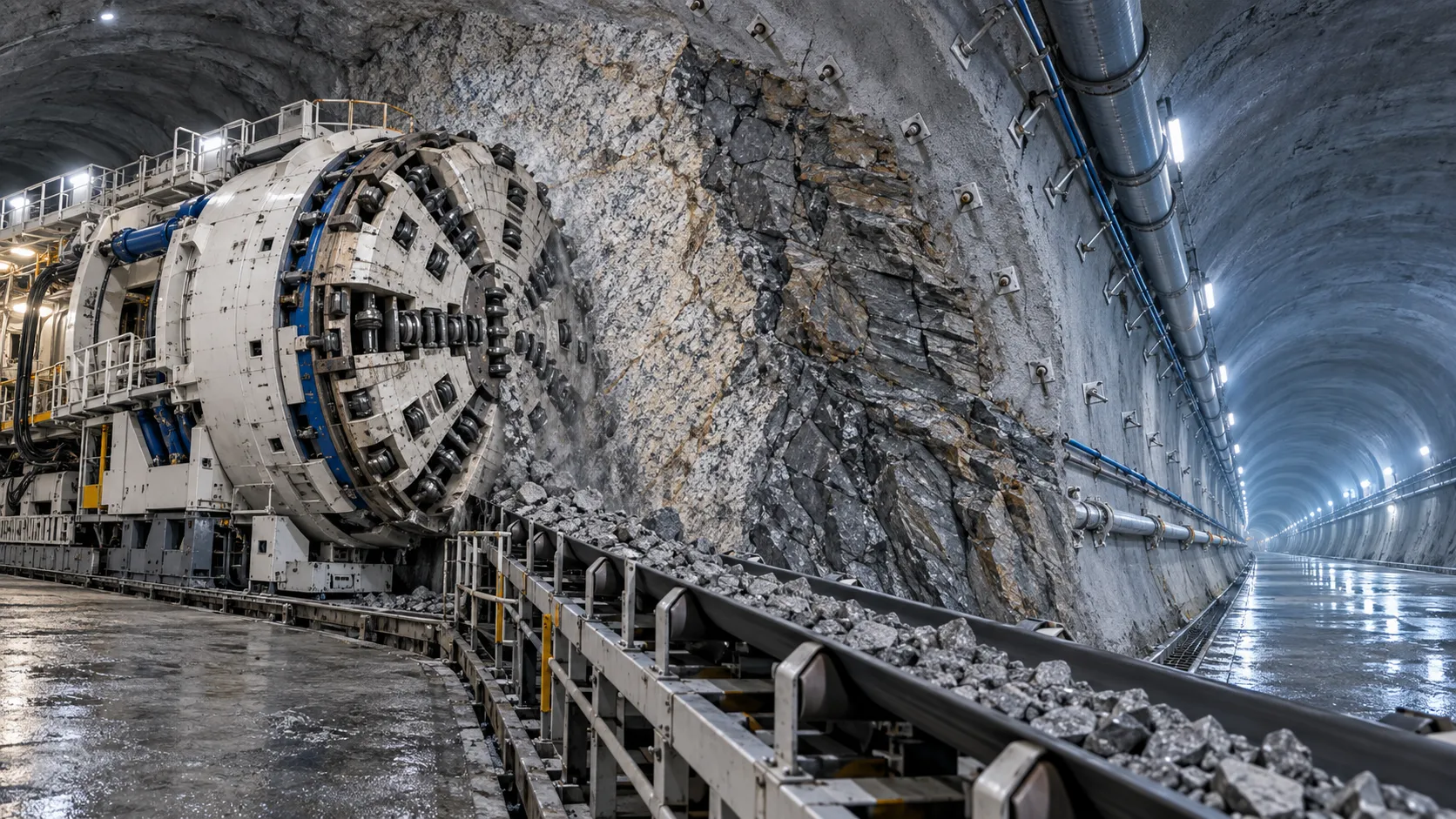
Hydropower Tunnel Excavation: Selecting Methods for Variable Rock Conditions
Hydropower tunnel excavation methods for variable rock conditions: compare TBM, drill-and-blast, and hybrid strategies to improve safety, progress, and project control.
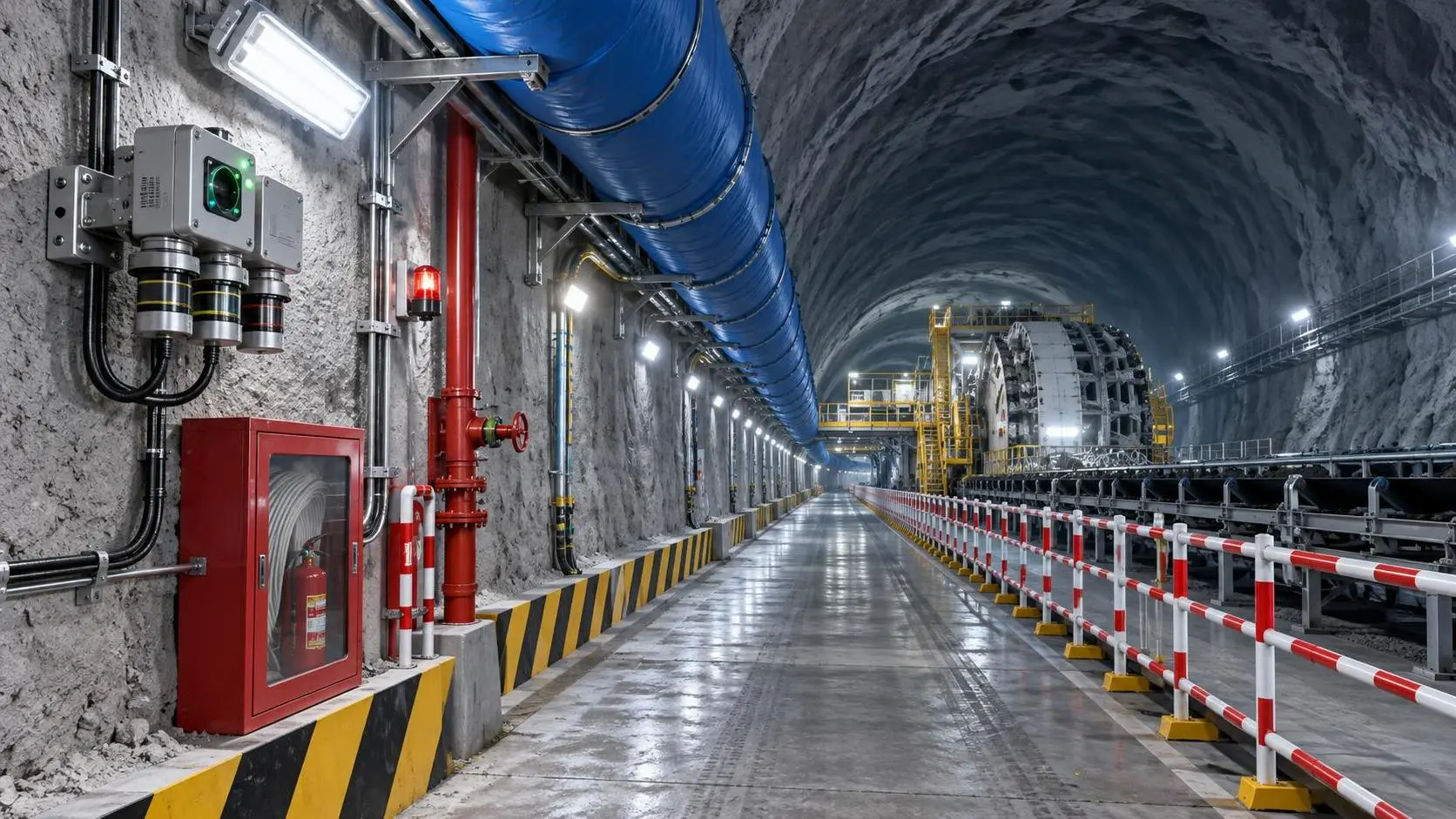
How to Select Underground Safety Equipment for Tunnelling by Hazard and Work Zone
Underground Safety Equipment for tunnelling: match protection to hazards, work zones, compliance, and emergency needs with this practical selection guide.
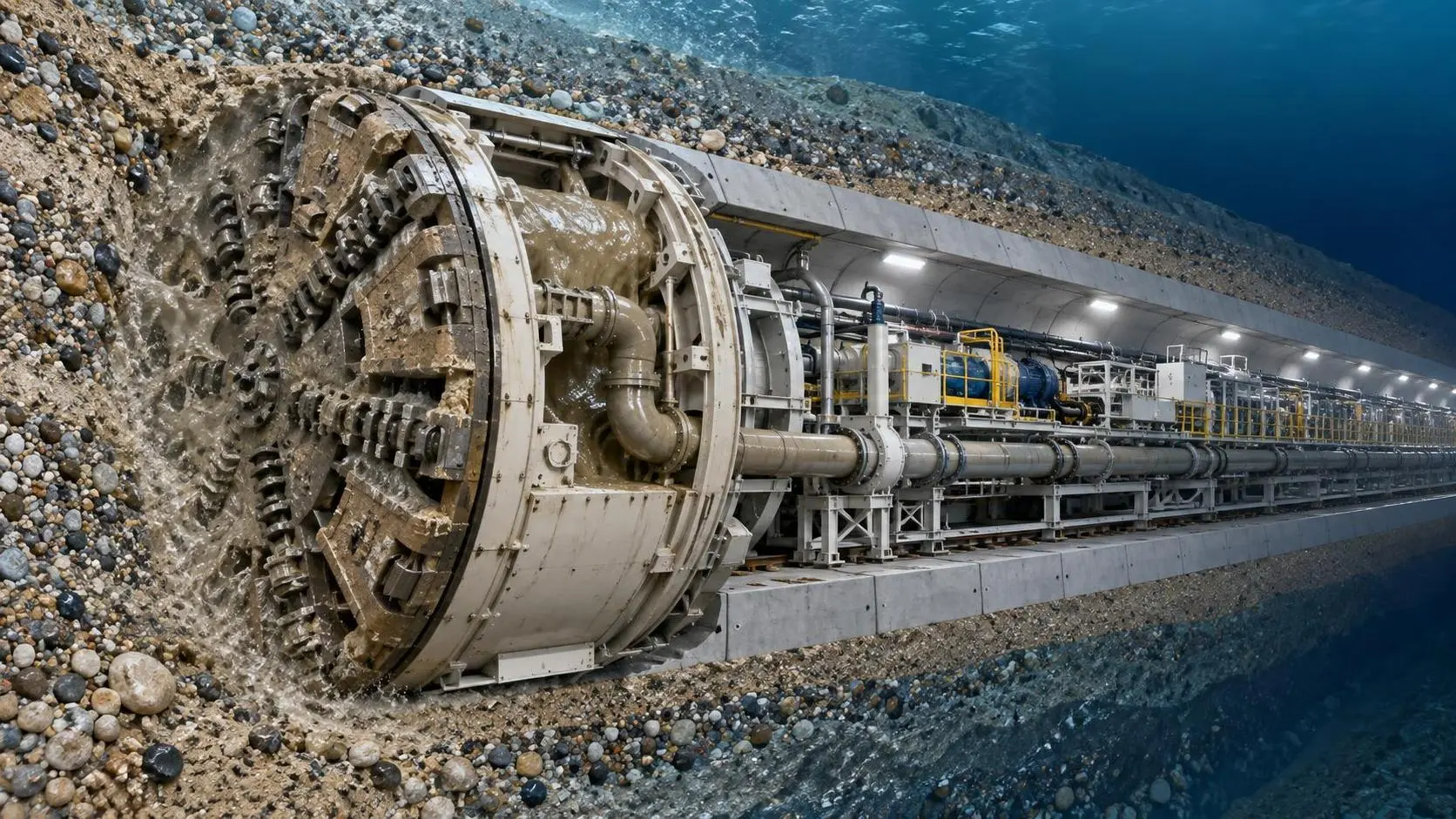
EPB or Slurry Shield? Selecting Soft-Ground Tunnelling Equipment by Soil Conditions
Tunnel Excavation Equipment for soft ground: compare EPB and slurry shields by soil, groundwater, settlement risk, and project logistics to choose confidently.
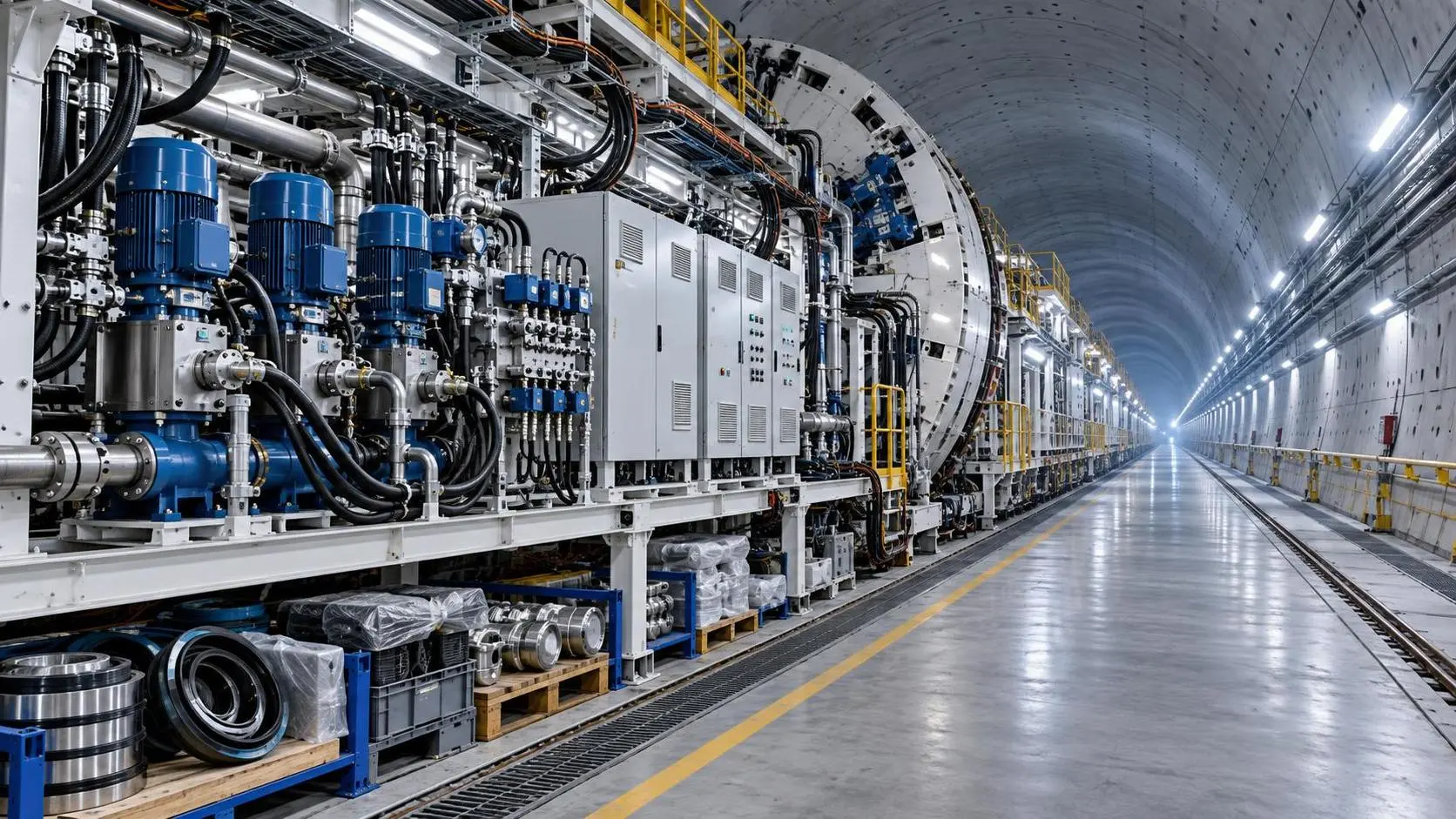
How to Specify TBM Backup System Parts for Reliable Long-Distance Tunnelling
TBM backup system parts: learn how to specify reliable spares for long-distance tunnelling, reduce downtime, ensure compatibility, and speed underground recovery.
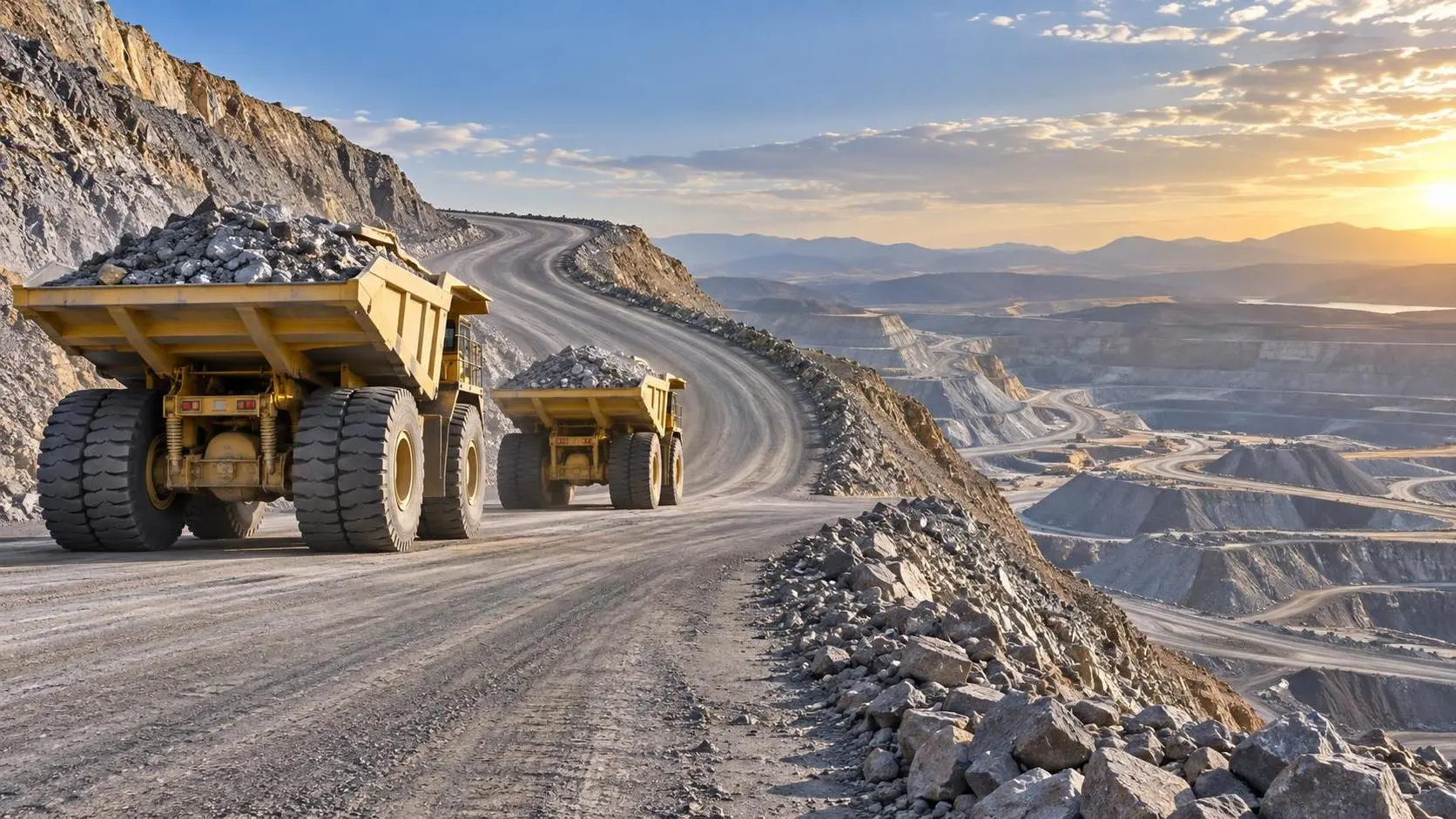
How to Size Open Pit Mining Trucks for Haul Distance, Grade, and Payload?
Open Pit Mining Trucks: learn how to match payload, haul distance, grade, road resistance, and loading capacity for safer, lower-cost mine operations.
Related News
- 00
0000-00
How to Evaluate European Drill-and-Blast Tunnelling Contractors for Complex Projects - 00
0000-00
Which Trenchless Construction Technique Fits Your Utility Crossing Conditions? - 00
0000-00
What Is Driving Metro Tunnelling Demand Across Southeast Asia’s Major Cities? - 00
0000-00
Hard Rock Tunnelling in Australia: Selecting Methods for Variable Ground Conditions - 00
0000-00
Hydropower Tunnel Excavation: Selecting Methods for Variable Rock Conditions
Weekly Insights
Stay ahead with our curated technology reports delivered every Monday.