
DR Congo Halves 2026 Cobalt Export Quota





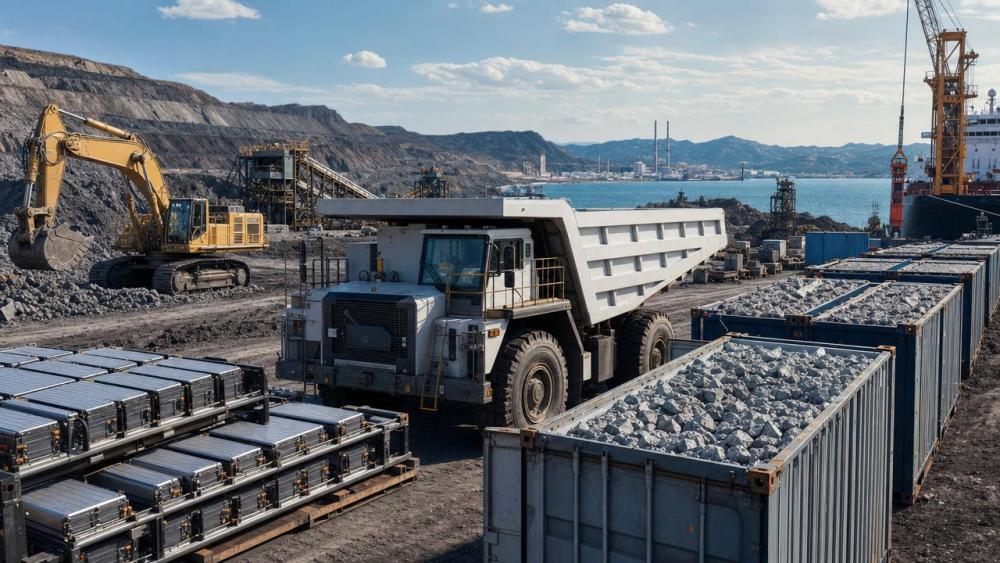
On May 27, 2026, the Democratic Republic of the Congo announced a sharp reduction in its 2026 cobalt export quota to 96,600 tons, down by more than 50% year on year. For EV and Hydrogen Mining Trucks, where cobalt remains a core battery material, this is not just a supply headline but a trade-rule change with direct implications for raw-material sourcing, battery cost structures, delivery planning, and technology roadmaps across the equipment supply chain.
A smaller export window is now a confirmed market condition
The confirmed facts are limited but clear. The announcement was made on May 27, 2026, and it sets the 2026 cobalt export quota at 96,600 tons. The new quota represents a year-on-year reduction of more than 50%. The event summary also confirms that cobalt is a core raw material for battery systems used in EV and Hydrogen Mining Trucks, and that the quota cut directly raises the cost of high-nickel ternary batteries while pushing equipment manufacturers to accelerate validation of cobalt-free electric drive solutions and localized battery recycling cooperation paths.
Where the pressure is likely to appear first
Raw-material procurement is exposed to tighter trade availability
From an industry perspective, companies that buy cobalt-linked inputs are likely to feel the first impact because the rule change directly affects export availability rather than only market sentiment. The main pressure points are likely to be procurement timing, supplier allocation, contract execution, and delivery planning. What deserves closer attention is whether procurement teams need to revise sourcing documents, supply commitments, and acceptance conditions tied to cobalt-bearing battery materials.
Battery and equipment manufacturers face cost and specification review
Analysis shows that manufacturers of battery systems and mining trucks may be affected through rising input costs for high-nickel ternary systems. This can flow into quotation models, technical specification alignment, and model-level delivery decisions. For teams involved in tenders, engineering change control, or product compliance, the practical issue is not only cost but whether battery chemistry assumptions in technical files, bid documents, or customer commitments still match actual sourcing conditions.
Supply-chain service providers may need closer document and delivery control
Observably, logistics, sourcing coordination, and delivery support functions may also see increased execution risk. When export quotas tighten, document consistency, shipment scheduling, and supply visibility become more sensitive points in cross-border transactions. Businesses involved in procurement support or delivery management should pay closer attention to contract terms, shipment dependencies, and traceability records connected to battery material sourcing.
After-sales and lifecycle partners may gain relevance
The event summary specifically points to faster validation of localized battery recycling cooperation paths. That means after-sales, recycling, and lifecycle support participants may become more relevant in future supply arrangements. Analysis shows this does not yet confirm a settled market outcome, but it does indicate that battery recovery, reuse, and localized cooperation models are moving closer to procurement and compliance discussions rather than remaining only long-term sustainability topics.
What companies should monitor in the next phase
Check whether compliance files still match sourcing reality
Companies should review whether product documentation, battery material descriptions, technical submissions, and procurement files still reflect actual supply conditions after the quota change. This is especially relevant where delivery commitments or technical promises were built around high-nickel ternary battery configurations.
Track follow-up wording and execution signals
Because the input does not provide detailed implementation language beyond the announced quota reduction, it is more appropriate to treat this as a confirmed policy signal with execution details still requiring observation. Businesses should therefore monitor any later official wording, trade implementation guidance, or market-facing clarification that could affect transaction timing and delivery feasibility.
Prepare for chemistry validation and recycling-linked sourcing
Analysis shows that manufacturers should pay attention to two practical paths already identified by the event summary: validation of cobalt-free electric drive solutions and localized battery recycling cooperation. At this stage, the key task is not to assume immediate substitution success, but to assess whether internal testing, technical approvals, and supplier qualification processes are ready if sourcing pressure persists.
Revisit delivery plans and supplier qualification logic
Procurement and project teams may need to reassess delivery schedules, supplier dependency, and qualification criteria where cobalt exposure is high. What deserves closer attention is whether existing vendor approval and sourcing decisions remain workable under a tighter export quota environment, particularly for projects with fixed delivery windows or locked technical requirements.
Why this reads as more than a price story
Observably, this development is better understood as a rule-driven supply-chain signal rather than a routine commodity fluctuation. The change is already concrete at the quota level, but its full operational effect on certification language, bid specifications, sourcing structures, and delivery execution still needs to be watched. From an industry perspective, the most important point is that trade-rule changes around critical battery inputs can quickly move into product planning and contract execution for EV and Hydrogen Mining Trucks.
How the market should read this for now
At this stage, the announcement points to an already landed change in export conditions, while the downstream execution impact remains a developing process. A balanced reading is that the quota cut raises immediate sourcing and cost attention for cobalt-linked battery systems, and at the same time strengthens the practical importance of cobalt-free validation and localized recycling cooperation. It is more appropriate to understand this as a confirmed policy shift with broader supply-chain consequences still unfolding.
Basis of this article and what still needs verification
This article is generated from the user-provided news title, event date, and event summary. For events of this type, commonly relevant source categories may include official announcements, regulator releases, customs or trade authority information, industry association updates, standards-related documents, and reporting by authoritative media. A specific official source link was not provided in the input, so that part still requires follow-up verification. What also remains to be monitored includes detailed policy wording, execution interpretation, changes in tender documents, market feedback, and how companies adjust sourcing and delivery arrangements in practice.
Related News
How to Evaluate European Drill-and-Blast Tunnelling Contractors for Complex Projects
Drill and blast tunnelling contractors Europe: learn how to assess geology expertise, blast control, equipment reliability, safety, and programme resilience for complex projects.
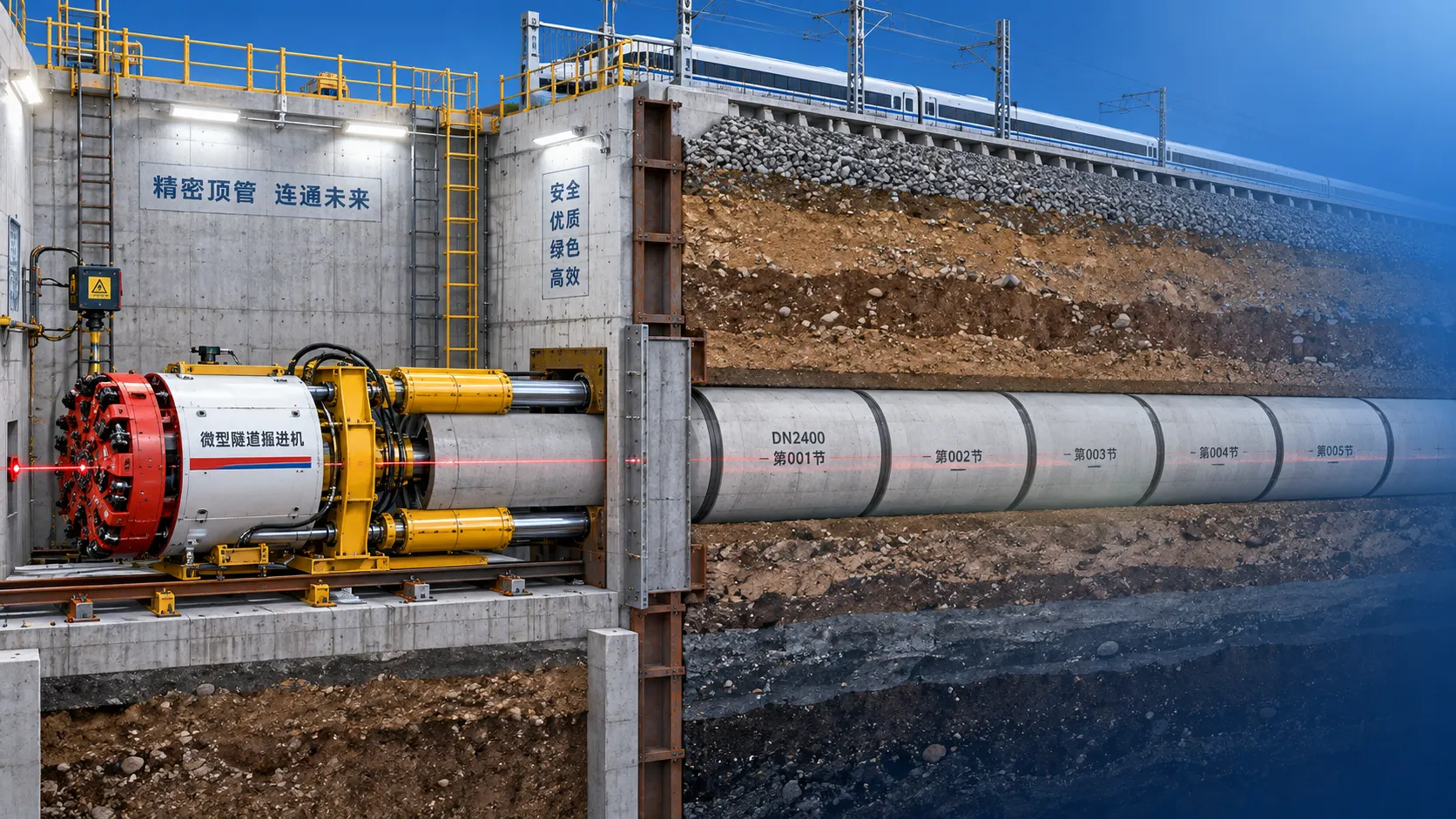
Which Trenchless Construction Technique Fits Your Utility Crossing Conditions?
Trenchless construction techniques compared for utility crossings: choose HDD, microtunnelling, pipe jacking, or auger boring based on ground, accuracy, access, and risk.
What Is Driving Metro Tunnelling Demand Across Southeast Asia’s Major Cities?
Metro tunnelling Southeast Asia is accelerating as major cities tackle congestion, flooding, and connectivity. Explore the market forces, technical risks, and opportunities shaping demand.
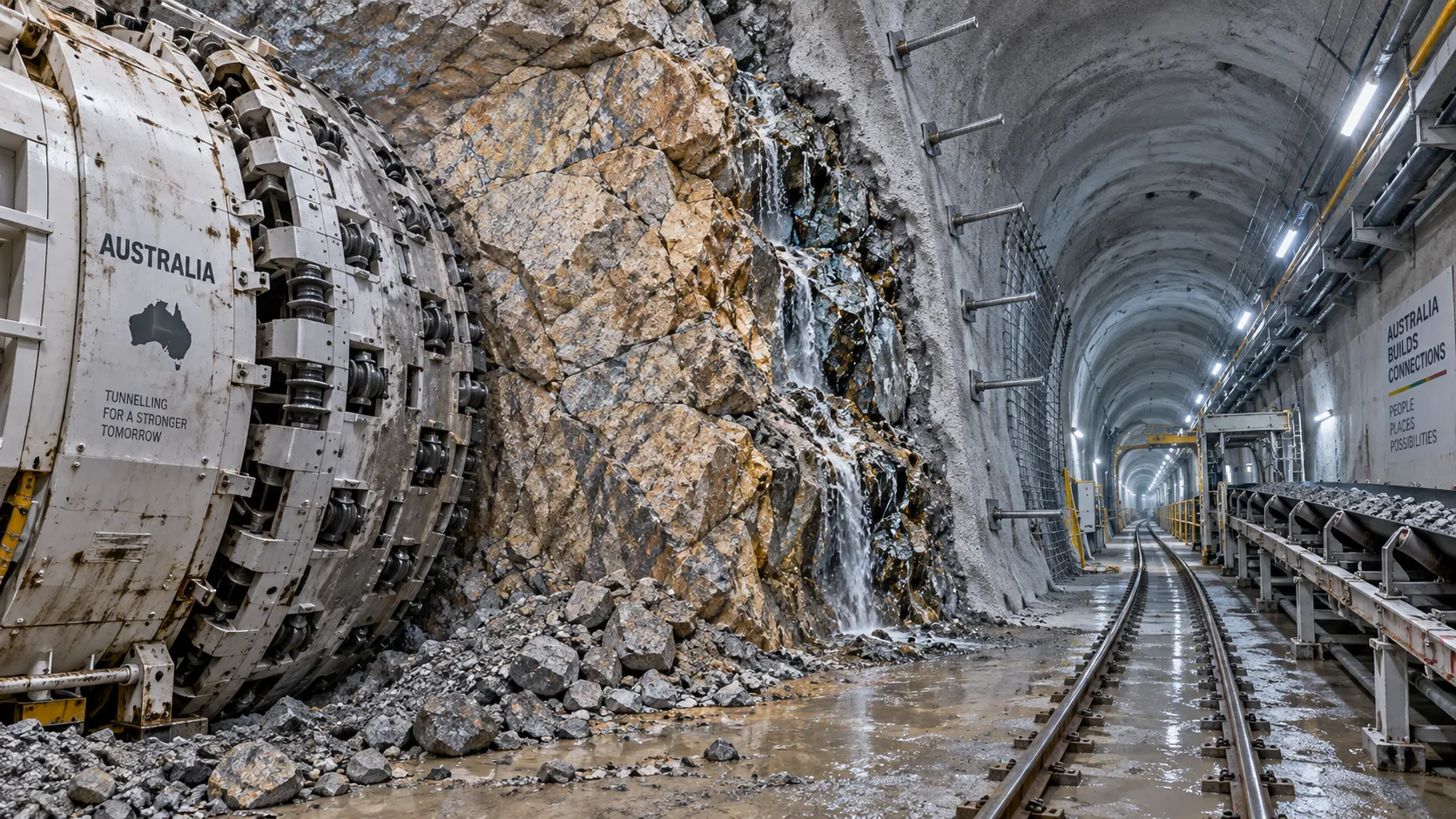
Hard Rock Tunnelling in Australia: Selecting Methods for Variable Ground Conditions
Hard rock tunnelling in Australia: compare TBM, drill-and-blast and hybrid methods to manage variable ground, reduce risk and protect project costs.
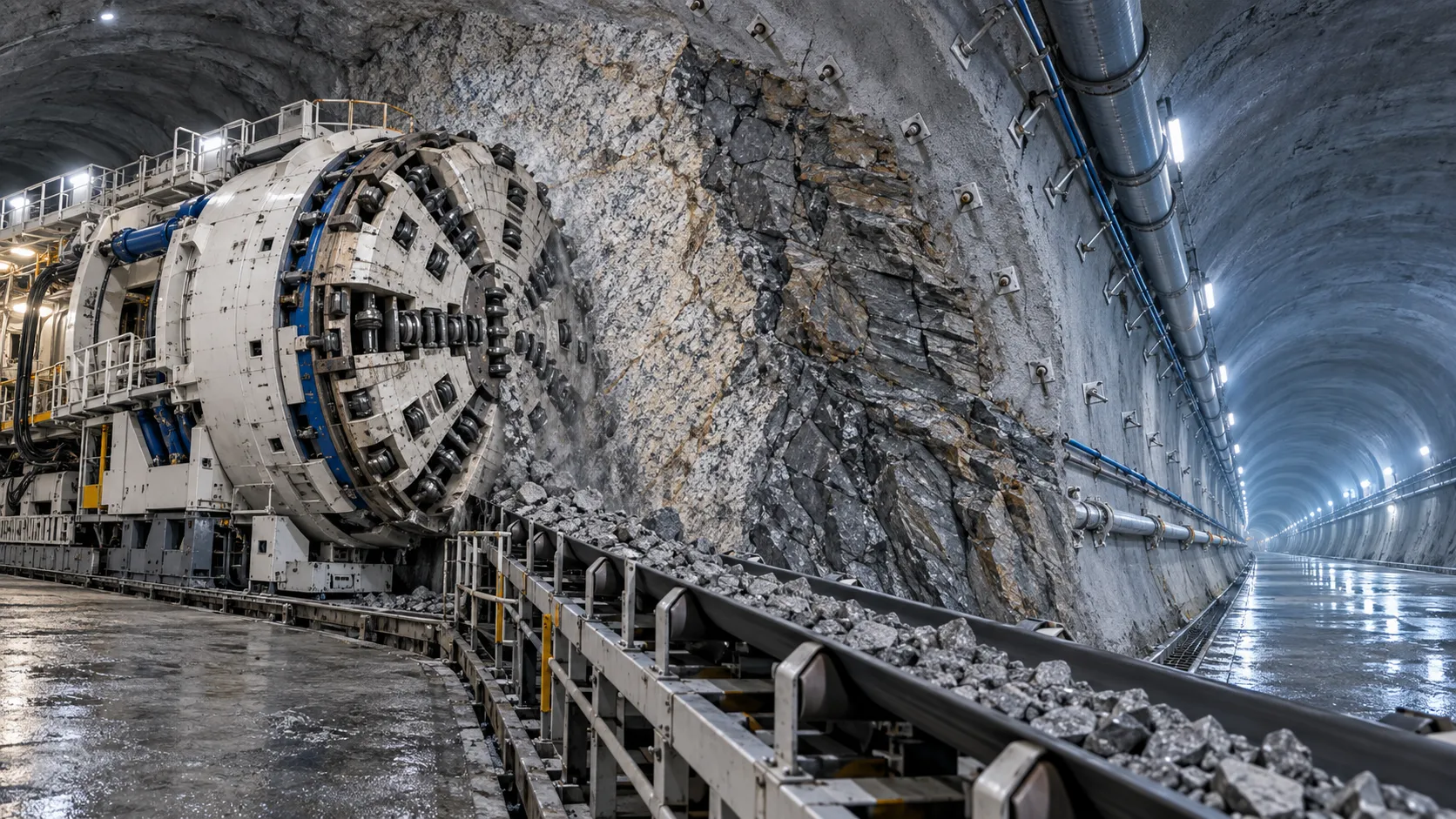
Hydropower Tunnel Excavation: Selecting Methods for Variable Rock Conditions
Hydropower tunnel excavation methods for variable rock conditions: compare TBM, drill-and-blast, and hybrid strategies to improve safety, progress, and project control.
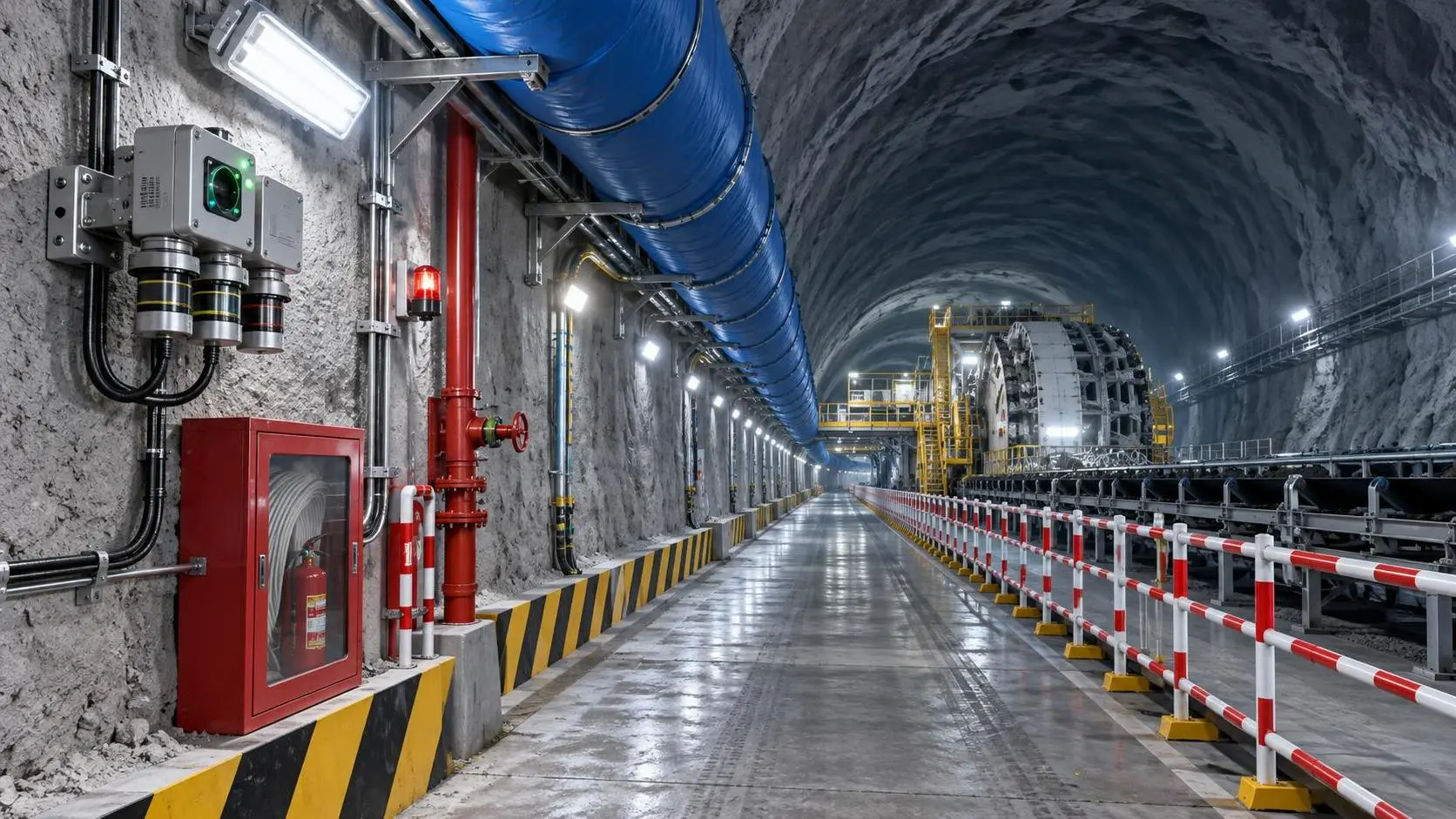
How to Select Underground Safety Equipment for Tunnelling by Hazard and Work Zone
Underground Safety Equipment for tunnelling: match protection to hazards, work zones, compliance, and emergency needs with this practical selection guide.
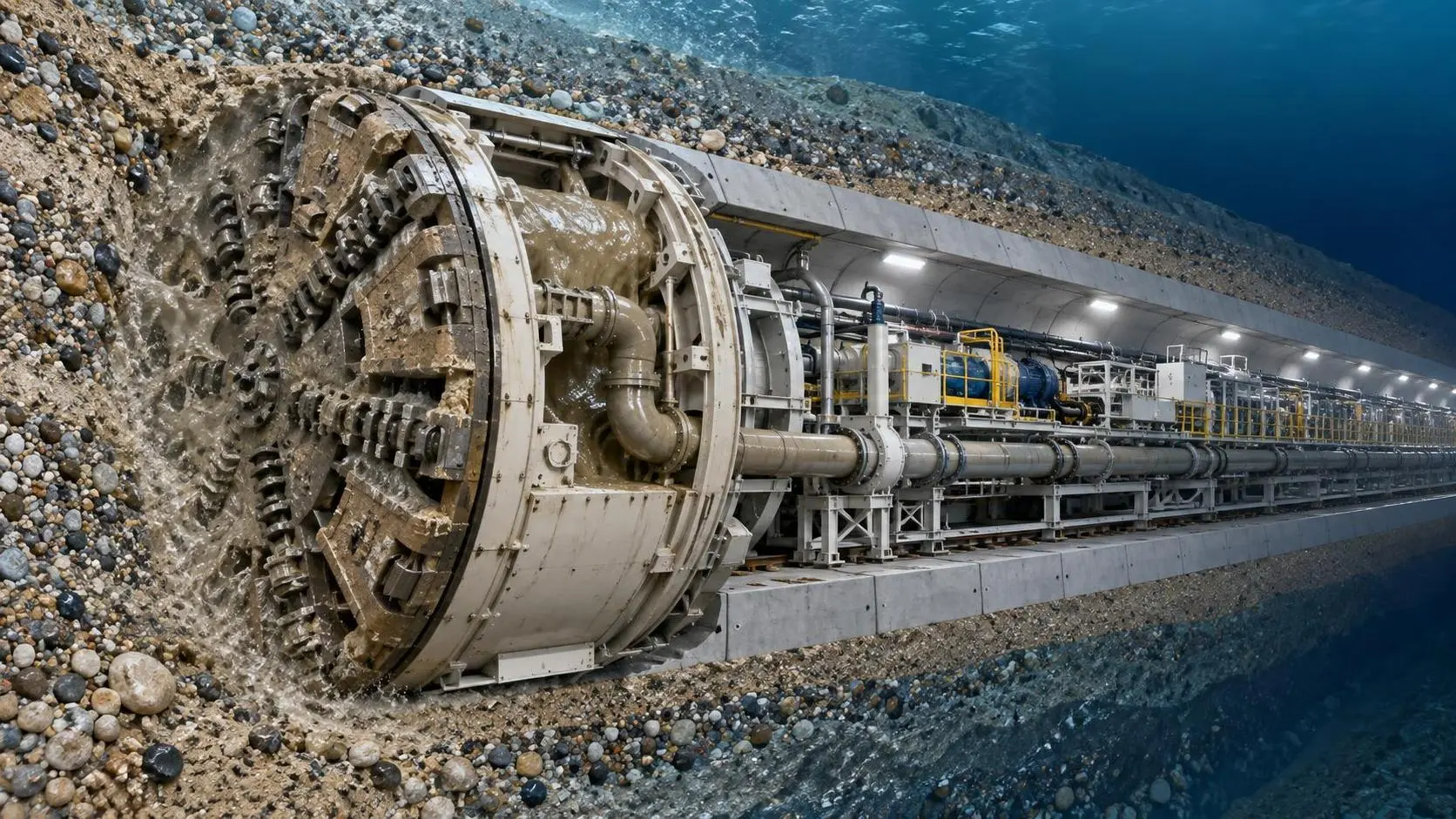
EPB or Slurry Shield? Selecting Soft-Ground Tunnelling Equipment by Soil Conditions
Tunnel Excavation Equipment for soft ground: compare EPB and slurry shields by soil, groundwater, settlement risk, and project logistics to choose confidently.
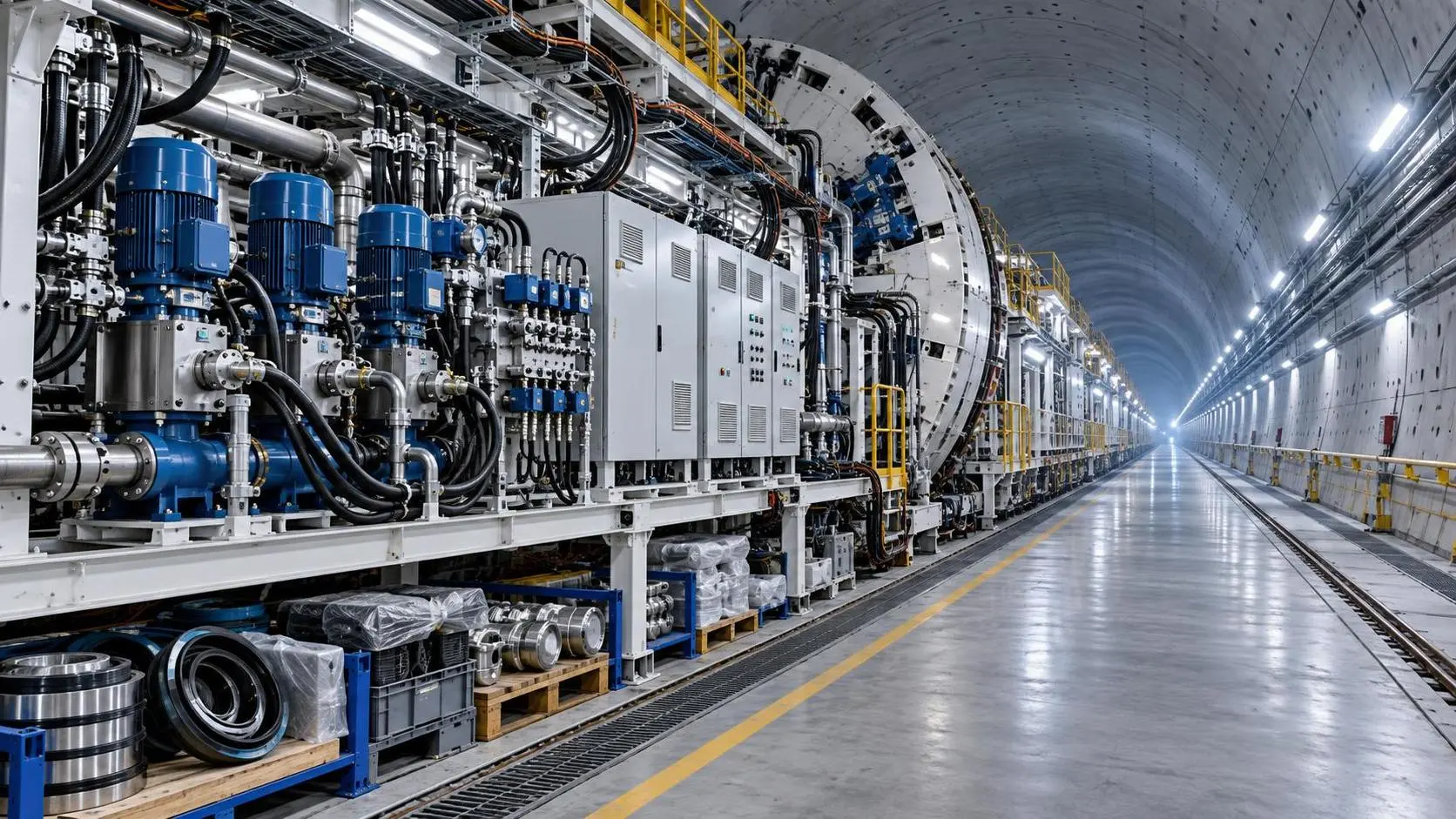
How to Specify TBM Backup System Parts for Reliable Long-Distance Tunnelling
TBM backup system parts: learn how to specify reliable spares for long-distance tunnelling, reduce downtime, ensure compatibility, and speed underground recovery.

How to Size Open Pit Mining Trucks for Haul Distance, Grade, and Payload?
Open Pit Mining Trucks: learn how to match payload, haul distance, grade, road resistance, and loading capacity for safer, lower-cost mine operations.
Related News
- 00
0000-00
How to Evaluate European Drill-and-Blast Tunnelling Contractors for Complex Projects - 00
0000-00
Which Trenchless Construction Technique Fits Your Utility Crossing Conditions? - 00
0000-00
What Is Driving Metro Tunnelling Demand Across Southeast Asia’s Major Cities? - 00
0000-00
Hard Rock Tunnelling in Australia: Selecting Methods for Variable Ground Conditions - 00
0000-00
Hydropower Tunnel Excavation: Selecting Methods for Variable Rock Conditions
Weekly Insights
Stay ahead with our curated technology reports delivered every Monday.