
How Regenerative Braking Works in Mining Vehicles and What Affects Energy Recovery





Regenerative Braking has moved from a useful feature to a serious performance indicator in electric mining vehicles. In underground ramps and long open-pit descents, braking strategy now affects energy cost, battery temperature, retarder wear, and operational safety at the same time.
That is why the topic matters across UTMD’s coverage of smart underground transport systems. As mines push electrification, automation, and zero-emission haulage deeper into confined spaces, the ability to recover energy on downhill cycles becomes a practical benchmark rather than a marketing claim.
What Regenerative Braking really does in mining vehicles
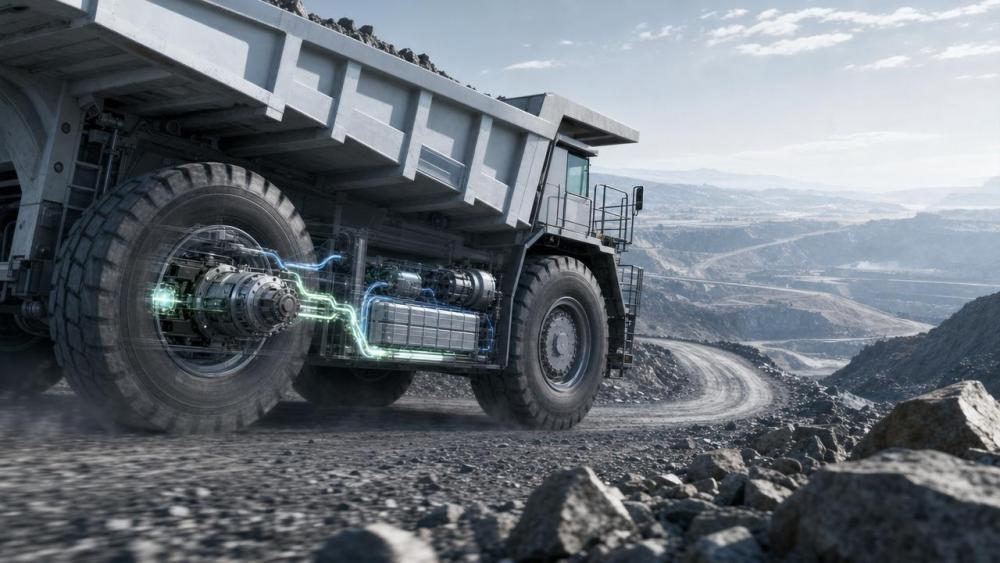
In simple terms, Regenerative Braking turns the traction motor into a generator during deceleration. Instead of wasting motion as heat alone, the vehicle converts part of its kinetic and gravitational energy into electricity.
That recovered electricity is usually sent back to the battery system. In some architectures, it may also support onboard electrical loads or work with intermediate power electronics before storage.
For mining dump trucks and underground LHD loaders, this is especially relevant on loaded downhill travel. A heavy vehicle descending a ramp carries large recoverable energy, but only part of it can be captured efficiently.
The rest still has to be managed through friction brakes, hydraulic braking, or dynamic retarding systems. So Regenerative Braking is not a total replacement for braking hardware. It is part of an integrated braking and energy management strategy.
Why the industry is paying closer attention
The interest is not only about saving electricity. In mining, recovered energy affects cycle economics, component life, heat rejection, ventilation demand, and even route planning.
Underground operations feel this most sharply. Less heat from friction braking can reduce thermal stress in enclosed tunnels. Less exhaust is already a benefit of electrification, but less brake heat also supports safer and more stable operating conditions.
Open-pit sites see another advantage. On long downhill hauls, repeated braking events can become a major source of wear and temperature buildup. Strong Regenerative Braking can lower dependence on service brakes and improve consistency over long shifts.
This is also why intelligence platforms such as UTMD increasingly track regenerative braking efficiency alongside autonomy, battery swapping, SLAM-enabled underground navigation, and electrified heavy haulage trends.
How the energy recovery process works on a haul cycle
A typical cycle begins with propulsion energy drawn from the battery. The motor delivers torque to move an unloaded or loaded machine through a ramp, drift, or haul road.
When the operator or control system requests deceleration, the inverter changes how the motor is controlled. The wheels then drive the motor, and the motor produces electrical power instead of consuming it.
That power must pass through the electrical system at a rate the battery can safely accept. If the battery is cold, nearly full, or already hot, charging limits may reduce the amount of recoverable energy.
In practice, the best recovery happens when several conditions align: enough vehicle mass, a sustained downhill segment, moderate speed, suitable battery state of charge, and a control strategy that keeps deceleration smooth.
Short, stop-and-go movement can still benefit from Regenerative Braking, but the total gain is usually smaller than on long controlled descents.
Core system elements behind the function
- Traction motor and gearbox, which convert wheel motion into electrical generation.
- Inverter and control software, which regulate torque, current, and deceleration feel.
- Battery pack and thermal system, which determine charging acceptance during braking.
- Brake blending logic, which balances regenerative and friction braking.
- Vehicle control and safety systems, which maintain traction and stability on grades.
What most affects Regenerative Braking efficiency
Energy recovery is always condition-dependent. Two vehicles with similar battery capacity can show very different results if their routes, payloads, or control limits are not the same.
Payload and gross vehicle weight
A loaded truck descending from a production face carries much more recoverable energy than an empty return trip. Heavier mass improves the recovery opportunity, but it also increases thermal and control demands.
Grade length and slope profile
Long, continuous ramps are favorable because they allow stable power generation over time. Sharp transitions, short declines, and uneven road conditions often reduce the practical share of captured energy.
Speed window and deceleration profile
Regenerative Braking is not equally effective at every speed. Very low speed can limit generation, while excessive speed may force the system to rely more heavily on conventional braking for control and safety.
Battery state of charge and temperature
This is often the hidden constraint in field evaluations. If the battery is near full charge, the system may have little room to accept more energy. If the battery is too cold or too hot, charging power can be restricted.
Traction conditions
Wet drifts, loose rock, or low-friction haul roads change how much retarding torque can be applied without wheel slip. In those cases, control software may reduce regenerative force to maintain stability.
System architecture and software tuning
Motor sizing, inverter capacity, cooling performance, and brake blending logic all matter. A well-tuned control strategy can make recovery smoother, safer, and more repeatable across shift conditions.
Where the value shows up in real operations
The business value of Regenerative Braking is broader than kilowatt-hours returned to the battery. In heavy-duty mining, recovered energy changes several operating variables at once.
One benefit is lower net energy consumption per tonne moved. Another is reduced brake wear, which can improve service intervals and lower unscheduled maintenance risk.
Thermal management is equally important. In underground fleets, less heat from braking can ease pressure on cooling systems and ventilation planning, which supports the broader ESG and electrification shift UTMD follows closely.
There is also a control benefit. Smooth regenerative retardation can improve vehicle behavior on long declines, especially when integrated with autonomous or semi-autonomous haulage logic.
What to check when comparing vehicle solutions
Headline recovery percentages rarely tell the full story. A useful evaluation starts with the mine profile, then tests whether the vehicle’s braking system matches that reality.
- Check recovery performance on loaded downhill cycles, not only blended average duty cycles.
- Ask for battery charge acceptance limits across temperature and state-of-charge ranges.
- Review brake blending logic and fallback behavior when regeneration is unavailable.
- Compare heat rejection data, especially for underground use in constrained ventilation environments.
- Look at how autonomy, traction control, and route design influence actual regenerative windows.
- Separate peak regenerative power from sustained downhill recovery performance.
It is also useful to ask how results were measured. Simulation outputs, short demonstrations, and full-shift site data can point to very different conclusions.
A practical way to frame next decisions
Regenerative Braking should be read as a site-specific capability, not a universal number. The right question is not whether a mining vehicle has regeneration, but how much controlled, repeatable recovery it can deliver under the mine’s real operating pattern.
For that reason, the next step is usually to map route gradient, payload distribution, braking events, battery operating window, and thermal constraints into one evaluation model. That creates a more reliable basis for comparing haulage platforms.
As electrified transport expands across dump trucks, underground LHDs, and other smart mining systems, Regenerative Braking will remain a decisive signal of design maturity. The more precisely it is measured in context, the better the equipment decision becomes.
Related News
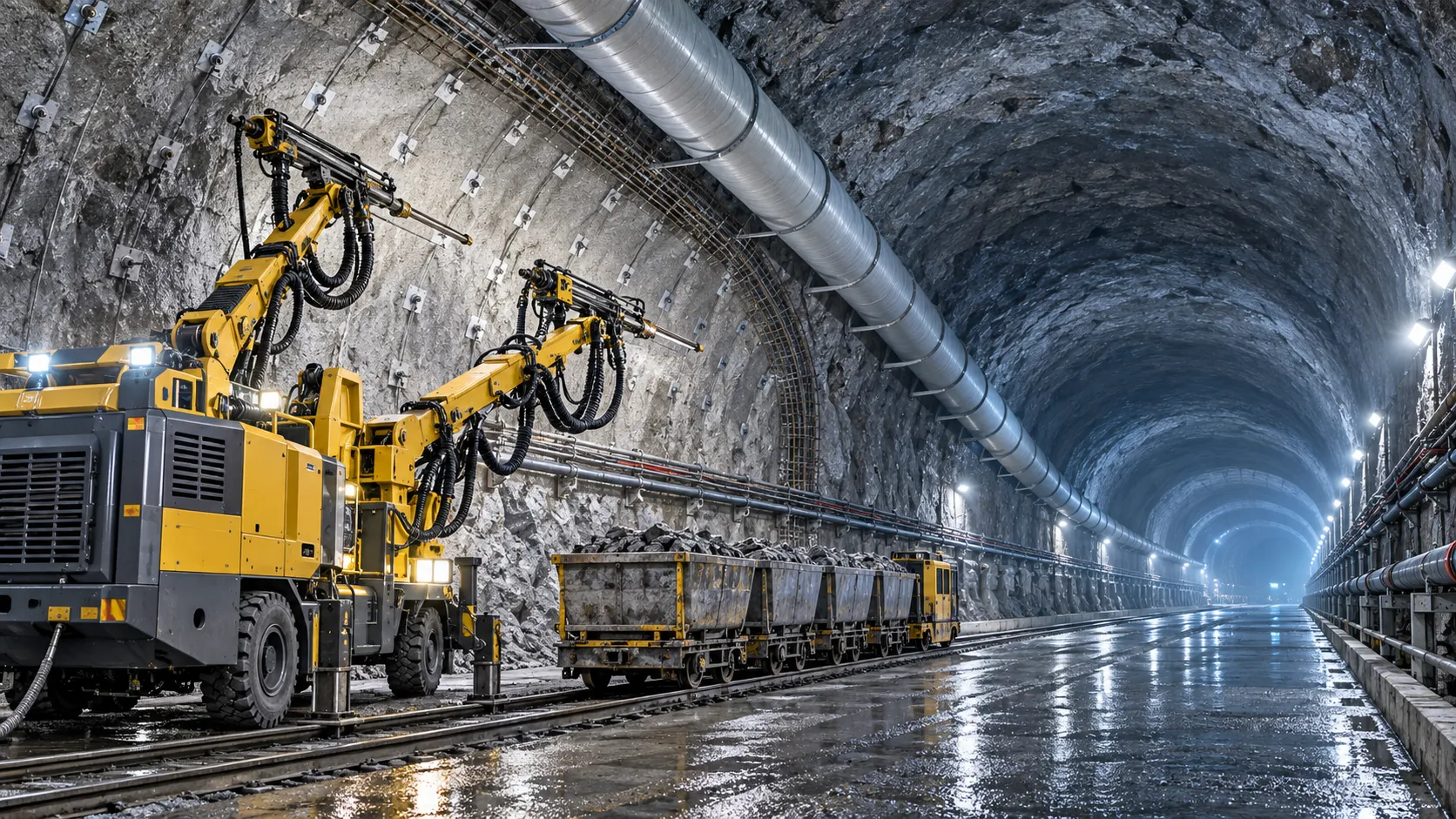
How to Evaluate European Drill-and-Blast Tunnelling Contractors for Complex Projects
Drill and blast tunnelling contractors Europe: learn how to assess geology expertise, blast control, equipment reliability, safety, and programme resilience for complex projects.
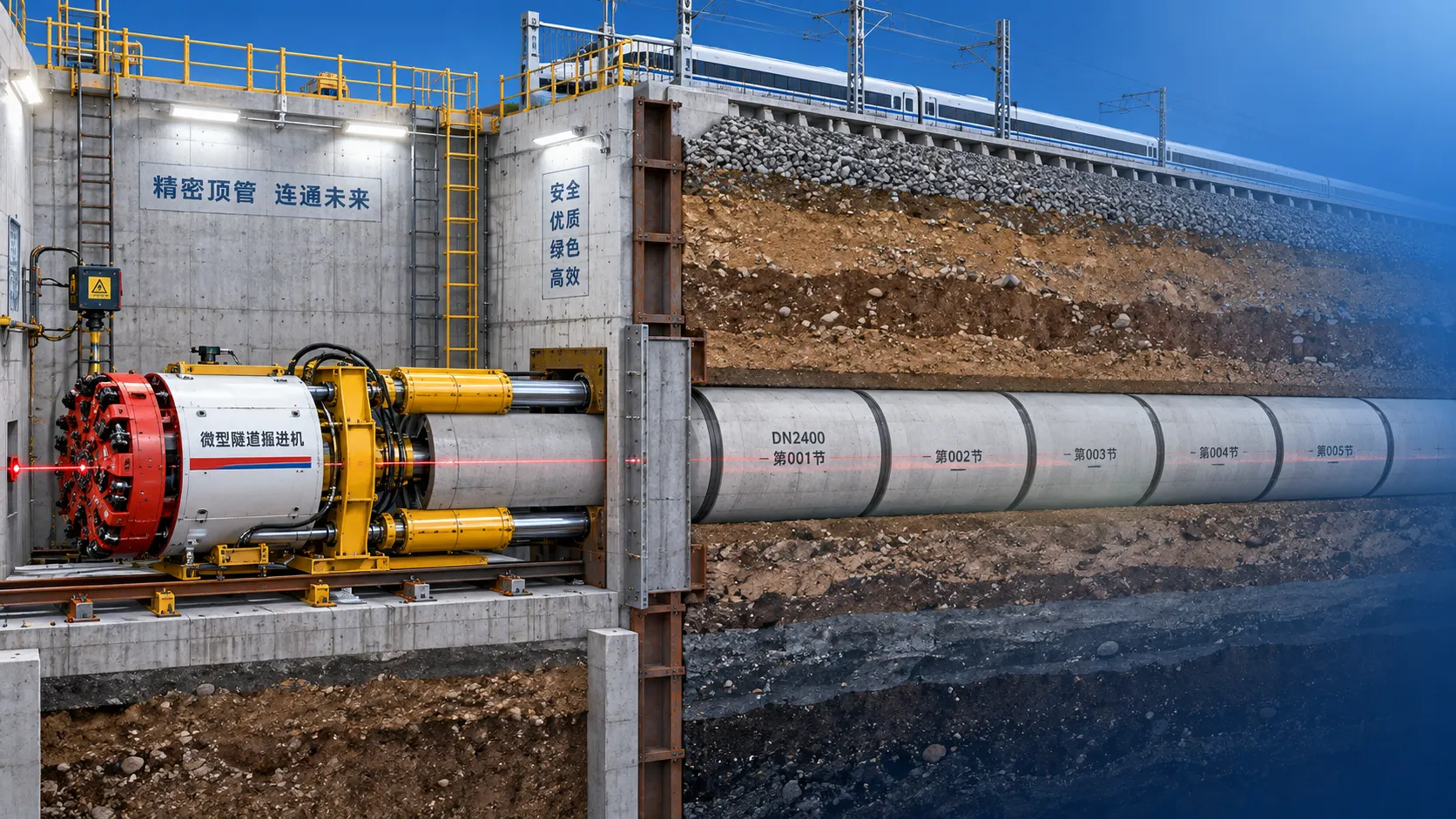
Which Trenchless Construction Technique Fits Your Utility Crossing Conditions?
Trenchless construction techniques compared for utility crossings: choose HDD, microtunnelling, pipe jacking, or auger boring based on ground, accuracy, access, and risk.
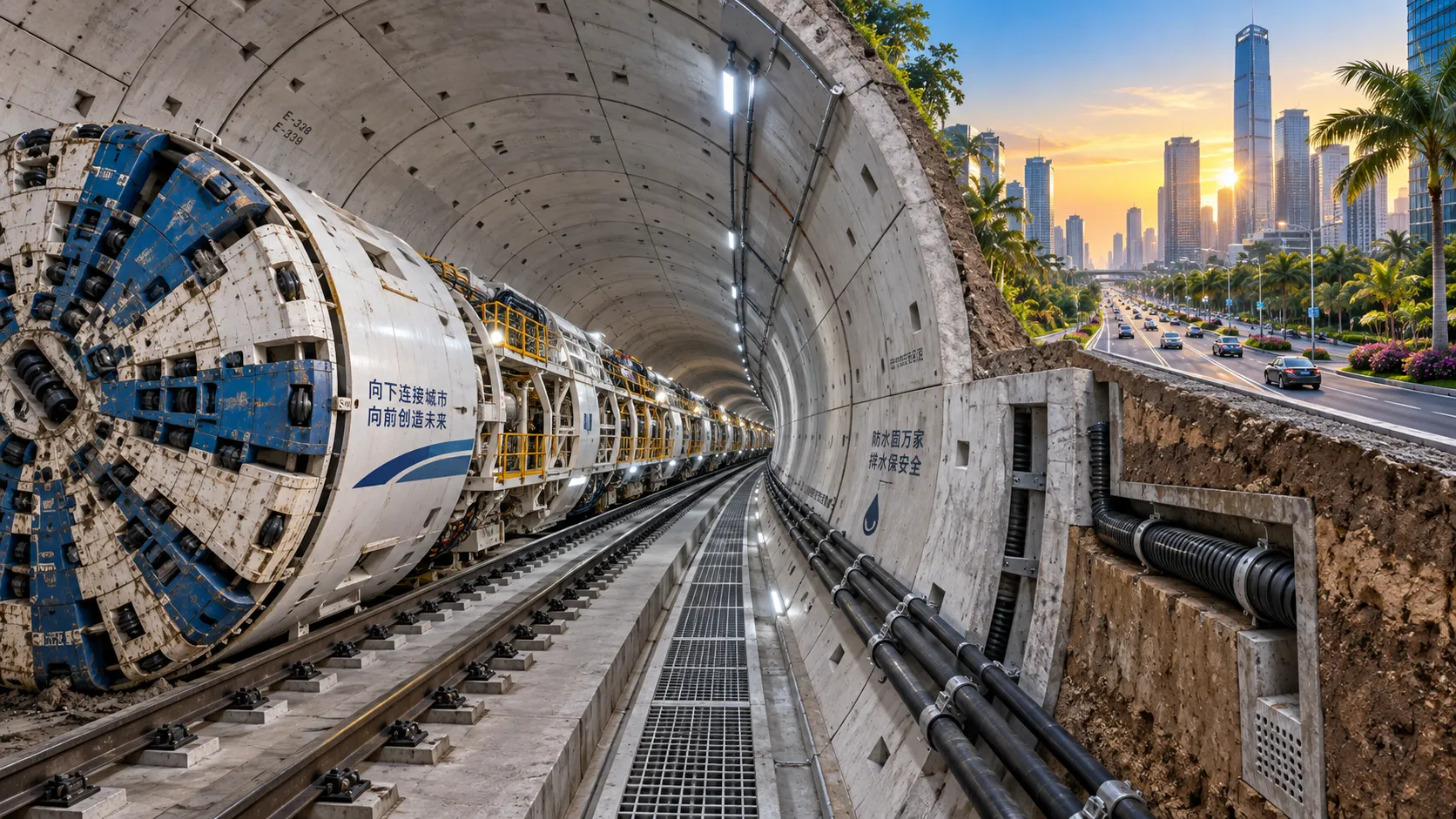
What Is Driving Metro Tunnelling Demand Across Southeast Asia’s Major Cities?
Metro tunnelling Southeast Asia is accelerating as major cities tackle congestion, flooding, and connectivity. Explore the market forces, technical risks, and opportunities shaping demand.
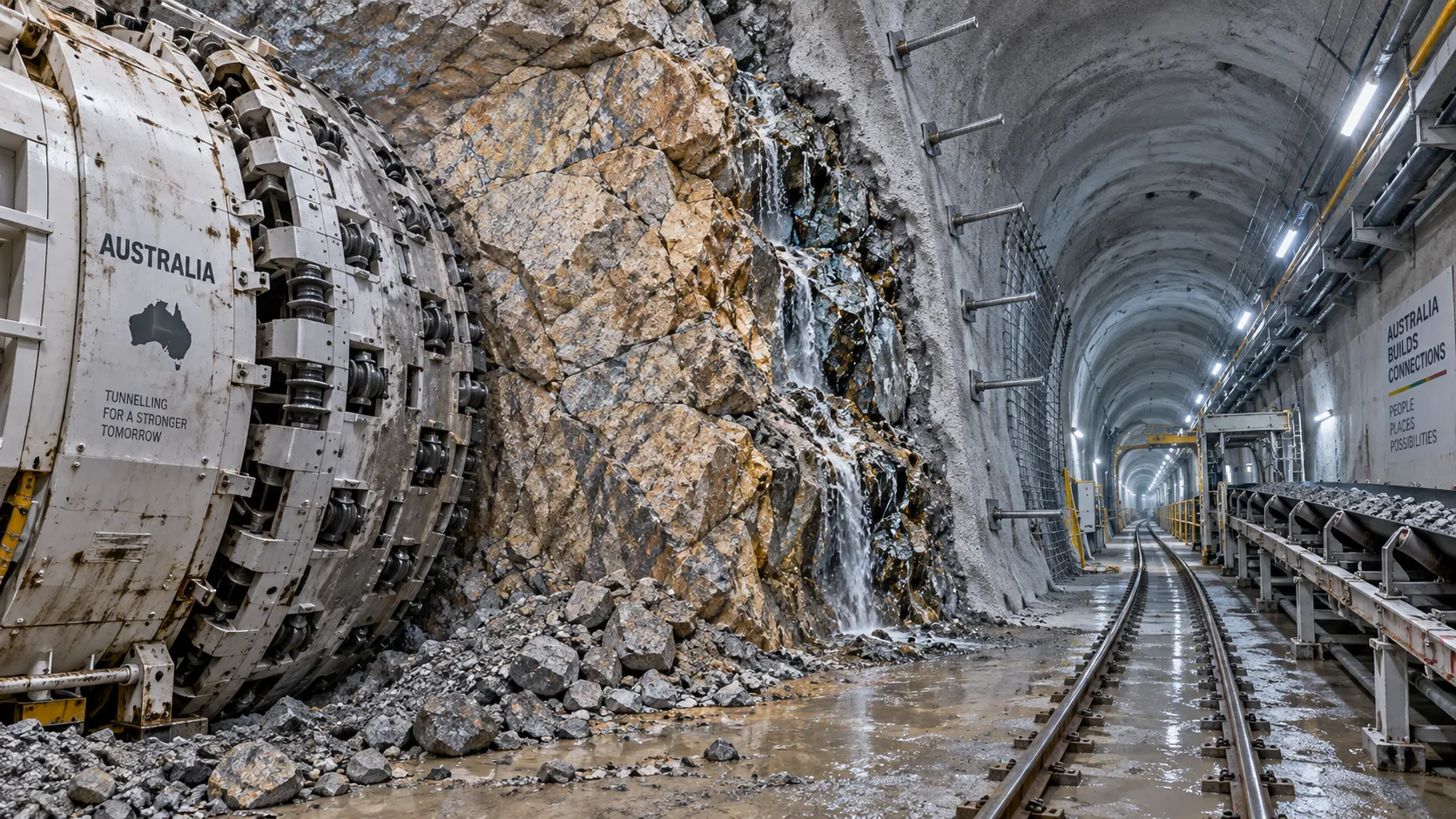
Hard Rock Tunnelling in Australia: Selecting Methods for Variable Ground Conditions
Hard rock tunnelling in Australia: compare TBM, drill-and-blast and hybrid methods to manage variable ground, reduce risk and protect project costs.
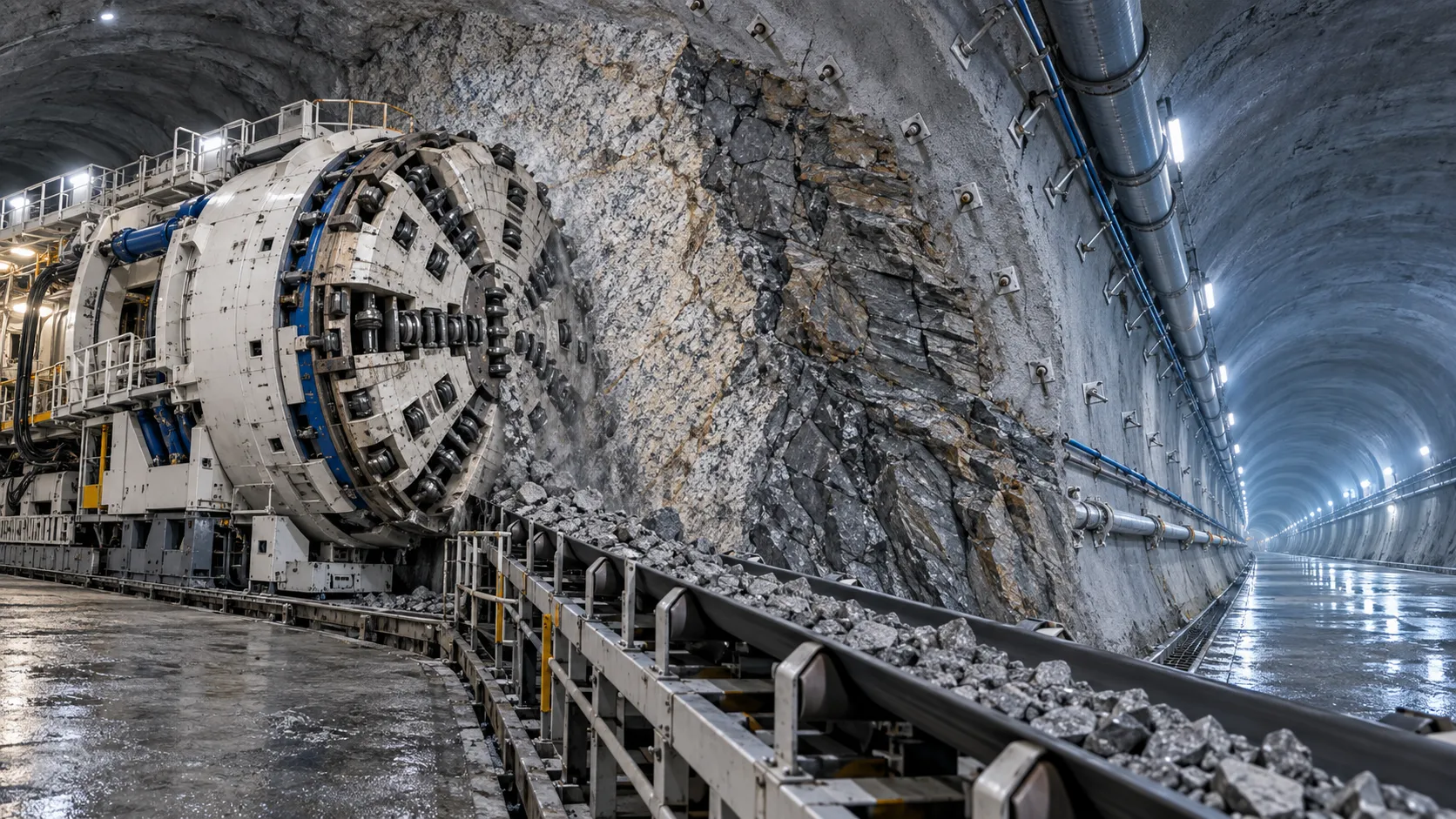
Hydropower Tunnel Excavation: Selecting Methods for Variable Rock Conditions
Hydropower tunnel excavation methods for variable rock conditions: compare TBM, drill-and-blast, and hybrid strategies to improve safety, progress, and project control.
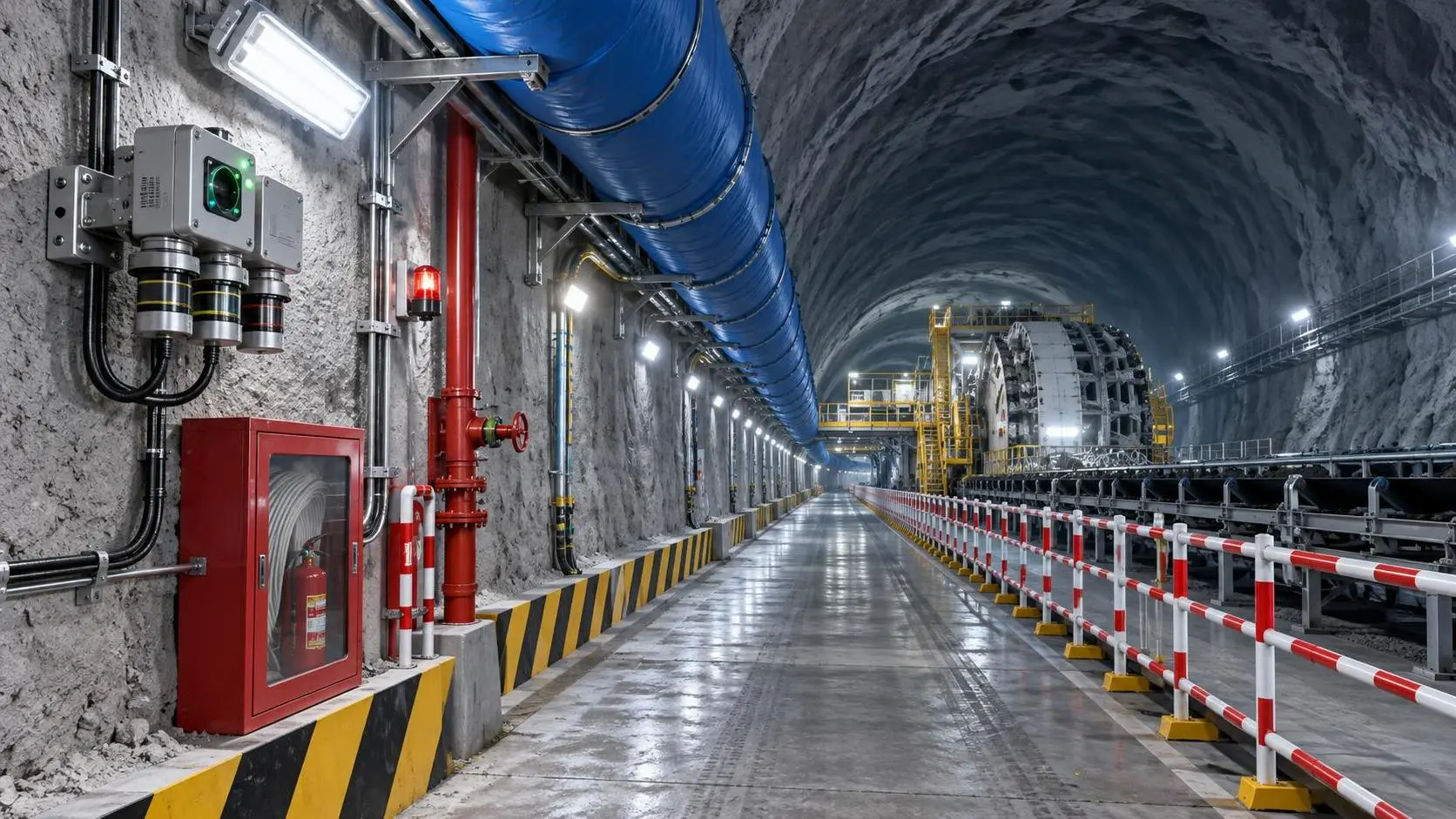
How to Select Underground Safety Equipment for Tunnelling by Hazard and Work Zone
Underground Safety Equipment for tunnelling: match protection to hazards, work zones, compliance, and emergency needs with this practical selection guide.
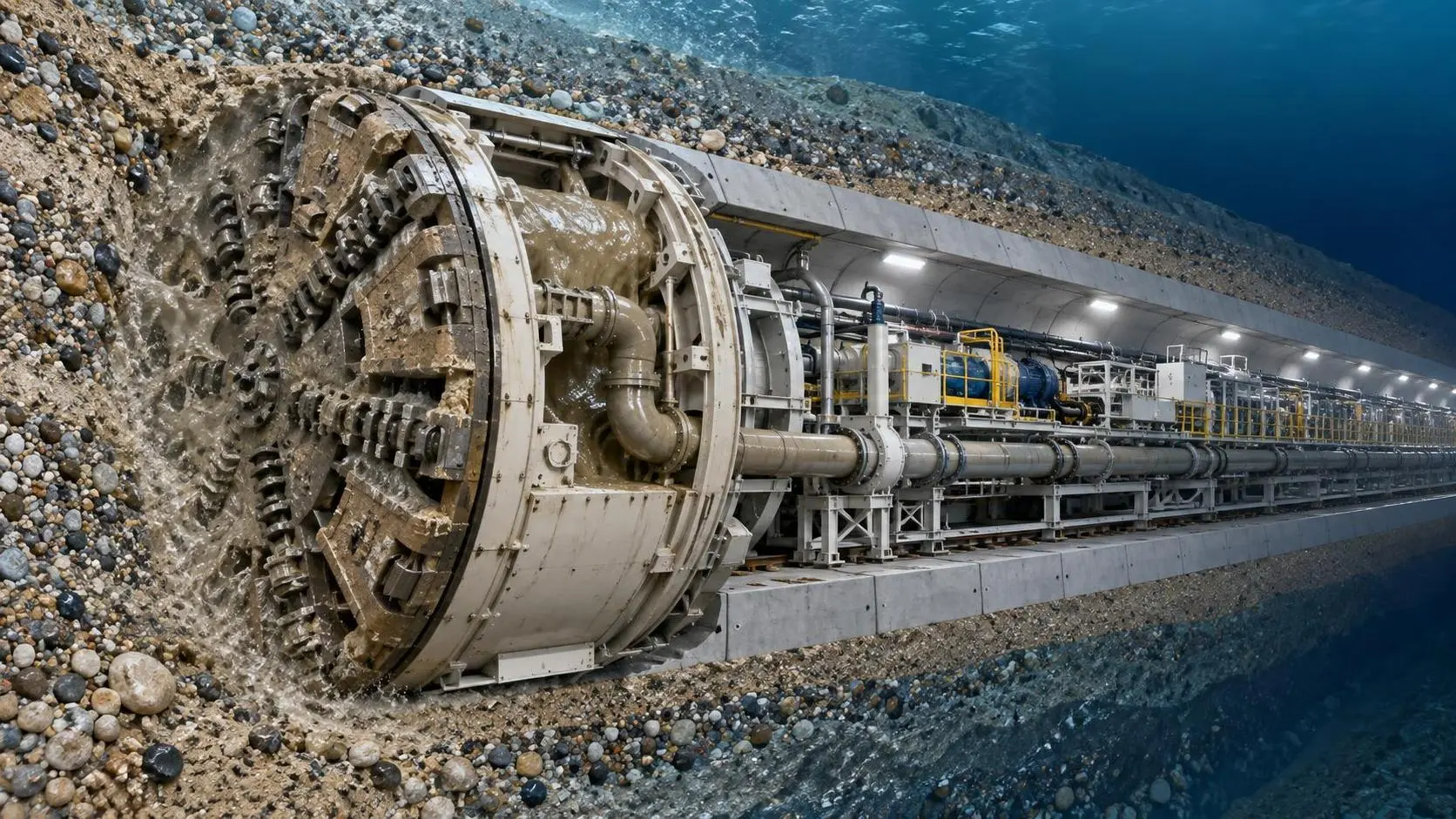
EPB or Slurry Shield? Selecting Soft-Ground Tunnelling Equipment by Soil Conditions
Tunnel Excavation Equipment for soft ground: compare EPB and slurry shields by soil, groundwater, settlement risk, and project logistics to choose confidently.
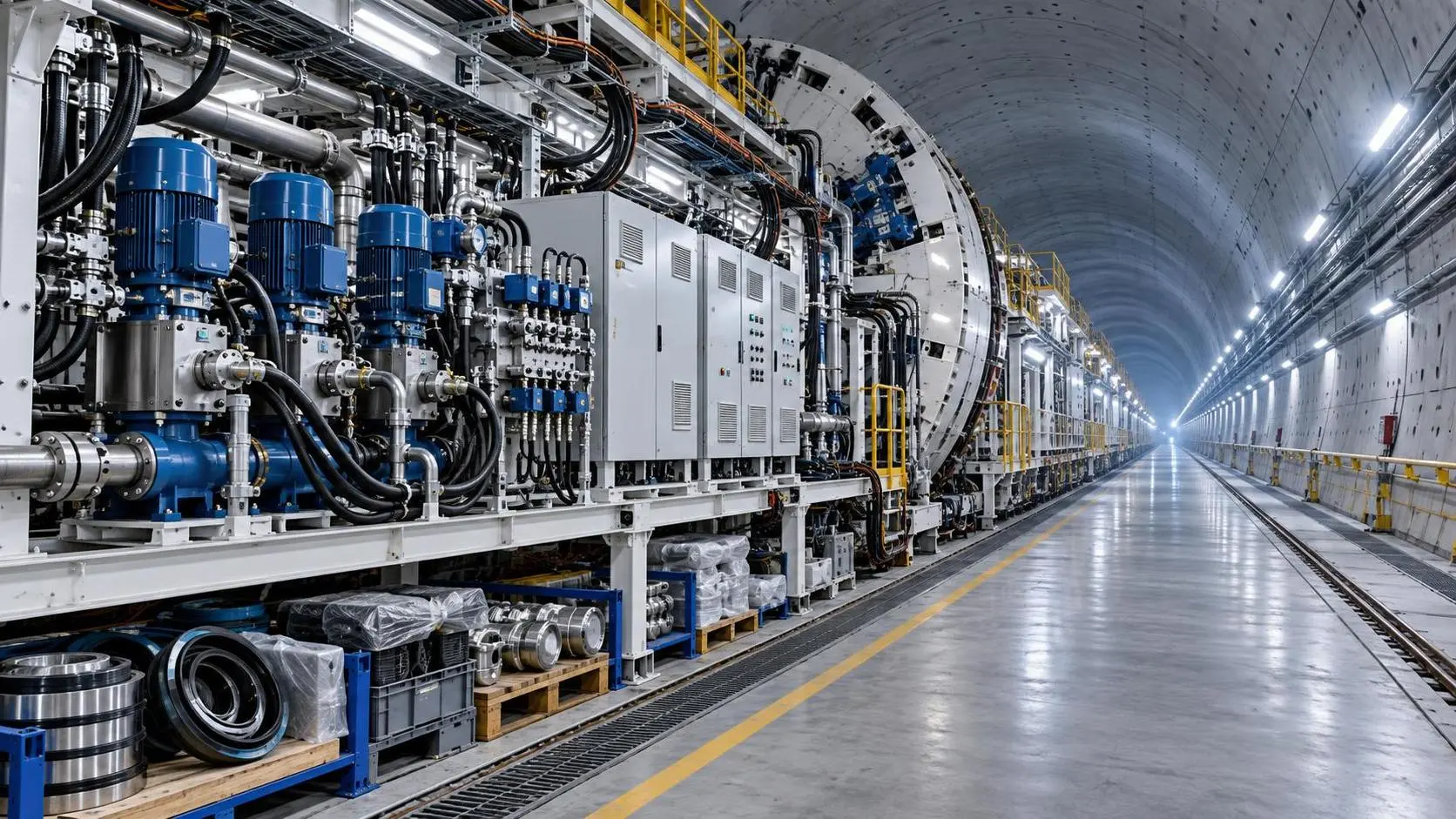
How to Specify TBM Backup System Parts for Reliable Long-Distance Tunnelling
TBM backup system parts: learn how to specify reliable spares for long-distance tunnelling, reduce downtime, ensure compatibility, and speed underground recovery.

How to Size Open Pit Mining Trucks for Haul Distance, Grade, and Payload?
Open Pit Mining Trucks: learn how to match payload, haul distance, grade, road resistance, and loading capacity for safer, lower-cost mine operations.
Related News
- 00
0000-00
How to Evaluate European Drill-and-Blast Tunnelling Contractors for Complex Projects - 00
0000-00
Which Trenchless Construction Technique Fits Your Utility Crossing Conditions? - 00
0000-00
What Is Driving Metro Tunnelling Demand Across Southeast Asia’s Major Cities? - 00
0000-00
Hard Rock Tunnelling in Australia: Selecting Methods for Variable Ground Conditions - 00
0000-00
Hydropower Tunnel Excavation: Selecting Methods for Variable Rock Conditions
Weekly Insights
Stay ahead with our curated technology reports delivered every Monday.