
How to compare autonomous mining trucks OEM options





Choosing among Autonomous Mining Trucks OEM options requires more than comparing payload, price, or brand reputation. In mining and underground engineering, the decision affects safety, energy efficiency, uptime, and digital transformation speed.
A structured comparison helps align truck capability with haul profiles, mine plans, emission targets, and automation readiness. It also reduces integration risk across dispatch systems, charging infrastructure, maintenance workflows, and mixed fleets.
For intelligence-driven sectors tracked by UTMD, evaluating Autonomous Mining Trucks OEM suppliers means balancing technology depth with field reliability. The best choice is usually the one that performs consistently under real site constraints.
Definition and evaluation scope of Autonomous Mining Trucks OEM
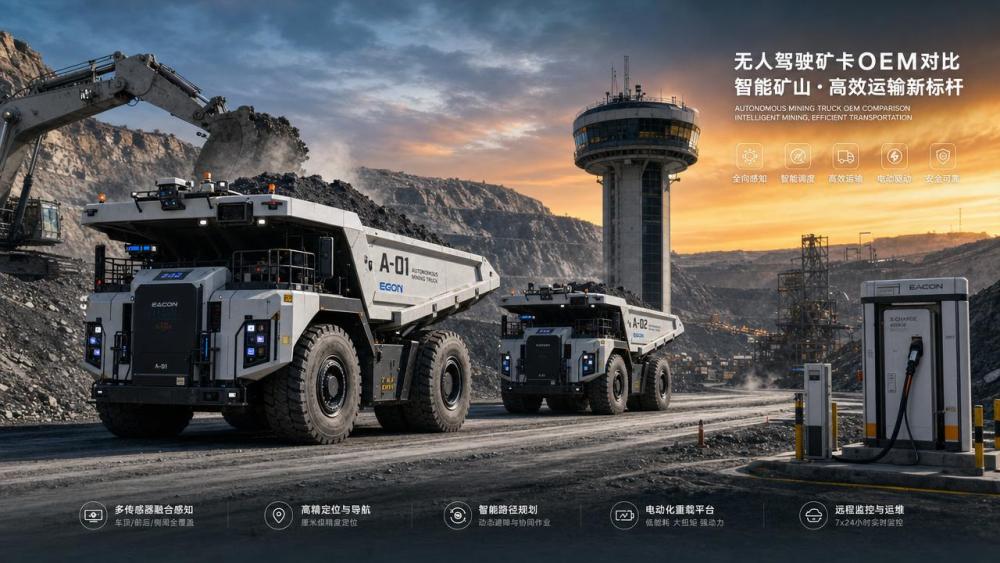
Autonomous Mining Trucks OEM refers to original equipment manufacturers that design, build, and support haul trucks with autonomous or semi-autonomous operating capability for mining environments.
These OEMs may offer diesel, trolley-assist, battery-electric, or hybrid platforms. Their autonomy stacks usually include perception sensors, positioning, fleet control software, onboard compute, and remote supervision tools.
A meaningful comparison should cover the full operating system, not only the truck chassis. In practice, the Autonomous Mining Trucks OEM decision includes vehicles, software, communications, safety logic, and lifecycle services.
It is also important to separate marketing claims from deployment maturity. Some suppliers have proven autonomous haulage at scale, while others remain stronger in pilot projects or selective mine conditions.
Core components to compare
- Truck platform and payload class
- Autonomy hardware and software maturity
- Zero-emission roadmap and charging strategy
- Interoperability with existing mine systems
- Safety certification and fail-safe architecture
- Parts support, training, and remote diagnostics
Current market signals shaping OEM comparison
The Autonomous Mining Trucks OEM landscape is changing quickly. Electrification mandates, ESG reporting pressure, labor constraints, and deeper mine development are pushing operators to compare suppliers more rigorously.
Open-pit mines still dominate large autonomous haul deployments. However, lessons from underground automation, remote operations, and battery systems increasingly influence surface truck purchasing criteria.
These signals show why Autonomous Mining Trucks OEM evaluation now extends beyond procurement cost. The stronger long-term option often combines autonomous readiness with practical mine deployment support.
Business value of a structured OEM comparison
A disciplined Autonomous Mining Trucks OEM review protects capital and reduces transition risk. It creates a clearer basis for comparing technical promises with measurable operating outcomes.
One major value point is uptime. Autonomous trucks only deliver expected productivity when software, sensors, site networks, and maintenance routines work as one coordinated system.
Another value point is energy performance. Battery-electric and trolley-capable models can improve cost per tonne, but only if the haul route, grade profile, and charging windows support the design.
A structured review also helps compare roadmap stability. Some OEMs have stronger autonomy today, while others may lead in future electrification, modular upgrades, or underground-to-surface technology transfer.
Key value areas
- Safer haulage through controlled routing and monitored behavior
- Lower variability in cycle times and shift performance
- Better alignment with decarbonization targets
- Improved planning for digital mine expansion
- More predictable support and maintenance budgets
Practical criteria for comparing Autonomous Mining Trucks OEM suppliers
The most effective comparison uses weighted criteria tied to actual mine conditions. A desert copper mine, a cold-region iron ore site, and a deep ramp operation will not rank suppliers the same way.
1. Automation maturity
Ask whether autonomy is commercially deployed or still pilot-heavy. Compare fleet hours, number of active sites, intervention frequency, and performance in dust, rain, fog, and low-visibility situations.
2. Platform fit and payload range
Check whether the truck class matches haul distances, loading tool compatibility, road width, and dumping geometry. Oversized units can create hidden infrastructure costs and underuse available capacity.
3. Electrification pathway
Review battery chemistry, charging speed, regenerative braking performance, thermal control, and power infrastructure needs. For diesel fleets, compare retrofit options and future transition compatibility.
4. Interoperability and data architecture
The Autonomous Mining Trucks OEM should integrate with dispatch, traffic control, maintenance software, and analytics platforms. Open APIs and practical data ownership terms matter as much as hardware quality.
5. Safety systems and governance
Compare obstacle detection layers, geofencing, braking redundancy, remote stop logic, and manual takeover procedures. The best systems are understandable, auditable, and proven under operational stress.
6. Service support and lifecycle cost
Include spare parts access, technician availability, software updates, training programs, and warranty structures. Lower purchase price may become costly if critical modules have long downtime exposure.
Typical comparison scenarios and fleet categories
Autonomous Mining Trucks OEM choices usually vary by haul environment, mine life, and expansion timing. Segmenting the comparison by scenario produces more realistic supplier rankings.
- Large open-pit mines needing fully autonomous high-payload haulage
- Operations transitioning from diesel to battery-electric fleets
- Remote mines with weak service access and harsh climate exposure
- Mixed fleets requiring third-party system compatibility
- New greenfield projects building autonomy from the start
In each case, the Autonomous Mining Trucks OEM should be judged against site-specific constraints. A technically advanced truck may still rank lower if infrastructure needs exceed project timing or budget.
Implementation guidance and decision safeguards
Start with a baseline map of current haul cycles, road conditions, maintenance bottlenecks, and fuel or power use. This creates a factual benchmark for comparing OEM proposals.
Request field evidence, not only brochures. Ask for deployment case histories, autonomy uptime metrics, software update frequency, and incident response procedures from similar mining conditions.
Use staged validation. Begin with simulation, move to pilot operation, then evaluate expansion readiness across a broader production fleet. This lowers risk when selecting an Autonomous Mining Trucks OEM partner.
Commercial review should include contract flexibility, cybersecurity obligations, data governance, and future upgrade rights. Autonomous haulage value depends heavily on how the relationship evolves after commissioning.
Practical checklist
- Define target production, route profile, and emission pathway
- Set weighted technical and commercial evaluation criteria
- Verify deployment references in comparable mine conditions
- Model total cost of ownership over the asset lifecycle
- Test interoperability with current digital mine systems
- Confirm local support depth before final selection
Next-step framework for smarter OEM selection
The strongest Autonomous Mining Trucks OEM decision comes from evidence, not brand familiarity alone. Compare suppliers through automation maturity, energy strategy, integration strength, safety design, and lifecycle support.
For sectors monitored by UTMD, this approach aligns heavy haulage investment with broader trends in electrification, smart mine control, and reliable underground and surface equipment modernization.
Build a short list, score it against real operating priorities, and validate claims through reference cases and pilot data. That process creates a practical path to long-term value from any Autonomous Mining Trucks OEM evaluation.
Related News
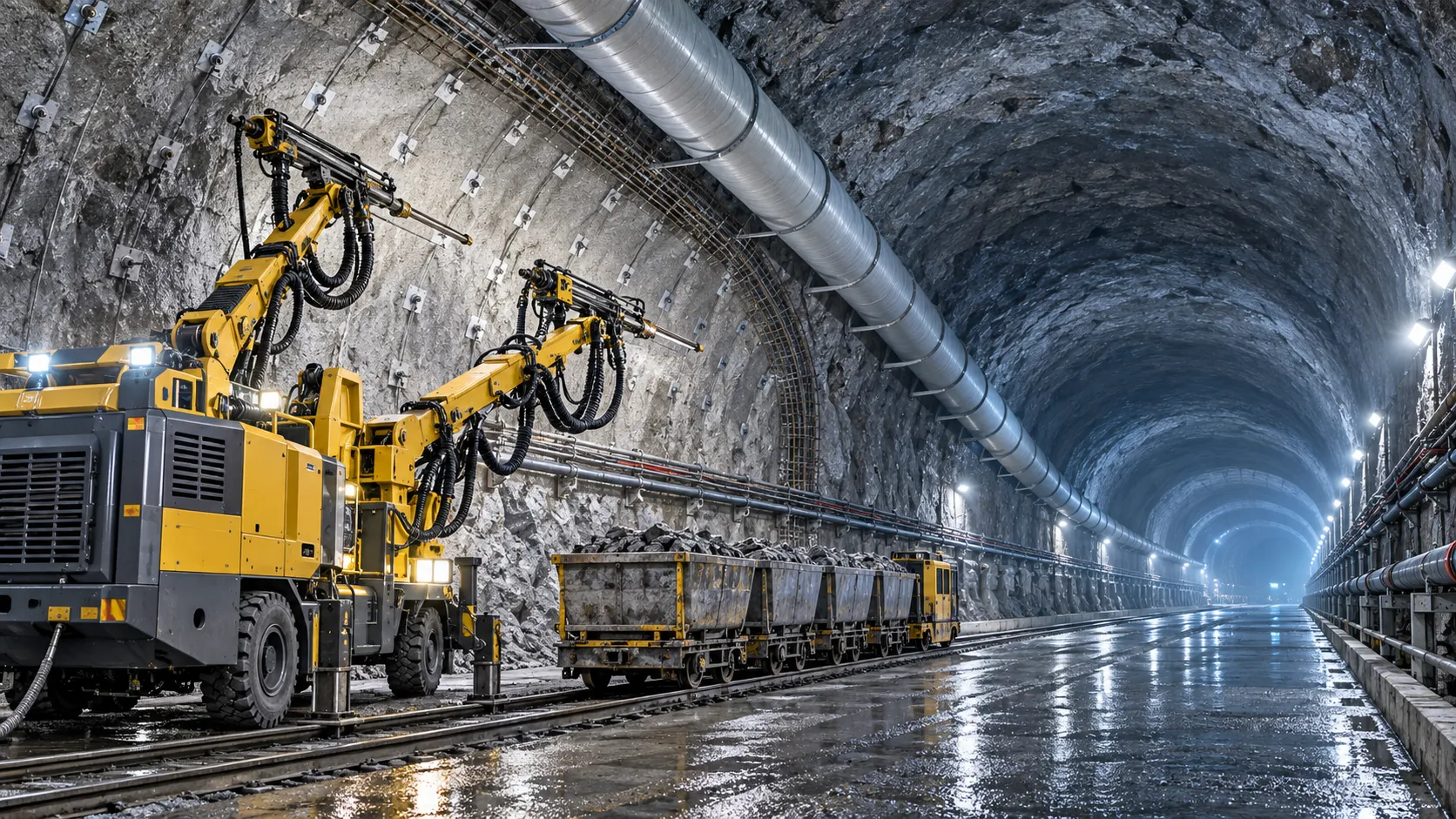
How to Evaluate European Drill-and-Blast Tunnelling Contractors for Complex Projects
Drill and blast tunnelling contractors Europe: learn how to assess geology expertise, blast control, equipment reliability, safety, and programme resilience for complex projects.
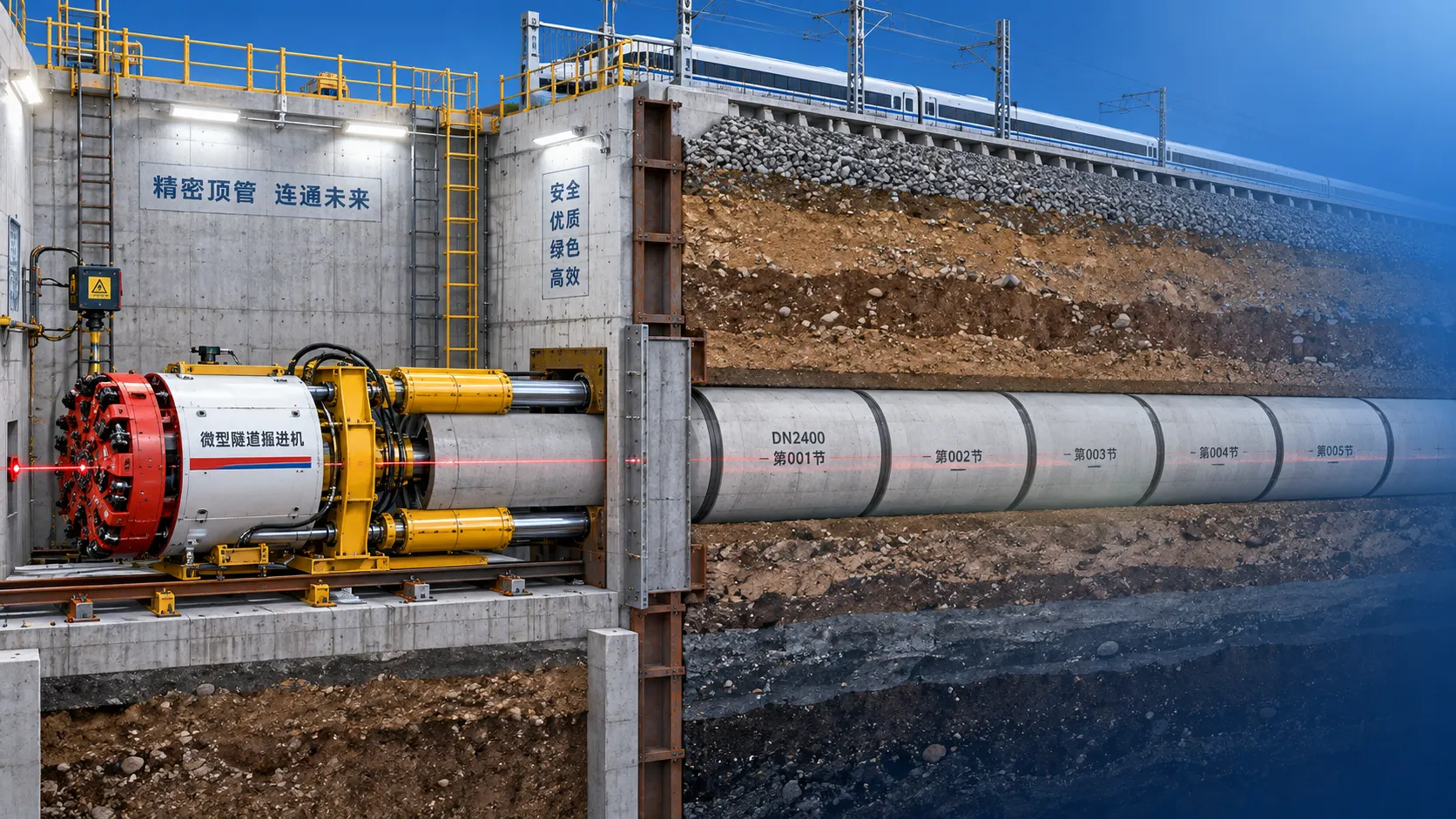
Which Trenchless Construction Technique Fits Your Utility Crossing Conditions?
Trenchless construction techniques compared for utility crossings: choose HDD, microtunnelling, pipe jacking, or auger boring based on ground, accuracy, access, and risk.

What Is Driving Metro Tunnelling Demand Across Southeast Asia’s Major Cities?
Metro tunnelling Southeast Asia is accelerating as major cities tackle congestion, flooding, and connectivity. Explore the market forces, technical risks, and opportunities shaping demand.
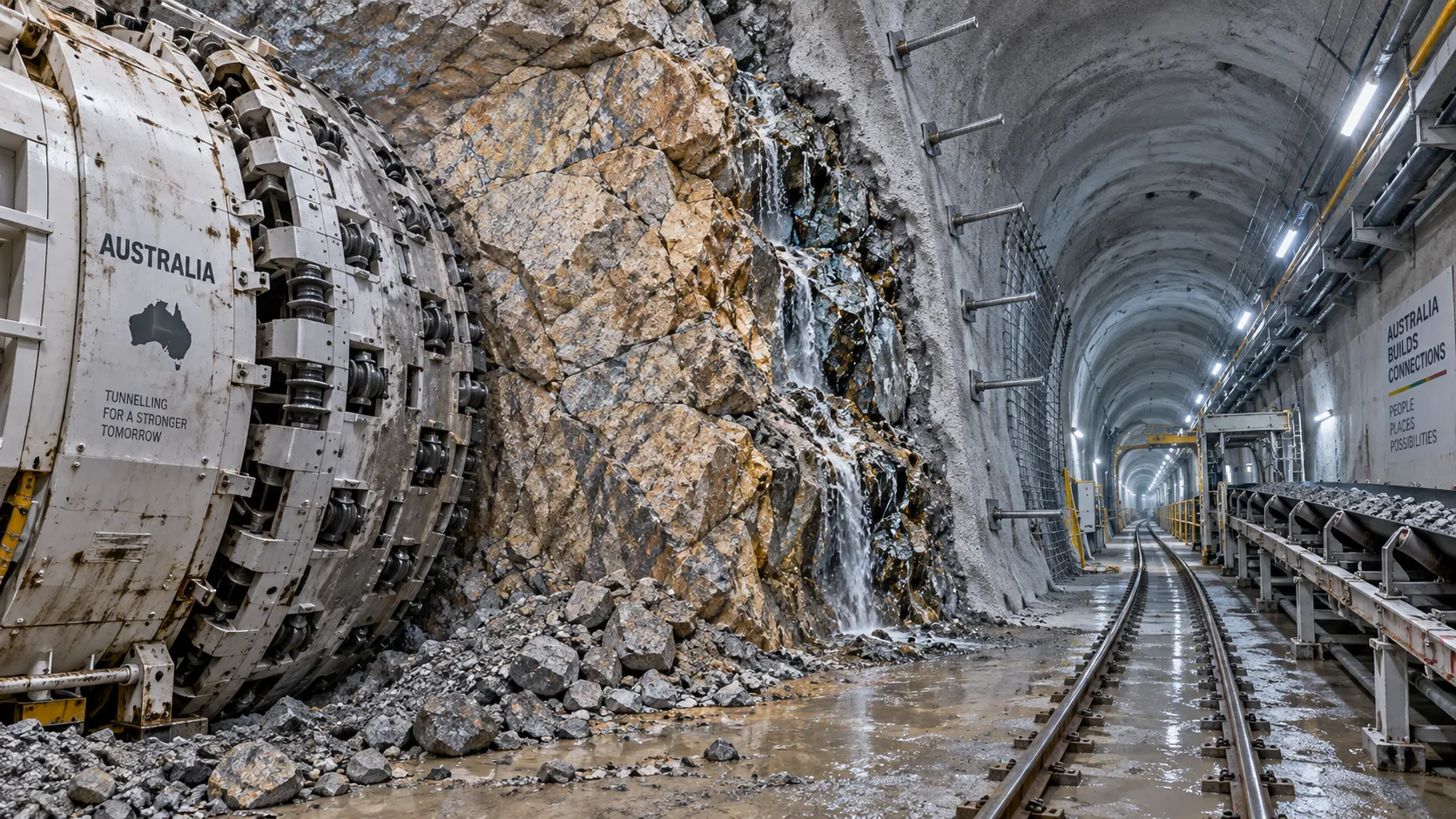
Hard Rock Tunnelling in Australia: Selecting Methods for Variable Ground Conditions
Hard rock tunnelling in Australia: compare TBM, drill-and-blast and hybrid methods to manage variable ground, reduce risk and protect project costs.
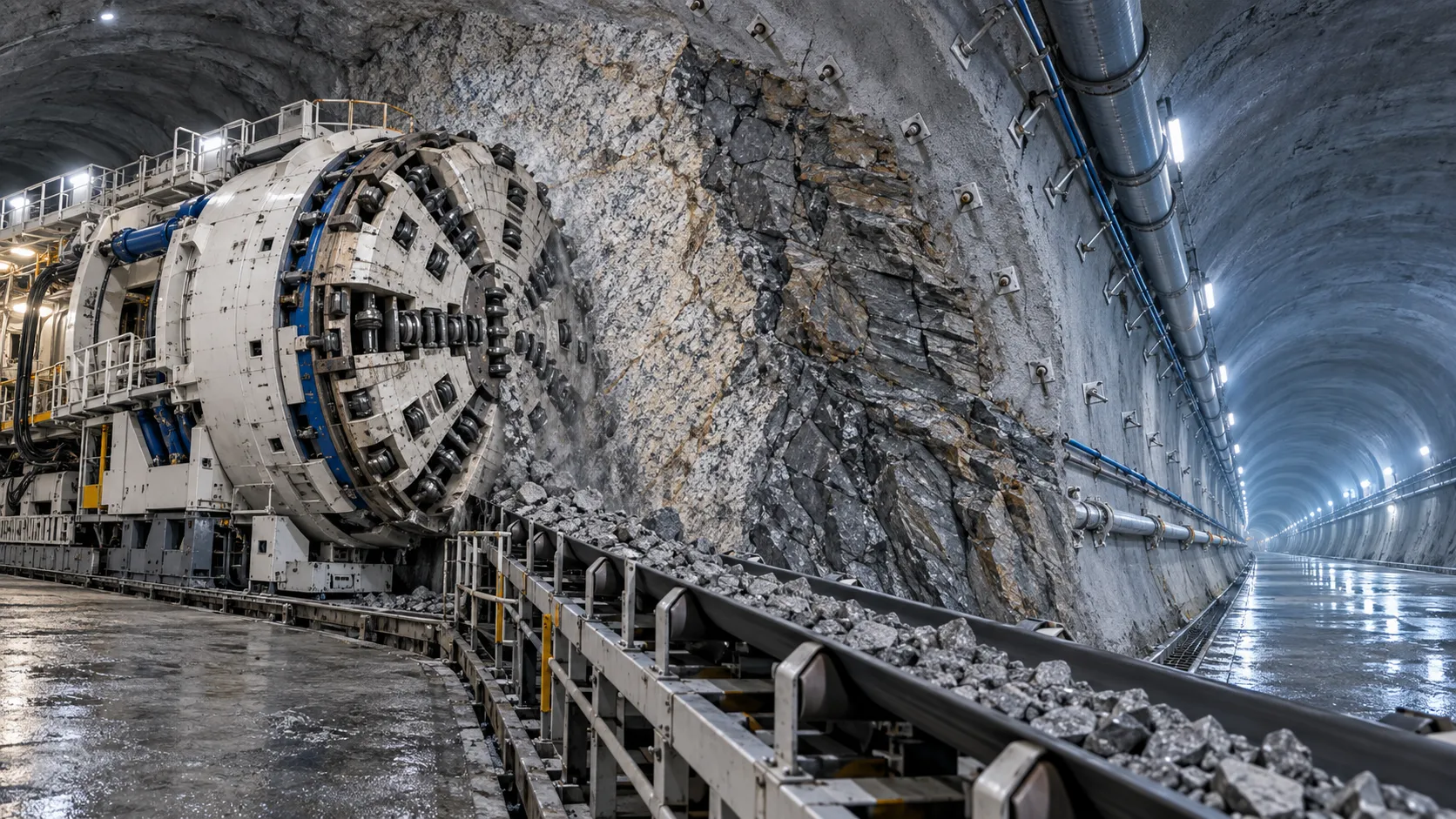
Hydropower Tunnel Excavation: Selecting Methods for Variable Rock Conditions
Hydropower tunnel excavation methods for variable rock conditions: compare TBM, drill-and-blast, and hybrid strategies to improve safety, progress, and project control.
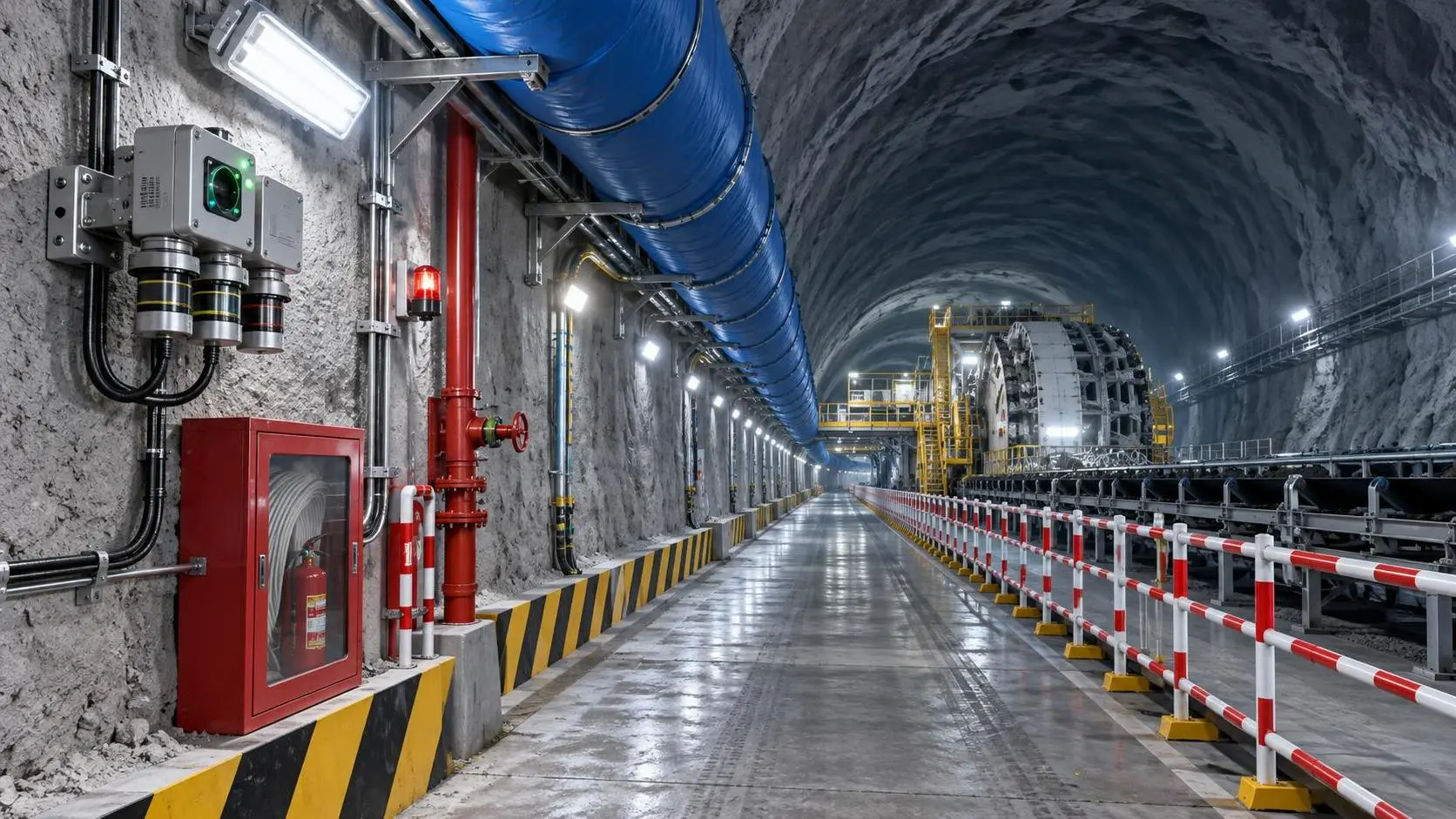
How to Select Underground Safety Equipment for Tunnelling by Hazard and Work Zone
Underground Safety Equipment for tunnelling: match protection to hazards, work zones, compliance, and emergency needs with this practical selection guide.
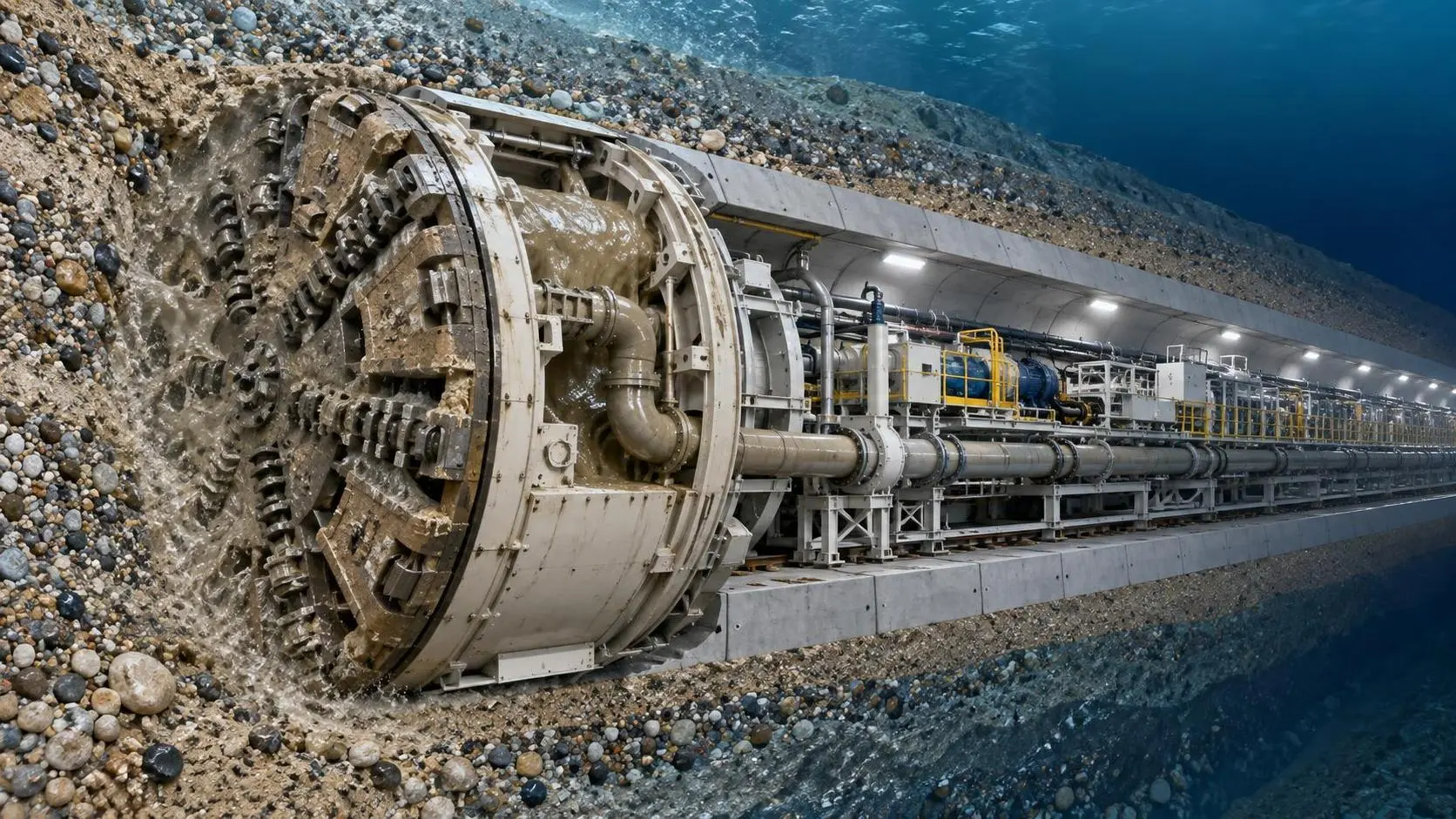
EPB or Slurry Shield? Selecting Soft-Ground Tunnelling Equipment by Soil Conditions
Tunnel Excavation Equipment for soft ground: compare EPB and slurry shields by soil, groundwater, settlement risk, and project logistics to choose confidently.
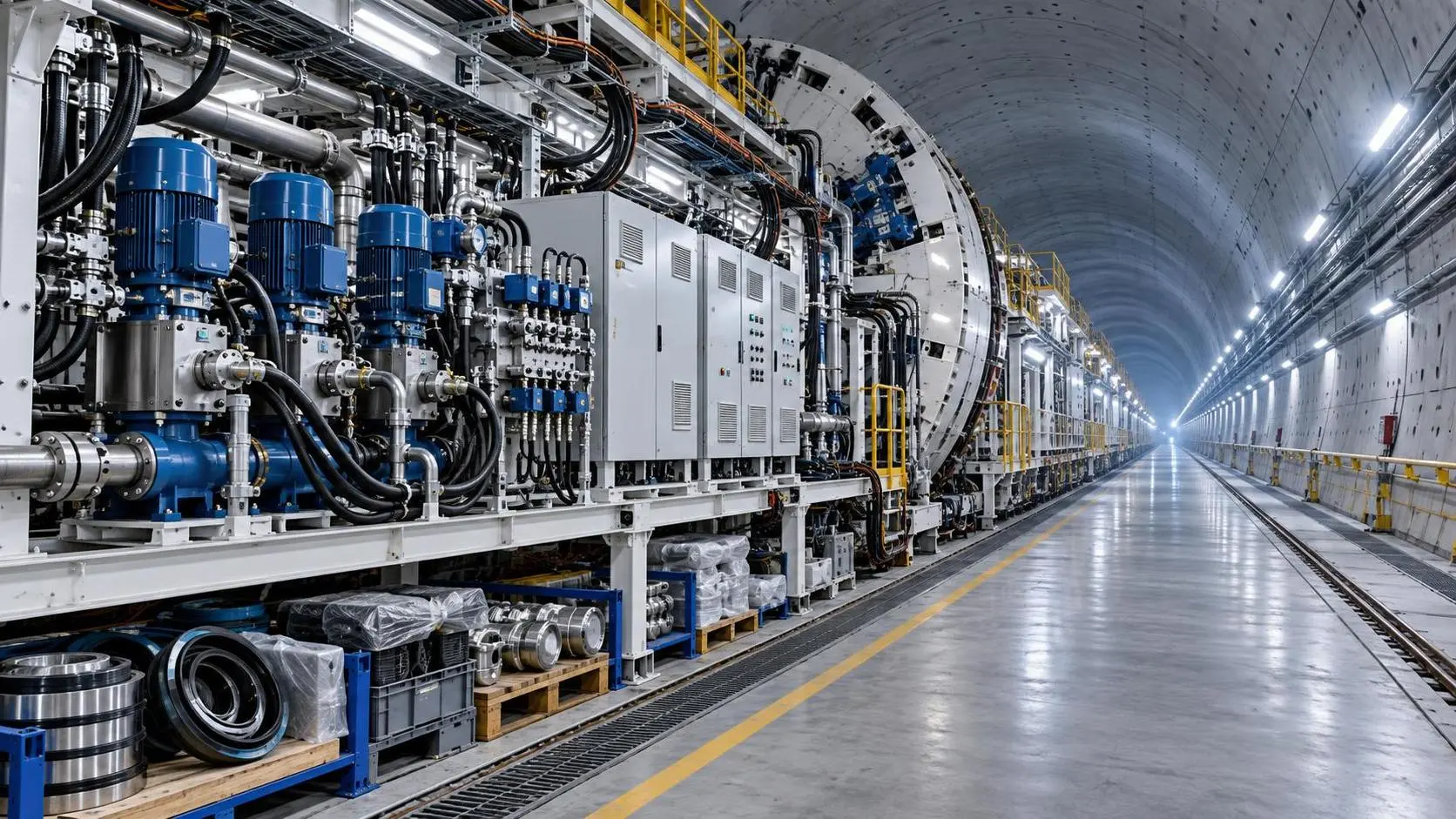
How to Specify TBM Backup System Parts for Reliable Long-Distance Tunnelling
TBM backup system parts: learn how to specify reliable spares for long-distance tunnelling, reduce downtime, ensure compatibility, and speed underground recovery.
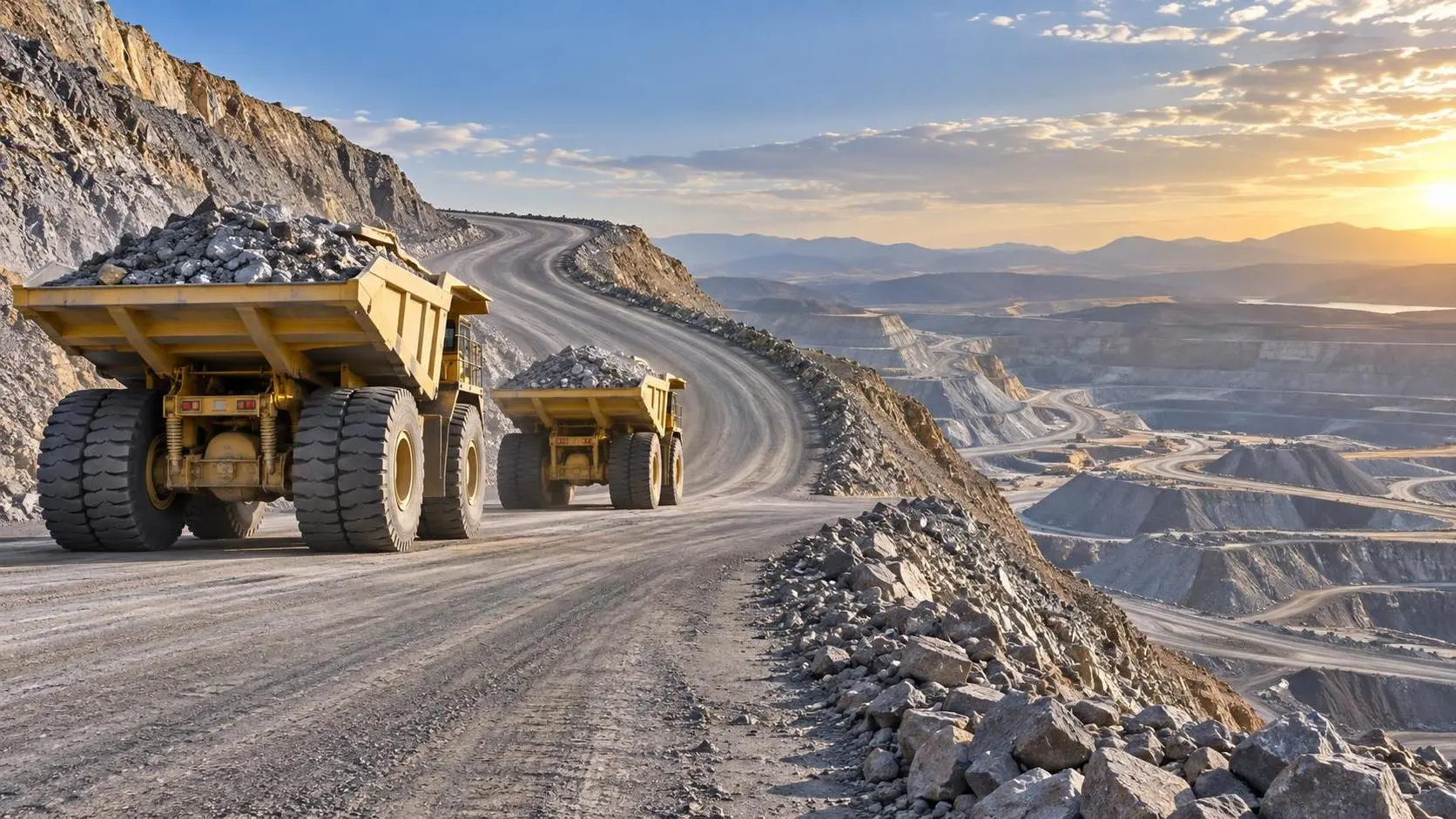
How to Size Open Pit Mining Trucks for Haul Distance, Grade, and Payload?
Open Pit Mining Trucks: learn how to match payload, haul distance, grade, road resistance, and loading capacity for safer, lower-cost mine operations.
Related News
- 00
0000-00
How to Evaluate European Drill-and-Blast Tunnelling Contractors for Complex Projects - 00
0000-00
Which Trenchless Construction Technique Fits Your Utility Crossing Conditions? - 00
0000-00
What Is Driving Metro Tunnelling Demand Across Southeast Asia’s Major Cities? - 00
0000-00
Hard Rock Tunnelling in Australia: Selecting Methods for Variable Ground Conditions - 00
0000-00
Hydropower Tunnel Excavation: Selecting Methods for Variable Rock Conditions
Weekly Insights
Stay ahead with our curated technology reports delivered every Monday.