
How to Evaluate a Hydrogen Haul Truck Manufacturer for Mine Fleet Decarbonization





Why does choosing a hydrogen haul truck manufacturer require deeper scrutiny now?
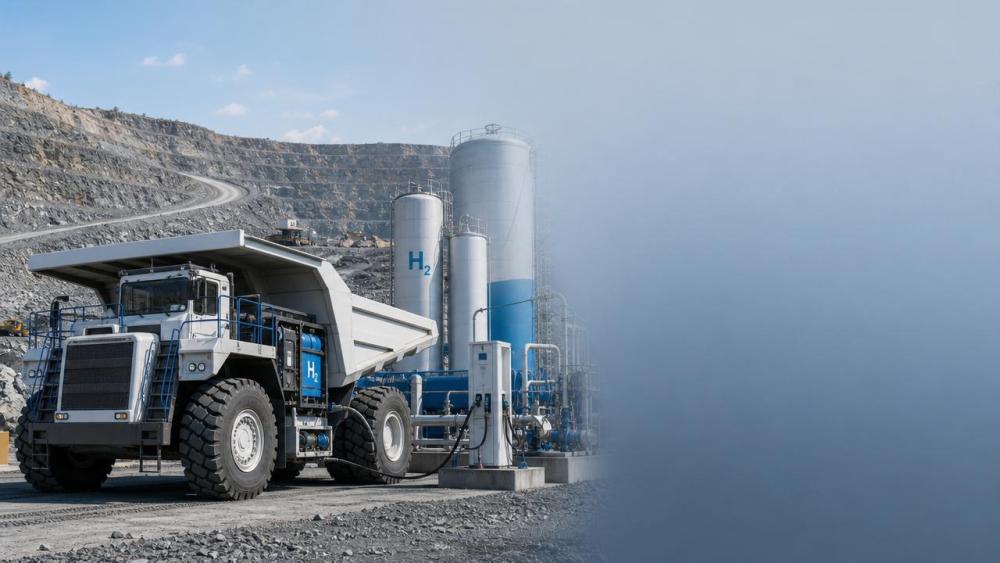
Mine decarbonization has moved beyond public pledges. It now affects asset planning, operating permits, financing conditions, and long-term fleet competitiveness.
That is why the choice of a hydrogen haul truck manufacturer matters more than a simple equipment comparison.
A weak supplier can leave a site with underperforming trucks, unstable hydrogen systems, and expensive downtime hidden behind attractive emissions claims.
A strong hydrogen haul truck manufacturer, by contrast, connects vehicle engineering, fueling logic, safety controls, digital diagnostics, and service readiness.
In practical mining conditions, that integration matters more than brochure specifications.
UTMD tracks this shift through the wider underground and heavy haulage transition. From TBMs to underground LHDs and mining dump trucks, the same lesson keeps appearing.
Zero-emission equipment only creates value when reliability survives dust, gradients, vibration, heat, and continuous production pressure.
So when evaluating a hydrogen haul truck manufacturer, the real question is not just whether hydrogen works. It is whether the manufacturer can make it work at mine scale.
What separates a credible hydrogen haul truck manufacturer from a marketing-led entrant?
A credible supplier usually shows evidence across three layers: truck platform maturity, hydrogen powertrain integration, and mine-duty validation.
The truck itself should not feel like an experimental shell built around a fuel cell headline.
Look first at the base haul truck architecture. Frame durability, braking strategy, suspension response, thermal management, and payload consistency still define value.
Then review how the hydrogen system is integrated. Fuel storage, pressure management, battery buffering, regenerative braking, and fail-safe shutdown logic should operate as one system.
More mature manufacturers explain those interactions clearly, especially for long downhill hauls, stop-start cycles, and high-altitude operations.
Another useful signal is deployment evidence. Has the hydrogen haul truck manufacturer tested units in real mines, or only in controlled demonstration corridors?
The difference is significant. Mining duty exposes traction systems, cooling circuits, and hydrogen balance-of-plant components to harsher loads than standard road transport.
It helps to ask for proof in specific operating contexts:
- Ramp haulage with sustained gradients
- High dust and extreme temperature swings
- Multi-shift utilization with tight maintenance windows
- Integration with dispatch, autonomy, or fleet management systems
If answers remain vague, the risk is usually higher than the proposal suggests.
How should performance claims be tested before shortlisting a manufacturer?
This is where many evaluations become too generic. A hydrogen haul truck manufacturer should be tested against the mine’s actual duty cycle, not a standard presentation deck.
Start with the haul profile. Distance, elevation change, rolling resistance, average payload, idle time, and shift duration all affect hydrogen consumption and truck productivity.
Then request modeled performance under those site variables. Strong manufacturers provide scenario-based simulations, not single-point range estimates.
A practical evaluation table helps keep those discussions grounded.
In many cases, the strongest hydrogen haul truck manufacturer is not the one with the boldest claim. It is the one willing to let assumptions be challenged line by line.
Is infrastructure compatibility more important than truck specification alone?
Often, yes. A mine can buy a capable truck and still fail operationally if the hydrogen ecosystem is mismatched.
That makes infrastructure compatibility one of the most important filters when comparing any hydrogen haul truck manufacturer.
The first issue is hydrogen supply. Will the site use delivered hydrogen, on-site generation, or a phased hybrid model?
Each route affects purity control, storage design, fueling frequency, redundancy planning, and exposure to logistics disruption.
The second issue is refueling architecture. A manufacturer should show how station throughput aligns with dispatch windows and production peaks.
In underground-linked operations, ventilation strategy and confined-space safety also become critical.
This is one reason UTMD’s cross-sector view matters. The same zero-emission logic used in underground LHDs and smart haulage systems highlights a broader truth.
Energy transition equipment cannot be judged in isolation from the environment it serves.
Ask the manufacturer to map truck performance against:
- Hydrogen production or delivery reliability
- Fueling time per truck and per shift
- Storage footprint and hazard zoning
- Workshop ventilation and emergency response procedures
- Digital integration with mine control systems
If the supplier treats these as someone else’s problem, project risk rises quickly.
Where do safety, service, and lifecycle support usually expose hidden weaknesses?
The hidden weaknesses usually appear after pilot enthusiasm fades and daily operations begin.
A hydrogen haul truck manufacturer should be assessed on incident prevention, fault detection, parts support, and field response discipline.
Safety review should go beyond standard certification lists. Mining sites need evidence that leak detection, crash isolation, pressure relief, and fire response have been adapted to haulage realities.
That includes harsh vibration, tire events, impact loads, and dusty service environments.
Service support deserves equal weight. Hydrogen systems may be advanced, but uptime still depends on technician access, spare modules, and software troubleshooting speed.
A useful way to pressure-test the supplier is to ask what happens during month six, not week one.
For example, can the manufacturer support planned expansion from pilot trucks to a mixed fleet? Can training cover operators, emergency teams, and maintenance crews together?
More importantly, is there a lifecycle roadmap for upgrades in fuel cells, power electronics, and control software?
Without that roadmap, early fleet adoption can become a stranded technology decision.
What are the most common evaluation mistakes when comparing a hydrogen haul truck manufacturer?
The biggest mistake is treating decarbonization success as a vehicle purchase rather than an operating system change.
Another common mistake is overvaluing headline emissions while underestimating utilization risk.
In real projects, several missteps appear repeatedly:
- Comparing prototype performance against mature diesel benchmarks without duty-cycle normalization
- Ignoring hydrogen infrastructure cost when evaluating truck economics
- Assuming one successful pilot proves fleet-wide readiness
- Treating software, telemetry, and predictive maintenance as optional extras
- Overlooking local service depth and spare parts localization
A more disciplined approach is to compare manufacturers through total operational fit.
That means balancing emissions reduction, production continuity, safety assurance, fueling resilience, and long-horizon support.
The best hydrogen haul truck manufacturer may not offer the lowest upfront price. It usually offers the lowest probability of strategic failure.
So how should the final shortlist be built?
A practical shortlist normally comes from staged filtering rather than one broad comparison exercise.
Begin with site-specific requirements. Define payload class, route profile, production target, ventilation limits, fueling assumptions, and digital integration needs.
Then narrow the field to each hydrogen haul truck manufacturer that can prove engineering fit, not just strategic intent.
After that, request a structured validation package covering technical data, trial evidence, safety design, service coverage, and phased deployment planning.
The strongest final decisions usually combine three things: realistic mine modeling, transparent supplier disclosure, and a rollout path that can scale without disrupting production.
For operations following UTMD’s intelligence lens, this is the consistent pattern across deep underground systems and heavy surface haulage alike.
Technical credibility is not built by claiming zero emissions. It is built by proving durable performance where rock, dust, heat, slope, and time all push back.
The next step is simple: turn decarbonization goals into an evaluation matrix, test every claim against site conditions, and shortlist only the manufacturers that can support the full operating lifecycle.
Related News

How to Evaluate European Drill-and-Blast Tunnelling Contractors for Complex Projects
Drill and blast tunnelling contractors Europe: learn how to assess geology expertise, blast control, equipment reliability, safety, and programme resilience for complex projects.

Which Trenchless Construction Technique Fits Your Utility Crossing Conditions?
Trenchless construction techniques compared for utility crossings: choose HDD, microtunnelling, pipe jacking, or auger boring based on ground, accuracy, access, and risk.

What Is Driving Metro Tunnelling Demand Across Southeast Asia’s Major Cities?
Metro tunnelling Southeast Asia is accelerating as major cities tackle congestion, flooding, and connectivity. Explore the market forces, technical risks, and opportunities shaping demand.

Hard Rock Tunnelling in Australia: Selecting Methods for Variable Ground Conditions
Hard rock tunnelling in Australia: compare TBM, drill-and-blast and hybrid methods to manage variable ground, reduce risk and protect project costs.

Hydropower Tunnel Excavation: Selecting Methods for Variable Rock Conditions
Hydropower tunnel excavation methods for variable rock conditions: compare TBM, drill-and-blast, and hybrid strategies to improve safety, progress, and project control.

How to Select Underground Safety Equipment for Tunnelling by Hazard and Work Zone
Underground Safety Equipment for tunnelling: match protection to hazards, work zones, compliance, and emergency needs with this practical selection guide.

EPB or Slurry Shield? Selecting Soft-Ground Tunnelling Equipment by Soil Conditions
Tunnel Excavation Equipment for soft ground: compare EPB and slurry shields by soil, groundwater, settlement risk, and project logistics to choose confidently.
How to Specify TBM Backup System Parts for Reliable Long-Distance Tunnelling
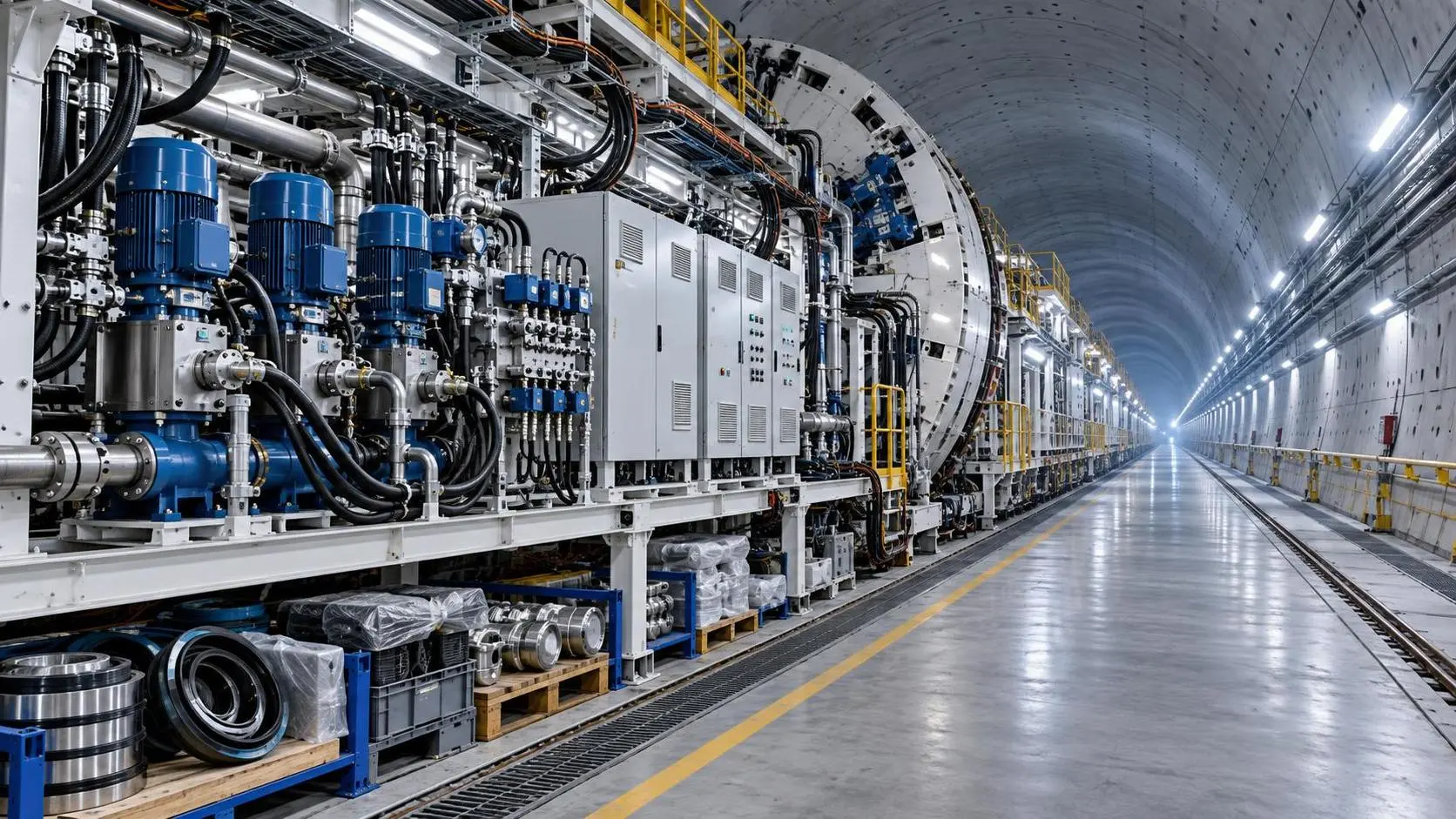
TBM backup system parts: learn how to specify reliable spares for long-distance tunnelling, reduce downtime, ensure compatibility, and speed underground recovery.
How to Size Open Pit Mining Trucks for Haul Distance, Grade, and Payload?
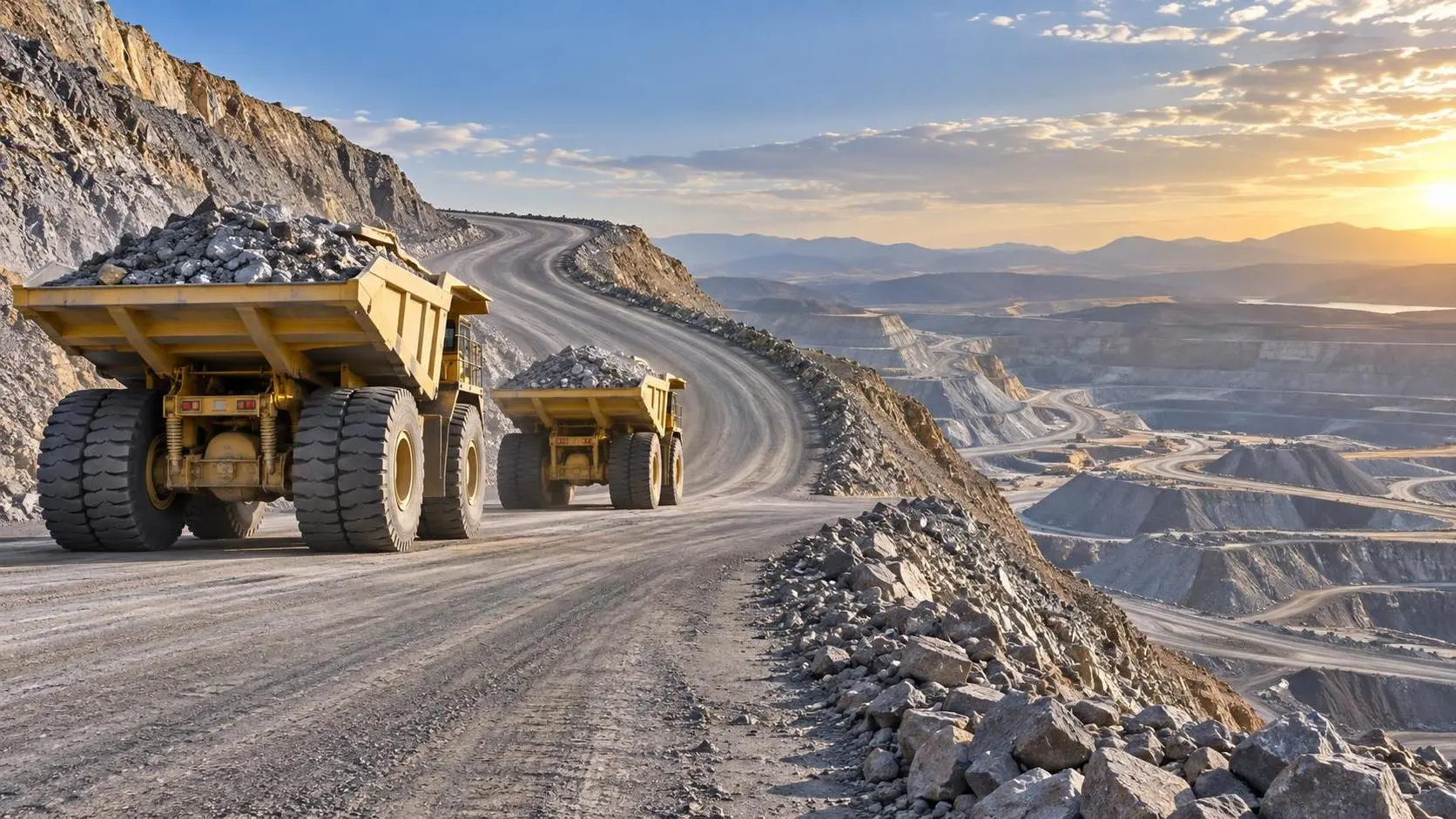
Open Pit Mining Trucks: learn how to match payload, haul distance, grade, road resistance, and loading capacity for safer, lower-cost mine operations.
Related News
- 00
0000-00
How to Evaluate European Drill-and-Blast Tunnelling Contractors for Complex Projects - 00
0000-00
Which Trenchless Construction Technique Fits Your Utility Crossing Conditions? - 00
0000-00
What Is Driving Metro Tunnelling Demand Across Southeast Asia’s Major Cities? - 00
0000-00
Hard Rock Tunnelling in Australia: Selecting Methods for Variable Ground Conditions - 00
0000-00
Hydropower Tunnel Excavation: Selecting Methods for Variable Rock Conditions
Weekly Insights
Stay ahead with our curated technology reports delivered every Monday.