
WF6 Export Price Surge Pressures Mining Truck Controls





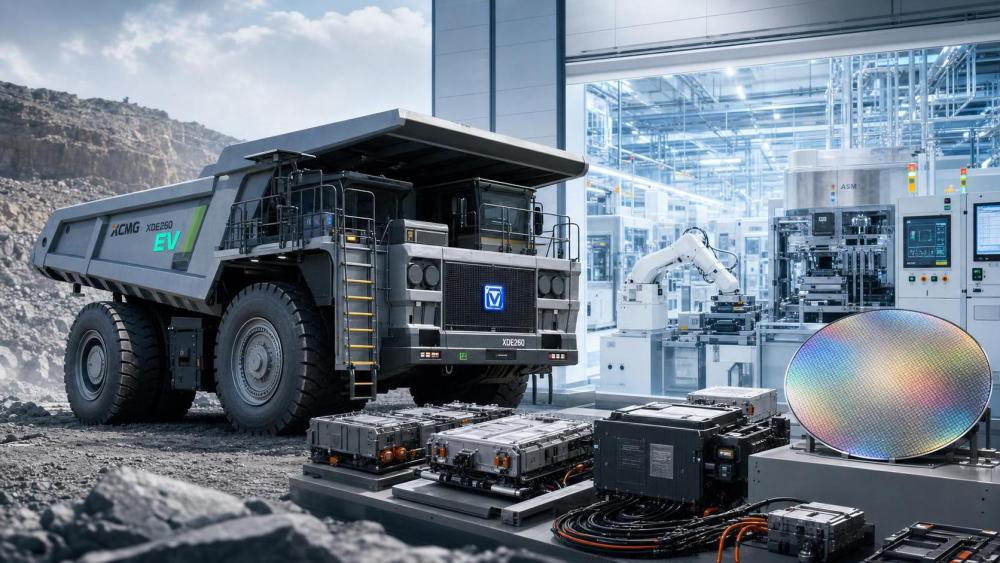
On June 14, 2026, market attention turned to a sharp rise in China’s export pricing for tungsten hexafluoride (WF6), a process gas used in etching for onboard IGBT and SiC controllers in EV and hydrogen mining trucks. The move matters not only for semiconductor-related manufacturing, but also for electric mining truck power control supply, delivery planning, and mine electrification schedules in markets such as Australia and Canada.
What the latest data confirms
According to data from China’s General Administration of Customs, the average export price of WF6 reached USD 150 per kilogram in April 2026, up 204% year on year. The input information also states that WF6 is a key specialty gas in the etching process for onboard IGBT and SiC controllers used in EV and hydrogen mining trucks. In addition, chipmakers in South Korea have already notified customers of production cuts in the second half of the year.
Based on the same input, those production adjustments may lead to delayed delivery of some electric mining truck control modules manufactured in China, with possible knock-on effects on mine electrification replacement timetables in Australia and Canada.
Where the pressure may appear first
Semiconductor process and component supply
From an industry perspective, the most immediate area of attention is the semiconductor process chain tied to IGBT and SiC controller manufacturing. Because WF6 is identified here as a key etching gas, any price shock or related supply strain can become relevant at the process-material level first, then move into controller output and delivery timing.
Electric mining truck control module manufacturers
For manufacturers of electric mining truck electronic control modules in China, the main risk is not only cost exposure but also scheduling uncertainty. Analysis shows that if upstream chip production is reduced, the effect may show up in module lead times, customer delivery commitments, and project sequencing.
Mining fleet operators and replacement programs
Mine operators and project buyers in Australia and Canada may need to watch delivery windows more closely. Observably, the issue is less about confirmed project stoppage and more about whether delayed control module supply could slow the replacement rhythm of diesel fleets with electric mining trucks.
Supply-chain and procurement teams
For procurement, logistics, and supply-chain service teams, the event highlights a narrower but important exposure point: specialty gas-linked semiconductor capacity feeding into heavy-duty vehicle electrification. What deserves closer attention is whether supplier notices, order scheduling, and shipment commitments begin to change in response to the second-half production cuts already mentioned in the input.
What companies should monitor now
Track official updates and supplier notices separately
Companies should distinguish between confirmed facts and downstream implications. The confirmed facts in this case are the April 2026 WF6 export price level, the year-on-year increase, the role of WF6 in relevant controller etching processes, and the notification of second-half production cuts by South Korean chipmakers. Any impact on exact module delivery dates still requires continued verification through supplier communication.
Focus on controller-related delivery exposure
For businesses involved in EV or hydrogen mining truck programs, the practical priority is to identify which controller-related parts, orders, or contracts may be most exposed if semiconductor supply tightens. This is especially relevant where delivery timing is linked to fleet replacement milestones or site deployment schedules.
Review procurement timing and contract execution risks
Analysis shows that procurement teams may need to re-check lead-time assumptions, order confirmation cycles, and fulfillment clauses with relevant suppliers. Where delivery schedules are tight, the issue is not only price transmission but also whether a process-material disruption upstream turns into a contract performance issue downstream.
Prepare clearer customer communication
For manufacturers and service providers, early communication with customers may become more important if controller supply risks increase. What deserves closer attention is whether timing changes remain limited to isolated batches or begin to affect broader production and shipment planning.
How this signal should be read
Analysis shows that this development is best understood, for now, as a supply-chain warning signal rather than a fully confirmed structural disruption. The available information points to a sharp increase in WF6 export pricing and announced production cuts by South Korean chipmakers, but it does not yet establish the full scale, duration, or final commercial effect of the downstream impact.
It is more appropriate to understand this as an event that links a specialty semiconductor material to the delivery rhythm of electrified mining equipment. That connection is what makes the development important for industry readers, particularly those managing procurement, component scheduling, and mine fleet transition plans.
Why the market will keep watching
The key industry meaning of this update is that upstream semiconductor process inputs can quickly become relevant to heavy equipment electrification programs. In this case, the current information does not confirm a broad supply breakdown, but it does indicate a chain of pressure that could move from WF6 pricing to chip output, then to control module lead times, and finally to mining truck replacement schedules.
A neutral reading is that this remains a developing industry dynamic that warrants close monitoring. For now, it is more appropriate to treat the event as a short-term operational signal with possible wider implications if follow-up data, supplier notifications, or delivery delays become more visible.
Basis of this article
This article is generated from the user-provided news title, event date, and event summary. The input identifies the reported timing as June 14, 2026 and cites customs data on China’s April 2026 WF6 export average price, along with the stated relevance to EV and hydrogen mining truck controller manufacturing and the reported production-cut notices from South Korean chipmakers.
For this type of industry update, commonly relevant source categories may include official customs releases, company notices, industry association updates, authoritative media reporting, and technical or standards-related documents. A specific official source link was not provided in the input, so further verification remains necessary. Follow-up attention should focus on any additional official wording, supplier delivery updates, and whether the reported production cuts translate into broader module shipment delays.
Related News
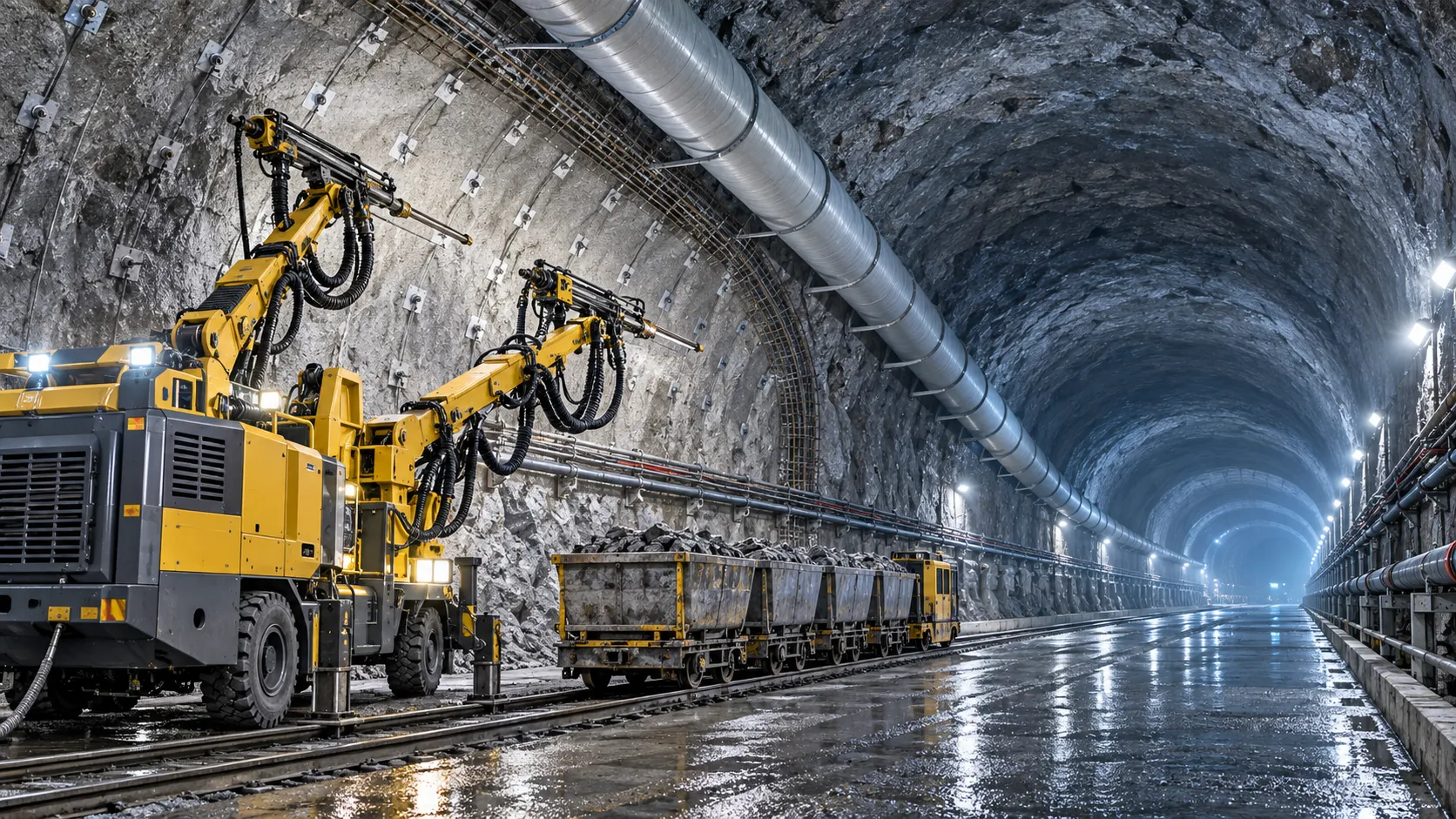
How to Evaluate European Drill-and-Blast Tunnelling Contractors for Complex Projects
Drill and blast tunnelling contractors Europe: learn how to assess geology expertise, blast control, equipment reliability, safety, and programme resilience for complex projects.
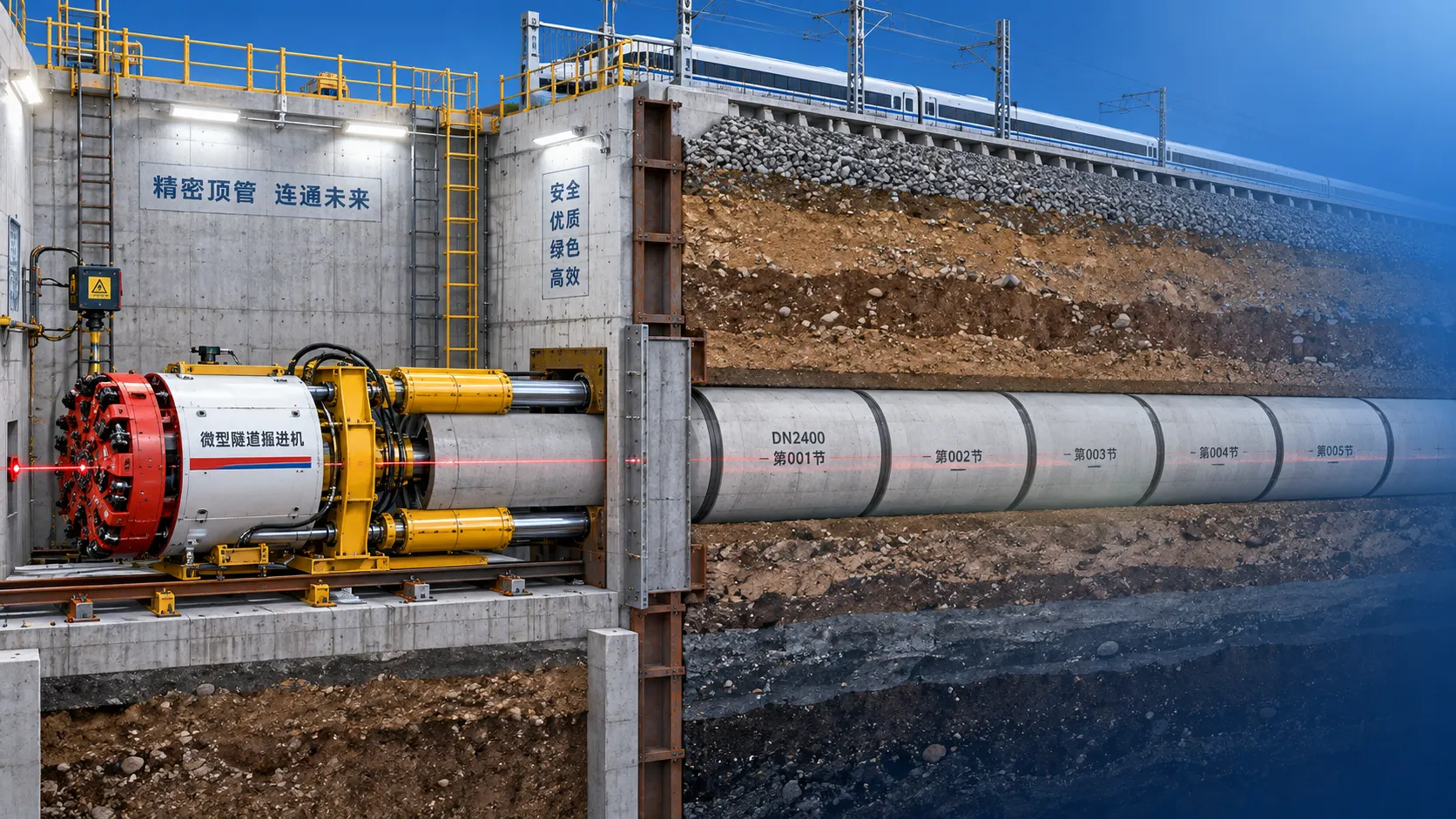
Which Trenchless Construction Technique Fits Your Utility Crossing Conditions?
Trenchless construction techniques compared for utility crossings: choose HDD, microtunnelling, pipe jacking, or auger boring based on ground, accuracy, access, and risk.
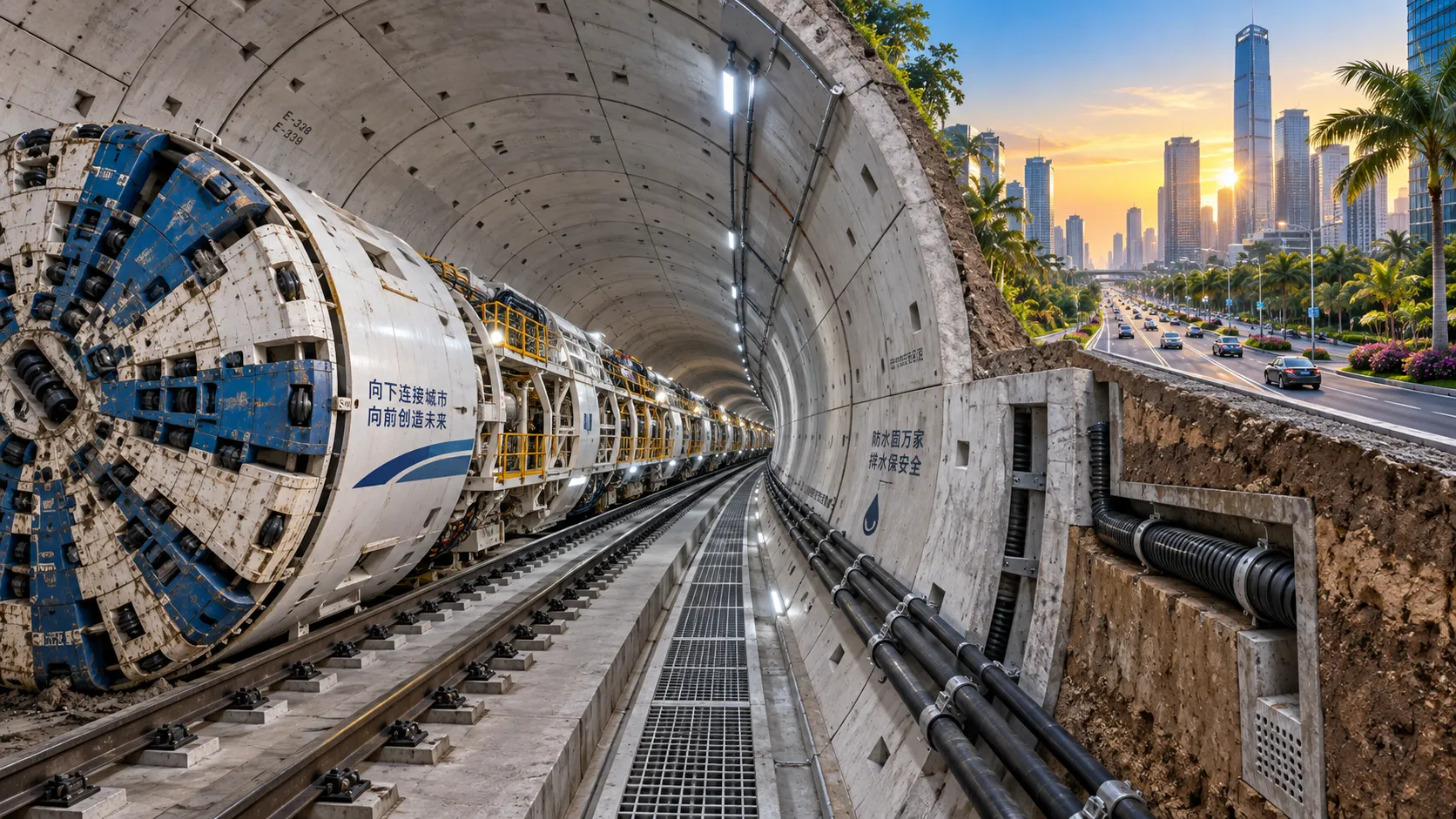
What Is Driving Metro Tunnelling Demand Across Southeast Asia’s Major Cities?
Metro tunnelling Southeast Asia is accelerating as major cities tackle congestion, flooding, and connectivity. Explore the market forces, technical risks, and opportunities shaping demand.
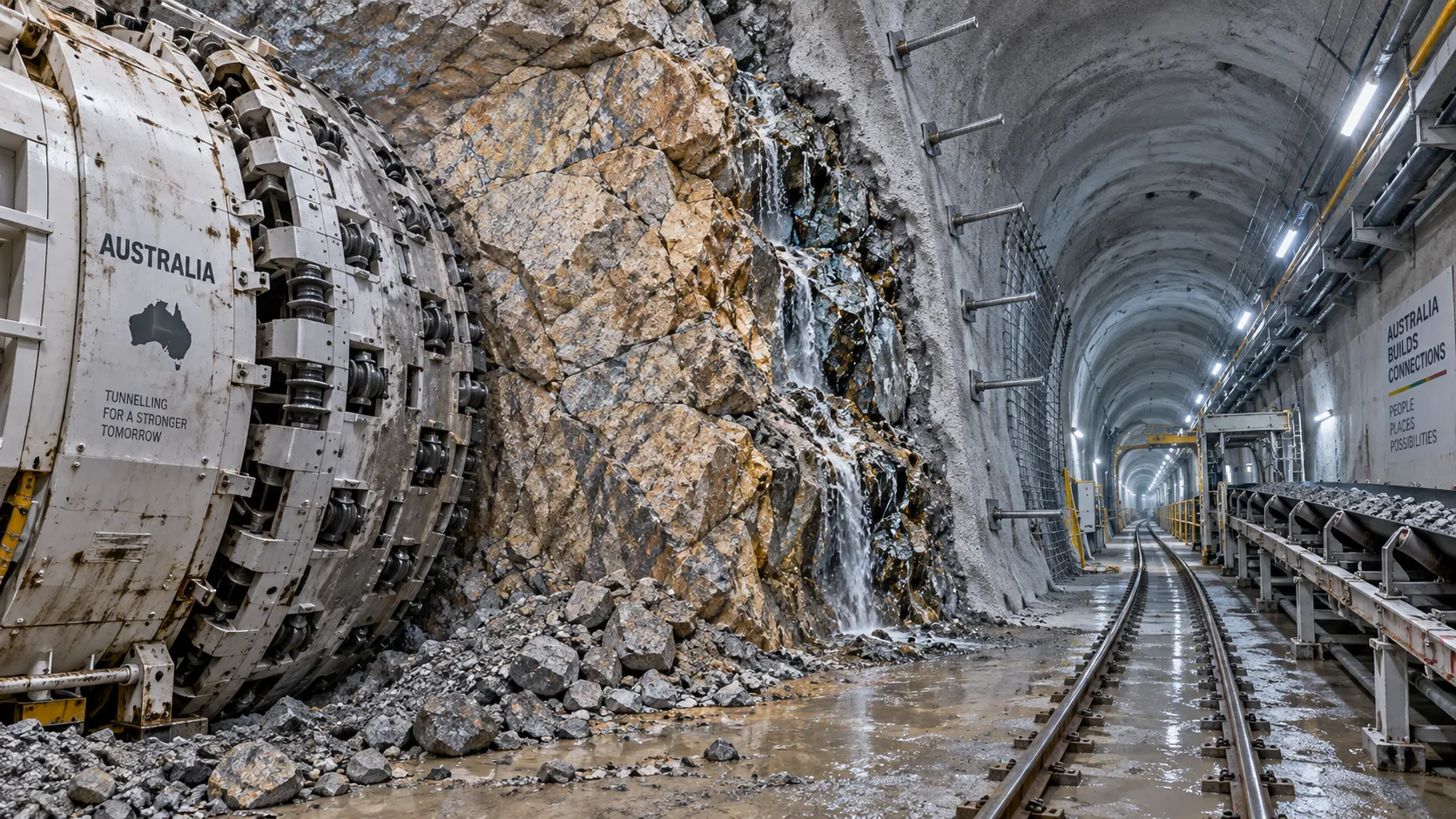
Hard Rock Tunnelling in Australia: Selecting Methods for Variable Ground Conditions
Hard rock tunnelling in Australia: compare TBM, drill-and-blast and hybrid methods to manage variable ground, reduce risk and protect project costs.
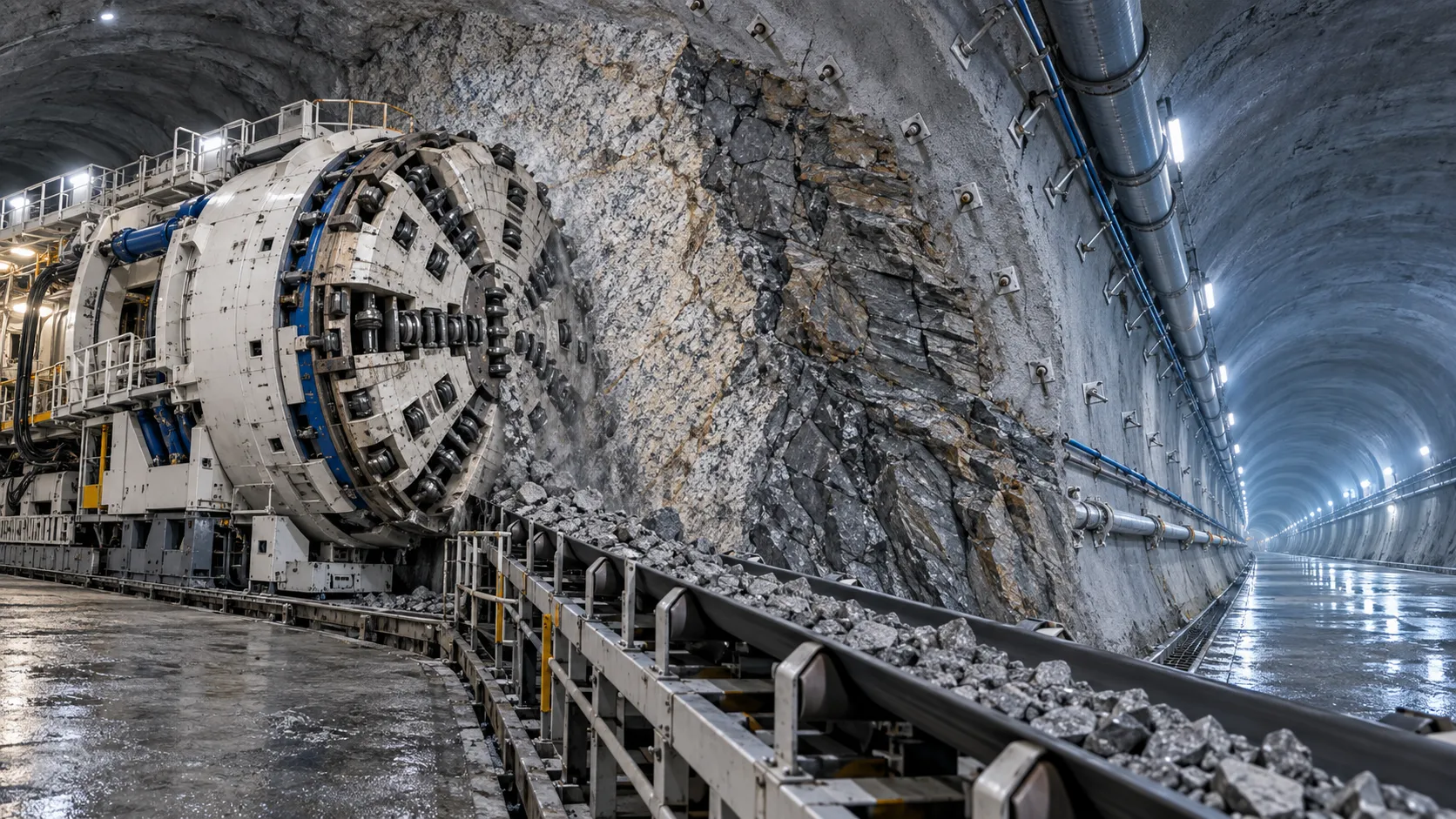
Hydropower Tunnel Excavation: Selecting Methods for Variable Rock Conditions
Hydropower tunnel excavation methods for variable rock conditions: compare TBM, drill-and-blast, and hybrid strategies to improve safety, progress, and project control.
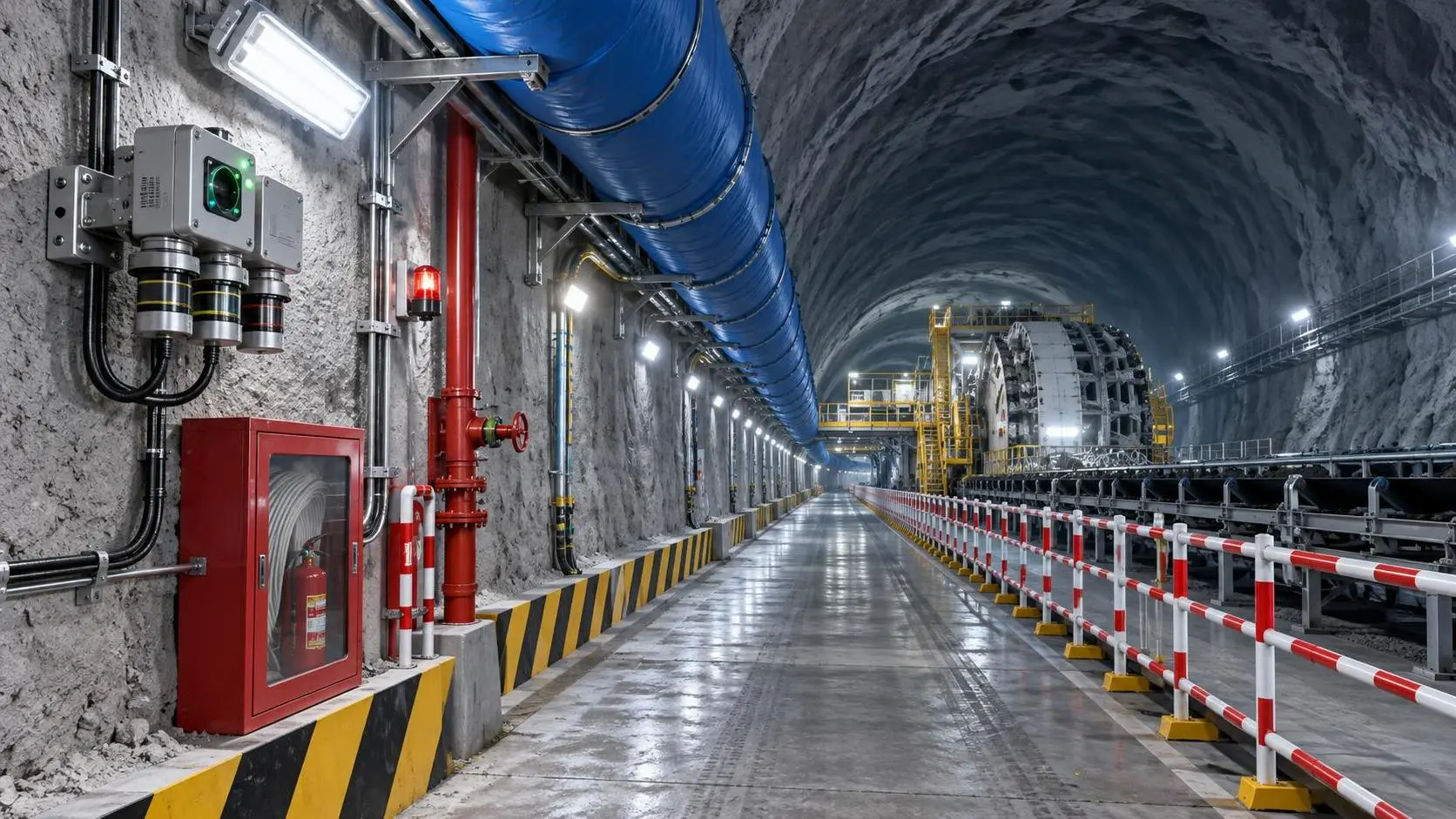
How to Select Underground Safety Equipment for Tunnelling by Hazard and Work Zone
Underground Safety Equipment for tunnelling: match protection to hazards, work zones, compliance, and emergency needs with this practical selection guide.
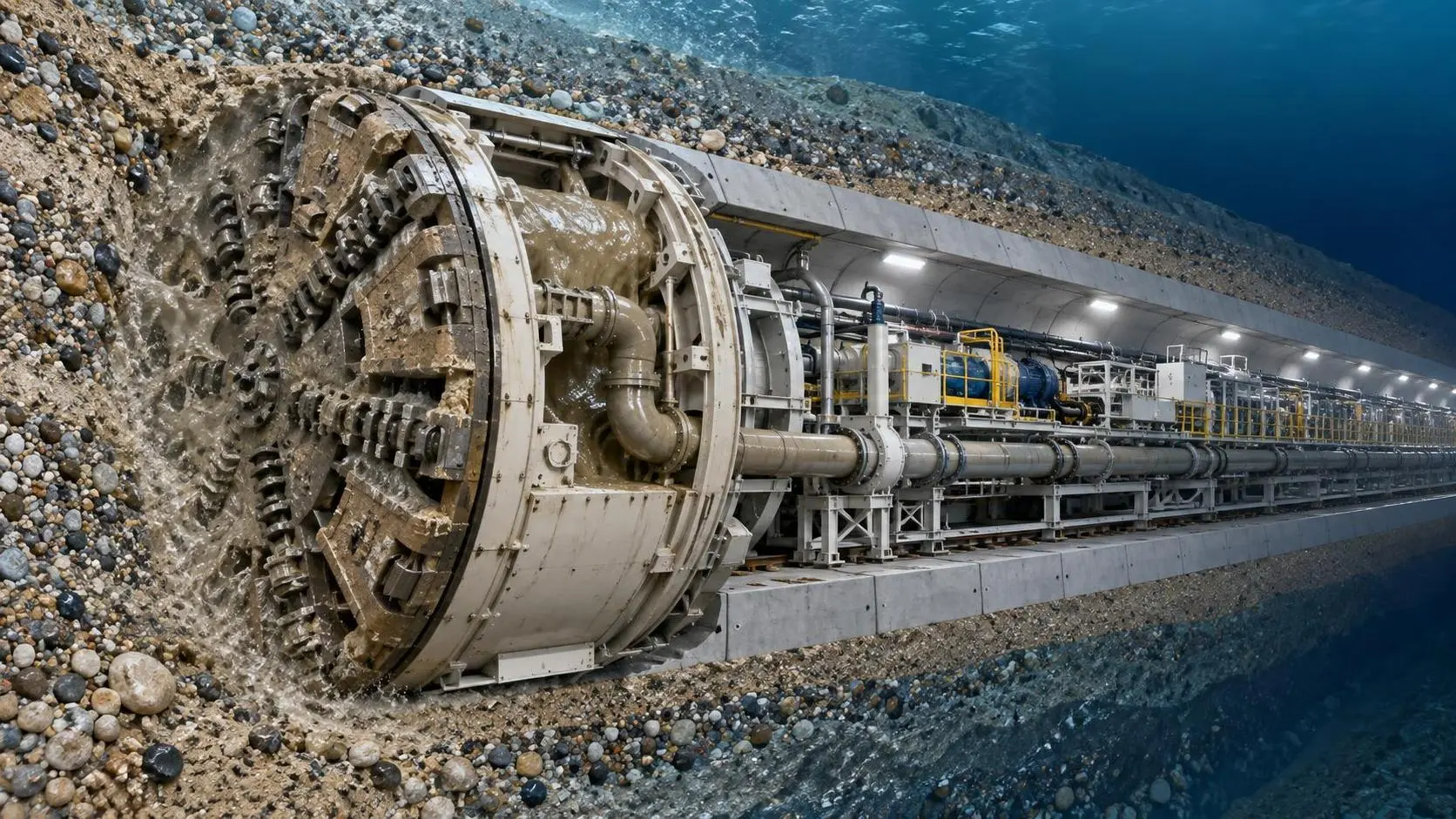
EPB or Slurry Shield? Selecting Soft-Ground Tunnelling Equipment by Soil Conditions
Tunnel Excavation Equipment for soft ground: compare EPB and slurry shields by soil, groundwater, settlement risk, and project logistics to choose confidently.
How to Specify TBM Backup System Parts for Reliable Long-Distance Tunnelling
TBM backup system parts: learn how to specify reliable spares for long-distance tunnelling, reduce downtime, ensure compatibility, and speed underground recovery.

How to Size Open Pit Mining Trucks for Haul Distance, Grade, and Payload?
Open Pit Mining Trucks: learn how to match payload, haul distance, grade, road resistance, and loading capacity for safer, lower-cost mine operations.
Related News
- 00
0000-00
How to Evaluate European Drill-and-Blast Tunnelling Contractors for Complex Projects - 00
0000-00
Which Trenchless Construction Technique Fits Your Utility Crossing Conditions? - 00
0000-00
What Is Driving Metro Tunnelling Demand Across Southeast Asia’s Major Cities? - 00
0000-00
Hard Rock Tunnelling in Australia: Selecting Methods for Variable Ground Conditions - 00
0000-00
Hydropower Tunnel Excavation: Selecting Methods for Variable Rock Conditions
Weekly Insights
Stay ahead with our curated technology reports delivered every Monday.