
Mine Electrification Equipment is changing fleet decisions





Mine Electrification Equipment is reshaping how enterprises judge fleet renewal, underground productivity, and long-term ESG alignment. Across mining and tunnelling, equipment choices now influence ventilation demand, safety exposure, maintenance planning, and digital control readiness.
From battery-electric LHDs to trolley-assist haul trucks, Mine Electrification Equipment has moved beyond pilot status. It now sits at the center of capital planning for operations facing stricter emissions targets and deeper underground working conditions.
For intelligence platforms such as UTMD, this shift connects machine design, energy systems, automation, and asset utilization. Fleet decisions are no longer based only on purchase price. They depend on total operating logic across the entire mine.
What Mine Electrification Equipment means in modern operations
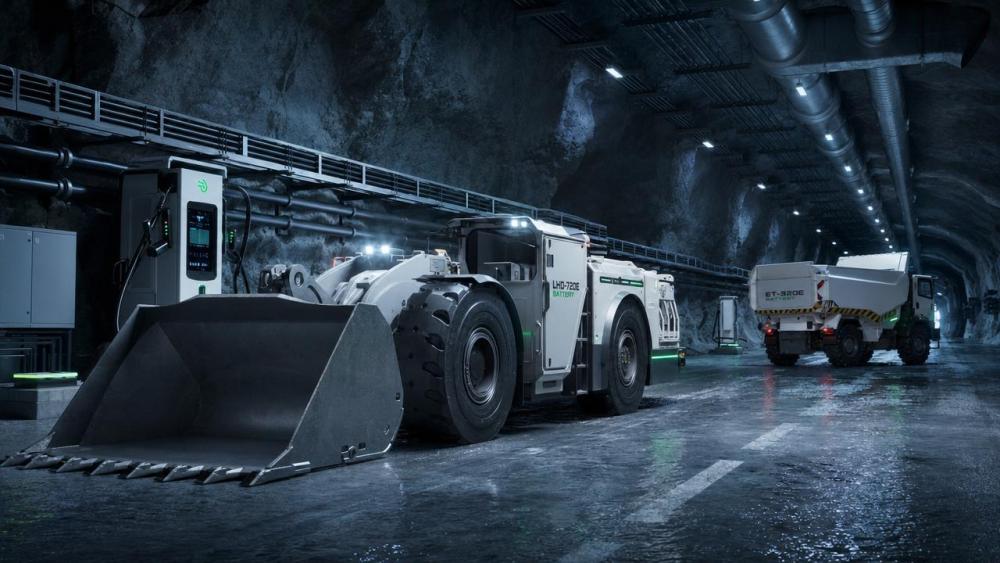
Mine Electrification Equipment refers to heavy mining and underground transport systems powered partly or fully by electricity. It includes battery-electric vehicles, cable-fed systems, trolley infrastructure, charging networks, and battery swapping platforms.
The term also covers enabling technologies. These include power distribution, thermal management, regenerative braking, energy monitoring software, and autonomous control systems that improve performance in restricted underground environments.
In underground mines, electrification is especially important because diesel exhaust carries direct operating consequences. Every liter of fuel burned underground increases ventilation load, heat management complexity, and compliance pressure.
In open-pit operations, Mine Electrification Equipment changes downhill energy recovery, ramp efficiency, and haul-cycle economics. It also affects how sites design substations, dispatch logic, and phased fleet replacement programs.
Core equipment categories
- Battery-electric underground LHD loaders
- Electric mining dump trucks and trolley-assist haul trucks
- Battery-electric utility vehicles and personnel carriers
- Electric drilling jumbos and support equipment
- Charging stations, battery swap bays, and energy management systems
Industry signals pushing fleet decisions toward electrification
Several market forces are making Mine Electrification Equipment a serious planning priority. These signals span regulation, economics, labor conditions, energy transition demand, and advances in machine intelligence.
UTMD tracks these signals across underground transport systems, drilling fleets, and heavy haulage. The strongest pattern is clear: electrification now influences both operational resilience and technical credibility in global mining projects.
How Mine Electrification Equipment changes fleet economics
The biggest shift is that cost evaluation becomes system-based. A diesel machine may appear cheaper at purchase, yet Mine Electrification Equipment can perform better when energy, ventilation, maintenance, and uptime are considered together.
Key economic effects
- Lower ventilation demand in underground workings
- Reduced diesel fuel exposure and combustion-related maintenance
- Improved braking energy recovery on decline haul routes
- Potentially smoother torque delivery and cycle consistency
- Higher dependence on electrical infrastructure quality
This does not mean every electrified fleet automatically lowers cost. Battery size, route gradient, ambient temperature, charging dwell time, and grid stability all affect total value.
For that reason, the best comparisons use total cost of ownership models. They should include ventilation savings, spare parts consumption, planned downtime, infrastructure capex, and expected productivity by duty cycle.
Operational value in underground mining and tunnelling
Mine Electrification Equipment delivers practical value where underground constraints are strongest. Narrow headings, limited airflow, and heat-sensitive conditions make electric drive systems especially relevant in deep or expanding operations.
Main operational advantages
- Cleaner underground air quality and reduced exhaust exposure
- Less heat generation from combustion sources
- Better conditions for remote operation and autonomous workflows
- More precise energy tracking at machine and route level
- Improved alignment with zero-emission site roadmaps
In tunnelling and trenchless projects, adjacent lessons also matter. Electrified support fleets can reduce enclosed-space emissions, simplify shift planning, and strengthen compliance around urban environmental limits and worker safety requirements.
For UTMD’s coverage areas, Mine Electrification Equipment also interacts with digitalization. Smart underground transport increasingly relies on sensor fusion, route analytics, and machine health signals that electric platforms can support more efficiently.
Typical deployment scenarios and equipment fit
Not every mine should electrify in the same sequence. The right entry point depends on depth, production profile, grid access, ventilation bottlenecks, and haul distance.
A phased transition is often more realistic than full fleet conversion. Mines can begin with high-utilization machines in the most ventilation-constrained zones, then scale charging and power distribution after performance data is confirmed.
Decision criteria that deserve close review
Fleet electrification succeeds when technical assumptions match operating reality. Mine Electrification Equipment should therefore be reviewed using site-specific data, not broad marketing claims.
Critical evaluation points
- Battery chemistry, cycle life, and thermal behavior
- Charging strategy: fast charge, opportunity charge, or battery swapping
- Ramp grades, haul distances, and payload consistency
- Electrical infrastructure redundancy and maintenance capability
- Software compatibility with fleet management and automation systems
- Emergency response procedures for high-voltage equipment
One overlooked issue is utilization timing. Mine Electrification Equipment performs best when charging windows, shift schedules, and route assignments are designed together. Poor scheduling can erase expected gains.
Another issue is infrastructure sequencing. Substations, cable routes, battery bays, and workshop safety upgrades must be synchronized with equipment arrivals. Otherwise, assets may remain underused during the transition period.
Practical steps for building a reliable electrification roadmap
A strong roadmap starts with operational evidence. Mine Electrification Equipment should be matched to heat maps of ventilation intensity, maintenance history, and production bottlenecks.
- Map current diesel hotspots and high-cost ventilation zones.
- Model duty cycles for loaders, trucks, and support fleets.
- Compare charging, swapping, and trolley options by route.
- Pilot one fleet segment with measurable productivity indicators.
- Scale only after validating uptime, safety, and infrastructure resilience.
This evidence-led path is especially useful in complex underground operations. It allows electrification to support production growth rather than becoming an isolated sustainability project.
For organizations following UTMD intelligence, the most durable advantage comes from linking Mine Electrification Equipment with autonomy, digital diagnostics, and long-term replacement planning. That combination defines the next generation of mine fleet competitiveness.
Next-step focus for fleet planning
Mine Electrification Equipment is changing fleet decisions because it changes the structure of mining operations themselves. Energy use, safety, ventilation, automation, and capital planning increasingly depend on the same technology choice.
The most practical next step is to review one operating zone, one equipment class, and one infrastructure constraint in parallel. That creates a grounded basis for phased investment and clearer performance benchmarking.
As underground engineering and mining move deeper and smarter, Mine Electrification Equipment will remain a decisive factor in fleet architecture. Careful evaluation now can improve reliability, ESG outcomes, and long-term asset productivity.
Related News
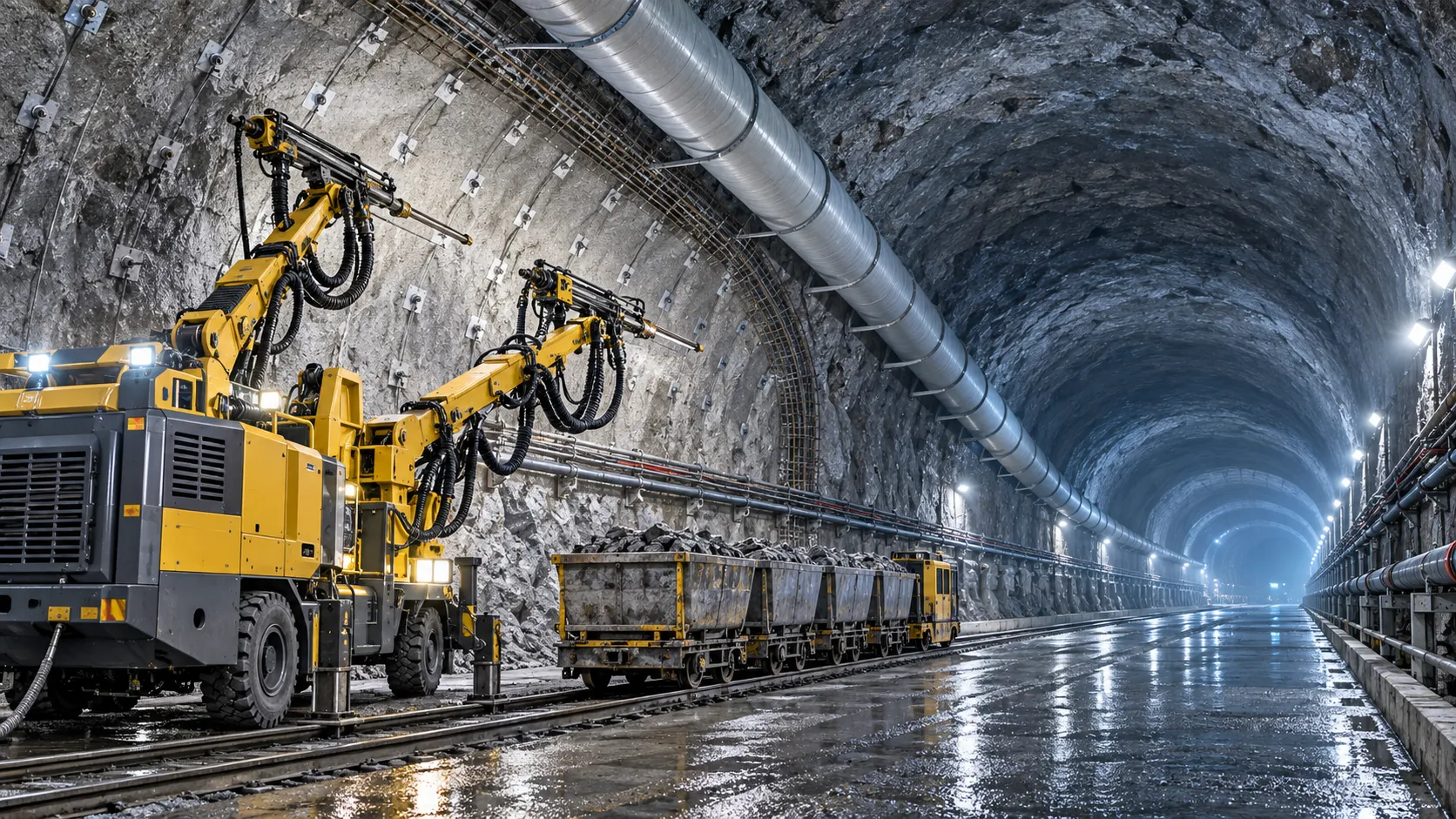
How to Evaluate European Drill-and-Blast Tunnelling Contractors for Complex Projects
Drill and blast tunnelling contractors Europe: learn how to assess geology expertise, blast control, equipment reliability, safety, and programme resilience for complex projects.
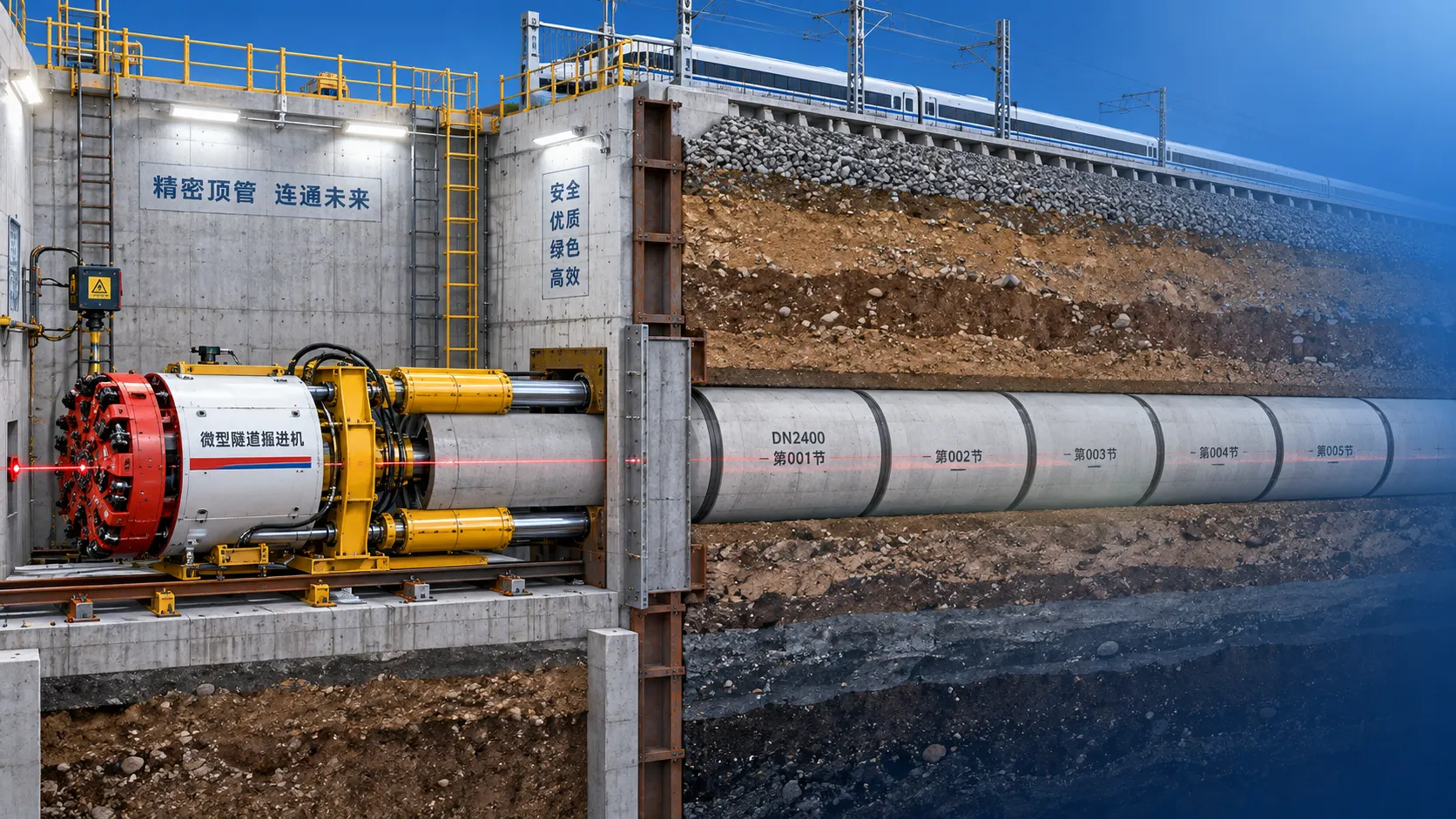
Which Trenchless Construction Technique Fits Your Utility Crossing Conditions?
Trenchless construction techniques compared for utility crossings: choose HDD, microtunnelling, pipe jacking, or auger boring based on ground, accuracy, access, and risk.
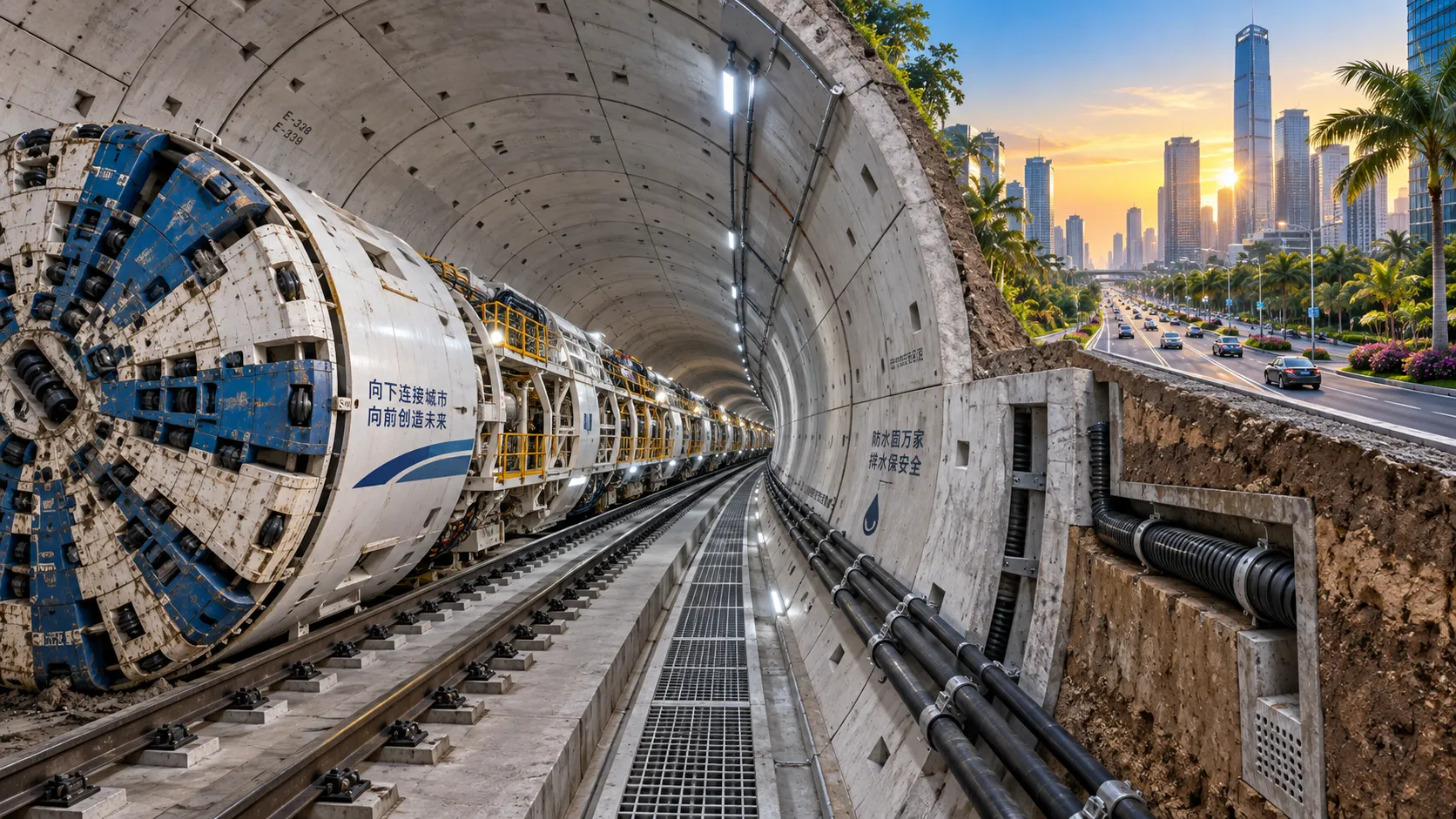
What Is Driving Metro Tunnelling Demand Across Southeast Asia’s Major Cities?
Metro tunnelling Southeast Asia is accelerating as major cities tackle congestion, flooding, and connectivity. Explore the market forces, technical risks, and opportunities shaping demand.
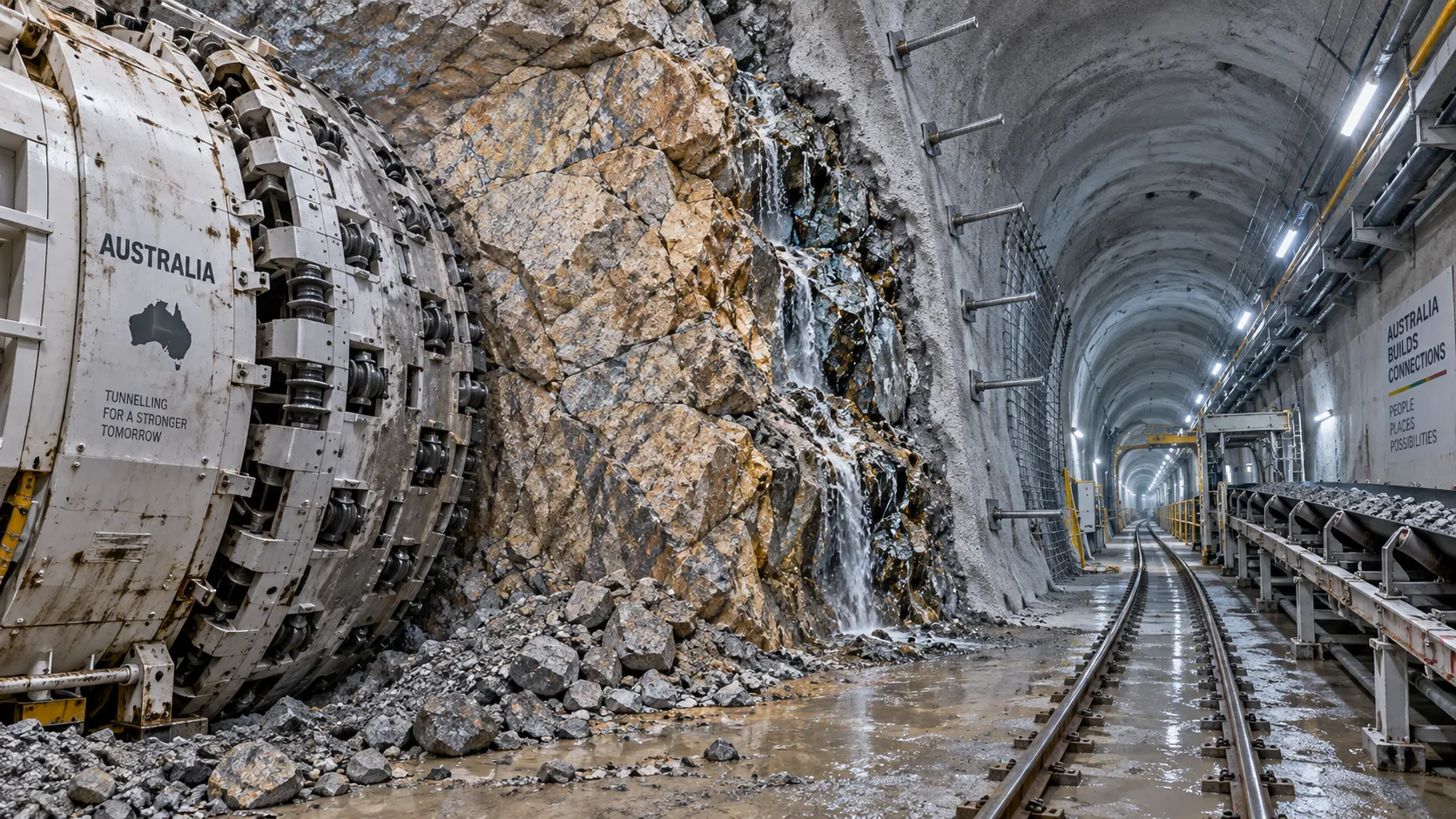
Hard Rock Tunnelling in Australia: Selecting Methods for Variable Ground Conditions
Hard rock tunnelling in Australia: compare TBM, drill-and-blast and hybrid methods to manage variable ground, reduce risk and protect project costs.
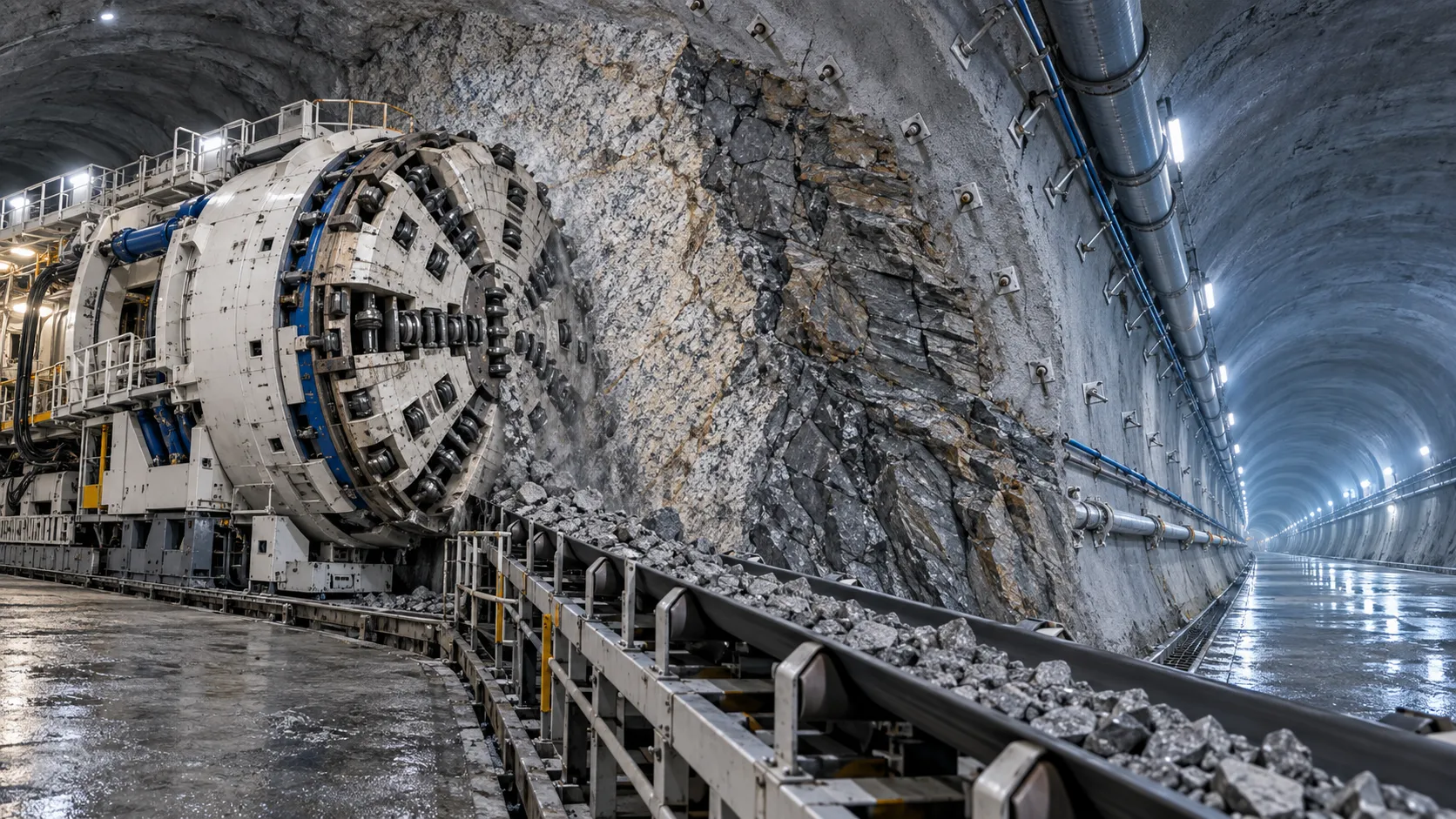
Hydropower Tunnel Excavation: Selecting Methods for Variable Rock Conditions
Hydropower tunnel excavation methods for variable rock conditions: compare TBM, drill-and-blast, and hybrid strategies to improve safety, progress, and project control.
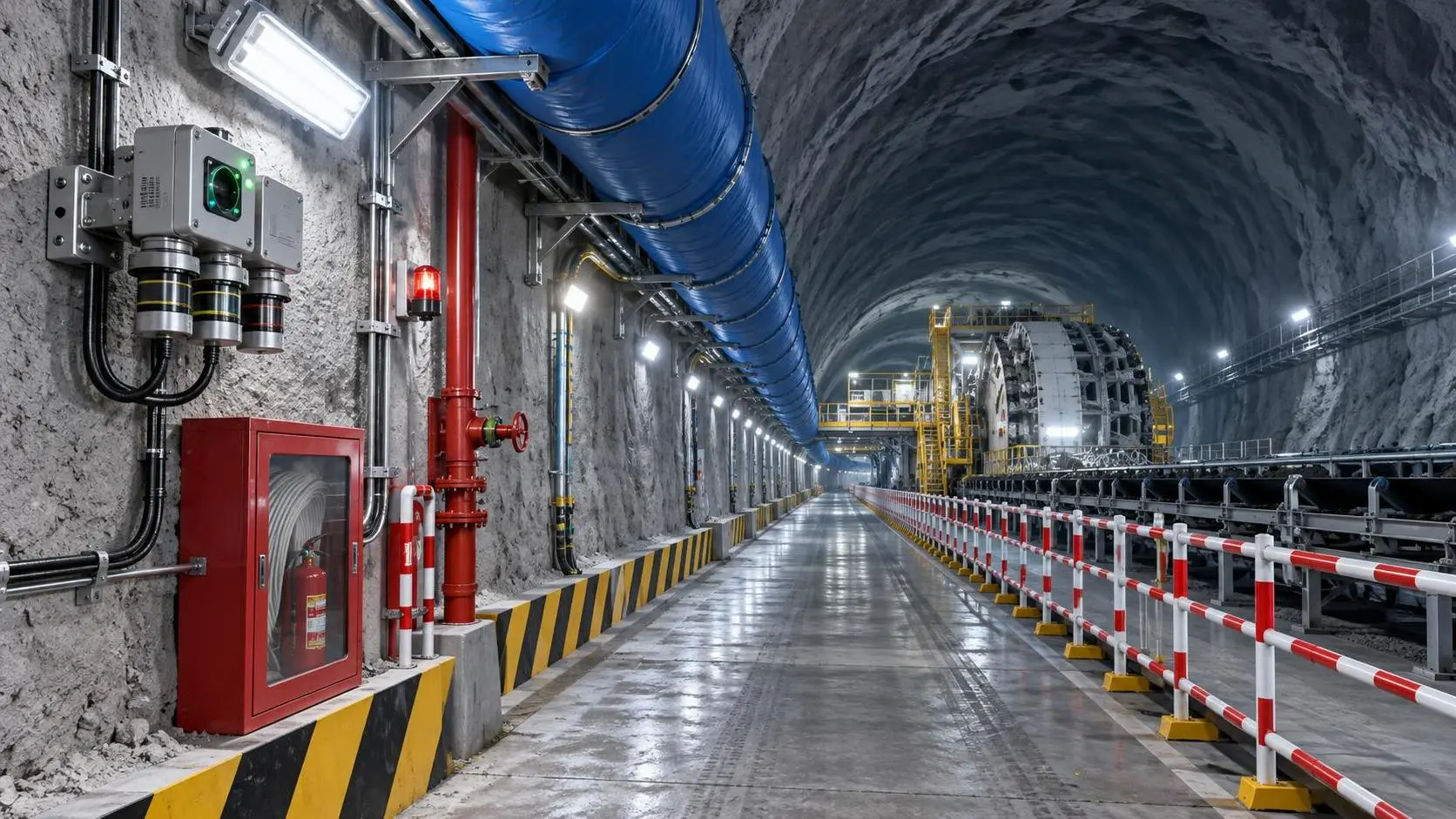
How to Select Underground Safety Equipment for Tunnelling by Hazard and Work Zone
Underground Safety Equipment for tunnelling: match protection to hazards, work zones, compliance, and emergency needs with this practical selection guide.
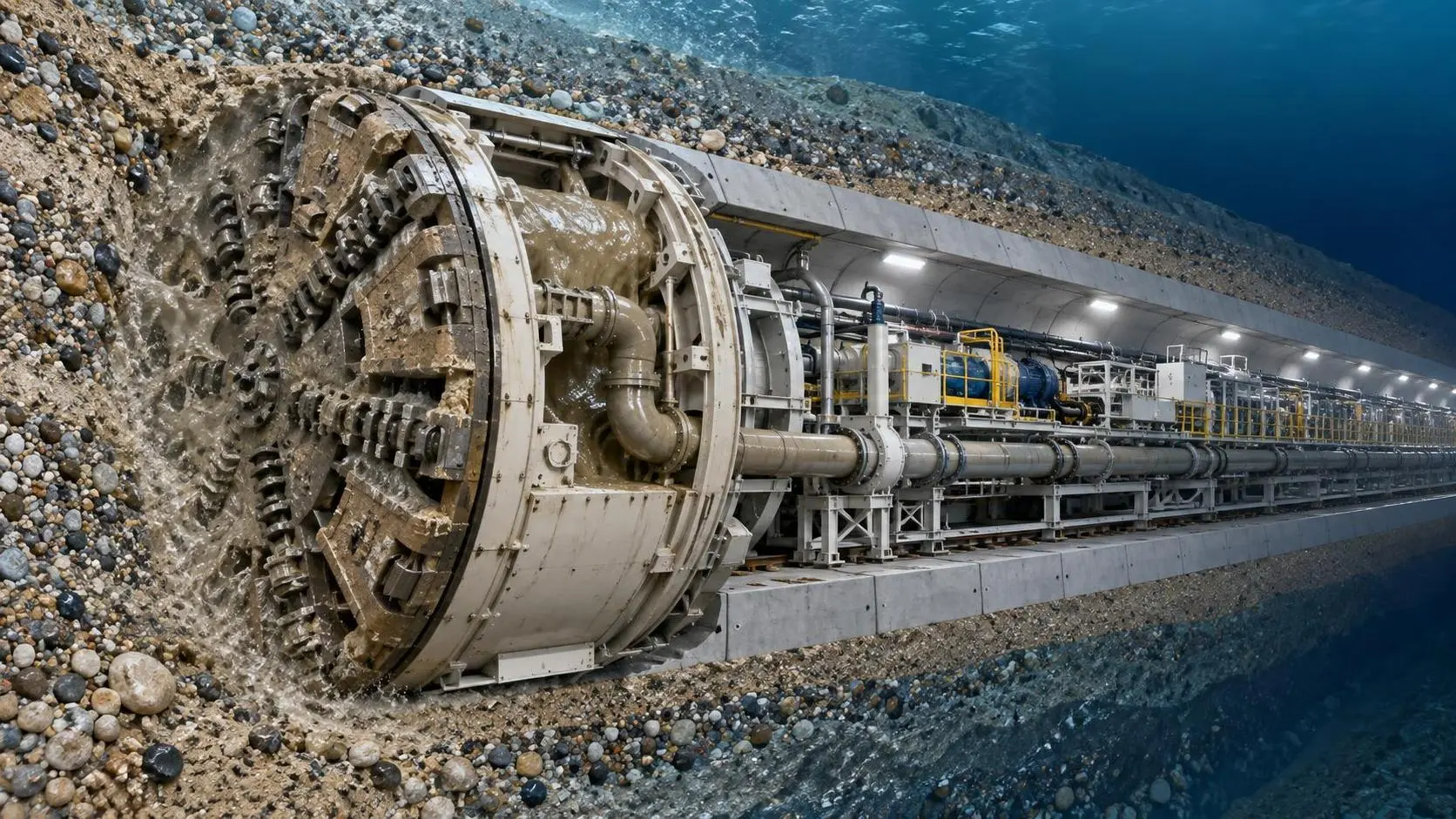
EPB or Slurry Shield? Selecting Soft-Ground Tunnelling Equipment by Soil Conditions
Tunnel Excavation Equipment for soft ground: compare EPB and slurry shields by soil, groundwater, settlement risk, and project logistics to choose confidently.
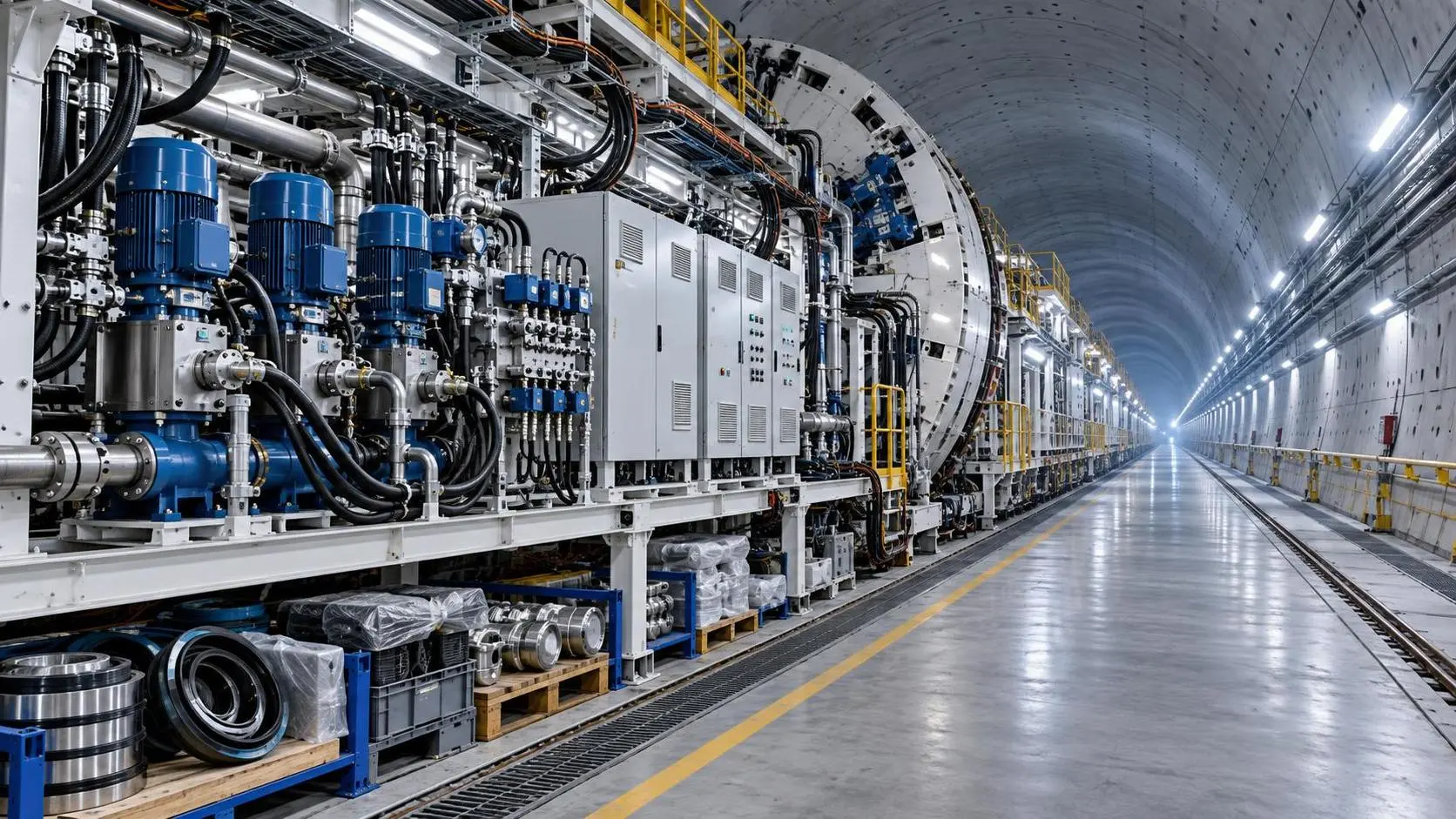
How to Specify TBM Backup System Parts for Reliable Long-Distance Tunnelling
TBM backup system parts: learn how to specify reliable spares for long-distance tunnelling, reduce downtime, ensure compatibility, and speed underground recovery.
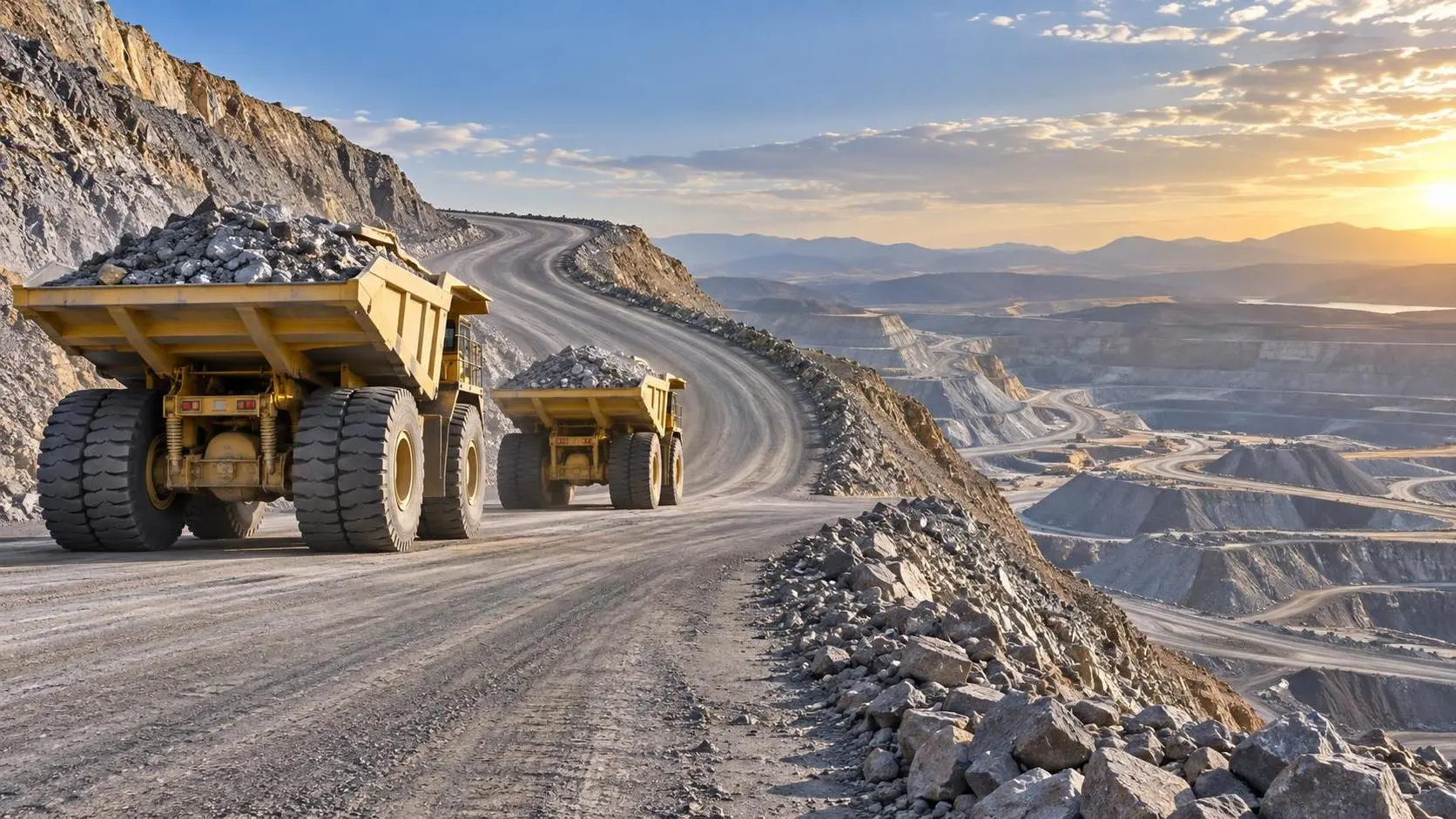
How to Size Open Pit Mining Trucks for Haul Distance, Grade, and Payload?
Open Pit Mining Trucks: learn how to match payload, haul distance, grade, road resistance, and loading capacity for safer, lower-cost mine operations.
Related News
- 00
0000-00
How to Evaluate European Drill-and-Blast Tunnelling Contractors for Complex Projects - 00
0000-00
Which Trenchless Construction Technique Fits Your Utility Crossing Conditions? - 00
0000-00
What Is Driving Metro Tunnelling Demand Across Southeast Asia’s Major Cities? - 00
0000-00
Hard Rock Tunnelling in Australia: Selecting Methods for Variable Ground Conditions - 00
0000-00
Hydropower Tunnel Excavation: Selecting Methods for Variable Rock Conditions
Weekly Insights
Stay ahead with our curated technology reports delivered every Monday.