
What ESG Compliance Requirements Apply to Mine Equipment Electrification?





Mine equipment electrification must satisfy ESG compliance requirements across the entire operating system, not merely demonstrate that a diesel engine has been replaced by a battery or trolley connection. The relevant evidence normally covers greenhouse-gas accounting, underground air quality, electrical and battery hazards, electricity procurement, raw-material traceability, community impacts, and end-of-life handling. A credible program links each claimed environmental benefit to measured operating conditions, documented controls, and accountable governance.
Requirements differ by jurisdiction, permit conditions, financing arrangements, customer contracts, and the reporting framework selected by the mine. Even so, the same principle applies across underground loaders, battery-electric drilling jumbos, haul trucks, charging infrastructure, and trolley-assist systems: the ESG claim has to reflect the complete energy and asset lifecycle rather than the absence of tailpipe exhaust alone.
Emissions claims need a defensible baseline
Electrification changes the emissions profile; it does not automatically eliminate it. Direct diesel combustion from the replaced machine falls, which affects fuel use and local exhaust emissions. Electricity demand then rises at chargers, substations, ventilation auxiliaries, battery-cooling systems, and sometimes refrigeration. ESG reporting therefore needs a defined baseline for the former duty cycle and a consistent method for recording the new one.
A useful comparison separates three operating layers:
- Machine energy: diesel litres previously consumed or electricity drawn per operating hour, loaded tonne, hauled tonne-kilometre, or drilled metre.
- Mine-system energy: ventilation, pumping, cooling, battery exchange, and power losses that change because the fleet and mine plan have changed.
- Purchased electricity: the generation mix, contractual renewable attributes where applicable, and the method used to calculate indirect emissions.
Using only the battery charger meter can produce a misleading result. A battery-electric LHD working in a deep, hot mine may require additional cooling energy, while lower diesel particulate and heat loads can allow ventilation demand to decline. Those effects must be measured against an equivalent production period and matched to changes in ore grade, haul distance, payload, road condition, and utilization. A lower energy figure is not meaningful if the electric unit was assigned lighter work than the diesel unit it replaces.
Emission factors and boundary choices should remain stable throughout the reporting period. If electricity is reported with a grid-average factor in one period and a market-based renewable claim in the next, the change needs to be explicit. Renewable power purchase arrangements do not prove that the mine had uninterrupted low-carbon power at the time a vehicle was charged; they support a particular accounting treatment only when the underlying contractual and reporting conditions are met.
Underground health gains must be verified, not assumed
Removing diesel exhaust from confined headings can reduce exposure to diesel particulate matter, carbon monoxide, nitrogen oxides, and heat. This is often a major ESG and occupational-health benefit, but compliance evidence still requires workplace monitoring and ventilation verification. A battery-electric fleet has different hazards: thermal events may release harmful gases, high-voltage isolation errors can create shock or arc-flash exposure, and charging rooms may concentrate heat or gases if poorly ventilated.
Air monitoring plans should be revised when the fleet changes. The sampling strategy needs to cover active headings, loading points, maintenance bays, battery-change locations, refuge areas, and return-air routes. A decline in diesel particulate readings near the equipment does not establish acceptable conditions elsewhere in the circuit. Blasting fumes, dust, welding emissions, charging heat, and battery off-gassing can each influence the result.
Emergency arrangements must also reflect the new energy source. Fire response for a diesel machine, a lithium-ion battery enclosure, and a high-voltage cable fault are different events. Documentation should identify alarm thresholds, evacuation logic, isolation points, fixed-fire-suppression interfaces, firefighting-water management, communication responsibilities, and procedures for a damaged or submerged battery pack. The equipment supplier's manual is an input, not a complete site emergency plan.
Battery safety is an ESG governance issue
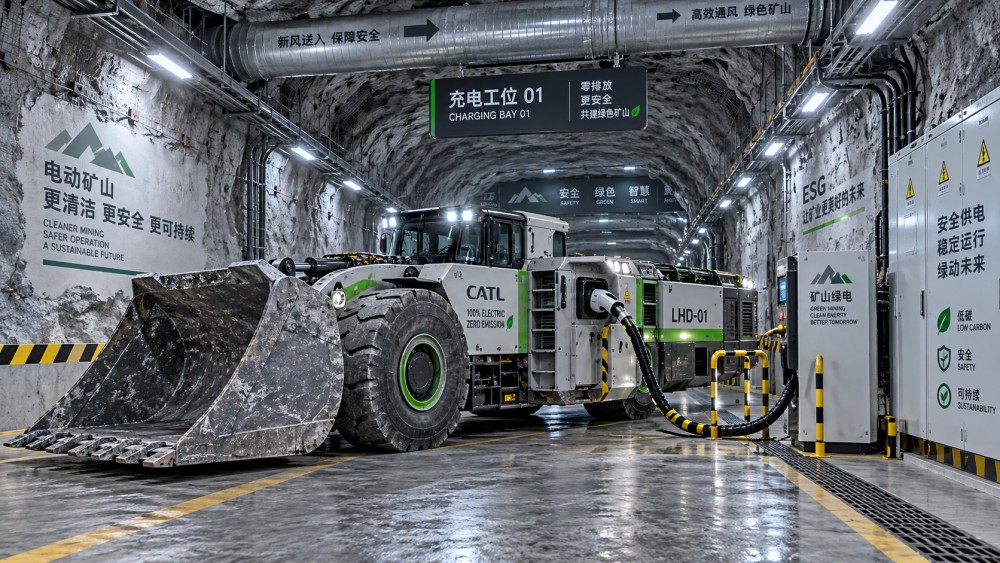
Battery safety is sometimes treated as an engineering detail outside ESG reporting. That separation is weak. A thermal runaway event can affect workers, production continuity, water quality, waste classification, insurance exposure, and community confidence. Governance therefore needs to extend from battery selection through transport, storage, operation, repair, quarantine, and final disposition.
Battery packs should have an identifiable configuration, serial-level traceability where practical, and recorded maintenance history. The site needs clear criteria for removing a pack from service after collision damage, water ingress, insulation faults, abnormal temperature trends, or a battery-management-system warning. Returning a suspect pack directly to a swap pool because it still delivers usable energy creates an avoidable control gap.
Charging and swapping areas require a site-specific design assessment. Relevant conditions include vehicle traffic separation, roof clearance, drainage, fire compartmentation, cable protection, emergency access, ventilation flow, ambient temperature, dust ingress, and the lifting method used for large packs. A swapping bay that functions well on the surface may not be suitable at a constrained underground level where escape routes, heat rejection, and vehicle turning radius are limited.
High-voltage work controls should define who may isolate, test for absence of voltage, reconnect, and release equipment after repair. Lockout procedures must cover the traction battery, charger, auxiliary circuits, trolley interface where fitted, and stored energy in capacitors. Remote diagnostics are useful, but a remotely cleared fault should not override an on-site inspection requirement when a physical impact, insulation warning, or coolant leak has occurred.
The electricity source affects the environmental result
Electrification shifts a portion of the mine's environmental burden upstream. ESG disclosures should therefore state how electricity is sourced, how its emissions intensity is determined, and whether the power system has enough capacity for simultaneous charging and peak mine load. A fleet can be operationally electric while its indirect carbon footprint remains material if the available grid is carbon intensive.
Power quality matters alongside carbon intensity. Fast charging may create short, high-demand peaks, particularly where multiple loaders return at shift change. Weak underground distribution, overloaded transformers, or poorly coordinated charge scheduling can lead to curtailment, diesel backup generation, or premature electrical equipment failures. Those outcomes undermine both the emissions case and the reliability assumptions in investment disclosures.
Supply-chain due diligence extends beyond the vehicle purchase
Battery minerals, cells, electronic controls, cables, permanent magnets, steel structures, and charging hardware bring their own environmental and human-rights exposure. The appropriate depth of due diligence is risk-based. It should reflect the component's origin, traceability available from the supplier, replacement frequency, geographic exposure, and the mine's own contractual leverage.
Documentation should not stop at a declaration that materials are responsibly sourced. Useful records identify the supplied battery chemistry and pack configuration, relevant material-origin information where available, restricted-substance controls, transport classification, repair authorization, and the party responsible for collection when the pack is retired. Where supply-chain information cannot be verified down to a particular tier, that limitation should be stated internally rather than converted into an unqualified public claim.
Procurement terms can prevent later gaps by assigning data ownership and reporting duties before delivery. Battery telemetry, state-of-health records, fault histories, software updates, and recycling certificates may be necessary for safety assurance and lifecycle reporting. If those records remain inaccessible to the mine after a service contract ends, the ESG evidence chain becomes incomplete.
Asset lifecycle management includes damaged and retired equipment
A battery pack reaches the end of vehicle service for several reasons. Reduced capacity may make it unsuitable for a long underground haul cycle while leaving it capable of lower-demand stationary use. Physical damage, failed insulation, swelling, overheating, or uncertain history can instead require quarantine and specialized treatment. These pathways should not be combined under a generic “recycling” label.
Lifecycle controls need an inventory of installed packs, spare packs, units under repair, units in quarantine, and units transferred off site. Transport arrangements require particular attention because damaged batteries may have different packaging, handling, and carrier requirements from intact units. Waste records should distinguish reuse, remanufacture, material recovery, and disposal, with transfer documentation retained according to applicable legal and permit obligations.
The same discipline applies to replaced diesel assets. Selling a serviceable diesel loader into an operation with weaker controls may be commercially legitimate, but it changes the broader transition narrative. Public statements should avoid implying that a machine has been removed from emissions-generating use when it has only been redeployed. Decommissioning plans also need to cover residual fuels, oils, coolant, hydraulic fluids, and contaminated components.
Governance turns technical data into compliant disclosure
Electrification programs often fail ESG review because maintenance, energy management, safety, environmental reporting, and finance records are held separately. A single governance map should identify the owner of each metric, the source system, the calculation method, the review frequency, and the approval route for external statements. This makes it possible to reconcile charger data with utility invoices, equipment hours, fuel records, ventilation readings, and production data.
Material claims require controls against double counting. For example, a reduction in diesel consumption may be reported within the mine's direct emissions inventory, while reduced ventilation electricity may be reported separately only if the baseline and production conditions demonstrate that the reduction is attributable to electrification. The same renewable electricity attribute should not support multiple claims across different sites unless the governing contractual arrangement permits it.
Performance targets should be accompanied by leading indicators, not only annual emissions outcomes. Battery temperature alarms, isolation failures, charging interruptions, ventilation-setpoint changes, near misses, abnormal energy use, and packs entering quarantine can reveal whether controls are operating before a serious incident or reporting error occurs. A missed target may be explainable; an unexplained gap between operational data and published ESG claims is much harder to defend.
Compliance should follow the duty cycle
Mine equipment electrification has no single universal compliance template because a battery-electric LHD in a narrow hot decline, a trolley-assisted open-pit truck on long downhill hauls, and an electric drill jumbo at a remote heading create different environmental and safety boundaries. The required evidence must follow the actual energy path, physical environment, failure modes, and material flow.
Credible ESG compliance therefore rests on disciplined measurement and lifecycle records: equivalent operating baselines, transparent electricity accounting, verified worker-protection controls, traceable batteries, and defined end-of-life routes. When those elements are connected, electrification claims can withstand technical, regulatory, and stakeholder scrutiny without overstating what the equipment change has achieved.
Related News
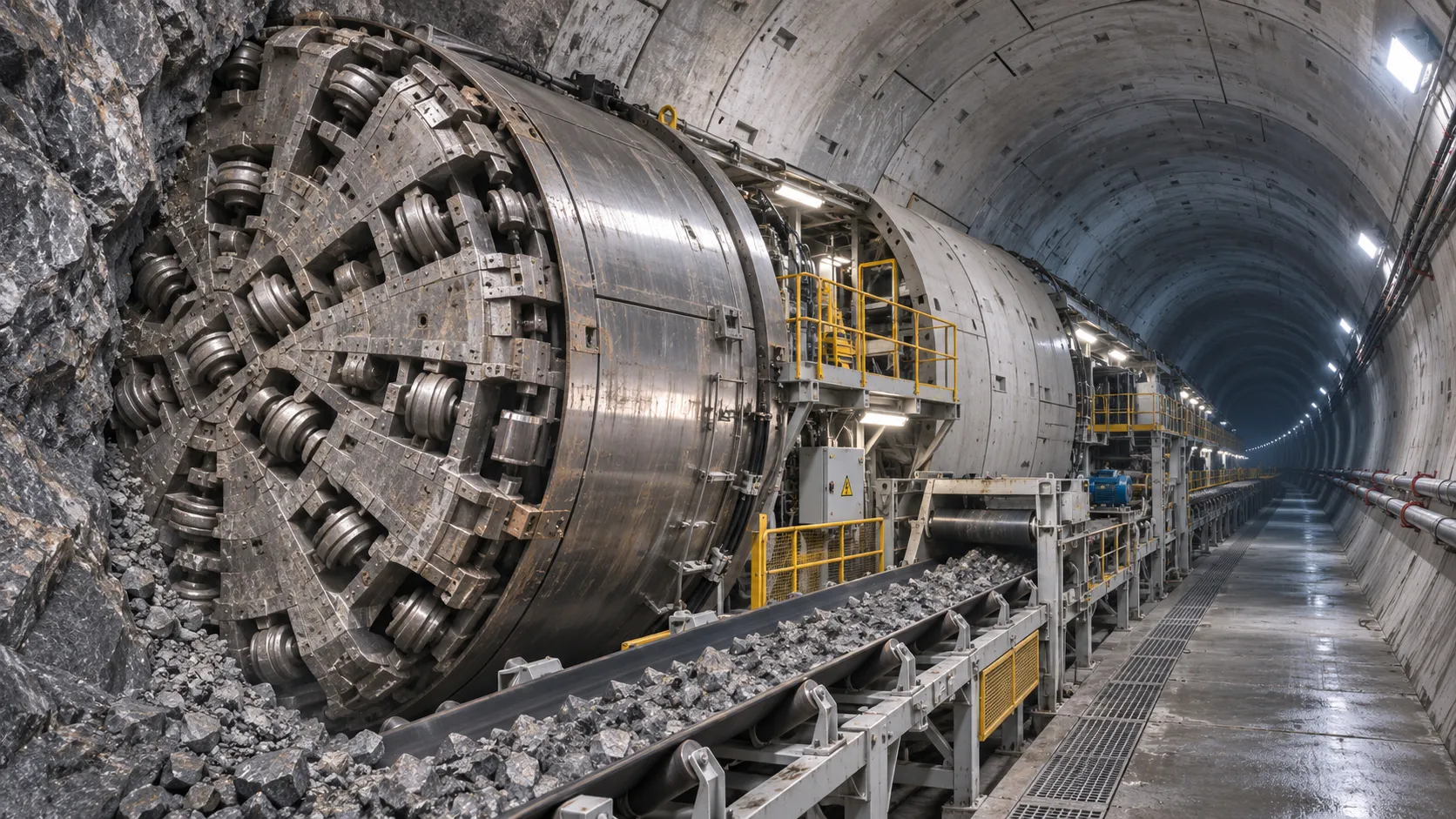
How TBM Excavation Works in Rock and Soft Ground: A Practical Guide
TBM Excavation in rock and soft ground explained: compare machine types, ground support, spoil removal, and the factors that guide smarter project planning.
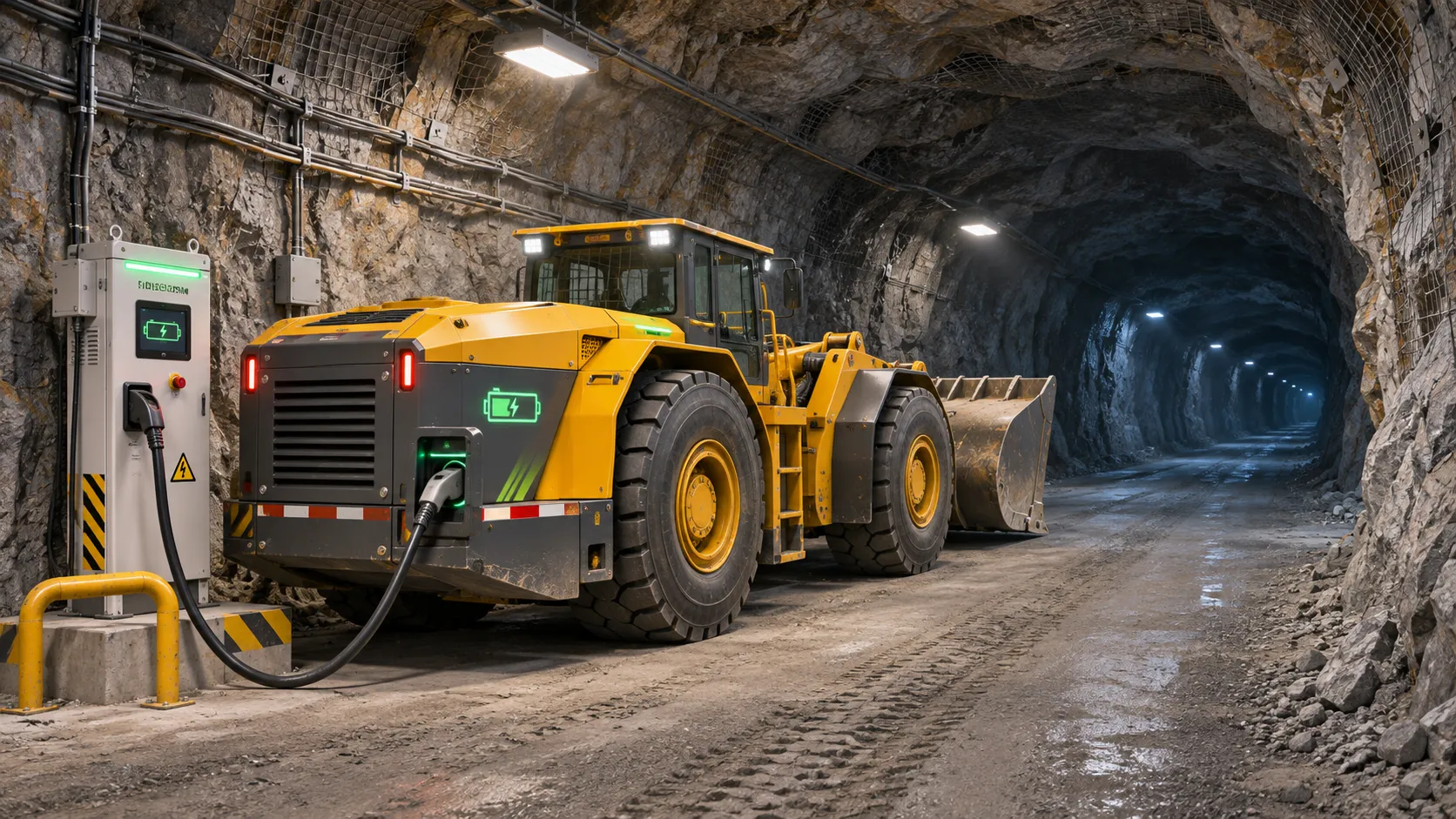
Choosing a Zero-Emission Underground Equipment Supplier: What to Check
Choosing a zero emission underground equipment supplier? Compare duty-cycle performance, charging, safety, total costs and support before you commit.
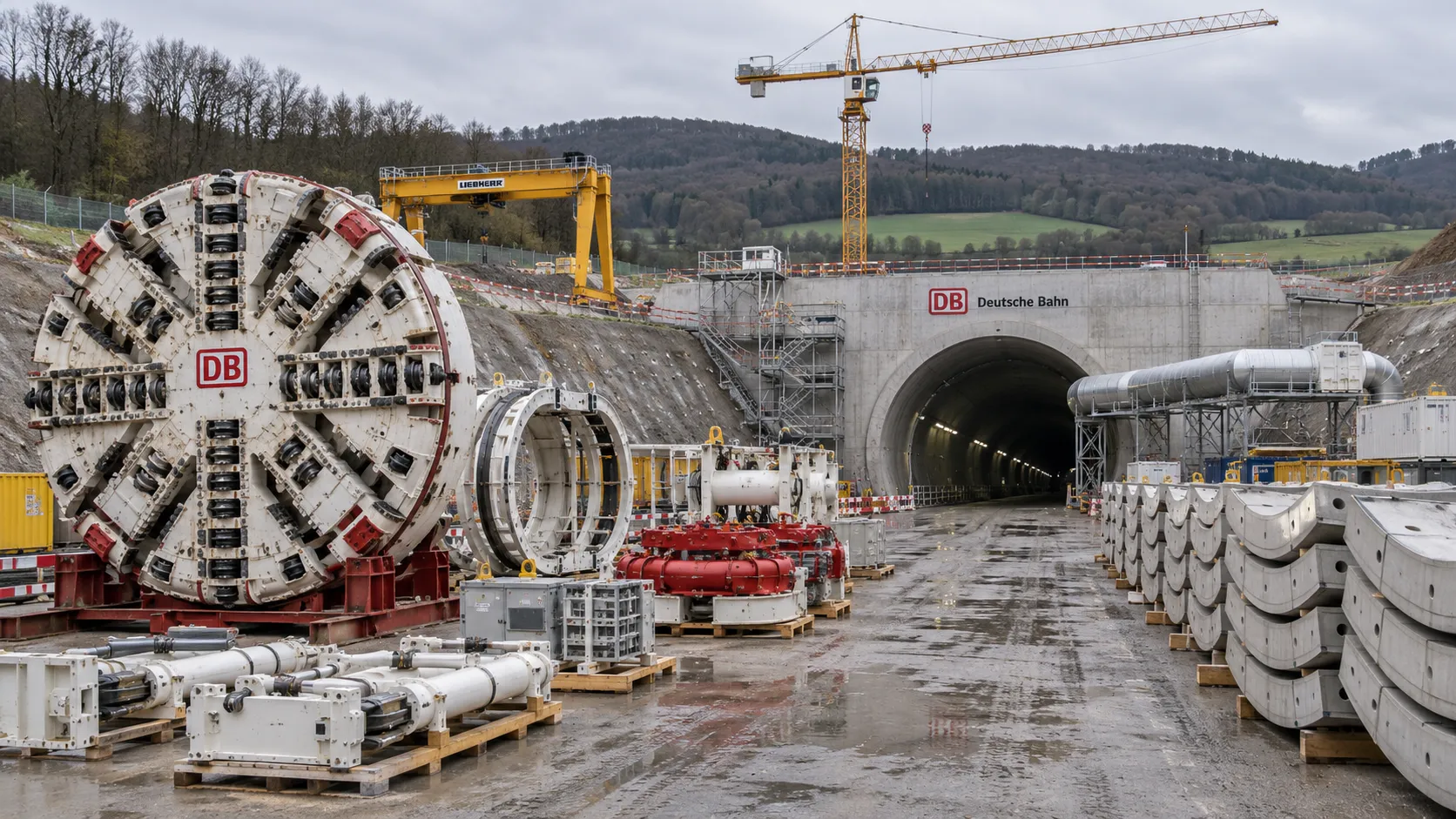
Construction Starts on Germany's Pfaffensteig Rail Tunnel, With Two TBMs Planned
Pfaffensteig rail tunnel construction is underway in Germany. Discover how two planned TBMs will support the 11-kilometre project near Stuttgart.
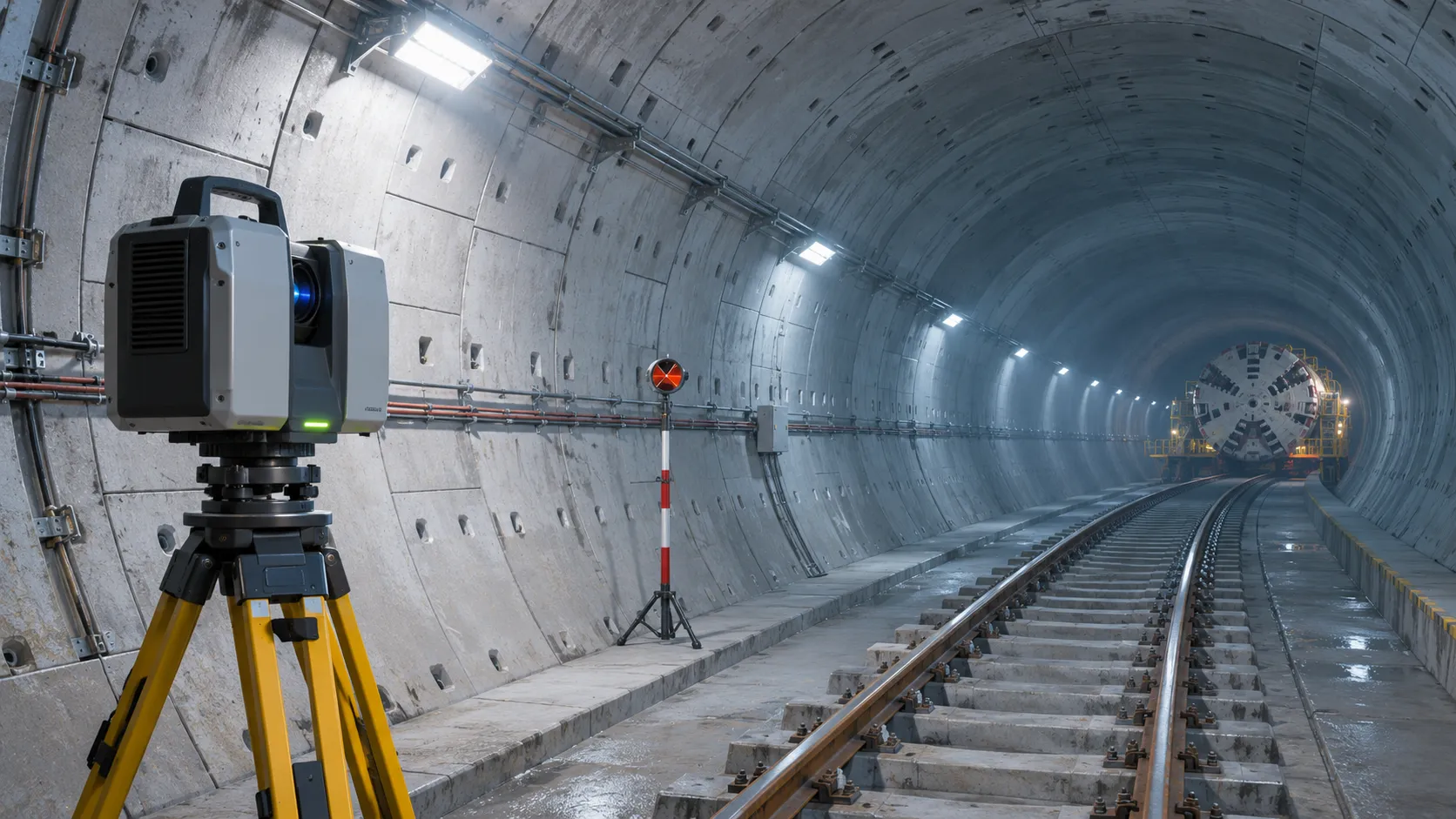
How Real-Time Underground Mapping Systems Work in Tunneling
Discover how real-time underground mapping systems guide tunneling teams, integrate sensor data, and support confident decisions with verified accuracy.
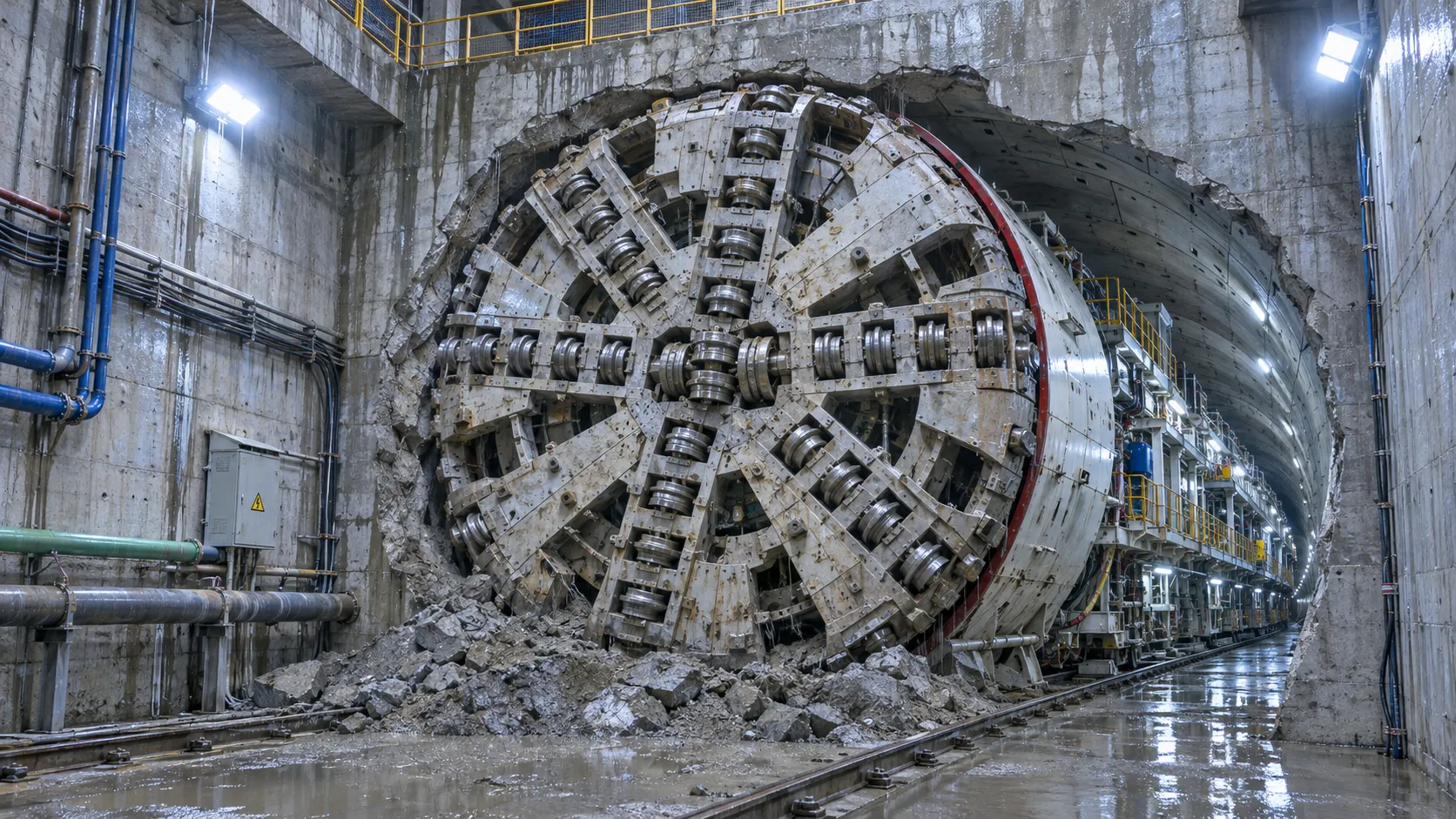
First Mechanized Tunnel Crossing Beneath the Panama Canal Completed
Panama Canal tunnel crossing: Explore the reported Metro Line 3 milestone and what it could mean for future underwater tunneling projects.
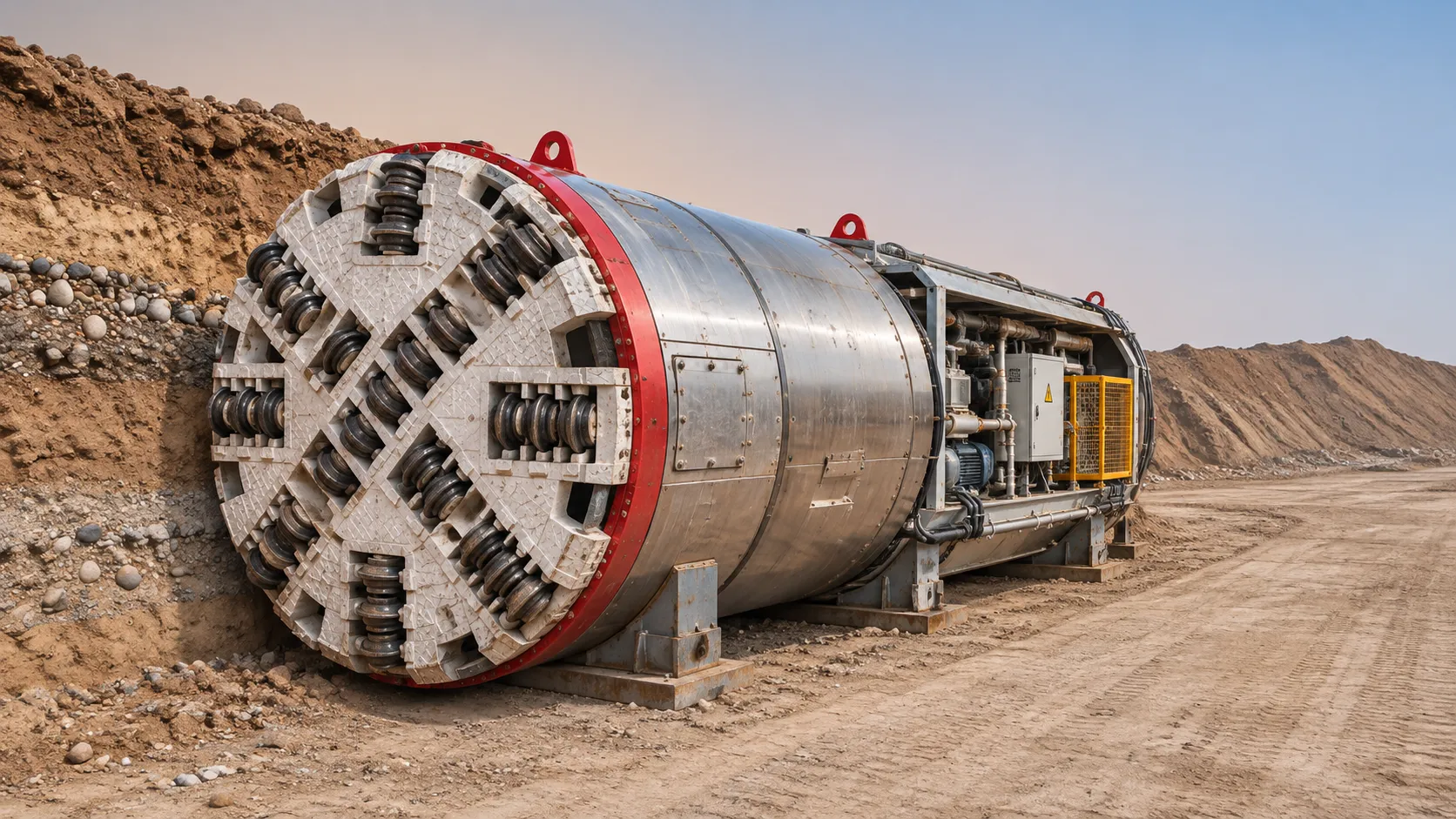
Underground Utility Construction Equipment: Choosing by Ground Conditions
Choose underground utility construction equipment with confidence. Compare trenching, HDD, microtunnelling and TBMs by ground conditions, risk and cost.
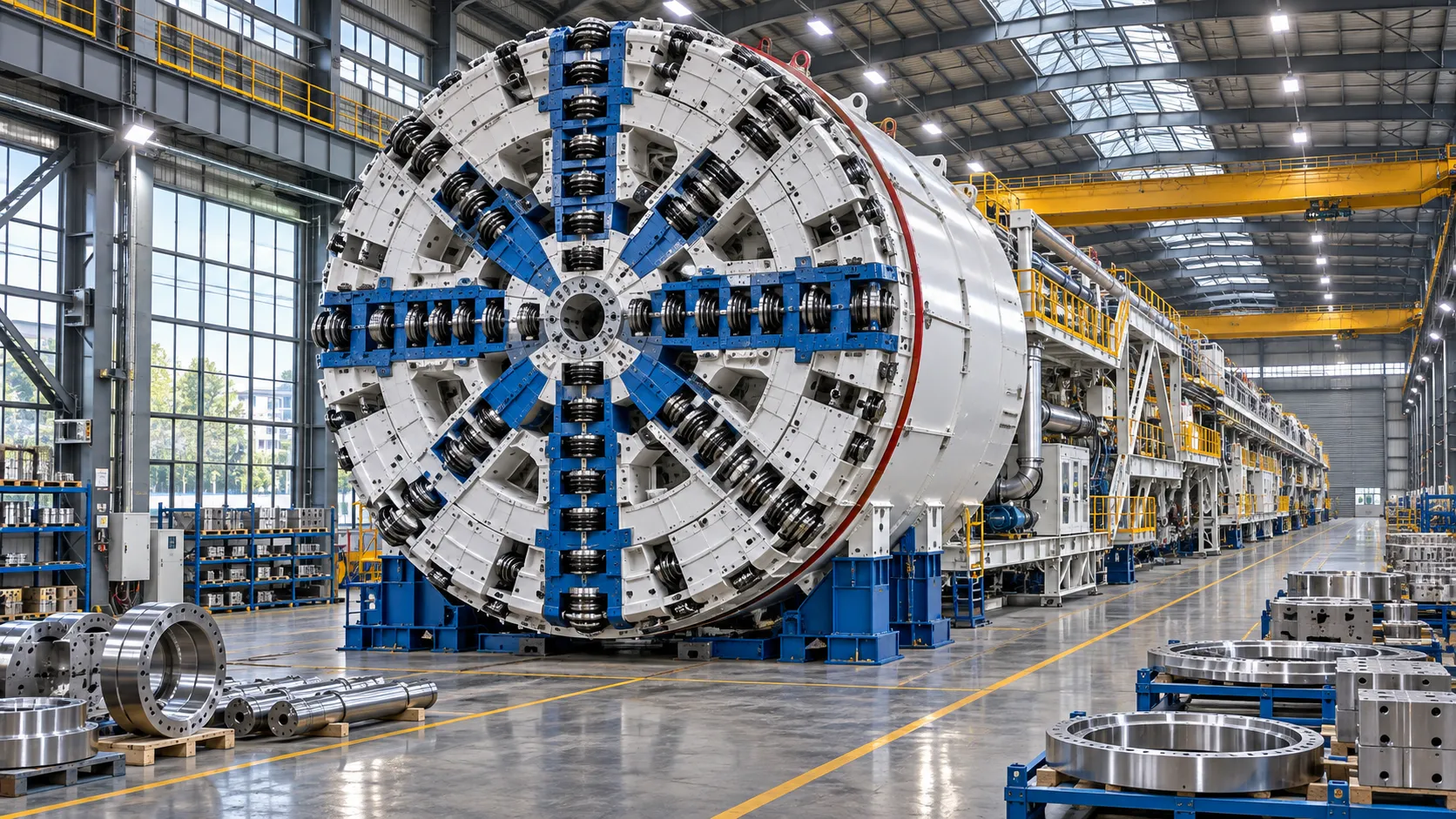
China Sets Tunnel Boring Machine Export Controls as India Pushes Local Production
China tunnel boring machine export controls could reshape procurement as India pushes local production. Explore potential supply and project impacts.
Choosing a Trenchless Pipeline Installation Contractor: Key Qualifications
Choose a trenchless pipeline installation contractor with confidence. Learn how to assess experience, equipment, safety, costs, and project risks before you hire.
China's 70% TBM Share and Export Controls Challenge India's Local Production
China's TBM export controls could challenge India's local production and infrastructure sourcing. Explore the potential risks and procurement options.
Related News
- 00
0000-00
How TBM Excavation Works in Rock and Soft Ground: A Practical Guide - 00
0000-00
Choosing a Zero-Emission Underground Equipment Supplier: What to Check - 00
0000-00
Construction Starts on Germany's Pfaffensteig Rail Tunnel, With Two TBMs Planned - 00
0000-00
How Real-Time Underground Mapping Systems Work in Tunneling - 00
0000-00
First Mechanized Tunnel Crossing Beneath the Panama Canal Completed
Weekly Insights
Stay ahead with our curated technology reports delivered every Monday.