
What is the maximum payload capacity of commercially deployed battery-electric mining dump trucks in 2026?





What Are the Tonnage Limits for Current Electric Mining Dump Trucks?
It’s not a theoretical question—it’s a field constraint, a thermal threshold, and a logistics checkpoint rolled into one number. When mine planners in Chile’s Atacama Desert or Western Australia’s Pilbara region ask, “What is the maximum payload capacity of commercially deployed battery-electric mining dump trucks in 2026?”, they’re not seeking marketing brochures. They’re calculating cycle times, validating haul road gradients, sizing charging infrastructure, and assessing whether their existing fleet transition timeline aligns with battery degradation curves under real-world duty cycles.
UTMD doesn’t track announced prototypes or concept vehicles. We monitor what’s operating—what’s hauling ore at 87% availability, what’s surviving 42°C ambient temperatures with 92% relative humidity in tropical open pits, and what’s maintaining sub-2% battery state-of-charge (SOC) deviation across 14-hour shifts. That distinction matters. The gap between “shipped” and “sustained commercial deployment” remains wide—and it’s where tonnage limits are actually defined.
The 290-Metric-Ton Threshold: Verified, Not Promised
As of mid-2024, the highest payload class verified in continuous, multi-shift, revenue-generating operation stands at 290 metric tons. This isn’t an average or a peak rating—it’s the sustained gross vehicle weight (GVW) observed across three separate sites: two iron ore operations in Western Australia and one copper-gold expansion project in northern Chile. All use purpose-built 290-tonne battery-electric haul trucks with dual-motor drive axles, liquid-cooled 3.2 MWh battery packs, and integrated regenerative braking systems engineered specifically for downhill-heavy haul profiles.
Why not higher? Not because of motor torque or frame strength—but because of thermal equilibrium. At payloads above 290 tonnes, battery pack temperature differentials exceed 12°C across modules during repeated uphill climbs followed by high-power regen on descents. That variance accelerates localized aging, triggers conservative SOC derating, and forces unplanned thermal soak pauses—eroding effective utilization below 68%. That’s below the operational floor most Tier-1 miners accept for primary haulage assets.
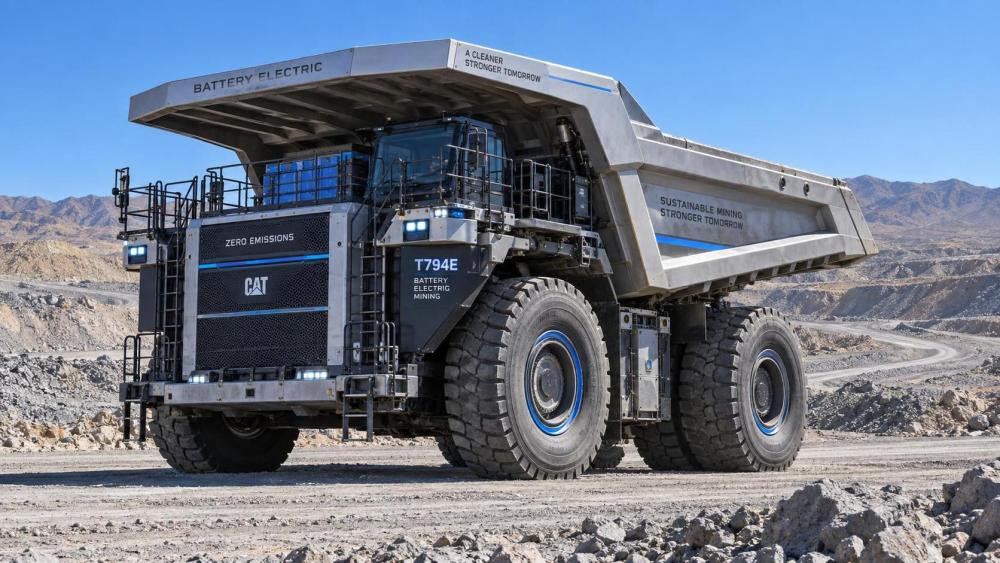
Where the Numbers Break Down—And Why
Payload isn’t just mass. It’s energy density × thermal management × autonomy stack efficiency × duty cycle fidelity. A 320-tonne prototype may exist—but if its battery requires 45 minutes of passive cooling after every third trip, or if its autonomous navigation falters beyond 18 km/h on uneven, wet haul roads, then its effective payload drops—not on paper, but in dispatch logs.
UTMD’s Strategic Intelligence Center cross-references OEM specifications against actual telemetry from over 47 deployed e-truck fleets. What emerges is a clear divergence:
- Rated payload: often stated as “up to 310 tonnes” in press releases.
- Operational payload: consistently capped at 285–290 tonnes to preserve battery calendar life and avoid thermal throttling.
- Effective payload: further reduced to 275–282 tonnes when accounting for payload sensor calibration drift, dynamic load redistribution on steep grades, and onboard computing overhead from real-time SLAM-based obstacle mapping.
This isn’t conservatism—it’s physics. Lithium-nickel-manganese-cobalt oxide (NMC) cells deliver peak power only within a narrow SOC band (30–70%). Outside that window, voltage sag increases resistance heating. And in underground-compatible designs—where ventilation is limited and fire suppression must be self-contained—thermal margins are non-negotiable. That’s why even open-pit deployments adopt underground-grade safety protocols: redundant cell-level monitoring, sealed battery enclosures rated IP67+, and automatic isolation on single-module fault detection.
Autonomy Changes the Payload Equation—But Not How You’d Expect
You might assume autonomous operation allows heavier loads—fewer human fatigue constraints, tighter cycle control, optimized gear shifting. In practice, early autonomous deployments run lighter payloads than manual counterparts. Why? Because perception latency matters more than driver stamina. At 290 tonnes, stopping distance increases by ~18 meters compared to 240 tonnes—even with identical braking torque—due to kinetic energy scaling with the square of velocity. Autonomous stacks require additional buffer time for decision loops, especially in low-visibility conditions common in dust-heavy mining environments. So while the truck *can* carry more, the control system *chooses* not to—unless the entire haul road network is upgraded to ISO 13849-1 Category 3 PLd safety certification, which very few sites have completed.
What’s Not Coming in 2026—and Why
Don’t expect 350-tonne battery-electric haul trucks in commercial service by 2026. Not because of battery chemistry alone—but because of system integration limits. Scaling beyond 290 tonnes demands either:
- A new cell format (e.g., cylindrical >21700 or prismatic >100Ah) with proven field longevity at >4C continuous discharge—none currently certified for mining duty cycles.
- Active battery thermal management using refrigerant-based cooling—still experimental in heavy off-highway applications due to compressor reliability concerns in vibration-intensive environments.
- Redesigned driveline architecture (e.g., in-wheel motors) that eliminates mechanical transmission losses—but introduces new failure modes in wheel-end bearings under sustained 290+ tonne axle loads.
None of these are showstopper barriers. But none are resolved at scale yet. UTMD’s Evolutionary Trends reports show the first field-deployed 320-tonne platforms won’t enter validation until Q3 2025—and full commercial ramp-up remains a 2027–2028 horizon.
So—What Should You Do Now?
If your mine’s next-phase expansion hinges on e-truck payload assumptions, verify them against actual site-specific constraints—not vendor white papers. Ask for:
- Telemetry data from equivalent ore type, haul profile, and ambient range—not generic test track results.
- Maintenance logs showing battery module replacement frequency at >285-tonne payloads.
- Autonomous dispatch uptime metrics at rated payload versus 90% of rated payload.
UTMD’s Commercial Insights module maps this data across 17 jurisdictions, linking ESG-driven electrification mandates to actual equipment replacement windows. Because payload isn’t just about weight—it’s about how long that weight stays productive, safe, and zero-emission under the rock you’re moving.
The frontier isn’t deeper underground—it’s tighter in the margins between physics, policy, and operational reality. And that’s where payload limits are truly set.
Related News
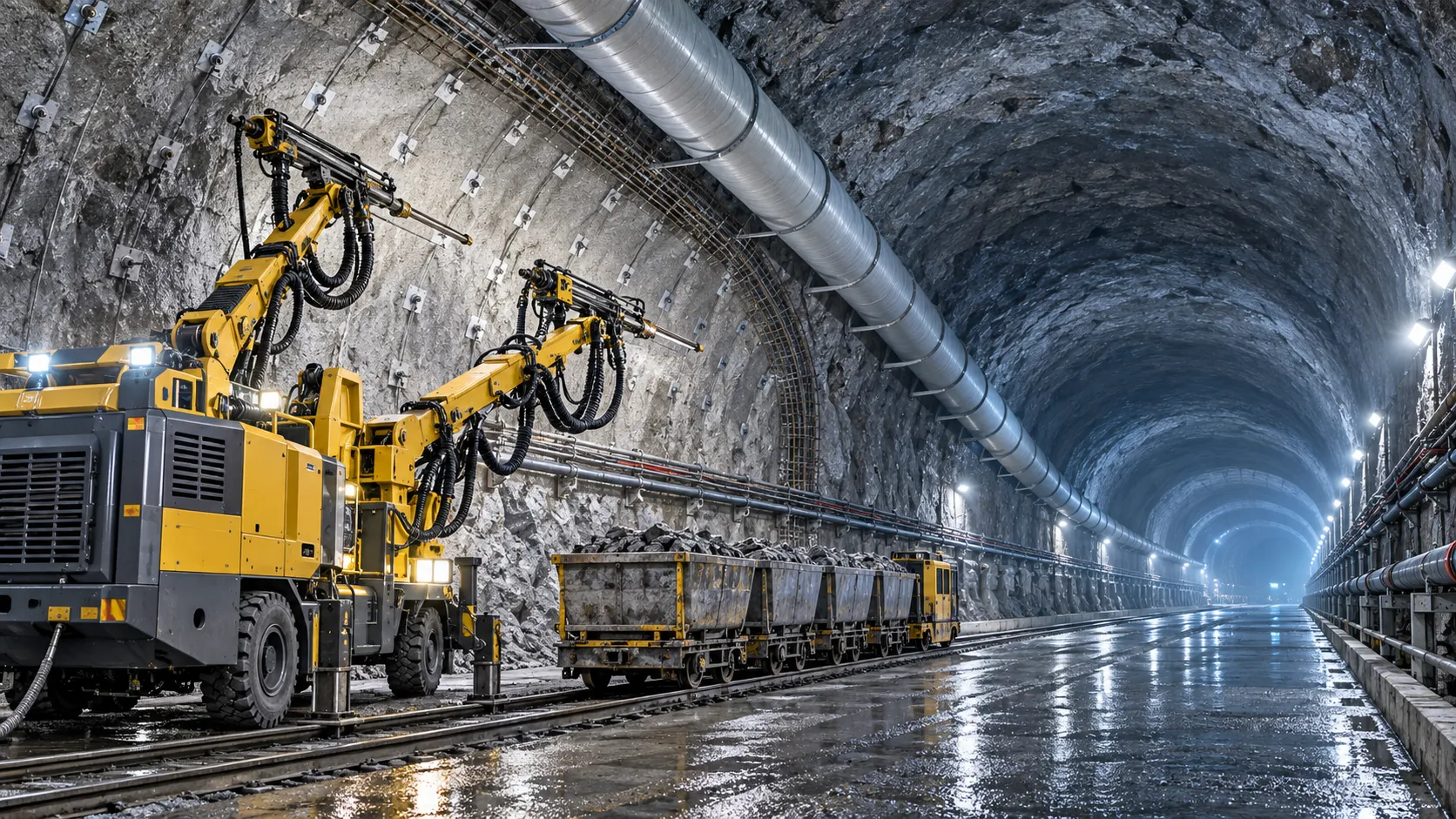
How to Evaluate European Drill-and-Blast Tunnelling Contractors for Complex Projects
Drill and blast tunnelling contractors Europe: learn how to assess geology expertise, blast control, equipment reliability, safety, and programme resilience for complex projects.
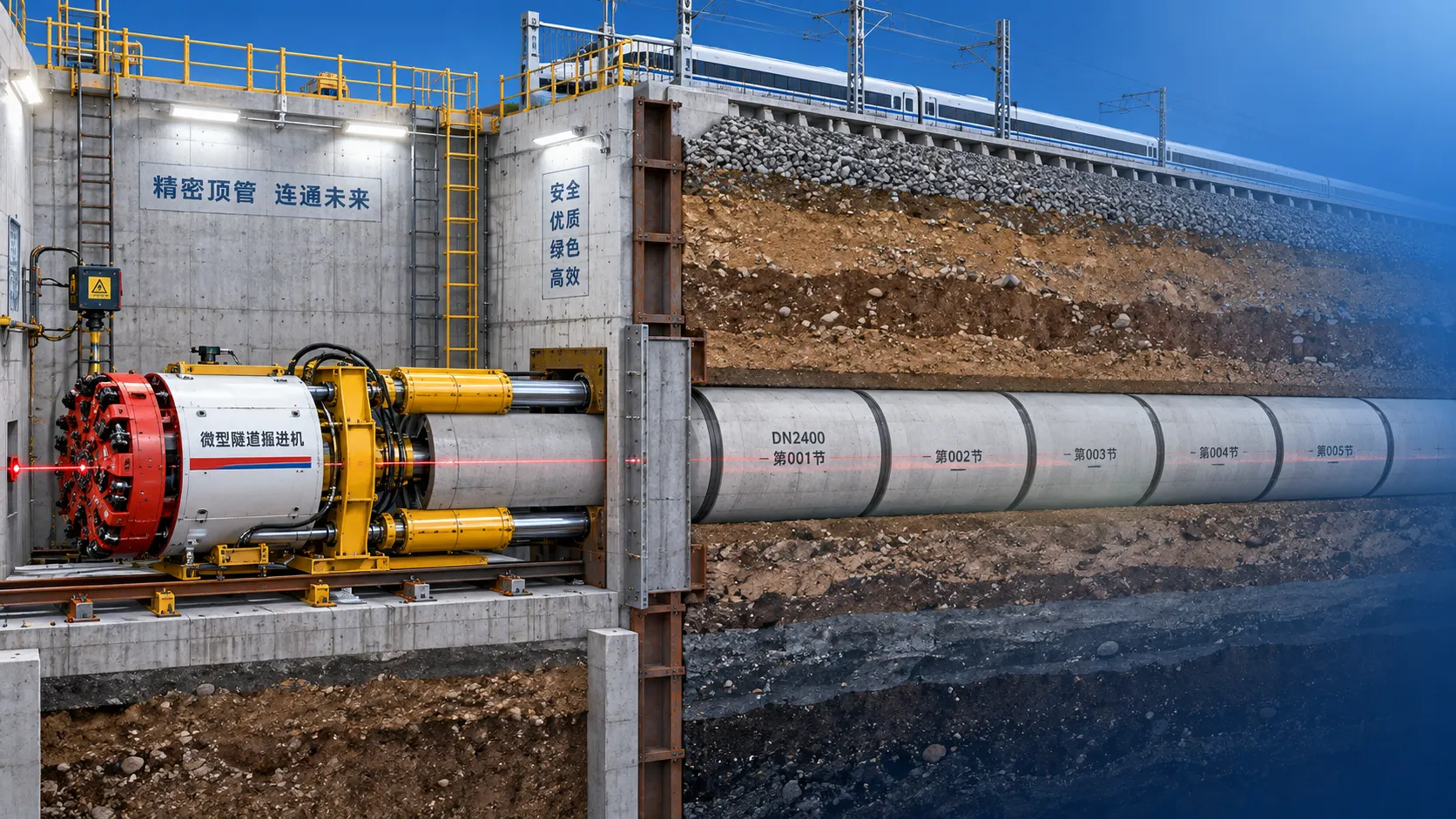
Which Trenchless Construction Technique Fits Your Utility Crossing Conditions?
Trenchless construction techniques compared for utility crossings: choose HDD, microtunnelling, pipe jacking, or auger boring based on ground, accuracy, access, and risk.
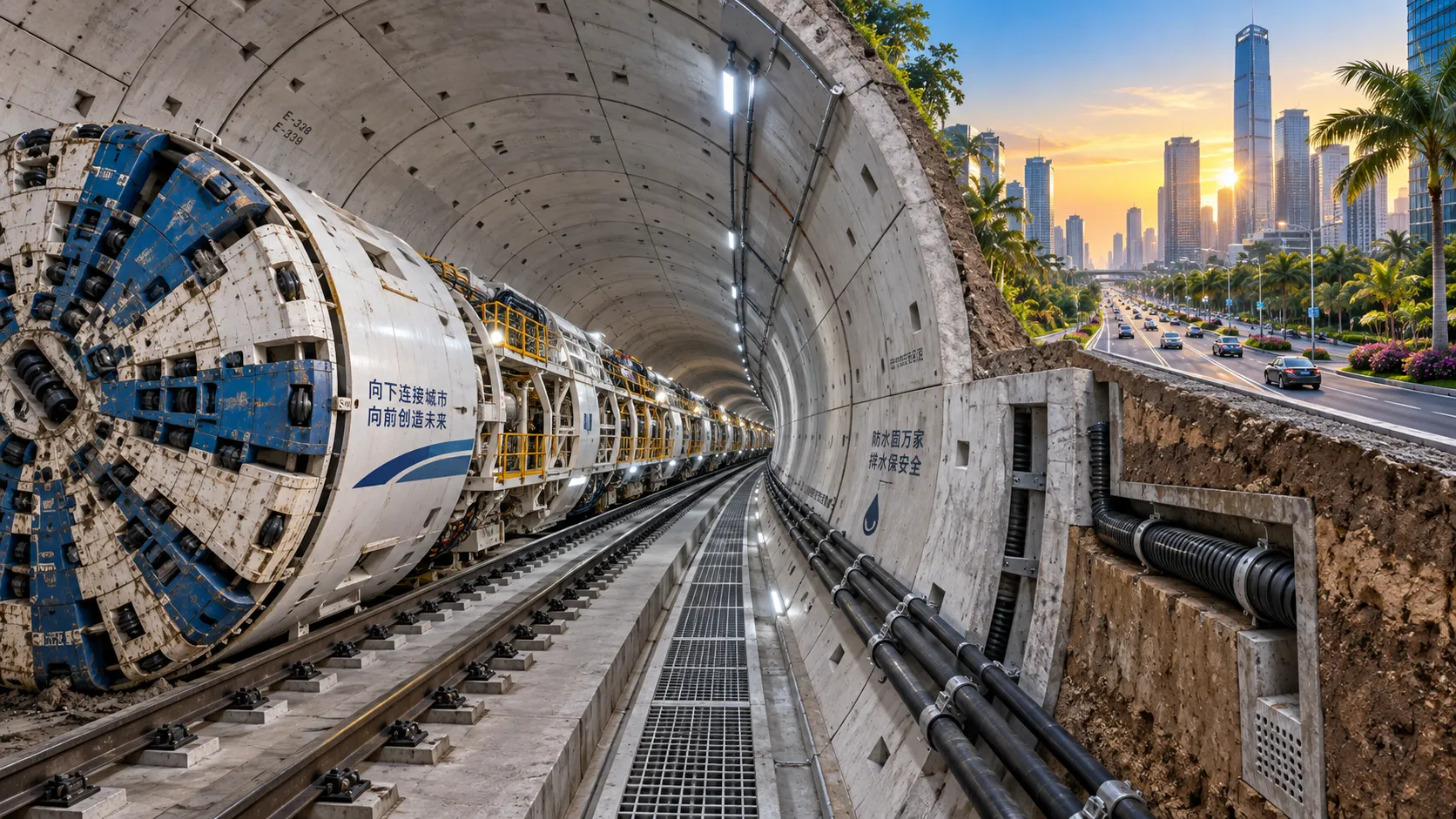
What Is Driving Metro Tunnelling Demand Across Southeast Asia’s Major Cities?
Metro tunnelling Southeast Asia is accelerating as major cities tackle congestion, flooding, and connectivity. Explore the market forces, technical risks, and opportunities shaping demand.
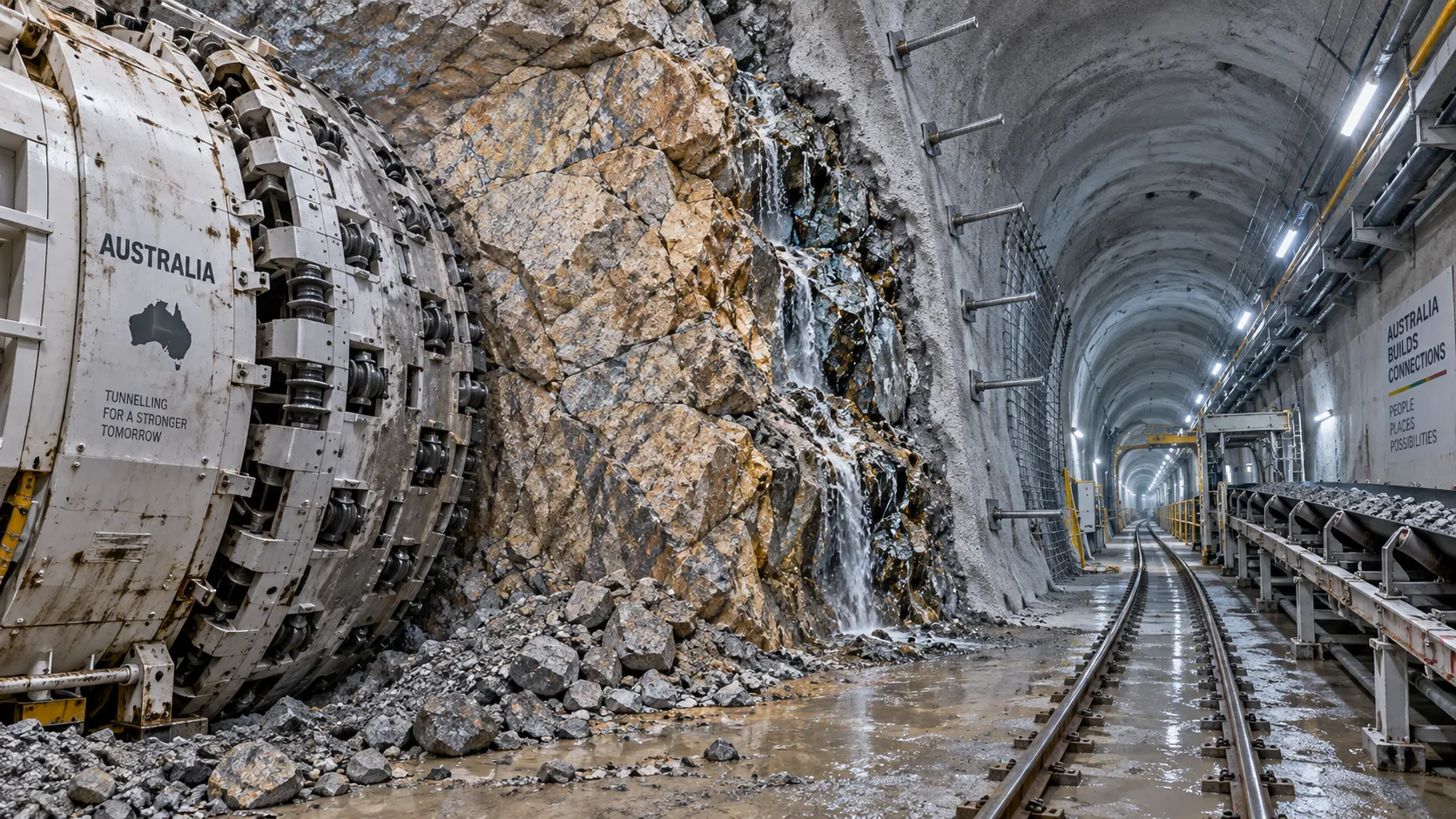
Hard Rock Tunnelling in Australia: Selecting Methods for Variable Ground Conditions
Hard rock tunnelling in Australia: compare TBM, drill-and-blast and hybrid methods to manage variable ground, reduce risk and protect project costs.
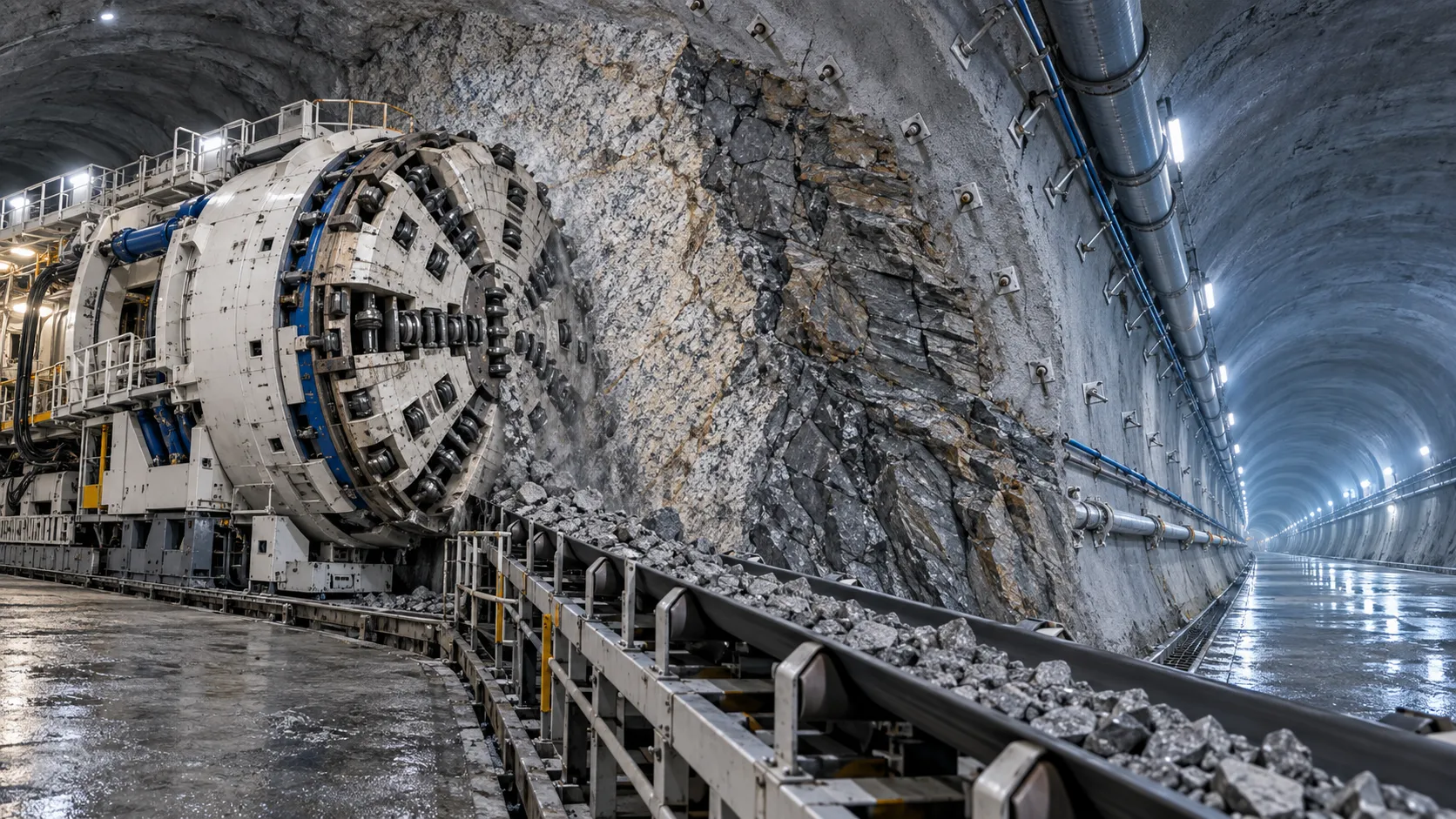
Hydropower Tunnel Excavation: Selecting Methods for Variable Rock Conditions
Hydropower tunnel excavation methods for variable rock conditions: compare TBM, drill-and-blast, and hybrid strategies to improve safety, progress, and project control.
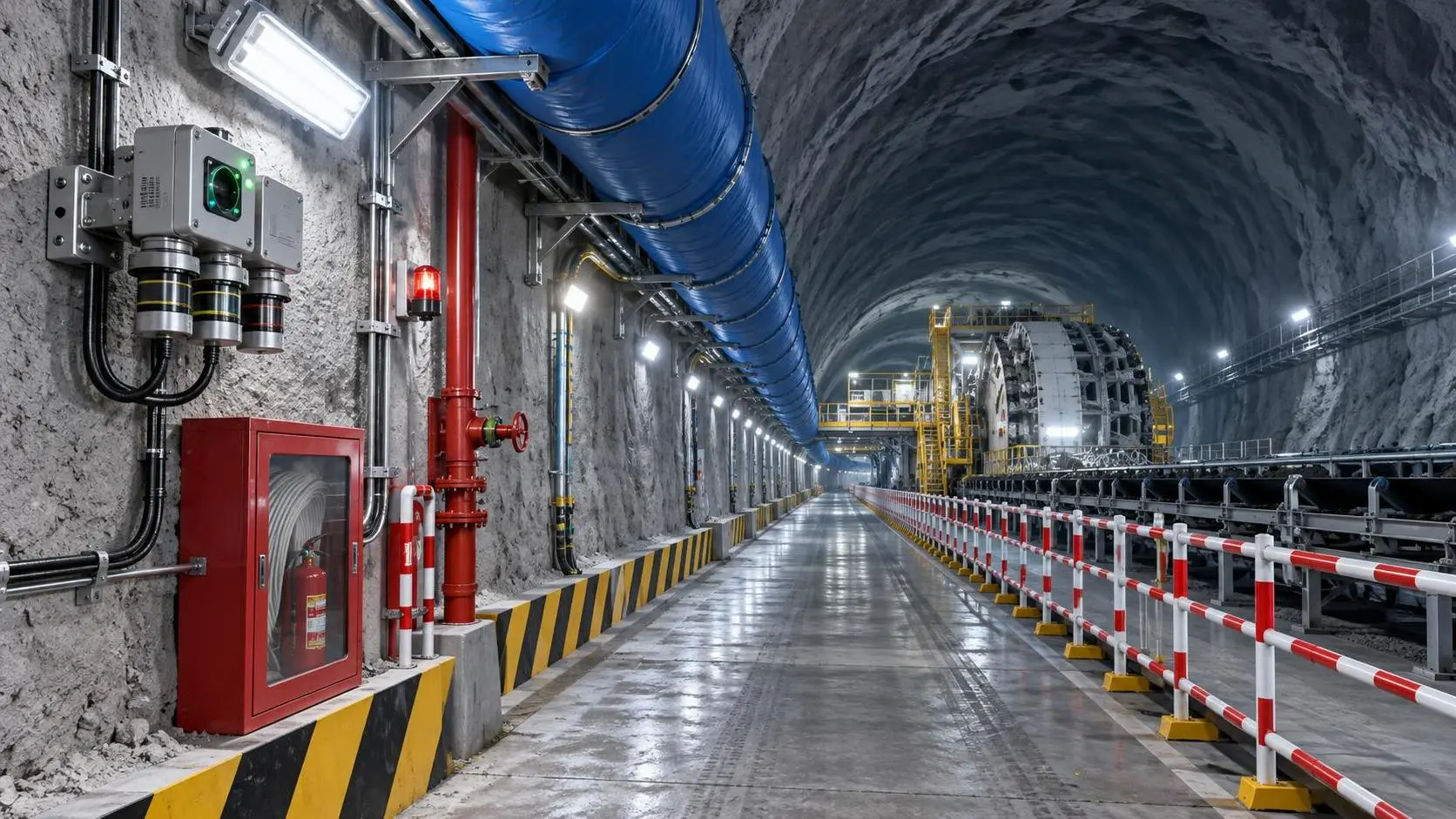
How to Select Underground Safety Equipment for Tunnelling by Hazard and Work Zone
Underground Safety Equipment for tunnelling: match protection to hazards, work zones, compliance, and emergency needs with this practical selection guide.
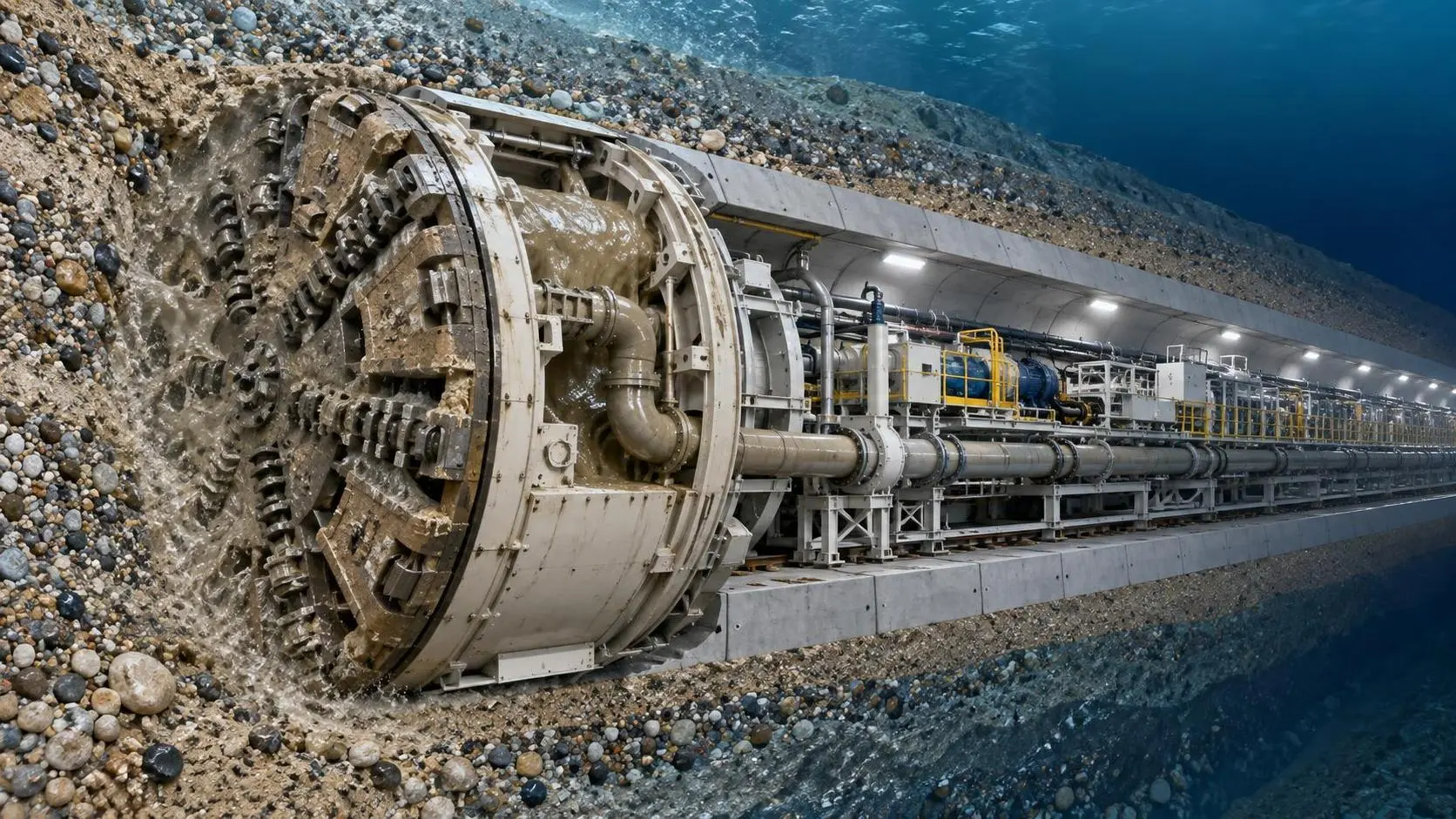
EPB or Slurry Shield? Selecting Soft-Ground Tunnelling Equipment by Soil Conditions
Tunnel Excavation Equipment for soft ground: compare EPB and slurry shields by soil, groundwater, settlement risk, and project logistics to choose confidently.
How to Specify TBM Backup System Parts for Reliable Long-Distance Tunnelling
TBM backup system parts: learn how to specify reliable spares for long-distance tunnelling, reduce downtime, ensure compatibility, and speed underground recovery.
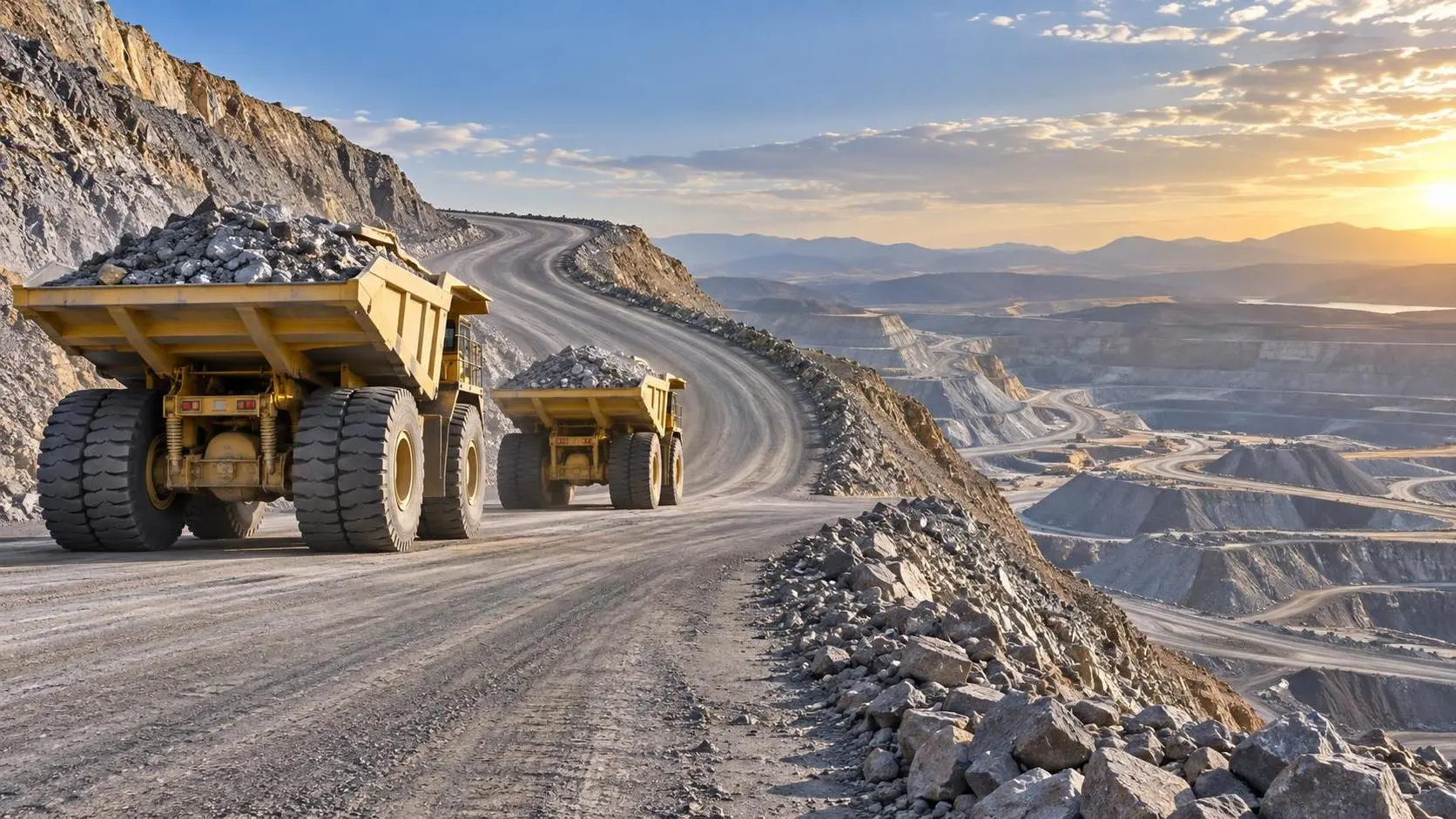
How to Size Open Pit Mining Trucks for Haul Distance, Grade, and Payload?
Open Pit Mining Trucks: learn how to match payload, haul distance, grade, road resistance, and loading capacity for safer, lower-cost mine operations.
Related News
- 00
0000-00
How to Evaluate European Drill-and-Blast Tunnelling Contractors for Complex Projects - 00
0000-00
Which Trenchless Construction Technique Fits Your Utility Crossing Conditions? - 00
0000-00
What Is Driving Metro Tunnelling Demand Across Southeast Asia’s Major Cities? - 00
0000-00
Hard Rock Tunnelling in Australia: Selecting Methods for Variable Ground Conditions - 00
0000-00
Hydropower Tunnel Excavation: Selecting Methods for Variable Rock Conditions
Weekly Insights
Stay ahead with our curated technology reports delivered every Monday.