
How to Shortlist a Rigid Mining Truck Supplier for Remote Open-Pit Projects





A remote open-pit project can look straightforward on a fleet spreadsheet: required tonnes per hour, target payload class, number of trucks, quoted purchase price. The difficulty appears after the first major component failure, delayed tire delivery, or powertrain alarm that cannot be diagnosed locally. At that point, the cost is not limited to one truck standing still. Dispatch plans change, loaders wait, haul-road congestion increases, and production pressure moves onto the rest of the fleet.
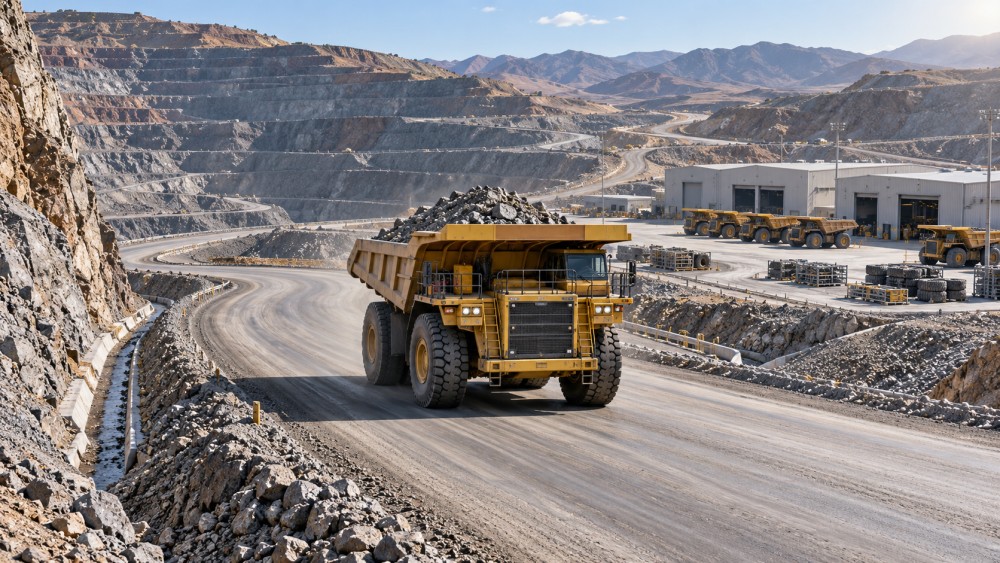
The practical way to shortlist a rigid mining truck supplier is to assess whether the supplier can keep equipment available at the actual mine location, under the expected haul profile, climate, fuel or charging conditions, and maintenance constraints. Start with operational fit and support capability, then compare commercial terms. A lower acquisition quote has limited value if the supplier cannot provide parts, technical access, trained field personnel, or a credible plan for major repairs.
Begin with the mine conditions, not the truck brochure
Before requesting proposals, translate the mine plan into operating conditions a supplier must respond to. Payload rating alone does not show whether a truck will perform reliably on a long downhill haul, in high ambient temperatures, at altitude, or on roads that deteriorate during wet periods.
A useful request package should describe the conditions that change truck selection and supplier support needs:
- Planned annual operating hours and anticipated fleet size at each project phase.
- Material density, fragmentation, moisture, and expected loading practice.
- Typical haul distance, loaded and empty grades, rolling resistance, and turning constraints.
- Road surface condition, drainage limitations, dust level, and seasonal weather exposure.
- Elevation, ambient temperature range, and whether engines or cooling systems will operate near derating limits.
- Fuel availability, fuel quality controls, electrical infrastructure, and any planned transition to electric or trolley-assisted haulage.
- Workshop capacity, lifting equipment, warehousing space, communications coverage, and access routes for heavy replacement components.
This information prevents an early mistake: comparing suppliers against an incomplete duty cycle. Two trucks in the same nominal payload class may require different brake-retarding capability, cooling margin, tire specification, body configuration, or service intervals. Suppliers should state their assumptions rather than simply confirm that their model is “suitable for mining.”
Separate technical suitability from supportability
A machine can be technically acceptable but commercially risky for a remote operation. Procurement teams should score these areas separately. Technical suitability concerns whether the truck can safely carry the required payload across the haul route. Supportability concerns whether the supplier can maintain that capability throughout the project.
During early discussions, ask suppliers to identify the operating condition they consider most challenging. A credible response normally includes caveats, required data, and configuration recommendations. A generic answer that focuses only on maximum payload may indicate that the proposal has not been engineered around the mine plan.
Test the supplier’s remote-service model before discussing discounts
Remote projects expose weaknesses in service arrangements quickly. A supplier may have regional representation but no practical ability to reach the site during access restrictions, adverse weather, border delays, or periods when specialist labor is unavailable. The shortlist should distinguish between a sales presence, a parts warehouse, an authorized repair facility, and a field-service organization. These are not interchangeable.
Ask each bidder to explain its support model from the moment a truck reports a serious fault. The answer should cover fault triage, remote diagnostics, decision authority, travel arrangements, component availability, and expected site responsibilities. It should also identify which repairs can be performed by the mine maintenance team and which require supplier specialists.
Particular attention should go to high-consequence components: engines or traction systems, wheel motors where applicable, alternators, hydraulic pumps, brake assemblies, cooling packs, suspension cylinders, control modules, and body hoist systems. Do not only ask whether these parts are available. Ask where they are normally held, whether they are new or remanufactured, what information is needed to release them, and whether heavy transport or special handling is required.
Look beyond the initial parts package
Suppliers often offer a commissioning stock package. It can be useful, but it does not automatically protect availability after the first months of operation. The package should be reviewed against expected consumption, site lead times, component repair strategy, and the fleet ramp-up schedule. A project with a small initial fleet may still require a carefully selected holding of critical parts because one unavailable item can immobilize a high-value asset.
Request a distinction between fast-moving consumables, planned replacement items, and insurance spares. Consumables can usually be replenished through normal logistics. Insurance spares are different: their demand is infrequent, but their absence may create extended downtime. The supplier should be able to explain how it determined the recommended quantity and whether the inventory can be adjusted after operating data becomes available.
Evaluate the truck as a system on the haul road
Truck selection should not be isolated from loading, road management, fueling, tire handling, and dispatch. A rigid truck can meet its rated payload while still operating poorly because the body does not suit the material, loading passes are inconsistent, roads create excessive impact, or downhill braking duty is underestimated.
For each proposed truck, ask suppliers to document the operating envelope relevant to the mine. This includes target payload distribution, speed restrictions, maximum grade assumptions, brake-retarding limits, tire recommendations, and expected restrictions in wet or high-resistance conditions. Where a supplier uses fleet-monitoring data, clarify what data is available to the mine, who owns it, how long it is retained, and whether it can be accessed without dependence on a proprietary service contract.
Payload management deserves more attention than a headline payload figure. Chronic overloading affects frame life, tires, braking, suspension, and fuel or energy use. Chronic underloading quietly raises unit hauling cost. The better proposal is not necessarily the largest truck; it is the configuration that fits the loading tool, road geometry, production sequence, and maintenance capacity without creating avoidable operating variability.
Compare diesel and electric proposals on site readiness
Where the project is considering battery-electric trucks, trolley-assist systems, or another low-emission haulage path, separate equipment capability from infrastructure readiness. A supplier’s vehicle design may be appropriate, while the mine still lacks a workable charging, power-distribution, maintenance-isolation, or emergency-response plan.
For diesel fleets, examine fuel quality management, cold-start or hot-weather requirements, filtration arrangements, and anticipated fuel delivery resilience. In remote locations, contaminated fuel or inconsistent supply can become a fleet-wide reliability issue rather than a routine maintenance matter.
For electric alternatives, ask for a site-specific energy model that makes all assumptions visible: haul profile, loaded descent, regenerative braking potential, charging windows, battery temperature management, power availability, and peak-demand constraints. Regenerative braking can reduce net energy use on suitable routes, but it should not be treated as a universal offset. Its value depends on gradient, payload, state of charge, electrical architecture, and the ability to accept recovered energy safely.
The supplier should also define responsibilities around chargers, grid connection, substations, software interfaces, battery handling, and operator procedures. A truck quote that excludes these dependencies may appear attractive but leave major cost and schedule risk outside the comparison.
Use lifecycle cost carefully rather than accepting a single total-cost figure
Lifecycle cost is essential, but supplier calculations should be opened up rather than accepted as a final number. A comparison is only meaningful when bidders use the same operating hours, payload, haul distance, fuel or electricity assumptions, tire life assumptions, labor model, and component replacement basis.
Build the internal comparison around cost drivers that the mine can test:
- Capital cost, including bodies, safety options, onboard systems, tooling, commissioning, and site delivery responsibilities.
- Energy consumption under the defined haul cycle, with separate treatment for idling, queuing, downhill operation, and adverse road conditions.
- Tires, planned maintenance labor, fluids, filters, and wear parts.
- Major component repair or replacement assumptions, including transport and core-return conditions.
- Parts inventory investment and obsolescence exposure over the project life.
- Expected availability support costs, such as resident technicians, training, remote monitoring, and service agreements.
Do not force false precision. Early project assumptions will change. The more useful exercise is sensitivity testing: identify which variables materially alter the ranking. For one mine, tire performance may dominate. For another, fuel logistics, brake wear, or component lead time may have greater impact. A supplier that helps expose these sensitivities is generally easier to manage later than one that relies on a single optimistic ownership-cost estimate.
Check commercial terms for operational gaps
Commercial review should focus on whether the contract reflects the realities identified during technical evaluation. Warranty wording, for example, needs clear operating boundaries. Confirm how payload exceedance, road condition, fuel contamination, unauthorized software changes, operator practices, and third-party repairs affect coverage. Vague exclusions can cause disputes precisely when a remote mine needs rapid support.
Service-level provisions should define response mechanisms, not just broad intentions. Consider the escalation process for critical downtime, access to diagnostic tools, training responsibilities, software-update control, reporting frequency, and the process for recurring failures. Where availability or maintenance agreements are proposed, examine the exclusions and the data used to calculate performance. A commitment is only useful when downtime definitions, planned maintenance treatment, mine-caused delays, and parts supply responsibilities are understood by both sides.
It is also sensible to review supplier continuity without turning the exercise into speculation. Ask about installed fleet support in the relevant region, local repair capability, parts distribution routes, and the planned support arrangement for the expected project duration. The objective is not to choose the largest organization by default; it is to avoid relying on a support chain that has no workable redundancy.
Shortlist with a weighted decision record
A structured scorecard helps prevent the acquisition price from dominating discussions late in the process. Weightings should reflect the mine’s actual exposure. A project with difficult access may weight parts logistics and field response heavily. A high-altitude operation may give greater weight to cooling, power derating, and technical validation. A mine preparing for electrification may need to score infrastructure integration separately from truck performance.
Keep a written record for each score, including the evidence used and unresolved assumptions. This becomes valuable when bids are revised or when technical and commercial teams interpret a supplier response differently. It also makes it easier to identify issues that must be closed before award rather than managed informally after delivery.
The final shortlist should usually contain suppliers that meet the operating requirement, can demonstrate credible local or regional support, provide transparent lifecycle assumptions, and accept clear accountability for their part of the service model. A rigid mining truck is a long-lived production asset. Selecting the supplier is therefore not just a vehicle purchase decision; it is a decision about whether the mine can sustain hauling capacity when distance, weather, logistics, and maintenance complexity make recovery slow and expensive.
Related News
China's TBM Export Controls Prompt Infrastructure Concerns in India
China's TBM export controls could affect infrastructure projects in India. Explore potential supply risks and practical procurement steps.
How TBM Excavation Works in Rock and Soft Ground: A Practical Guide
TBM Excavation in rock and soft ground explained: compare machine types, ground support, spoil removal, and the factors that guide smarter project planning.
Choosing a Zero-Emission Underground Equipment Supplier: What to Check
Choosing a zero emission underground equipment supplier? Compare duty-cycle performance, charging, safety, total costs and support before you commit.
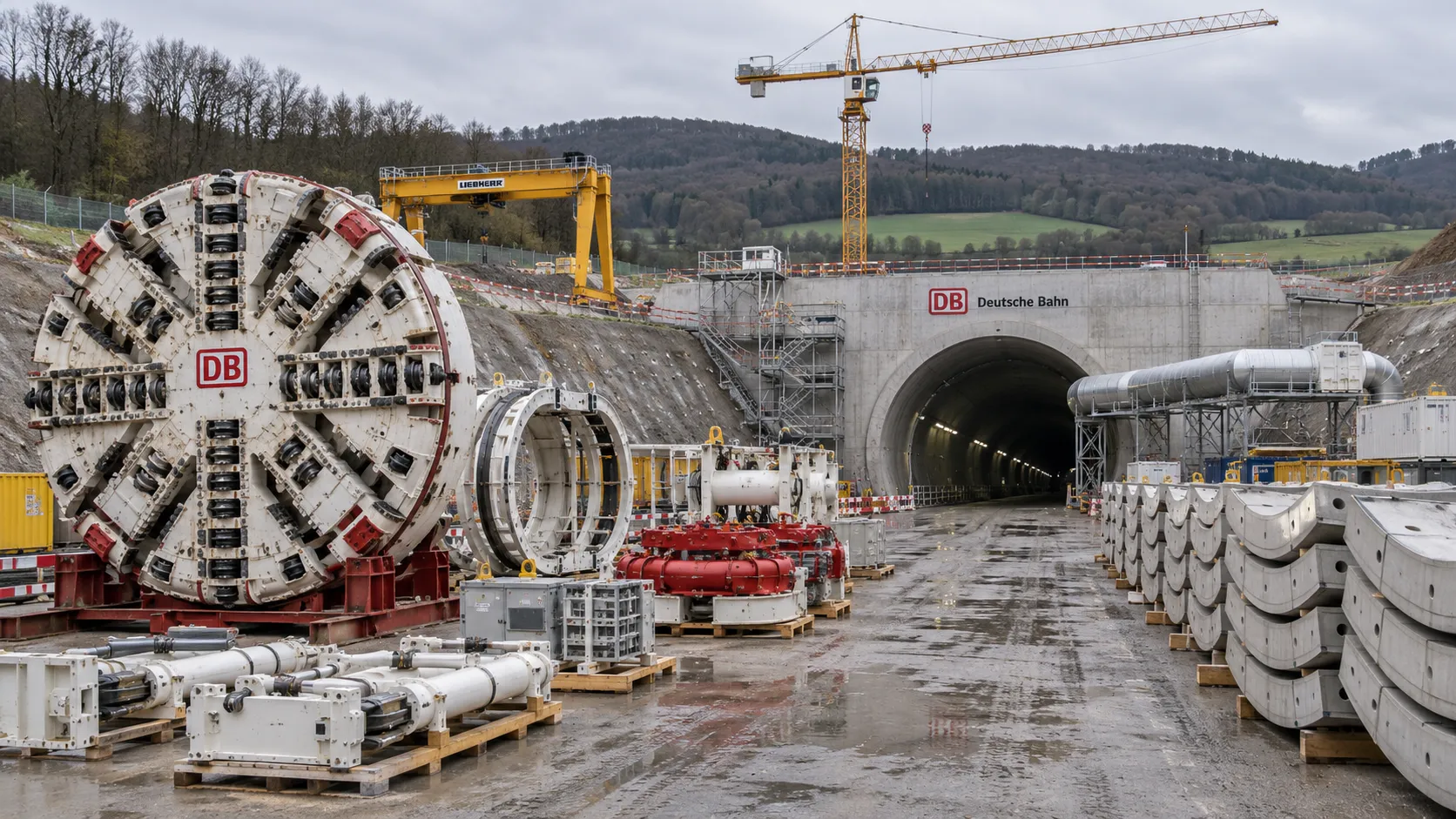
Construction Starts on Germany's Pfaffensteig Rail Tunnel, With Two TBMs Planned
Pfaffensteig rail tunnel construction is underway in Germany. Discover how two planned TBMs will support the 11-kilometre project near Stuttgart.
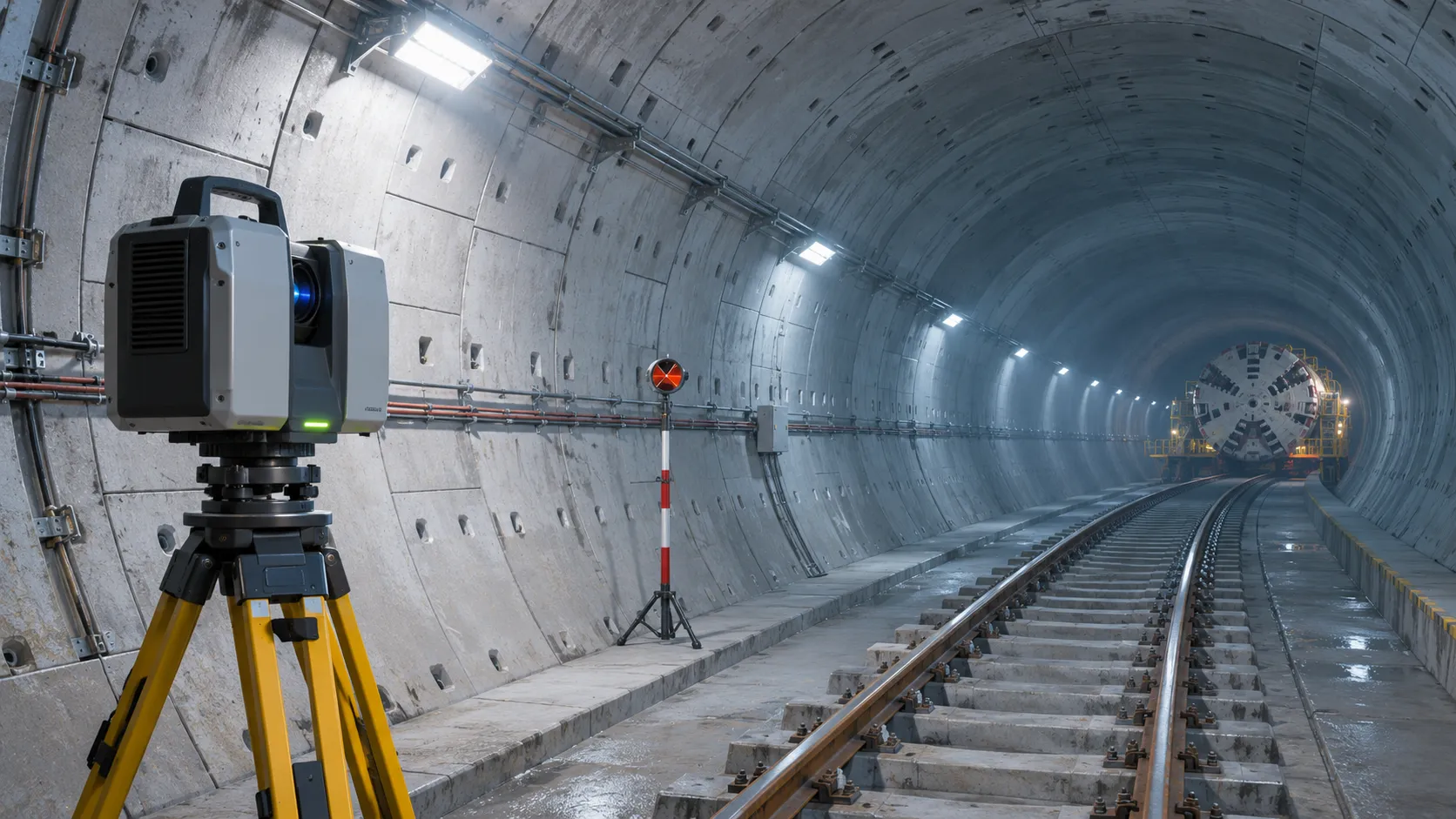
How Real-Time Underground Mapping Systems Work in Tunneling
Discover how real-time underground mapping systems guide tunneling teams, integrate sensor data, and support confident decisions with verified accuracy.
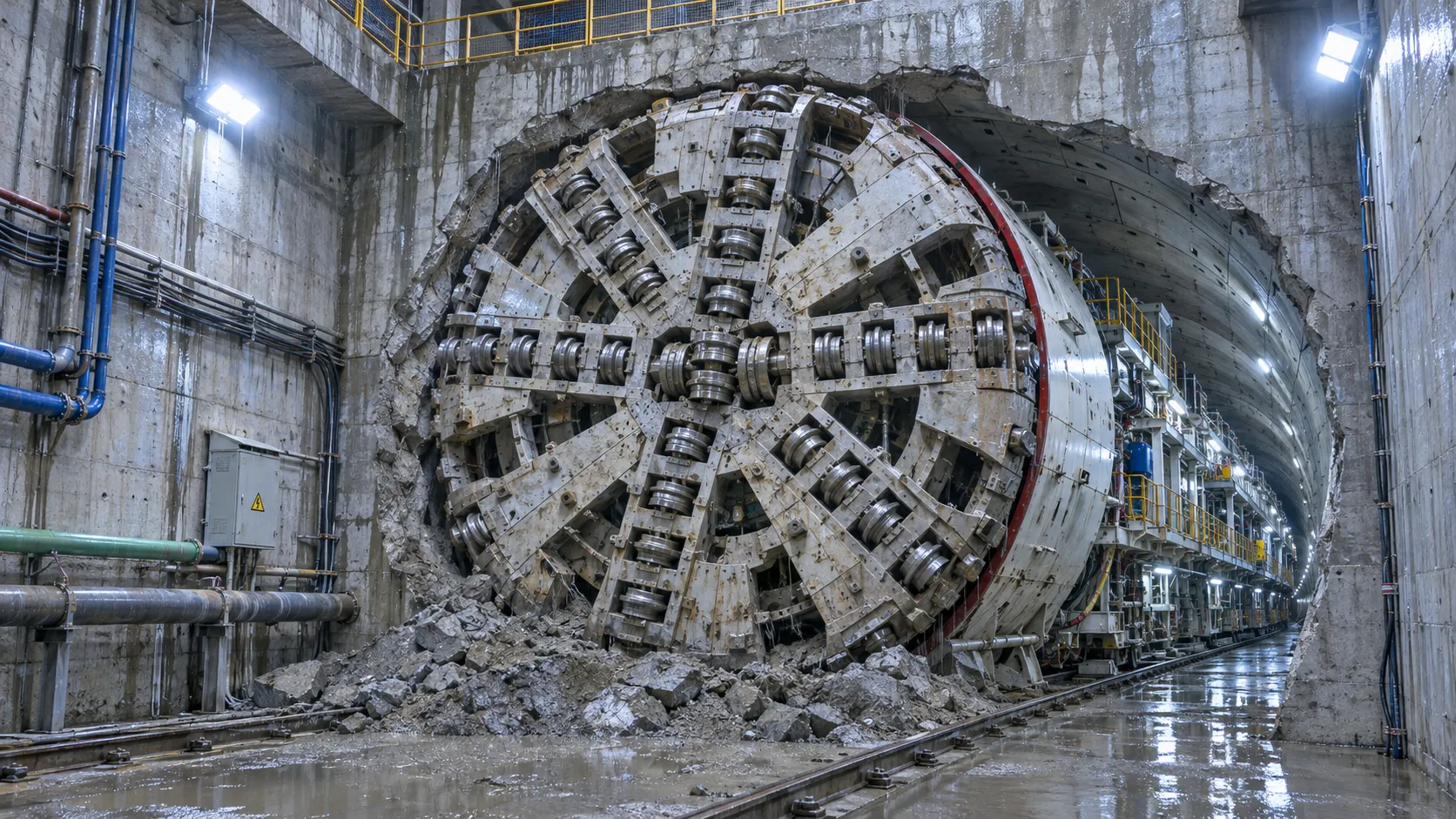
First Mechanized Tunnel Crossing Beneath the Panama Canal Completed
Panama Canal tunnel crossing: Explore the reported Metro Line 3 milestone and what it could mean for future underwater tunneling projects.
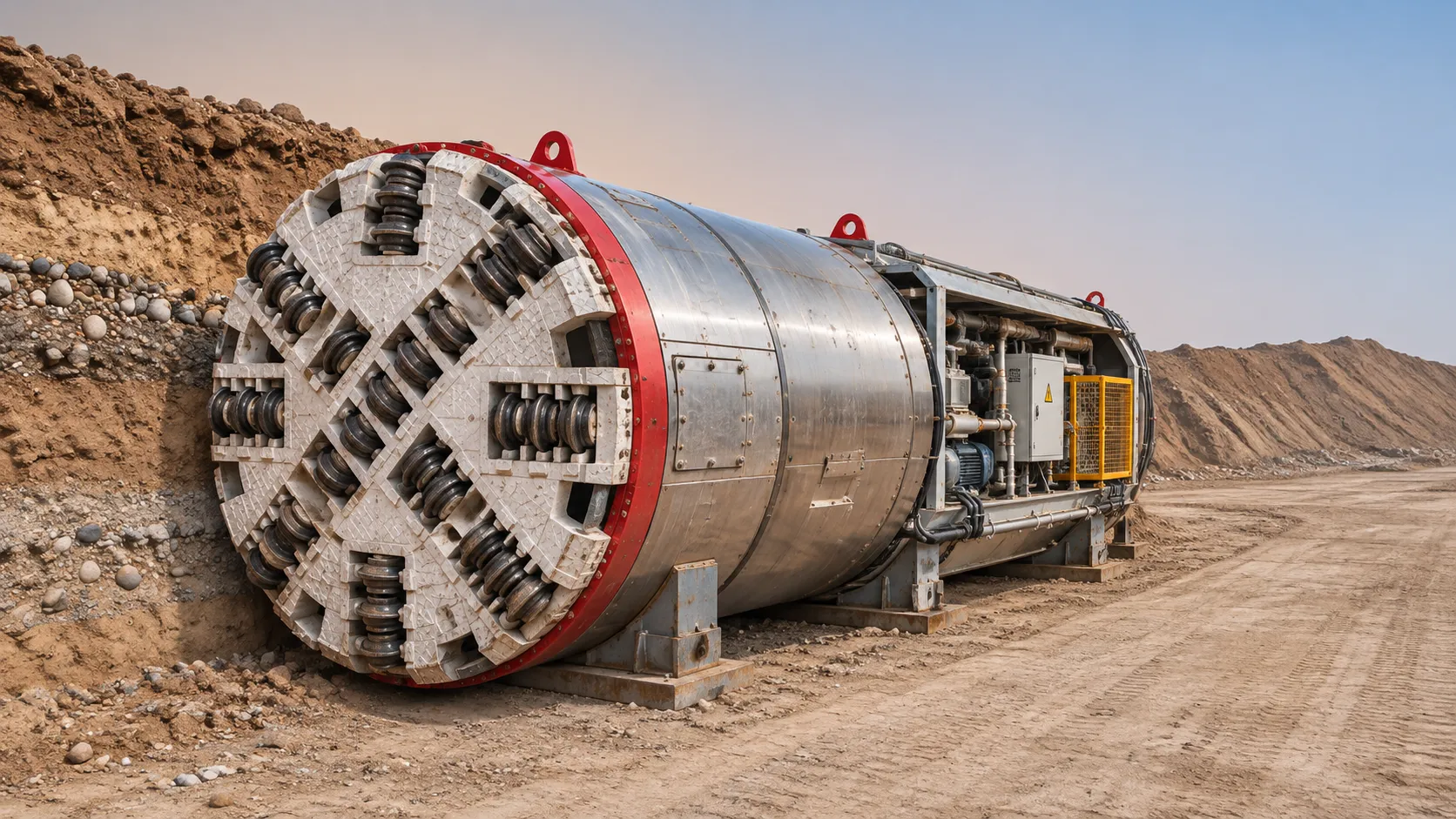
Underground Utility Construction Equipment: Choosing by Ground Conditions
Choose underground utility construction equipment with confidence. Compare trenching, HDD, microtunnelling and TBMs by ground conditions, risk and cost.
China Sets Tunnel Boring Machine Export Controls as India Pushes Local Production
China tunnel boring machine export controls could reshape procurement as India pushes local production. Explore potential supply and project impacts.
Choosing a Trenchless Pipeline Installation Contractor: Key Qualifications
Choose a trenchless pipeline installation contractor with confidence. Learn how to assess experience, equipment, safety, costs, and project risks before you hire.
Related News
- 00
0000-00
China's TBM Export Controls Prompt Infrastructure Concerns in India - 00
0000-00
How TBM Excavation Works in Rock and Soft Ground: A Practical Guide - 00
0000-00
Choosing a Zero-Emission Underground Equipment Supplier: What to Check - 00
0000-00
Construction Starts on Germany's Pfaffensteig Rail Tunnel, With Two TBMs Planned - 00
0000-00
How Real-Time Underground Mapping Systems Work in Tunneling
Weekly Insights
Stay ahead with our curated technology reports delivered every Monday.