
How to Size Open Pit Mining Trucks for Haul Distance, Grade, and Payload?





Truck size should be selected from the haul system outward: first define the real route, then calculate the resistance and cycle time that route creates, and only then compare payload classes. A larger truck can reduce the number of loading passes and fleet units, yet it can also lose its advantage on steep ramps, short repetitive runs, weak road surfaces, or loading circuits that cannot fill it efficiently. The target is the lowest stable cost per delivered tonne while preserving braking margin, road capacity, and loading continuity.
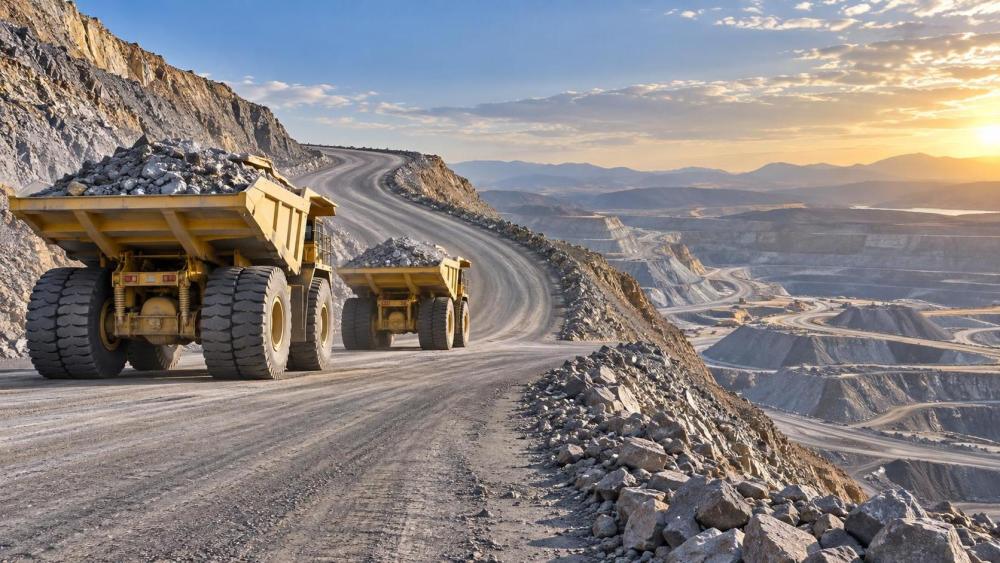
For Open Pit Mining Trucks, the starting point is the effective haul profile, not the nominal one-way distance shown on a mine plan. Split the route into segments with different grades, rolling resistance, speed limits, curves, intersections, dump approach conditions, and queuing exposure. A route with the same overall distance can demand a very different truck class when most of its loaded travel occurs uphill rather than on level ground.
Build the Haul Profile Before Comparing Payload Classes
Measure the route from the loading face to the dump point, including loading and dumping approaches, ramp transitions, switchbacks, safety berm constraints, and any temporary diversions. The relevant distance changes as benches deepen, waste dumps advance, and ore destinations shift. Sizing a fleet from an early-life haul route can leave the operation with excess truck capacity or insufficient climbing performance later in the schedule.
For each segment, record the running grade and identify whether the truck is loaded or empty. A loaded uphill segment sets the productive speed and power requirement. A long loaded descent sets the retarding requirement, brake heat exposure, and, for electric-drive machines, the potential to recover energy. Empty uphill travel still matters because it affects total cycle time and can become significant where the return route uses a different ramp.
Use average grade carefully. A route with a moderate average can contain a short steep section that forces gear changes, limits speed, creates bunching, or reduces safe wet-weather performance. The controlling segment may be a ramp exit, a tight switchback, or a dump approach rather than the main haul road. Segment-level analysis exposes these restrictions before a payload decision locks in road and fleet requirements.
Grade Resistance and Rolling Resistance Work Together
Grade resistance reflects the force needed to raise the gross machine weight on an incline. Rolling resistance is the force consumed by tire deflection and road-surface deformation. Loose, wet, corrugated, poorly drained, or heavily rutted surfaces raise rolling resistance even where the road is nearly flat. These two effects should be added as total resistance when estimating rimpull, speed, and energy demand.
A common error is treating a smooth design grade as the operating condition. Haul roads change during blasting, rainfall, maintenance delays, and traffic concentration. A truck that performs acceptably on a dry, compacted route may slow sharply after surface deterioration. This is especially important near loading areas, where repeated turning and spillage often degrade the running surface, and on dump approaches that receive intense loaded traffic.
Road resistance also changes the payload decision. A smaller truck may retain useful speed and cycle regularity on a high-resistance route, while a larger unit carries more tonnes per pass but spends disproportionate time climbing. Conversely, a low-resistance, well-maintained long haul can support a higher payload class because the incremental mass does not impose the same speed penalty.
Translate Route Conditions Into Cycle Time
Payload capacity alone does not determine hourly production. Tonnes per truck cycle must be considered alongside cycle duration and achievable fleet availability. A practical cycle model separates loading, spotting at the loader, loaded travel, dumping, empty travel, and delays. Do not hide queues inside an assumed travel speed. Queues have different causes and need different remedies: insufficient loading capacity, a restricted dump tip, one-lane sections, refuelling conflicts, dispatch imbalance, or poor interaction between truck classes.
Loaded travel time should come from a speed-versus-total-resistance estimate for each route segment, constrained by safe speed limits and cornering conditions. Empty travel needs its own estimate. Assuming that an empty truck returns at the same speed used for the loaded run creates a distorted cycle, particularly on winding ramps and downhill sections where retarding limits govern travel.
When comparing two truck sizes, use the same production target and calculate the fleet count required for each. A large unit with a lengthy loading time can create an idle queue at the shovel. A smaller unit may require more dispatch events and traffic space, but it can keep a loader productive when the material is difficult to dig, the bucket fill factor is variable, or the loading unit has limited bucket capacity. The preferred match is the one that maintains a repeatable loading rhythm without chronic truck waiting or loader starvation.
Match Body Capacity to the Material, Not Only the Truck Rating
Rated payload is a mass limit, whereas the body must also contain the volume delivered by the loader. Low-density material can reach body volume before rated mass. Dense ore can reach rated mass with unused body volume. Both situations influence the selection of body configuration, liner arrangement, and loading target.
Use measured loose density at the loading point rather than relying on a geological density alone. Fragmentation, moisture, swell, fines content, and segregation affect how material packs into the body. A blasted rock source can vary materially across the face, and a mixed waste stream may produce inconsistent bucket loads. The planned payload should be achievable without relying on repeated overloading followed by spill cleanup.
Body selection also needs to reflect abrasion, impact, and carryback. Heavy liners provide protection in aggressive rock but reduce net payload. A body designed for severe impact may be appropriate at one loading zone and unnecessarily heavy for another. If the fleet is expected to move both ore and waste, the evaluation should state which material governs payload, body volume, liner mass, and wear exposure. A nominally identical truck can have a different effective carrying capacity after body configuration is considered.
Overloading is not a harmless way to recover lost production. It increases tire loading, affects suspension and frame life, raises energy consumption, and can make downhill control less predictable. Underloading has a different signature: more cycles, more traffic, and a cost penalty that often remains hidden until payload distribution is reviewed. The useful measure is the actual payload distribution over a representative operating period, separated by material type and route.
Loading Equipment Sets a Practical Payload Window
Truck and loader matching begins with the number of passes required to fill the body. Too few passes can create large payload variation because one bucket represents a large share of the load. Too many passes extend loading time, increase truck positioning movements, and make the loader the bottleneck. The target pass count should produce consistent body loading with room to correct an unusually light or heavy first pass.
Bucket capacity is not enough for this calculation. Bucket fill factor, material density, bucket wear, floor condition, and loader digging time all alter the tonnes delivered per pass. A wheel loader and a rope shovel with similar nominal bucket volume may produce different loading patterns because their bucket trajectories, spotting requirements, and pass consistency differ.
Truck body geometry matters at the loader. The body should accept the bucket without excessive material striking the canopy, sideboards, or front wall. Poor placement creates spillage, uneven loads, and added clean-up time. It may also force slower loading even where the nominal bucket-to-body match appears correct on paper. Observe actual loading sequences during a trial rather than accepting a pass-count ratio alone.
Separate Engine, Electric Drive, and Battery Constraints
Fuel consumption or electrical energy use should be assessed across the entire cycle, with particular attention to the loaded climb and empty return. A truck with a high rated payload can consume disproportionately more energy where total resistance is high. Idling in queues, slow rolling at congested dumps, and repeated acceleration after intersections add energy demand that is not visible in a simple distance calculation.
For diesel machines, evaluate whether engine power and cooling performance maintain intended speeds during the most demanding loaded segment. Repeated operation near thermal limits can reduce consistency long before it creates an obvious failure. Altitude and ambient temperature should be included where they affect available performance or cooling reserve.
For electric-drive trucks, distinguish between traction power, retarding capability, and the site electrical arrangement. Long descents can return energy through regenerative braking, but that does not automatically make a larger truck the correct choice. The system must accept the recovered energy, and descent control remains bounded by motor, retarder, tire, and road conditions. On battery-electric fleets, route elevation change, charging or battery-exchange duration, and payload-dependent consumption should be incorporated into the availability model. A scheduled energy stop is part of the cycle, not an external inconvenience.
Road Geometry Can Cap Truck Size
A truck body that fits the payload calculation may not fit the operating envelope. Road width, curve radius, berm dimensions, passing locations, intersection sightlines, dump edge arrangement, and maintenance bay access all need review against the selected machine dimensions and turning characteristics. Increasing truck class can require a larger road upgrade than expected, especially at switchbacks and constrained loading areas.
Tire selection belongs in the same review. Tire heat, speed, load, cut resistance, and inflation control are connected to haul distance and grade. A long high-speed route and a short steep route can impose different tire stresses even when daily tonnes are identical. Repeated overload, extended descent, and poor road maintenance compound the problem. A sizing decision that assumes tire performance without validating the duty cycle is incomplete.
Use a Controlled Trial to Resolve Close Decisions
Where two payload classes appear viable, compare them on the intended route with representative material, loading equipment, and road condition. Record actual payload, loading passes, segment travel time, queue time, energy use, tire condition, retarding events, and delays by cause. The trial should include normal production variability rather than a short demonstration on freshly maintained roads.
Review the results by tonne delivered rather than by truck count or peak hourly output alone. A truck that posts an impressive single-cycle payload but introduces longer queues, road deterioration, or irregular loader utilization may not improve system output. Equally, a smaller unit that appears less efficient in isolation may suit a constrained ramp and keep the loading circuit balanced.
The final payload class should retain margin for route deterioration, material variability, and the deeper-haul stages already visible in the mine plan. Sizing to an ideal day creates a fleet that needs continuous intervention. Sizing to the controlling operating condition produces a haul system that remains predictable when the route, weather, and material stop behaving ideally.
Related News
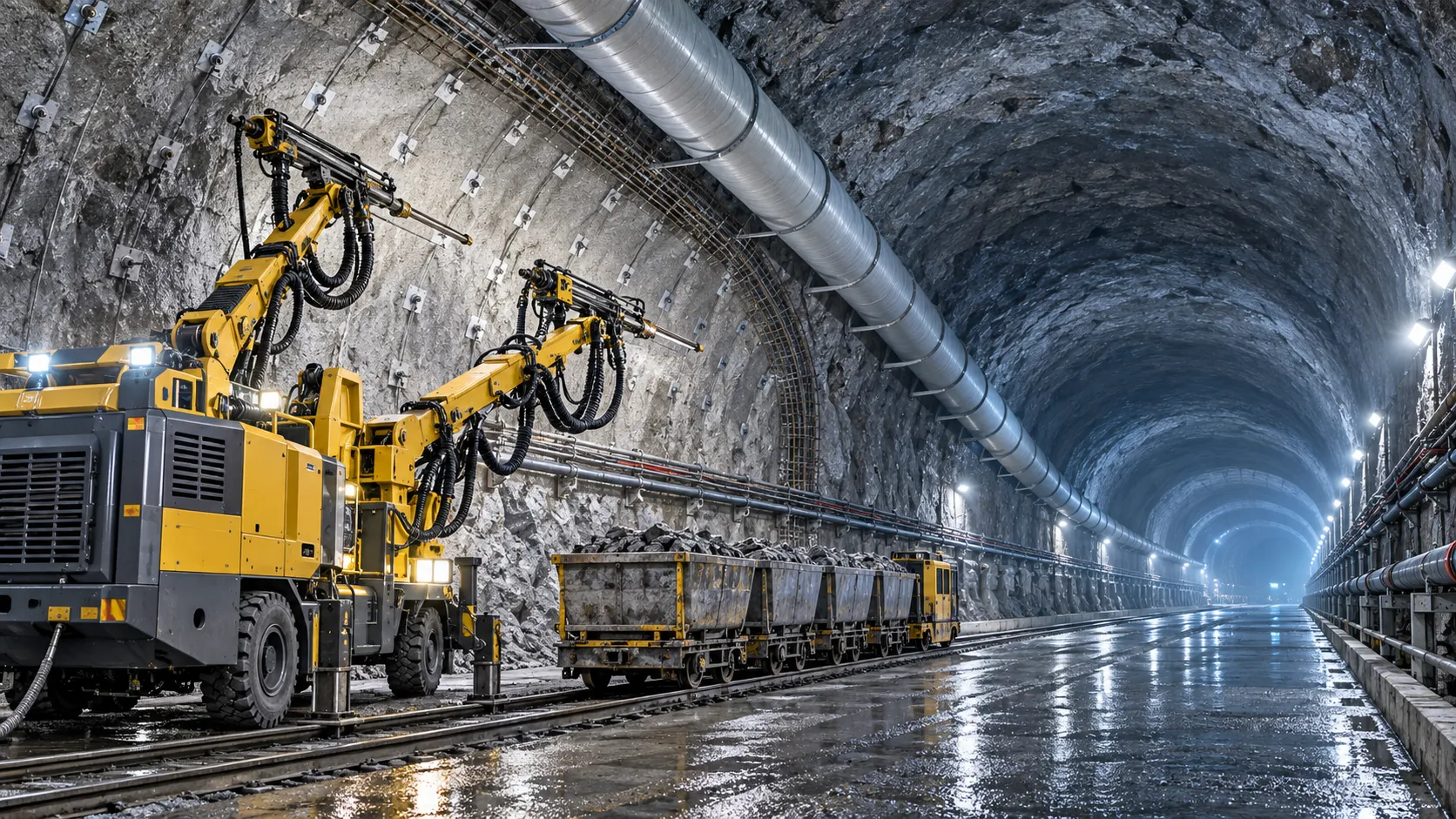
How to Evaluate European Drill-and-Blast Tunnelling Contractors for Complex Projects
Drill and blast tunnelling contractors Europe: learn how to assess geology expertise, blast control, equipment reliability, safety, and programme resilience for complex projects.
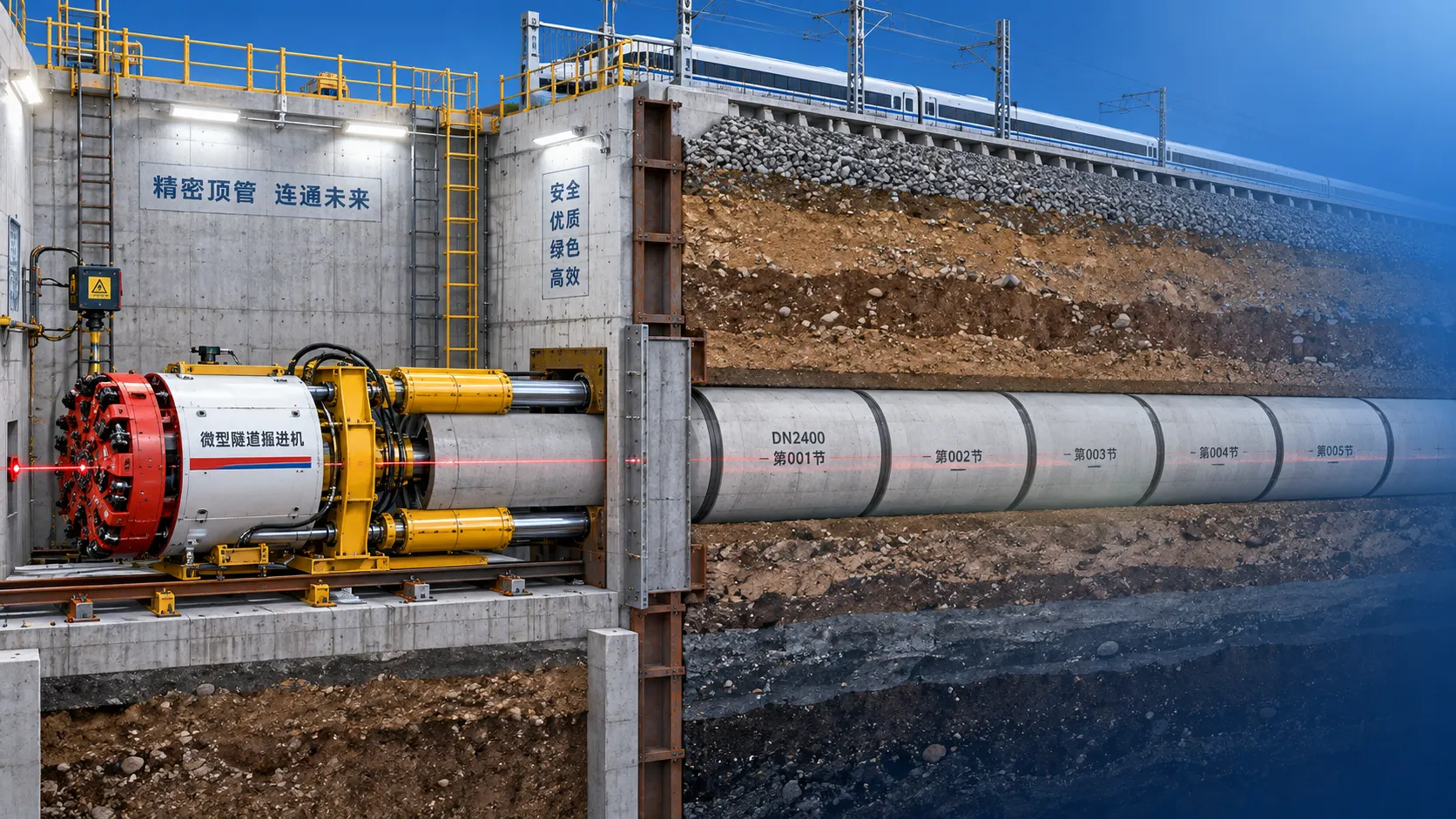
Which Trenchless Construction Technique Fits Your Utility Crossing Conditions?
Trenchless construction techniques compared for utility crossings: choose HDD, microtunnelling, pipe jacking, or auger boring based on ground, accuracy, access, and risk.
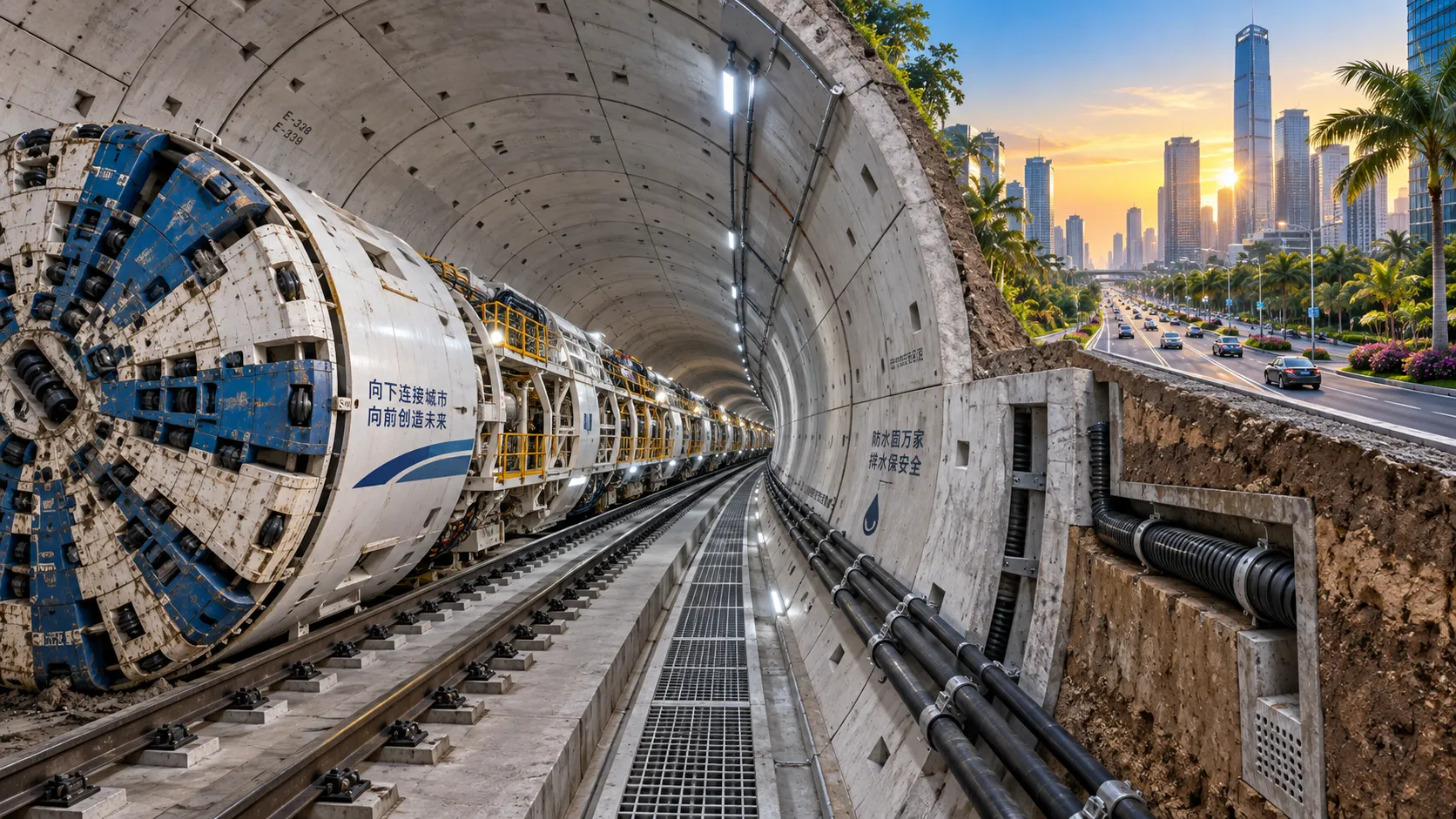
What Is Driving Metro Tunnelling Demand Across Southeast Asia’s Major Cities?
Metro tunnelling Southeast Asia is accelerating as major cities tackle congestion, flooding, and connectivity. Explore the market forces, technical risks, and opportunities shaping demand.
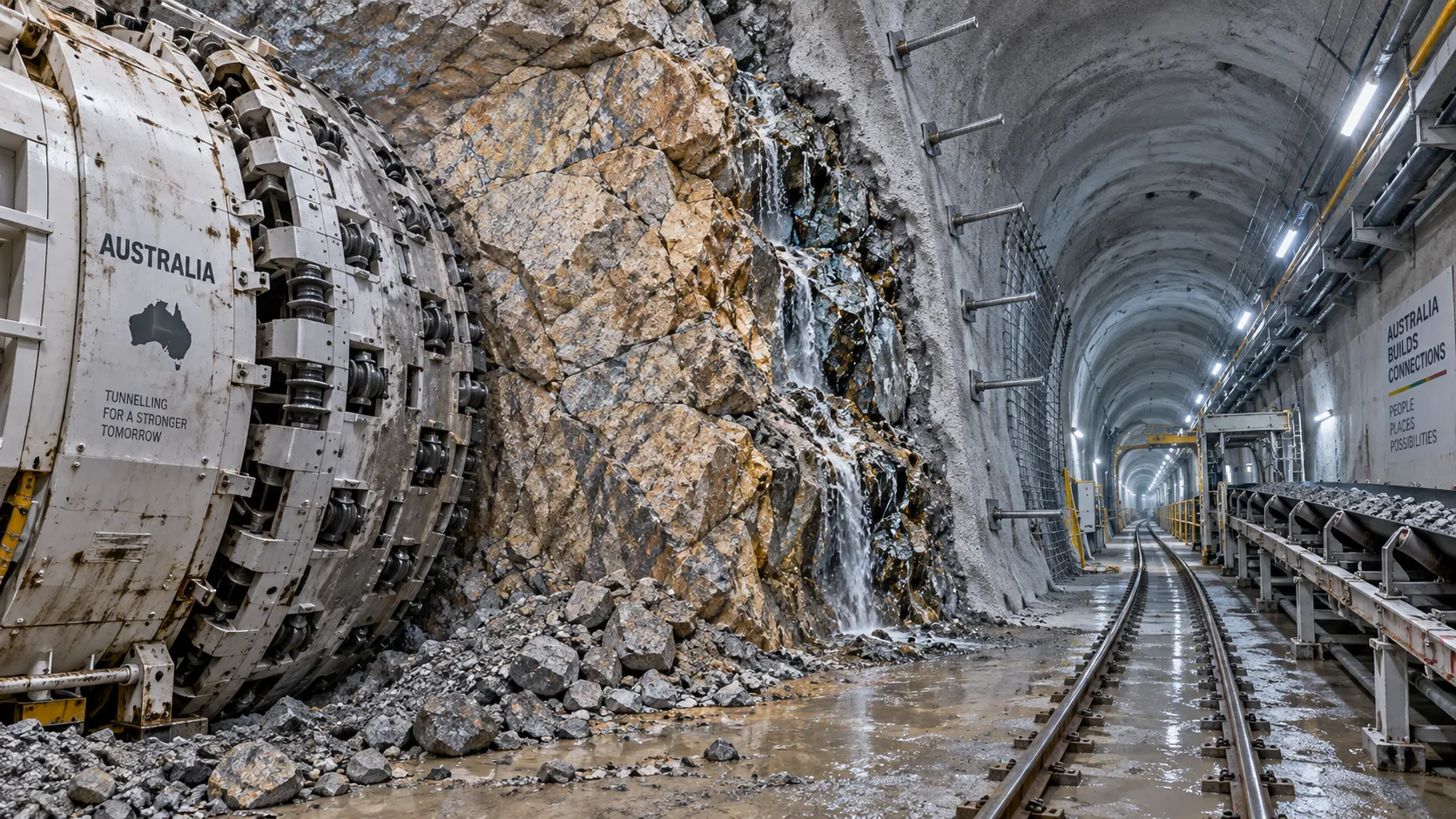
Hard Rock Tunnelling in Australia: Selecting Methods for Variable Ground Conditions
Hard rock tunnelling in Australia: compare TBM, drill-and-blast and hybrid methods to manage variable ground, reduce risk and protect project costs.
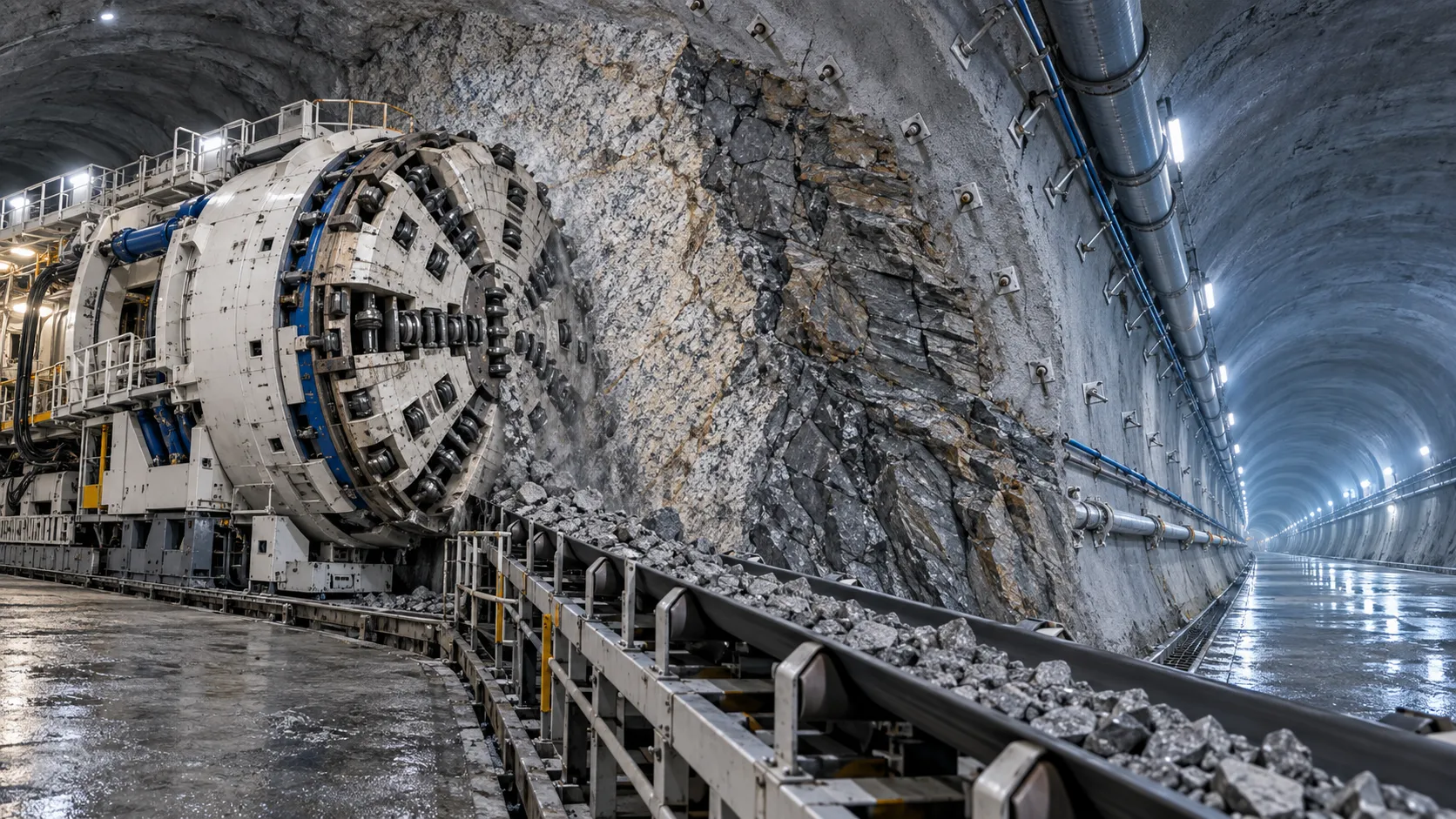
Hydropower Tunnel Excavation: Selecting Methods for Variable Rock Conditions
Hydropower tunnel excavation methods for variable rock conditions: compare TBM, drill-and-blast, and hybrid strategies to improve safety, progress, and project control.
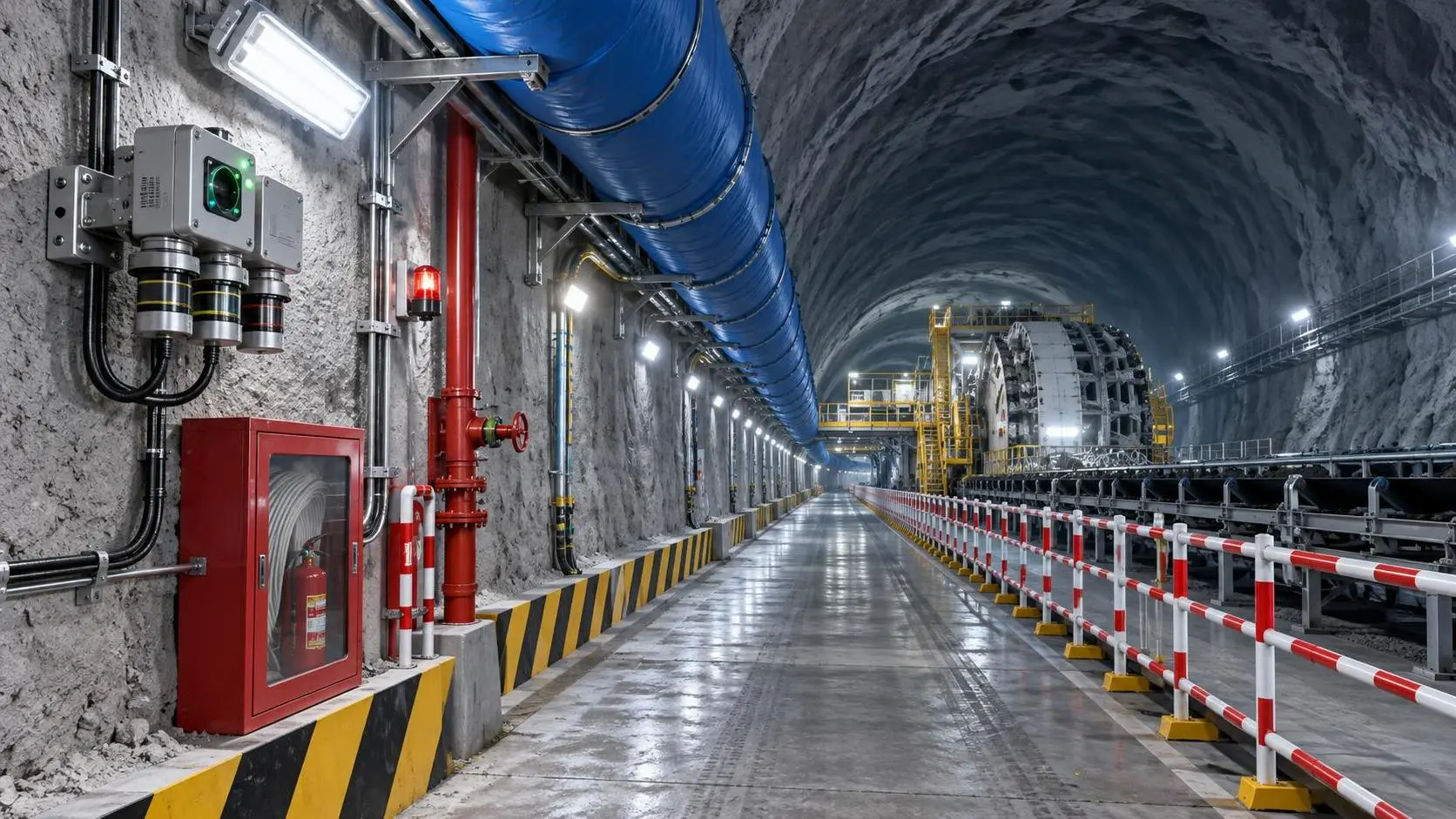
How to Select Underground Safety Equipment for Tunnelling by Hazard and Work Zone
Underground Safety Equipment for tunnelling: match protection to hazards, work zones, compliance, and emergency needs with this practical selection guide.
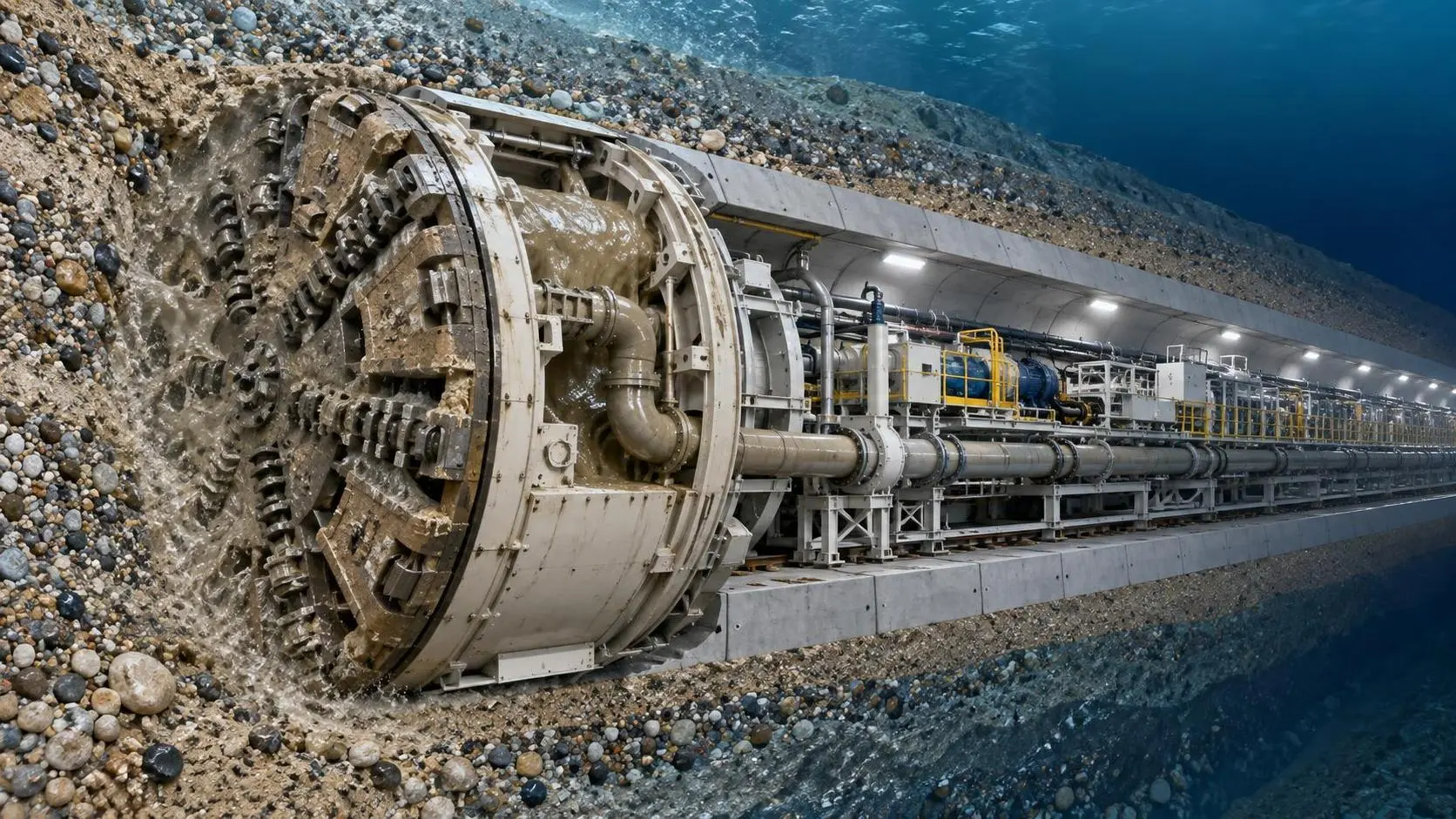
EPB or Slurry Shield? Selecting Soft-Ground Tunnelling Equipment by Soil Conditions
Tunnel Excavation Equipment for soft ground: compare EPB and slurry shields by soil, groundwater, settlement risk, and project logistics to choose confidently.
How to Specify TBM Backup System Parts for Reliable Long-Distance Tunnelling
TBM backup system parts: learn how to specify reliable spares for long-distance tunnelling, reduce downtime, ensure compatibility, and speed underground recovery.
Evaluating Structural Durability and Maintenance Frequency in Heavy-Duty Concrete Mixer Trailers Under Frequent Dump Cycles
Discover how dump special trailers withstand 12–18 daily dump cycles — structural durability, maintenance optimization & real-world fleet insights revealed.
Related News
- 00
0000-00
How to Evaluate European Drill-and-Blast Tunnelling Contractors for Complex Projects - 00
0000-00
Which Trenchless Construction Technique Fits Your Utility Crossing Conditions? - 00
0000-00
What Is Driving Metro Tunnelling Demand Across Southeast Asia’s Major Cities? - 00
0000-00
Hard Rock Tunnelling in Australia: Selecting Methods for Variable Ground Conditions - 00
0000-00
Hydropower Tunnel Excavation: Selecting Methods for Variable Rock Conditions
Weekly Insights
Stay ahead with our curated technology reports delivered every Monday.