
What drives mining dump trucks price in 2026?





Mining Dump Trucks price in 2026 will not be defined by tonnage alone. In large mining projects, pricing now reflects electrification, autonomy, battery sourcing, compliance exposure, and total lifecycle efficiency.
That shift matters because capital planning for haulage fleets is becoming more scenario-driven. A truck suited for diesel-intensive open pits may carry a very different value logic than one built for autonomous, zero-emission expansion plans.
For UTMD readers tracking smart mining transport systems, understanding Mining Dump Trucks price means reading cost signals across technology, energy, terrain, policy, and fleet utilization. The right price is always tied to the right operating scene.
Why Mining Dump Trucks price changes across mine development scenarios
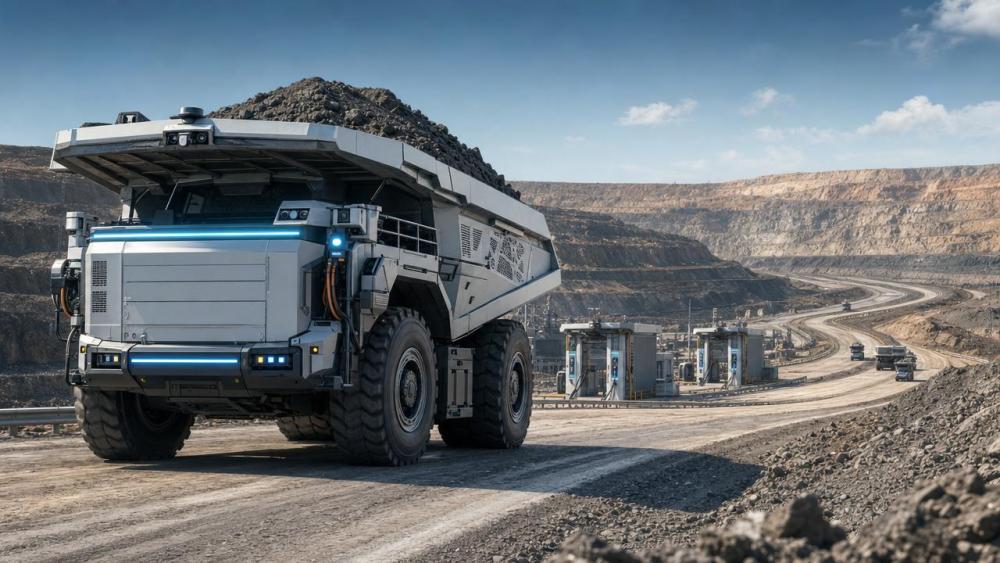
Mining projects rarely buy haul trucks in a neutral context. Price formation depends on whether a site is expanding output, replacing aging diesel assets, meeting ESG targets, or preparing for autonomous operations.
In 2026, Mining Dump Trucks price will likely rise fastest in scenarios where advanced software, battery packs, fast charging systems, and slope-optimized drivetrain packages are required together.
By contrast, some conventional fleets may still favor lower upfront configurations. However, lower purchase cost can become a weaker value case when fuel volatility, maintenance downtime, and carbon-related reporting costs are included.
Scenario one: greenfield mega-mines push Mining Dump Trucks price upward
Greenfield mines often build around future-ready infrastructure. In these projects, truck selection is integrated with charging networks, dispatch software, autonomous haul roads, and digital maintenance platforms.
That raises Mining Dump Trucks price because equipment is no longer purchased as a standalone machine. It becomes part of a connected transport architecture designed for long-term throughput and lower emissions.
Core judgment points in greenfield projects
- Need for battery-electric or trolley-assist compatibility
- Autonomous driving roadmap from day one
- High payload demand over long haul distances
- Mine-life planning tied to carbon reduction targets
In this scenario, higher Mining Dump Trucks price can still be rational. It may deliver lower energy intensity, better tire life, predictable maintenance windows, and stronger asset relevance over a longer project life.
Scenario two: brownfield fleet replacement changes how price is judged
Brownfield sites face a different equation. Existing workshops, ramps, fueling systems, and operator practices often limit how far a mine can shift from legacy truck platforms.
Here, Mining Dump Trucks price is judged against retrofit burden. A technically superior truck may lose appeal if charging infrastructure, software migration, and technician retraining create heavy indirect costs.
Core judgment points in replacement programs
- Compatibility with existing haul roads and loading tools
- Workshop readiness for high-voltage systems
- Parts commonality with current fleet
- Downtime risk during phased replacement
In brownfield decisions, the best Mining Dump Trucks price may not be the lowest bid. It is often the one creating the smoothest transition with the least production disruption.
Scenario three: deep ESG pressure makes advanced trucks more valuable
Mines exposed to investor scrutiny, export market rules, or national decarbonization goals are changing equipment priorities. In these settings, Mining Dump Trucks price includes compliance value as well as mechanical value.
A truck with regenerative braking, lower diesel dependence, or full electrification may carry a premium. Yet that premium can reduce reporting pressure, future retrofit costs, and environmental risk.
Signals that ESG pressure is affecting price
- Carbon disclosure becomes part of financing approval
- Mine permits favor lower-emission transport plans
- Buyers request cleaner mineral supply chains
- Power supply improves near remote mining clusters
Under this scenario, Mining Dump Trucks price should be compared with avoided compliance costs, improved financing posture, and stronger long-horizon project resilience.
Scenario four: autonomous haulage shifts the price benchmark
Autonomous fleets change the pricing logic again. The truck itself must support sensors, control systems, connectivity, fail-safe logic, and integration with dispatch and traffic management platforms.
As a result, Mining Dump Trucks price in autonomous scenarios includes a software and systems premium. Hardware cost is only one piece of the capital picture.
However, autonomous readiness may improve cycle consistency, reduce safety incidents, and support twenty-four-hour operations. Those gains can justify higher acquisition cost in large production environments.
How demand differences reshape Mining Dump Trucks price by operating scene
Practical recommendations for matching truck price to project needs
A useful Mining Dump Trucks price assessment starts with operating conditions, not brochure specifications. Haul distance, elevation, energy source, maintenance support, and mine-life horizon should be mapped first.
- Model total cost of ownership across at least seven to ten years.
- Test price sensitivity against fuel, power, and battery replacement scenarios.
- Separate base truck cost from autonomy and electrification system costs.
- Check ramp gradient and cycle profile before comparing energy claims.
- Review local service capacity and parts lead time before shortlisting.
These steps make Mining Dump Trucks price easier to interpret. They also reduce the risk of choosing a machine that looks cheaper at purchase but becomes expensive in operation.
Common misjudgments that distort Mining Dump Trucks price decisions
One common mistake is comparing diesel and electric trucks only on acquisition cost. This misses braking recovery, ventilation savings in some hybrid contexts, and lower mechanical wear under certain duty cycles.
Another mistake is treating autonomy as an optional software add-on. In practice, autonomous operation often requires redesign of communications, safety logic, training, and traffic rules.
A third error is ignoring commodity outlook. Mines linked to copper, lithium, or other energy-transition minerals may justify higher Mining Dump Trucks price through stronger utilization expectations.
Finally, some evaluations overlook residual value. In 2026, trucks aligned with electrification and smart mine standards may retain strategic relevance better than legacy units.
What to do next when evaluating Mining Dump Trucks price in 2026
Start with a scenario map. Define whether the project is greenfield, brownfield, ESG-driven, or autonomy-led. That single step will narrow the most relevant pricing variables quickly.
Then build a decision matrix covering payload class, energy pathway, software integration, infrastructure burden, and expected asset utilization. This reveals the true meaning behind each Mining Dump Trucks price quote.
UTMD’s ongoing intelligence focus on mining transport electrification, autonomous haulage, and lifecycle performance can support deeper benchmarking. In 2026, the smartest pricing decision will come from matching truck technology to the right mine scenario, not from chasing the lowest number.
Related News
How to Evaluate European Drill-and-Blast Tunnelling Contractors for Complex Projects
Drill and blast tunnelling contractors Europe: learn how to assess geology expertise, blast control, equipment reliability, safety, and programme resilience for complex projects.
Which Trenchless Construction Technique Fits Your Utility Crossing Conditions?
Trenchless construction techniques compared for utility crossings: choose HDD, microtunnelling, pipe jacking, or auger boring based on ground, accuracy, access, and risk.

What Is Driving Metro Tunnelling Demand Across Southeast Asia’s Major Cities?
Metro tunnelling Southeast Asia is accelerating as major cities tackle congestion, flooding, and connectivity. Explore the market forces, technical risks, and opportunities shaping demand.
Hard Rock Tunnelling in Australia: Selecting Methods for Variable Ground Conditions
Hard rock tunnelling in Australia: compare TBM, drill-and-blast and hybrid methods to manage variable ground, reduce risk and protect project costs.
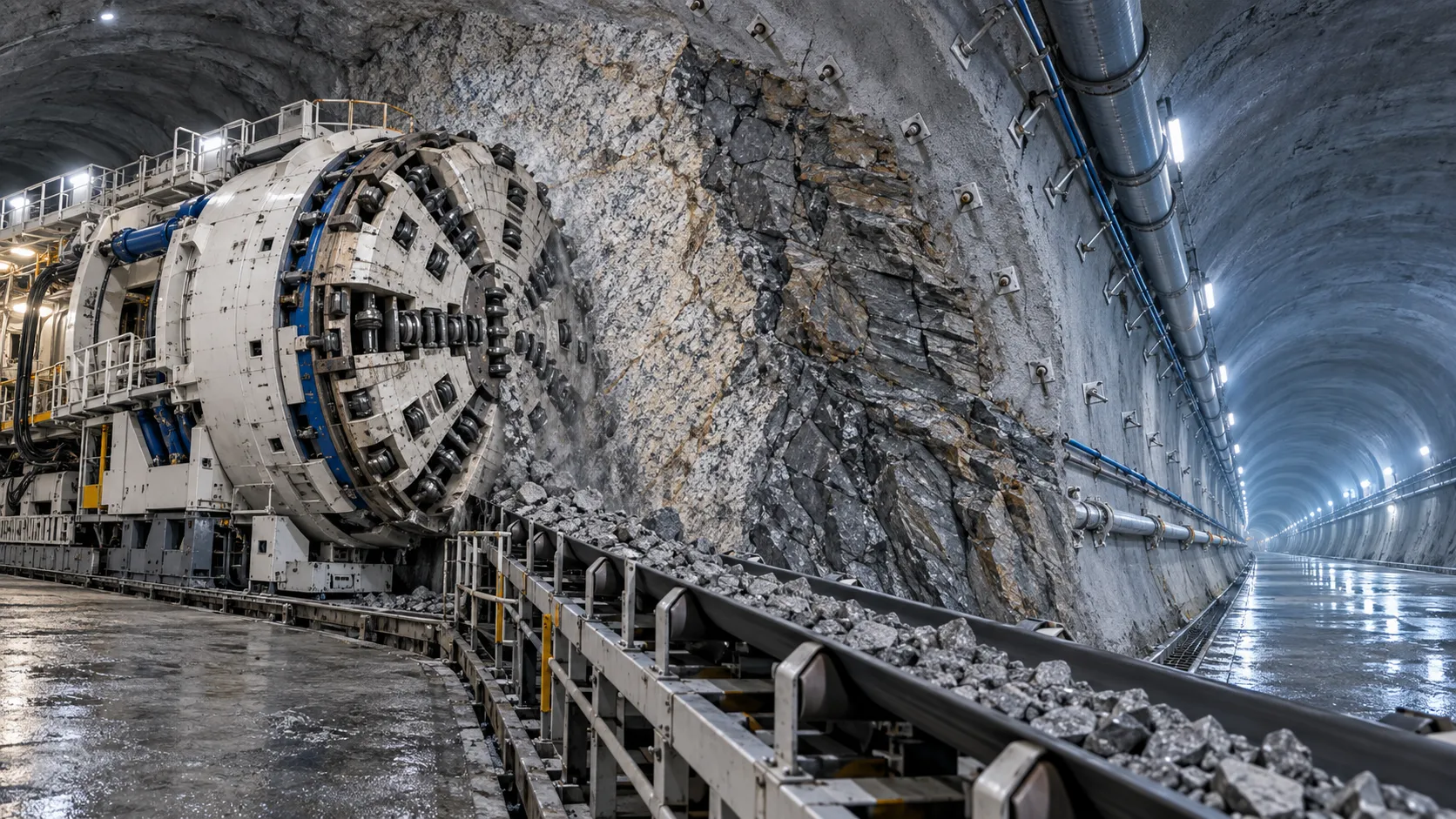
Hydropower Tunnel Excavation: Selecting Methods for Variable Rock Conditions
Hydropower tunnel excavation methods for variable rock conditions: compare TBM, drill-and-blast, and hybrid strategies to improve safety, progress, and project control.
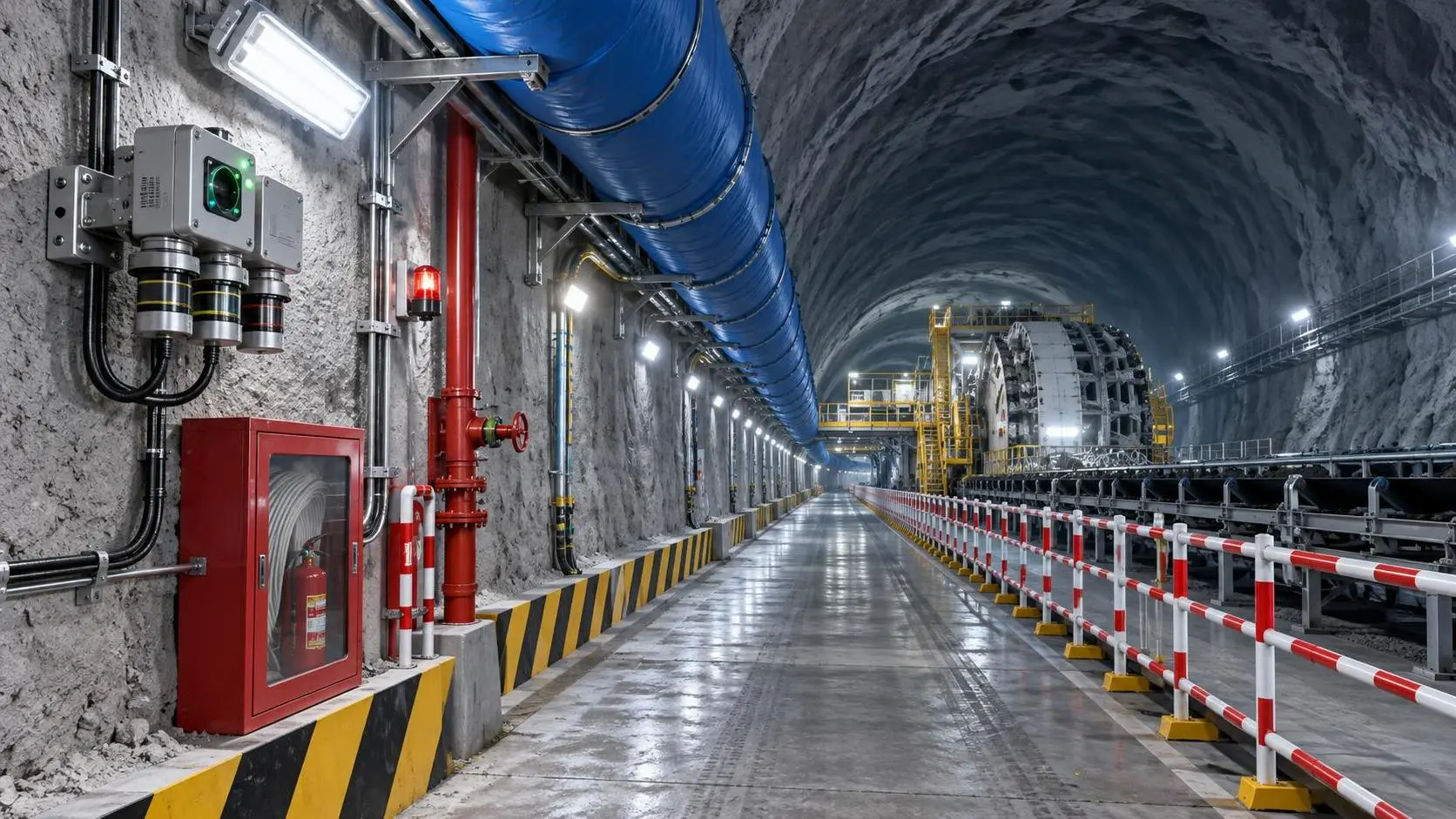
How to Select Underground Safety Equipment for Tunnelling by Hazard and Work Zone
Underground Safety Equipment for tunnelling: match protection to hazards, work zones, compliance, and emergency needs with this practical selection guide.
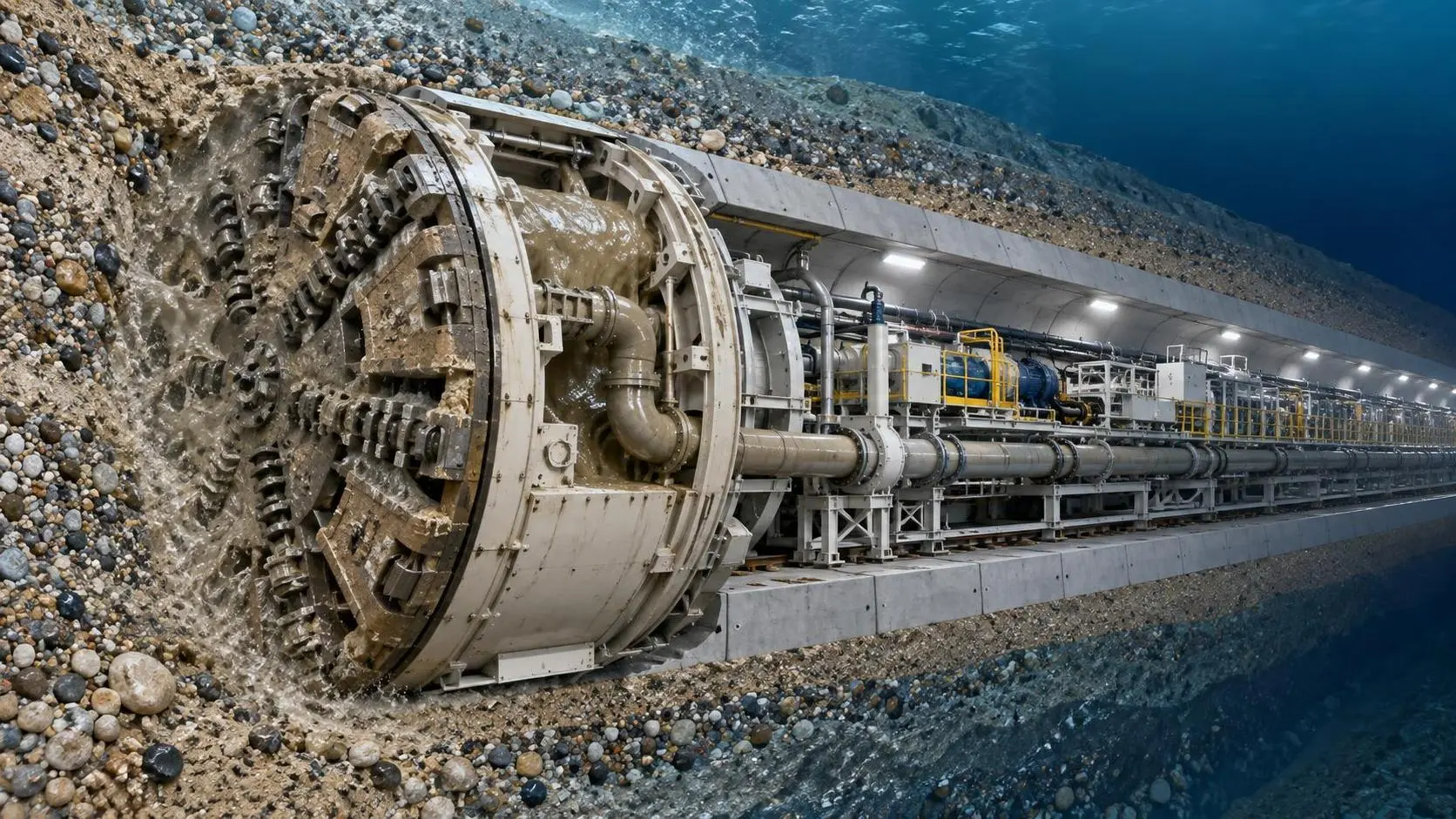
EPB or Slurry Shield? Selecting Soft-Ground Tunnelling Equipment by Soil Conditions
Tunnel Excavation Equipment for soft ground: compare EPB and slurry shields by soil, groundwater, settlement risk, and project logistics to choose confidently.
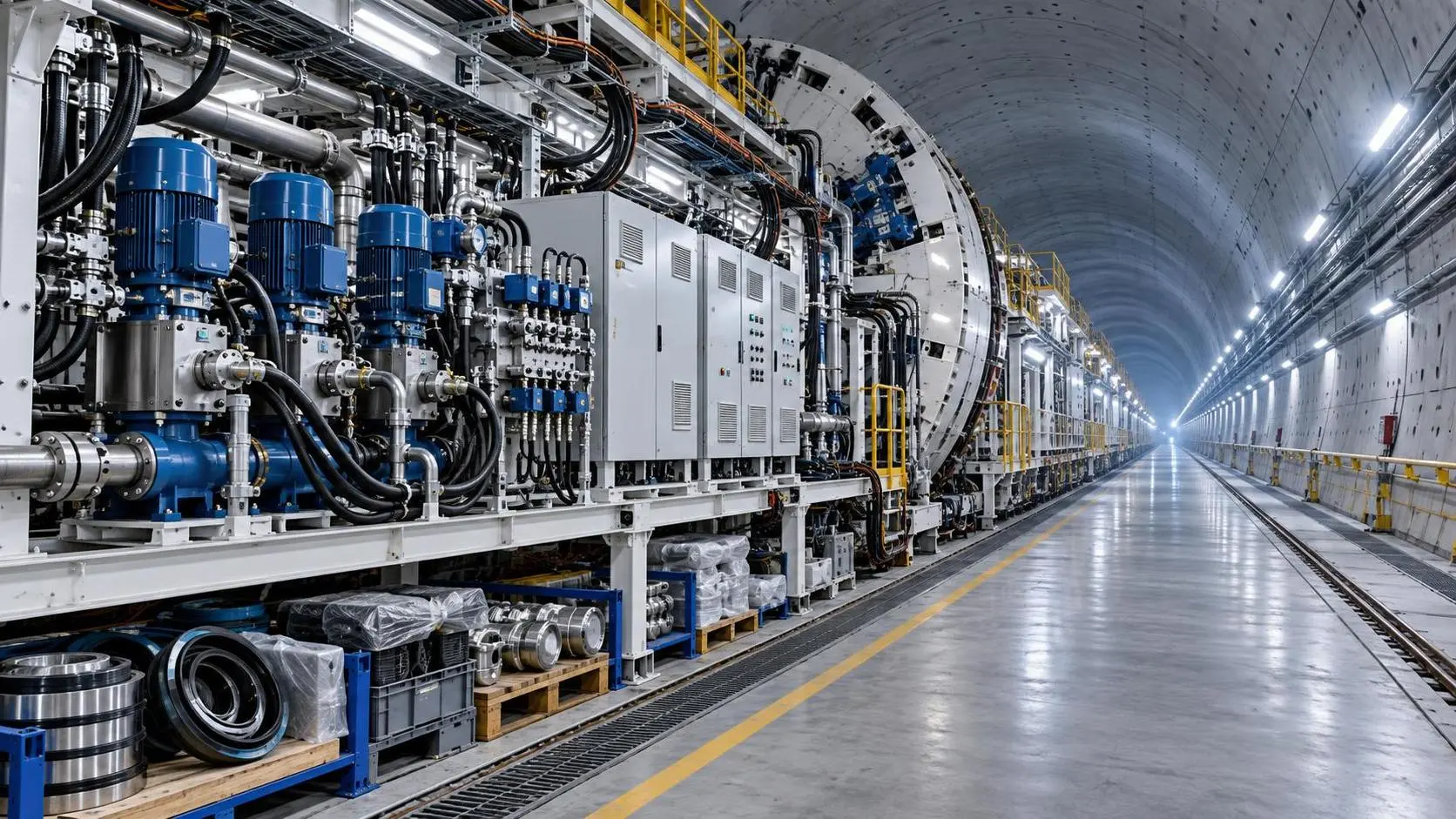
How to Specify TBM Backup System Parts for Reliable Long-Distance Tunnelling
TBM backup system parts: learn how to specify reliable spares for long-distance tunnelling, reduce downtime, ensure compatibility, and speed underground recovery.
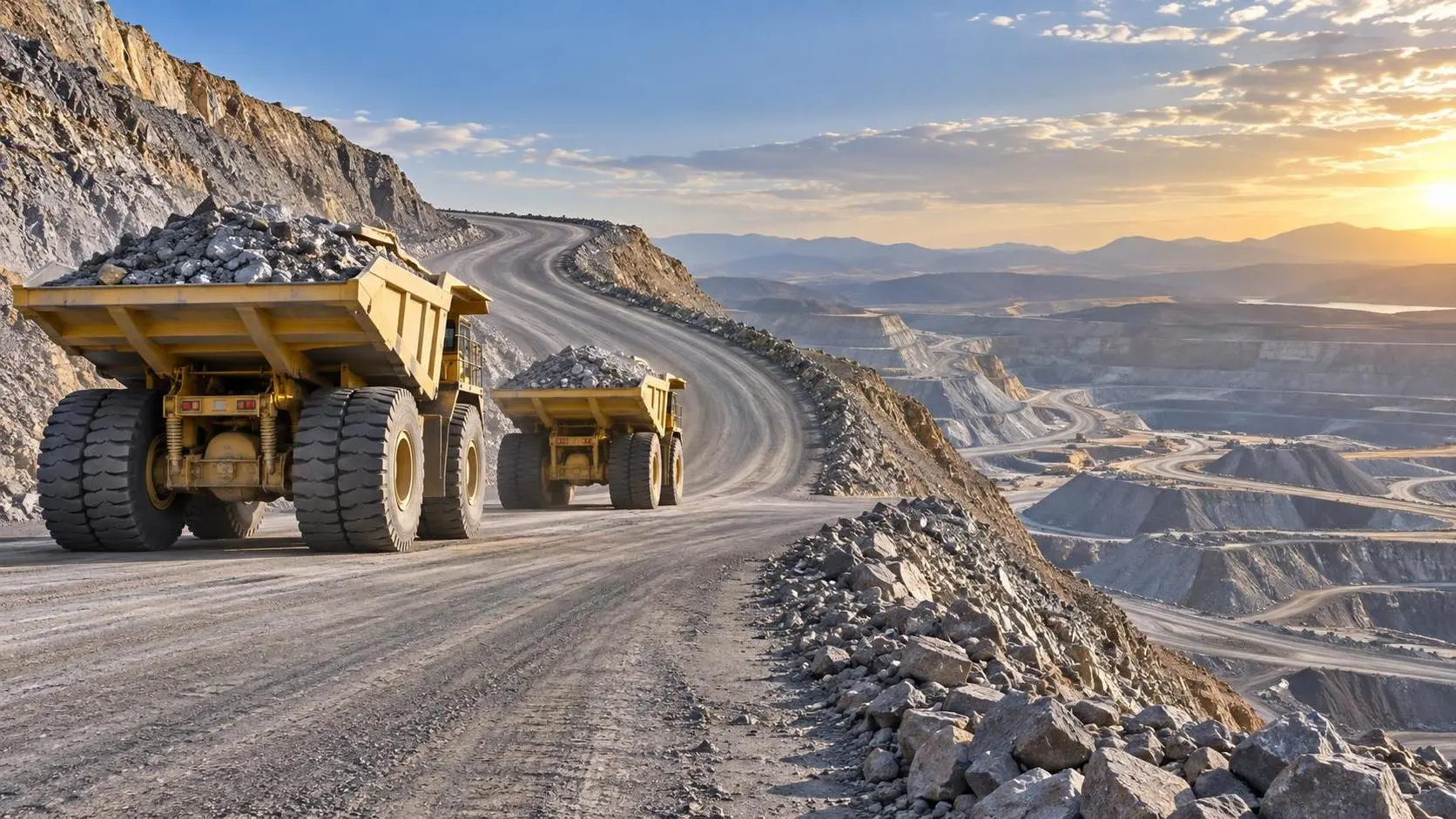
How to Size Open Pit Mining Trucks for Haul Distance, Grade, and Payload?
Open Pit Mining Trucks: learn how to match payload, haul distance, grade, road resistance, and loading capacity for safer, lower-cost mine operations.
Related News
- 00
0000-00
How to Evaluate European Drill-and-Blast Tunnelling Contractors for Complex Projects - 00
0000-00
Which Trenchless Construction Technique Fits Your Utility Crossing Conditions? - 00
0000-00
What Is Driving Metro Tunnelling Demand Across Southeast Asia’s Major Cities? - 00
0000-00
Hard Rock Tunnelling in Australia: Selecting Methods for Variable Ground Conditions - 00
0000-00
Hydropower Tunnel Excavation: Selecting Methods for Variable Rock Conditions
Weekly Insights
Stay ahead with our curated technology reports delivered every Monday.