
Australia's Ultra-Thin Membrane Breaks PEMFC High-Temp Barrier





Australia’s Monash University has developed a novel ultra-thin proton-conducting membrane capable of stable operation above 120°C without humidification—enabling the first demonstrated high-temperature, anhydrous operation of proton exchange membrane fuel cells (PEMFCs). Though the exact date of public disclosure is not specified in available information, this advancement directly addresses operational reliability and range limitations for hydrogen-powered rigid haul trucks in arid, high-temperature mining regions—including Western Australia’s Pilbara and Chile’s Atacama Desert. Mining equipment OEMs, hydrogen system integrators, and heavy-duty vehicle certification stakeholders should monitor closely: this development accelerates commercialization pathways for certified hydrogen mining trucks globally.
Event Overview
Researchers at Monash University have created a new ultra-thin membrane that enables proton exchange membrane fuel cells (PEMFCs) to operate efficiently at temperatures exceeding 120°C in completely dry conditions. This eliminates reliance on external humidification systems—a longstanding technical bottleneck for PEMFC deployment in hot, low-humidity environments. As confirmed in publicly released information, the technology is now undergoing engineering validation by multiple Chinese hydrogen fuel system integrators. Commercial deployment is anticipated to begin with ASME BPVC Section VIII–certified hydrogen-powered rigid haul truck solutions for overseas customers starting in Q3 2026.
Impact on Specific Industry Segments
Hydrogen Fuel System Integrators
This breakthrough directly affects companies integrating PEMFC stacks, balance-of-plant components, and thermal management systems into off-highway vehicles. Because the new membrane operates reliably without humidifiers or complex water recovery loops, integrators can simplify system architecture, reduce weight, and improve packaging efficiency—especially critical in space-constrained mining truck chassis. Impact manifests in redesign cycles, component sourcing shifts, and updated safety and thermal validation protocols.
Mining Equipment OEMs (Original Equipment Manufacturers)
OEMs developing or planning hydrogen-powered rigid haul trucks face revised technical feasibility thresholds. Previously, high ambient temperatures and low humidity in key mining regions necessitated either system derating or hybrid (fuel cell + battery) architectures with significant thermal overhead. With this membrane, full-power continuous operation becomes technically viable under those conditions—altering duty-cycle assumptions, warranty modeling, and maintenance interval planning.
Certification & Compliance Service Providers
Organizations supporting ASME BPVC Section VIII compliance—including third-party inspection bodies and certification consultants—must prepare for new test case requirements. The membrane’s anhydrous operation introduces novel thermal stress profiles and material interaction variables under sustained high-temperature load. Certification timelines may extend initially as standards committees evaluate updated test methodologies specific to dry-operation PEMFC integration in pressure-retaining mobile equipment.
What Relevant Companies or Practitioners Should Monitor and Do Now
Track official validation milestones from Chinese integrators
Multiple Chinese hydrogen system integrators have initiated engineering adaptation verification of the membrane. Practitioners should monitor public updates—notably technical white papers, joint announcements with Monash, or progress reports tied to pilot vehicle builds—as these will signal readiness for downstream integration and inform procurement lead-time planning.
Assess implications for thermal management and packaging specifications
Since humidification subsystems are no longer required, OEMs and integrators should re-evaluate current cooling capacity allocations, airflow routing, and enclosure space budgets. Early-stage mechanical design reviews should incorporate revised stack operating envelopes (e.g., higher steady-state temperature, lower condensate risk), which may allow downsizing of radiators or simplifying coolant loop configurations.
Distinguish between certification readiness and market availability
ASME BPVC Section VIII certification for hydrogen-powered rigid haul trucks is targeted for Q3 2026—but certification applies only to specific configurations validated under defined test conditions. Practitioners should avoid conflating regulatory approval with immediate fleet-scale deployment; real-world durability, refueling infrastructure compatibility, and operator training remain separate implementation dependencies.
Prepare supply chain coordination for next-generation membrane integration
While the membrane itself is still in pre-commercial validation, suppliers of gasketing, bipolar plates, and thermal interface materials should anticipate revised chemical compatibility and creep resistance requirements at >120°C. Proactive engagement with membrane developers or licensed manufacturers—particularly around material interface testing data—will support faster qualification when production ramp begins.
Editorial Perspective / Industry Observation
Observably, this advancement is less a near-term product launch and more a foundational enabler—one that recalibrates long-standing thermal design constraints for PEMFC applications in extreme environments. Analysis shows it does not eliminate other challenges (e.g., hydrogen storage density, refueling speed, or total cost of ownership), but it removes a critical, previously unsolved barrier to geographic scalability. From an industry perspective, its significance lies not in immediate revenue impact, but in shifting the feasibility boundary for hydrogen mining trucks from ‘technically possible with major compromises’ to ‘engineerable within conventional heavy-vehicle design paradigms’. Continued attention is warranted—not because field deployment is imminent, but because the technical inflection point has now been crossed.
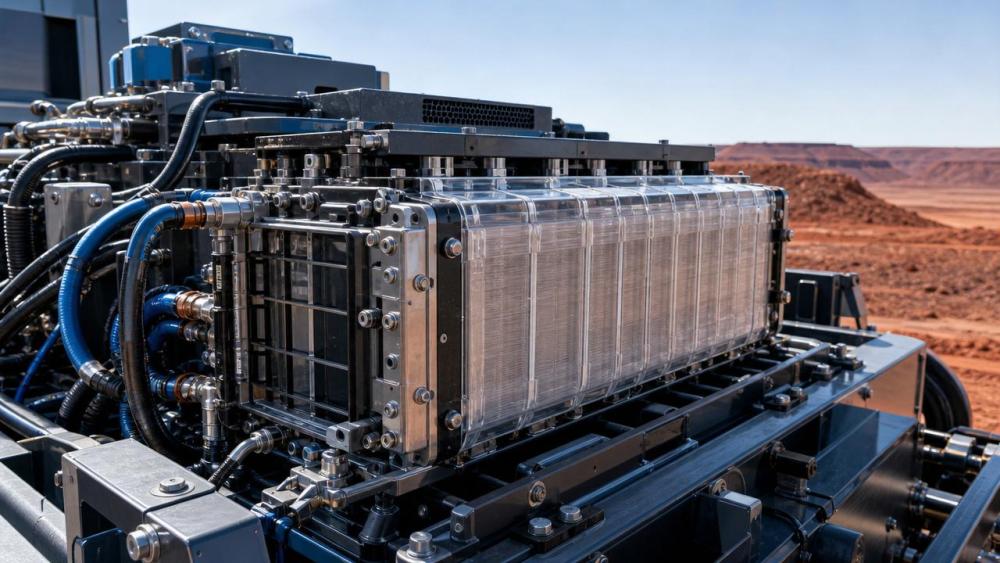
In summary, this development marks a step-change in PEMFC operational flexibility for off-highway transport, particularly in climatically challenging mining jurisdictions. It does not replace broader infrastructure or economic hurdles, but it meaningfully de-risks one core engineering constraint. Current understanding should treat it as a validated laboratory-to-engineering transition—not yet a market-ready subsystem, but a credible pathway toward certified, climate-resilient hydrogen mining trucks by late 2026.
Source Disclosure: Primary information derived from official announcements by Monash University and corroborated reporting on engineering validation activities by Chinese hydrogen fuel system integrators. No third-party performance data, independent durability testing results, or ASME committee documentation has been publicly released as of the latest available information. Ongoing observation is recommended for updates on certification test protocols and pilot vehicle field trials.
Related News
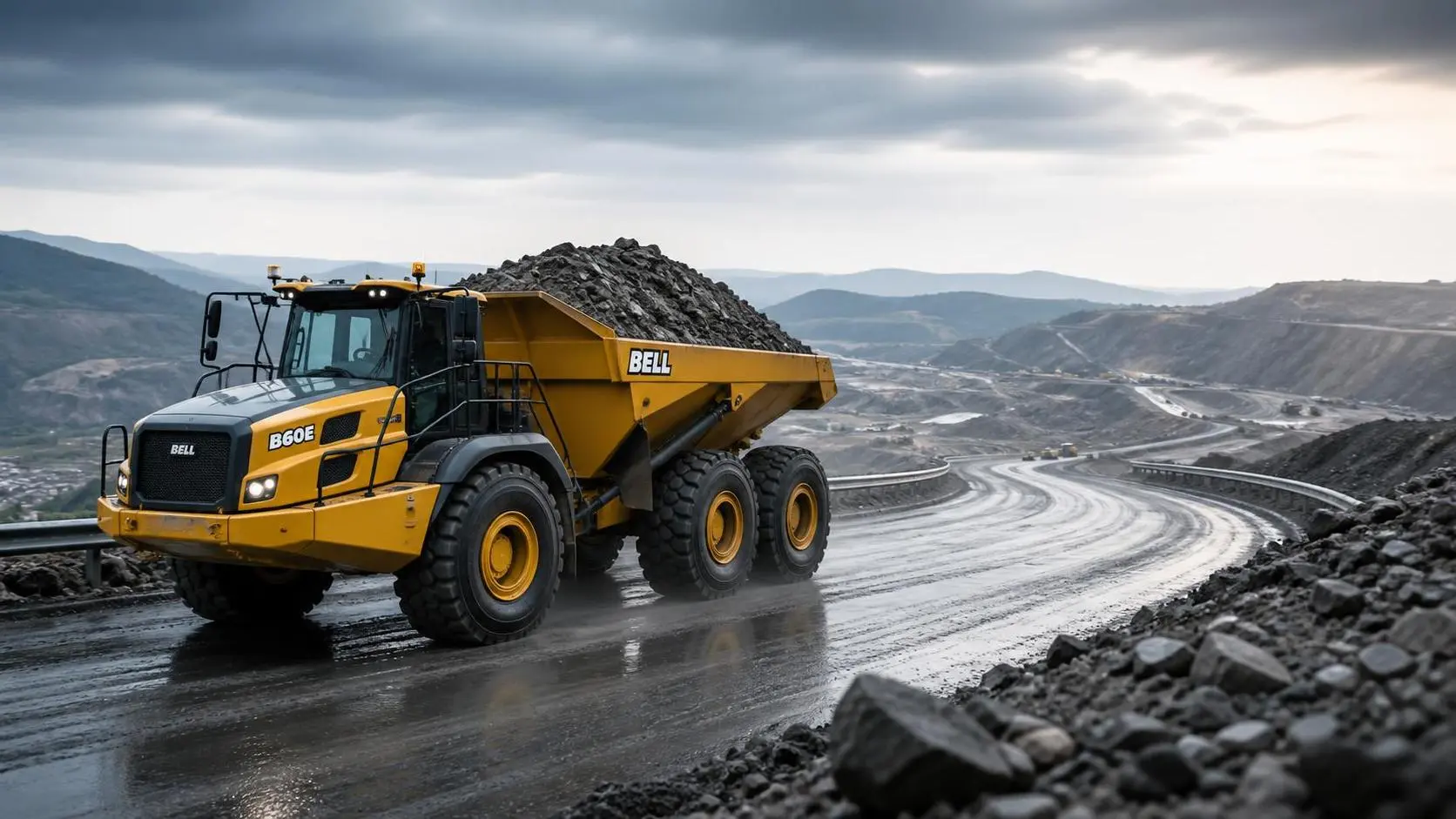
How to Evaluate Articulated Dump Trucks Payload for Haul Road Conditions and Cycle Efficiency
Articulated Dump Trucks payload evaluation starts with real haul road conditions, not brochure numbers. Learn how to balance payload, traction, grades, and cycle efficiency for safer, higher output.
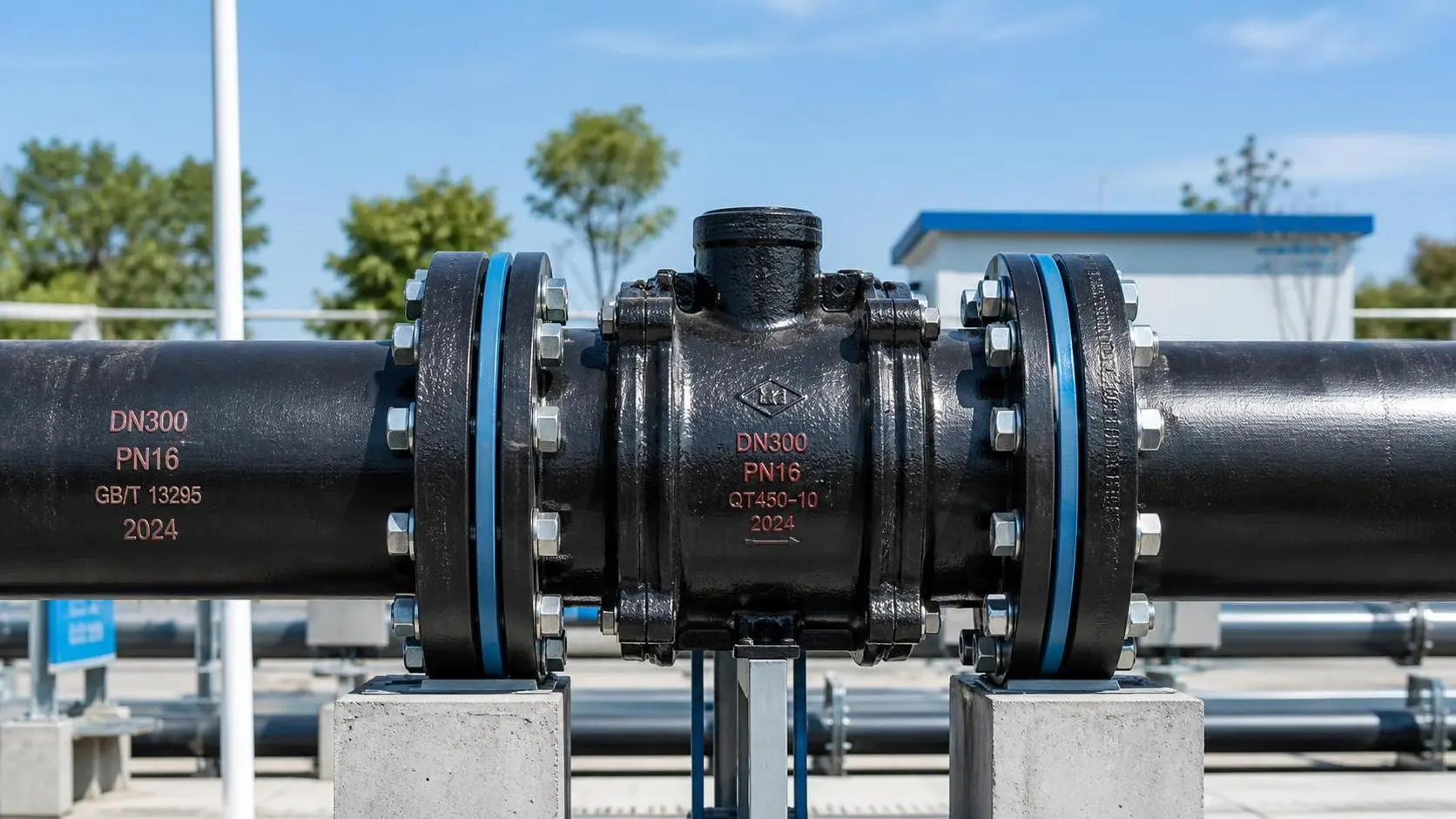
How Pipe Fittings Material and Pressure Class Affect Water Line Selection
Pipe fittings selection starts with material and pressure class. Learn how these factors affect water line reliability, corrosion resistance, installation, and long-term cost.
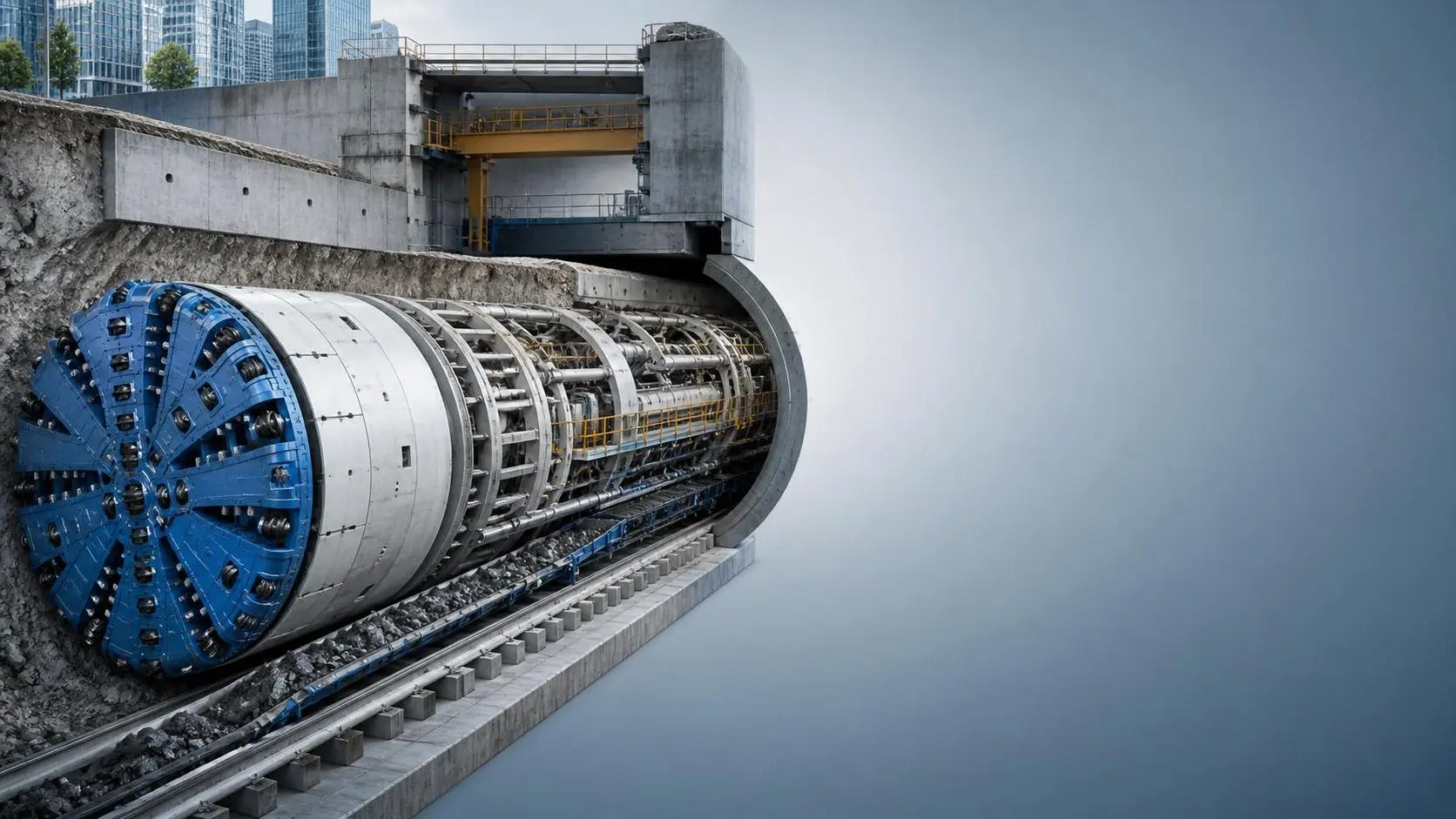
What Drives TBM Excavation Cost in Urban Tunneling Projects?
tbm excavation cost in urban tunneling depends on geology, shafts, segment lining, logistics, and risk. Discover the key cost drivers and compare bids with greater confidence.
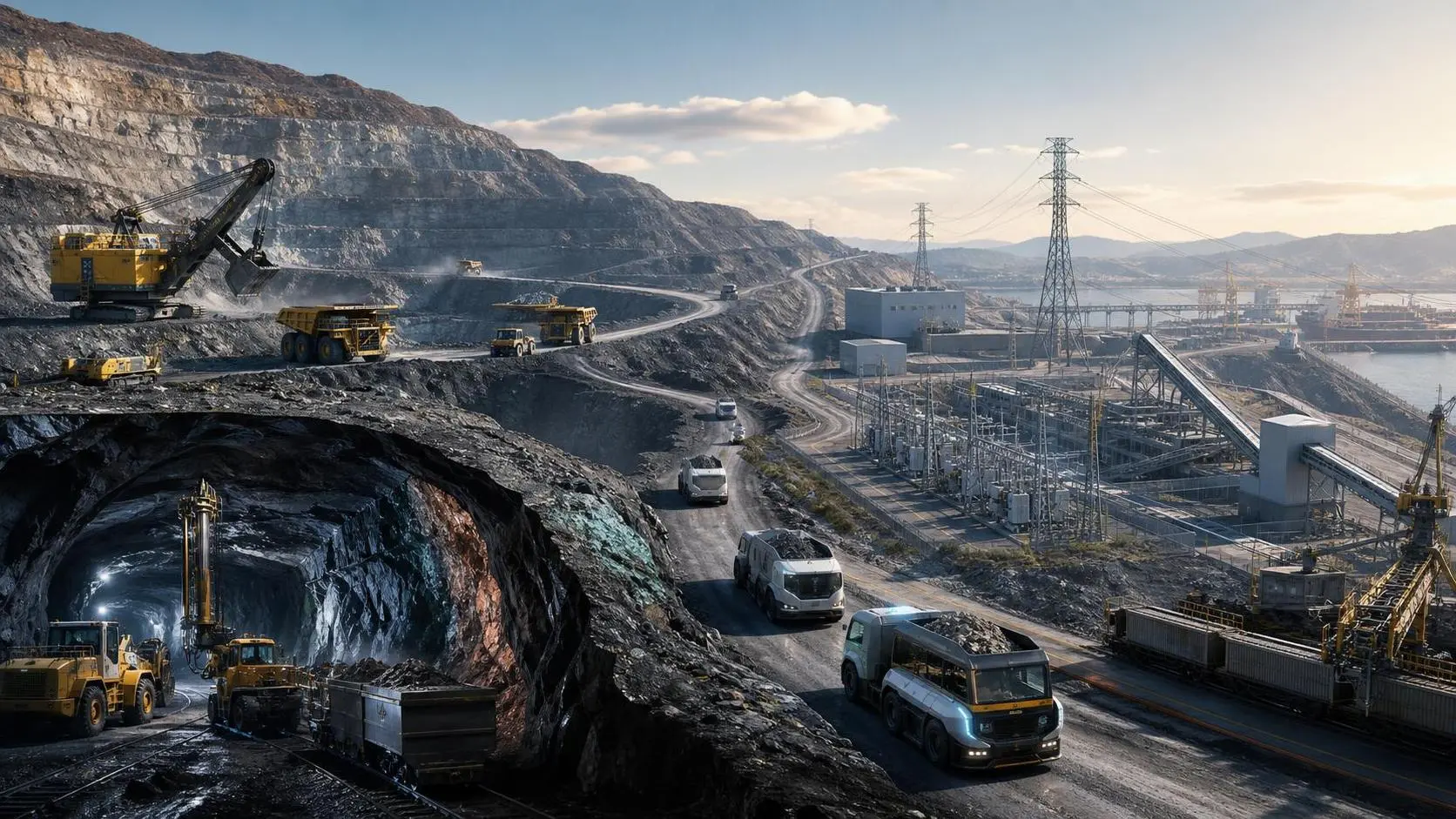
What Does Energy Metals Mining in Australia Mean for Supply, Cost, and Project Risk?
Energy metals mining Australia is reshaping supply, cost, and project risk. Discover what it means for buyers, investors, and operators.
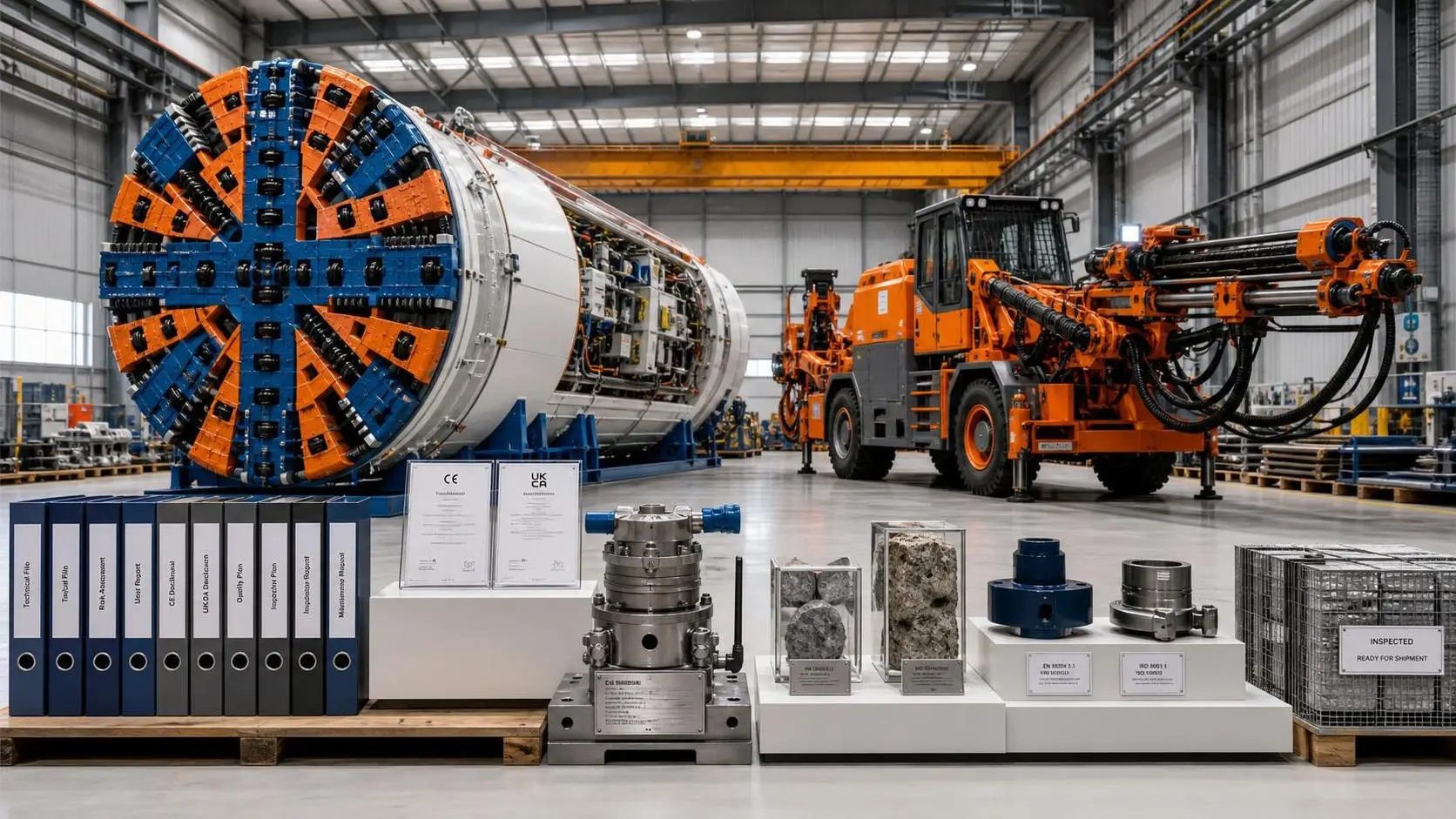
EU Eases Dual CE and UKCA Path for Chinese Tunnel Boring Equipment
EU eases CE and UKCA certification for Chinese tunnel boring equipment, cutting compliance time and helping importers move faster.
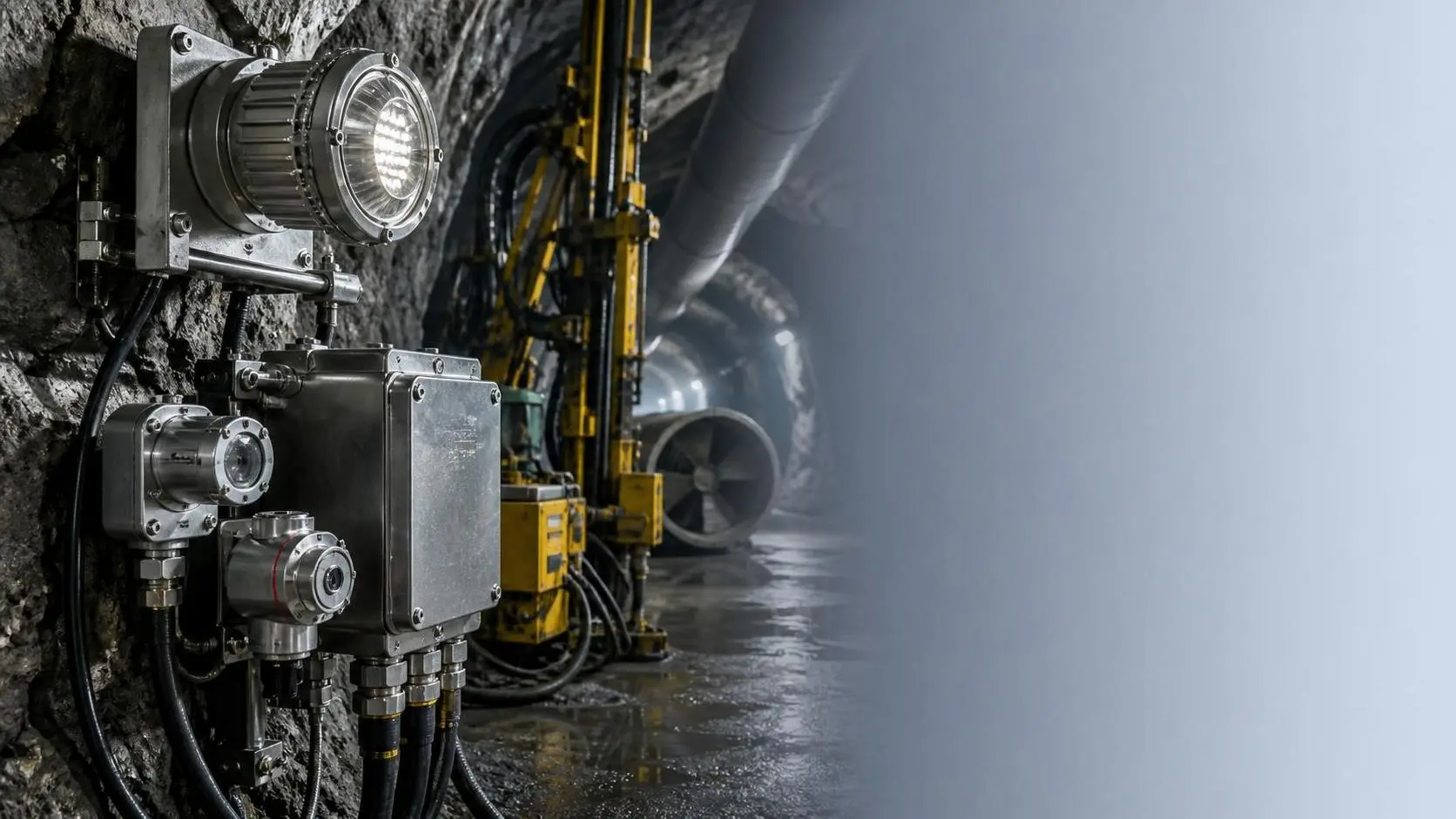
Flameproof Underground Safety Equipment: What Mine Teams Should Check Before Buying
Underground Safety Equipment flameproof buying guide: learn how mine teams should verify certification, durability, serviceability, and supplier support before purchase.
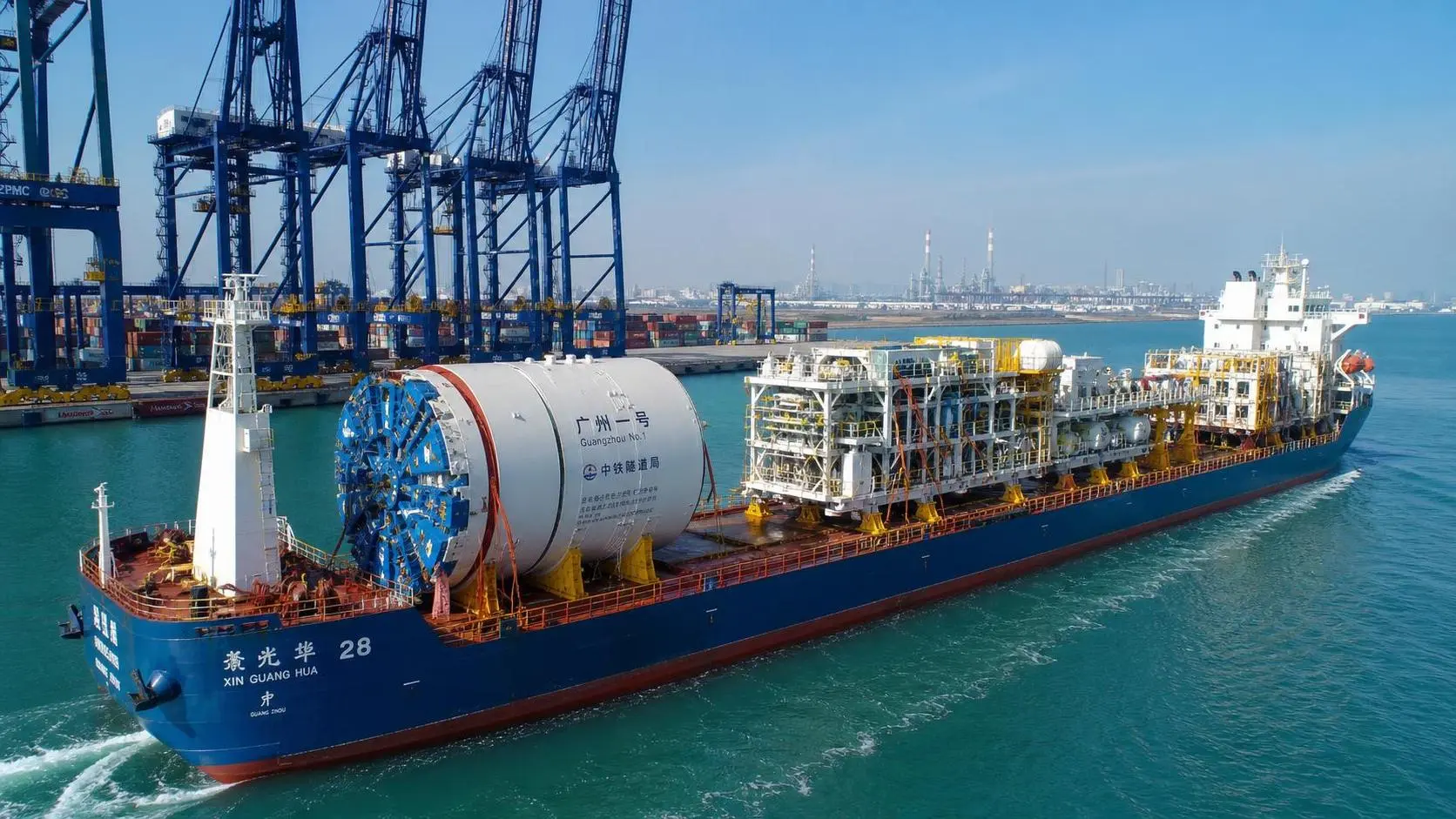
China-UAE Direct Sea Route Cuts TBM and Large Tunneling Equipment Lead Times
China-UAE direct sea route shortens TBM and large tunneling equipment lead times by 12–15 days, improving delivery predictability for major infrastructure projects. Read the full impact.
What Is a TBM Guidance System Gyroscope, and Why Does It Matter Underground?
TBM Guidance Systems gyroscope improves underground accuracy, reduces drift, and helps tunnel boring machines stay on line in harsh conditions.

China to Roll Out Nationwide Local and Foreign Currency Cash Pools for Multinationals on Sept. 14
China will roll out nationwide local and foreign currency cash pools for multinationals on Sept. 14, streamlining cross-border treasury management and boosting liquidity efficiency.
Related News
- 00
0000-00
How to Evaluate Articulated Dump Trucks Payload for Haul Road Conditions and Cycle Efficiency - 00
0000-00
How Pipe Fittings Material and Pressure Class Affect Water Line Selection - 00
0000-00
What Drives TBM Excavation Cost in Urban Tunneling Projects? - 00
0000-00
What Does Energy Metals Mining in Australia Mean for Supply, Cost, and Project Risk? - 00
0000-00
EU Eases Dual CE and UKCA Path for Chinese Tunnel Boring Equipment
Weekly Insights
Stay ahead with our curated technology reports delivered every Monday.