
AI Swarm Tunnelling System Delivered in Hordaland





On June 11, 2026, a new signal emerged for the micro-tunnelling sector: China Super Excavation Technology and Norway’s Statens Vegvesen delivered the “Swarm Tunnelling No.1” system for the Hordaland tunnel project, marking the first reported autonomous coordinated operation of four micro-tunnelling machines inside a 3.2-meter small-diameter tunnel using SLAM and a digital twin. For equipment makers, project owners, contractors, control-system suppliers, and standards-related teams, the development deserves attention because it links a live delivery case with the start of a new standardization process around intelligent control.
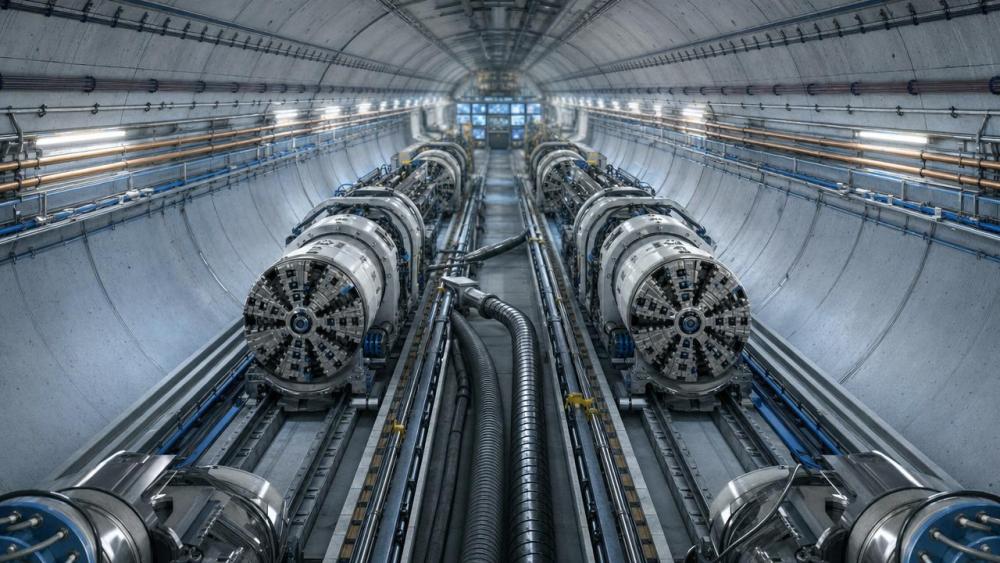
What the June 11 Delivery Confirmed
According to the provided event information, the system was jointly delivered by China Super Excavation Technology and Statens Vegvesen on June 11, 2026 for the Hordaland tunnel in Norway.
The delivered system, named “Swarm Tunnelling No.1,” achieved autonomous coordinated work by four micro-tunnelling machines in a 3.2-meter small-diameter tunnel. The coordination was based on SLAM and digital twin technology.
The same project also led ISO/TC 187/WG1 to initiate a new standard project for intelligent control in micro-tunnelling. The China-originated technical approach became a core contribution to the draft.
Where the Industry May Feel the Impact First
Equipment and control-system suppliers will watch the shift from single-machine capability to coordinated operation
From an industry perspective, this event may matter most to companies involved in micro-tunnelling equipment, navigation, sensing, and control integration. The reason is not simply that an autonomous function was demonstrated, but that the confirmed scenario involved four machines working in coordination within a small-diameter tunnel. What deserves closer attention is whether future customer discussions begin to focus more on system-level coordination, digital twin compatibility, and autonomous control architecture rather than on standalone machine performance alone.
Project owners and contractors may need to assess delivery requirements differently
For project owners, public infrastructure buyers, and tunnelling contractors, the possible impact lies in procurement and project definition. Analysis shows that once intelligent coordination enters both project delivery language and standardization discussions, buyers may pay closer attention to how autonomous functions are described, verified, and integrated into project workflows. The practical issue is less about immediate market-wide change and more about whether future tenders, technical consultations, or pilot projects begin to reference coordinated control capabilities in a more formal way.
Standards and compliance teams should pay attention to documentation and terminology
For companies that support certification, documentation, engineering interfaces, or cross-border project delivery, the standardization angle is especially relevant. The event information confirms that ISO/TC 187/WG1 has started a new standard item on intelligent control for micro-tunnelling. That means terminology, technical boundaries, and compliance expectations may become a more active area of work. Companies engaged in international projects may need to monitor how draft language develops and how their existing technical documents align with emerging definitions.
What Companies Should Track Next
Follow official wording around the new standard project
Analysis shows that the launch of a standard item and the final shape of a standard are not the same thing. Companies should distinguish between the current signal—an initiated standardization process—and any later formal requirements that may emerge from it.
Review which product lines or service packages could be affected
Manufacturers and service providers connected to micro-tunnelling should examine whether their current offerings are positioned around single-machine delivery, site support, navigation, or broader intelligent control integration. The event suggests that coordinated operation may become a more visible discussion point in relevant projects.
Prepare technical and contractual materials for customer communication
For commercial and delivery teams, a practical priority is to make sure technical descriptions, interface documents, and project communication materials can clearly explain what is currently available, what has been demonstrated in a delivered project, and what still depends on future standards or project-specific requirements.
Separate policy and standards signals from immediate procurement change
Observably, not every standards-related development leads to immediate changes in orders or tender rules. Companies should avoid treating this event as an automatic short-term shift in all markets, while still preparing for the possibility that some buyers and partners will begin asking more detailed questions about autonomous coordination and digital twin-based operation.
Why This Looks Like a Standards Signal More Than a Market Conclusion
In editorial observation, this news is more important as a directional signal than as proof of a fully settled market transition. The confirmed facts show two things happening together: a delivered engineering system and the opening of a standards track within ISO/TC 187/WG1. That combination matters because it connects field application with rule-making language.
At the same time, it is more appropriate to understand this as an industry development that still requires observation. The input confirms delivery, coordinated operation, and standard initiation, but it does not by itself confirm broad commercial adoption, new procurement norms, or finalized international requirements. Continued attention is therefore justified, especially for firms active in international tunnelling projects and technical standard alignment.
How to Read This Development at the Current Stage
At this stage, the Hordaland delivery can be read as a concrete indicator that intelligent coordination in micro-tunnelling is moving from concept framing into project-based implementation and standards discussion. For the industry, the most relevant takeaway is not a sweeping conclusion about immediate market change, but a narrower and more practical one: autonomous coordinated control, digital twin integration, and standards participation are now appearing in the same conversation.
A neutral reading is that this is a medium- to long-term signal with real short-term relevance for technical planning, documentation, and customer communication. Whether it becomes a broader commercial benchmark still depends on later project uptake, official standard progress, and how market participants respond.
Basis of This Article and What Still Needs Verification
This article is based on the user-provided news title, event date, and event summary. The available information covers the June 11, 2026 delivery, the participating organizations, the “Swarm Tunnelling No.1” system, the four-machine autonomous coordinated operation in a 3.2-meter tunnel, and the initiation of a new ISO/TC 187/WG1 standardization item related to intelligent control in micro-tunnelling.
For this type of industry update, relevant source categories would typically include official project announcements, company statements, industry association information, authoritative media coverage, and standard-organization documents. A specific official source link was not provided in the input, so further verification remains necessary. The next points worth tracking are any formal wording released around the ISO/TC 187/WG1 work item and any subsequent official disclosures related to the delivered project.
Related News
How to Evaluate European Drill-and-Blast Tunnelling Contractors for Complex Projects
Drill and blast tunnelling contractors Europe: learn how to assess geology expertise, blast control, equipment reliability, safety, and programme resilience for complex projects.
Which Trenchless Construction Technique Fits Your Utility Crossing Conditions?
Trenchless construction techniques compared for utility crossings: choose HDD, microtunnelling, pipe jacking, or auger boring based on ground, accuracy, access, and risk.
What Is Driving Metro Tunnelling Demand Across Southeast Asia’s Major Cities?
Metro tunnelling Southeast Asia is accelerating as major cities tackle congestion, flooding, and connectivity. Explore the market forces, technical risks, and opportunities shaping demand.
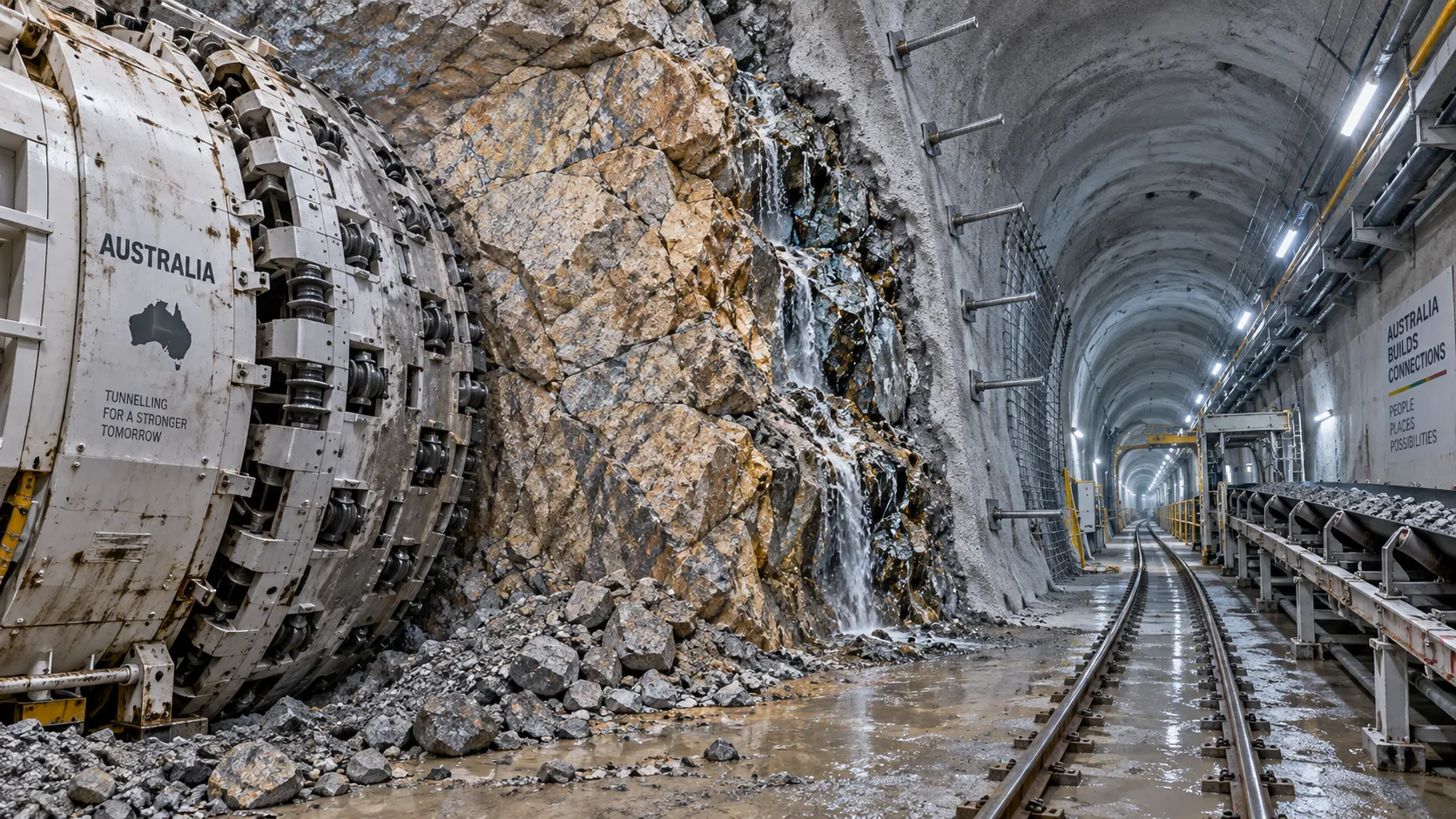
Hard Rock Tunnelling in Australia: Selecting Methods for Variable Ground Conditions
Hard rock tunnelling in Australia: compare TBM, drill-and-blast and hybrid methods to manage variable ground, reduce risk and protect project costs.
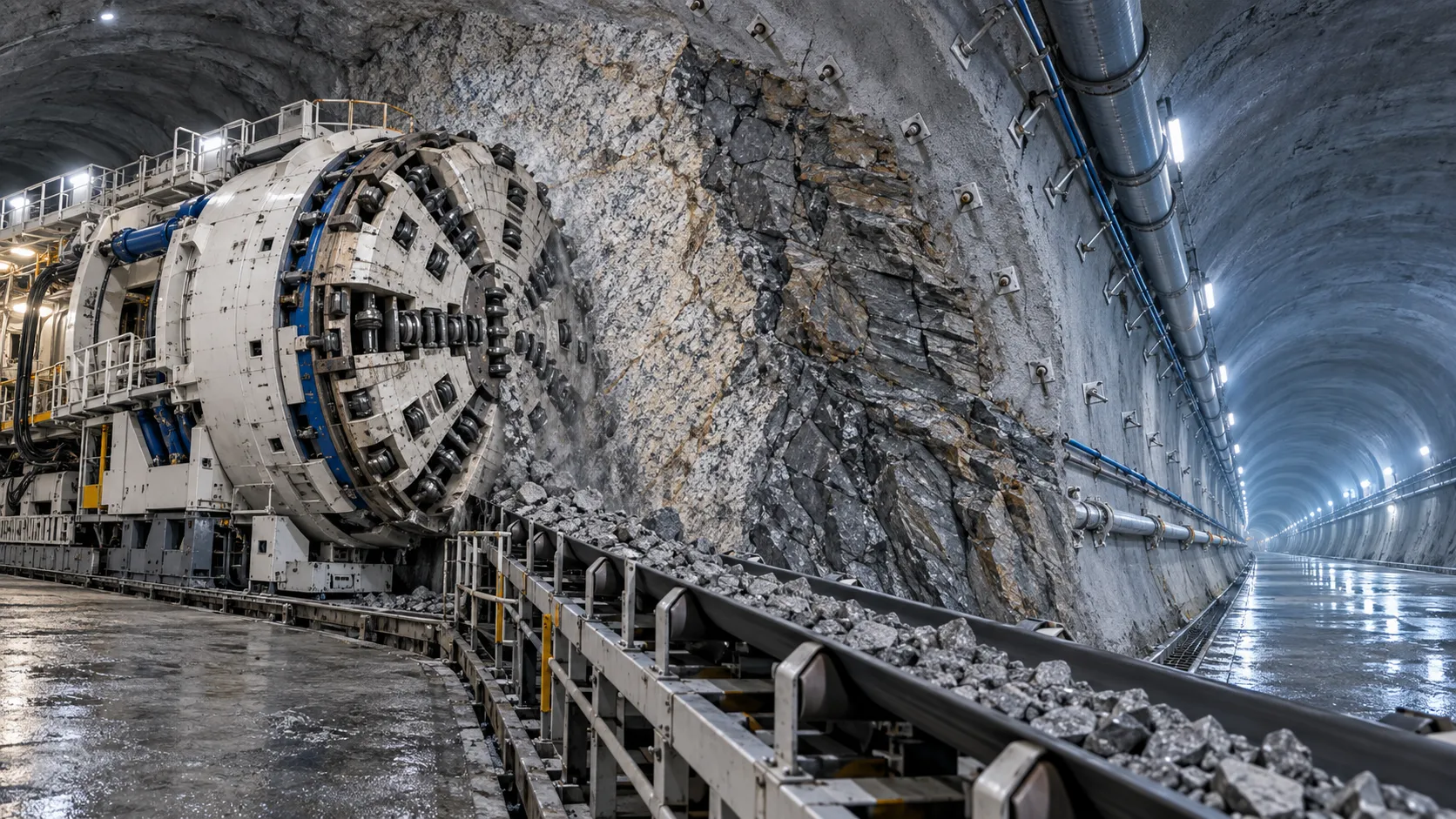
Hydropower Tunnel Excavation: Selecting Methods for Variable Rock Conditions
Hydropower tunnel excavation methods for variable rock conditions: compare TBM, drill-and-blast, and hybrid strategies to improve safety, progress, and project control.
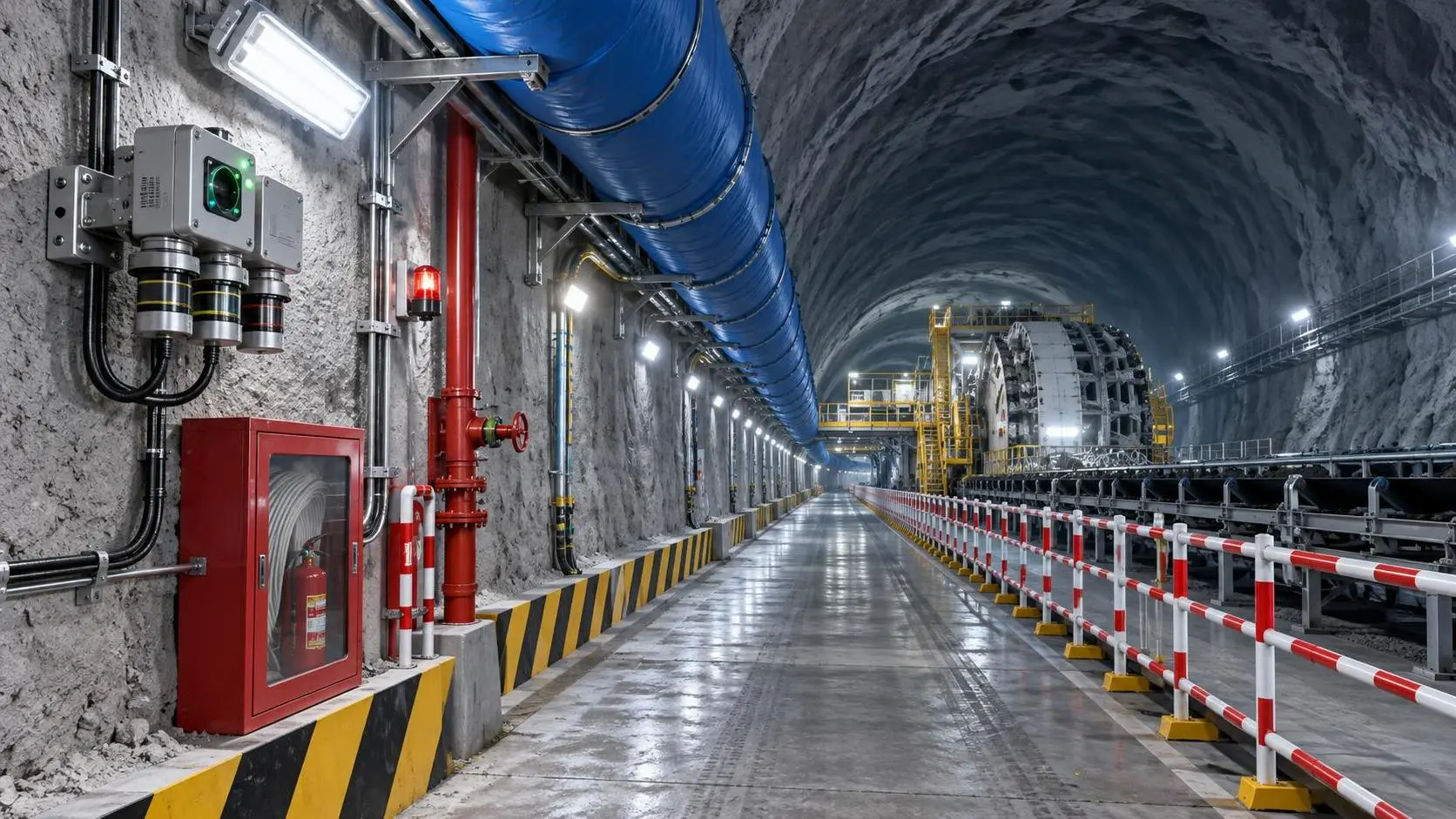
How to Select Underground Safety Equipment for Tunnelling by Hazard and Work Zone
Underground Safety Equipment for tunnelling: match protection to hazards, work zones, compliance, and emergency needs with this practical selection guide.
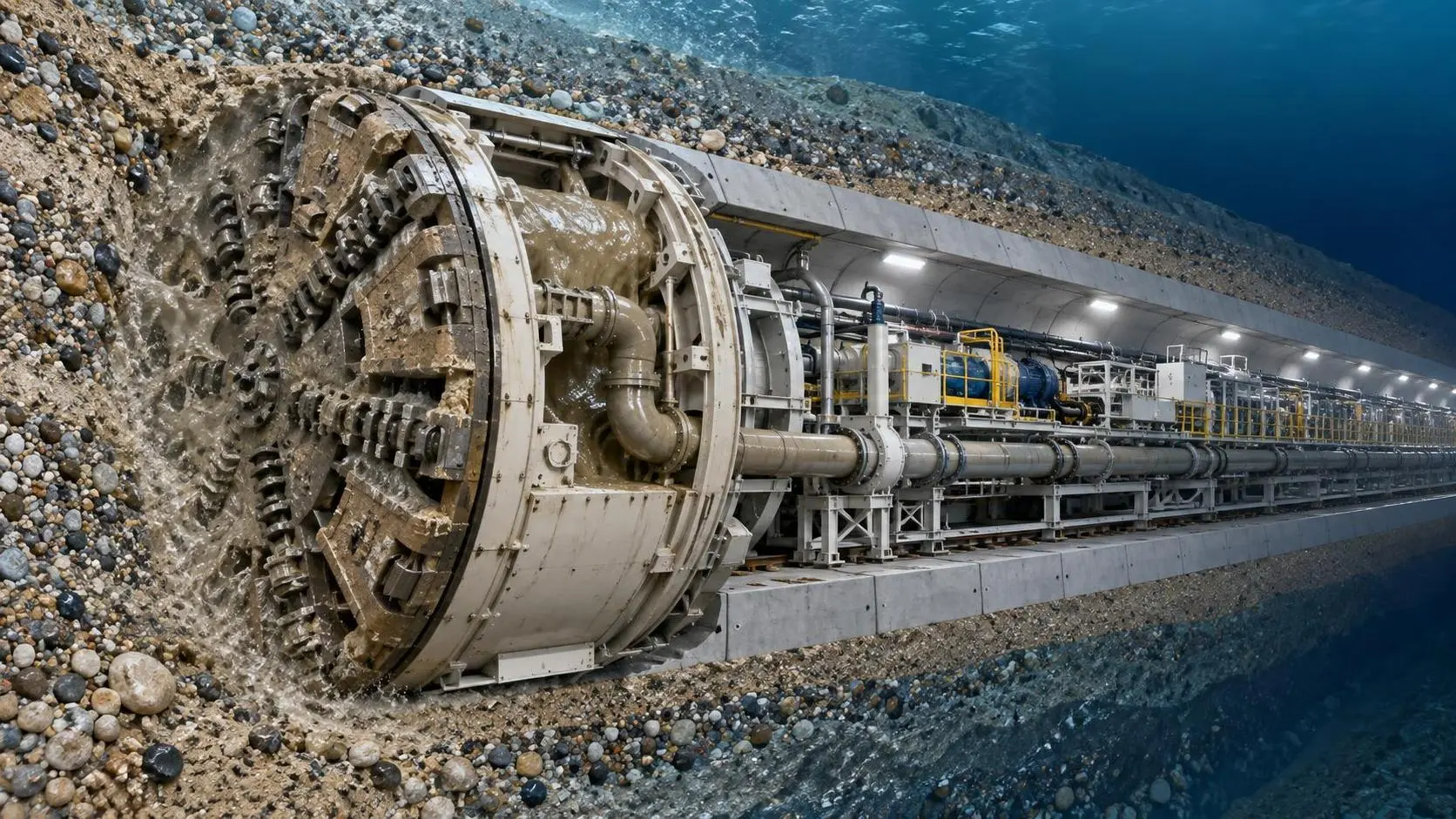
EPB or Slurry Shield? Selecting Soft-Ground Tunnelling Equipment by Soil Conditions
Tunnel Excavation Equipment for soft ground: compare EPB and slurry shields by soil, groundwater, settlement risk, and project logistics to choose confidently.
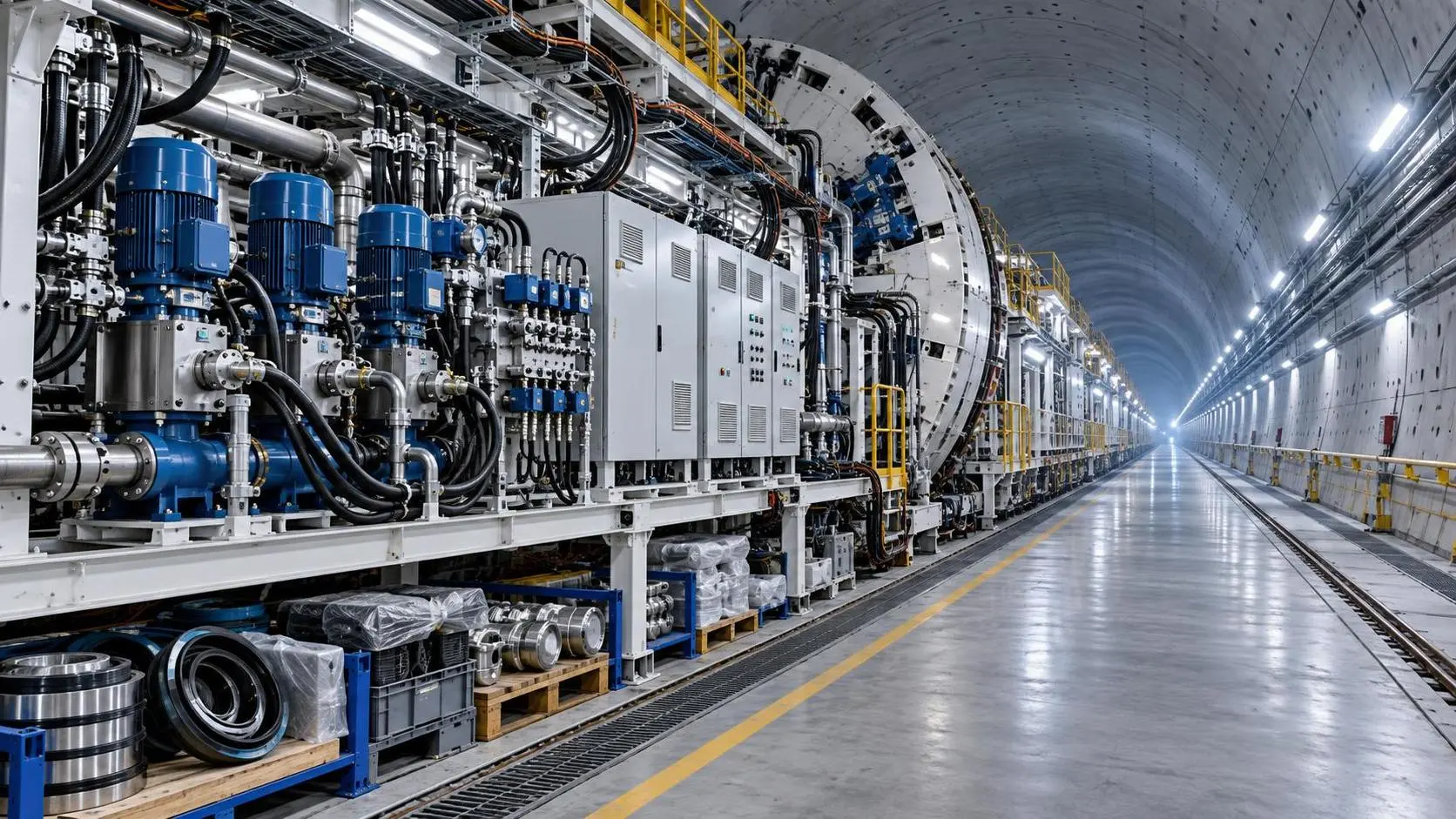
How to Specify TBM Backup System Parts for Reliable Long-Distance Tunnelling
TBM backup system parts: learn how to specify reliable spares for long-distance tunnelling, reduce downtime, ensure compatibility, and speed underground recovery.

How to Size Open Pit Mining Trucks for Haul Distance, Grade, and Payload?
Open Pit Mining Trucks: learn how to match payload, haul distance, grade, road resistance, and loading capacity for safer, lower-cost mine operations.
Related News
- 00
0000-00
How to Evaluate European Drill-and-Blast Tunnelling Contractors for Complex Projects - 00
0000-00
Which Trenchless Construction Technique Fits Your Utility Crossing Conditions? - 00
0000-00
What Is Driving Metro Tunnelling Demand Across Southeast Asia’s Major Cities? - 00
0000-00
Hard Rock Tunnelling in Australia: Selecting Methods for Variable Ground Conditions - 00
0000-00
Hydropower Tunnel Excavation: Selecting Methods for Variable Rock Conditions
Weekly Insights
Stay ahead with our curated technology reports delivered every Monday.