
ECRL Power Link Signals New Demand for Micro-tunnelling





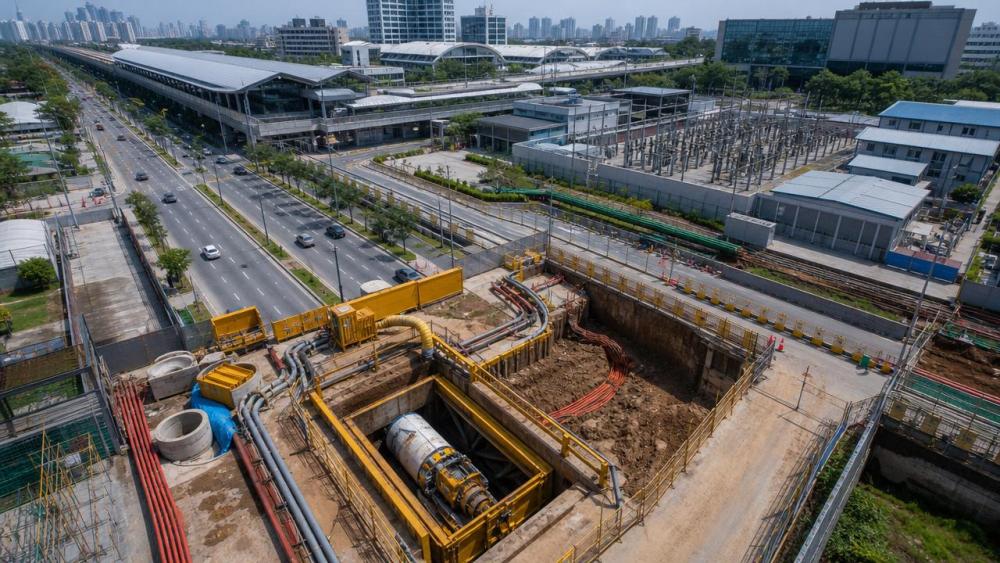
On June 12, 2026, the energized completion of the Kota Bharu-Gombak section of Malaysia’s East Coast Rail Link highlighted more than a construction milestone: it also sent a practical execution signal for how railway power infrastructure can be delivered under tighter urban access, safety, and deployment requirements. With Micro-tunnelling used in station areas such as Kuala Terengganu to install 110kV cable passages without opening major city roads, the development deserves attention from equipment suppliers, procurement teams, localized service providers, and project delivery contractors tracking how technical methods may increasingly shape bidding, compliance review, and cross-border supply decisions in Southeast Asia.
What the June 12 milestone confirms
As of June 12, 2026, the Kota Bharu-Gombak section of the East Coast Rail Link in Malaysia achieved full 11kV power energization. Seven substations completed concentrated energization within seven days. In station areas including Kuala Terengganu, Micro-tunnelling was used to build 110kV cable corridors in order to avoid excavation of major urban roads. Based on the information provided, this project has become the first large-scale benchmark case in Southeast Asia for using Micro-tunnelling to support high-speed rail power supply safety, and it has already triggered a sharp rise in inquiries from infrastructure parties in Indonesia and Thailand regarding localized operation and maintenance capabilities and rapid deployment of micro-tunnelling equipment.
Why this matters for procurement and delivery chains
Technical methods are moving closer to bid and procurement review
From an industry perspective, the confirmed use of Micro-tunnelling in sensitive urban rail power works may affect how buyers and contractors define acceptable construction methods in future packages. The impact is likely to appear first in technical specification alignment, method statements, equipment selection, and delivery planning. What deserves closer attention is whether future tenders, prequalification files, or owner-side technical documents begin to place more weight on trenchless capability, urban disruption control, and power-supply protection during construction.
Localized service capacity may become more visible in vendor screening
Analysis shows that the increase in inquiries from Indonesia and Thailand is not only about equipment supply. It may also shift attention toward localized maintenance readiness, spare-parts support, commissioning response, and rapid mobilization. For manufacturers, distributors, and after-sales providers, the practical effect may be seen in qualification documents, service commitments, training records, and delivery assurances rather than in product pricing alone.
Supply-chain and trade participants may face tighter documentation expectations
For exporters, project suppliers, and supply-chain service firms, this type of benchmark application may raise expectations around technical files, testing materials, equipment configuration descriptions, and traceable delivery records. Observably, when a construction method becomes associated with power-supply security and urban road avoidance, procurement review can become more sensitive to whether submitted documents clearly match project conditions, deployment constraints, and installation requirements.
What companies should watch next
Track how project documents describe trenchless deployment
Analysis shows that companies involved in Micro-tunnelling equipment, supporting systems, or project services should pay close attention to whether subsequent bidding documents or owner requirements use more explicit language around trenchless construction, cable corridor installation, or restricted-road-access execution. At this stage, the available information does not confirm a new formal rule, so this should be treated as a monitoring point rather than an established compliance outcome.
Prepare technical and quality files for faster qualification review
What deserves closer attention is the completeness of technical documentation that may be requested during supplier review. This can include equipment specifications, operating documentation, testing records, quality traceability materials, deployment procedures, and service-response descriptions. The current event does not provide a defined certification pathway, but it does suggest that documentation readiness may matter more where rapid deployment claims are being evaluated.
Assess after-sales and local support promises carefully
For companies responding to interest from Southeast Asian infrastructure buyers, analysis shows that local operation and maintenance capacity may become a practical differentiator. Businesses should therefore review whether their service network, spare-parts planning, technical training support, and fault-response arrangements can be evidenced clearly in commercial and technical submissions. This is especially relevant where procurement teams begin comparing not only machinery performance but also field support credibility.
Watch delivery timing and supplier qualification signals
Observably, a benchmark case tied to rail power energization can influence how buyers think about execution reliability and deployment speed. Companies should monitor whether procurement cycles, preferred supplier criteria, or delivery schedules begin to reflect stronger emphasis on quick mobilization and site-readiness. The current information does not prove that such criteria have already been standardized, but it is a reasonable area for continued tracking.
How to read the signal at this stage
Analysis shows that this development is better understood as an execution signal than as proof of a fully codified regional rule change. The confirmed facts indicate that Micro-tunnelling has now been validated at scale in a railway power-supply context in Southeast Asia, and that this has already affected market attention in nearby countries. At the same time, there is not enough provided information to conclude that new formal regulations, uniform certification requirements, or harmonized procurement rules are already in place. For that reason, industry participants should continue watching official language, qualification criteria, and market feedback before treating this as a settled compliance framework.
A benchmark case with practical, not automatic, consequences
From an industry perspective, the significance of this event lies in the fact that a construction method associated with lower urban disruption and power-supply protection has moved from technical possibility to visible project application. It is more appropriate to understand this as a strong project-level validation with potential downstream effects on procurement, supplier screening, and service expectations, rather than as a completed regulatory shift. The next stage of relevance will depend on whether project owners, procurement authorities, and market participants translate this experience into clearer execution requirements.
Basis of this article and points requiring further verification
This article is generated based on the user-provided news title, event date, and event summary. For events of this type, commonly relevant source categories may include official project announcements, regulatory or transport authority releases, trade or customs authority information, industry association updates, standards-related documents, and reporting by authoritative media. No specific official source link was provided in the input, so the precise official reference path still requires ongoing verification. Further observation should focus on later policy details, certification interpretations, changes in tender wording, market feedback from Indonesia and Thailand, and how companies actually implement localized service and delivery commitments.
Related News
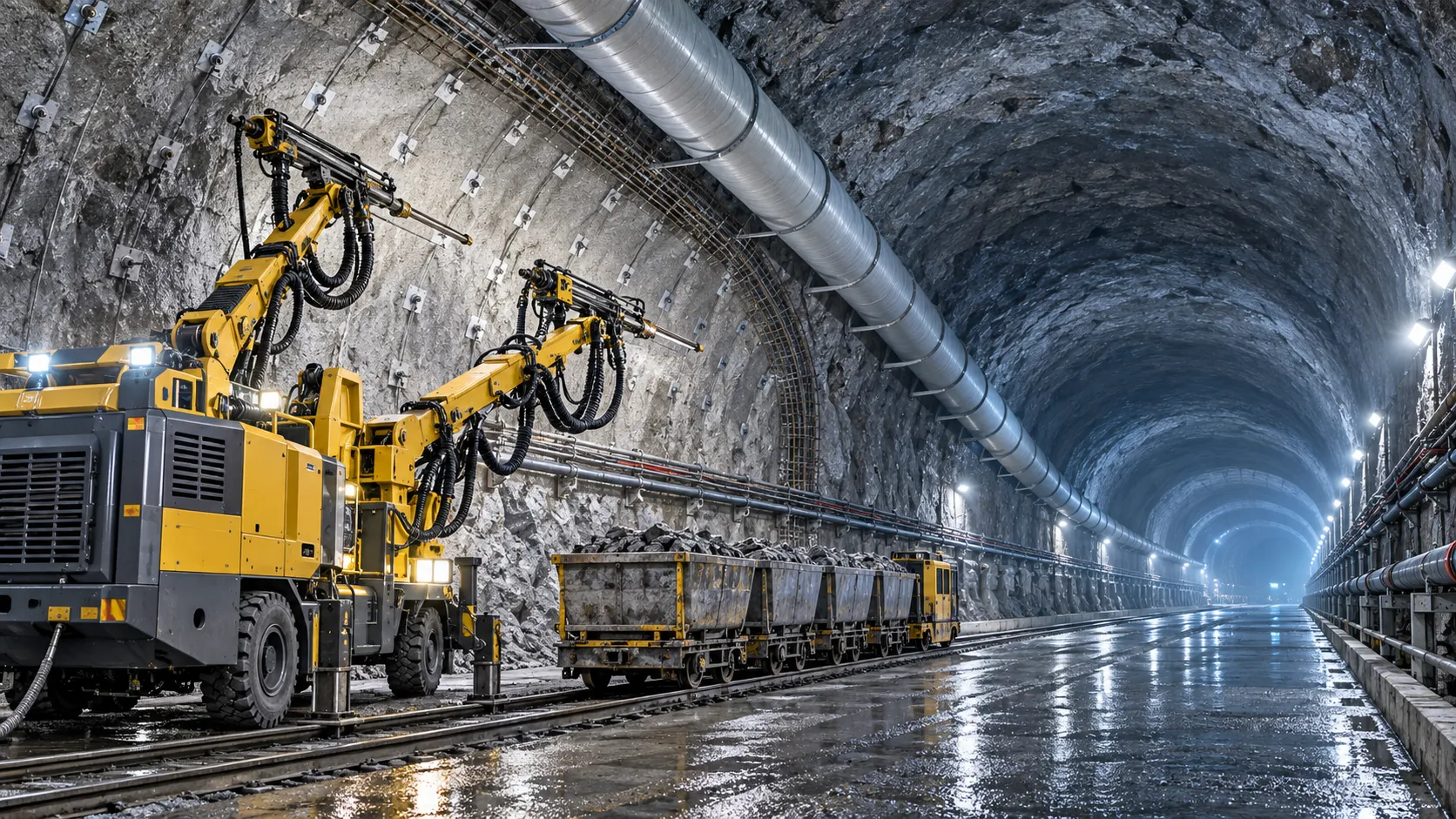
How to Evaluate European Drill-and-Blast Tunnelling Contractors for Complex Projects
Drill and blast tunnelling contractors Europe: learn how to assess geology expertise, blast control, equipment reliability, safety, and programme resilience for complex projects.
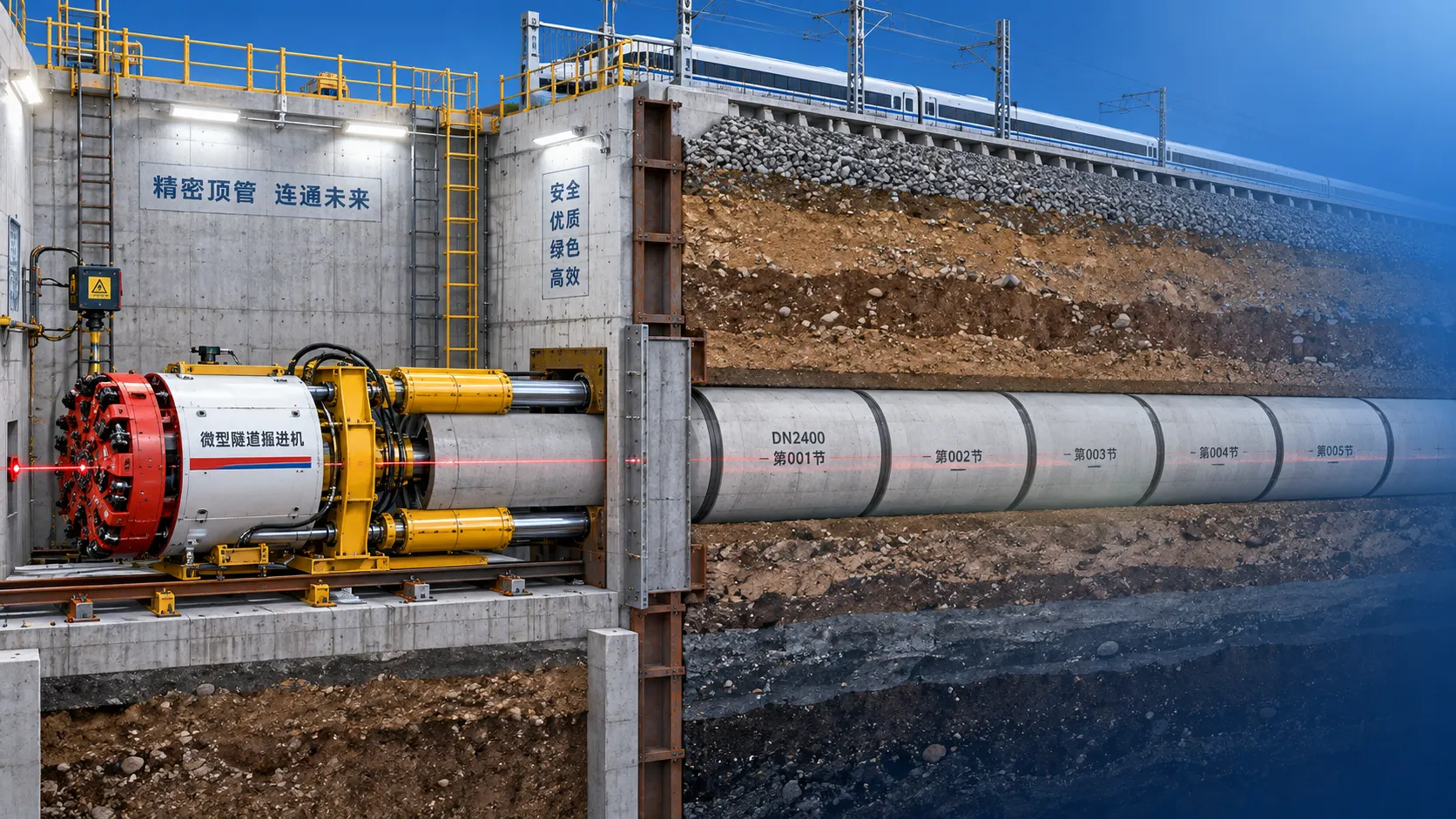
Which Trenchless Construction Technique Fits Your Utility Crossing Conditions?
Trenchless construction techniques compared for utility crossings: choose HDD, microtunnelling, pipe jacking, or auger boring based on ground, accuracy, access, and risk.
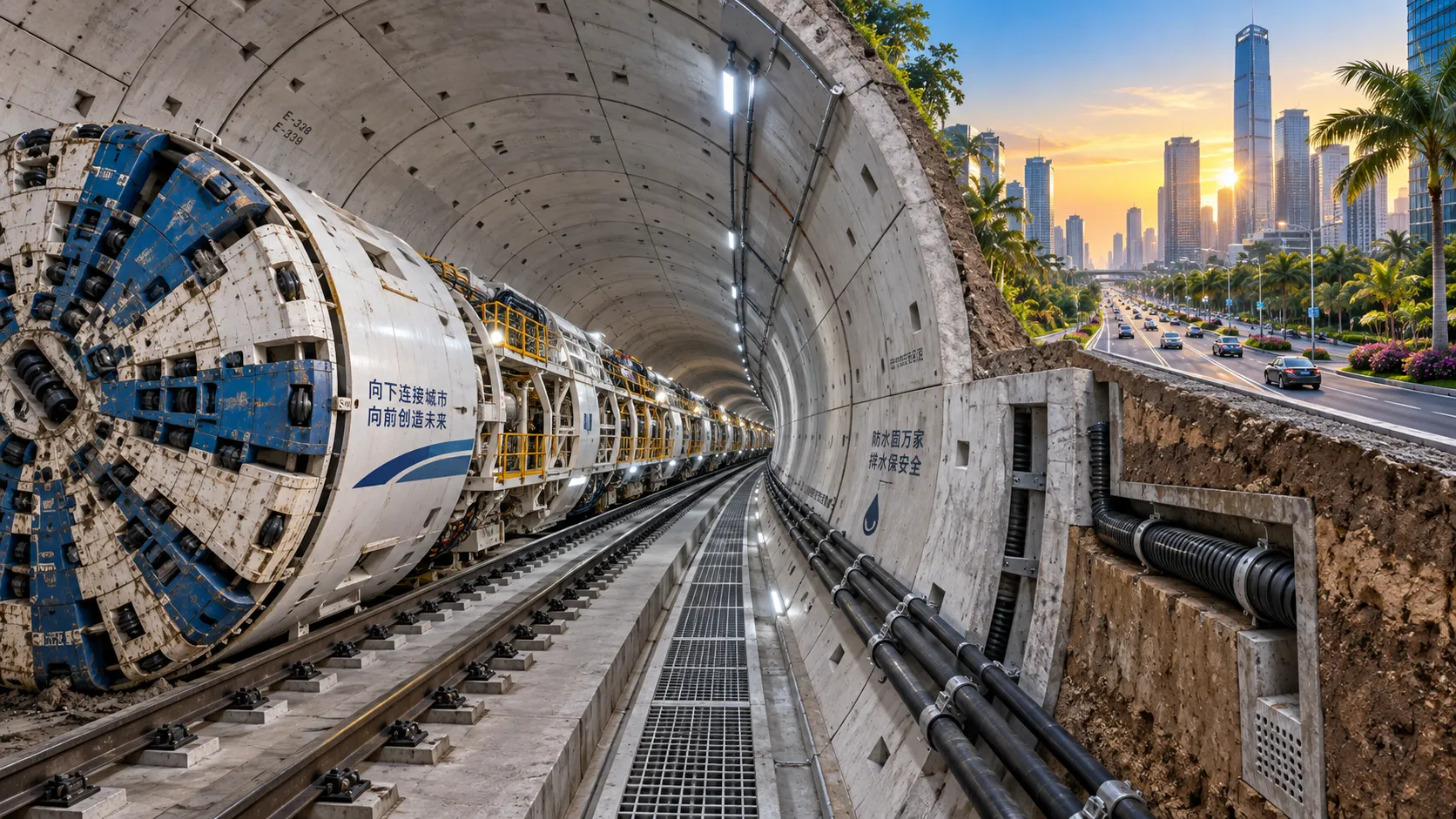
What Is Driving Metro Tunnelling Demand Across Southeast Asia’s Major Cities?
Metro tunnelling Southeast Asia is accelerating as major cities tackle congestion, flooding, and connectivity. Explore the market forces, technical risks, and opportunities shaping demand.
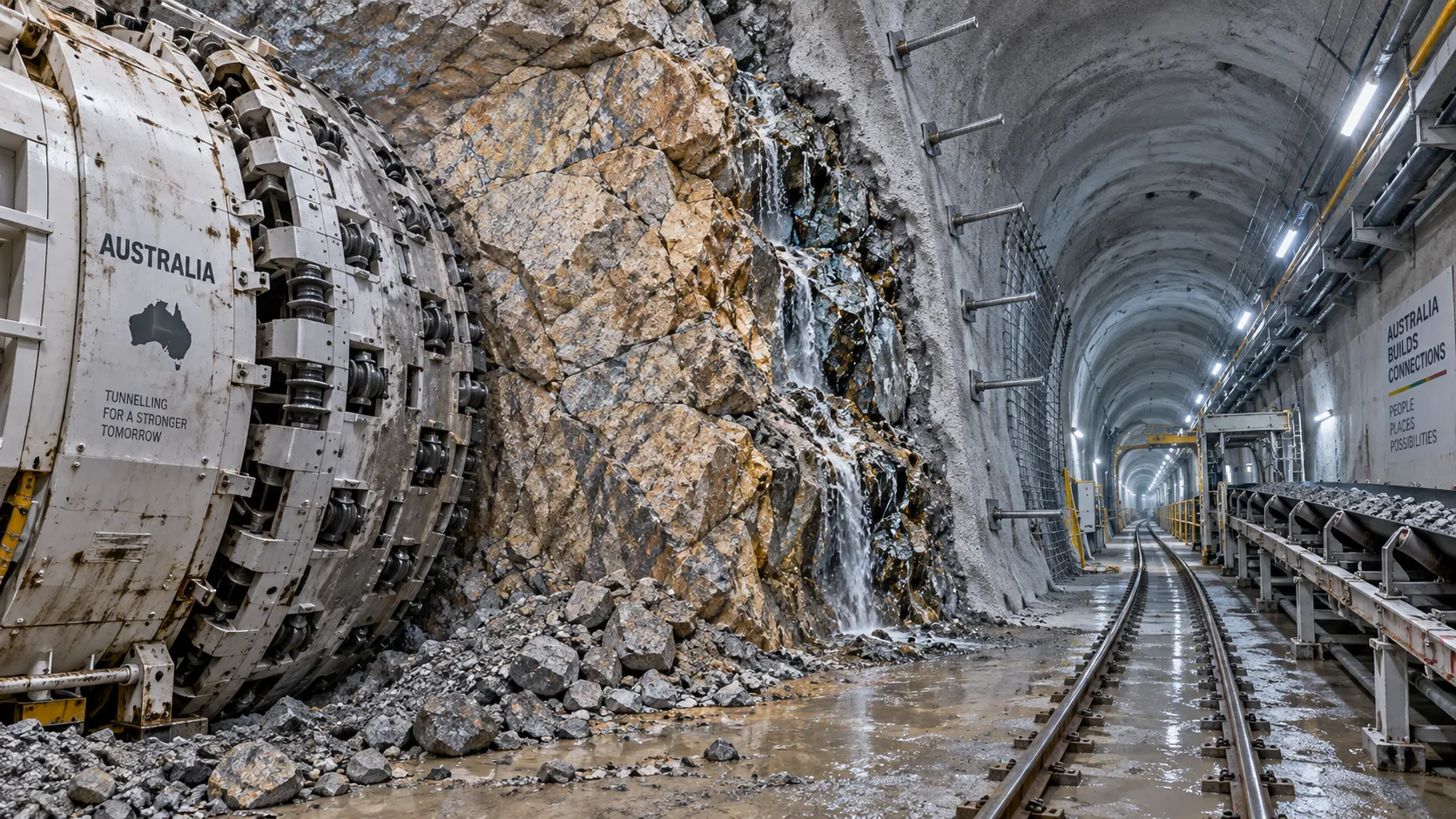
Hard Rock Tunnelling in Australia: Selecting Methods for Variable Ground Conditions
Hard rock tunnelling in Australia: compare TBM, drill-and-blast and hybrid methods to manage variable ground, reduce risk and protect project costs.
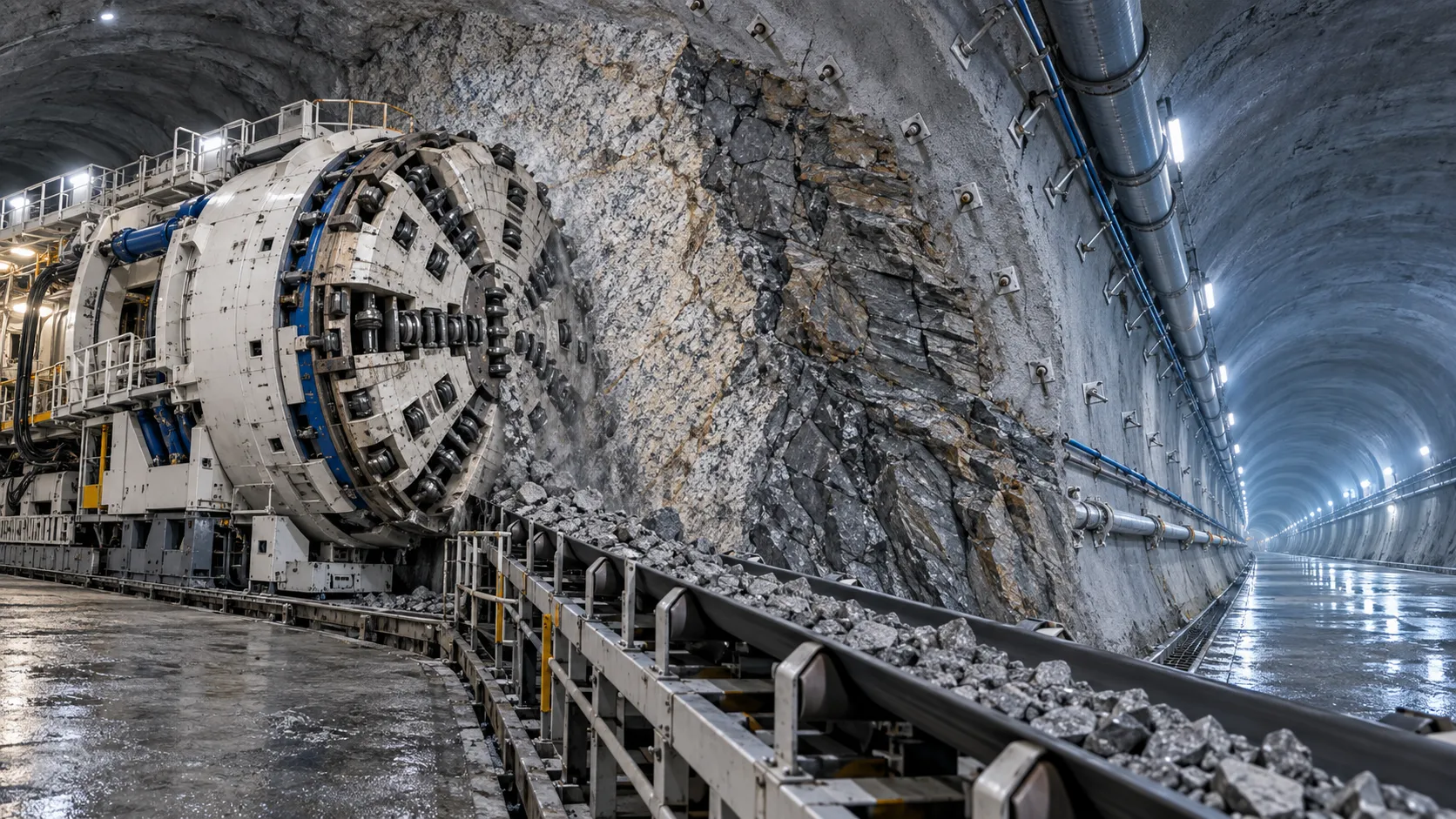
Hydropower Tunnel Excavation: Selecting Methods for Variable Rock Conditions
Hydropower tunnel excavation methods for variable rock conditions: compare TBM, drill-and-blast, and hybrid strategies to improve safety, progress, and project control.
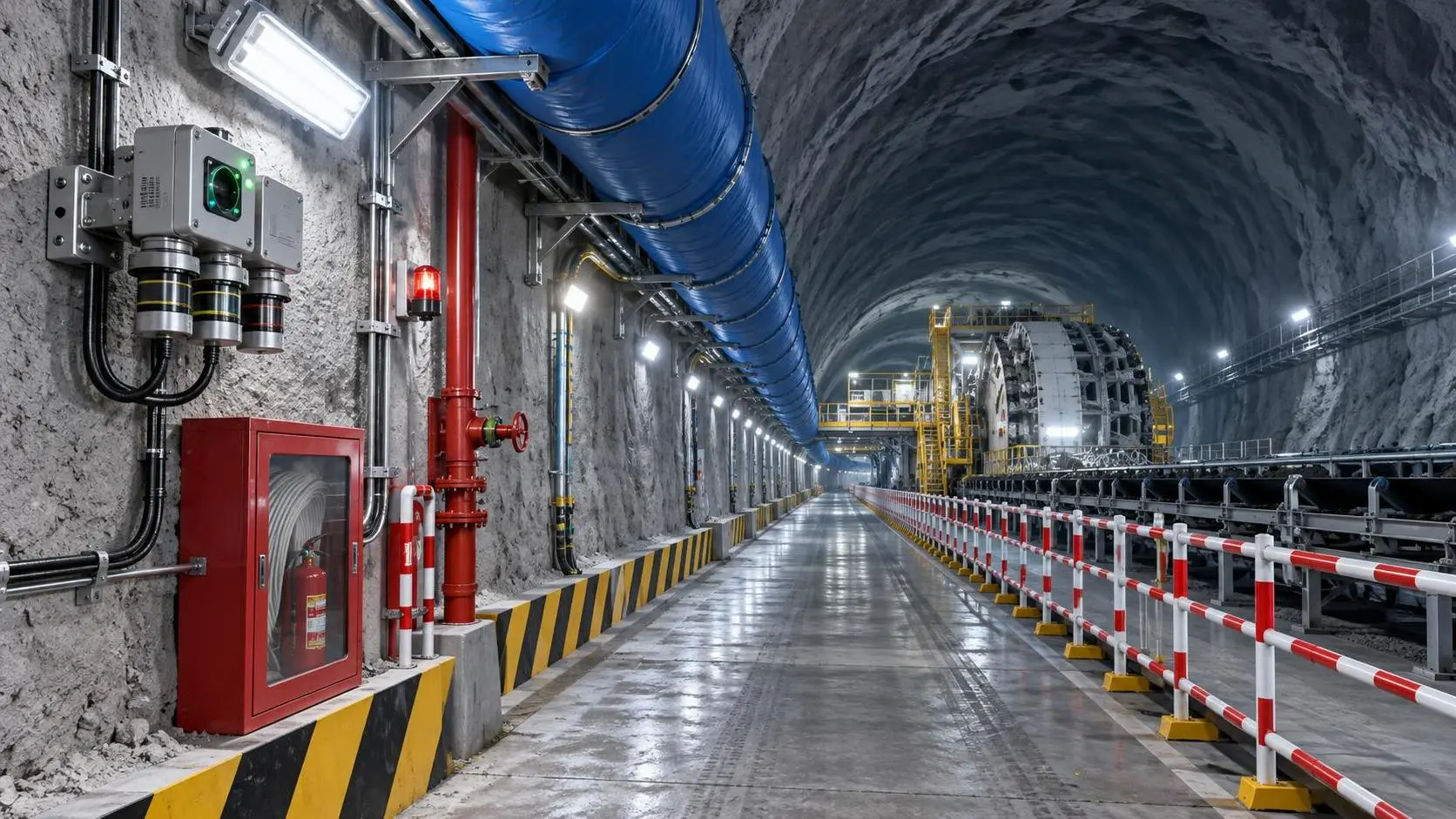
How to Select Underground Safety Equipment for Tunnelling by Hazard and Work Zone
Underground Safety Equipment for tunnelling: match protection to hazards, work zones, compliance, and emergency needs with this practical selection guide.
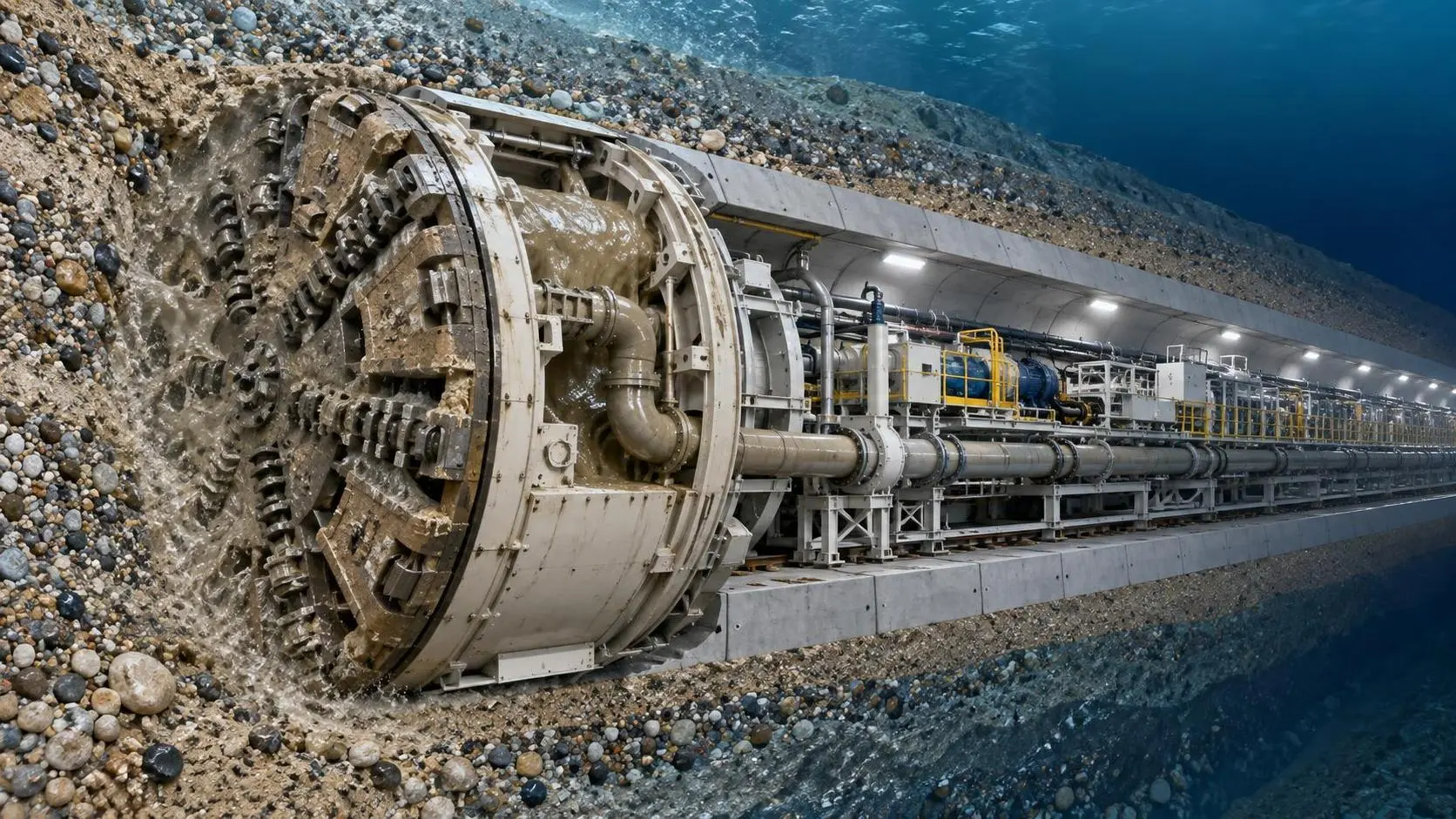
EPB or Slurry Shield? Selecting Soft-Ground Tunnelling Equipment by Soil Conditions
Tunnel Excavation Equipment for soft ground: compare EPB and slurry shields by soil, groundwater, settlement risk, and project logistics to choose confidently.
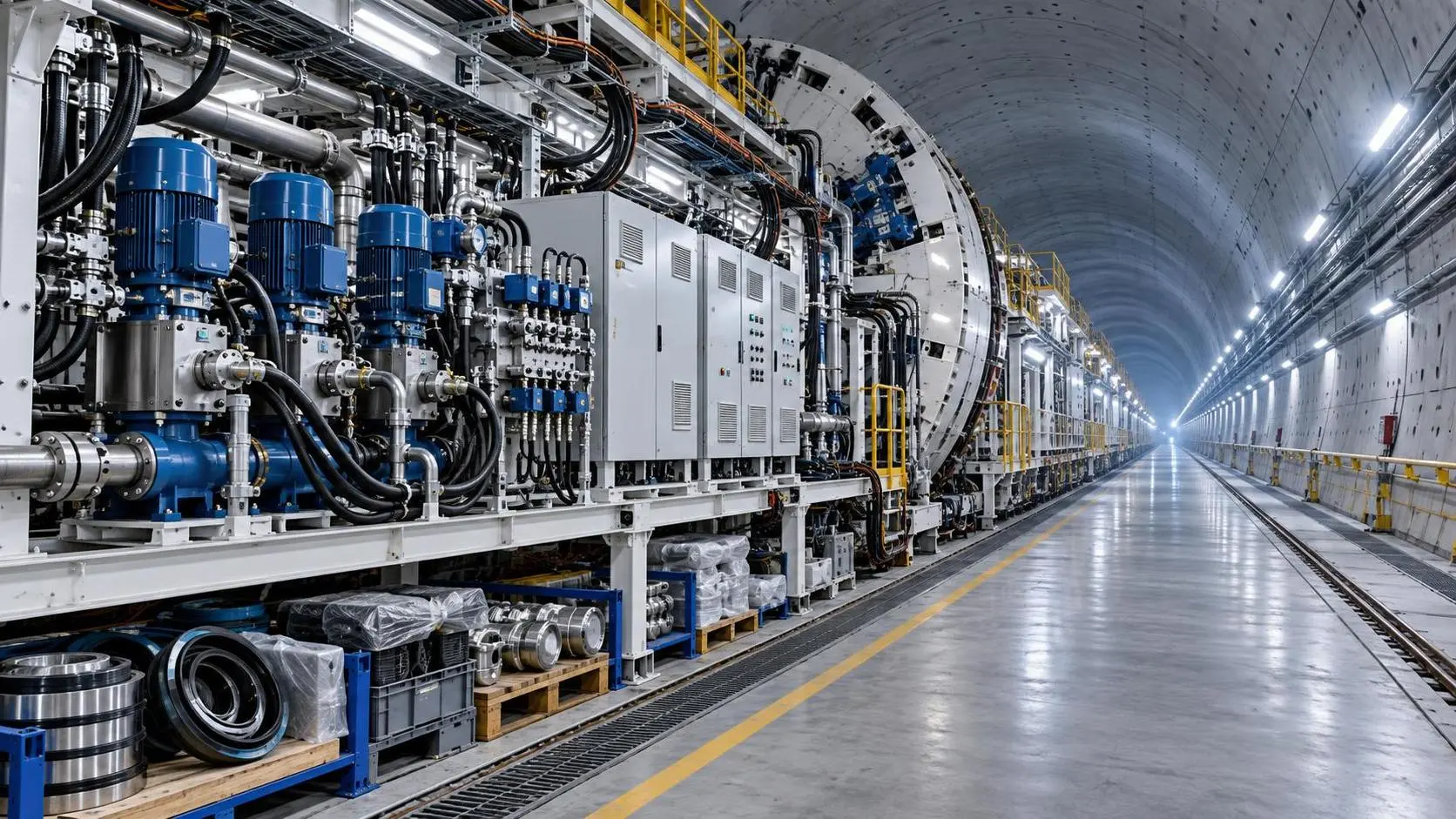
How to Specify TBM Backup System Parts for Reliable Long-Distance Tunnelling
TBM backup system parts: learn how to specify reliable spares for long-distance tunnelling, reduce downtime, ensure compatibility, and speed underground recovery.

How to Size Open Pit Mining Trucks for Haul Distance, Grade, and Payload?
Open Pit Mining Trucks: learn how to match payload, haul distance, grade, road resistance, and loading capacity for safer, lower-cost mine operations.
Related News
- 00
0000-00
How to Evaluate European Drill-and-Blast Tunnelling Contractors for Complex Projects - 00
0000-00
Which Trenchless Construction Technique Fits Your Utility Crossing Conditions? - 00
0000-00
What Is Driving Metro Tunnelling Demand Across Southeast Asia’s Major Cities? - 00
0000-00
Hard Rock Tunnelling in Australia: Selecting Methods for Variable Ground Conditions - 00
0000-00
Hydropower Tunnel Excavation: Selecting Methods for Variable Rock Conditions
Weekly Insights
Stay ahead with our curated technology reports delivered every Monday.