
Choosing a Microtunnelling Systems Supplier: Support and Delivery Checks





The lowest equipment price is rarely enough to identify the best microtunnelling systems supplier. A cheaper machine can become the more expensive choice if it arrives without compatible separation equipment, needs unavailable spare parts, or sits idle while a technician travels to site. Compare suppliers on the complete system, the credibility of the delivery schedule, and the support they will provide when the machine is operating underground.
Begin with a clear description of the drive and the intended contract scope. Ground conditions, groundwater pressure, pipe size, shaft constraints, and the proposed construction method affect not only machine selection but also the support and consumables required. A useful quotation should show how the supplier has translated those conditions into equipment, delivery milestones, and service commitments.
Start with the drive, not the machine catalogue
Give each supplier the same project information and ask for a response against the same operating envelope. Include the geotechnical investigation, expected groundwater conditions, drive lengths and alignments, pipe material and dimensions, shaft layouts, available power, and site access restrictions. Identify where the information is incomplete and how the design team intends to manage that uncertainty.
The proposed machine must suit the ground across the entire drive, not just the most favourable section. Mixed ground, cobbles, abrasive material, or changes in groundwater conditions can affect cutterhead configuration, spoil removal, wear, and intervention planning. Ask suppliers to explain the conditions their proposal is designed to handle, the assumptions behind it, and the circumstances that would require a change in equipment or method.
Interface details deserve the same attention. A machine that fits the specified pipe diameter may still require a launch frame, jacking system, slurry circuit, or separation plant that does not fit the available site. Check shaft entry and retrieval arrangements, lifting requirements, utility connections, pipe interfaces, and the space needed for spoil handling. Where the drive requires intermediate jacking stations, establish who supplies them and how they connect to the rest of the system.
A supplier does not have to provide every component directly. It does, however, need to identify the boundaries between its equipment and packages supplied by others. Unassigned interfaces are a common source of late design changes and disputed costs.
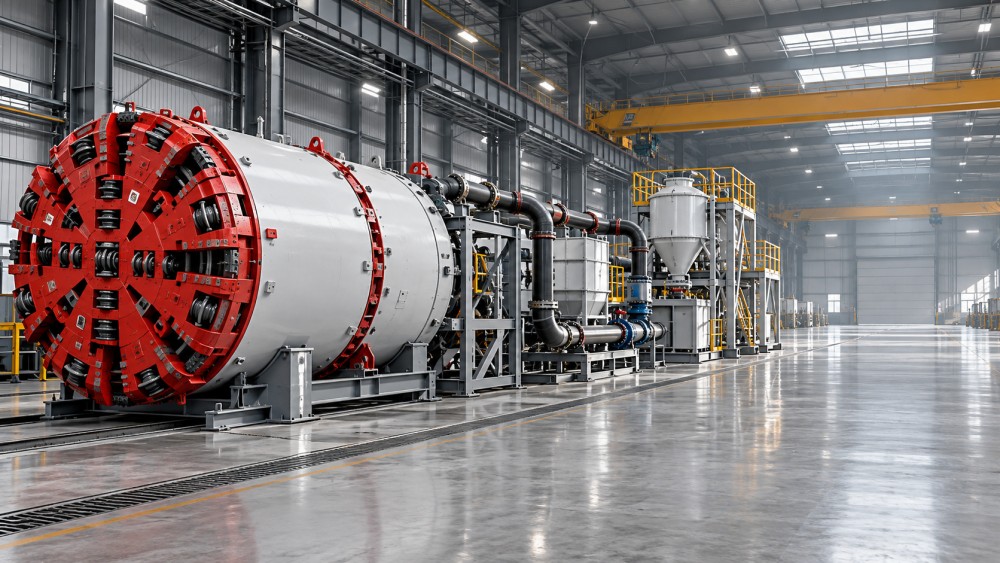
Compare complete supply scopes
Request an itemised equipment schedule rather than a single price for a “microtunnelling system.” Depending on the construction method, a complete package may involve the tunnelling machine, control cabin, guidance system, jacking frame and cylinders, slurry pumps and pipework, separation equipment, power distribution, and handling equipment. Some items may be owned, rented, or supplied by another contractor.
For each quotation, mark every item as included, optional, excluded, or supplied by others. Then add the cost and lead time of the missing items before comparing prices. Pay particular attention to guidance equipment, software licences, hoses and cables, wear parts, lifting accessories, and the tools needed for maintenance. A low initial quotation may simply have a narrower boundary.
Also establish who is responsible for system integration. If the machine supplier and separation plant supplier are different companies, someone must coordinate operating requirements, connections, commissioning, and troubleshooting. Name that party in the procurement documents rather than assuming the suppliers will resolve every interface between themselves.
Test the delivery schedule before accepting it
A stated lead time is useful only when its starting point and dependencies are clear. Ask whether it runs from quotation acceptance, receipt of the purchase order, advance payment, approval of drawings, or confirmation of project-specific data. A schedule that depends on approvals should show when the supplier needs each decision and how changes will affect delivery.
Request a milestone schedule covering engineering, long-lead components, manufacture or refurbishment, factory testing, packing, transport, customs clearance where applicable, and arrival at the agreed delivery point. The supplier should identify which activities are under its control and which rely on subcontractors or the buyer.
Evidence of capacity can include a production plan for the proposed equipment, the status of major components, and named manufacturing or assembly locations. For a refurbished or previously used system, ask for an equipment list identifying what will be reused, replaced, inspected, or tested. An available machine is not necessarily ready for the ground conditions or pipe dimensions of the new project.
Build time into the programme for site preparation and commissioning after delivery. A machine at the port, a machine at the site, and a machine ready to launch are different milestones. The contract should state which one the delivery date represents, who arranges unloading and inland transport, and when responsibility for loss or damage transfers.
Define commissioning and acceptance in the contract
Commissioning is where the separate packages must work as a system. Establish whether the supplier will provide technicians on site, what they will do, how long their attendance is included, and which travel and accommodation costs are payable separately. If remote assistance is proposed, check that the site has a suitable connection and that remote support is sufficient for the tasks involved.
Distinguish a factory acceptance test from site commissioning. Factory testing can demonstrate agreed equipment functions before shipment, but it cannot reproduce every ground condition or site interface. The test plan should identify the equipment involved, the functions to be demonstrated, the records to be supplied, and how outstanding defects will be closed.
Site acceptance should likewise be tied to observable, agreed checks: assembly, safety functions, communications, guidance interfaces, control responses, and operation of the connected systems as applicable. Avoid an acceptance clause that treats delivery alone as proof that the complete system is ready to operate. Equally, avoid promising a tunnelling production rate without defining the ground, operating conditions, and responsibilities on which it depends.
Training should cover more than starting the machine. Agree on the number and roles of trainees, the language used, practical operating and maintenance content, and the documents provided afterward. The contractor should know which tasks its crew can perform and which require supplier authorisation or specialist assistance.
Make service support measurable
Ask who will answer a fault call, where the technical team is based, and how support is escalated. A local sales office is not necessarily a local repair capability. Identify whether technicians can diagnose the proposed control system, attend the site, and obtain replacement components.
Service commitments should distinguish an initial response from a resolution. A response time tells the team when a request will be acknowledged; it does not guarantee that a specialist or part will reach the site by then. Define coverage hours, communication channels, escalation contacts, and the conditions governing site attendance. For critical drives, discuss what happens outside normal service hours.
Review spare parts by consequence of failure as well as by purchase price. A relatively inexpensive seal, sensor, or electronic module may stop the drive if no replacement is available. Ask for a recommended initial stock list separated into routine consumables, wear components, and critical spares. For each item, request the part number, source, expected availability, storage requirements, and whether it is interchangeable with components already held by the contractor.
Ownership of diagnostic access also matters. Clarify whether the operating team can view fault codes and logs, what software or licence is required, and who can make control-system changes. Restricted access may be reasonable for certain functions, but the project needs a workable route to diagnosis and repair throughout the intended operating period.
Calculate the cost of getting to a completed drive
Use the same commercial basis for every bid. Equipment price is only one line in the comparison; the total should reflect the proposed procurement model, project programme, and scope boundaries.
For hire agreements, check when the rental clock starts and stops, whether commissioning delays count toward the rental period, and who pays if equipment is unavailable because of a supplier-controlled defect. For a purchase, consider the cost of storing, maintaining, adapting, or selling the system after the project. Ownership may make sense across a suitable pipeline of work, while hire can reduce exposure when future requirements are uncertain.
Include a project-specific allowance for downtime risk, but do not compare suppliers using invented failure rates. Instead, examine what each proposal offers to reduce the duration of an interruption: spare stock, access to diagnostics, repair capability, and a clear escalation process. A higher-priced package can be justified when those provisions address a costly schedule exposure; they are less valuable if the relevant service is excluded or cannot reach the site when needed.
Review warranty terms alongside the support plan
A warranty is not a substitute for a service agreement. Read what is covered, when coverage starts, which items are treated as wear parts, and how the supplier handles a defect. Determine whether the remedy covers only replacement parts or also labour, travel, removal, reinstallation, and transport. These distinctions matter when a repair requires specialist attendance or disrupts a planned drive.
Check the responsibilities that can affect coverage, including maintenance records, approved operating limits, consumables, and modifications. Where several suppliers provide connected packages, agree on a process for investigating faults across interfaces. Otherwise, the project may spend valuable time establishing which component caused the problem before repair work begins.
Payment terms should reflect identifiable deliverables. Milestones linked to approved engineering, inspection, shipment, commissioning, or acceptance can help both parties track progress. Any retention, delay remedy, or liability allocation should be consistent with the delivery and acceptance obligations elsewhere in the contract.
Documents to obtain before award
The strongest proposal makes its assumptions and exclusions easy to find. Before selecting a supplier, assemble a comparable set of documents for each bid:
- A project-specific technical proposal, including the ground and operating conditions assumed.
- An equipment and interface schedule showing inclusions, exclusions, and responsibilities.
- A delivery programme with dependencies, inspection points, and the agreed delivery location.
- Factory test, site commissioning, acceptance, and training plans.
- A spare-parts list, service arrangements, warranty terms, and escalation contacts.
- Commercial terms covering transport, payment milestones, variations, and any rental or return obligations.
Use the resulting comparison to resolve material gaps before price negotiations are finalised. The most defensible choice is the supplier whose proposed system fits the drive, whose scope can be delivered within the programme, and whose support arrangements remain workable when a component fails or site conditions change.
Related News
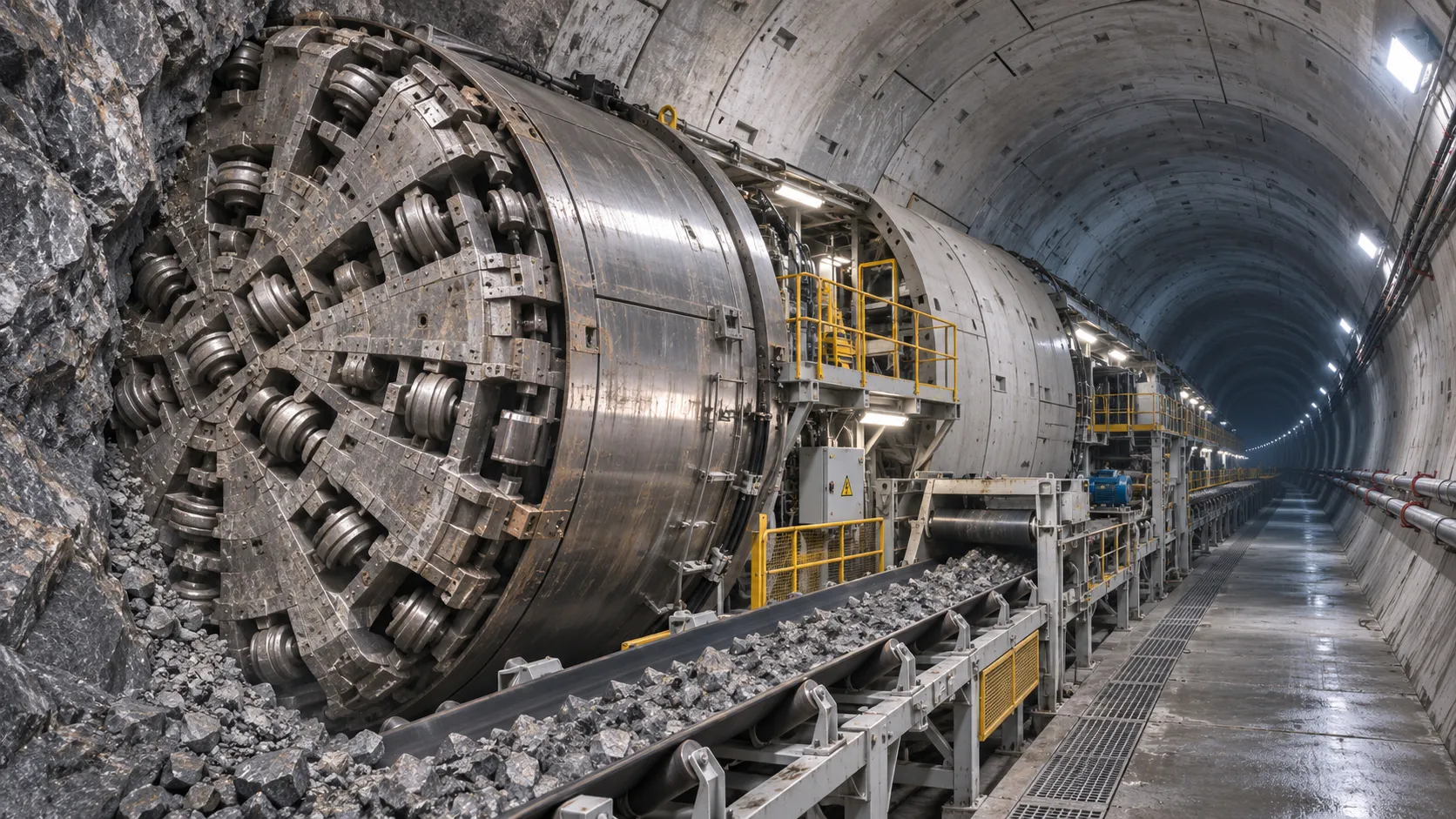
How TBM Excavation Works in Rock and Soft Ground: A Practical Guide
TBM Excavation in rock and soft ground explained: compare machine types, ground support, spoil removal, and the factors that guide smarter project planning.
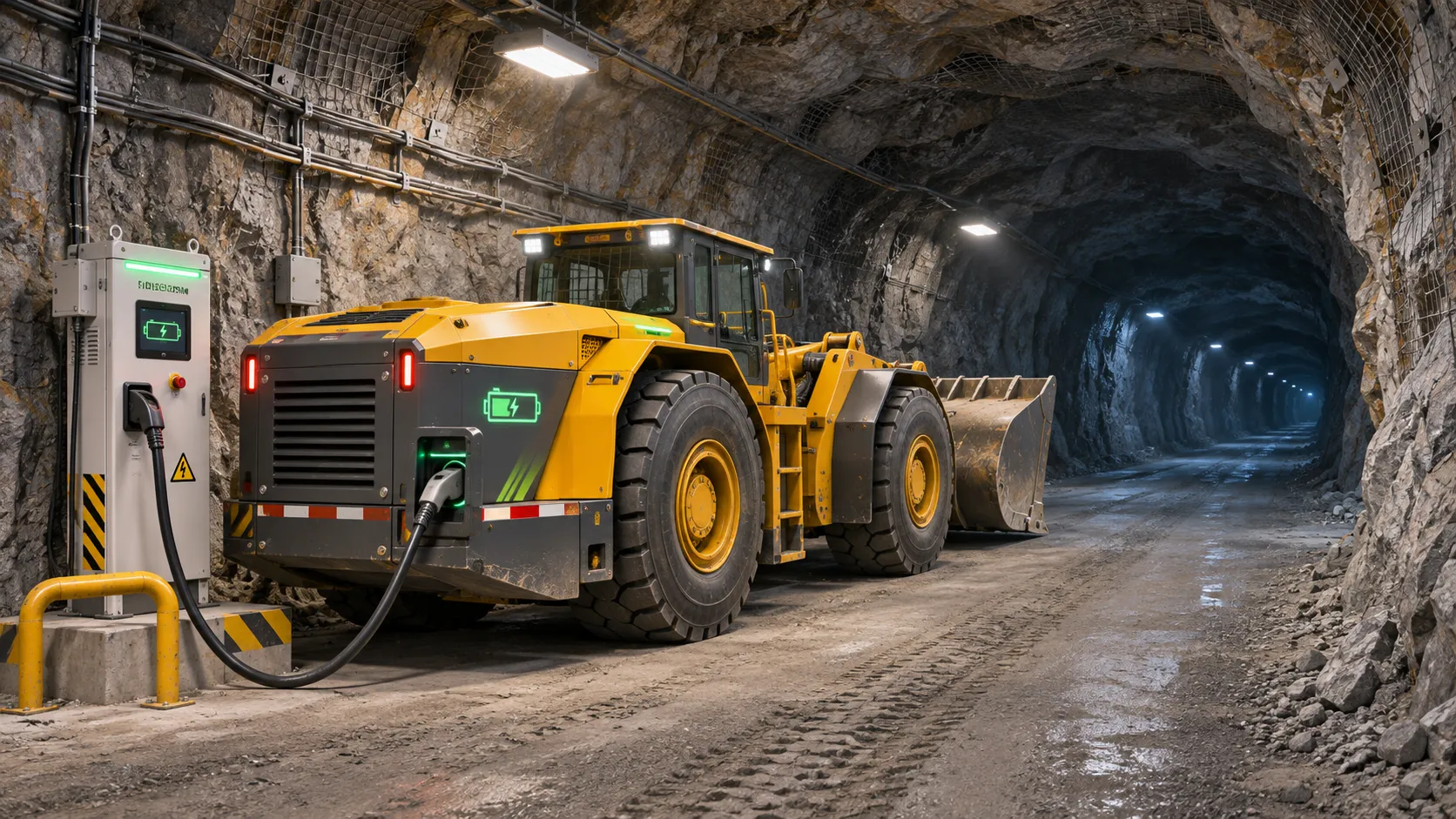
Choosing a Zero-Emission Underground Equipment Supplier: What to Check
Choosing a zero emission underground equipment supplier? Compare duty-cycle performance, charging, safety, total costs and support before you commit.
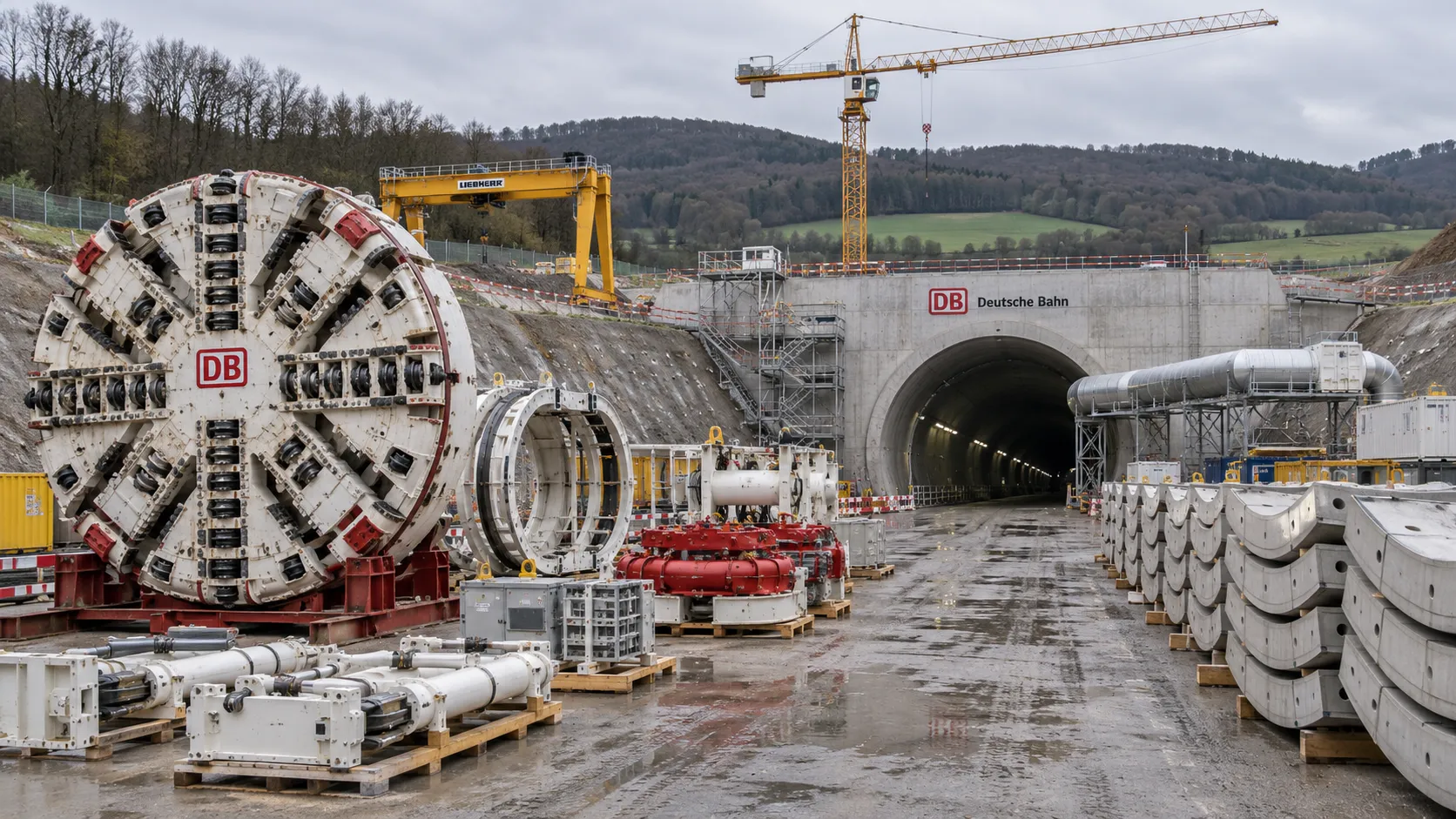
Construction Starts on Germany's Pfaffensteig Rail Tunnel, With Two TBMs Planned
Pfaffensteig rail tunnel construction is underway in Germany. Discover how two planned TBMs will support the 11-kilometre project near Stuttgart.
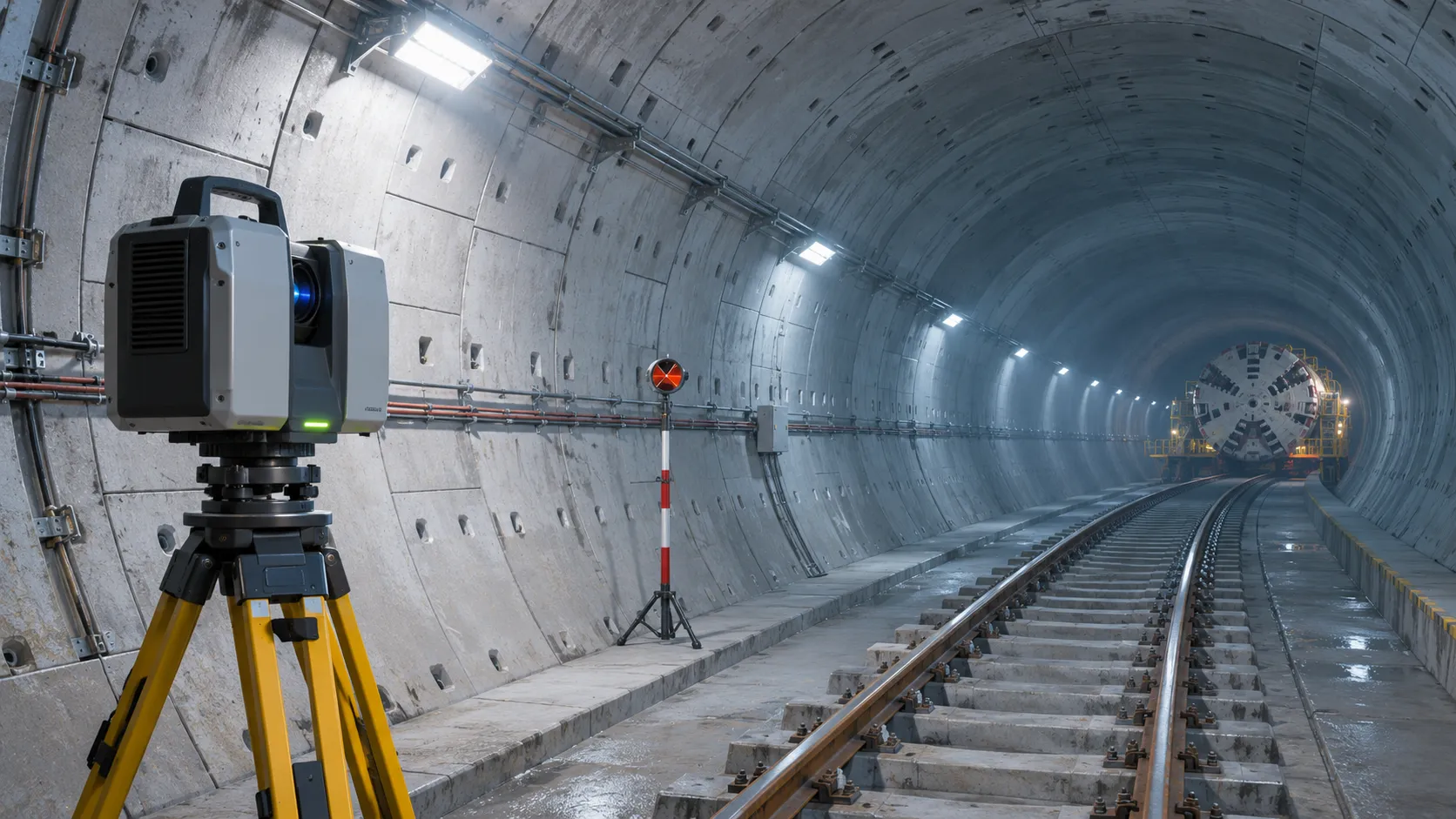
How Real-Time Underground Mapping Systems Work in Tunneling
Discover how real-time underground mapping systems guide tunneling teams, integrate sensor data, and support confident decisions with verified accuracy.
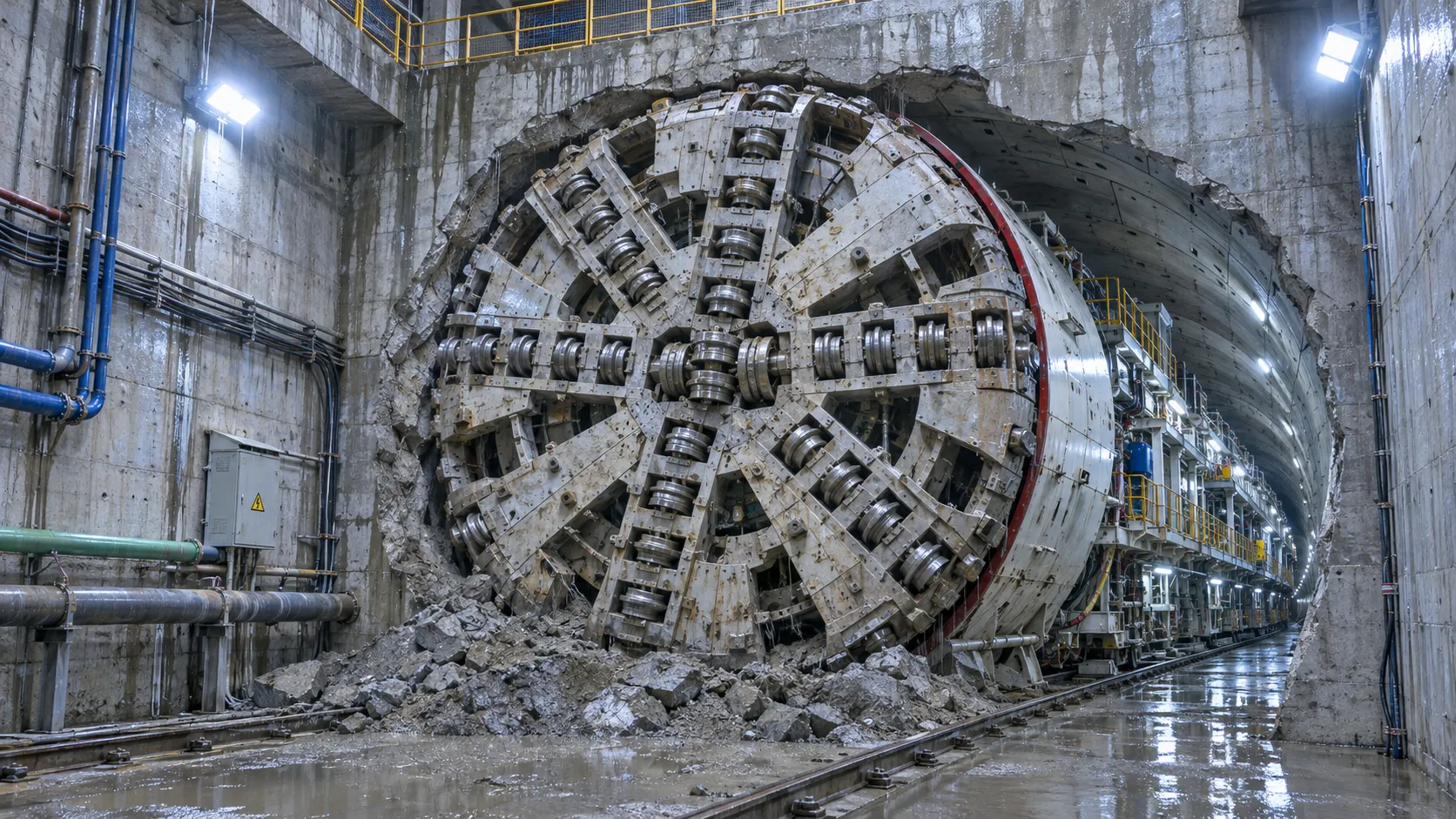
First Mechanized Tunnel Crossing Beneath the Panama Canal Completed
Panama Canal tunnel crossing: Explore the reported Metro Line 3 milestone and what it could mean for future underwater tunneling projects.
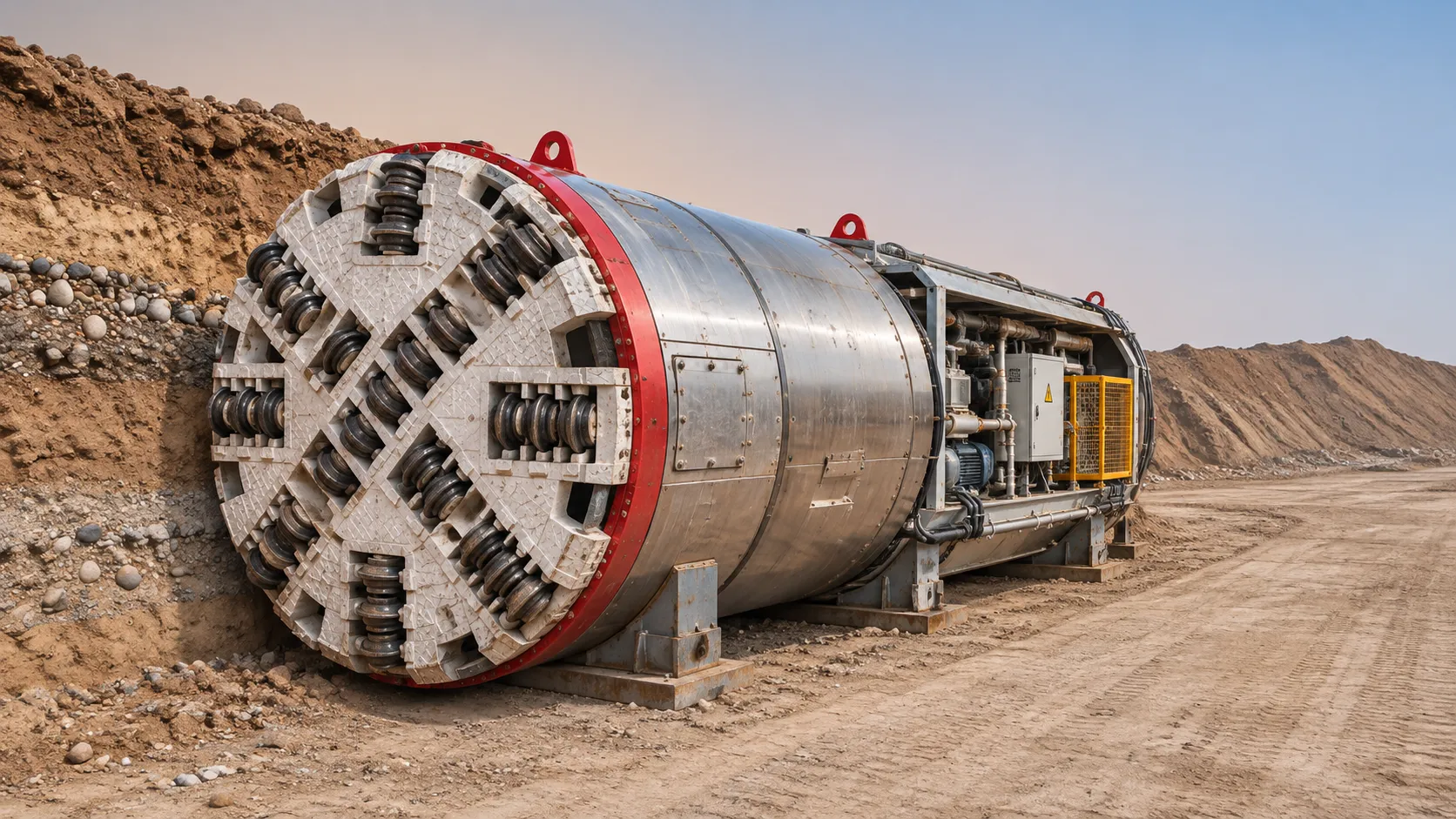
Underground Utility Construction Equipment: Choosing by Ground Conditions
Choose underground utility construction equipment with confidence. Compare trenching, HDD, microtunnelling and TBMs by ground conditions, risk and cost.
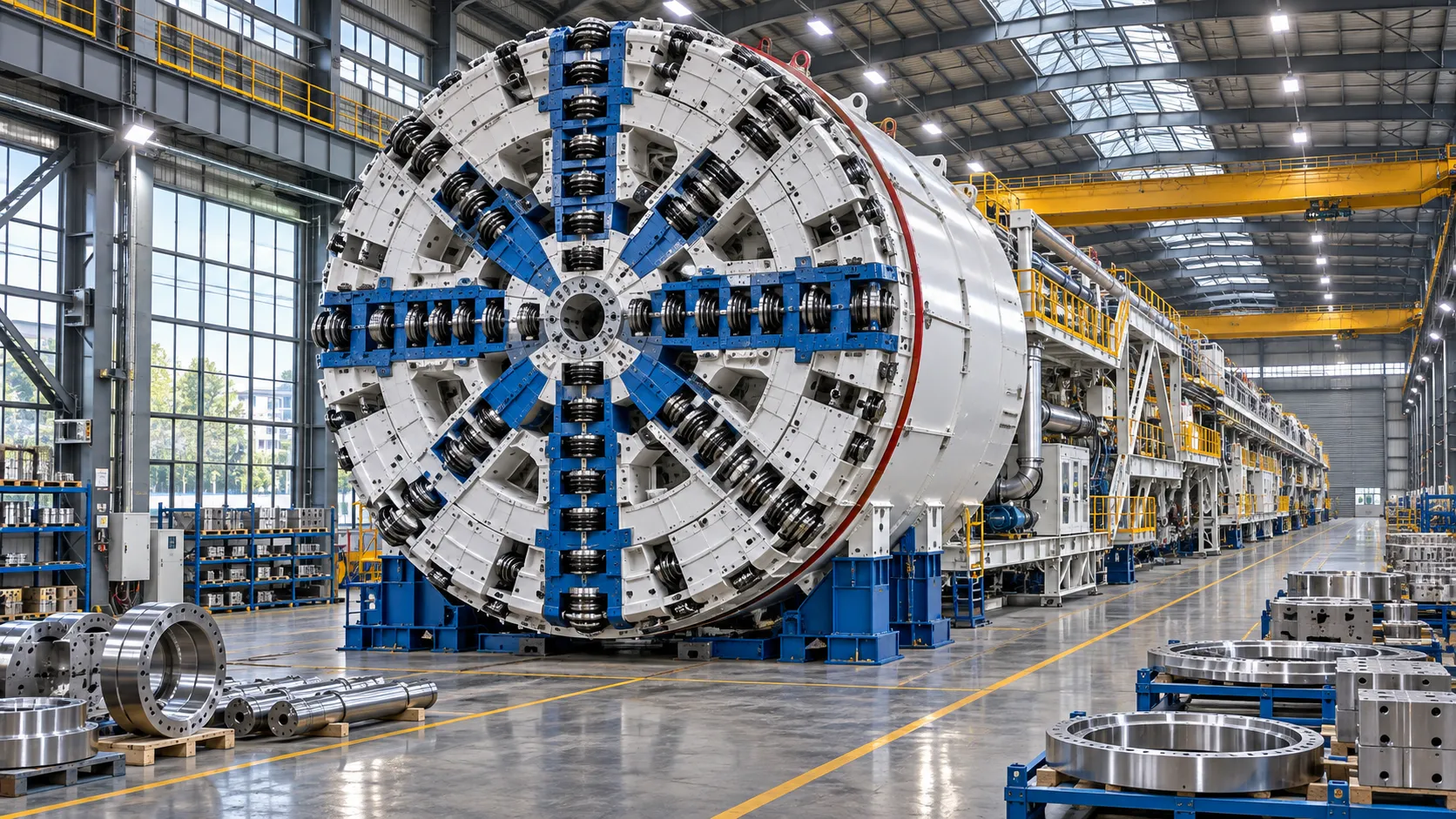
China Sets Tunnel Boring Machine Export Controls as India Pushes Local Production
China tunnel boring machine export controls could reshape procurement as India pushes local production. Explore potential supply and project impacts.
Choosing a Trenchless Pipeline Installation Contractor: Key Qualifications
Choose a trenchless pipeline installation contractor with confidence. Learn how to assess experience, equipment, safety, costs, and project risks before you hire.
China's 70% TBM Share and Export Controls Challenge India's Local Production
China's TBM export controls could challenge India's local production and infrastructure sourcing. Explore the potential risks and procurement options.
Related News
- 00
0000-00
How TBM Excavation Works in Rock and Soft Ground: A Practical Guide - 00
0000-00
Choosing a Zero-Emission Underground Equipment Supplier: What to Check - 00
0000-00
Construction Starts on Germany's Pfaffensteig Rail Tunnel, With Two TBMs Planned - 00
0000-00
How Real-Time Underground Mapping Systems Work in Tunneling - 00
0000-00
First Mechanized Tunnel Crossing Beneath the Panama Canal Completed
Weekly Insights
Stay ahead with our curated technology reports delivered every Monday.