
Phu Quoc Tram Win Highlights Micro-tunnelling Access





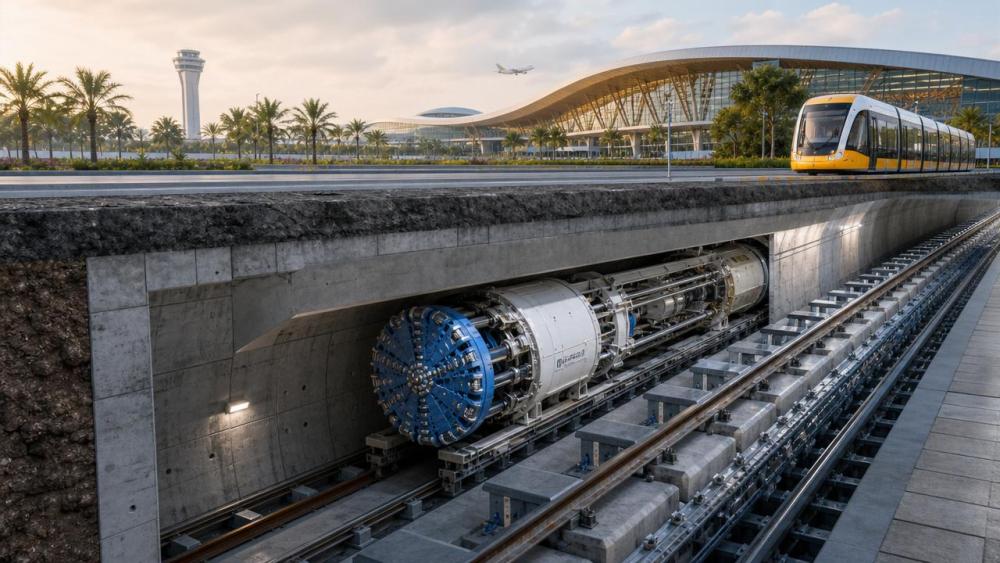
The timing of the event is not specified in the provided information, but the development is clear: a China Railway 16th Bureau consortium has won the first trackworks package for the Phu Quoc tram project in Vietnam, linking Phu Quoc International Airport with the 2027 APEC conference center. For contractors, equipment suppliers, procurement teams, and municipal infrastructure service providers, the more notable signal is that more than 65% of the route is planned underground and the project requires Micro-tunnelling equipment to comply with Vietnam Ministry of Transport VNCERT 2026-03 safety rules, making this worth watching as a market-access reference for higher-end municipal work in ASEAN.
What the Project Requirement Confirms
According to the provided summary, the consortium recently secured the first rail engineering section of the Phu Quoc tram project in Vietnam. The line connects Phu Quoc International Airport and the conference center intended for the 2027 APEC meeting.
The same summary states that underground installation accounts for more than 65% of the route. It also specifies a mandatory requirement: Micro-tunnelling equipment used for the project must pass certification under the Vietnam Ministry of Transport's VNCERT 2026-03 micro-tunnelling safety code.
The provided information further indicates that this certification condition serves as an authoritative entry reference for Micro-tunnelling equipment seeking access to the higher-end municipal market in ASEAN.
Where the Industry Impact May Appear First
Equipment qualification moves closer to bid competitiveness
From an industry perspective, suppliers of Micro-tunnelling equipment may be affected most directly because project access is tied not only to technical suitability, but also to compliance readiness. The immediate business impact is likely to center on certification preparation, qualification documentation, and the ability to align product delivery with project-specific safety requirements.
Contracting and procurement teams face tighter equipment screening
For contractors and procurement-side participants, the requirement shifts attention toward prequalification and supplier verification. What deserves closer attention is whether compliant equipment can be identified early enough to avoid delays in procurement, subcontracting, or method confirmation for underground sections.
Service providers may see demand shift toward compliance support
Engineering support firms, certification advisers, and related service providers may also be influenced if equipment access increasingly depends on rule-based documentation and auditability. The likely pressure point is not general consulting, but practical support around certification interpretation, submission materials, and delivery coordination.
What Companies Should Watch Now
Follow any formal wording around VNCERT 2026-03
Analysis shows that the exact application of VNCERT 2026-03 matters as much as the existence of the requirement itself. Companies involved in underground equipment supply or project delivery should watch for any later official clarification on scope, test criteria, filing procedures, or project-level implementation language.
Separate policy signaling from executable procurement conditions
Observably, the current information signals an access threshold, but businesses still need to distinguish between a broad policy message and the exact documents required in procurement or execution. This matters for sales teams, bid managers, and operations teams preparing customer communication or internal qualification checklists.
Prepare documentation and lead-time assumptions early
For suppliers and integrators, a practical issue is whether certification-related materials, equipment records, and delivery schedules can be assembled in time for project needs. The key business exposure may sit in document readiness, review cycles, and coordination between technical, legal, and commercial teams.
Reassess ASEAN market-entry sequencing
From a market planning angle, companies targeting higher-end municipal infrastructure in ASEAN may need to reassess which projects and customer segments are realistically accessible if certification-backed entry is becoming more visible. The immediate task is not expansion for its own sake, but sharper prioritization of projects where compliance capacity can be demonstrated.
Why This Looks More Like a Market Signal Than a Final Trend
In editorial observation, this development is better read as a meaningful market-access signal rather than proof of a fully settled regional pattern. The confirmed facts point to one project and one certification requirement, but the combination of an APEC-linked infrastructure connection, a high underground proportion, and a mandatory Micro-tunnelling safety certification gives the event weight beyond a routine contract award.
Analysis shows that the stronger implication lies in how project owners and delivery teams may increasingly treat compliance-backed equipment access as part of project quality control. Even so, it remains necessary to continue watching whether similar requirements appear in other municipal infrastructure projects before drawing broader conclusions.
How to Read This Development Rationally
The most balanced reading is that the Phu Quoc tram award does more than identify a contractor: it highlights how underground transit construction and equipment certification can become linked in practical market access. For now, it is more appropriate to understand this as a structured signal for equipment qualification, procurement discipline, and ASEAN municipal entry standards, rather than as a confirmed region-wide shift.
Basis of This Article and What Still Needs Verification
This article is generated from the user-provided news title, event timing note, and event summary. Relevant source types for this kind of development would typically include official project announcements, corporate disclosures, industry association updates, authoritative media reporting, and standard-setting or certification documents.
No specific official source link was provided in the input, so the exact primary-source trail still requires ongoing verification. Follow-up attention should focus on any official wording related to the project award, the application details of VNCERT 2026-03, and whether similar certification requirements appear in later ASEAN municipal infrastructure tenders.
Related News
How to Evaluate European Drill-and-Blast Tunnelling Contractors for Complex Projects
Drill and blast tunnelling contractors Europe: learn how to assess geology expertise, blast control, equipment reliability, safety, and programme resilience for complex projects.
Which Trenchless Construction Technique Fits Your Utility Crossing Conditions?
Trenchless construction techniques compared for utility crossings: choose HDD, microtunnelling, pipe jacking, or auger boring based on ground, accuracy, access, and risk.

What Is Driving Metro Tunnelling Demand Across Southeast Asia’s Major Cities?
Metro tunnelling Southeast Asia is accelerating as major cities tackle congestion, flooding, and connectivity. Explore the market forces, technical risks, and opportunities shaping demand.
Hard Rock Tunnelling in Australia: Selecting Methods for Variable Ground Conditions
Hard rock tunnelling in Australia: compare TBM, drill-and-blast and hybrid methods to manage variable ground, reduce risk and protect project costs.
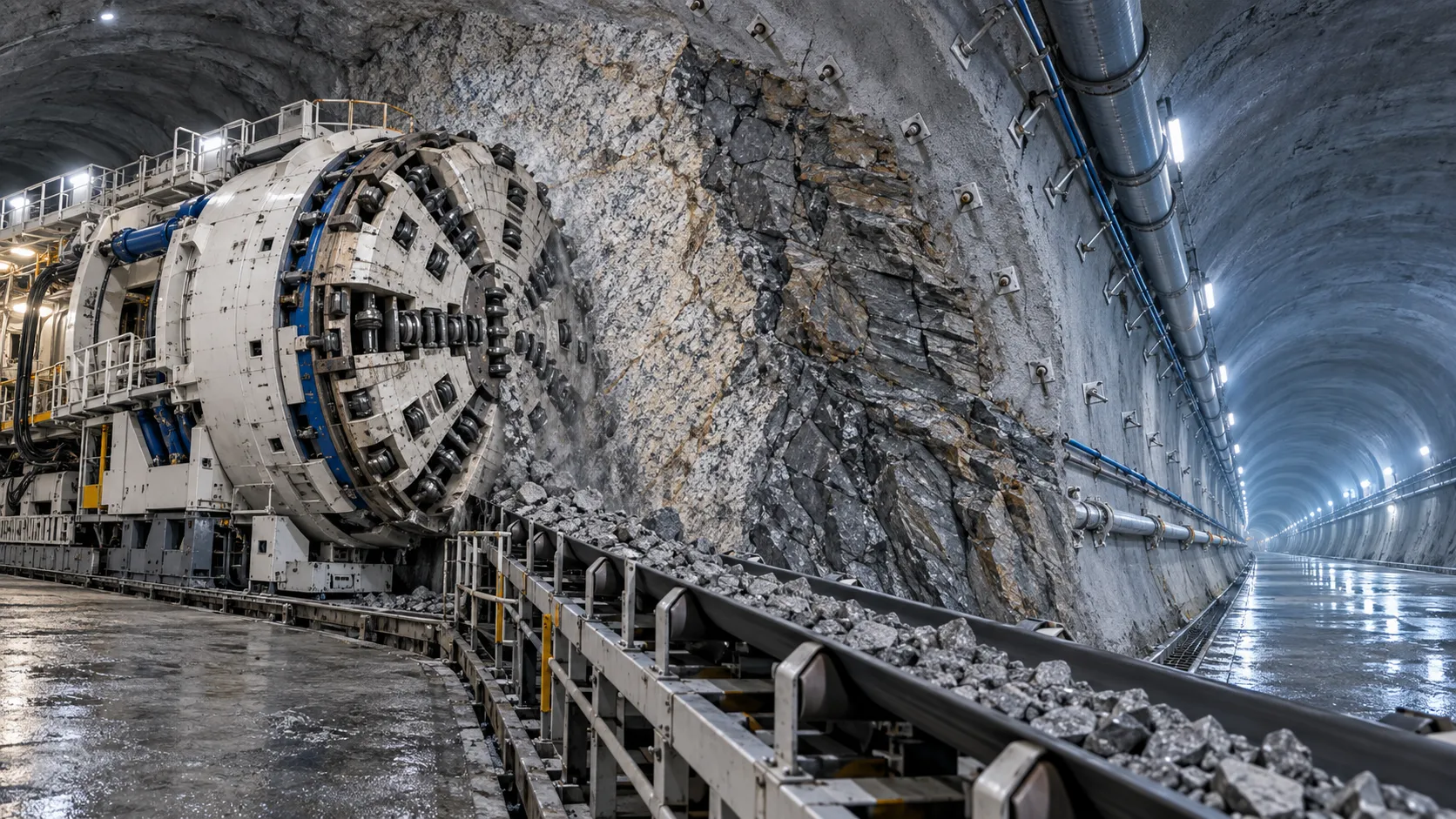
Hydropower Tunnel Excavation: Selecting Methods for Variable Rock Conditions
Hydropower tunnel excavation methods for variable rock conditions: compare TBM, drill-and-blast, and hybrid strategies to improve safety, progress, and project control.
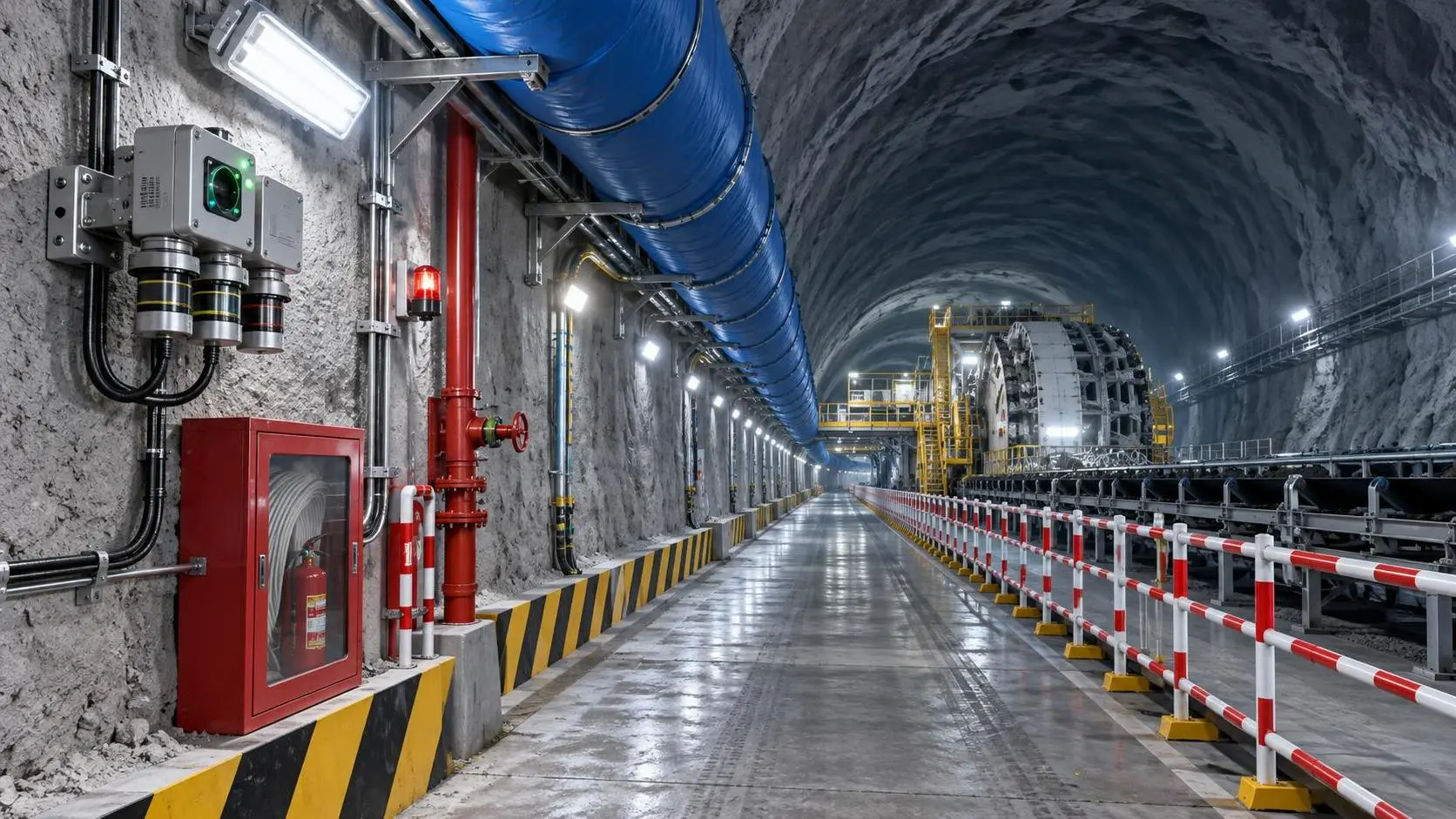
How to Select Underground Safety Equipment for Tunnelling by Hazard and Work Zone
Underground Safety Equipment for tunnelling: match protection to hazards, work zones, compliance, and emergency needs with this practical selection guide.

EPB or Slurry Shield? Selecting Soft-Ground Tunnelling Equipment by Soil Conditions
Tunnel Excavation Equipment for soft ground: compare EPB and slurry shields by soil, groundwater, settlement risk, and project logistics to choose confidently.

How to Specify TBM Backup System Parts for Reliable Long-Distance Tunnelling
TBM backup system parts: learn how to specify reliable spares for long-distance tunnelling, reduce downtime, ensure compatibility, and speed underground recovery.

How to Size Open Pit Mining Trucks for Haul Distance, Grade, and Payload?
Open Pit Mining Trucks: learn how to match payload, haul distance, grade, road resistance, and loading capacity for safer, lower-cost mine operations.
Related News
- 00
0000-00
How to Evaluate European Drill-and-Blast Tunnelling Contractors for Complex Projects - 00
0000-00
Which Trenchless Construction Technique Fits Your Utility Crossing Conditions? - 00
0000-00
What Is Driving Metro Tunnelling Demand Across Southeast Asia’s Major Cities? - 00
0000-00
Hard Rock Tunnelling in Australia: Selecting Methods for Variable Ground Conditions - 00
0000-00
Hydropower Tunnel Excavation: Selecting Methods for Variable Rock Conditions
Weekly Insights
Stay ahead with our curated technology reports delivered every Monday.