
Fruit Attraction 2026 Booth Bookings Exceed 90%





Fruit Attraction 2026 — the 18th edition of the International Fruit, Vegetable and Produce Trade Fair — will take place in Madrid from October 6–8, 2026. With over 90% of exhibition space already reserved, the event signals intensified global demand for advanced cold-chain infrastructure, particularly among Latin American and Middle Eastern buyers. Companies engaged in cold-chain equipment manufacturing, agricultural logistics, post-harvest technology integration, and international fresh produce trade should monitor developments closely — as procurement priorities are shifting toward low-emission, precision-engineered refrigerated handling systems.
Event Overview
The 18th edition of Fruit Attraction is scheduled for October 6–8, 2026, in Madrid. According to official statements from the organizers, booth reservations have surpassed 90%. Latin American and Middle Eastern procurement delegations are actively inquiring about three specific technologies: ‘tunnel-type pre-cooling systems’, ‘modular underground cold stores’, and ‘AGV + LHD collaborative warehousing and transfer solutions’. These systems rely on micro-tunnelling construction techniques, battery-powered LHD (Load-Haul-Dump) vehicles for short-distance transport, and computerized jumbos for precise tunnel support. Chinese equipment suppliers have initiated pre-show technical alignment efforts, focusing on compliance with Chilean and Mexican fruit conglomerates’ mandatory performance requirements for zero-emission logistics equipment operating in low-temperature environments.
Impact on Specific Industry Segments
Direct Trade Enterprises
Companies exporting fresh produce to Latin America or importing from the region face tightening technical gateways. Procurement inquiries now emphasize certified low-temperature logistics performance — not just volume capacity or energy efficiency ratings. This shifts negotiation dynamics: equipment compatibility, refrigerant type verification, and cold-chain continuity documentation may become prerequisites for tender eligibility.
Raw Material Sourcing Firms
Firms sourcing perishables (e.g., berries, avocados, stone fruits) from Chile, Mexico, or Peru must assess whether their current logistics partners can meet emerging cold-chain hardware standards. Inability to verify compliant pre-cooling or storage conditions may trigger rejection at destination ports or loss of preferred supplier status with regional aggregators.
Equipment Manufacturing & Integration Providers
Manufacturers of refrigeration units, automated material handling systems, or underground civil works solutions face rising demand for interoperable, low-carbon-certified components. The emphasis on micro-tunnelling, battery LHDs, and computerized jumbos indicates a convergence of civil engineering, powertrain, and control system specifications — requiring cross-domain validation before market entry.
Supply Chain Service Providers
Third-party cold-chain logistics providers — especially those serving cross-border fresh produce flows — must now evaluate infrastructure readiness for new hardware deployment. For example, integrating AGV+LHD workflows requires compatible floor flatness, charging infrastructure, and real-time fleet management interfaces. Service contracts may soon include clauses referencing specific equipment interoperability benchmarks.
What Stakeholders Should Monitor and Act On
Track official technical specification updates from Fruit Attraction and key buyer consortia
Chilean and Mexican fruit associations have not yet published formal technical annexes for 2026 procurement cycles. However, the concentration of inquiries around zero-emission cold-chain hardware suggests upcoming standardization efforts — likely aligned with EU sustainability reporting frameworks or regional green import protocols.
Verify compliance pathways for tunnel-based cooling and underground storage systems
Micro-tunnelling and modular underground cold stores involve overlapping regulatory domains: refrigeration safety, structural integrity, electrical certification (especially for battery LHDs), and environmental impact assessments. Suppliers should map applicable certification bodies (e.g., UL, TÜV, INMETRO) and confirm test report validity across target markets.
Prepare for pre-qualification documentation beyond CE or ISO marks
Early procurement discussions indicate that buyers are requesting operational data — such as verified temperature stability under load, refrigerant GWP values, battery cycle life under sub-zero conditions, and software-defined maintenance logs. Standard product brochures may no longer suffice for bid submissions.
Initiate joint technical scoping with logistics partners ahead of Q2 2025
Given the 2026 event timeline, infrastructure upgrades (e.g., installing charging stations for battery LHDs or reinforcing warehouse floors for AGV fleets) require lead times exceeding 12 months. Stakeholders should align internal engineering, procurement, and operations teams now to identify implementation dependencies.
Editorial Perspective / Industry Observation
Observably, this early booking surge and focused technical inquiry pattern reflect more than seasonal demand — they signal a structural recalibration in how major Southern Hemisphere exporters define cold-chain readiness. Analysis shows that the convergence of civil engineering (micro-tunnelling), materials handling (battery LHDs), and digital control (computerized jumbos) is not incidental but reflects coordinated infrastructure modernization plans in Chile and Mexico’s agri-logistics corridors. From an industry perspective, Fruit Attraction 2026 is functioning less as a trade fair and more as a de facto technical alignment forum — where interoperability expectations are being set prior to formal regulation. It is currently more of a forward-looking signal than an implemented requirement; however, its intensity warrants sustained observation through mid-2025, when national cold-chain policy roadmaps are expected to be updated.
This development underscores a broader shift: cold-chain infrastructure is no longer evaluated solely on thermal performance, but on integrated environmental, mechanical, and digital resilience. For stakeholders, it is less about reacting to a single event and more about recognizing that technical procurement criteria are becoming upstream drivers of investment decisions — well before regulatory mandates crystallize.
Information Sources:
• Official announcements from Fruit Attraction 2026 Organizing Committee
• Verified procurement inquiry summaries (non-attributed, aggregated by sector)
Note: Technical compliance thresholds, national policy timelines, and certification pathways remain subject to official publication and are under active monitoring.
Related News
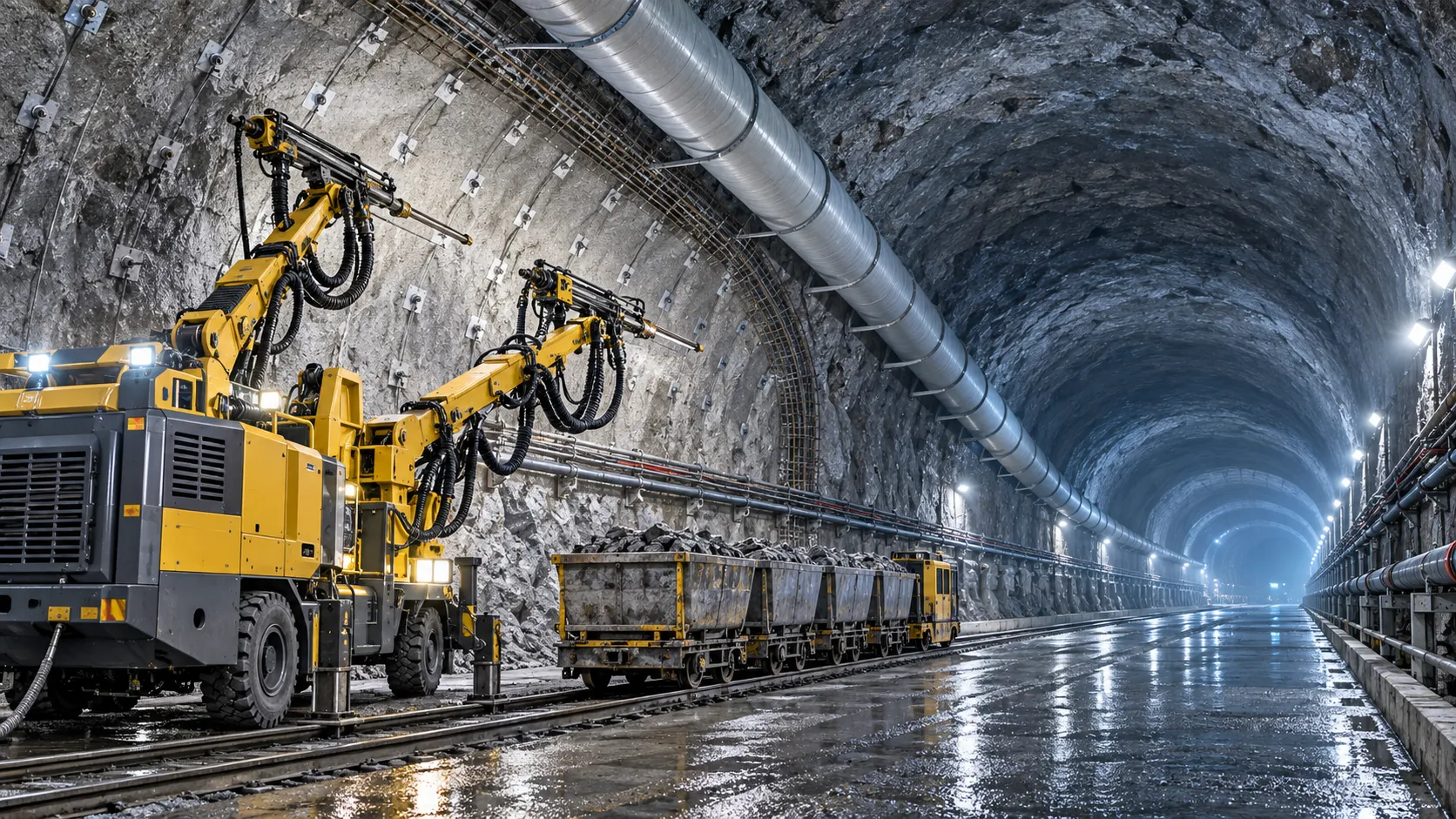
How to Evaluate European Drill-and-Blast Tunnelling Contractors for Complex Projects
Drill and blast tunnelling contractors Europe: learn how to assess geology expertise, blast control, equipment reliability, safety, and programme resilience for complex projects.
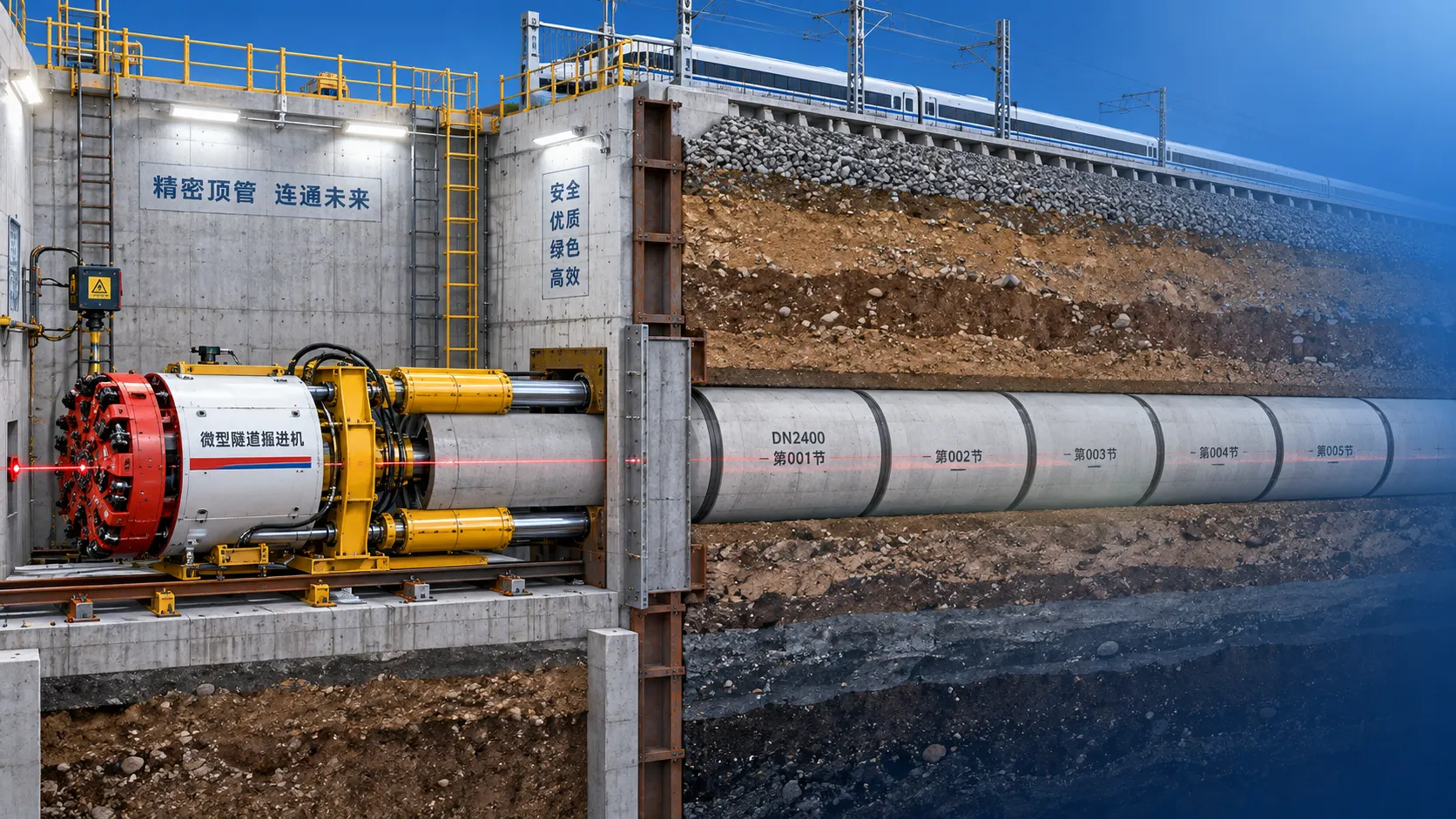
Which Trenchless Construction Technique Fits Your Utility Crossing Conditions?
Trenchless construction techniques compared for utility crossings: choose HDD, microtunnelling, pipe jacking, or auger boring based on ground, accuracy, access, and risk.
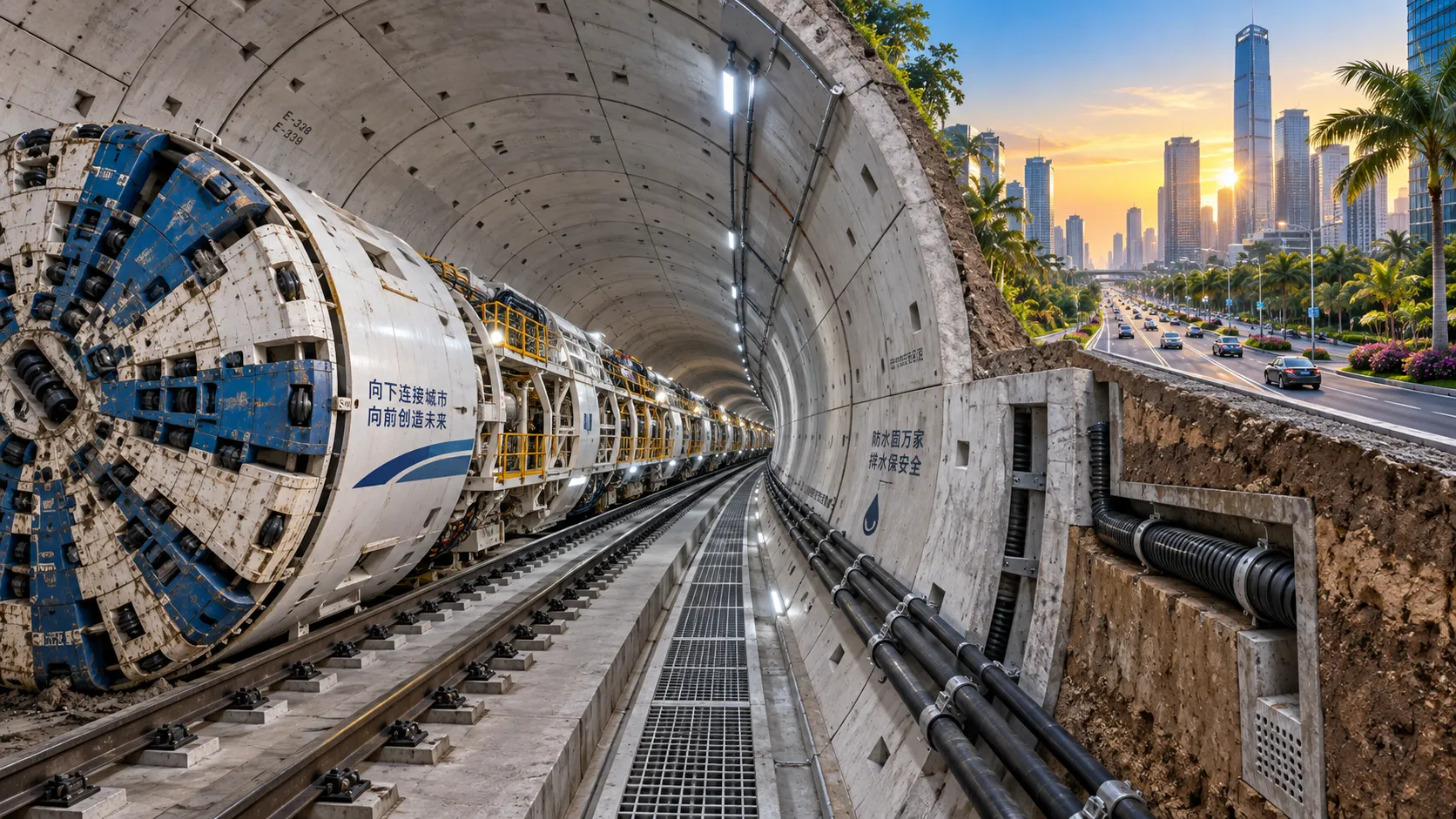
What Is Driving Metro Tunnelling Demand Across Southeast Asia’s Major Cities?
Metro tunnelling Southeast Asia is accelerating as major cities tackle congestion, flooding, and connectivity. Explore the market forces, technical risks, and opportunities shaping demand.
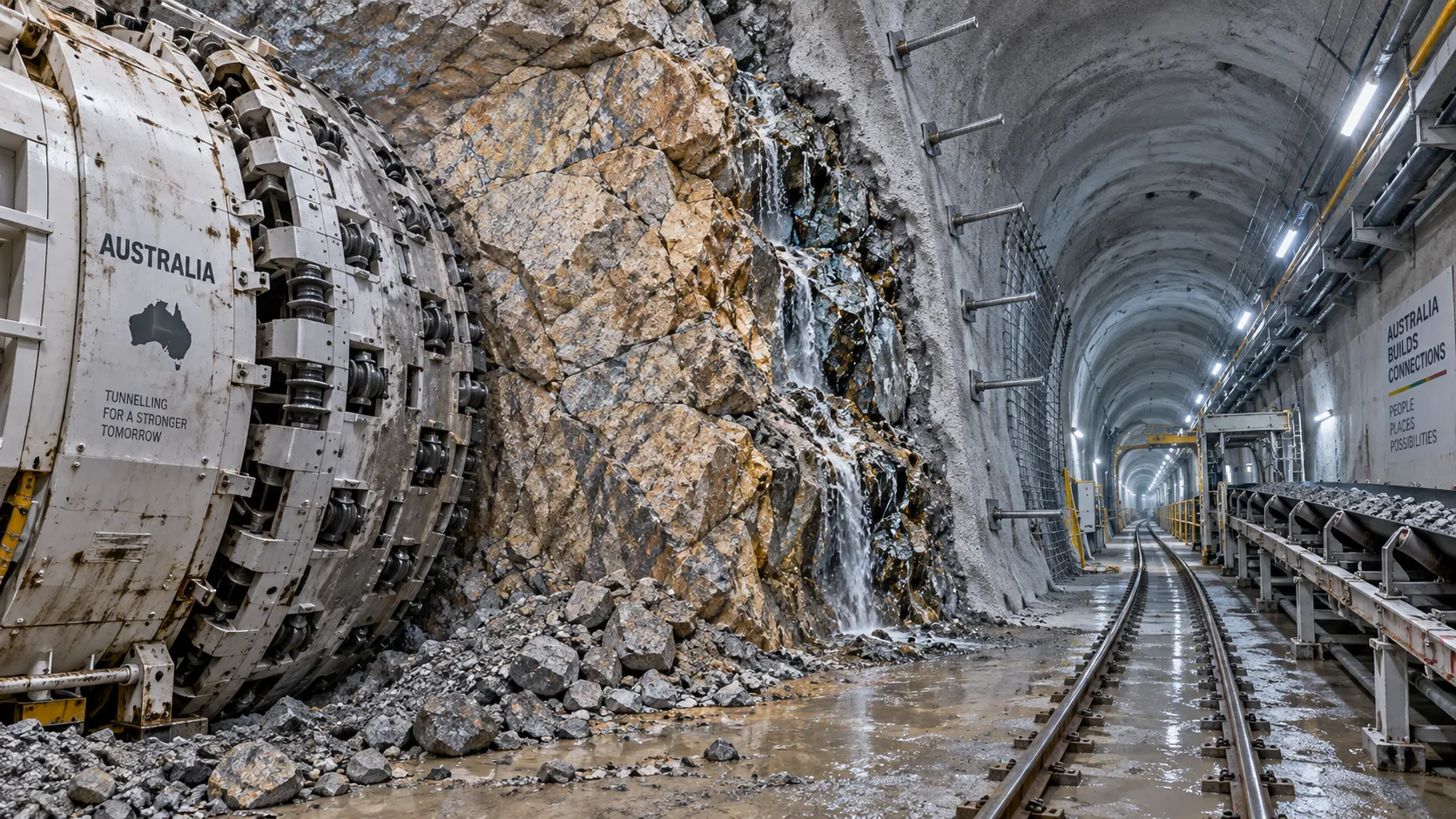
Hard Rock Tunnelling in Australia: Selecting Methods for Variable Ground Conditions
Hard rock tunnelling in Australia: compare TBM, drill-and-blast and hybrid methods to manage variable ground, reduce risk and protect project costs.
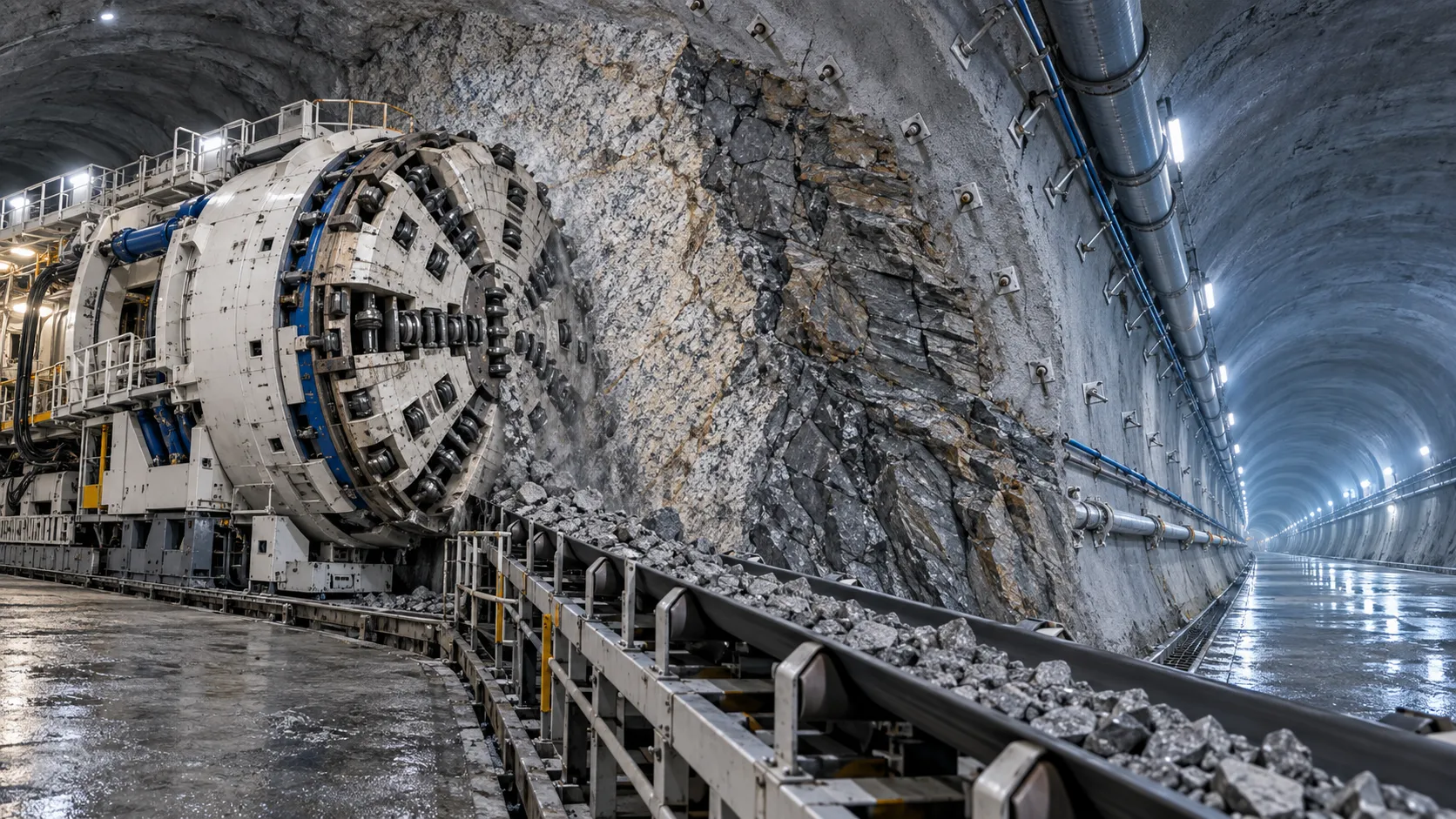
Hydropower Tunnel Excavation: Selecting Methods for Variable Rock Conditions
Hydropower tunnel excavation methods for variable rock conditions: compare TBM, drill-and-blast, and hybrid strategies to improve safety, progress, and project control.
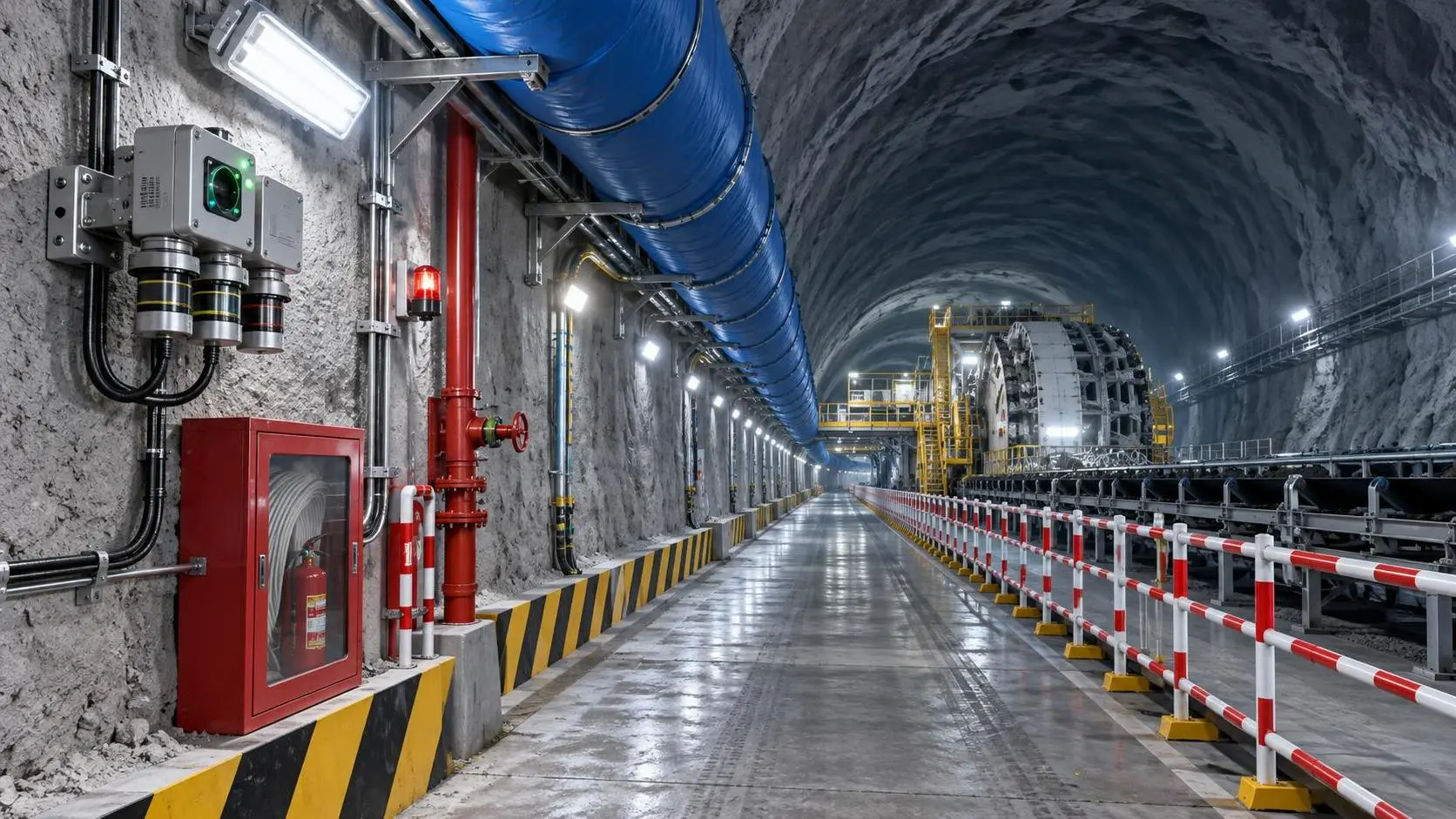
How to Select Underground Safety Equipment for Tunnelling by Hazard and Work Zone
Underground Safety Equipment for tunnelling: match protection to hazards, work zones, compliance, and emergency needs with this practical selection guide.
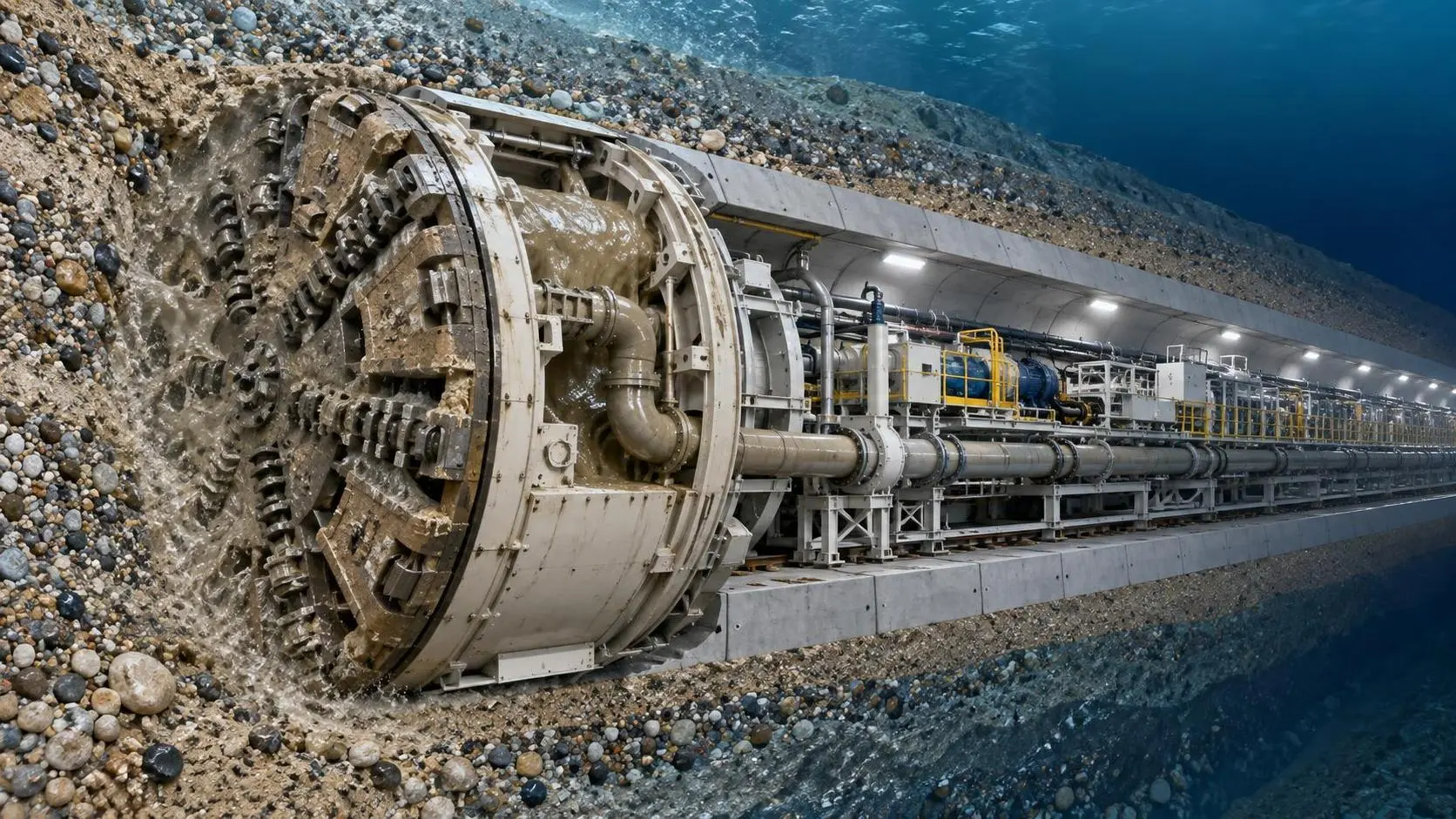
EPB or Slurry Shield? Selecting Soft-Ground Tunnelling Equipment by Soil Conditions
Tunnel Excavation Equipment for soft ground: compare EPB and slurry shields by soil, groundwater, settlement risk, and project logistics to choose confidently.
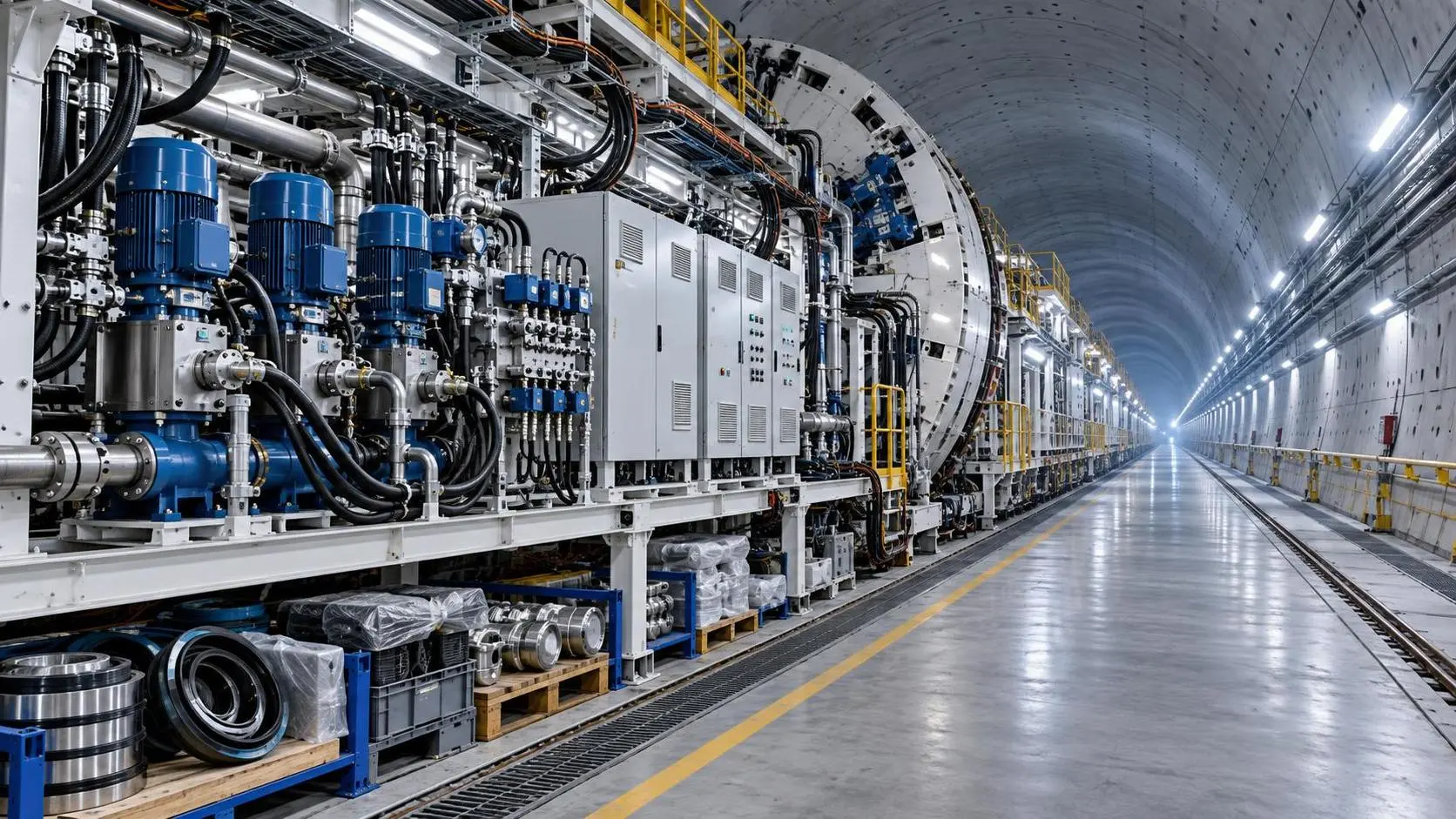
How to Specify TBM Backup System Parts for Reliable Long-Distance Tunnelling
TBM backup system parts: learn how to specify reliable spares for long-distance tunnelling, reduce downtime, ensure compatibility, and speed underground recovery.

How to Size Open Pit Mining Trucks for Haul Distance, Grade, and Payload?
Open Pit Mining Trucks: learn how to match payload, haul distance, grade, road resistance, and loading capacity for safer, lower-cost mine operations.
Related News
- 00
0000-00
How to Evaluate European Drill-and-Blast Tunnelling Contractors for Complex Projects - 00
0000-00
Which Trenchless Construction Technique Fits Your Utility Crossing Conditions? - 00
0000-00
What Is Driving Metro Tunnelling Demand Across Southeast Asia’s Major Cities? - 00
0000-00
Hard Rock Tunnelling in Australia: Selecting Methods for Variable Ground Conditions - 00
0000-00
Hydropower Tunnel Excavation: Selecting Methods for Variable Rock Conditions
Weekly Insights
Stay ahead with our curated technology reports delivered every Monday.