
Pipe Jacking Machines or microtunnelling for tight sites?





For technical evaluators working on constrained urban projects, choosing between Pipe Jacking Machines and microtunnelling is rarely straightforward. Space limits, ground conditions, alignment accuracy, shaft size, and lifecycle risk all shape the best fit. This introduction outlines the key decision factors behind trenchless selection, helping readers compare performance, constructability, and project efficiency on tight sites.
The core search intent behind “Pipe Jacking Machines or microtunnelling for tight sites?” is comparative decision support. Readers are not looking for basic definitions alone. They want a practical framework for selecting the right trenchless method where workspace is limited and construction tolerance is low.
For technical evaluators, the main concern is usually not which method sounds more advanced. It is which option can actually be installed safely, accurately, and economically within strict site boundaries, while reducing settlement, disruption, and downstream delivery risk.
The most useful article, therefore, must focus on decision criteria: shaft requirements, alignment control, geology sensitivity, slurry management, pipeline diameter, surface constraints, and total construction risk. Generic introductions should be minimized in favor of comparison, trade-offs, and field-oriented evaluation logic.
What is the practical answer for tight urban sites?
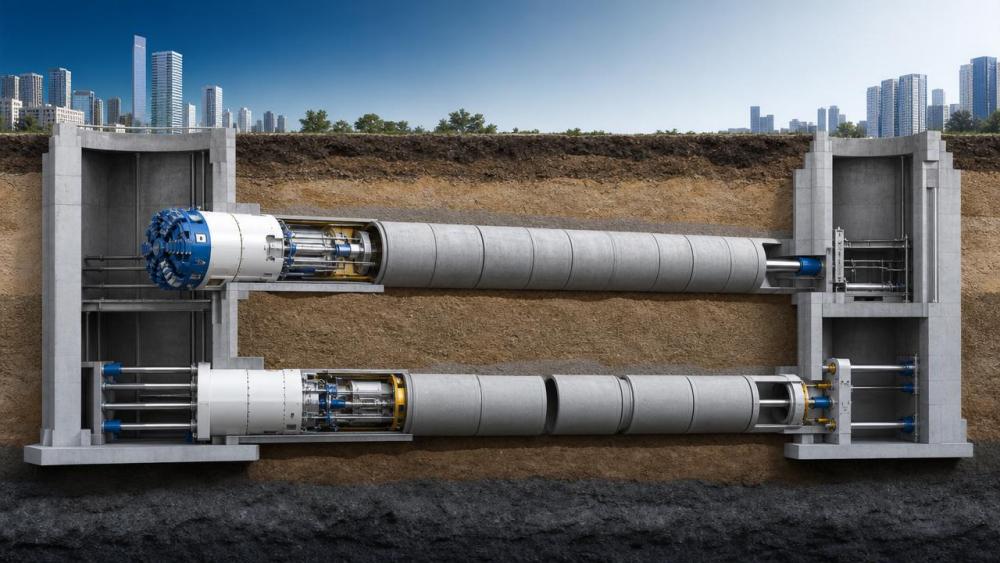
In most tight urban settings, microtunnelling is often preferred when line-and-grade accuracy, groundwater control, and remote operation are critical. However, Pipe Jacking Machines can still be the better choice when ground conditions are manageable and system simplicity matters.
That overall answer needs qualification. In industry usage, microtunnelling is often treated as a highly controlled form of pipe jacking. Yet for evaluators, the real issue is whether the project needs a guided, closed-face, remotely operated system or a simpler jacking setup.
On very constrained sites, the choice usually comes down to how much uncertainty the project can tolerate. If the consequences of deviation, face instability, or groundwater ingress are severe, the case for microtunnelling becomes much stronger.
If the alignment is shorter, soils are predictable, and installation tolerances are less demanding, a conventional Pipe Jacking Machines arrangement may provide sufficient performance with lower equipment complexity and potentially lower support requirements.
How should technical evaluators define the difference?
Pipe jacking is the broader trenchless method in which pipes are hydraulically pushed from a launch shaft to a reception shaft. Excavation at the face can be manual, mechanical, open-face, or closed-face depending on design and ground conditions.
Microtunnelling usually refers to a remote-controlled, guided pipe jacking process. It commonly uses a microtunnel boring machine with continuous spoil removal, active face support, and laser guidance to maintain strict alignment without personnel entering the excavation face.
That distinction matters because procurement language can blur the technologies. Some specifications use “pipe jacking” as a generic term, even when the actual requirement is a microtunnelling system with slurry separation, steering capability, and real-time guidance controls.
For evaluation purposes, it is more useful to compare capability than labels. Ask whether the project demands active face pressure control, fully remote excavation, high-precision steering, and robust spoil management. If yes, it is effectively a microtunnelling decision.
Which site constraints most strongly affect the selection?
Tight sites create a different decision environment from open utility corridors. Surface access is limited, crane positioning may be restricted, spoil handling space is reduced, and nearby structures leave very little room for settlement or alignment errors.
The first question is shaft geometry. A constrained site may not allow a large launch shaft, long jacking frame, or extensive support plant. If the site cannot physically accommodate separation equipment or slurry circuits, microtunnelling logistics become more difficult.
The second question is the surrounding asset sensitivity. Dense urban corridors often contain shallow foundations, rail lines, utilities, and pavements that cannot tolerate disturbance. In these conditions, a controlled closed-face microtunnelling approach often reduces geotechnical and third-party risk.
The third question is working time and neighborhood impact. Noise limits, truck movements, dewatering restrictions, and traffic management can all shift the balance. A method that looks efficient technically may become impractical once urban operating constraints are fully priced in.
When does microtunnelling clearly outperform Pipe Jacking Machines?
Microtunnelling usually has the advantage where groundwater is high, face stability is poor, and access to the cutting face is unsafe or impossible. Remote closed-face excavation improves control and reduces dependence on direct worker intervention at the heading.
It also outperforms simpler pipe jacking setups when line and grade tolerances are tight. Gravity sewers, long drives, and crossings beneath critical infrastructure often require steering precision that a guided microtunnelling machine can maintain more consistently.
Another strong case appears in mixed or variable soils. If the alignment passes through changing strata, soft ground pockets, or loose water-bearing formations, active pressure balancing and continuous spoil transport can significantly reduce the risk of instability or over-excavation.
On heavily constrained projects, the value of microtunnelling is often not just technical elegance. It is risk containment. Avoiding one settlement event, one flooded shaft, or one major alignment correction may justify the added system complexity.
When can Pipe Jacking Machines be the better choice?
Pipe Jacking Machines can be more suitable when the site is tight but the ground is relatively stable, the drive length is moderate, and the required tolerance is not extreme. In such cases, a simpler arrangement may be faster to mobilize and easier to support.
Where support plant area is severely restricted, a less elaborate jacking system may fit the site more realistically than a full microtunnelling spread. This can matter on infill urban plots, roadside shafts, or utility upgrades with narrow construction footprints.
Pipe jacking can also make sense when project teams want to reduce interface complexity. Slurry treatment systems, control cabins, specialized operators, and high-spec guidance packages all add operational layers that are not always necessary for every installation.
For short drives in favorable soils, a well-designed pipe jacking operation may deliver acceptable risk, simpler execution, and competitive cost. The evaluator’s task is to confirm whether that apparent simplicity remains valid once actual site hazards are tested.
How do ground conditions change the decision?
Ground is often the decisive variable. Cohesive soils with predictable behavior may allow more straightforward jacking solutions, while loose sands, gravels, cobbles, or water-bearing layers tend to favor microtunnelling with better face support and spoil control.
Mixed-face conditions deserve special caution. If the machine encounters alternating soft and hard zones, buried obstructions, or variable groundwater pressure, steering performance and face stability can deteriorate quickly. Evaluators should treat geological variability as a risk multiplier.
Rock also requires careful interpretation. Some Pipe Jacking Machines are well suited to competent ground, but the issue is not simply hardness. Abrasivity, fracture frequency, boulder content, and the likelihood of differential wear can all affect cutterhead choice and jacking loads.
Good selection depends on integrating geotechnical baseline data with method capability. The right question is not “Which technology works in this soil?” but “Which technology maintains control in this soil under this site’s tolerance and consequence profile?”
What about shaft size, plant footprint, and logistics?
Many trenchless decisions fail not underground but at the surface interface. Tight sites may lack room for spoil skips, slurry tanks, separation units, pipe stringing, crane swing, or safe circulation of workers and service vehicles.
Microtunnelling often demands more support infrastructure. Even if the drive itself is technically optimal, the launch site may not have enough room for fluid handling, power systems, control units, and maintenance access. That can trigger hidden cost and sequencing challenges.
Pipe Jacking Machines may require a smaller operational ecosystem, depending on configuration. This can simplify mobilization and reduce the number of urban interfaces to manage. Yet evaluators should verify whether reduced plant area leads to compromises in face control or spoil handling.
Launch and reception shaft construction must also be included in the comparison. A method that saves risk during the drive but requires larger or more difficult shafts may lose some of its advantage on constrained parcels or near sensitive adjacent structures.
How should evaluators compare risk rather than just equipment?
Technical assessments often become too equipment-centered. The better approach is to compare risk pathways: settlement risk, flooding risk, alignment deviation, stuck machine exposure, utility strike consequences, maintenance access, and recovery options if something goes wrong underground.
Microtunnelling usually scores better on control-related risks, especially in sensitive ground and high-consequence urban corridors. Pipe Jacking Machines may score better on deployment simplicity, lower interface count, and easier site organization where conditions are more forgiving.
Recovery strategy is especially important on tight sites. If the machine stalls, deviates, or encounters obstruction, can intervention be done safely and legally? A technically cheaper choice can become much more expensive if recovery options are limited beneath roads or structures.
Evaluators should also distinguish between probable events and severe events. A method with slightly higher baseline cost may still be preferable if it substantially lowers the chance of a low-frequency but project-threatening incident.
Which cost factors are most often misunderstood?
Initial equipment cost is only one part of the equation. Tight-site trenchless work is heavily influenced by indirect and consequence-driven cost: shaft support, traffic management, spoil disposal, dewatering, monitoring, third-party protection, and delay exposure.
Microtunnelling may appear more expensive at first because of specialized machinery and support systems. However, on difficult sites it can reduce rework, claims, settlement remediation, utility conflicts, and schedule losses. Those avoided costs are often undercounted during early screening.
Pipe Jacking Machines may offer a lower entry cost and a simpler commercial package, especially on shorter or less demanding drives. But if face instability, poor steering, or groundwater issues are underestimated, the budget advantage can disappear quickly.
For technical evaluators, the right comparison is total installed cost under realistic risk assumptions. Include contingency quality, not just contingency percentage. A thin estimate with optimistic geology assumptions is not a lower-cost solution. It is a weaker decision basis.
A practical decision framework for tight-site projects
Start with alignment consequence. If deviation would critically affect hydraulic performance, utility clearance, or connection geometry, move microtunnelling higher on the shortlist. Accuracy-driven projects rarely benefit from pushing a lower-control method too far.
Next, assess ground and groundwater uncertainty. If the geotechnical model includes loose saturated soils, variable layers, or unstable face behavior, closed-face remote systems deserve priority. The tighter the site, the less tolerance there is for reactive problem solving.
Then test the surface footprint honestly. Can the site support shafts, plant, deliveries, spoil flows, and safe maintenance? If not, either redesign the logistics plan or reconsider whether the more complex method is truly buildable in that location.
Finally, compare recovery and stakeholder exposure. Ask which method gives the project the strongest position if the drive does not proceed as planned. On constrained urban work, resilience under disruption often matters more than nominal best-case production rates.
Conclusion: which choice is better for tight sites?
There is no universal winner between Pipe Jacking Machines and microtunnelling. For tight sites, microtunnelling is often the stronger option when precision, groundwater control, and geotechnical risk dominate. Pipe jacking can be the smarter choice where conditions are simpler and support space is limited.
For technical evaluators, the most reliable decision comes from comparing control capability against consequence, not comparing labels alone. The tighter the site and the higher the failure impact, the more value there is in guided, closed-face, risk-contained trenchless installation.
In other words, the best method is the one that fits underground conditions, surface logistics, and recovery reality at the same time. If those three dimensions are evaluated together, the technology choice becomes clearer and far more defensible.
That is ultimately where smart trenchless selection delivers value: not by choosing the most sophisticated machine, but by matching method capability to the real limits of the site, the alignment, and the project’s tolerance for uncertainty.
Related News
How to Evaluate Articulated Dump Trucks Payload for Haul Road Conditions and Cycle Efficiency
Articulated Dump Trucks payload evaluation starts with real haul road conditions, not brochure numbers. Learn how to balance payload, traction, grades, and cycle efficiency for safer, higher output.
What Drives TBM Excavation Cost in Urban Tunneling Projects?
tbm excavation cost in urban tunneling depends on geology, shafts, segment lining, logistics, and risk. Discover the key cost drivers and compare bids with greater confidence.
What Does Energy Metals Mining in Australia Mean for Supply, Cost, and Project Risk?
Energy metals mining Australia is reshaping supply, cost, and project risk. Discover what it means for buyers, investors, and operators.
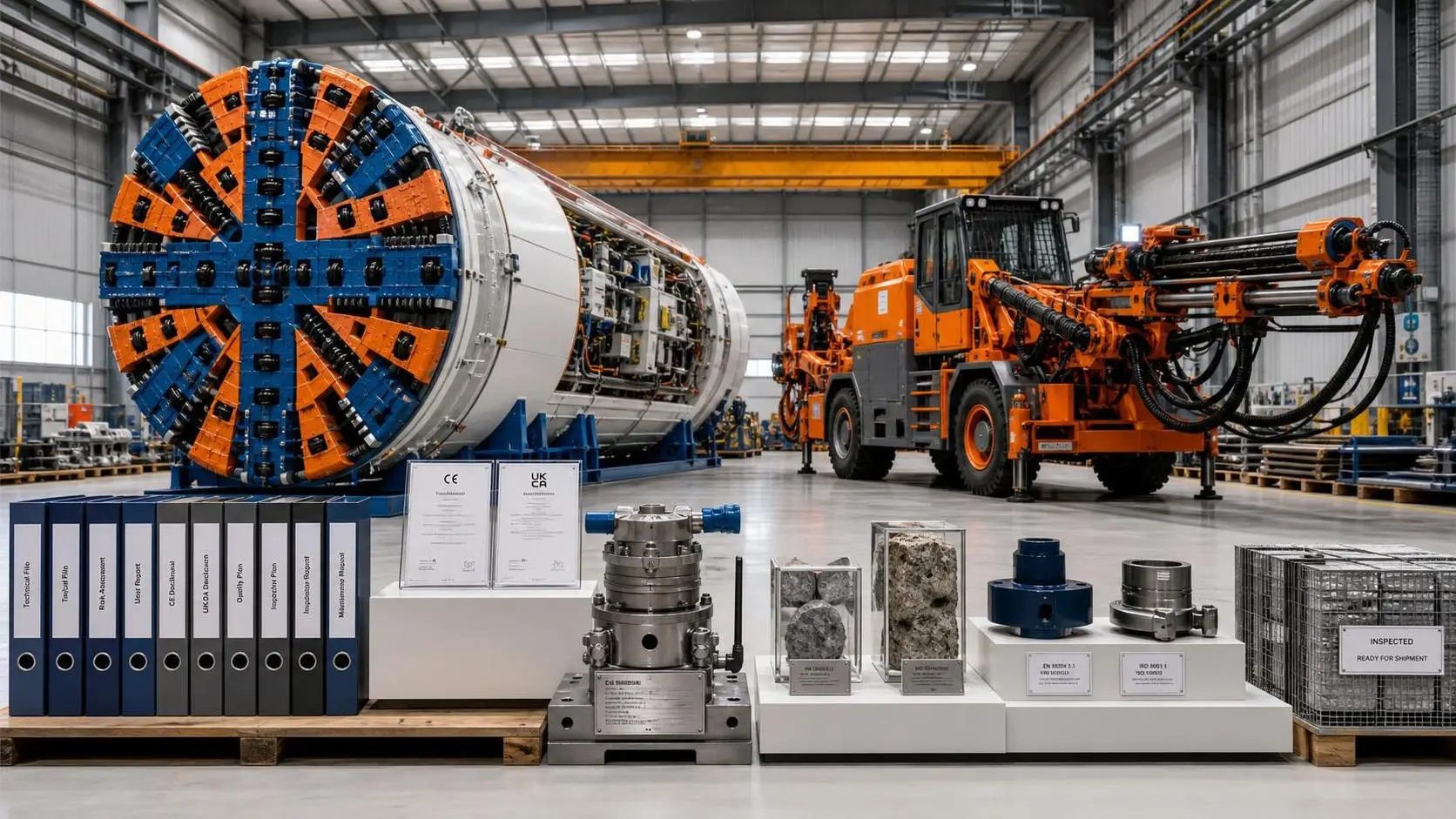
EU Eases Dual CE and UKCA Path for Chinese Tunnel Boring Equipment
EU eases CE and UKCA certification for Chinese tunnel boring equipment, cutting compliance time and helping importers move faster.
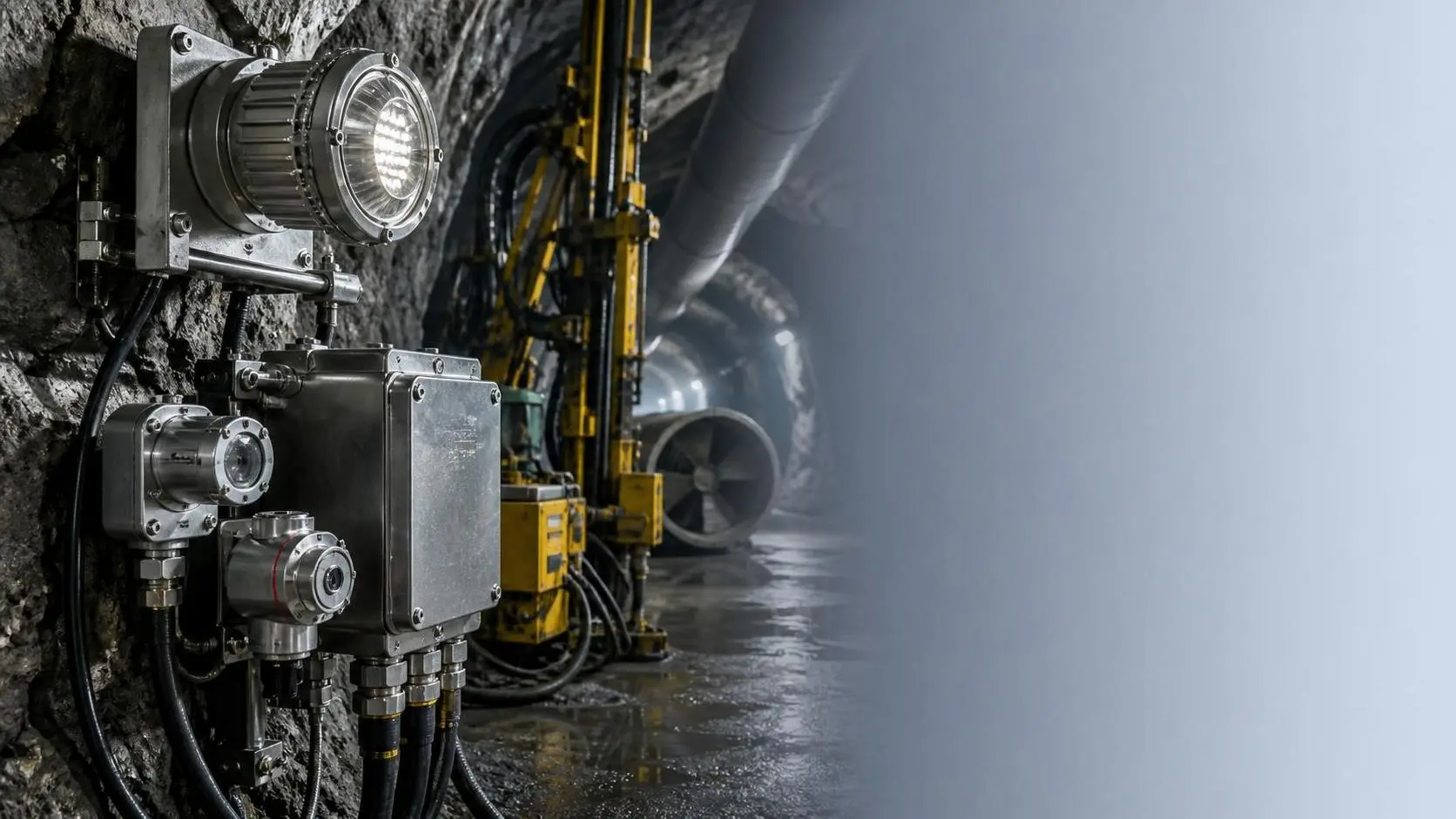
Flameproof Underground Safety Equipment: What Mine Teams Should Check Before Buying
Underground Safety Equipment flameproof buying guide: learn how mine teams should verify certification, durability, serviceability, and supplier support before purchase.
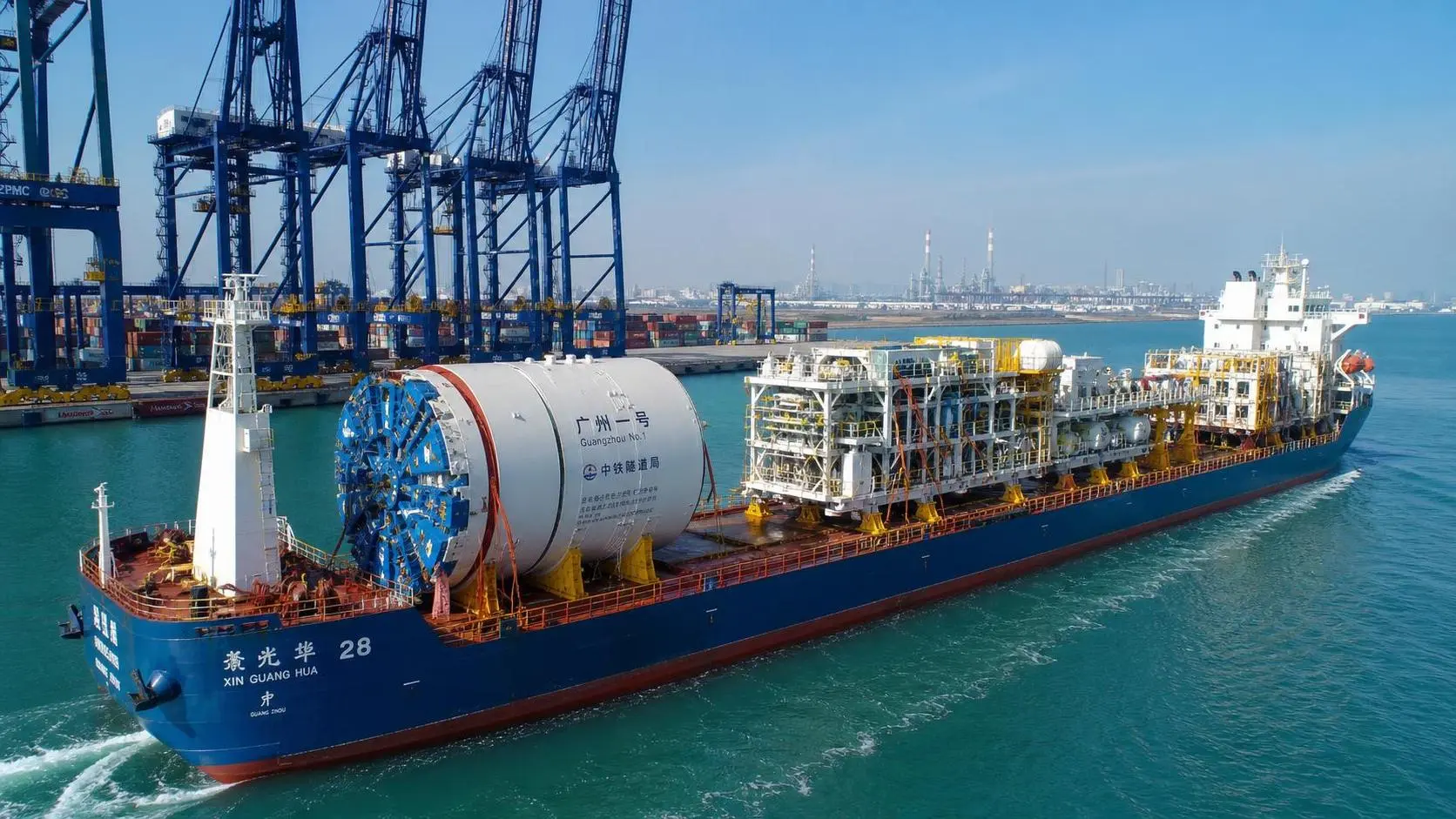
China-UAE Direct Sea Route Cuts TBM and Large Tunneling Equipment Lead Times
China-UAE direct sea route shortens TBM and large tunneling equipment lead times by 12–15 days, improving delivery predictability for major infrastructure projects. Read the full impact.
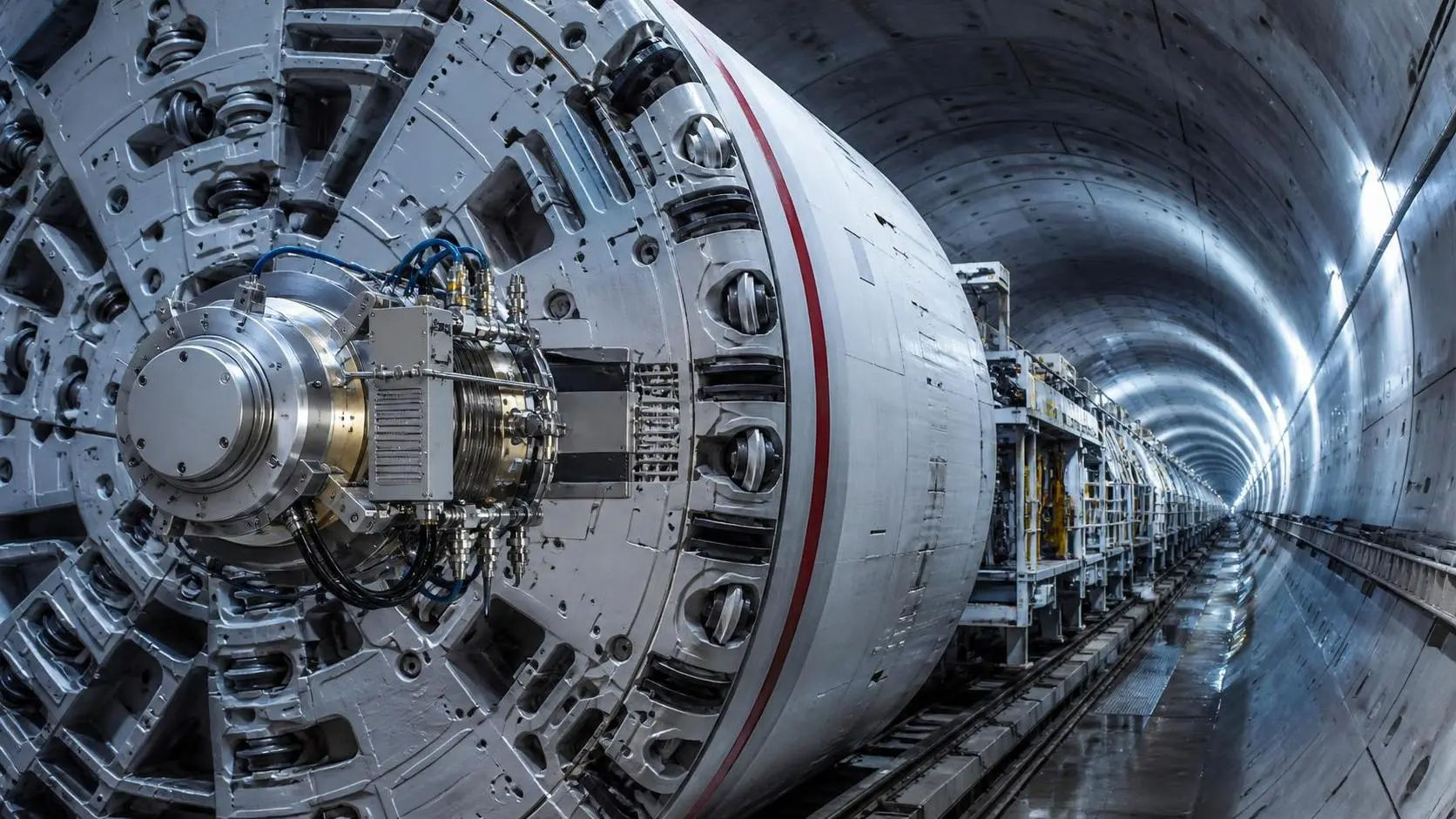
What Is a TBM Guidance System Gyroscope, and Why Does It Matter Underground?
TBM Guidance Systems gyroscope improves underground accuracy, reduces drift, and helps tunnel boring machines stay on line in harsh conditions.

China to Roll Out Nationwide Local and Foreign Currency Cash Pools for Multinationals on Sept. 14
China will roll out nationwide local and foreign currency cash pools for multinationals on Sept. 14, streamlining cross-border treasury management and boosting liquidity efficiency.
How to Choose a Reliable Underground Mining Equipment Supplier for Harsh Site Conditions
Find a reliable underground mining equipment supplier for harsh site conditions with rugged, maintainable solutions that boost uptime, reduce risk, and support long-term production.
Related News
- 00
0000-00
How to Evaluate Articulated Dump Trucks Payload for Haul Road Conditions and Cycle Efficiency - 00
0000-00
What Drives TBM Excavation Cost in Urban Tunneling Projects? - 00
0000-00
What Does Energy Metals Mining in Australia Mean for Supply, Cost, and Project Risk? - 00
0000-00
EU Eases Dual CE and UKCA Path for Chinese Tunnel Boring Equipment - 00
0000-00
Flameproof Underground Safety Equipment: What Mine Teams Should Check Before Buying
Weekly Insights
Stay ahead with our curated technology reports delivered every Monday.