
Which trenchless construction methods suit tight city corridors





In dense urban corridors, choosing the right Trenchless Construction Methods can determine whether a project meets its technical, environmental, and traffic-control goals.
For technical evaluators, the challenge is not just minimizing surface disruption, but matching ground conditions, alignment constraints, utility congestion, and risk tolerance with the most suitable installation approach.
This article outlines the key methods and the decision factors that matter most in city-scale applications.
What technical evaluators really need to decide in tight city corridors
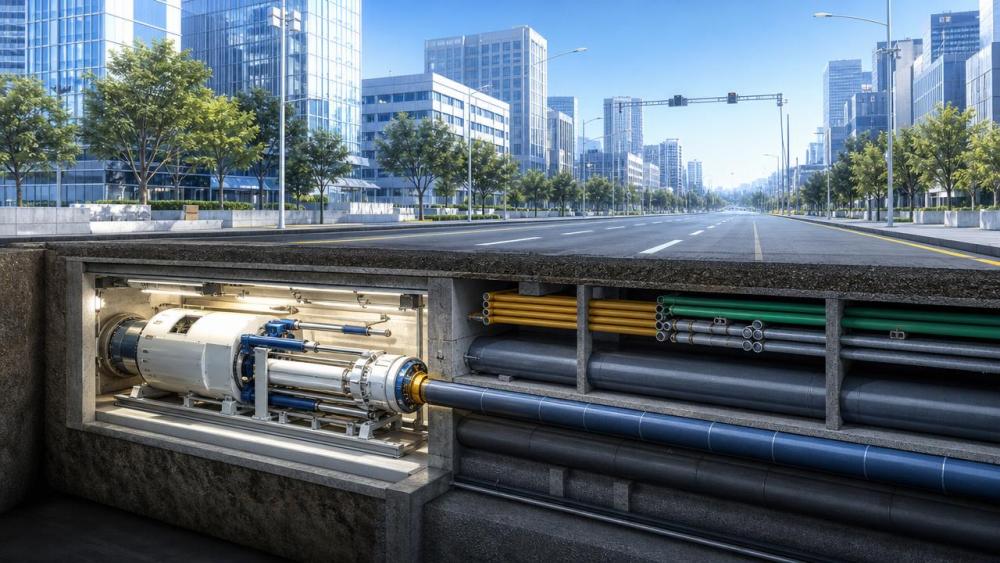
In constrained urban settings, the best trenchless choice is rarely the most advanced machine or the longest reach. It is the method that best fits geometry, soil, utilities, settlement limits, and construction risk.
For most tight city corridors, the practical shortlist usually comes down to microtunneling, pipe jacking, horizontal directional drilling, auger boring, guided boring, and in some cases cured-in-place rehabilitation rather than new installation.
The core evaluation question is simple: can the method deliver the required line and grade, within limited shaft space, under strict surface protection rules, and with acceptable risk to existing assets?
That means technical reviewers should not compare methods only by installation speed or unit cost. In cities, utility conflict exposure, shaft footprint, spoil handling, groundwater control, and tolerance for deviation often matter more.
Why tight city corridors change the trenchless selection logic
Urban corridors create a different decision environment from greenfield routes. Streets are narrower, utility records are incomplete, traffic windows are shorter, and nearby structures are often more sensitive to vibration or settlement.
Launch and reception access also become critical constraints. A method that performs well in open areas may become impractical if it needs large pits, wide pipe strings, or extended surface staging areas.
Technical evaluators must also account for stakeholder pressure. Municipal owners, transport authorities, and adjacent property owners often prioritize service continuity and public disruption as much as pure engineering efficiency.
In these settings, Trenchless Construction Methods succeed when they reduce uncertainty, not merely excavation. The preferred option is often the one with the strongest control over alignment, face stability, and surface impact.
Microtunneling and pipe jacking: usually the strongest fit for precision urban installations
When the corridor is narrow and the pipeline requires high line-and-grade accuracy, microtunneling is often the leading option. It offers closed-face excavation, remote control, and strong performance in groundwater-sensitive conditions.
For gravity sewers, stormwater lines, and utility tunnels where tolerance is tight, this method provides a level of steering precision that many other approaches cannot reliably match in difficult urban ground.
Pipe jacking is closely related and often discussed together because the jacking system advances the product pipe behind the excavating machine. In practice, evaluators should assess the complete system rather than treat them separately.
The main advantages are predictable alignment control, limited surface disruption between shafts, and suitability beneath roads, railways, and dense utility zones. These strengths make microtunneling a standard choice for deep municipal crossings.
However, the method is not automatically best for every corridor. Shaft construction can dominate schedule, logistics, and cost, especially where access is restricted or groundwater inflow makes shaft support more complex.
Slurry treatment requirements, spoil separation, and equipment staging also need careful review. In downtown sites, these support systems can become the real bottleneck even when the drive itself is technically straightforward.
Technical evaluators should favor microtunneling or pipe jacking when precision, groundwater control, and settlement protection are more important than minimal upfront equipment cost or very small pit requirements.
Horizontal directional drilling: effective when flexibility matters more than exact grade
Horizontal directional drilling, or HDD, is highly attractive where surface access is limited and a long continuous installation is needed. It is especially useful for pressure pipes, conduits, and cable installations.
Its major urban advantage is reduced need for intermediate shafts. If a project can launch and receive from workable locations outside the most congested area, HDD may bypass the worst corridor constraints.
But HDD is not the default answer for all city projects. In dense corridors, steering uncertainty, frac-out risk, and limited tolerance for surface heave or drilling fluid escape can quickly change the risk profile.
It is also less suitable for gravity systems that need strict grade control. Even with advanced guidance, HDD usually cannot match microtunneling for continuous precision on sewer-grade alignments.
Utility congestion adds another challenge. Existing buried networks may leave only narrow windows for bore path design, and the allowable radius of curvature may not fit those windows without compromising installation safety.
HDD is usually strongest when the installed asset is pressure-based, alignment tolerances are more forgiving, and geotechnical conditions support reliable drilling fluid performance and bore stability.
Auger boring and guided boring: useful in short drives, but only under the right conditions
Auger boring remains a practical option for short, relatively straight crossings, particularly under roads or rail lines. It can be cost-effective when line length is limited and the ground is stable enough for the method.
Its weakness in tight urban corridors is control. Traditional auger boring generally provides less steering capability than microtunneling, which may be a decisive disadvantage where utility separation margins are narrow.
Guided boring improves this picture for smaller diameter applications, especially where accurate installation is required for house connections, laterals, or shorter sewer runs in built-up districts.
For technical evaluators, the key is to distinguish between acceptable and critical accuracy. If deviation risk could threaten nearby utilities or create connection issues, a lower-cost method may become the higher-risk choice.
These methods are often appropriate when drive lengths are short, shaft construction is manageable, and the corridor does not impose extreme groundwater, mixed-face, or obstruction risks.
Rehabilitation methods may be better than new installation in the tightest corridors
Some of the best trenchless decisions in cities are not new-build decisions at all. Where an existing asset can be renewed, rehabilitation may outperform replacement on disruption, permitting, and corridor risk.
Cured-in-place pipe, sliplining, spiral wound lining, and close-fit lining can reduce the need for new shafts and avoid threading a new alignment through dense utility fields.
For technical evaluators, this option becomes compelling when corridor congestion is severe, existing capacity is still broadly adequate, and structural renewal can meet performance targets without full upsizing.
The limitations are equally important. Rehabilitation may reduce internal diameter, may not correct major geometric failures, and may not suit assets with collapse risk or extensive service connection complexity.
Still, in central business districts or historic streets, rehabilitation should be included in early method screening rather than treated as a secondary alternative after new construction options fail.
Ground conditions often eliminate methods faster than geometry does
In theory, several Trenchless Construction Methods may fit the corridor geometry. In practice, soil behavior, groundwater, cobbles, boulders, mixed face conditions, and man-made obstructions often narrow the shortlist quickly.
Soft ground below the water table usually favors methods with better face support and slurry management. That is one reason microtunneling often rises in rank for dense city infrastructure work.
Conversely, variable fill with buried debris can be especially problematic. Urban ground frequently contains abandoned foundations, timber, steel, and undocumented utility remnants that elevate stoppage and deviation risk.
Evaluators should therefore review not just borehole logs, but also the confidence level of the subsurface model. In many cities, uncertainty in the ground model is itself a major selection factor.
If geotechnical uncertainty is high, methods with tighter operational control and stronger real-time monitoring may justify higher cost by lowering the probability of failure, claim exposure, and public impact.
How utility congestion and settlement risk should influence method choice
Utility congestion is not merely a routing inconvenience. It affects allowable machine envelope, shaft placement, jacking loads, drilling path design, and contingency access if recovery or intervention becomes necessary.
Where critical utilities are closely spaced, the safest method is often the one that minimizes positional uncertainty. This again tends to favor guided systems and closed-face methods over more flexible but less exact alternatives.
Settlement risk also changes the evaluation. Beneath sensitive pavements, aging buildings, rail assets, or hospitals, tolerance for ground loss is extremely low, and even small movements may trigger unacceptable consequences.
Technical reviewers should compare methods using realistic failure modes: face instability, overcut migration, lubrication loss, frac-out, pipe deflection, and shaft deformation, not just nominal design assumptions.
A method that appears economical on baseline cost can become unsuitable if the corridor contains zero-failure assets or if emergency response options are weak in a congested downtown zone.
Don’t underestimate shafts, staging, spoil logistics, and work windows
In city corridors, trenchless selection often turns on support logistics more than on cutting mechanics. Launch shafts, reception shafts, slurry plants, cranes, spoil removal, and delivery access may control feasibility.
A technically sound drive can still be impractical if the site cannot support muck handling, separation equipment, or traffic management without major disruption. This is especially true for microtunneling in dense districts.
Likewise, methods that avoid large shafts may shift burden elsewhere. HDD needs pipe stringing space, drilling fluid management, and contingency planning for inadvertent returns, all of which can be difficult in city streets.
Technical evaluators should ask an operational question early: can this method actually be supported on this site, during the permitted work hours, with the available access and community constraints?
That question often exposes hidden infeasibility sooner than a purely design-based comparison matrix.
A practical decision framework for comparing trenchless options
For technical assessments, a weighted decision framework works better than informal preference. Start with non-negotiables: required diameter, line and grade tolerance, maximum settlement allowance, corridor access, and groundwater conditions.
Next, score each candidate method against six factors: alignment control, geotechnical suitability, shaft or surface footprint, utility conflict risk, construction support logistics, and consequence of failure.
Then add project-specific filters such as regulatory sensitivity, adjacent asset criticality, contractor market capability, and tolerance for schedule uncertainty. Urban success depends as much on execution ecosystem as on theory.
Methods should not be treated as interchangeable once they pass a basic feasibility screen. The real question is which option remains robust after likely urban complications are introduced.
For many tight city corridors, the answer is not the lowest-cost method at tender stage. It is the method with the best balance of precision, controllability, and manageable support requirements.
Typical best-fit guidance by urban scenario
If the project is a gravity sewer with strict grade requirements, groundwater presence, and dense utilities, microtunneling or a well-configured pipe jacking system is usually the strongest fit.
If the asset is a pressure main or conduit and launch areas can be placed outside the most congested zone, HDD may offer the best balance of reach and reduced intermediate surface disruption.
If the crossing is short, straight, and relatively simple, auger boring or guided boring may be sufficient, provided the tolerance and obstruction risks are genuinely modest.
If the existing asset can be structurally renewed without full replacement, rehabilitation methods may be the most corridor-sensitive solution, especially in historic or intensely trafficked urban streets.
These are not universal rules, but they reflect how technical evaluators typically separate robust urban options from methods that only appear attractive at a high level.
Conclusion: the right method is the one that controls urban risk, not just excavation
When evaluating Trenchless Construction Methods for tight city corridors, the central issue is control: control of line and grade, ground response, shaft footprint, utility interaction, and construction logistics.
That is why microtunneling and pipe jacking often lead in dense urban work, why HDD remains powerful but selective, and why rehabilitation deserves early consideration where alignment space is exhausted.
For technical evaluators, the best decisions come from ranking methods by corridor-specific risk exposure rather than by generic popularity or nominal installation cost.
In short, the most suitable trenchless method is the one that fits the urban system around the bore, not just the bore itself. That is the standard that consistently delivers safer and more reliable city infrastructure outcomes.
Related News
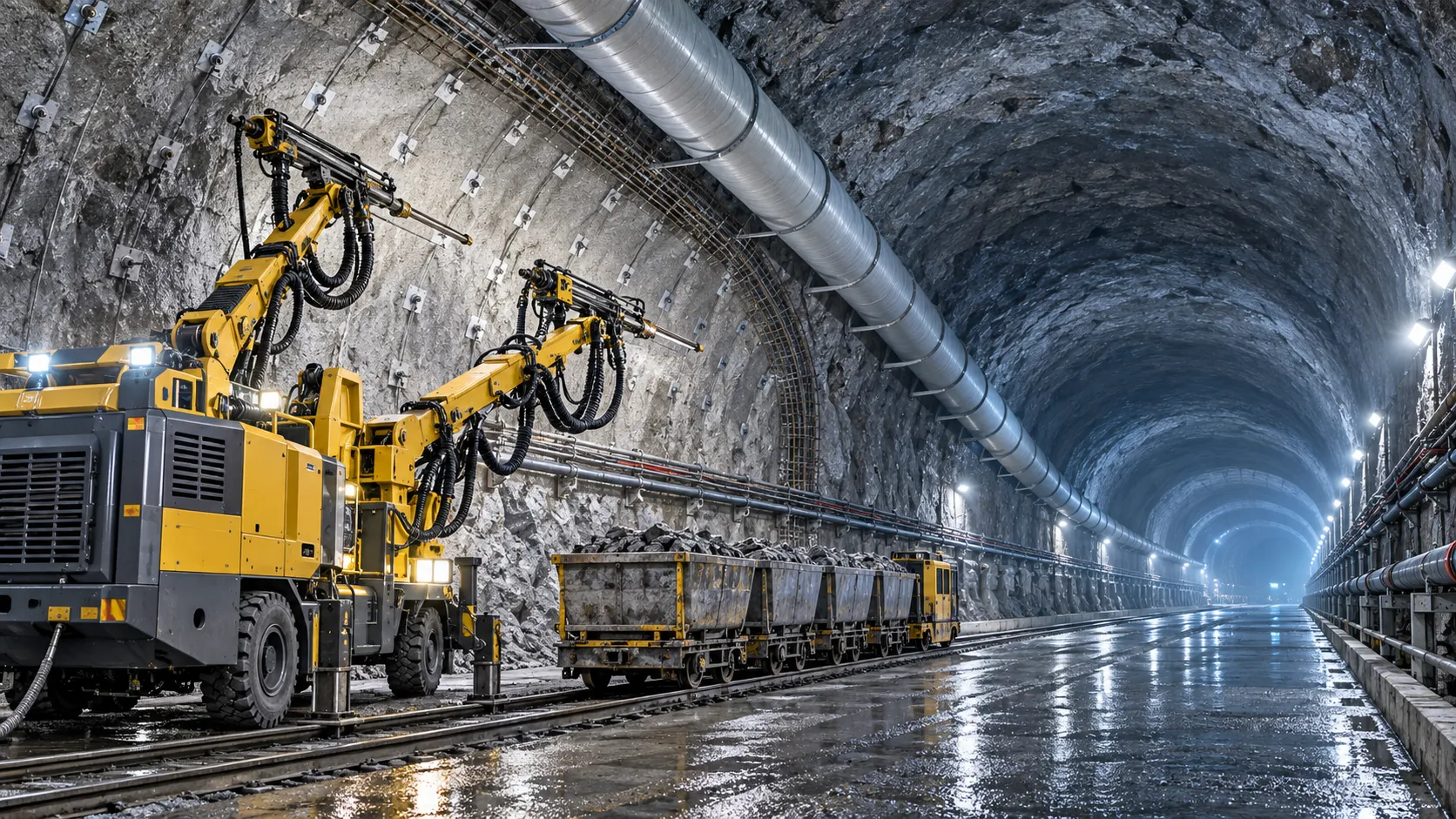
How to Evaluate European Drill-and-Blast Tunnelling Contractors for Complex Projects
Drill and blast tunnelling contractors Europe: learn how to assess geology expertise, blast control, equipment reliability, safety, and programme resilience for complex projects.
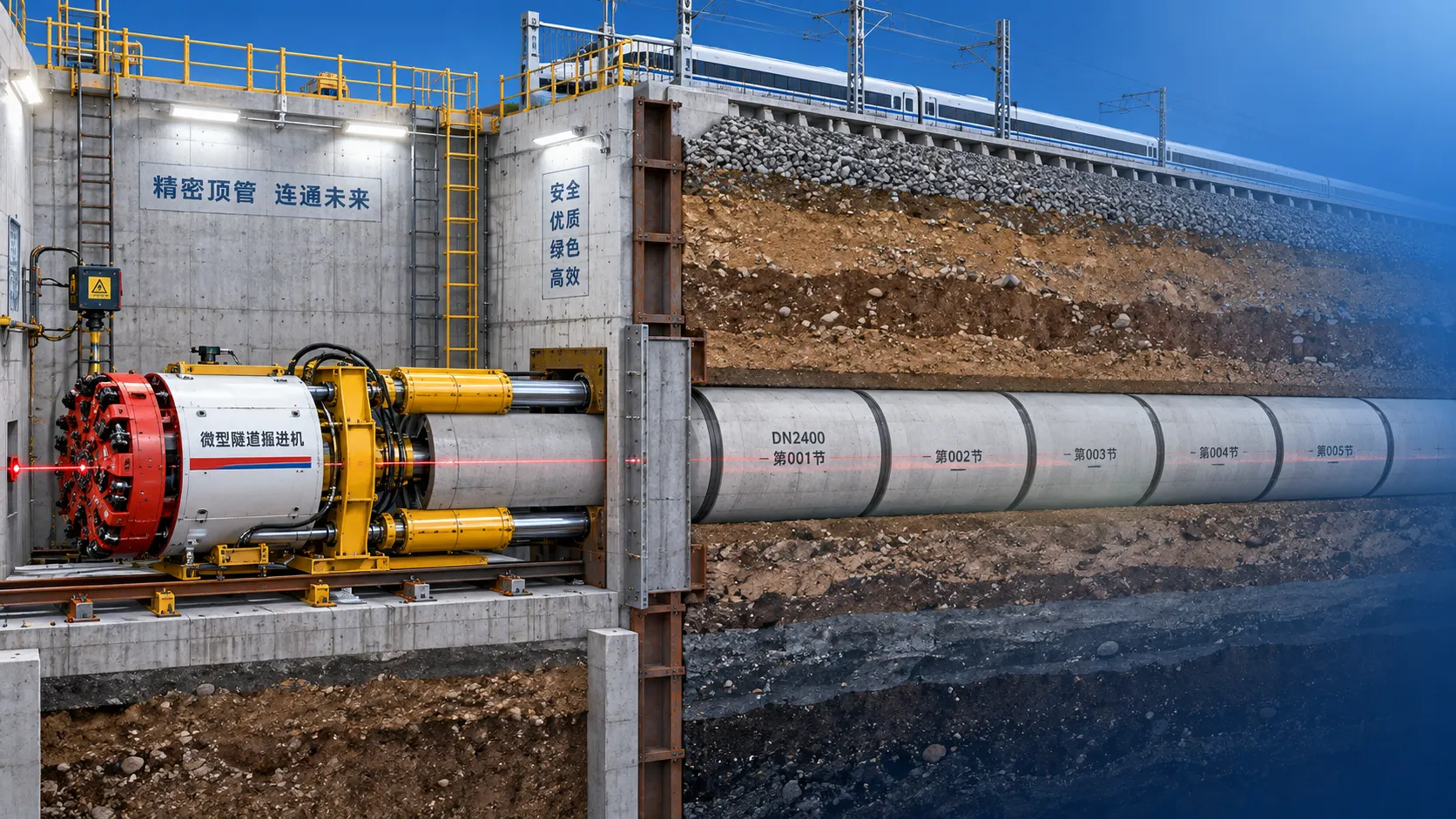
Which Trenchless Construction Technique Fits Your Utility Crossing Conditions?
Trenchless construction techniques compared for utility crossings: choose HDD, microtunnelling, pipe jacking, or auger boring based on ground, accuracy, access, and risk.
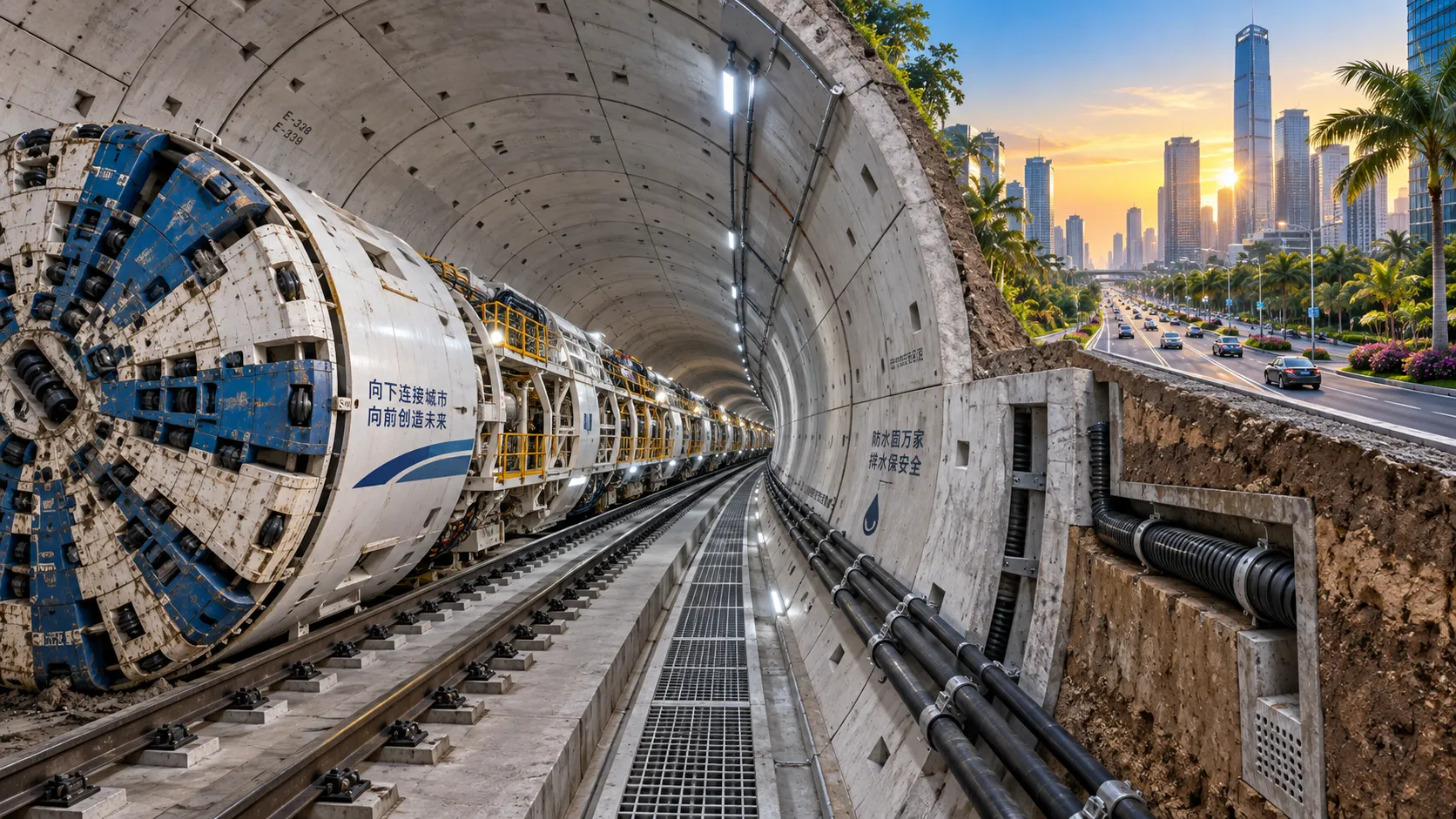
What Is Driving Metro Tunnelling Demand Across Southeast Asia’s Major Cities?
Metro tunnelling Southeast Asia is accelerating as major cities tackle congestion, flooding, and connectivity. Explore the market forces, technical risks, and opportunities shaping demand.
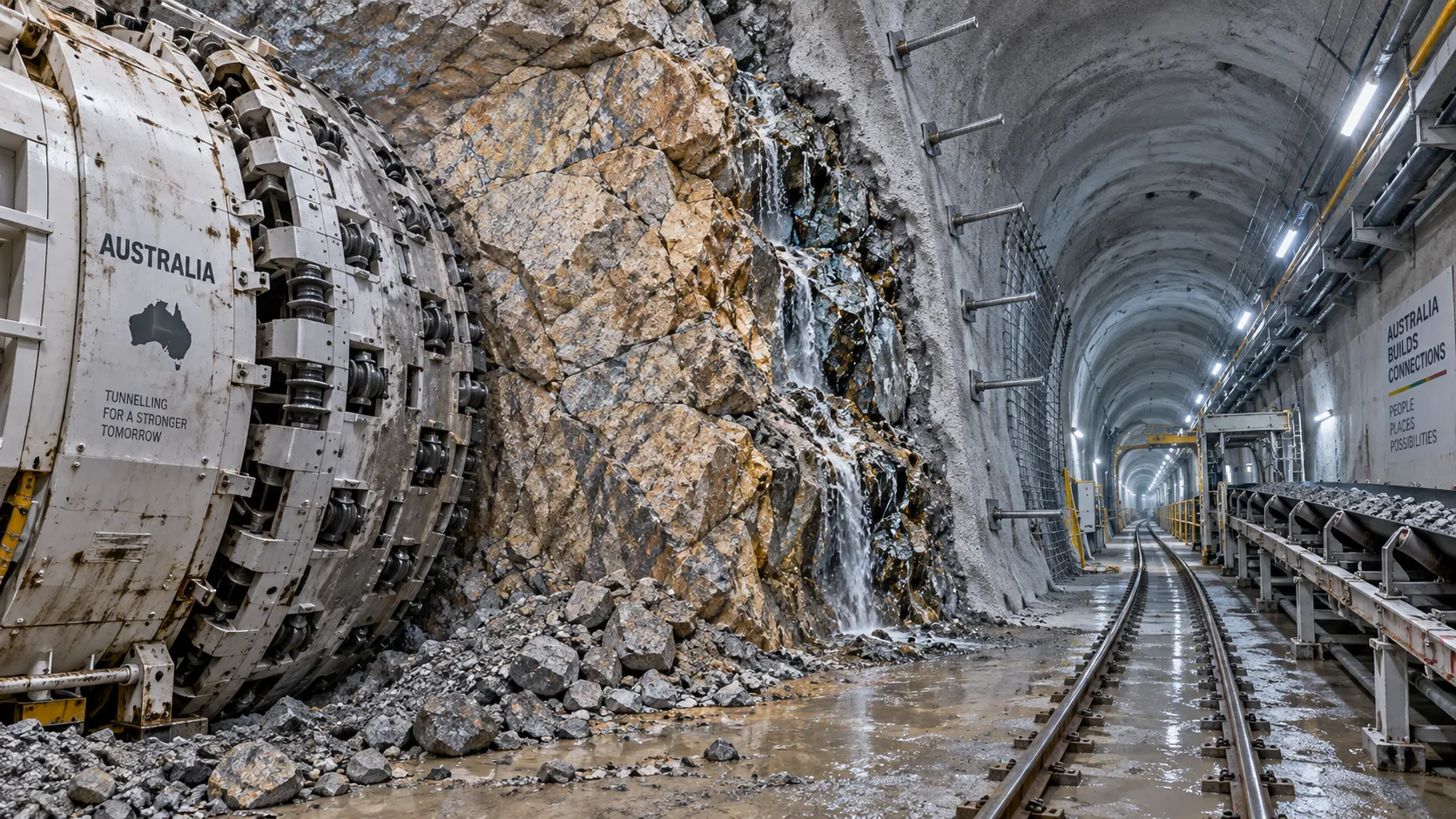
Hard Rock Tunnelling in Australia: Selecting Methods for Variable Ground Conditions
Hard rock tunnelling in Australia: compare TBM, drill-and-blast and hybrid methods to manage variable ground, reduce risk and protect project costs.
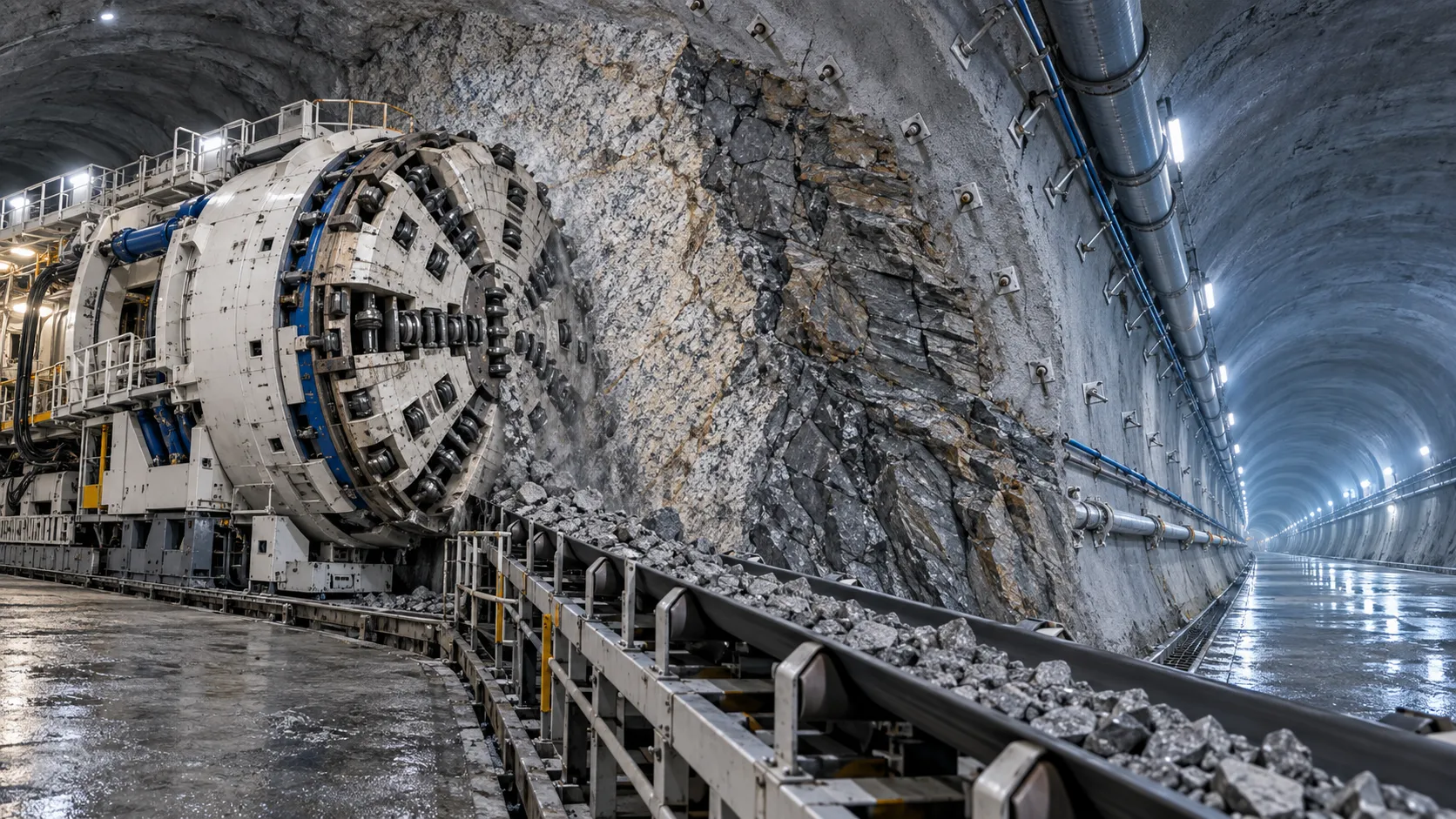
Hydropower Tunnel Excavation: Selecting Methods for Variable Rock Conditions
Hydropower tunnel excavation methods for variable rock conditions: compare TBM, drill-and-blast, and hybrid strategies to improve safety, progress, and project control.
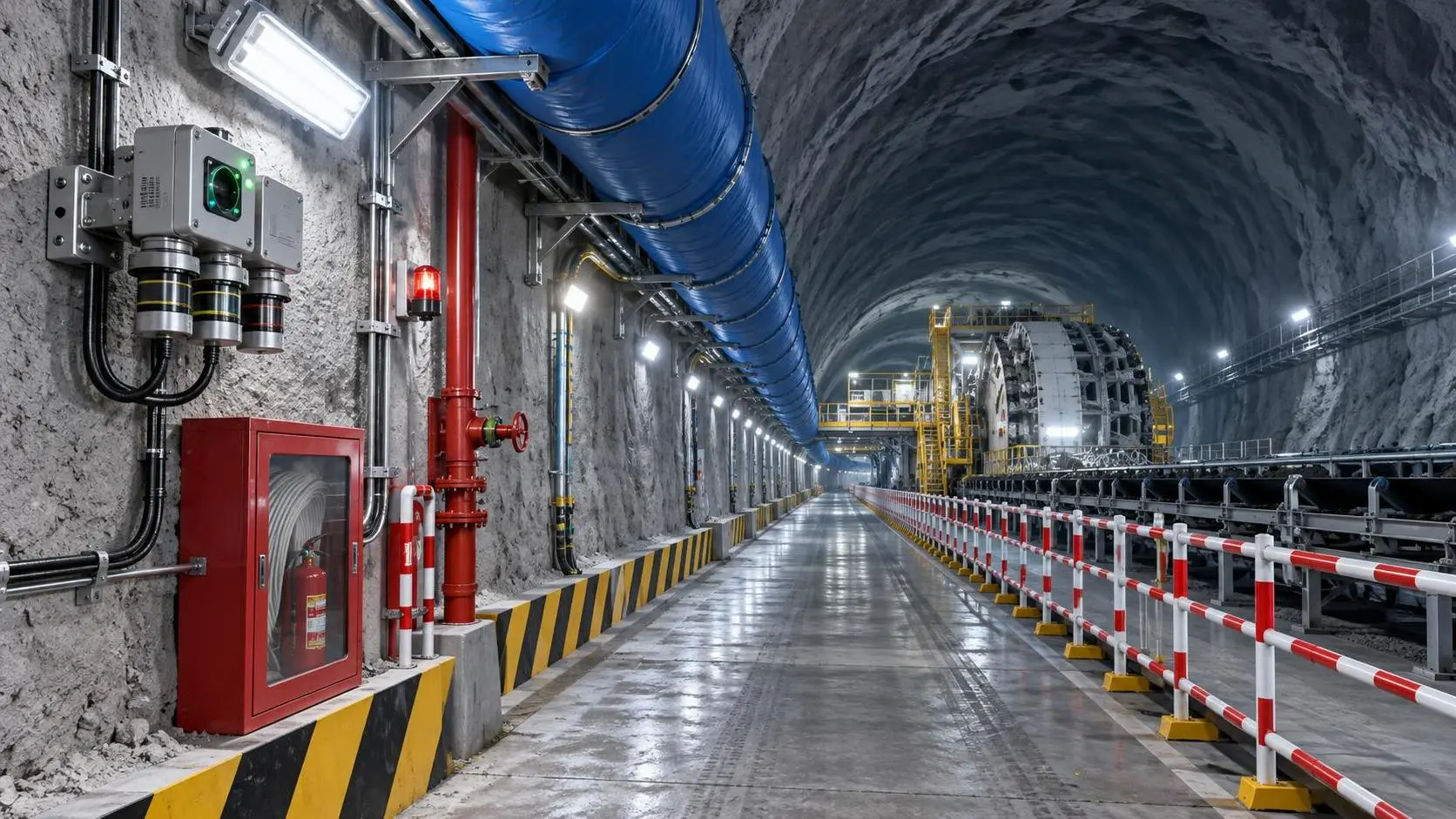
How to Select Underground Safety Equipment for Tunnelling by Hazard and Work Zone
Underground Safety Equipment for tunnelling: match protection to hazards, work zones, compliance, and emergency needs with this practical selection guide.
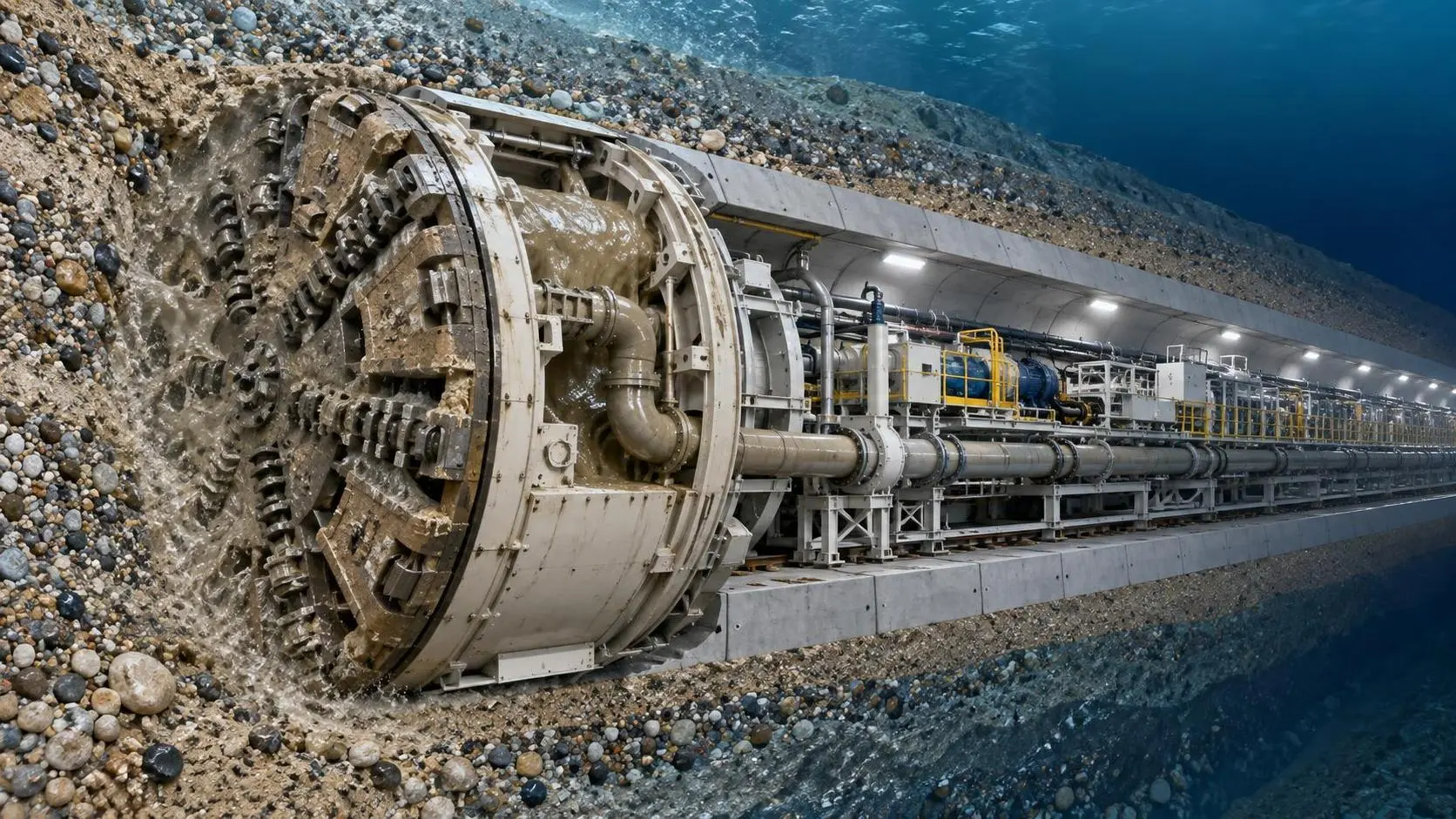
EPB or Slurry Shield? Selecting Soft-Ground Tunnelling Equipment by Soil Conditions
Tunnel Excavation Equipment for soft ground: compare EPB and slurry shields by soil, groundwater, settlement risk, and project logistics to choose confidently.
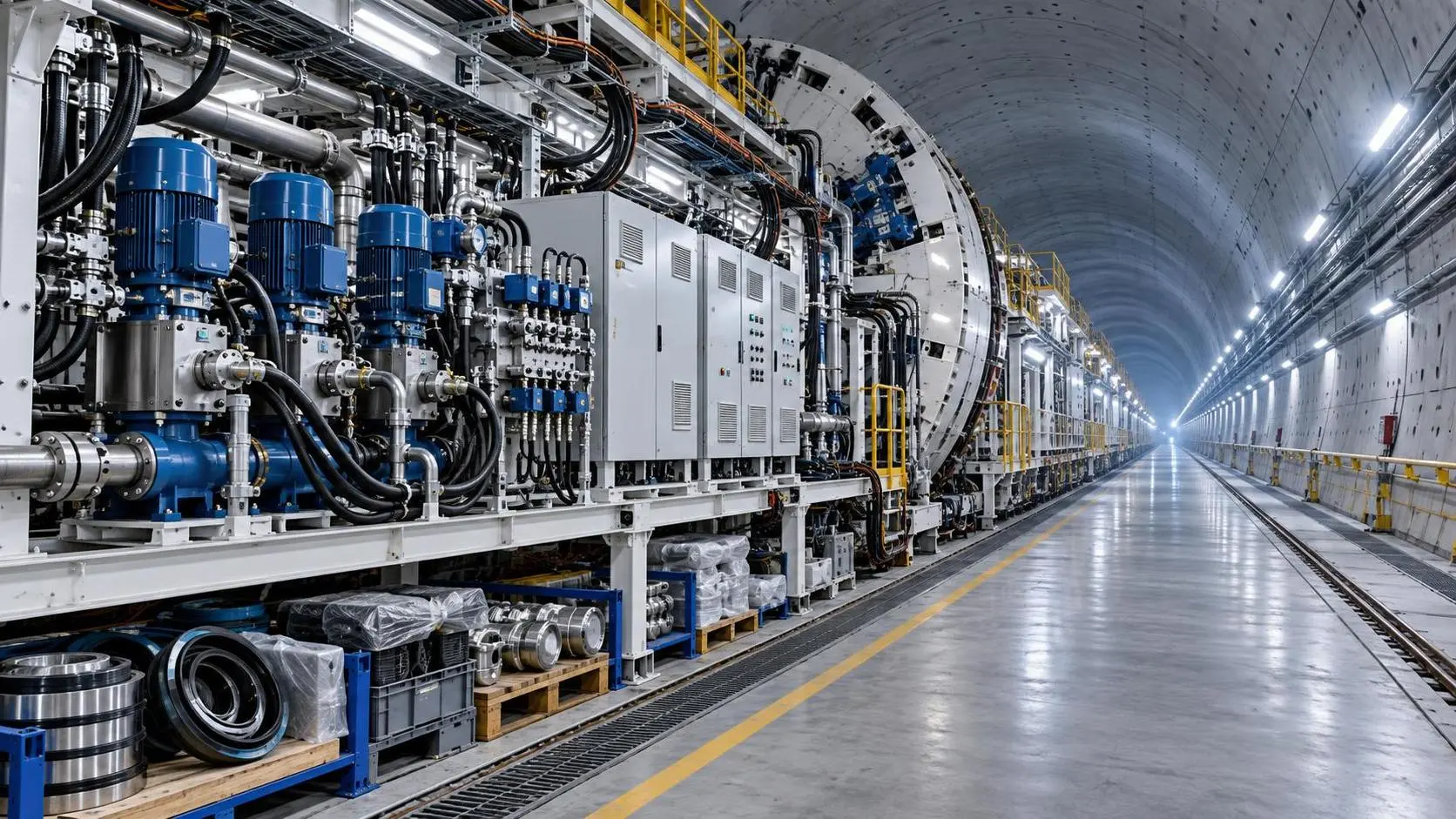
How to Specify TBM Backup System Parts for Reliable Long-Distance Tunnelling
TBM backup system parts: learn how to specify reliable spares for long-distance tunnelling, reduce downtime, ensure compatibility, and speed underground recovery.

How to Size Open Pit Mining Trucks for Haul Distance, Grade, and Payload?
Open Pit Mining Trucks: learn how to match payload, haul distance, grade, road resistance, and loading capacity for safer, lower-cost mine operations.
Related News
- 00
0000-00
How to Evaluate European Drill-and-Blast Tunnelling Contractors for Complex Projects - 00
0000-00
Which Trenchless Construction Technique Fits Your Utility Crossing Conditions? - 00
0000-00
What Is Driving Metro Tunnelling Demand Across Southeast Asia’s Major Cities? - 00
0000-00
Hard Rock Tunnelling in Australia: Selecting Methods for Variable Ground Conditions - 00
0000-00
Hydropower Tunnel Excavation: Selecting Methods for Variable Rock Conditions
Weekly Insights
Stay ahead with our curated technology reports delivered every Monday.