
How to Choose Trenchless Pipe Installation Equipment for Soil, Diameter, and Drive Length





How to Choose Trenchless Pipe Installation Equipment for Soil, Diameter, and Drive Length
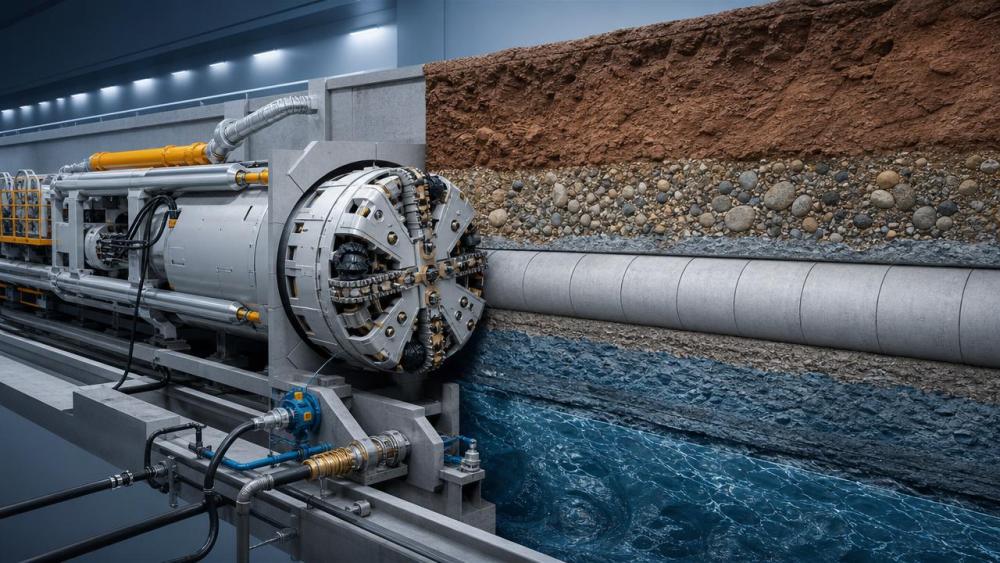
Choosing the right Trenchless Pipe Installation equipment starts with three variables: soil, pipe diameter, and drive length.
These factors shape thrust demand, steering accuracy, slurry control, and overall project risk.
A machine that performs well in short clay drives may struggle in mixed ground or long urban crossings.
That is why Trenchless Pipe Installation equipment selection should never begin with model size alone.
It should begin with ground behavior, installation tolerances, and the consequences of deviation.
From a practical standpoint, the best decision balances production speed, bore stability, and predictable jacking loads.
This guide breaks down how to evaluate Trenchless Pipe Installation equipment with a focus on real project constraints.
Start with Soil Conditions, Not the Machine Catalog
Soil is the first filter because it decides how the face behaves during excavation.
In stable clay, simple systems may work well and keep costs under control.
In loose sand, saturated silt, or mixed ground, control requirements become much stricter.
This is where Trenchless Pipe Installation equipment with active face support often becomes necessary.
If geology changes along the alignment, adaptability matters more than peak output.
How common soil types affect equipment choice
- Cohesive clay: suitable for auger boring or basic microtunneling in short, stable drives.
- Sand and gravel: require better spoil transport and stronger face stability control.
- Mixed ground: needs flexible cutting heads and responsive guidance systems.
- Rock or cobbles: increases cutter wear, torque demand, and steering difficulty.
- High groundwater: pushes selection toward sealed systems and reliable slurry management.
In actual planning, geotechnical reports should be read for variability, not just average conditions.
The most expensive failures often happen in short sections with unexpected transitions.
Match Pipe Diameter to Cutting, Thrust, and Guidance Capability
Pipe diameter affects far more than cutter size.
It changes jacking force, spoil removal volume, lubrication demand, and line-and-grade sensitivity.
As diameter grows, Trenchless Pipe Installation equipment must deliver more stable power and better alignment control.
Larger bores also increase the cost of downtime, because shaft works and support systems are heavier.
Diameter-based evaluation points
- Check whether the machine’s cutter head matches the planned internal and external pipe dimensions.
- Confirm maximum thrust capacity under worst-case friction assumptions.
- Review steering accuracy against project tolerance limits.
- Verify slurry or spoil transport efficiency at full production volume.
- Assess shaft footprint and lifting needs for launch and reception.
A frequent mistake is choosing equipment that can cut the diameter, but cannot maintain performance over the full drive.
That gap usually appears in lubrication efficiency, spoil evacuation, or steering correction power.
Drive Length Determines the Real Equipment Class
Drive length is often the factor that separates a workable setup from a risky one.
Short drives may tolerate simpler Trenchless Pipe Installation equipment and narrower performance margins.
Long drives magnify friction, deviation, slurry losses, and recovery complexity.
This also means intermediate jacking stations, lubrication systems, and monitoring tools become more important.
What changes as drive length increases
- Total jacking force rises, especially in abrasive or unstable ground.
- Lubrication quality becomes a major productivity driver.
- Survey and guidance errors accumulate more easily.
- Cutter wear planning becomes less forgiving.
- Rescue or intervention options become more expensive.
For longer alignments, equipment selection should include contingency performance, not only nominal capacity.
That includes overload headroom, lubrication redundancy, and data visibility during the push.
Compare Common Trenchless Pipe Installation Equipment Options
Not every trenchless method solves the same problem.
The best Trenchless Pipe Installation equipment depends on ground response, accuracy needs, and utility conflict exposure.
Recent market signals show stronger demand for adaptable systems rather than single-condition machines.
That trend reflects tighter urban tolerances and more variable subsurface information.
Evaluate Risk Through the Full Operating Envelope
A good selection process tests the machine against the hardest likely conditions, not the average case.
This is where Trenchless Pipe Installation equipment evaluation becomes more than a spec sheet exercise.
It should connect equipment limits with settlement risk, utility exposure, schedule pressure, and recovery planning.
Key risk checks before final selection
- Compare estimated and allowable jacking loads with a safety margin.
- Review cutter head suitability for boulders, cobbles, or abrasive inclusions.
- Check face support method against groundwater pressure.
- Validate guidance technology for the required line and grade.
- Confirm access to spare cutters, slurry components, and field service.
In real projects, support logistics can influence outcome almost as much as machine capability.
A high-performing system loses value quickly if service response is slow during a critical drive.
Use a Practical Selection Framework
A useful framework keeps decisions objective and easier to defend internally.
It also helps compare Trenchless Pipe Installation equipment suppliers on more than headline capacity.
- Define the worst credible ground condition along the drive.
- Set pipe diameter, tolerance, and drive length as non-negotiable design inputs.
- Estimate thrust, torque, slurry flow, and lubrication demand conservatively.
- Shortlist machine types that fit those conditions, not just budget expectations.
- Score suppliers on technical fit, support readiness, and component durability.
- Stress-test the leading option against failure and recovery scenarios.
This approach reduces the chance of selecting undersized equipment for a demanding alignment.
It also creates a clearer audit trail for commercial and technical approval.
Final Decision: Choose for Stability, Not Just Output
The right Trenchless Pipe Installation equipment is the one that stays predictable across the full drive profile.
That usually means matching soil adaptability, diameter capability, and drive-length endurance in one package.
Higher output matters, but control, recoverability, and support readiness matter more when conditions turn difficult.
If selection decisions are anchored in real geotechnical behavior, the equipment choice becomes much more reliable.
For better results, compare each Trenchless Pipe Installation equipment option against worst-case soil, full pipe load, and actual drive distance.
That is the most practical way to cut mismatch risk and improve installation performance from day one.
Related News
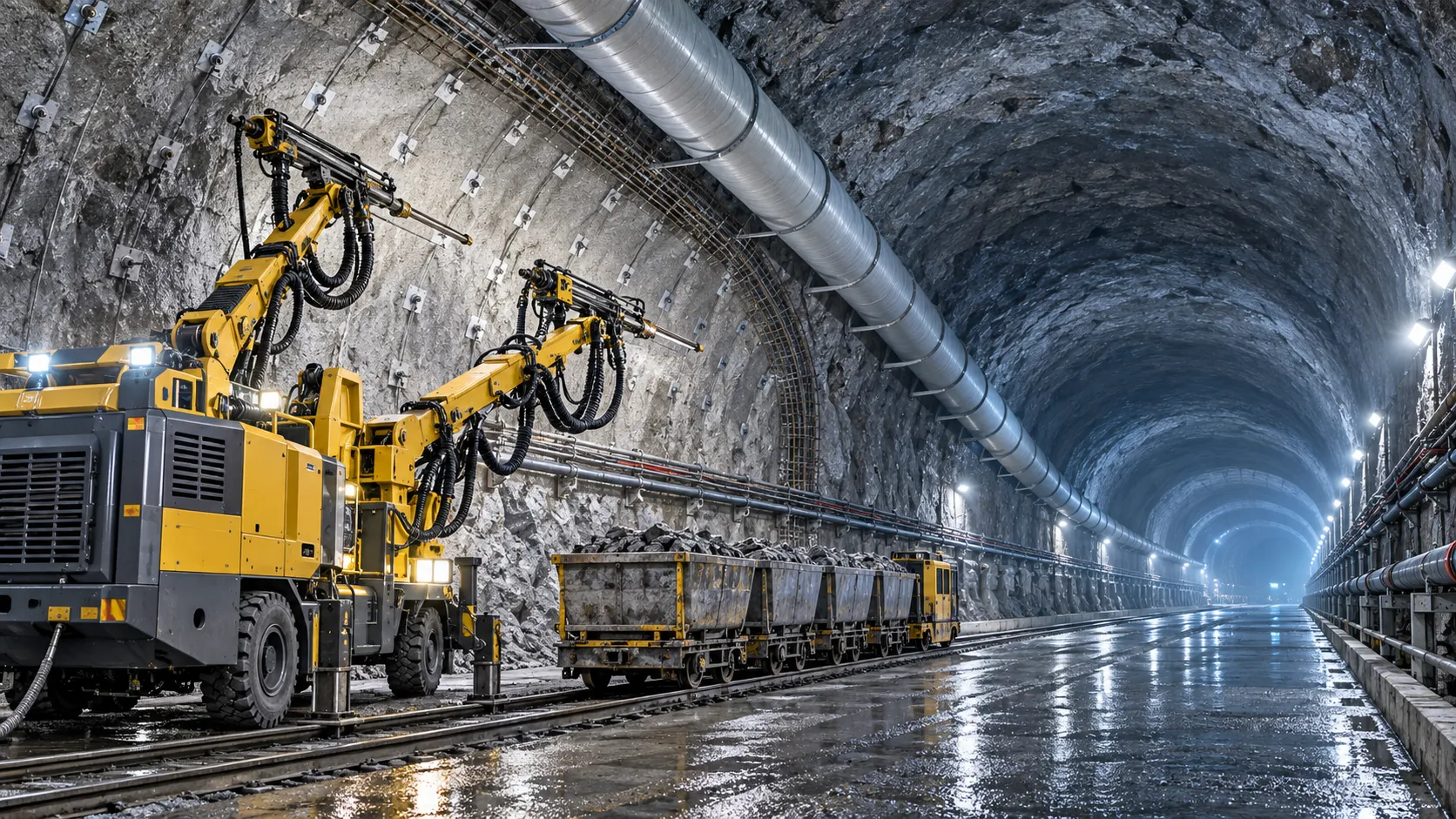
How to Evaluate European Drill-and-Blast Tunnelling Contractors for Complex Projects
Drill and blast tunnelling contractors Europe: learn how to assess geology expertise, blast control, equipment reliability, safety, and programme resilience for complex projects.
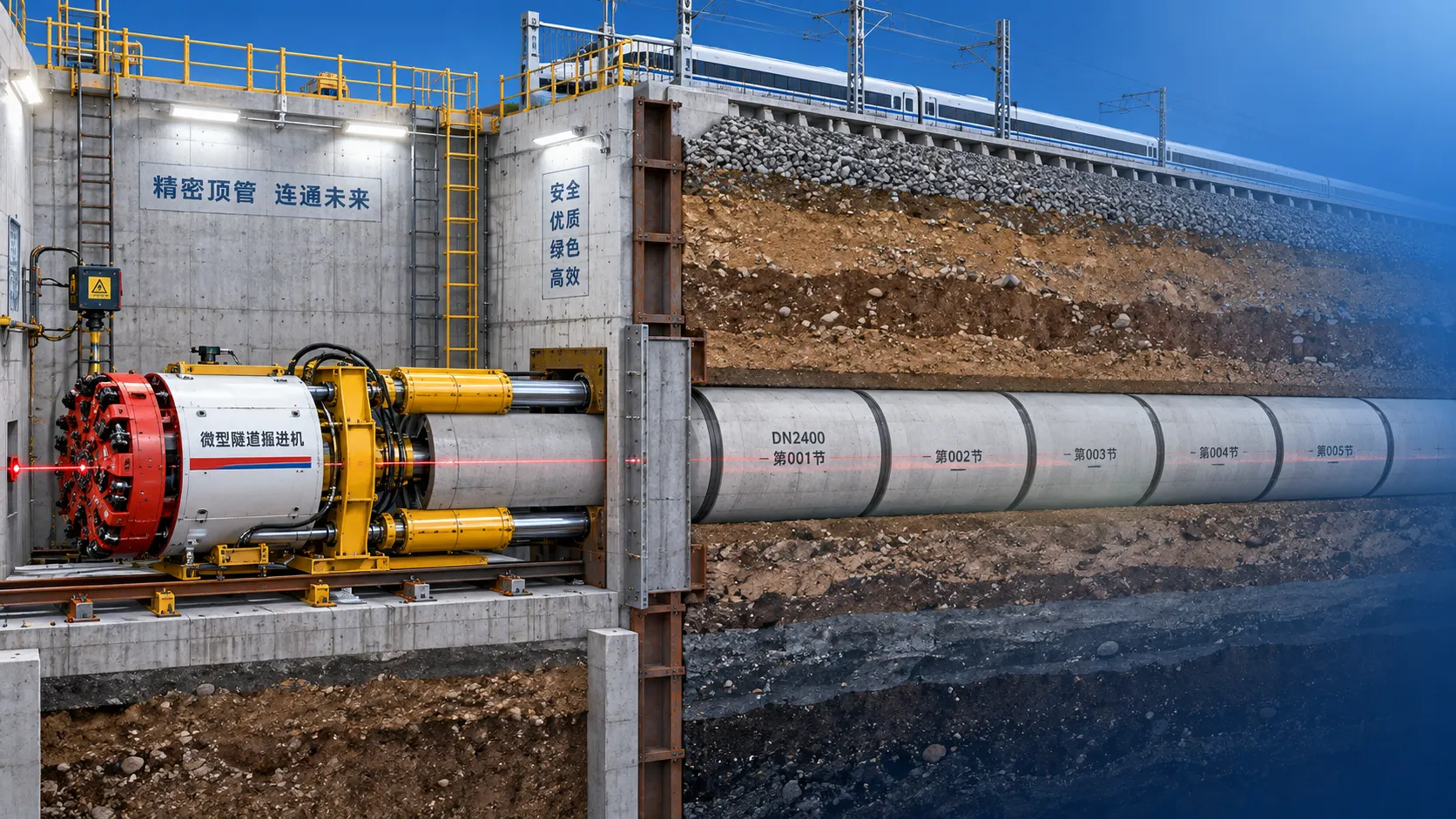
Which Trenchless Construction Technique Fits Your Utility Crossing Conditions?
Trenchless construction techniques compared for utility crossings: choose HDD, microtunnelling, pipe jacking, or auger boring based on ground, accuracy, access, and risk.
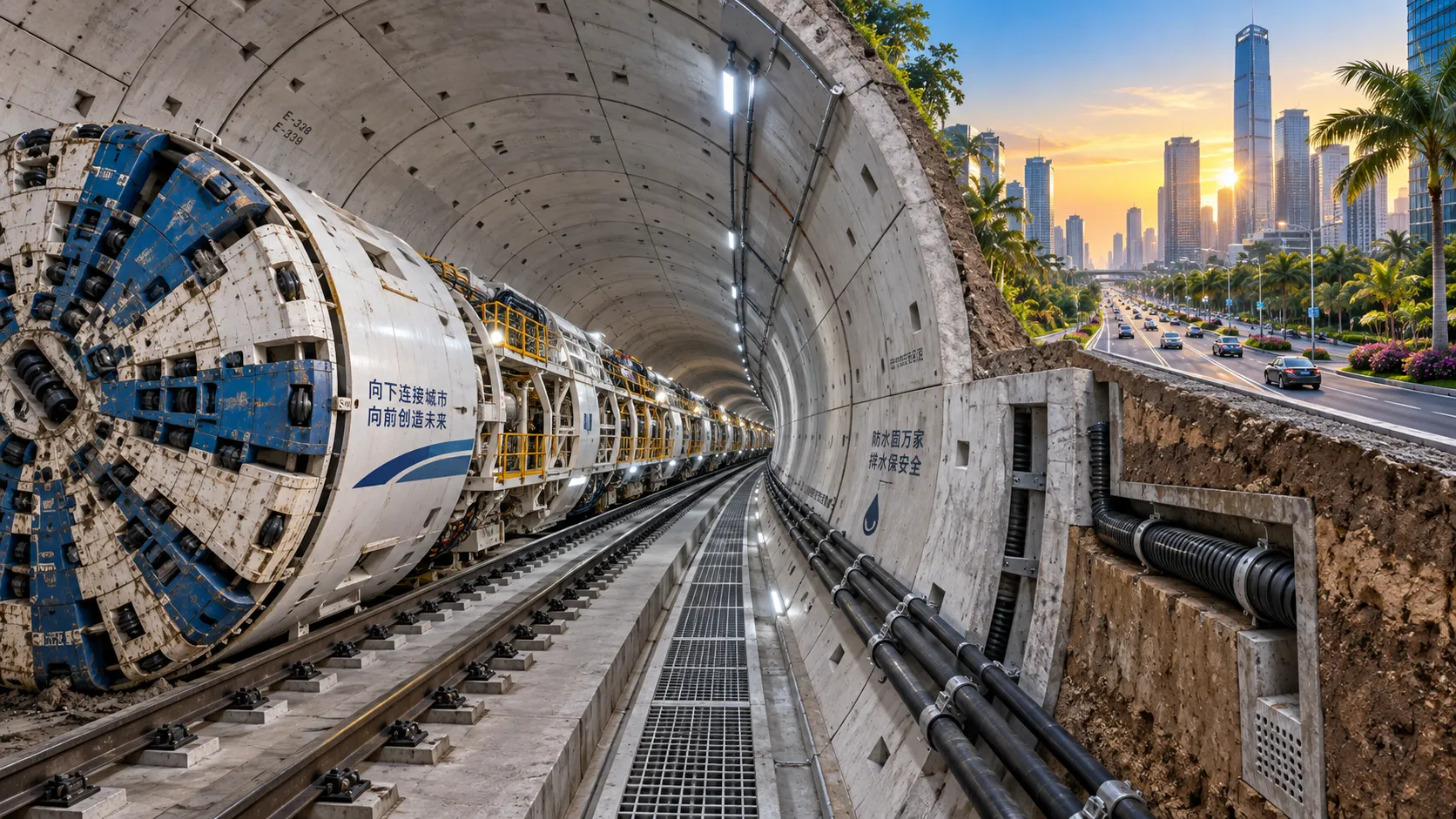
What Is Driving Metro Tunnelling Demand Across Southeast Asia’s Major Cities?
Metro tunnelling Southeast Asia is accelerating as major cities tackle congestion, flooding, and connectivity. Explore the market forces, technical risks, and opportunities shaping demand.
Hard Rock Tunnelling in Australia: Selecting Methods for Variable Ground Conditions
Hard rock tunnelling in Australia: compare TBM, drill-and-blast and hybrid methods to manage variable ground, reduce risk and protect project costs.
Hydropower Tunnel Excavation: Selecting Methods for Variable Rock Conditions
Hydropower tunnel excavation methods for variable rock conditions: compare TBM, drill-and-blast, and hybrid strategies to improve safety, progress, and project control.
How to Select Underground Safety Equipment for Tunnelling by Hazard and Work Zone
Underground Safety Equipment for tunnelling: match protection to hazards, work zones, compliance, and emergency needs with this practical selection guide.
EPB or Slurry Shield? Selecting Soft-Ground Tunnelling Equipment by Soil Conditions
Tunnel Excavation Equipment for soft ground: compare EPB and slurry shields by soil, groundwater, settlement risk, and project logistics to choose confidently.
How to Specify TBM Backup System Parts for Reliable Long-Distance Tunnelling
TBM backup system parts: learn how to specify reliable spares for long-distance tunnelling, reduce downtime, ensure compatibility, and speed underground recovery.
How to Size Open Pit Mining Trucks for Haul Distance, Grade, and Payload?
Open Pit Mining Trucks: learn how to match payload, haul distance, grade, road resistance, and loading capacity for safer, lower-cost mine operations.
Related News
- 00
0000-00
How to Evaluate European Drill-and-Blast Tunnelling Contractors for Complex Projects - 00
0000-00
Which Trenchless Construction Technique Fits Your Utility Crossing Conditions? - 00
0000-00
What Is Driving Metro Tunnelling Demand Across Southeast Asia’s Major Cities? - 00
0000-00
Hard Rock Tunnelling in Australia: Selecting Methods for Variable Ground Conditions - 00
0000-00
Hydropower Tunnel Excavation: Selecting Methods for Variable Rock Conditions
Weekly Insights
Stay ahead with our curated technology reports delivered every Monday.